by Dr Alex Jimenez DC, APRN, FNP-BC, CFMP, IFMCP | Diets, Health, Wellness
Ingesting high-concentration hydrogen peroxide as a “natural cure” or cleansing agent may land you in the emergency room, health experts caution.
Of particular concern are alternative drinking “therapies” that proactively promote the health benefits of potent peroxide. These so-called “super water” cures are anything but curative, researchers said, with ingestion leading to heart attack, stroke, and in some cases, death.
“Alternative medicine practices are not always safe,” said study lead author Dr. Benjamin Hatten. He’s currently an assistant professor in the department of emergency medicine at the University of Colorado School of Medicine.
“In addition to the lack of scientific evidence of benefit, ingestion of high-concentration peroxide can be life-threatening. This product is much more dangerous than the household hydrogen peroxide that comes in a brown bottle and is used by the public to clean wounds,” Hatten said. He conducted this research while at Oregon Health & Science University.
The current investigation looked at both the accidental and intentional consumption of industrial-concentration peroxide in formulations of 10 percent or more. That’s different from the low-concentration (3 to 5 percent) hydrogen peroxide liquid that people find in drug stores to safely treat external wounds and for cosmetic purposes.
The study included 10 years of information from 2001 and 2011. The information was from the U.S. National Poison Data System and the American Association of Poison Control Centers (AAPCC).
Nearly 300 cases of high-concentration peroxide poisoning were identified

Just under 14 percent of the patients experienced a partial or total blockage of blood flow to the heart (an embolism). Almost 7 percent either died following peroxide ingestion or suffered long-term disability. Both figures, said Hatten, were “much higher than anyone expected.”
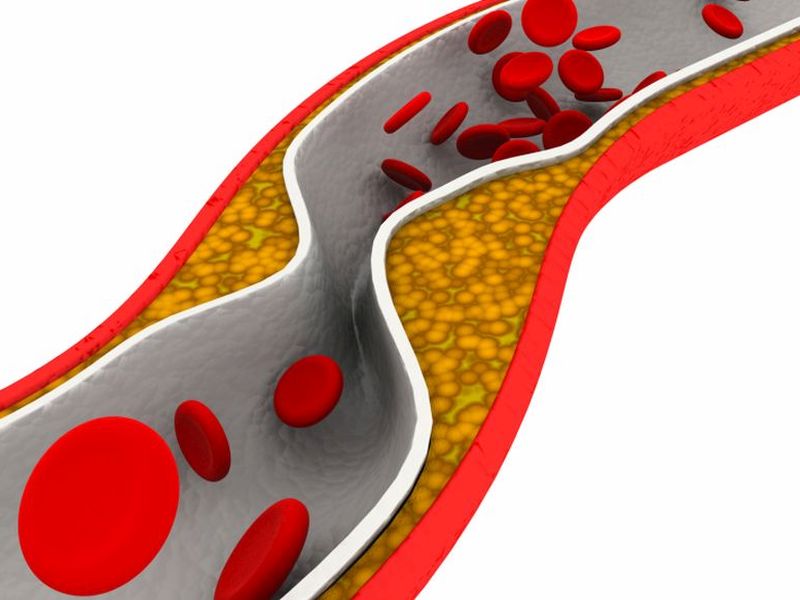
Problems Occurred As Long As 25 Hours Following Peroxide Ingestion
What’s more, significant injury — ranging from seizures, respiratory distress, strokes, heart attacks and altered mental states — wasn’t always immediately apparent.
And phony medicine aside, Hatten emphasized the dangers of accidental risk.
“Many of these cases occur when patients store undiluted or minimally diluted high-concentration peroxide in unlabeled containers or fill an old beverage bottle,” he explained. This raises the risk of someone confusing peroxide for water.
“If a consumer insists on consuming high-concentration peroxide for its purported health benefits,” Hatten said, “please keep it locked away in a clearly marked bottle to prevent accidental injury or death.”
And he added that anyone finding someone in distress after possibly ingesting high concentration peroxide should contact emergency services (EMS), find a health care provider, or reach out to their local poison center at 1-800-222-1222.
Dr. Eric Lavonas, a spokesman for the American College of Emergency Physicians, said that “tragically, cases of people who suffer strokes and other severe injuries from drinking high-concentration hydrogen peroxide are not rare.”
Why?
“When you consider that drinking a tablespoon of 35 percent ‘food grade’ [industrial] hydrogen peroxide suddenly releases more than 1.5 quarts of gas into the stomach, it’s not surprising that there are going to be some serious injuries,” Lavonas said.
That sudden release of a large amount of gas makes the stomach stretch. Eventually, the stomach can’t stretch anymore and the person who ingested the peroxide can’t belch fast enough, but the gas has to go somewhere. Sometimes the stomach ruptures. More commonly, the gas enters the arteries and veins, he said.
“Gas bubbles in a liquid rise, and when they get to a small blood vessel, the vessel gets blocked. Because of gravity, this means the most common place to see damage is the brain. The bubbles themselves don’t last very long, but the stroke can be permanent,” Lavonas explained.
Lavonas’ bottom line: “I’m not sure there is any proven health benefit to consuming hydrogen peroxide.”
The study was published recently in Annals of Emergency Medicine.
SOURCES: Benjamin W. Hatten, M.D., M.P.H., assistant professor, section of medical toxicology, department of emergency medicine, University of Colorado School of Medicine, Aurora; Eric Lavonas, M.D., emergency medicine physician and medical toxicologist, Denver Health, Denver, Colo., and spokesman, American College of Emergency Physicians; Jan. 30, 2017, Annals of Emergency Medicine, online
News stories are written and provided by HealthDay and do not reflect federal policy, the views of MedlinePlus, the National Library of Medicine, the National Institutes of Health, or the U.S. Department of Health and Human Services.

Call Today!

by Dr Alex Jimenez DC, APRN, FNP-BC, CFMP, IFMCP | Diets, Fitness
You probably know that Americans consume way too much salt, but a new U.S. government report points the finger at some surprising sources of salt in the diet.
The report said the top 5 culprits were:
Bread.
Pizza.
Sandwiches.
Cold cuts and cured meats.
Soup.
Surprisingly, potato chips, pretzels and other obviously salty snacks didn’t make it into the top five, though they did ring in at number 7.
“Most Americans are consuming too much salt and it’s coming from a lot of commonly consumed foods — about 25 foods contribute the majority of salt,” said lead researcher Zerleen Quader. She’s an analyst from the U.S. Centers for Disease Control and Prevention.
Knowing which foods contribute the most salt is important for reducing your salt intake, she said.
Sodium is an essential mineral that helps the body maintain fluid balance, according to the American Heart Association. But, too much in the diet increases the risk for high blood pressure, which in turn boosts the risk for heart attack and stroke. Table salt contains about 40 percent sodium. One teaspoon of table salt has 2,300 milligrams (mg) of sodium, which is the maximum amount recommended by health experts.
The new CDC report found that in 2013-2014, Americans consumed about 3,400 mg of salt daily. That far exceeds the recommended amount, and is more than double the American Heart Association’s “ideal” intake of 1,500 mg daily.
And, clearly, all that salt doesn’t come from the salt shaker. Most comes from packaged, processed and restaurant foods, the report said.
Many of these foods contain moderate amounts of salt, but are eaten all day long, Quader said. It’s not necessarily that foods such as bread are high in salt, but eating several slices a day quickly adds to the total amount of salt you consume.
One way to reduce salt is to pay attention to food labels when shopping and choose the lowest salt option, Quader suggested.
“When cooking at home, use fresh herbs and other substitutes for salt. When eating out, you can ask for meals with lower salt,” she added.
Quader said the food industry can help by lowering the amount of salt it adds to its products. Gradually reducing salt in foods can help prevent high blood pressure (“hypertension”) and reduce the risk of cardiovascular disease and won’t even be noticed by consumers, she said.
The CDC researchers found that 44 percent of the salt people eat comes from just 10 foods. These include bread made with yeast, pizza, sandwiches, cold cuts and cured meats, soups, burritos and tacos, salted snacks, chicken, cheese, eggs and omelets.
Seventy percent of salt in the diet is from 25 foods, the report said. Some of the foods included in the top 25 are bacon, salad dressing, French fries and cereal, the researchers found.
In addition, 61 percent of the salt consumed daily comes from store-prepared foods and restaurant meals. Restaurants have the saltiest foods, Quader said.
Processed foods not only raise blood pressure, but may also increase the risk for cancer, one nutritionist said.
Samantha Heller is a senior clinical nutritionist at New York University Medical Center in New York City.
“Processed meats such as bologna, ham, bacon and sausage, and hot dogs have been classified as carcinogens by the World Health Organization,” Heller said.
In addition, these and other highly processed foods are huge contributors to the excess salt in the Western diet.
“Parents need to understand that feeding hot dogs, fries, and ham and cheese sandwiches to their kids (and themselves) is significantly increasing their risk for certain cancers, hypertension and heart disease,” Heller said.
Lowering salt in your diet is “as simple and as difficult as cooking at home and using fresh ingredients, as often as possible,” she suggested.
“This can save money and time in the long run, and certainly is better for our health,” Heller said. “It may take some time to re-pattern your shopping and eating habits, but your health is worth it.”
The report was published March 31 in the CDC’s Morbidity and Mortality Weekly Report.

by Dr Alex Jimenez DC, APRN, FNP-BC, CFMP, IFMCP | Diets, Health, Nutrition
This edition of MRM Talking With is focused on Millennials. Stacie Sopinka, Vice President of Product Development and Innovation at US Foods shares with Modern Restaurant Management magazine her views on millennial dining and food trends and why it’s important for restaurateurs to understand this demographic.�In its new Spring Scoop, US Foods aims to help local chefs and independent restaurants create products and food experiences catered specifically for millennials. Some of the highlights include:
- Globally inspired cuisines that feature authentic ingredients and international flavors
- High-quality products that are both responsibly prepared and satisfy the taste buds
- A new menu design offering that helps restaurateurs design top-quality menus
Under the banner “What Millennials Crave,” Spring Scoop features a lineup of 26 new products designed to help restaurant customers attract more millennial diners. Also featured are new menu design capabilities and a wide array of products that address several trends and product attributes important to millennials, including global cuisine, sustainability and portability.
What are some unique trends and dishes millennials crave?
Nearly half of millennials seek globally-inspired foods when dining out.
The demand for ethnic cuisine is continually growing. Nearly half of millennials seek globally-inspired foods when dining out. To meet this demand head-on, we�re recommending that restaurants add items to their menus that feature international ingredients and flavors. Spring Scoop includes products like Pacific Jade� Indian Curry, Thai Red Curry Sauce Starters and Chef�s Line� All Natural Chicken Shawarma to help give chefs and operators easy options to add ethnic flare to their menus.
Natural, organic and sustainably sourced foods are also very popular with millennial diners, with 65 percent saying that they enjoy foods that are natural or organic (The Hartman Group). As demand continues to grow, we�ve made it a priority at US Foods to develop products and responsibly sourced ingredients. Spring Scoop aims to build on the success of last year�s Serve-Good� line with other new, sustainable products like Chef�s Line All Natural Fire Grilled Chicken Breast and White and Dark Turkey Burgers that are vegetarian-fed and raised without antibiotics.

Stacie Sopinka
Why is it crucial for restaurants to cater to this demographic?
Millennials spend more money dining out than any other demographic, so it�s essential that operators understand their preferences and shape their menus accordingly. Studies show millennials spend on average $174 a month on food away from home, compared to $153 for other generations. But what�s really compelling about this demographic is how much they cherish the experience of eating out. Studies also show that an overwhelming majority of millennials will prioritize eating out, even when money is tight.
How is the millennial taste bud different than previous generations?
Millennials are twice as likely to risk danger in order to participate in an adventure. This behavior translates into food as well with bold and spicy flavors being millennial favorites. Extreme Eating can also take the form of participating in decadent offerings like fried chicken, ice cream sandwiches and poutine. Millennials have also redefined the term �healthy� as they shift their focus from low fat and low calorie towards food tribe favorites such as the paleo diet, vegan and gluten free offerings.
What was the process of putting together these new items?
US Foods has a dedicated internal product innovation team that is charged with researching and identifying consumer trends and eating habits to inform our ongoing product development. We have three Scoop launches per year (Spring, Summer and Fall) that average around 25 new products and each launch has a different theme or set of trends that we try to concentrate our product innovation around.
With two-thirds of the team being millennials, we were able to draw on direct first-hand knowledge and experience for this year�s Spring Scoop.
How do you feel they will inspire chefs and restaurateurs?
The new Spring Scoop products will help chefs and restaurateurs attract more millennial diners. These customizable products allow operators to design dishes in their own unique way, which keeps the menu independent and true to their vision.
How important is menu design for restaurants?
Nothing is more important that a first impression, and for restaurants, that first impression is often made through the menu. Recent stats from OpenTable suggest that 86 percent of millennial diners browse a restaurant�s menu online before choosing to eat there. Therefore, menu design should express the personality of a restaurant, be clear, and highlight the most profitable products.
We launched US Foods Menu in Spring Scoop to help restaurateurs design top-quality menus that highlight key dishes and engage diners.
What are some upcoming trends you are seeing?
Diners are increasingly eating on the run and also ordering their meals to go.� We think of this as lifestyle eating � snacking, eating at your desk and in your car are all part of the new norm.� Approximately 20 percent of meals are eaten in cars in the U.S. and with busy schedules eating three square meals is increasingly becoming a rarity.� This opens up opportunities in the foodservice industry for shareable plates, portable healthy foods that are individually wrapped and increased focus on making home delivery ordering easy for customers.
Call Today!

by Dr Alex Jimenez DC, APRN, FNP-BC, CFMP, IFMCP | Diets, Fitness
Parkinson’s disease can cause tremors, stiffness and trouble with walking. But a new study suggests that regular exercise can slow the progression of the disease.
Even those with advanced Parkinson’s can benefit from activity, the study authors said.
The research included more than 3,400 patients in North America, the Netherlands and Israel who were followed for more than two years. During that time, Parkinson’s-related changes in mobility were assessed by timing how long it took patients to rise from a chair, walk about 10 feet, turn and return to a sitting position.
The results were published online recently in the Journal of Parkinson’s Disease.
“We found that people with Parkinson’s disease who maintained exercise 150 minutes per week had a smaller decline in quality of life and mobility over two years compared to people who did not exercise or exercised less,” said lead investigator Miriam Rafferty, of Northwestern University and Rehabilitation Institute of Chicago.
“The smaller decline was significant for people who started the study as regular exercisers, as well as for people who started to exercise 150 minutes per week after their first study-related visit,” she said in a journal news release.
The study didn’t look at what specific types of exercise might be best for people with Parkinson’s disease. But the findings suggest that at least 150 minutes a week of any type of exercise offers benefits.
“People with Parkinson’s disease should feel empowered to find the type of exercise they enjoy, even those with more advanced symptoms,” Rafferty added.
The study also found that people with more advanced Parkinson’s disease saw the greatest benefit from 30-minute-per-week increases in exercise. This finding could prove important in making exercise more accessible to these people. Currently, their increased disability may limit their independent participation in community and group exercise programs, according to the researchers.
“The most important part of the study is that it suggests that people who are not currently achieving recommended levels of exercise could start to exercise today to lessen the declines in quality of life and mobility that can occur with this progressive disease,” Rafferty said.

by Dr Alex Jimenez DC, APRN, FNP-BC, CFMP, IFMCP | Diets, Fitness
It may be tempting to latch on to the latest diet fad like juicing or going gluten-free to lose weight or achieve other health goals. But when it comes to heart health, doctors say sticking with old standbys like fruits, veggies and olive oil is still the best approach.
To see what kind of diet patterns might be the most heart healthy, a team of doctors and researchers examined results from more than a dozen previously published nutrition studies. Taken together, all of this evidence shows the best regimen for heart health includes plenty of fruits, vegetables, whole grains and legumes, the study concludes.
“There is a great amount of misinformation about nutrition fads, including antioxidant pills, juicing and gluten-free diets,” said lead study author Dr. Andrew Freeman, director of cardiovascular prevention and wellness in the division of cardiology at National Jewish Health in Denver.
“However, there are number of dietary patterns that have clearly been demonstrated to reduce the risk of many chronic diseases, including coronary heart disease,” Freeman said in a statement. “There is growing consensus that a predominantly plant-based diet that emphasizes green, leafy vegetables, whole grains, legumes and fruit is where the best improvements are seen in heart health.”
Based on the scientific data available, nuts in moderation, extra-virgin olive oil and lean meats can also be part of a heart healthy diet, Freeman and colleagues report in the Journal of the American College of Cardiology.
To help avoid high cholesterol, one risk factor for heart disease, the study authors also recommend skipping or limiting eggs and other oils like coconut and palm oil.
Even though U.S. dietary guidelines released last year removed previous recommendations to limit cholesterol, the current research review still advises against eating too many eggs because they are associated with higher cholesterol levels in the blood.
Coconut oil and palm oil may be trendy, but there isn’t much data to show they’re healthy for routine use, the study also concludes. Olive oil does have proven benefits, but should be consumed in moderation because it’s high in calories.
When it comes to antioxidants, another diet fad, there’s no evidence that supplements can help the heart and some evidence that they may have harmful health effects. But the science does support eating whole fruits and vegetables to get these nutrients.
Juicing, too, may not be as good for the heart as whole fruits and vegetables if people end up drinking too many calories, the researchers note. Juices without added sugar may, however, make sense for people who don’t eat enough fruits and vegetables.
“The problem with juicing is that many individuals who drink these tend to consume more calories from added sugars (fruit, yogurt, milk) than they realize,” Dr. Daniel Rader of the Perelman School of Medicine at the University of Pennsylvania in Philadelphia said by email. He wasn’t involved in the study.
Gluten-free diets that avoid ingredients like wheat, barley and rye are necessary for people with celiac disease or gluten allergies, but don’t have proven benefits for anyone else, the study concludes.
It’s possible that fad diets avoiding gluten without a medical reason to do this might appear to be successful because people who try eating this way to improve their health also do other things that are healthy like getting plenty of exercise and sleep and avoiding smoking and junk food, said Alvaro Hernaez, a researcher at the Hospital del Mar Medical Research Institute in Barcelona.
“They feel better because of the general improvement in their lifestyle habits,” Hernaez, who wasn’t involved in the study, said by email.
Fads diets, especially those that load up on meat or restrict too much food, should be avoided, said Samantha Heller, a nutritionist at New York University Langone Medical Center who wasn’t involved in the study.
“We would all benefit from eating fewer foods that come from animals such as ham, beef, cheese, butter and pork, and eating a lot more plant foods,” Heller said by email.
by Dr Alex Jimenez DC, APRN, FNP-BC, CFMP, IFMCP | Diets, Nutrition, Wellness
If You�re Craving Something Sweet
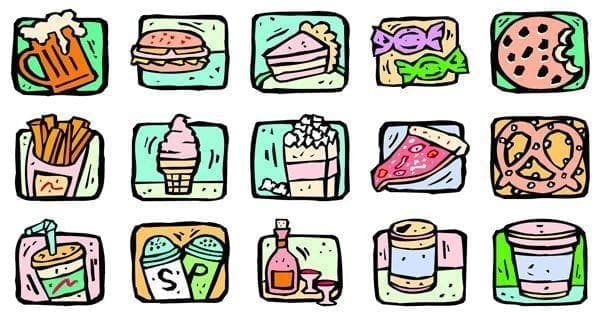
It�s easy to get a quick sugar fix from foods that might be lying around (hello, blueberry muffins in the office kitchenette). Chances are, though, that you’re already eating way too much sugar; the average person takes in 22 teaspoons of�sugar daily�more than three times the amount suggested by the American Heart Association. A growing body of research links the sweet stuff to high cholesterol and blood pressure, increased risk for cancer, diabetes, and heart disease, and�of course�excess weight gain. Plus, a sweet treat can cause a blood sugar spike and crash, leaving you feeling sluggish, moody, and hungry (again).
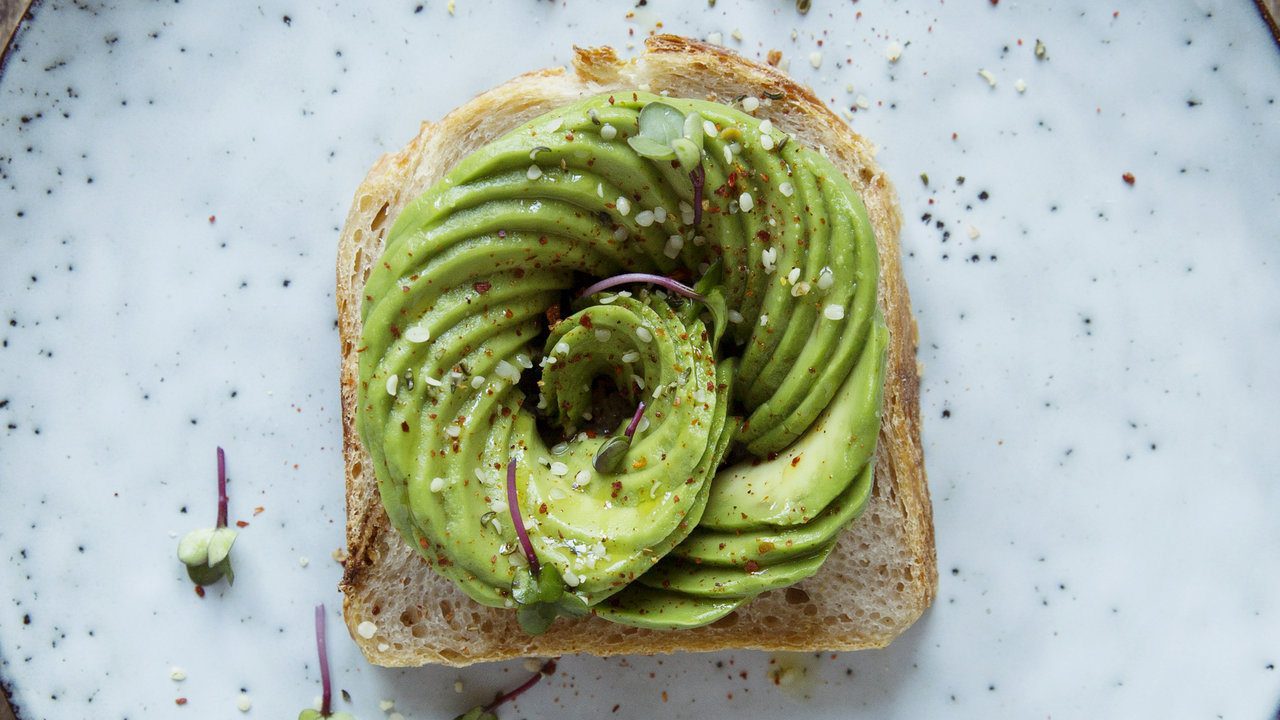
Reach For A Piece Of Fruit Instead
You’ll be satisfied�we promise. �When you craving something cold, creamy and sweet, think healthier options like frozen bananas, grapes, organic fruit purees, or homemade frozen yogurt pops,� suggests Natalia Levey, certified health and nutrition coach and author of Cravings Boss. Low-fat Greek or plain yogurt with some fruit on top is another nutrient-packed option. �The yogurt provides calcium which is good for your bones and the berries are packed with immune boosting antioxidants,� says Keri Gans, RD, New York City-based nutritionist and author of The Small Change Diet
Call Today!

by Dr Alex Jimenez DC, APRN, FNP-BC, CFMP, IFMCP | Chiropractic, Diets, Health, Nutrition
Mediterranean Diet
An Estimated 86 Million Americans Are At Risk For Type 2 Diabetes
But nearly 90 percent of them don�t know it.
Doctors say adhering to a Mediterranean diet may help to reverse your risk of developing Type 2 Diabetes.
The Mediterranean diet, which is especially popular from Spain and Italy to Greece and the Middle East, largely focuses on seasonal fruits and vegetables.
�It�s dark leafy greens, freshly foraged greens in all different varieties� like kale and collards and spinach and chard,� said Dahlia Shaaban, founder of Washington, D.C.-based Live Deliciously.
The majority of foods in a Mediterranean diet do come from plants, but Shaaban says to go for fish or lean proteins twice per week. Salmon and tuna, for example, contain Omega 3 Fatty Acids which promote heart and brain health.
�So you can think of crowding out your plate with more plant-based foods, then enjoying meat here and there,� explained Shaaban.

Beans, Nuts & Whole Grains Are Everyday Staples In A Mediterranean Meal
�The grain is something you can hold onto,� said Shaaban. �Brown rice, farro, wide rice, quinoa, bulgur or cracked wheat. The most common beans you find in the Mediterranean are:�lentils, chickpeas, fava beans, black eyed peas.�
The American Diabetes Association suggests using olive oil to cook instead of butter or margarine. That can help to lower cholesterol levels. And when it comes to seasoning, herbs, spices and citrus juice are better options than salt.
Finally, limit alcohol and sugar�and you�ve got the perfect blend of health-conscious choices for people managing diabetes.
�It�s not just a diet, it�s a lifestyle,� said Shaaban.
For Mediterranean-inspired recipes, visit the Live Deliciously�and�Live Deliciously Tribe Facebook pages.
Call Today!
� 2017 WFAA-TV