By now you may have heard the shocking news: Subway’s �chicken� may contain just 50 percent chicken. The rest is filler, according to a report published by Time Magazine.
According to tests performed at Trent University in Canada, the company�s chicken strips and oven-roasted chicken contained just 43 percent and 54 percent chicken DNA, respectively, consisting otherwise of soy and other filler ingredients.
Subway denies the charges and has demanded a retraction from CBC Marketplace, yet admits it is �concerned by the alleged findings.� According to Subway, its chicken strips and oven-roasted chicken contain less than 1 percent soy protein.
The filler, it turns out, is a very long list of ingredients, however, a majority of it is soy protein. John Coupland, president of the Institute of Food Technologists, told Time Magazine.
�Based on the data, that is a surprisingly large amount of soy � And it�s astonishingly high for something that you�re supposed to think is a real, whole piece of chicken.�
On average, fast food chicken contains about one-quarter less protein than home-cooked chicken breast, thanks to water infusions and fillers, and up to eight times more sodium.
Moreover, as noted in the program, while you�d never expect chicken to be a source of carbohydrates, fast food chicken, such as that from Subway, contain surprisingly high amounts of refined starches and sugars.
Soy Protein May be Linked to Health Issues
Based on these test results, there are many reasons for concern. Not only are you being ripped off, paying for chicken that turns out to be 50 percent soy, which is dirt-cheap in comparison, but you�re also eating something that could be hazardous to your health, even if you�re not outright allergic to soy.
Unlike the Asian culture, where people eat small amounts of whole, fermented non-GMO soybean products, western food processors separate the soybean into two golden commodities � protein and oil. And there is nothing natural or safe about either.
Unfermented soy foods contain anti-nutritional factors such as soyatoxin, phytates, protease inhibitors, oxalates, goitrogens and estrogens � some of which actually interfere with the enzymes you need to digest protein.
While a small amount of these anti-nutrients would not likely cause a problem, the amount of soy many Americans now eat is extremely high.
What�s worse, the vast majority of soy grown in the U.S. is genetically engineered (GE) to be herbicide resistant and contaminated with the well-documented carcinogenic herbicide, Roundup.
Soybeans are also processed by acid washing in aluminum tanks, which can leach aluminum into the final soy product, and may contain unsafe levels of manganese as well.
According to Kaayla Daniel, Ph.D., author of �The Whole Soy Story,� thousands of studies link unfermented soy to a wide range of health problems, including:
Malnutrition
Kidney stones
Breast Cancer
Reproductive disorders
Infertility
Immune system impairment
Thyroid dysfunction
Heart disease
Cognitive decline (dementia)
Brain damage
Digestive problems
Food allergies
Soy for Dinner
A recent report by Mighty Earth, highlights the environmental impact of soybeans. More specifically, the report accuses Burger King of buying soy from plantations created by burning down tropical forests.
�To examine the impact of Burger King�s operations, we focused on the ultimate source of much of their meat: the soybeans that feed the livestock that the company uses to make its meals. Soy is an important base ingredient of the world�s meat. Approximately three-quarters of the world�s soy goes to animal feed,� the report notes.
��Burger King has a lot to hide: The fast food giant has failed to adopt any serious policies to protect native ecosystems in the production of its food. Despite pressure from consumers, it continues to rank dead last among its competitors � when it comes to protecting the environment.
Companies found in Burger King�s supply chain have been linked to ongoing destruction of forests and native prairies � habitat for wildlife like sloths, jaguars, giant anteaters and other species.
Unlike many of its competitors, Burger King has repeatedly turned down requests from civil society organizations to commit to only buying from suppliers who don�t engage in destruction of forests, or to provide information about where its commodities originate � Burger King scored a zero on the Union of Concerned Scientists� 2016 scorecard of major beef sellers� deforestation profiles, significantly lagging behind other major players like Wal-Mart, McDonald�s and Wendy�s.�
Soy Is Bad, But Roundup Is Even Worse
Glyphosate � the active ingredient in Monsanto�s wide-spectrum herbicide Roundup and other pesticides � is the most widely used agricultural chemical in the world. The first glyphosate-tolerant soybeans were introduced in the U.S. in 1994. By 2015, 83 percent of the soy grown worldwide was GE soy and in the U.S. more than 90 percent of soybeans grown are GE.
Less than 1 percent are organic, with the remaining 9 percent being conventionally grown which, like GE varieties, involves the use of herbicides like Roundup. Glyphosate-contamination is in and of itself a major reason to avoid foods containing soy protein. And if Subway chicken really contains as much soy as the Canadian test suggests, it would be a significant reason to avoid it too. Remember that less than 1 percent of soy is organic and free of pesticides.
In March, 2015, the International Agency for Research on Cancer (IARC), a research arm of the World Health Organization (WHO) and the �gold standard� in carcinogenicity research, reclassified glyphosate as a �probable human carcinogen� (Class 2A). Research scientist and consultant Anthony Samsel has also reported he uncovered evidence showing Monsanto knew glyphosate promotes cancer as far back as 1981.
Based on the IARC�s determination, the California agency of environmental hazards (OEHHA) has declared glyphosate a carcinogen under Proposition 65, and will require all glyphosate-containing products to carry a cancer warning. Monsanto attempted to overturn the OEHHA�s decision, but a Fresno County Superior Court Judge ruled against it.
Where Can You Find Real, Whole Food
We like to think that we can make healthy choices while eating out and save time in our hectic schedules. Afterall, who has time to cook anymore? Well, the reality is that the wool is being pulled over our eyes. It is next to impossible to eat healthy wholesome foods at fast food chains or even upper scale restaurants. There is simply too much out of your control- from MSG, preservatives, trans fats and gluten (these are just a few of the toxins we�re exposed to).
With all the drawbacks associated with conventional agriculture, factory farmed meats and processed fast food, your best bet is to forgo restaurants and choose fresh, locally produced foods. You can also grow some of your own. Remember to choose organic, grass-fed/pasture-raised beef, poultry and dairy, in addition to organic produce. If you live in the U.S., the following organizations can help you locate farm-fresh foods:
American Grassfed Association
EatWild.com
Weston A. Price Foundation
Grassfed Exchange
Local Harvest.org
Farmers Markets
Eat Well Guide: Wholesome Food from Healthy Animals
FoodRoutes
The Cornucopia Institute
RealMilk.com
OrganicPastures.com
For more information, please feel free to ask Dr. Jimenez or contact us at 915-850-0900 .
Whole Body Wellness
Overall health and wellness can be achieved by following a proper nutrition and engaging in regular exercise and/or physical activities. While these are some of the most common ways to ensure whole body health and wellness, visiting a qualified and experienced healthcare professional can also grant your body additional benefits. Chiropractic care, for instance, is a safe and effective alternative treatment option utilized by people to maintain well-being.
You add it to your morning cup of coffee or tea. You bake it into pastries, cakes, and cookies. You even sprinkle it all over your breakfast cereal or your oatmeal.
But that�s not all. It�s also hidden in many of our favorite �treats� that people consume on a daily basis, such as sodas, fruit juices, candies, ice cream, almost all processed foods, and even condiments like ketchup.
But how exactly does sugar work in our body, how much sugar is acceptable and what are the side effects of eating too much sugar on people�s health?
How Excessive Sugar Affects Your Health
Today, an average American consumes about 32 teaspoons (126 grams) of sugar per day or 134 pounds per year, based on the latest research released in February 2015.
What�s even more disturbing is that people are consuming excessive sugar in the form of fructose or high-fructose corn syrup (HFCS). This highly processed form of sugar is cheaper yet 20 percent sweeter than regular table sugar, which is why many food and beverage manufacturers decided to use it for their products, as it would allow them to save money in the long run.
The bad news is that the human body is not made to consume excessive amounts of sugar, especially in the form of fructose. In fact, your body metabolizes fructose differently than sugar. Fructose is actually a hepatotoxin (toxic to the liver) and is metabolized directly into fat � factors that can cause a whole host of problems that can have far-reaching effects on your health.
Effects of Consuming Too Much Sugar
Dr. Robert Lustig, a professor of Clinical Pediatrics in the Division of Endocrinology in the University of California and a pioneer in decoding sugar metabolism, says that your body can safely metabolize at least six teaspoons of added sugar per day. But since most Americans are consuming over three times that amount, the majority of the excess sugar becomes metabolized into body fat � leading to all the debilitating chronic metabolic diseases many people are struggling with.
Here are some of the effects that consuming too much sugar has on your health:
It overloads and damages your liver. The effects of too much sugar or fructose can be likened to the effects of alcohol. All the fructose you eat gets shuttled to the only organ that has the transporter for it: your liver. This severely taxes and overloads the organ, leading to potential liver damage.
It tricks your body into gaining weight and affects your insulin and leptin signaling.Fructose fools your metabolism by turning off your body�s appetite-control system. It fails to stimulate insulin, which in turn fails to suppress ghrelin, or �the hunger hormone,� which then fails to stimulate leptin or �the satiety hormone.� This causes you to eat more and develop insulin resistance
It causes metabolic dysfunction. Eating too much sugar causes a barrage of symptoms known as classic metabolic syndrome. These include weight gain, abdominal obesity, decreased HDL and increased LDL, elevated blood sugar, elevated triglycerides, and high blood pressure.
It increases your uric acid levels. High uric acid levels are a risk factor for heart and kidney disease and also the cause of Gout. In fact, the connection between fructose, metabolic syndrome, and your uric acid is now so clear that your uric acid level can now be used as a marker for fructose toxicity. According to the latest research, the safest range of uric acid is between 3 to 5.5 milligrams per deciliter. If your uric acid level is higher than this, then it�s clear that you are at risk to the negative health impacts of fructose.
Sugar Can Increase the Risk of Disease
One of the most severe effects of eating too much sugar is its potential to wreak havoc on your liver, leading to a condition known as non-alcoholic fatty liver disease (NAFLD).
Yes, the same disease that you can get from excessive alcohol intake can also be caused by excessive sugar (fructose) intake. Dr. Lustig explained the three similarities between alcohol and fructose:
Your liver metabolizes alcohol the same way as sugar, as both serve as substrates for converting dietary carbohydrate into fat. This promotes insulin resistance, fatty liver, and dyslipidemia (abnormal fat levels in your blood)
Fructose causes superoxide free radicals to form, resulting in inflammation � a condition that can be also caused by acetaldehyde, a metabolite of ethanol
Fructose can directly and indirectly stimulate the brain�s �hedonic pathway,�(addiction pathway) creating habituation and dependence, the same way that ethanol does
But if you think that�s the only way eating too much sugar wreaks havoc on your body, you�re dead wrong. Research from some of America�s most respected institutions now confirms that sugar is a primary dietary factor that drives obesity and chronic disease development.
One study found that fructose is readily used by cancer cells to increase their proliferation � it �feeds� the cancer cells, promoting cell division and speeding their growth, which allow the cancer to spread faster.
Alzheimer�s disease is another deadly illness that can arise from too much sugar consumption. A growing body of research found a powerful connection between a high-fructose diet and your risk of developing Alzheimer�s disease, through the same pathway that causes type 2 diabetes. According to some experts, Alzheimer�s and other brain disorders may be caused by the constant burning of glucose for fuel by your brain.
Other diseases that are linked to metabolic syndrome and may potentially arise because of too much sugar consumption include:
Type 2 Diabetes
Hypertension
Heart Disease
Peripheral Neuropathy
Polycystic Ovarian Syndrome
Lipid (cholesterol) problems
Dementia (Alzheimer�s disease)
Cancer
Reducing Your Sugar Consumption
Sugar, in its natural form, is not inherently bad, as long as it�s consumed in moderation. This means avoiding all sources of fructose, particularly processed foods and beverages like soda. According to SugarScience.org, 74 percent of processed foods contain added sugar stealthily hidden under more than 60 different names. Ideally, you should spend 90 percent of your food budget on whole foods, and only 10 percent or less on processed foods.
I also advise you to severely limit your consumption of refined carbohydrates (waffles, cereals, bagels, etc.) and grains, as they actually break down to sugar in your body, which increases your insulin levels and causes insulin resistance.
As a general recommendation, I advise you to keep your total fructose consumption below 25 grams per day, including that from whole fruit. Keep in mind that although fruits are rich in nutrients and antioxidants, they also naturally contain fructose, and if consumed in high amounts may actually worsen your insulin sensitivity and raise your uric acid levels.
Remember that artificial sweeteners like aspartame and sucralose are also a no-no, as they actually come with a whole new set of health problems that are much worse than what sugar or corn syrup can bring.
KICK THE CRAVINGS!
We continue to see emerging evidence in the literature (research) that obesity, pre-diabetes and diabetes are driving factors not only for chronic conditions like Peripheral Neuropathy, but also for a slew of other chronic diseases, including cancer. It�s important to realize that you don�t have to give up sugar completely but you must reduce it substantially in your diet. Research has shown that no one should be consuming more than 6 teaspoons of sugar per day, and this includes fruit sugar, as well.
In order to get healthy and fight off chronic illness, here are some additional dietary tips to remember:
Increase your consumptionof healthy fats, such asomega-3, saturated, and monounsaturated fats. Your body needs health-promoting fats from animal and vegetable sources for optimal functioning. In fact, emerging evidence suggests that healthy fats should make up at least 70 percent of your diet. Some of the best sources include organic butter from raw milk, (unheated) virgin olive oil, coconut oil, ghee, raw nuts like pecans and macadamia, free-range eggs, avocado, and wild Alaskan salmon.
Drink pure, clean water. Simply swapping out all the sweetened beverages like sodas and fruit juices for pure water can go a long way toward improving your health. The best way to gauge your water needs is to observe the color of your urine (it should be light pale yellow) and the frequency of your bathroom visits (ideally, this is around seven to eight times per day).
Add fermented foods to your meals. The beneficial bacteria in these healthful foods can support your digestion and provide detoxification support, which helps lessen the fructose burden on your liver. Some of the best choices include kimchi, natto, organic yogurt and kefir made from grass-fed milk, and fermented vegetables.
How to Get Rid of Your Sugar Cravings
Sugar is highly addictive and affects depency centers in the brain but it can also have an emotional component, as well. In order to squelch sugar cravings, it�s important to detox. Here at our clinic we utilize a 21 day Jump Start program. This is a great program for detoxing your body from unwanted chemicals and sugar addiction and for decreasing inflammation.
The temptation to eat or indulge in sugary foods will always be there, especially with the abundance of processed foods and fast foods everywhere. However, most sugar cravings arise because of an emotional challenge. If this is what causes you to crave sugar, the best solution I could recommend is the Emotional Freedom Technique (EFT). This technique is a simple and effective strategy to help control your emotional food cravings.
For more information, please feel free to ask Dr. Jimenez or contact us at 915-850-0900 .
Whole Body Wellness
Following a balanced nutrition, participating in regular physical activity and getting plenty of rest are fundamental factors for maintaining whole body wellness. While all of these can make you look and feel healthy, its also essential to address the health of your spine in order to maintain the proper function of all the body�s structures. Chiropractic care is a well-known alternative treatment option utilized by many individual�s to restore the health of the spine as well as maintain it. Chiropractic can also help prevent complications related to spinal injuries and conditions.
Miso has been a staple in Chinese and Japanese diets dating back approximately 2,500 years. Traced from ancient China, where it was known as hisio, a seasoning prized by aristocrats, miso was perfected in Japan from the 7th century to current day.
Today, most of the Japanese population begins their day with a warm bowl of miso soup to stimulate digestion and energize the body. When purchasing miso, avoid the pasteurized version and spend your money on the live enzyme-rich product, which is also loaded with beneficial microorganisms.
As long as you choose unpasteruizedmiso, you will be getting the benefits of live friendly microflora for the health of your inner ecosystem.
While it was once thought that soy was the reason for the low rates of heart disease, breast and prostate cancer in Asia, more evidence is now showing us that it is the consumption of traditionalfermented soy products (usually eaten every day) that are providing the real benefits.
There are many types of miso, some made with just soy beans and soy koji (called Hatcho miso, a favorite in Japan) and others made with barley and rice. The key to its amazing health benefits is that it must be allowed to ferment from 3 months to 3 years which produces an enzyme-rich food.
Miso is effective in detoxifying and eliminating elements that are taken into the body through industrial pollution, radioactivity and artificial chemicals in the soil and food system.
Benefits of Miso Soup
Many human and animal studies have been done on miso and have revealed the following benefits:
1. Give a boost to the immune system
Much like any fermented food, miso improves the population of good microflora in the digestive tract. Not only does miso act as a natural antacid, reducing the chance of digestive upset, but good microbes help to support a healthy and effective immune system. A healthy gut is essential for protecting you against disease because of its pivotal role in the body�s immune system.
2. Protect against harmful effects of radiation
Exposure to radiation is inevitable. Increased use of consumer electronics, medical testing procedures, and home radon are just a few of the many culprits behind your likely exposure to radiation on a daily basis. But studies have shown miso to be effective at preventing radiation sickness in those exposed to potentially dangerous levels.
A Japanese study conducted over the course of 25 years found miso to be effective as a means to prevent cancer from radiation exposure, and even useful in healing radiation burns when applied directly to the skin as a paste.
3. Prevent breast cancer
The soy isoflavones that exist in miso have been shown to be effective in preventing breast cancer, according to The Japan Public Health Center-Based Prospective Study on Cancer and Cardiovascular Diseases. Fermentation is believed to be the key, as the study included subjects consuming regular soy products as well as fermented ones, such as miso.
The latter group was found to have a reduced risk of breast cancer, even when other contributing factors were taken into consideration.
4. Guard against colon cancer, intestinal disease
Miso may also give relief to patients suffering from Crohn�s disease or Irritable Bowel Syndrome (IBS). Studies have also shown some promise that miso may be helpful in preventing colon cancer. Results published in the June 2013 issue of the Journal of Toxicologic Pathology showed laboratory animals fed three-month fermented miso did not exhibit precancerous changes or colon cancer after they were exposed to a carcinogen.
5. Remove the ills of smoking
Miso has even been used by smokers in Japanese culture as a means for quickly removing nicotine from the human system. So powerful, miso broth is routinely used in Japan to clean tar from smoker�s pipes.
Other Benefits of Miso Soup
Contains all essential amino acids, making it acomplete protein.
Aids digestion by stimulating the secretion of digestive fluids in the stomach.
Restores beneficialprobioticsto the intestines.
Aids in the digestionand assimilation of other foods in the intestines.
Is a good vegetable-quality source ofB vitamins(especially B12).
Strengthens the quality ofbloodand lymph fluid.
Reduces risk for breast, prostate, lung and coloncancers.
Protects against radiation(dipilocolonic acid, an alkaloid contained in miso, chelates heavy metals and discharges them from the body.
Strengthens theimmune systemand is antiviral
Is high inantioxidantsthat protect against free radicals (and cancer).
ReducesLDL cholesterol.
Preserves beautiful skin � miso contains linoleic acid which keeps skin supple and young looking
Reduces menopause symptoms (especially hot flashes)
How to Add Miso to Your Daily Diet
Use miso in small amounts, but on a regular basis, for best results. Consider a few teaspoons a day to be average use, though the most beneficial amount will vary from person to person, depending on body type, size, activity level and age.
Begin your miso regimen by adding a small amount�one to two teaspoons�per cup of soup. Add more as needed for desired taste so that the miso flavoring mingles, but does not overpower, the taste of the soup. Less is needed for aged miso.
Miso has a wonderful sweet/salty flavor that can be used in a wide variety of recipes. The color of miso can vary from light yellow�good to use in a sweet miso soup during warm weather�to a deep dark brown with earthy tones and hearty flavor, which can be cooked with root vegetables, wakame sea vegetable and dark leafy greens during the colder months. When cooking with miso use just enough to enhance flavor and avoid overpowering the dish with a strong salty taste.
Bok Choy Miso Soup
INGREDIENTS
2 tablespoons coconut oil
4 leaves of Bok Choy, rinsed, sliced in 1 inch ribbons including stems
4 cups vegetable broth, organic
1 organic carrot, thinly sliced
1/2 cup bamboo shoots
2 green onions sliced
1/4 cup sliced shitake mushrooms
1 teaspoon tamari sauce, organic
1 garlic clove crushed
2 tablespoons miso paste
Black pepper to taste
Sea salt to taste
DIRECTIONS
In a heavy soup pot place oil, turn to medium heat, put in carrots and garlic, saute until almost tender.
2. Add broth, tamari, and mushrooms, bring to a boil, once boiling reduce heat to low so that soup is simmering, simmer until mushrooms are almost done.
3. Add green onion, Bok Choy, black pepper and bamboo shoots, cook for a few minutes, add miso. Stir until miso is well blended. Add additional sliced shallot for garnish if desired.
Serves 2
LET FOOD BE THY MEDICINE�AND LET MEDICINE BE THY FOOD. ~Hippocrates
When battling peripheral neuropathy or any chronic illness, like, crohn�s, colitis, diverticulitis, IBS, cancer, autoimmune diseases and many more, the first step to healing must always begin with diet.
Today, everyone�s largest health problem is battling chronic inflammation. It effects the very young to the elderly. The World Health Organization (WHO) and the Center for Disease Control (CDC) both list chronic inflammation as the largest culprit in causing chronic diseases, including cancer.
The key to reducing chronic inflammation is adding delicious, superfood recipes to your diet. Recipes like Miso soup will decrease overall inflammation and lend itself to healing many chronic illnesses.
So, what have you got to lose? Go ahead and try a delicious bowl of miso soup. Enjoy�.while you heal!
For more information, please feel free to ask Dr. Jimenez or contact us at 915-850-0900 .
Whole Body Wellness
Overall health and wellness can be achieved by following a proper nutrition and engaging in regular exercise and/or physical activities. While these are some of the most common ways to ensure whole body health and wellness, visiting a qualified and experienced healthcare professional can also grant your body additional benefits. Chiropractic care, for instance, is a safe and effective alternative treatment option utilized by people to maintain well-being.
Did you ever let your foot fall asleep and suffer first from numbness and then from a tingling, pins-and-needles sensation while it �awakened�? People with peripheral neuropathy suffer from those types of sensations all the time. And there�s growing evidence that peripheral neuropathy is linked with celiac disease and gluten sensitivity.
The Prevalence of Neuropathy
Peripheral neuropathy is a condition that occurs from damaged nerves in the arms, legs, hands, and feet. Commonly, symptoms experienced as a result of this are numbness, tingling, burning, and pain. The condition has a number of different causes, such as, diabetes, chemotherapy, statin medications, disc herniation and traumas, toxic metal exposure, chronic alcohol consumption and vitamin deficiencies. Now, however, scientists have linked peripheral nerve damage to gluten sensitivity and celiac disease.
Gluten is a protein found in wheat, rye, spelt, kamut and barley. Celiac disease is an autoimmune disorder that wreaks havoc on the digestive tract. When a person afflicted with celiac�s eats even the tiniest bit of gluten it causes damage to the small intestine and interferes with nutrient absorption. In many cases, the inability to absorb nutrients can stunt growth, weaken bones and damage peripheral nerves resulting in neuropathy.
Celiac disease affects one out of every 100 people throughout the world. In America, two-and-a-half million Americans are undiagnosed and at risk for serious health problems, according to the Celiac Foundation. If it goes untreated, after a while a person can develop disorders like type 1 diabetes, multiple sclerosis, dermatitis herpetiformis (itchy skin rash), anemia, osteoporosis, infertility, miscarriage, neurological conditions like epilepsy, migraines, short stature, intestinal cancers, and now nerve damage.
It was approximately five years ago that researchers first discovered a possible link between celiac disease and neuropathy. A new study published in the Journal of the American Medical Association Neurology has found celiac disease patients are at an increased risk for nerve damage. �It�s quite a high figure, compared to many other outcomes in celiac disease,� the study�s coauthor Dr. Jonas Ludvigsson, a pediatrician and professor at Karolinska Institutet in Sweden, said in a statement. �There is a real association between celiac disease and neuropathy� [and] we have precise risk estimates in a way we haven�t had before.�
Furthermore, Swedish researchers studied medical records between 1969 and 2008 from over 28,000 patients with celiac disease and compared them to 139,000 people who were never diagnosed with the autoimmune disorder. Those with celiac disease were 2.5 times more likely to suffer from nerve damage also known as neuropathy.
Meanwhile, non-celiac gluten sensitivity is a newly-recognized condition, and physicians who are performing research on this topic say tingling and numbness in the extremities represents one of the most common gluten sensitivity symptoms.
In another study, researchers screened 215 patients with peripheral neuropathy. A total of 140 of these had �idiopathic neuropathy,� meaning there was no apparent medical reason for their peripheral neuropathy.
The researchers tested those 140 people for antibodies to gluten using two celiac disease blood tests, the AGA-IgA test and the AGA-IgG test. Although these tests are not thought to be very specific to celiac disease, they can detect if your body views gluten as an invader and is generating antibodies against the protein.
Thirty-four percent of those tested � 47 people � had high antibodies to gluten in one or both of those tests, compared with a 12% rate of high antibodies to gluten in the overall population.
The researchers also performed endoscopies and biopsies on those people in the study suspected to have celiac disease, and found that 9% of those in the �unexplained neuropathy� group actually had celiac. The celiac disease genes � i.e., HLA-DQ2 and HLA-DQ8 � were found in 80% of all peripheral neuropathy patients.
Celiac, Gluten Sensitivity Symptoms & Neuropathy
New research has revealed that peripheral neuropathy actually is one of the most common non-digestive symptoms of celiac disease, and gluten sensitivities, according to the University of Chicago Celiac Disease Center. In fact, it�s possible to have no noticeable gastrointestinal symptoms of celiac disease, but instead to have mainly peripheral neuropathy and other neurological symptoms.
Researchers analyzed medical records of over 28,000 patients with biopsy-confirmed celiac disease and then they followed up with all the study participants after a median of 10 years to see if they had developed nerve damage. They found that those with celiac disease had a 2.5-fold increased risk of developing nerve damage over a period of time as compared to the control population.
How Gluten Sensitivity Causes Nerve Damage
Neurological symptoms such as peripheral neuropathy, migraines and brain fog are even more common in non-celiac gluten sensitivity, according to Harvard Medical School�s Dr. Alessio Fasano, one of the lead researchers in the field of gluten sensitivity. Dr. Fasano says up to 30% of people he�s diagnosed with gluten sensitivity have neurological symptoms � a much larger percentage than people with neurological symptoms in celiac disease.
Dr. Fasano: Gluten Sensitivity May Affect 6% to 7% Overall
Dr. Fasano, director of the University of Maryland Center for Celiac Research, published the first study looking at the molecular basis for gluten sensitivity and how it differs from celiac disease. He also participated in the research concluding that celiac disease incidence is one in every 133 people.
According to Dr. Fasano, gluten sensitivity potentially affects far more people than celiac disease. He estimates about 6% to 7% of the U.S. population may be gluten-sensitive, meaning some 20 million people in the United States alone could be sensitive to gluten.
Symptoms of gluten sensitivity in this population can include digestive problems, headaches, rashes and eczema-like skin symptoms, brain fog, fatigue, and peripheral neuropathy. Almost one-third of those he�s diagnosed as gluten-sensitive report brain fog and headaches as symptoms, he says.
Dr. Ford and Dr. Fine Say Percentage Could Be Far Higher � Up To 50%
Dr. Ford, a pediatrician in Christchurch, New Zealand and author of The Gluten Syndrome, says he believes the percentage of people who are gluten-sensitive actually could be much higher � potentially between 30% and 50%.
�There are so many people who are sick,� he says. �At least 10% are gluten-sensitive, and it�s probably more like 30%. I was sticking my neck out years ago when I said at least 10% of the population is gluten-sensitive. My medical colleagues were saying gluten sensitivity didn�t exist. We�ll probably find it�s more than 50% when we finally settle on a number.�
Dr. Fine, a gastroenterologist who founded and directs the gluten sensitivity testing service Enterolab, agrees that gluten sensitivity probably affects half the population.
Another large percentage of Americans have autoimmune disorders, irritable bowel syndrome, chronic headaches and/or microscopic colitis, which place them at high risk for gluten sensitivity. About 60% to 65% of people with those conditions test positive for gluten sensitivity through Enterolab, Meanwhile, about 20% to 25% of people with no symptoms are diagnosed with gluten sensitivity based on Enterolab testing results, says Dr. Fine.
�When we did the math, we came up with the number of about one in two are gluten-sensitive,� he says.
Neuropathy Found in People with Gluten Sensitivity
A study published in 2010 in the journal of Neurology found that a gluten free diet led to stabilization of the neuropathy for many of the patients in this study.
Over the past many years, gluten has been shown to induce an autoimmune antibody response to nerve cells, myelin sheath (protective coating around nerves, as well as receptor sites on cells that bind neurotransmitters (chemicals that allow nerves to communicate).
It has also been discovered that gluten can contribute to the breakdown of the blood brain barrier. This allows chemical toxins to leak into the blood supply of the brain itself .
In addition, it has become a well researched fact that Gluten sensitivity can damage the gut inducing malabsorption of vitamins and minerals (such as vitamins B1 and B12). Gluten sensitivity has been linked to the following list of neurologic conditions:
So it goes without saying, if you have been diagnosed with Celiac disease or gluten sensitivity/intolerance or if you suspect you may have these conditions, going gluten free is imperative for the health of your nerves and your GI tract. If you are unsure, then try the � GLUTEN FREE FOR 3 � challenge. Go completely gluten free for just 3 days and keep a journal to log in how you feel and sleep during those 3 days. If you feel better, overall, then chances are high that you are gluten sensitive.
For more information, please feel free to ask Dr. Jimenez or contact us at 915-850-0900 .
Additional Topics: Early Intervention After Auto Injury
When a person is involved in an unexpected automobile accident, the most common type of injury which often results from the incident is whiplash. Whiplash is identified as a neck injury caused by the sudden, back-and-forth motion of the head during a car crash. Whiplash can cause a variety of symptoms and complications if left untreated, which is why seeking medical treatment immediately after being involved in an auto accident is essential in order to help people recover quickly without developing further issues.
Whether you eat them on a casual day at home or serve them at a party, you can guarantee that almost anyone will enjoy munching on chips. Unfortunately, most chips nowadays are made with genetically engineered (GE) ingredients and mixed with trans fats and other artificial components.
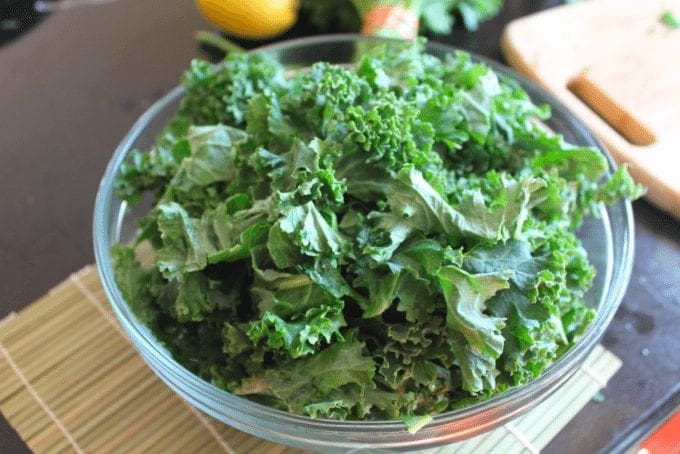
Fortunately, you can still get your fix of delicious and crunchy chips without the health risks. This Simple and Crunchy Kale Chips Recipe, shows you that there�s more to kale than just salads and smoothies. With the right spices, you can transform ordinary kale into chips that are sure to pack a flavorful crunch (pun intended).
Health Benefits of Kale
Leafy green vegetables are some of the best foods that you can give to your body, and kale is a perfect example. Although its health benefits were just recently known compared to other vegetables, kale has proven itself to be a nutritional powerhouse.
One cup of kale alone may already be enough, as it was shown that this leafy green contains 684 percent of the daily value of vitamin K, 206 percent of the daily recommended amount of vitamin A and 134 percent of vitamin C. Minerals like iron, protein and calcium are present in this vegetable too.
The health benefits of kale do not stop with these nutrients. Kale also contains important healthy omega-3 fats that were shown to assist in regulating blood clots, building cell membranes in the brain, shielding you from heart disease and stroke and fighting off autoimmune diseases. Kale is also a very good storehouse of antioxidants, with three standouts in particular that you should take notice of:
Indole-3-carbinol: helps with DNA cell repair and slowing down cancer cell development
Sulforaphane:assists in protecting against prostate and colon cancers, eases lung congestion and benefits the stomach, liver and immune system
Lutein and zeaxanthin: aids in protecting the eyes against macular degeneration
Lastly, kale was also shown to possess anti-inflammatory capabilities. These are important, especially when it comes to the prevention of heart disease, arthritis and other autoimmune diseases.
Take Advantage of the Benefits of Coconut Oil
In order for processed chips to become crispy and crunchy, manufacturers typically use vegetable oils and trans fats, two ingredients that can devastate your health. Use coconut oil instead for recipes like this. Not only will your dishes have that distinct coconut flavor, you will get great health benefits too.
The bulk of the health benefits of coconut oil can be attributed to two substances found in it. The first is called lauric acid, with coconut oil actually containing the most lauric acid out of any substance on earth.
Once your body ingests lauric acid, it is then converted into a monoglyceride called monolaurin, which was proven to be effective in fighting antibiotic-resistant bacteria strains. Monolaurin has antifungal and virucidal effects against other viruses and protozoa, too.1
Medium-chain fatty acids (MCFAs) are the second vital substance present in coconut oil. Unlike long-chain fatty acids (LCFAs) in vegetable oils, these MCFAs are known to be easily digested and could readily cross cell membranes. Moreover, these are quickly converted by the liver into energy instead of being stored as fat.
Coconut oil also works as an energy booster, since it is easy on your digestive system and does not trigger an insulin spike into your bloodstream. Other known positives of coconut oil include:
Promoting heart health
Enhancing Immune System function
Increasing and maintaining brain function
Enhancing thyroid function & metabolism
Maintaining skin health and elasticity
Kale Chips Recipe
Ingredients Cook time: 15 min Servings: 4
6 cups of torn and de-stemmed curly kale
2 tsp. coconut oil, grass fed organic butter or ghee
� tsp. Himalayan salt
1-2 tsp. nutritional yeast, or to taste
Optional: 1 pinch sweet or smoked paprika
Directions
Wash and spin dry the chopped, de-stemmed kale. It�s important that the kale is completely dry before baking.
Toss together the kale and coconut oil. Massage together with your hands until every leaf is coated
Sprinkle on salt, nutritional yeast and any seasoning you will be using. Toss again to evenly distribute.
On a parchment-lined baking sheet, arrange the kale evenly without crowding or overlapping.
Bake in a 300-degree Fahrenheit oven until crisp and dark green, approximately for 12 to 15 minutes.
Cool completely before eating. This will allow the chips to crisp up further while cooling.Tip: Spice these kale chips up with your favorite flavors, such as chili powder, garlic powder, onion powder or my personal favorite � Mexican Fiesta by Frontier (spice blend).
Don�t like Kale�don�t worry! You won�t even realize it�s kale that you�re eating. This decadent snack really will help you kick the habit of chips and other crunchy processed junk food. It�s easy to make, tastes great and has the following benefits:
Kale is low in calories and high in fiber
Kale is high in Iron
Kale is high in vitamin K
Kale is high in vitamin A & C
Kale is high in vitamin Calcium
Kale is loaded with powerful antioxidants
It�s a great anti-inflammatory food
Supports brain development in infants
Supports eye health
Kale is a great detox food
For more information, please feel free to ask Dr. Jimenez or contact us at 915-850-0900 .
Whole Body Wellness
Following a balanced nutrition, participating in regular physical activity and getting plenty of rest are fundamental factors for maintaining whole body wellness. While all of these can make you look and feel healthy, its also essential to address the health of your spine in order to maintain the proper function of all the body’s structures. Chiropractic care is a well-known alternative treatment option utilized by many individual’s to restore the health of the spine as well as maintain it. Chiropractic can also help prevent complications related to spinal injuries and conditions.
High level performers are always looking for strategies that will give them an edge in their field of endeavor. Athletes want to run a split second faster and jump an inch higher while business executives want to have sharper mental clarity and improved working efficiency. Specific meal timing and superfood strategies have been shown to optimize performance and recovery.
We all want to perform at our peak no matter whether we are a teacher, stay at home mom, doctor or athlete. It is also integral that we recover fast and effectively. The goal is peak performance and quick and effective recovery so we can get up the next day and do it all over again.
Optimize Your Performance
Performance in any field depends upon high level mental activity and often kinesthetic activity whether that be running or jumping or eye-hand coordination. The keys for healthy function include good fats, anti-oxidants and clean protein sources.
Providing lots of clean healthy foods and meal timing properly can make a huge difference in your overall energy and daily performance. Use the principles in this article to help guide you in preparing your body for great energy and daily performance in your daily life.
Coconut
This superfood is loaded with medium chain triglycerides (MCT�s) that break down for energy very easily. Unlike most fat sources which consist of long chain fatty acids these MCT�s do not depend upon bile and instead go right to the liver and are metabolized immediately for energy.
Muscle cells are also able to store MCT�s and use them immediately for energy during exercise sessions.
Bone Broth Protein
Bone broth contains a wide variety of valuable nutrients including collagen, gelatin, hyaluronic acid, chondroitin sulfate, glycosamino glycans, proline, glycine, calcium, phosphorus, magnesium and potassium. These all help with the development of healthy joints, bones, ligaments and tendons as well as hair and skin.
These nutrients are considered beauty foods because they help the body with proper structural alignment and beautiful skin and hair. They also help to prevent against injuries by strengthening joints, tendons and ligaments. Additionally, bone broth is great for the immune system.
If you are unable to make your own bone broth, than you can try our Bone Broth Protein which comes with the same benefits as homemade broth, but it�s even more versatile in so many recipes. Bone Broth Protein begins as a true bone broth liquid. It�s then dehydrated, making it into a concentrated source of high-quality, tasty powder.
Berries
Berries are loaded with anti-oxidants and are low in sugar. Berries contain unique phytonutrients called anthocyanin�s that give them their strong pigments and allow them to handle intense sunlight. Consuming these anthocyanin�s helps our bodies adapt to stress effectively.
Be sure to get your berries organic as the thin skin makes them susceptible to pesticides and they are highly contaminated with dangerous pesticides when produced on conventional farms.
Spinach
This superfood is loaded with blood purifying chlorophyll and the anti-oxidants lutein and zeaxanthin. Spinach also contains its own plant based steroids called phyoecdysteroids that boost the bodies ability to adapt to stress. Phytoecdysteroids are similar to insect molting hormones and have been shown to dramatically increase glucose metabolism.
This keeps blood sugar levels stable and minimizes the need for the critical fat-storage hormone insulin. Additionally, phytoecdysteroids increase human muscle tissue growth rates by 20% when applied in a culture medium.
Rice & Pea Proteins
For sensitive cases where people have pronounced sensitivities I prefer to use either a brown rice or pea protein. Pea protein appears to be the most hypoallergenic of all protein powders and has a 98% absorption rate. This combination of 1% brown rice and 99% pea protein has a great blend of branched chain amino acids, lysine and arginine for lean body tissue development and good circulation
Pea & brown rice protein has also been shown to be very easy on the digestive system and the protein is fairly quickly assimilated into muscle tissue. This is important because slower digesting and assimilating proteins have a greater chance of producing gas and making one feel bloated. Most plant proteins have poor assimilation rates but pea, brown rice and hemp proteins are the rare exceptions.
These are loaded with sulfur containing amino acids like methionine and cysteine which are critical for glutathione production. They are also a rich vegetarian source of branched chain amino acids. They contain essential fatty acids and edestin and albumin which are similar to the makeup of human blood and these help with critical functions like DNA repair.
Grass-Fed Butter
Dairy from grass-fed cows is extraordinarily rich in essential fats and critical nutrients like vitamin K2 and magnesium. The best foods from this group include grass-fed butter and ghee which are loaded with anti-inflammatory fats and anti-oxidants.
Grass-fed butter and ghee are also rich in conjugated linoleic acid, which helps burn fat and is anti-carcinogenic. It is the best food source of the anti-inflammatory short chain fatty acid butyrate. Finally, it is full of choline which supports healthy brain and neurotransmitter production. I use butter and ghee generously each day. Look for Kerry Gold grass-fed butter here
Red Onions
These are loaded with the flavonoid anti-oxidant quercetin. They also contain sulfur containing amino acids that boost cysteine and glutathione production within the body. They also have chromium which helps to regulate blood sugar levels.
Grass-Fed Beef
Cows that are fed a 100% green diet are loaded with anti-oxidants like carnosine and essential fatty acids. Because cows have multiple stomachs and are able to fully digest grass (humans cannot) we are getting the benefits of this fully digested super-greens in a high protein food.
A fantastic source for grass-fed beef and pastured poultry is US Wellness Meats here
Avocados
Avocados are loaded with good fats and carotenoid anti-oxidants like lutein and zeaxanthin. It is very easy on the digestive system and helps support optimal hormone function, muscle development and exercise recovery.
Raw Chocolate
This is rich in good fats and polyphenol anti-oxidants for fuel and recovery. Chocolate contains theobromine which is a natural cardiovascular stimulant that helps improve circulation throughout the body.
Proper Meal Timing
It is best to eat light before our times of performance to keep as much energy focused on the specific performance rather than on digestion. Instead of food, turn to water, as optimal hydration correlates very strongly with great performance. I try to stay super hydrated throughout the day and notice that as my water intake drops, my energy and mental acuity declines.
After the performance we want to have our largest meal to replenish our system with nutrients. Ideally, you have your largest meal at the end of your day as opposed to the beginning of your day. This helps your body to recover from the stresses of the day. You are in a relaxed position at this point, as you no longer have to work hard and perform, so it allows you to digest and absorb the nutrients you need more effectively.
This helps to take stress off of your gut lining and improves the integrity of your digestive system. When you eat in a hurry or have a large meal before a stressful event or a busy day, you compromise your digestive system and cause more inflammation in the body.
These ideas and much more I teach in our Navigating the Ketogenic diet program. Opt-in here for more details and a FREE video training series I give you on advanced strategies to improve your performance.
Diet and Nutrition for a Healthy Back
As most patients are well aware, good nutrition and a balanced diet are important components of overall health. What may surprise people with back problems is that diet, nutrition and maintaining a healthy weight also play a major role in the back � including preventing many problems and healing from injuries.
The bones, muscles and other structures in the spine need good nutrition and vitamins so that they are strong enough to support the body and to perform their other functions. Using these nutritional guidelines, patients can integrate back-friendly vitamins and nutrients into their diets.
Choosing the Right Foods for Optimal Nutrition
Eating a balanced diet that includes the right amount and variety of vitamins and nutrients will reduce back problems by nourishing the bones, muscles, discs and other structures in the spine. Particular importance is given to calcium, which can be obtained through a variety of healthy food choices as well as nutritional supplements.
While a healthy diet calls for many vitamins and nutrients, this partial list highlights a number of healthy choices that can be directly beneficial for helping back patients.
Role of Vitamin or Nutrient Food Sources
Vitamin A
An antioxidant that assists the immune system in fighting off diseases. It is good for the back because it helps repair tissue and in the formation of bone. It also helps the body use protein effectively.
Additionally, the body can convert beta-carotene into vitamin A. Beta-carotene can be found in dark green leafy vegetables and most orange vegetables and fruits.
It�s important not to get more then the recommended daily allowance of vitamin A, as too much can promote bone fractures. Beta-carotene does not increase the risk of fracture.
Vitamin A can be found in beef, calf and chicken liver; dairy products like milk, butter, cheese and eggs; orange fruits such as apricots, nectarines and cantaloupe; orange or green vegetables such as carrots, sweet potatoes and spinach.
Vitamin B12
Necessary for healthy bone marrow and for the body � and the spine � to grow and function normally. Vitamin B12 can be found in meat products, such as liver, fish, red meat and poultry; dairy products, such as milk, yogurt and cheese; and eggs.
Vitamin C
Necessary for the development of collagen, which is an important part of the process that allows cells to be able to form into tissue. This is extremely important for healing problems caused by injured tendons, ligaments and vertebral discs, as well as for keeping bones and other tissues strong.
Vitamin C can be found in fruits, such as strawberries, kiwi fruit and citrus fruits (e.g. oranges, guavas, grapefruits) and tomatoes; many vegetables, such as broccoli, spinach, red and green peppers, sweet potatoes and white potatoes.
Vitamin D
Improves calcium absorption, which is important for the development of strong and healthy bones. Adequate calcium absorption is particularly important to help prevent development of osteoporosis, a disorder characterized by weak and brittle bones in the spine that can results in painful vertebral fractures. Vitamin D is naturally occurring in egg yolks and fish oils; also found in most brands of fortified milk in the US; can also be obtained by spending time in the sunlight.
Vitamin K
Needed for the bones to properly use calcium. The combination of vitamin K and calcium works to help bones throughout the body stay strong and healthy. Vitamin K is found in liver, pork, green leafy vegetables such as spinach, kale and broccoli, and dairy products.
Iron
Needed for cells to remain healthy as it helps them receive oxygen and get rid of carbon dioxide. It also aids in the production of myoglobin, an important element of healthy muscles that are needed to support the spine. Iron is found in meat products such as liver, pork, fish, shellfish, red meat and poultry; lentils, beans, soy, eggs, grains, and green leafy vegetables such as spinach, kale and broccoli.
Magnesium
Important for the relaxing and contracting of muscles. It also helps maintain muscle tone and bone density, which in turn can help prevent back problems. Further, it assists in the body�s use of protein. Magnesium is found in whole grains and whole-grain breads, beans, seeds, nuts, potatoes, avocados, bananas, kiwi fruit, shrimp, and green leafy vegetables such as spinach, kale and broccoli.
Calcium
Essential for bone health and helps maintain the necessary level of bone mass throughout the lifespan and especially in old age. Adequate calcium intake is particularly important to help prevent development of osteoporosis, which results in weak and brittle bones in the spine that can results in painful vertebral fractures. Calcium is found in dairy products such as yogurt, cheese and especially milk; dark green leafy vegetables such as spinach, broccoli and kale; tofu, peanuts, peas, black beans and baked beans; some types of fish (salmon and sardines); a variety of other foods such as sesame seeds, blackstrap molasses, corn tortillas, almonds and brown sugar.
For more information, please feel free to ask Dr. Jimenez or contact us at 915-850-0900 .
Additional Topics: Choosing the Right Vitamins
Following a balanced nutrition can help ensure we receive the necessary vitamins and minerals we need to maintain our overall health and wellness. Although many people may successfully follow a healthy diet, it might not always be easy to intake all the right foods we require. More than half of Americans report taking a multivitamin or dietary supplement. There are a wide variety of supplements available in the market and knowing which of these are the correct ones to take can be challenging for many, according to research studies.
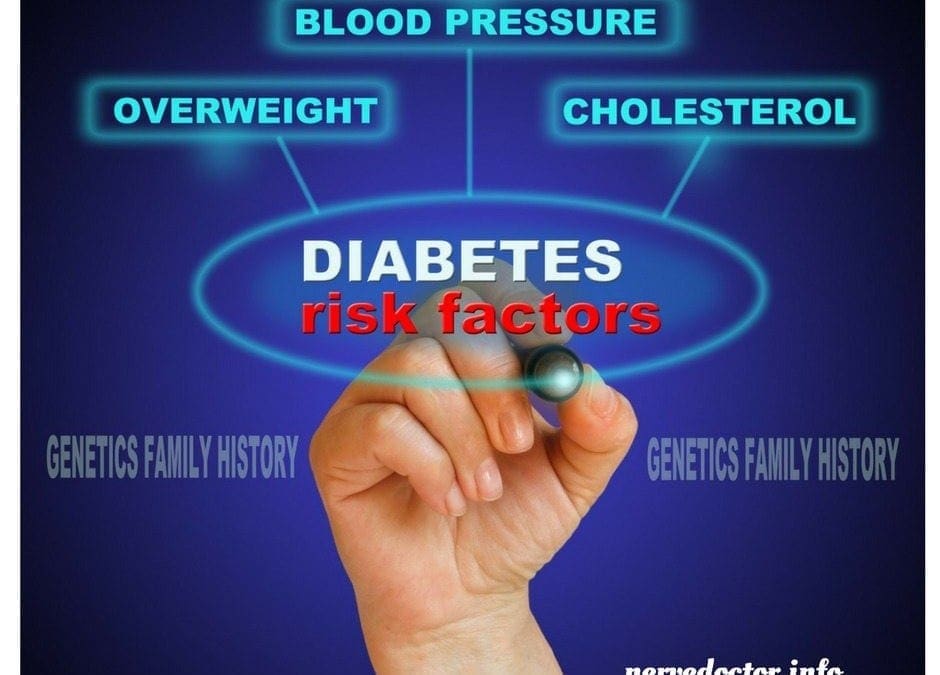
For many families, type 2 diabetes can develop in several members of the household. For some people, diabetes has been diagnosed throughout previous generations of family members. However, does this mean, you are bound to inherit the condition?
Over a period of 25 years, according to statistics, the number of people in the world who are diagnosed with type 2 diabetes has increased from 35 million to 240 million. Moreover, these statistics don’t take into account the number of individuals with undiagnosed diabetes. Many families have the relevant concern regarding whether they or future generations could genetically develop type 2 diabetes. While the magnitude of cases is quite significant, the reality is that the widespread issue of diabetes couldn’t have simply occurred through genetic or inherited means in such a short time span.
If genetic alteration is not the reason behind the dramatic increase in type 2 diabetes cases, then why has the condition been on the rise over the past few decades? As a matter of fact, diabetes is a condition that is almost entirely caused by environmental and lifestyle factors. Our genetic code itself may not be altered through these circumstances but our environment as well as stress and improper nutrition and fitness habits can influence the way those genes are expressed. Predisposed genes can certainly contribute to the development of diabetes, however, if you are not exposed to these environmental and lifestyle triggers, the diabetes gene may never fully develop.
The factors that can have the greatest influence on the development of type 2 diabetes among the general population include: diet, exercise, stress management, exposure to environmental and/or food-based toxins and habits which promote weight gain and obesity.
Ultimately, an individual’s exposure to these environmental and lifestyle factors, which subsequently affects their genetic expression, is the greatest contributor to the development of diabetes among families than their actual genome, or set of genes. In fact, according to the World Health Organization, approximately 90 percent of diseases may be caused due to external factors, not through genetic or inherited means.
External environmental sources which can contribute to type 2 diabetes include:�
Air
Water
Diet
Drugs / medications
Pollutants
Heavy metals
Radiation
Physical or psychological stressors
Internal processes include:
Inflammation
Free radical production
Oxidative stress (body�s ability to detoxify chemicals)
Allergens
Infections
Dysbiosis (imbalance of bad to good biotic gut flora)
It�s essential to understand that genetic code cannot change. What can change are which parts of this code are expressed. Research studies have discovered that our environment, as well as our diet, microbes, allergens, toxins, stresses and social connections, even our thoughts and beliefs can trigger which genes are expressed. A person’s genetic code can be tagged by an environmental or lifestyle factor, then, those can alter how their genes are expressed and passed down through future generations.
For example, if your grandmother consumed an excess amount of sugar, smoked, or was exposed to mercury from eating too much sushi, she may have triggered the genetic expression that could lead to obesity and the development of type 2 diabetes, passing it down from generation to generation. However, this does not necessarily mean that you will develop the same conditions she did. The predisposed genes could contribute to obesity and diabetes but this does not mean you are bound to inherit the condition. If you do not expose yourself to the same environmental and lifestyle factors as your grandmother, in this example, you may never develop type 2 diabetes.
In the end, diabetes shouldn’t be strictly considered to be a genetic or inherited disorder. While it’s true that the hereditary genes from your parents and/or grandparents increase your risk of developing the condition, this doesn’t mean you will develop type 2 diabetes. The condition is a direct outcome of environmental and lifestyle factors. Fortunately, you can change this outcome.
Can Type 2 Diabetes be Reversed?
Most people believe that diabetes is irreversible and that once you have it, you will gradually begin to experience a decline in function, including hear disease, kidney failure, blindness, amputation, strokes and dementia. Nonetheless, research studies and scientific evidence has demonstrated that type 2 diabetes is reversible, especially if it is treated aggressively in its early stages through changes in environmental exposure and lifestyle habits, including nutrition and fitness interventions.
Even more advanced stages of diabetes can be reversed with very intense lifestyle changes, supplements and medications. A research study showed that individuals with progressive type 2 diabetes can indeed recover from the condition, even if their pancreas have becomed damaged. The research study also demonstrated that diabetes can be reversed in just one week through drastic changes in diet, particularly a plant-based diet, low in glycemic and calories.
When patients modified their lifestyles, their blood sugar levels plummeted, triglyceride levels fell and the pancreas recovered. After a single week, they were taken off their medication, proving that diabetes is not a progressive, incurable condition. The consumption of a balanced nutrition became the source of their overall health and wellness. While it may take a lot of commitment to reverse type 2 diabetes, you can certainly heal your own body with the right conditions.
7 Strategies to Control Diabetes
Even if you�ve recently been diagnosed with type 2 diabetes or you’ve lived with the condition for years, diabetes is reversible. For further support, you can read “the Blood Sugar Solution” to learn essential strategies and incorporate their comprehensive dietary, nutrient and lifestyle plan to help you reverse your diabetes.
In the mean time, there are several other strategies you can implement right now to prevent or reverse type 2 diabetes.
Whether diabetes is a condition found in several members of your family, it has been diagnosed throughout several generations in your family or you have this disorder yourself, the ability to normalize blood sugar levels and lower insulin can be under your control, beginning with the following seven strategies.
Ask your doctor for the proper tests. Most doctors focus on fasting blood sugar. This is actually a poor indicator of diabetes. The best test to help properly diagnose the condition is an insulin response test where insulin levels are measured first in a fasting state and then again at one and two hour intervals after consuming a sugary drink. Request this test from your doctor.
Avoid sugar.�The basics of nutrition are very simple. Considerably decrease or eliminate refined sugars and processed carbohydrates from your diet. Include whole, real foods, such as lean protein (chicken or fish), veggies, nuts, seeds, beans, and whole grains.
Supplement intelligently. Supplements are an essential part of treating diabetes. A good multivitamin, vitamin D, fish oil, and special blood sugar balancing nutrients, such as alpha lipoic acid, chromium picolinate, biotin, cinnamon, green tea catechins, and glucomannan, should also be included.
Relax. Stress is a major unrecognized contributor to insulin resistance and blood sugar imbalances. Relax every day with deep breathing, visualization, yoga, meditation, and other relaxation techniques.
Be more active. Aside from changing your diet, exercise and physical activity is probably the best form of treatment for obesity and diabetes. Walk a minimum of 30 minutes every day to experience the wonderful benefits of exercise. For some, 30 to 60 minutes of vigorous aerobic exercise, 4 to 6 times a week may be necessary.
Address your environment. Environmental toxins have also been proven to contribute to obesity and the development of diabetes. Filter your water, look for green cleaning products and avoid plastics whenever you can.
Get enough sleep. Studies show even one partial night of poor sleep can contribute to insulin resistance as well as other complications which could lead to the development of type 2 diabetes.
Many people who have family members with type 2 diabetes are concerned whether they themselves or future generations could be at risk of inheriting the condition. While scientific studies and evidence have shown that predisposed genes could influence the development of diabetes, more research studies have demonstrated that environmental and lifestyle factors are the true source of type 2 diabetes. However, changing these factors could prevent and even reverse diabetes.
For more information, please feel free to ask Dr. Jimenez or contact us at 915-850-0900 .
Neck pain is characterized as the most prevalent symptom after being involved in an automobile accident. During an auto collision, the body is exposed to a sheer amount of force due to the high speed impact, causing the head and neck to jolt abruptly back-and-forth as the rest of the body remains in place. This often results in the damage or injury of the cervical spine and its surrounding tissues, leading to neck pain and other common symptoms associated with whiplash-related disorders.
IFM's Find A Practitioner tool is the largest referral network in Functional Medicine, created to help patients locate Functional Medicine practitioners anywhere in the world. IFM Certified Practitioners are listed first in the search results, given their extensive education in Functional Medicine