Even though obesity can indicate a risk for heart disease and diabetes in white people, it may not be as reliable for predicting these risks in other racial and ethnic groups, a U.S. study suggests.
Almost one in three people with a healthy weight for their height based on a measurement known as body mass index (BMI) still had at least one risk factor for heart disease such as elevated blood pressure or high levels of sugars, fats or cholesterol in the blood, the study found.
Among white people in the study, only 21 percent normal weight individuals based on BMI, or about one in five, had risk factors for heart disease and diabetes. But a much higher proportion of healthy weight people in other racial and ethnic groups had heart or diabetes risk factors: 31 percent of black people, 32 percent of participants of Chinese descent, 39 percent of Hispanics and 44 percent of South Asians.
“These results show that having a normal BMI does not necessarily protect an individual from cardiometabolic risk,” said lead study author Unjali Gujral, a public health researcher at Emory University in Atlanta.
“We advocate a heart healthy diet and lots of exercise in all individuals, regardless of race/ethnicity and body weight, but especially in those who are members of racial/ethnic minority populations,” Gujral said by email. “It is also important for patients, particularly those who are Asian American, Hispanic American and African American to have conversations with their physicians/healthcare providers regarding their increased risk for heart disease even at normal weight.”
For the study, researchers examined data on adults aged 44 to 84 living in seven U.S. cities. Within this group, 2,622 were white, 803 were Chinese, 1,893 were black, 1,496 were Hispanic and 803 were South Asian.
They used data on participants’ height and weight to calculate BMI and then see how often a healthy BMI was associated with common risk factors for heart disease that are typically seen in obese people.
For most adults, including white, black and Hispanic individuals, a BMI between 18.5 and 24.9 is considered a healthy weight, 25 to 29.9 is overweight and 30 or above is obese, according to the World Health Organization.
Because Asian people are known to have a higher risk of heart disease and diabetes at a lower BMI than other populations, WHO created a different scale for Chinese and South Asian people. In this scale, a BMI of 18.5 to 22.9 is considered a healthy weight, a BMI of 23 to 27.4 is overweight and 27.5 or above is obese.
Even with these different BMI scales applied to the participants, researchers found that BMI alone didn’t explain heart or diabetes risk. Neither did age, education, gender, exercise, whether people smoked or where their body tended to store fat.
Researchers calculated that the ethnic and racial differences in risk mean a white person with a BMI of 25.5, which is in the overweight range, has about the same likelihood of heart disease or diabetes as an African American with a BMI of 22.9, a Hispanic person with a BMI of 21.5, a Chinese person with a 20.9 BMI and a South Asian person with a 19.6 BMI – all of whom would be considered in the “healthy” BMI range.
Current U.S. screening recommendations that emphasize testing for risk factors for heart disease and diabetes in people who are overweight or obese, may lead the risk to be overlooked in some normal weight people, especially if they aren’t white, the researchers conclude.
In particular, even normal weight people should pay close attention to their waistline and make lifestyle changes if they start to get thicker around the middle, said Jean-Pierre Despres of the Quebec Heart and Lung Institute Research Center and the Laval University in Canada.
“Your waistline, irrespective of your BMI, is an important vital sign,” Despres, who wasn’t involved in the study, said by email. “You do not want it to go up if you are healthy, and you want it to go down if you have risk factors for cardiovascular disease and diabetes.”
Food writer and author of The Goodness of Nuts & Seeds, Natalie Seldon has this advice for refreshing your diet this spring�
EAT THE RAINBOW
Sweep away the dull winter with spring�s colourful fruits and vegetables; a great way to load up on fibre, vitamins and other disease-fighting compounds. The pigments that give fruits and vegetables their colour are vital antioxidants. Include three or more colours in each meal; scramble eggs with spinach and red pepper, add strawberries and apricots to green salads, brighten up sandwiches with shredded carrot and rocket, and blend blueberries, peaches and banana into smoothies.
SLOW EATING
Make a commitment to regularly preparing fresh food and eating it at the table � cute placemats and all. Firstly, you�re worth it. Secondly, your body will thank you. Eating in front of the TV significantly increases your calorie intake, plus nutritional research evidence shows that eating out, or relying on ready-meals are almost always more likely to provide higher mounts of salt, unhealthy fats and calories than a meal you prepare yourself. Plus, once you have the store cupboard essentials, you�ll actually save money prepping at home. Bonus!
GET YOUR CRUNCH ON
Nourish yourself by including one of the hottest health trends of 2017, nuts and seeds to your diet. These versatile little guys pack a powerful nutritional punch, being high in healthy fats, fi bre and calcium, whilst providing an abundance of antioxidants and minerals. And just to help matters, their gratifying versatility and moreish richness lend themselves to a myriad of both�savoury and sweet dishes, allowing us to conjure up all kinds of culinary magic on any given day. My new book The Goodness of Nuts & Seeds is full of simple and delicious recipe ideas. (Available now via Amazon, most book stockists and Chic et Tralala, Hollybush, Sevenoaks).
VEG FOCUS
It�s official, the healthiest diets in the world have one very important thing in common � they�re all based on plant foods rather than meat. Overwhelming evidence from studies around the world proves that plant foods are your most powerful allies in protecting against several lifestyle-related diseases such as diabetes, obesity and heart disease. Veganism has surged by 35% and is gaining serious momentum. Eating a diet high in veggies, beans, fruits and healthy oils, as well as fish and whole grains � aka the Mediterranean diet � is good for your brain as well as your bod. Shift towards a plant based diet by swapping legumes, meaty veg and tofu for animal products a few meals per week, or try meat-free Monday.
GO GREEN
Using fresh herbs is a great way to add extra flavour to your meals along with getting plenty of health benefits. For example coriander helps remove heavy metals from the body, parsley is rich in immune boosting vitamin C, and rosemary and sage are excellent memory enhancers. Fill your cupboards with healthy alternatives and buy seasonal produce as they are more likely to be even more nutrient dense, as well as more affordable.
FRESH START
Start your day off right with a glass of water and a freshly squeezed lemon or lime. This is a fantastic way to improve your digestion, alkalize your body, and boost your vitamin C levels to support healthy immune function and radiant skin.
EAT YOUR WORDS
To change the way you think about food and bring the joy back into eating, you need to rethink the way you talk about it. Referring to any food as �good� or �bad� has no place in a healthy, balanced approach to eating. As a food writer, I know many people struggle to make peace with eating certain foods as we are programmed by the world around us to use powerful language to describe a range of food we eat. Indeed, an interesting change happens when you remove these negative connotations � you don�t feel the need to hastily shovel food in, or go back for seconds before your conscience catches up with you. You actually enjoy these foods even more, and therefore require them less. Win win!
Cancer isn’t inevitable, but many Americans don’t know that several lifestyle factors affect their risk of developing the disease, a new survey finds.
Only one in two Americans is aware that obesity can raise the risk of cancer. And fewer than half understand that alcohol, inactivity, processed meat, eating lots of red meat and low consumption of fruits and vegetables are linked to cancer risk, the researchers said.
“There is a clear crisis in cancer prevention awareness,” said Alice Bender, head of nutrition programs at the American Institute for Cancer Research.
A larger percentage of Americans mistakenly believe that stress, fatty diets and other unproven factors are linked with cancer, according to the institute’s 2017 Cancer Risk Awareness Survey.
“It’s troubling that people don’t recognize alcohol and processed meats increase cancer risk,” Bender said in an institute news release. “This suggests the established factors that do affect cancer risk are getting muddled with headlines where the research is unclear or inconclusive.”
Factors Affecting the Risk of Cancer
Highlights of the survey findings include:
Fewer than 40 percent of Americans know that alcohol affects cancer risk.
Only 40 percent know that processed meats are also associated with cancer risk.
Fifty percent of Americans are aware that being overweight spurs cancer risk, up from 35 percent in 2001.
Nearly one-third of common cancers in the United States could be prevented through diet, weight management and physical activity. That increases to half when factors such as not smoking and avoiding sun damage are added, according to the institute.
Research has linked alcohol to at least six cancers, including colon, breast, liver and esophageal. Studies have also shown that bacon, hot dogs and other processed meats may raise the risk of colon and stomach cancers.
Only half of Americans know that obesity increases the risk of several cancers and that a healthy weight is the second most important way — after not smoking — to reduce cancer risk, the researchers said.
“We know a lot of healthy people do get cancer and sometimes it’s easier to worry about genes or uncontrollable things rather than your everyday choices,” said Bender. “But the research says that being physically active, staying a healthy weight, and eating a plant-based diet has the potential to prevent hundreds of thousands of cancer cases each year,” Bender aded. “It’s a powerful message.”
SOURCE: American Institute for Cancer Research, news release, Feb. 1, 2017
News stories are written and provided by HealthDay and do not reflect federal policy, the views of MedlinePlus, the National Library of Medicine, the National Institutes of Health, or the U.S. Department of Health and Human Services.
The scope of our information is limited to chiropractic and spinal injuries and conditions. To discuss options on the subject matter, please feel free to ask Dr. Jimenez or contact us at 915-850-0900 .�
Additional Topics: Whole Body Wellness
Following a balanced nutrition as well as engaging in regular physical activity and sleeping properly are all proper lifestyle habits which can help increase and maintain overall health and wellness. Many common complications associated with improper lifestyle habits, such as obesity, diabetes, heart disease and cancer, however, the risk of developing these can be prevented with a few lifestyle changes. In addition, visiting a chiropractor and receiving chiropractic care can help maintain and improve the overall health of the spine as well as its surrounding structures.
People who want a healthy heart should be mindful of not only what they eat, but when they eat, according to a new scientific statement from the American Heart Association (AHA).
The report is a response to the growing evidence that timing matters when it comes to heart disease risk, said Marie-Pierre St-Onge, the lead author of the statement. The various organs of the body have their own “clocks,” St-Onge explained, and that may affect how we handle food at different times of the day and night.
“For example, later in the evening, it’s harder for the body to process glucose [sugar], compared with earlier in the day,” said St-Onge, an associate professor of nutritional medicine at Columbia University in New York City.
The new statement highlights what’s known — and what’s not — about meal timing and heart health. The statement lacks specific rules, such as “Never eat after 8 p.m.,” or “Everyone should eat breakfast.”
It does, however, suggest that people spread out their calories over a “defined” period of the day — as opposed to either eating a lot over a short period, or grazing from morning until night. Based on the evidence, the AHA says, it’s probably a good idea to get a large share of your calories earlier in the day.
“A long fasting duration at night is better than a long fast during the day,” St-Onge said.
But there’s no declaration that breakfast is the most important meal of the day.
The evidence, St-Onge said, is just not clear enough to make specific recommendations on breakfast.
A number of studies have found that breakfast eaters are generally healthier than breakfast skippers: They tend to weigh less, have better blood pressure and cholesterol numbers, and have lower risks of type 2 diabetes and heart disease, according to the AHA.
The problem is, those studies don’t prove that breakfast deserves the credit. And few trials have actually tested the effects of “assigning” people to eat breakfast, the AHA says.
Based on what studies have been done, adding breakfast doesn’t seem to aid weight loss, the report said. Of course, if breakfast skippers simply add an extra meal to their day, they’ll gain weight, St-Onge pointed out. A few small trials have, however, suggested that breakfast can help regulate blood sugar and insulin levels, according to the AHA.
Sonya Angelone is a registered dietitian and spokesperson for the Academy of Nutrition and Dietetics. And she was clear in her support of eating breakfast.
“I think it’s very important to eat breakfast every day,” Angelone said.
Just as important, she said, is to hydrate after a long liquid-free night. Coffee does “count,” she noted, but a glass of water is better. According to Angelone, breakfast is critical because it’s hard to get all the nutrients you need in just two meals a day — even if you snack.
That raises another question: Should people eat “three square meals,” or is it better to stick with small, but more-frequent meals?
That’s not clear, according to the AHA.
Studies that track people in the real world have found that those who eat more often during the day have a lower risk of obesity and better cholesterol levels. On the other hand, the AHA says, small trials that have tested the effects of altering meal frequency have mostly come up empty. When daily calories are kept constant, meal frequency may not affect people’s weight, levels of “good” HDL cholesterol or other factors that affect heart health.
Of course, there is no one-size-fits-all approach to eating, St-Onge said.
Some people, she noted, do well with “grazing” throughout the day — as long as the food choices are healthy, and they do not keep grazing until midnight.
“If you’re someone with good control over your diet, maybe grazing is a good idea,” St-Onge said. “But if it’s difficult for you to stop eating once you start, it’s probably not a good idea.”
According to Angelone, frequent eating may not be wise for people with resistance to insulin — the hormone that regulates blood sugar. Insulin resistance is seen in people with type 2 diabetes or “pre-diabetes.” If those people eat often, Angelone explained, their insulin levels may never have a chance to drop. In general, St-Onge said, “mindfulness” is critical. Often, people eat not because they’re hungry, but to deal with emotions, she said.
“Ask yourself why you’re eating,” St-Onge said. “Is it because you’re stressed or sad or bored? Ask yourself whether you’re really hungry right now.”
The statement was published online Jan. 30 in the AHA journal Circulation.
SOURCES: Marie-Pierre St-Onge, Ph.D., associate professor, nutritional medicine, Columbia University, New York City; Sonya Angelone, M.S., R.D.N., spokesperson, Academy of Nutrition and Dietetics, Chicago; Jan. 30, 2017, Circulation, online
For more information, please feel free to ask Dr. Jimenez or contact us at 915-850-0900 .
Additional Topics: Weight Loss Eases Back Pain
Back pain and symptoms of sciatica can affect a majority of the population throughout their lifetime. Research studies have demonstrated that people who are overweight or obese experience more back complications than people with a healthy weight. A proper nutrition along with regular physical fitness can help with weight loss as well as help maintain a healthy weight to eliminate symptoms of back pain and sciatica. Chiropractic care is also another natural form of treatment which treats back pain and sciatica utilizing manual spinal adjustments and manipulations.
A healthy heart begins with what you eat, and one way to shop for groceries wisely is to start with a list, a cardiologist recommends.
Reducing the amount of fat, sugar and salt (sodium) in your diet can help reduce your risk of obesity, heart attack, type 2 diabetes and other diseases, according to Dr. Susan Smyth. She’s medical director of the University of Kentucky’s Gill Heart Institute.
“Make your meal healthier by substituting foods with lots of color from natural sources [not artificial colors] for foods that are white or brown. Start in the produce section with fresh fruits and veggies, which are high in vitamins and fiber and low in fat,” Smyth said in a university news release.
Healthier Grocery List
Consumers should check the labels on processed foods found in the produce department, such as guacamole or prepared salads with dressing. These products may contain high amounts of fat, sodium and sugar.
“In the dairy section, stick with low-fat where possible. Beware of flavored yogurts, which can contain as much as half of the recommended daily allowance of sugar. Recent research indicates that eggs are OK in moderation, but check with your doctor first,” Smyth said.
At the meat counter, choose lean products such as chicken and fish. Limit or avoid processed meats such as hot dogs and lunch meat, which contain high amounts of salt, she advised.
“While breads and other baked goods can have a place at your dinner table, the hidden sugars and sodium in bread might surprise you. Just two slices of packaged white sandwich bread may account for as much as a quarter of your recommended daily sodium intake,” Smyth said.
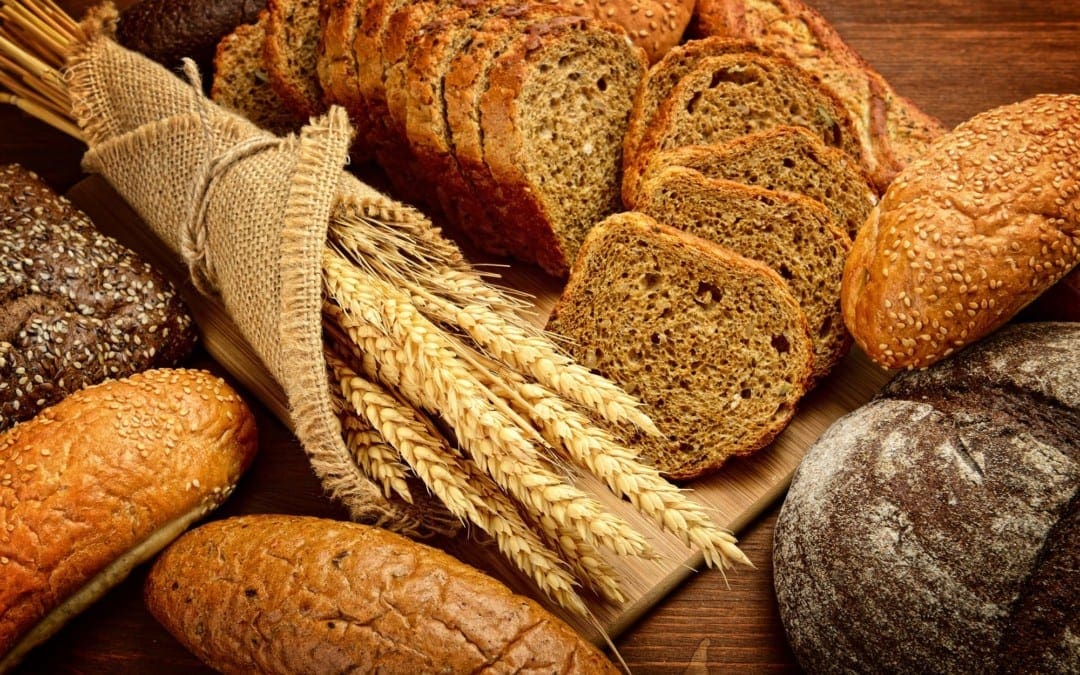
A better choice would be to select breads made from whole grains (not whole wheat), which can help lower LDL (bad) cholesterol and decrease the risk of type 2 diabetes, according to Smyth.
The middle aisles of the grocery store are “treacherous,” she said.
“Almost everything in a plastic wrapper is highly processed and loaded with fat, salt, sugar or all three. If you spend a lot of time in the middle aisles, do a lot of label-reading and look for healthier substitutes,” Smyth suggested.
Plain canned beans in water are a healthy choice, as are some nuts and dried fruit. Also, be aware of serving sizes per package. For example, canned soups are sometimes advertised as low sodium but if the serving size is half a can and you’re accustomed to eating a full can of soup, you’ll be getting double the dose of sodium, she said.
In the freezer section, “frozen veggies without added sauces and fruits without added sugar can substitute for fresh. Choose low-fat ice cream over regular versions. Be very careful of frozen pizzas, dinners and snacks, which can be loaded with sodium,” Smyth advised.
SOURCE: University of Kentucky, news release, Feb. 3, 2017
For more information, please feel free to ask Dr. Jimenez or contact us at 915-850-0900 .
Additional Topics: Weight Loss Eases Back Pain
Back pain and symptoms of sciatica can affect a majority of the population throughout their lifetime. Research studies have demonstrated that people who are overweight or obese experience more back complications than people with a healthy weight. A proper nutrition along with regular physical fitness can help with weight loss as well as help maintain a healthy weight to eliminate symptoms of back pain and sciatica. Chiropractic care is also another natural form of treatment which treats back pain and sciatica utilizing manual spinal adjustments and manipulations.
Switching to whole-grain foods might help keep your weight in check as much as a brisk 30-minute daily walk would, a new study suggests.
Whole grains seem to both lower the number of calories your body absorbs during digestion and speed metabolism, explained study author J. Philip Karl. He’s a nutrition scientist who did the research while a Ph.D. student in nutrition at Tufts University in Boston.
While other studies have found that people who eat whole grains are slimmer and have lower body fat than those who do not, Karl said it has been hard to separate the effects of whole grains from regular exercise and a healthier diet overall. So, for the new study, “we strictly controlled diet. We didn’t let them lose weight,” he said. The researchers did that by pinpointing the specific caloric needs of each of the 81 men and women, aged 40 to 65, in the study.
For the first two weeks of the study, everyone ate the same types of food and the researchers computed their individual calorie needs to maintain their weights. After that, the researchers randomly assigned people to eat either a whole-grain or refined-grain diet.
The men and women were told to eat only the food provided and to continue their usual physical activity.
Those on the whole-grain diet absorbed fewer calories and had greater fecal output. Their resting metabolic rate (calories burned at rest) was also higher. The fiber content of whole-grain foods, about twice that of refined-grain foods, is believed to play a major role in those results, Karl said.
“The energy deficit in those eating whole grains compared to refined grains would be equivalent to the calories you would burn if you were to walk about a mile [in] about 20 or 30 minutes,” he said. But the study did not prove that whole grains cause weight loss. ”We don’t know over the long term if it would translate to weight loss,” Karl said, but his team suspects it would. “This would translate to about 5 pounds in a year,” Karl estimated.
The study is solid, said Connie Diekman, director of university nutrition at Washington University in St. Louis.
“It provides good evidence that consumption of whole grains is an important part of a healthful eating plan,” Diekman said. The study documents how whole grains contribute to feelings of fullness and appear to increase metabolism, she added. “The study was short in duration and somewhat limited in population diversity, but the outcome is a positive nutrition recommendation that anyone could benefit from,” she said.
The study was published online Feb. 8 in the American Journal of Clinical Nutrition.
In a related study in the same issue of the journal, the same group of researchers found that people who ate whole grains had modest improvements in healthy gut environment and certain immune responses. Whole-grain intake has also been linked with a reduced risk of heart disease, type 2 diabetes and some cancers, the researchers noted.
How do you find whole-grain products?
Look on the label for ”100 percent whole grains,” Karl said. “Just because something is made with whole grains doesn’t mean there has to be much in there,” he explained. “Look to see if the first ingredient is whole grain, and 100 percent.”
There may also be a label, issued by the Whole Grains Council, that indicates what percent of whole grain a food contains, he added.
Karl is now a nutrition scientist with the U.S. Army Research Institute of Environmental Medicine.
The current Dietary Guidelines for Americans recommend eating six servings of grains daily, with at least half of those servings being whole grains.
SOURCES: J. Philip Karl, Ph.D., nutrition scientist, U.S. Army Research Institute of Environmental Medicine, Natick, Mass.; Connie Diekman, R.D., M.Ed., director, university nutrition, Washington University, St. Louis, and former president, Academy of Nutrition and Dietetics; Feb. 8, 2017, American Journal of Clinical Nutrition, online
For more information, please feel free to ask Dr. Jimenez or contact us at 915-850-0900 .
Additional Topics: Weight Loss Eases Back Pain
Back pain and symptoms of sciatica can affect a majority of the population throughout their lifetime. Research studies have demonstrated that people who are overweight or obese experience more back complications than people with a healthy weight. A proper nutrition along with regular physical fitness can help with weight loss as well as help maintain a healthy weight to eliminate symptoms of back pain and sciatica. Chiropractic care is also another natural form of treatment which treats back pain and sciatica utilizing manual spinal adjustments and manipulations.
Many grease-resistant fast-food wrappers and boxes contain potentially harmful chemicals that can leach into food, a new study contends.
Testing on more than 400 samples from restaurants nationwide revealed that nearly half of fast-food wrappers and one out of five paperboard food boxes contained detectable levels of fluorine, said lead researcher Laurel Schaider. She’s an environmental chemist at the Silent Spring Institute in Newton, Mass.
Previous studies have linked some fluorinated chemicals such as perfluorooctanoic acid (PFOA) and perfluorooctanesulfonic acid (PFOS) to kidney and testicular cancer, low birth weight, thyroid disease, decreased sperm quality, pregnancy-induced high blood pressure, and immune system problems in children, the study authors said in background notes.
Toxins found in Fast Food Packaging
Major U.S. manufacturers voluntarily phased out PFOA and PFOS for most uses starting in 2011, but other countries still produce them. These study results show that fluorinated chemicals are still widely present in food packaging, the authors said.
“One of the challenges in avoiding exposure is you can’t tell by looking at a wrapper whether it contains fluorine,” Schaider said. “We can choose not to purchase a stain-resistant carpet or a stain-resistant coating on our furniture. But it’s difficult for a consumer to choose food packaging that doesn’t have fluorinated chemicals.”
As a class, fluorinated chemicals are referred to as per- and polyfluoroalkyl substances (PFASs). They are used in a wide range of products, including carpeting, upholstery, floor waxes and outdoor apparel, the study authors said.
Some fast-food packaging is treated with PFASs to make the wrappers and boxes grease-resistant, Schaider said.
It has been found that PFASs can leach into food from packaging, Schaider said. Heat and grease appear to help the chemicals migrate into food, she added.
According to the Foodservice Packaging Institute, only “short-chain” fluorinated chemicals are still used in fast-food packaging. The “short-chain” chemicals “have been rigorously reviewed by the U.S. Food and Drug Administration and found to be safe for their intended use,” the industry group said in a statement.
PFOA and PFOS are “long-chain” chemicals, and have been phased out, the institute said. “Today’s food service packaging is no longer treated with ‘long-chain’ fluorochemicals, and instead use FDA-approved ‘short-chain’ fluorochemicals or even newer barrier coatings, which are free of any fluorochemicals,” the group added.
Further Research for Toxins in Food Packaging
For the new study, the researchers said they gathered hundreds of samples from 27 fast-food chains in five metropolitan areas across the United States. They used particle-induced gamma-ray emission (PIGE) spectroscopy to analyze the samples for fluorine, Schaider said.
“Paper normally doesn’t contain much fluorine, so we reasoned this would be a method of detecting the presence of PFASs,” Schaider said.
The research team said it found that 46 percent of paper wrappers and 20 percent of paperboard box samples for foods like pizza and fries contained fluorine. The team also tested paper cups used for hot and cold beverages, but found no significant levels of fluorine.
Paper wrapper samples containing fluorinated chemicals ranged from about 38 percent of sandwich/burger wrappers up to about 57 percent of wrappers used for desserts, breads and Tex-Mex foods, the study authors said.
To validate their analysis, the researchers conducted a more detailed study on a subset of 20 samples, Schaider said.
In general, samples that were high in fluorine also contained PFASs. Six of the samples also contained a long-chain PFOA, even though the chemical is no longer widely used because of health hazards.
PFOA could be present in these wrappers because recycled paper was used in their manufacture, Schaider said — an indication of how difficult it is to remove these chemicals from the environment.
Studies have shown that PFASs from consumer products accumulate in landfills and can migrate into groundwater, Schaider said. Fluorinated chemicals also are allowed in compostable food packaging.
“It seems incompatible to have these chemicals that never break down in paper that we want to compost,” Schaider said.
There is particular concern regarding the long-term effects of these chemicals on children, said a chemical exposure specialist who wasn’t involved in the study.
Fluorinated chemicals have been found in umbilical cord blood, suggesting that fetuses are exposed to PFASs, said Dr. Kenneth Spaeth, chief of occupational and environmental medicine for Northwell Health in Great Neck, N.Y.
The Risks of Toxins in Fast Food Packaging
Approximately one-third of U.S. children consume fast food every day, the study authors noted.
“With chemicals like this, exposure begins in utero and continues once we’re born through childhood and into adulthood,” said Spaeth. “That has real potential ramifications in terms of our health.”
It’s unlikely that new regulations will be adopted to remove PFASs from products, Spaeth added. Instead, he recommended public pressure as a means for future change.
“A lot of products have become BPA-free, not because they were forced to but because of public concern and public outcry,” he said, referring to Bisphenol A, an estrogen-imitating chemical used in plastics. “If consumers are waiting for public oversight, I don’t think it’s going to happen.”
The study was published Feb. 1 in the journal Environmental Science & Technology.
SOURCES: Laurel Schaider, Ph.D., environmental chemist, Silent Spring Institute, Newton, Mass; Kenneth Spaeth, M.D., M.P.H., chief, occupational and environmental medicine, Northwell Health, Great Neck, N.Y.; Foodservice Packaging Institute, statement, Jan. 31, 2017; Environmental Science & Technology, Feb. 1, 2017
For more information, please feel free to ask Dr. Jimenez or contact us at 915-850-0900 .
Additional Topics: Weight Loss Eases Back Pain
Back pain and symptoms of sciatica can affect a majority of the population throughout their lifetime. Research studies have demonstrated that people who are overweight or obese experience more back complications than people with a healthy weight. A proper nutrition along with regular physical fitness can help with weight loss as well as help maintain a healthy weight to eliminate symptoms of back pain and sciatica. Chiropractic care is also another natural form of treatment which treats back pain and sciatica utilizing manual spinal adjustments and manipulations.
IFM's Find A Practitioner tool is the largest referral network in Functional Medicine, created to help patients locate Functional Medicine practitioners anywhere in the world. IFM Certified Practitioners are listed first in the search results, given their extensive education in Functional Medicine