by Dr Alex Jimenez DC, APRN, FNP-BC, CFMP, IFMCP | Diets, Fitness
Australian researchers have found that a diet high in saturated fat is a prime suspect in the onset of osteoarthritis after finding that it changes the composition of cartilage, especially in the weight-bearing joints of the hip and knee.
“Our findings suggest that it’s not wear and tear but diet that has a lot to do with the onset of osteoarthritis,” said lead researcher Professor Yin Xiao.
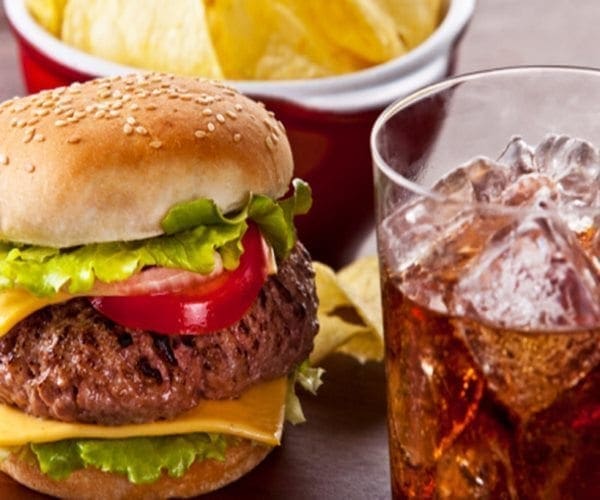
In possibly the first study to investigate the link between osteoarthritis and common dietary fatty acids, scientists at the Queensland University of Technology studied the effects of diets rich in a variety of fatty acids, found in butter, coconut oil, palm oil, and animal fat, and simple carbohydrates. Simple carbs found in sugar, corn syrup, and high-fructose corn syrup and the combination of high-fat, high-carb foods are commonly known as “junk food.”
“The main function of cartilage is to seal the bone ends in a joint and absorb pressure on the bones during weight-bearing movement such as walking,” said Xiao.
“We found that a diet containing simple carbohydrates together with 20 percent saturated fats produced osteoarthritic-like changes in the knee.
“Saturated fatty acid deposits in the cartilage change its metabolism and weaken the cartilage, making it more prone to damage. This would, in turn, lead to osteoarthritic pain from the loss of the cushioning effect of cartilage.
“We also found changes in the bone under the cartilage on a diet rich in saturated fat.”
But when the team tested lauric acid, a saturated fatty acid found in coconut oil, their findings were different. “Interestingly, when we replaced the meat fat in the diet with lauric acid we found decreased signs of cartilage deterioration and metabolic syndrome so it seems to have a protective effect,” said researcher Sunder Sekar.
He said fatty acids could cause tissue inflammation throughout the entire joint. “We tested a variety of saturated fats and found that long term use of animal fat, butter, and palm oil could weaken the cartilage.
“Replacement of traditional diets containing coconut-derived lauric acid with palm oil-derived palmitic acid or animal fat-derived stearic acid has the potential to worsen the development of both metabolic syndrome and osteoarthritis,” Sekar said.
Other studies have found that coconut oil benefits the body in many ways, including reducing the deep abdominal fat that’s a risk for heart disease, and reducing the buildup of proteins in the brain associated with Alzheimer’s.

by Dr Alex Jimenez DC, APRN, FNP-BC, CFMP, IFMCP | Diets
El Paso, TX. Chiropractor Dr. Alex Jimenez takes a look at desserts and sweets.
Would you feel guilty eating sweets? You must not. There’s nothing wrong with eating an occasional sweet. It is much wiser to plan a dessert that is sweet again and now, rather than deprive yourself for weeks only to eat half your body weight in sweets later.
Balance Counts
Regrettably, way too many Americans eat way too much sugar. Our per capita consumption of sugar is 120 pounds per year! This works out to 600 extra calories a day which are devoid of any nutritional value. In view of the fact, it is obvious why Americans have a problem with obesity while falling short with other crucial nutrients like calcium, iron and folic acid.
A short note has to be stated about carbohydrates along with the bodies’ capacity to burn them. Which food would you believe causes obesity? As sugar is a concentrated supply of carbohydrates, extra calories can be carried by it. Excessive calories are converted into fat!
It can cause other health problems although sugar in the diet does not have the killer status of salt and fats. Tooth decay can function as the effect of sweets taken in between meals. Honey, which many believe is fitter than table sugar, truly has a paste which adheres cavity causing bacteria to teeth.

Sugar:�An Acquired Taste
Luckily our taste for sweets is acquired substantially like our taste for salt. This means by changing the numbers in our diet we can alter our flavor acquity for sugar.
Gradually replace less sweet foods, like tea biscuits and fruit tarts, for icing-load cakes and cookies. Make some of your favorite recipes with a third less sugar. Without altering the final product the sugar generally in most recipes can be reduced by 50 to 75 percent. You may use half the amount of concentrate to produce the same amount of sweetness as fruit juice concentrate is as sweet as sugar. Fruit juice concentrate additionally helps supply moisture to baked goods which are reduced in fat.
Assess the “tips” section for additional thoughts on checking your sweet tooth. Don’t forget, you want nutritional value for your calories. More healthy options go a long way in making you fit thin and cut.
Strategies For Cutting Back On Sugar
- If sweets are your downfall, try saving them. Plan cookie or a candy bar on the weekends, say, ahead of time. It’s far better to incorporate them to them than binge when feeling deprived.
- Bake your own sweets. Or try substituting applesauce for sugar in muffin and sweet bread recipes.
- Use dried fruits in cookies as additional sweeteners. As stand alone snacks beware as they�may stick to teeth and are rich in calories.
- Use powered sugar as a substitute for icings on chocolate cakes. Get a doilie and position on top of cake. Sprinkle powdered sugar on top and remove doilie… Wallah! Poetry with no additional fat!
- Use “conserves” instead of “preserves”. The former do not have added sugar.
- Use sliced fresh fruit for pancakes or french toast. Sprinkle with powdered sugar. This helps bypass the maple syrup.
- Buy basic non fat yogurt and add your own personal fresh fruit. Flavored yogurts can include up to seven teaspoons of sugar that is added. This works nicely for sweetening chilly goods, but breaks down in cooking.
- Search for more than four grams of fiber and breakfast cereals with six grams or less of sugar that is added. Browse the label and beware of words that end with “ose”. These are sugars also: corn syrup solids, dextrose, maltose etc.
- Create your personal drink with half fruit juice and half mineral water.�These items can have just as much sugar as sodas.
- Eat fresh fruit whenever possible. When buying canned fruit, purchase those packaged within their very own juice or “lite” syrup.
- Avoid having sweets near “guests.” It is likely that you’ll eat them before your friends and family will.

Call Today!
by Dr Alex Jimenez DC, APRN, FNP-BC, CFMP, IFMCP | Diets, Fitness
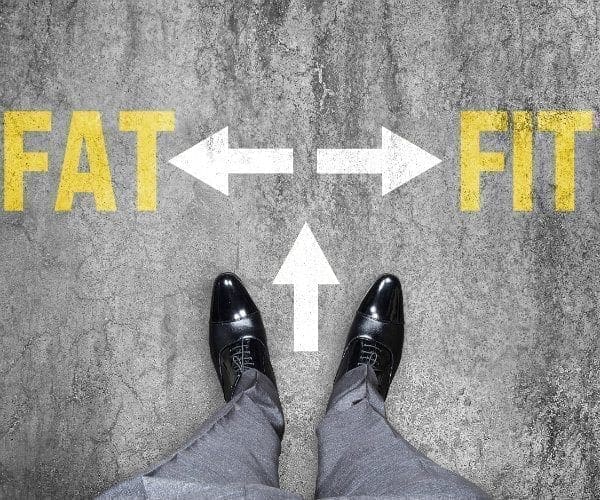
One in three Americans is overweight and another third are obese, according to the Centers for Disease Control and Prevention. But while carrying too many extra pounds can increase your risk for heart disease, diabetes, and some cancers, health experts say a little bit of flab may actually be healthy.
But there is a kind of “Goldilocks Effect” — not too much, not too little — when it comes to body fat.
“Researchers have concluded that fat is actually a vital organ that releases hormones and sends special signals to the brain,” notes Dr. Holly Lucille, ND, RN. “Fat is an important macro nutrient and like any other macro nutrient, the quality makes a difference. Having the right kind of fat on your body is both protective and important.”
Jeffrey Friedman, a molecular biologist at Rockefeller University was among the first scientists back in the 1980s to discover that there was more to fat than merely storing calories. In his experiments with mice, he found that fat produces a hormone called leptin which is released into the bloodstream and binds with the areas in our brain that are responsible for appetite.
His lab’s obese mice had a genetic defect in their fat that prevented the manufacture of leptin which gave them the signal to stop eating. Humans with the same genetic defect can eventually eat themselves into obesity and premature death.
So, losing weight becomes a double-edged sword. When we lose fat, we lower our levels levels of leptin, the appetite off switch, and we become hungrier than before.
Leptin also affects our muscles and thyroid hormones so that lower levels of leptin slow down our metabolism. This combined effect drives us to regain weight. It may also explain why extreme dieters who lose vast amounts of weight in short periods of time nearly always gain it all back — and then some, scientists say.
Scientists also know that fat affects the size of our brains. People who are genetically leptin-deficient have smaller brain volume in some areas as do patients who are suffering from eating disorders such as anorexia which leave them malnourished. Leptin is also helpful in healing wounds and strengthens our immune system by activating T-cells.
“What’s important is the quantity and quality of your stored fat,” Lucille tells Newsmax Health. “The ‘good’ type of fat is called subcutaneous and is found directly under our skin in places such as our abdomen thighs, buttocks, and arms.”
Subcutaneous fat is easy to grab with your hand and tends to shift as the body changes position.
The so-called “bad” type of fat is visceral fat which is stored under the stomach wall, nestled against our internal organs. This type of fat can become inflamed and lead to diabetes and heart disease. It tends to be firmer and dense.
But experts warn that excess body fat of either kind is unlikely to be health-promoting. It’s important to keep fat levels at their optimal levels which can vary according to age and sex.
In general, women with more than 30 percent body fat are considered to be overweight and for men, the threshold is more than 25 percent.
Dr. Cate Shanahan, author of “Deep Nutrition: Why Your Genes Need Traditional Food,” tells Newsmax Health that women, especially need a body composition of at least 10-12 percent fat in order to produce enough estrogen to cycle regularly and to maintain normal libido.
And as we age, a little more fat can enhance our looks.
“As we age we lose that facial body fat and our hormones simultaneously fall,’ she says. “Body fat helps support normal estrogen levels and therefore contributes to normal bone density — a critical factor in healthy aging after the age of 65.
“But that minimum percentage must be subcutaneous fat. When the visceral fat reaches more than 2 percent of our body composition it can lead to poor insulin sensitivity and potentially the beginnings of diabetes.”
The good news is that the “good” fat can fight the “bad” fat. By making a substance called adiponectin, subcutaneous fat helps take circulating fats out of your veins and into the subcutaneous tissues where they belong.
This hormone also reduces visceral fat. Exercise helps release adiponectin which is why sumo wrestlers can be both fat and fit. They exercise seven hours daily which keeps their visceral fat under control.
Experts say we should embrace the new science of fat, and Shanahan quotes an old French proverb that praises fat more poetically: “After a certain age a woman must choose between guarding her figure at the price of a hollow face.”
“I think the take away message of the new research is that we must keep a healthy level of fat to reduce our risk of disease while maintaining optimal body function,” notes Shanahan. “But don’t rationalize and run with the theory that eating bad fats are good for your health. You still need to choose your fats wisely and keep them within healthy levels.”

by Dr Alex Jimenez DC, APRN, FNP-BC, CFMP, IFMCP | Diets, Fitness
You may be doing your body good by taking that morning run or working up a sweat at the gym. But when you also work up a thirst and take a swig from your trusty refillable water bottle you may actually taking a swig of harmful germs.
New research shows that an incredible amount of bacteria — including E. Coli and salmonella — may be lurking in and on your water bottle.
Laboratory tests by Treadmill Reviews, a Minneapolis-based firm, analyzed 12 water bottles used by athletes and not washed for a week and found they had such high levels of bacteria that drinking from them would be like “licking a toilet seat.”
They tested four types of reusable bottles: A slide-top, screw-top, squeeze-top and straw-top. The researchers evaluated the amount of contamination in terms of “colony forming units,” or CFUs, of bacteria per square centimeter. Here are their findings:
- The bottles contained an average of 300,000 CFU of bacteria. That’s six times as much bacteria as you’d find on your pet’s food bowl. And much of the bacteria was the kind that makes you sick.
- The slide-top bottles contained the highest amount of bacteria: A whopping 933,340 CFU. They also had the most gram-positive germs which have been linked to skin infections, pneumonia and blood poisoning.
- Squeeze-top bottles were next with 162,000 CFU followed by screw-top vessels with 160,000 CFU. These also housed 99 percent of the harmful bacteria.
- Straw-top bottles were the clear winners with only 25 CFU. But that’s only 2 CFU less than the average home toilet seat. It is thought that these are safer because water drips down to the bottom of the straw rather than hang out at the top attracting moisture-loving germs.
“Based on our test results, we suggest opting for a straw-top bottle, both for the prevalence of bacteria and the lack of harmful germs,” says the fitness Website. They suggested that stainless steel water bottles are a better choice than plastic which may also contain Bisphenol A, otherwise known as BPA, a chemical that can lead to cancer, diabetes, and other illnesses.
But by far the best option, says the website Aquasana.com, is to use glass water bottles and run them through the dishwasher or wash thoroughly by hand after every use.
By comparison, other household germy hot spots include:
- Toothbrush holder, 331,848 CFU.
- Pet bowl, 47,383 CFU.
- Kitchen sink, 3,191 CFI.
- Cutting board, 6.8 CFU.
“Harmful bacteria and viruses lurk in moist locations such as the kitchen and bathroom and can be easily transported into your mouth by using an old toothbrush, sponge or other common household item,” Dr. Donald Marks tells Newsmax Health.
The New Jersey-based infectious disease expert, who also holds a Ph.D. in microbiology and immunology, makes the following recommendations to avoid home contamination:
Sponges and wash clothes. You may think you are cleaning cups and saucers with these items but they can contain thousands of bacteria per square inch so you’re just spreading germs around. Put wash clothes in the washing machine and run the sponges through the dishwasher. Better still, replace sponges every two weeks,
Kitchen drain. Your kitchen drain contains more germs than your bathroom toilet. With the hot water running, pour a little baking soda down the drain daily.
Kitchen towels. A recent study showed that 7 percent of kitchen towels were contaminated with MRSA (methicillin-resistant Staphylococcus aureus). Wash them in hot water twice weekly.
Refrigerator water filters. These filters collect bacteria and mold over time. The rule of thumb is to change them twice annually. If you have a large family of water drinkers, every three months is a better time frame.
Toothbrush. Your toothbrush is a magnet for bacteria that can come from toilet spray, splashes from the sink when you wash your hands, or from your own mouth. Replace it every three or four months and never share a toothbrush. You may consider soaking it in an antibacterial solution after every use.

by Dr Alex Jimenez DC, APRN, FNP-BC, CFMP, IFMCP | Diets, Fitness
Local bans on artery-clogging trans fats in restaurant foods led to fewer heart attacks and strokes in several New York counties, a new study suggests.
The study hints at the potential for widespread health benefits from an upcoming nationwide ban, the authors and other experts say. The U.S. Food and Drug Administration in 2015 gave the food industry until next year to eliminate artificial trans fats from American products.
New York City enacted a restaurant ban on the fats in 2007 and several counties in the state did the same. Hospital admissions for heart attacks and strokes in those areas declined 6 percent starting three years after the bans, compared with counties without bans. The results translate to 43 fewer heart attacks and strokes per 100,000 people, said lead author Dr. Eric Brandt, a Yale University cardiology fellow.
His study was published Wednesday in JAMA Cardiology.
Trans fats, also called partially hydrogenated oils, enhance food texture and structure. They were once commonly used to make restaurant fried chicken, French fries, doughnuts and other foods and found in grocery items including cookies, crackers and margarine.
These fats can boost blood levels of unhealthy cholesterol, increasing risks for heart problems. The FDA in 2006 required them to be listed on food labels and the food industry has been switching to healthier oils.
The researchers examined hospital admissions data from 2002 to 2013 in 11 New York counties that adopted bans and in 25 counties that did not. Admissions for heart attacks and strokes declined in all counties, going from more than 800 to less than 700 per 100,000 people, but the drop was steeper in counties that enacted bans.
Alice Lichtenstein, a heart and nutrition specialist at Tufts University’s Boston campus, said the results are encouraging but that other changes could have contributed, such as smoking bans and mandatory calories on menus.
Dr. Mark Creager, former American Heart Association president, said the results echo previous studies “and are consistent with the thinking of most scientists” on potential benefits of these bans.
“Policies such as these when adapted on a nationwide level will be good for our entire population,” said Creager, director of Dartmouth-Hitchcock Medical Center’s heart center in Lebanon, New Hampshire.
by Dr Alex Jimenez DC, APRN, FNP-BC, CFMP, IFMCP | Chiropractic, Health, Nutrition
Wondering exactly how much protein you should be consuming each day?�The Recommended Dietary Allowance (RDA), which is the minimum amount you need to be healthy, is 0.8 grams per kilogram (0.36 grams per pound) of body weight per day�46 grams for an average woman. That equals as little as 10% of daily calories. If you’re not super active, that’s likely adequate, and you’ll hit the target effortlessly if you follow a typical Western diet.
To get your personal protein “RDA,” multiple the number 0.36 by your weight in pounds. (For a sedentary 150-pound woman, that would be 54 grams.) Double it if you’re very active or aiming for “optimal protein,” which can help you maintain muscle as you age and support weight loss.
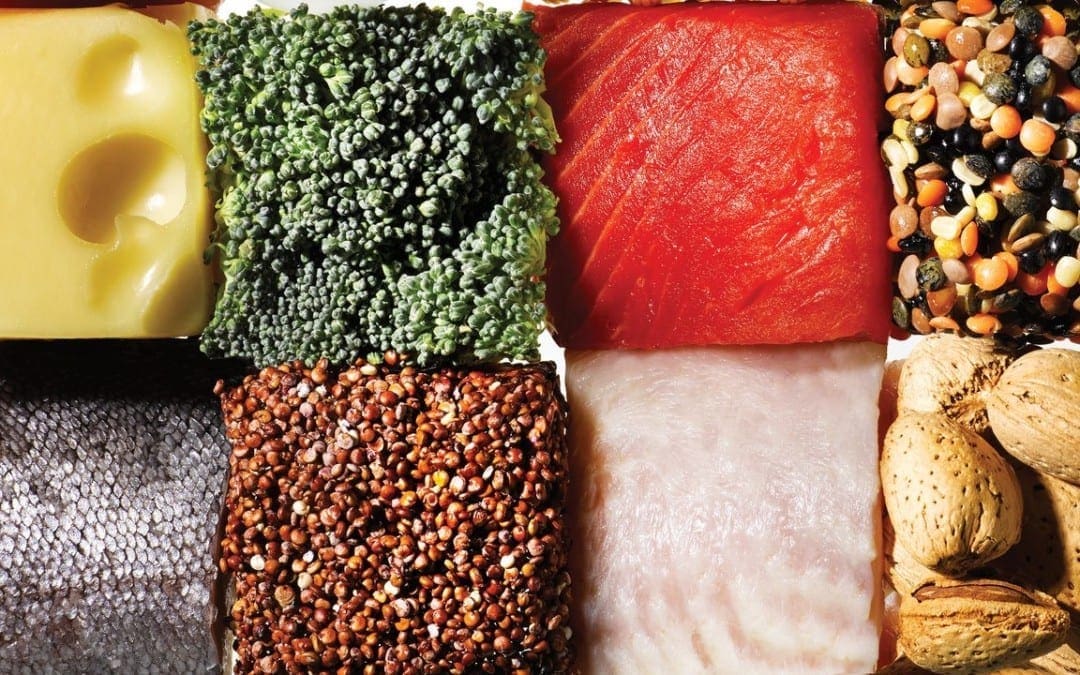
American women already eat about 68 grams a day, according to the latest data from the National Health and Nutrition Examination Survey. “There’s no reason to go out of your way to get protein,” says Dariush Mozaffarian, MD, dean of the Tufts Friedman School of Nutrition Science & Policy. “Just eat a variety of fish, nuts, beans, seeds, and dairy, including yogurt.”�However, increasing your protein well above the RDA may make sense if…
RELATED: 17 High-Protein Snacks You Can Eat on the Go
You’re Very Active
That means getting at least 35 to 40 minutes of moderate exercise four or five days a week, including resistance training two or more times a week. Consider eating 1.2 to 2 grams of dietary protein per kilogram (or about 0.5 to 0.9 grams per pound) of body weight each day, says Nancy Rodriguez, PhD, professor of nutritional sciences at the University of Connecticut. That amount is best for rebuilding muscle tissue, especially if you do a lot of high-intensity workouts, research suggests.
RELATED: The Best Vegan and Vegetarian Protein Sources

You’re Trying To Lose Weight
Protein takes longer to digest than carbs, helping you feel full, and also pushes your body to secrete the gut hormone peptide YY, which reduces hunger. “When you bring protein to about 30% of your daily calories, you’ll naturally eat less,” says Lauren Slayton, RD, founder of Foodtrainers, a nutrition practice in New York City, and author of The Little Book of Thin. “Protein decreases appetite and also, in my experience, helps you manage cravings.”
While studies are mixed about whether consuming more protein leads to weight loss, research is pretty clear that protein can help you retain more of your lean muscle as you lose fat. One 2011 study suggests amping up protein to as much as 1.8 to 2 grams per kilogram (roughly 0.8 to 0.9 grams per pound) of body weight per day to stave off muscle loss when restricting calories. Cut back on refined carbs to balance out the extra calories from adding protein.
RELATED: 3 Delicious Protein Pancake Recipes
You’re In Middle Age
Eating more protein as you get older may help you maintain muscle and ward off osteoporosis, “so you can stay stronger and more functional,” says Rodriguez. In a 2015 study, adults over the age of 50 who roughly doubled the RDA (eating 1.5 grams of protein per kilogram, or 0.68 grams per pound, of body weight) were better able to rebuild and retain muscle after only four days, compared with control groups eating the RDA.
Doubling the RDA gives you “optimal protein,” a concept that Rodriguez and more than 40 nutrition scientists advanced at a recent Protein Summit, the findings from which were published in 2015 in The American Journal of Clinical Nutrition. Optimal protein works out to be about 15% to 25% of your daily calories, still below the level recommended by many popular high-protein diets. Over a day, that could look like 20-30 grams per meal and 12 to 15 grams per snack, for a total of 90 to 105 grams daily.
Call Today!

by Dr Alex Jimenez DC, APRN, FNP-BC, CFMP, IFMCP | Diets, Fitness
Parkinson’s disease can cause tremors, stiffness and trouble with walking. But a new study suggests that regular exercise can slow the progression of the disease.
Even those with advanced Parkinson’s can benefit from activity, the study authors said.
The research included more than 3,400 patients in North America, the Netherlands and Israel who were followed for more than two years. During that time, Parkinson’s-related changes in mobility were assessed by timing how long it took patients to rise from a chair, walk about 10 feet, turn and return to a sitting position.
The results were published online recently in the Journal of Parkinson’s Disease.
“We found that people with Parkinson’s disease who maintained exercise 150 minutes per week had a smaller decline in quality of life and mobility over two years compared to people who did not exercise or exercised less,” said lead investigator Miriam Rafferty, of Northwestern University and Rehabilitation Institute of Chicago.
“The smaller decline was significant for people who started the study as regular exercisers, as well as for people who started to exercise 150 minutes per week after their first study-related visit,” she said in a journal news release.
The study didn’t look at what specific types of exercise might be best for people with Parkinson’s disease. But the findings suggest that at least 150 minutes a week of any type of exercise offers benefits.
“People with Parkinson’s disease should feel empowered to find the type of exercise they enjoy, even those with more advanced symptoms,” Rafferty added.
The study also found that people with more advanced Parkinson’s disease saw the greatest benefit from 30-minute-per-week increases in exercise. This finding could prove important in making exercise more accessible to these people. Currently, their increased disability may limit their independent participation in community and group exercise programs, according to the researchers.
“The most important part of the study is that it suggests that people who are not currently achieving recommended levels of exercise could start to exercise today to lessen the declines in quality of life and mobility that can occur with this progressive disease,” Rafferty said.