With your Easter feast or Passover repast just around the corner, we’ve asked top nutritionists and dietitians for suggestions on how to make these holiday meals healthier.
“Passover and Easter mark the start of the spring season,” Leah Kaufman, a New York City-based nutritionist tells Newsmax Health. “They traditionally symbolize ‘Rebirth’ and ‘Rejuvenation.’ What better time to think about your diet and health goals than right now, at the beginning of a new season?”
Kaufman notes that both Passover and Easter bring families and friends together for holiday meals that often feature traditional foods that may not be healthy choices.
“Creating healthy meals and snacks even when serving traditional foods can be a creative challenge,” she notes. “Many times these foods may not align with your nutritional goals, but by making simple adjustments, you can continue to eat your favorite holiday foods and not compromise your health.”
For example, Easter is one of the biggest times of the year for ham, market statistics show. But, buyer beware: Many store-bought hams are chock full of sodium and other unhealthy ingredients.
In fact, a single four-ounce portion of the most popular brands contains a whopping 1,700 grams of sodium. That’s 85 percent of the recommended daily intake.
Prepared hams also contain sodium nitrite, a potential carcinogen — as well as sodium phosphate to keep the meat moist, corn syrup, and dextrose, a simple sugar used as a sweetener.
“The takeaway message is that if you don’t want a lot of sodium and preservative as well as extra sugar in your ham, you may want to make your own from scratch or try a healthier main dish such as salmon,” Tara Gidus, an Orlando-based dietician tells Newsmax Health. “That way you’ll be reaping the nutritional benefits of high quality, complete protein with omega-3 fatty acids and important essential vitamins.”
Kaufman suggests another popular Easter favorite may be a better choice: Roast a leg of lamb.
“You’ll still get a lean protein, but without the extra salt and preservatives,” she suggests.
Amy Shapiro, founder of Real Nutrition NYC, tells Newsmax Health that the same caveat applies to a Passover favorite meat: Brisket.
“Lean meats like ham and brisket are great sources of iron, protein and your B vitamins, but be cautious on how they are prepared,” she says. “Brisket can tend to be cooked in heavy sauces which may contain a large amount of salt and sugar.”
On the other hand, eggs are a traditional part of both Passover and Easter — and are a nutritional powerhouse, notes Shapiro.
“Everyone loves a good Easter egg hunt,” she says. “And eggs are great from a nutritional standpoint because they provide a low fat source of protein and contain many vitamins in their whites. For Passover, have an egg to start during the Seder and it will help satisfy your hunger so that you won’t over indulge in heavier fare later in the meal.”
Easter eggs made with dark chocolate provide a sweet treat after the meal that also provides heart-healthy antioxidants.
Matzo bread is a Passover staple for the eight days Jews need to eat “Kosher Passover” food. Although it appears to be a simple cracker, matzo actually contains as many calories and carbs as a normal piece of bread, says Shapiro.
“Try to find a whole wheat brand to increase the nutritional value,” she suggests.
Potatoes are also an important part of traditional Easter meals, says Gidus.
“No Easter brunch is complete without a nice side dish of breakfast potatoes or a hash brown casserole,” she notes. “Potatoes are naturally fat free and surprisingly low in calories if you don’t smother them with high fat sauces.
“White potatoes have more potassium than a banana and contain vitamin C and fiber. Russet potatoes are high on the antioxidant vegetable list and have resistant starch, giving you lasting energy.”
Haroset is a delicious sweet side dish in the Passover meal, typically made with raisins, honey, apples, nuts, cinnamon, and wine.
“This is a great way to eat something sweet without going for candy, cake and ice cream,” notes Shapiro. “But it can have a lot of sugar, so don’t go overboard!”
Gidus recommends adding lots of roasted vegetable side dishes to offer low-calorie options to holiday meals. Asparagus and carrots are excellent, colorful choices.
“Asparagus is an excellent spring vegetable to use in salads or as a side dish,” she says. “Carrots can be also used to make a wonderful carrot cake or carrot muffins to serve as a healthy dessert. You’ll get the benefits of beta carotene, fiber, potassium and iron.”
Kaufman offers this final piece of advice:
“Overall, the holidays are a time to spend with family and friends. Focus on the company you are with rather than the next meal you’ll eat. By engaging in conversation, you’ll decrease the likelihood of over eating.”
Proponents of specific food class-centric diets such as paleo, vegan, gluten-free, ketogenic, or the Mediterranean diet often but not always tend to prescribe their plans for everyone. Not so fast, says a group from the University of California, Berkeley. Biologists at UC Berkeley and other institutions around the world have published research that shows genetic differences from natural selection based on dietary changes in Europe, Ars Technica reports.
According to the research, for example, if you live in Europe, and particularly in southern Europe, your body is optimized to digest and process plant-based diets. Natives of Greenland, specifically the Inuit, are better at processing meat fat.
The researchers compared genomes from hundreds of contemporary humans and 101 genome sequences from Bronze Age humans who lived in Europe 5,000 years ago. They found DNA changed significantly in the last 5,000 years.
The science behind the studies is based on examining two genes that regulate how fatty acids in foods are converted into the �long-chain� form used by humans for tissue health, including the brain and muscles. Plants such as wheat and vegetables�provide �short-chain� fatty acids and must be converted to the long-form type in order for the human body to use them.
In its genome studies, the researchers found that southern European genomes mutated to produce more long-chain fatty acids from the shorter variation. This change, they argue, is due to evolutionary �pressure��from a diet that changed to accommodate more plant-based foods.�The Inuit genome, however, had no such influence, which means Inuit genes�aren�t equipped to convert as great a quantity of long-chain fatty acids because they don�t as much need it.
The general take on this research: There is no one best diet or nutritional bias for all people. If your ancestors are all from the 10 countries that make up northern Europe, for example, the study indicates you could be more likely better equipped to thrive on a diet having a higher proportion of meat. People of southern European ancestry, however, might do better with diets that lean toward plant-based foods.
We can deny it until the mad cows come home, but we start deteriorating even before middle age. It�s not going to get better and we�re not going to start remembering where our keys are. The good news is that a healthy diet, akin to the famous Mediterranean one, can significantly protect our memory performance, say Canadian scientists who helpfully published a Brain Health Food Guide to help adults over 50 preserve their thinking and memory skills.
While about it: Dietary patterns similar to the Brain Health Food Guide are associated with a 36 percent decrease in the risk of developing Alzheimer�s disease, the scientists add.
No, there is no such thing as a superfood for superlative memory. The brain diet is less about specifics and more about generally eating healthy, focusing on classes of foods, explains the team from Baycrest�s Rotman Research Institute.
Legumes are key. Green beans don�t count in that category, though they do count as a vegetable, so they�re good. Cruciferous vegetables like broccoli and Brussels sprouts are good too.
And: Eat fish, beans, beans, beans and nuts several times a week, and choose healthy fats from olive oil, nuts and fish. Did we say beans? Add the legumes to everything but your vanilla shake.
Eat lots of berries, and yes, strawberries do count in that context, Dr. Carol Greenwood�reassures Haaretz. That is fortunate because Israel doesn�t really have many other berry types. (Mulberries are endemic but never did catch on here culinarily.)
While the recommendations were penned for Canadians, they apply to everybody, Greenwood also reassures.
�Our work was, in part, to address the �holy grail� that the Mediterranean diet has in Canada � it is absolutely a healthy diet, but does not necessarily meet the cultural needs of all individuals,� she wrote in an email interview.��Rather, we position the Mediterranean diet as one example of a brain healthy diet, but argue that there are fundamental principles which can be adopted across all cultures and ethnic groups.�
She also wanted to debunk the reams of misinformation out there about �brain food,��says Greenwood, co-author of the Brain Health Food Guide. �In Canada, there are lots of claims around supplements and individual foods, where there really is no data to support the claims.�
Go Gentle Into That Good Ice Cream
It�s hard to pinpoint �brain foods.� By the same token, removing a single component from the diet � such as sugar or wheat � isn�t going to solve the problem of a deteriorating memory, Greenwood believes. �The answer will never be as easy as pointing to an individual food which is either harmful or helpful � it is the global qualities of the diet which are important.�This cannot be packaged into an individual pill/supplement or individual food.�
That said, she elaborates, there is a general consensus that diets and lifestyles that lead to the development of insulin resistance and other chronic disorders, such as hypertension, will contribute to poor cognitive retention and increased dementia risk.
What causes insulin resistance? Foods in that category include highly processed offerings, especially foods with lots of refined sugars. Steak and other red meat are in this category too, she says.
�I think the important message is that we need to limit our intakes of these foods and not promote abstinence � making something a �forbidden fruit� only makes people crave it more and we don�t have the evidence to argue that small quantities are harmful,� Greenwood says. �You can still enjoy a small scoop of ice cream on special occasions as long as you don�t make it a daily item or eat the entire container at once.�
Do Or Dash
The Baycrest recommendations draw primarily on two randomized control trials, a Spanish one using a diet intervention based on the Mediterranean diet, and a U.S. trial using a diet intervention based on the �DASH� diet, which is a long-term approach to healthy eating designed to help prevent or treat high blood pressure.
The team set out to see where these two dietary approaches overlapped (for instance, legumes) and diverged (the Mediterranean diet places much more emphasis on fish), to form the basis of the dietary intervention.
Fats were a puzzler. �There is no consensus across the epidemiological studies as to the negative contribution of a high-fat diet per se, rather the consensus is across fat quality � hence these recommendations focus more on fat quality rather than quantity,� Greenwood explains.�And finally, data across a number of different international epidemiological studies was also used to inform the recommendation, Greenwood told Haaretz.
Apropos fats, fatty fish are generally considered to be best for the brain diet because of the high content of omega fats. �In Canada, the intake of fish is so low, that getting individuals to consume any type of fish is better than consuming no fish at all.�This may not be the case in Israel,� Greenwood says, and she�s right � Israelis eat a lot of fish.� �For instance, in the Spanish study, it was difficult to show benefits of meeting our recommendation for fish intake simply because most individuals were already naturally consuming relatively high levels of fish in their diet before entering the study.� And so it is in Israel too.
Back pain is one of the most common complaints reported by a majority of the population. Affecting many people temporarily or for an extended period of time at least once throughout their lifetime, back pain is generally the result of trauma from an accident, injury or due to an aggravated medical condition. But, can an improper diet based on refined sugar and processed fat cause back pain?
Researchers from Rensselaer Polytechnic Institute and the Icahn School of Medicine believe that consuming an excess amount of these foods can cause inflammation in the body which may gradually degenerate the intervertebral discs, cartilaginous joints found between each vertebrae that act as shock absorbers and ligaments for all the movements of the spine. The degeneration of these structures may lead to back pain and other spinal complications.
Furthermore, an improper nutrition is also associated with the development of type 2 diabetes, another factor which may cause changes to the spine that could also lead to back pain and other painful symptoms.
�We hope to identify reasons why diabetes and poor diet can result in age-accelerated spinal pathologies,� declared co-investigator Deepak Vashishth, PhD, Professor of Biomedical Engineering and Director of the Center for Biotechnology & Interdisciplinary Studies at Rensselaer Polytechnic Institute in Troy, NY. �If we identify specific molecules necessary in this process, we can use this information to develop future treatments to slow or prevent these degeneration processes.�
Poor Nutrition Damages Essential Molecules
The researchers developed the research study because there are several safe, effective and minimally invasive treatments available to help improve the symptoms of back pain. The purpose of the evaluation was to determine what exactly happens in the body, as a result of an improper diet, to cause the degeneration of the intervertebral discs and eventually back pain. The study was also designed to provide them with additional information on how they could prevent or avoid this process from occurring in the first place.
Investigator James Iatridis, PhD, Professor and Vice Chair for Research in the Department of Orthopaedics at the Icahn School of Medicine at Mount Sinai in New York City explained, “Basic science studies on mice suggest a possible connection between diets high in advanced glycation end products, or AGEs, type 2 diabetes and spinal degeneration but this association has never before been proven.”
Advanced glycation end products, or AGEs, are proteins or lipids which become damaged as a result of being coated in excess sugars. Evidence suggests that a diet high in processed foods, such as fried foods, plays a huge role in the development of AGEs. In addition, research has demonstrated that the formation of advanced glycation end products over a period of time can cause tissues and other structures of the body to deteriorate, increasing inflammation which could lead to the degeneration of the intervertebral discs in the spine as well as contribute to the development of other diseases, including diabetes, atherosclerosis and Alzheimer’s disease.
Type 2 Diabetes and Back Pain
Moreover, Investigator James Iatridis, PhD, and his team began investigation the relation between type 2 diabetes and spinal degeneration. The disease is commonly referred to as an age-related condition, because it is believed to accelerate the cell aging process in many humans. “Studies have also shown that individuals with diabetes experience poorer recovery outcomes after spine surgery than those without diabetes,” he added.
In the first section of the project, researchers at Mount Sinai raised a group of mice on a diet focused on foods high in AGEs, similar to a human’s fast food diet. The research study also included both regular mice and mice genetically modified to reduce their ability to get rid of AGEs in their body. This was utilized to allow researchers to see whether the mice experienced disc degeneration or developed changes in the vertebrae of the spine to prove if advanced glycation end products play a key role in these degenerative alterations.
At Rensselaer, researchers would analyze how tissue and other structures from healthy intervertebral discs compared to that of degenerated intervertebral discs. Essentially, they were to study whether a drug that blocks the effects of a diet high in AGEs could provide protection against the degeneration of the structures of the spine in mice.
In conclusion, studying the tissue of humans can be challenging because people lead very complicated lifestyles with a variation of more than simply a diabetes status. These differences make it difficult to directly identify whether an improper diet and type 2 diabetes can actually cause back complications using only human research studies. Findings in both mice and human studies would support a link between diet, diabetes and spinal degeneration.
The study is funded by the National Institutes of Health. Findings will be published periodically over 5 years with the study concluding in 2021.
Make sure to consult a healthcare professional regarding any nutritional and/or medical concerns you may have before attempting and/or following any of the techniques listed above to avoid injury and/or complications.
For more information, please feel free to ask Dr. Jimenez or contact us at 915-850-0900 .
By Dr. Alex Jimenez
Whole Body Wellness
Overall health and wellness can be achieved by following a proper nutrition and engaging in regular exercise and/or physical activities. While these are some of the most common ways to ensure whole body health and wellness, visiting a qualified and experienced healthcare professional can also grant your body additional benefits. Chiropractic care, for instance, is a safe and effective alternative treatment option utilized by people to maintain well-being.
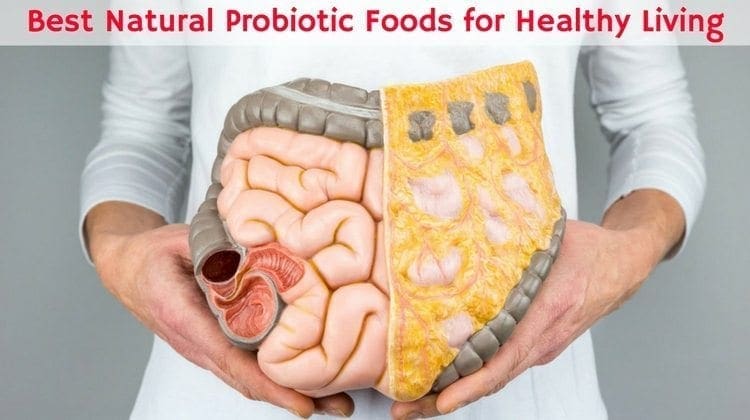
Are you including enough probiotic-rich foods in your diet? Do you know that probiotics are not only essential for digestive health but for overall health?
In this article, we will learn all about probiotics and its benefits for overall health along with some best natural probiotic foods.
Let�s get started�
Probiotics:
Probiotics are the good bacteria (or friendly bacteria) that line your gut and help in the absorption of nutrients from the food and thus boost up your immune system.
Digestive disorders, candida, frequent attack of cold and flu, autoimmune disease, skin problems, etc. are some side effects we will experience due to lack of enough probiotics.
In this modern world, due to unhealthy agricultural practices (little or no probiotics in food) and the intake of antibiotics for every health problem (kill the existing good bacteria). So, we have to include more probiotic-rich foods in our diet.
Types of Probiotics:
There are many types of probiotics that offer�different types of beneficial bacteria to help for the proper functioning of the body. Here are the 7 types of probiotics.
Lactobacillus Acidophilus
Lactobacillus Reuteri
Lactobacillus Bulgaricus
Streptococcus Thermophilus
Bifidobacterium Bifidum
Saccharomyces Boulardii
Bacillus Subtilis
Health Benefits of Probiotics:
Most people think that probiotics are essential for proper functioning of gut but there are unaware of other health benefits of consuming probiotic � rich foods. Here are some health benefits explained.
It improves digestion by restoring the natural balance of the gut bacteria and aids in getting rid of constipation or diarrhea and other digestive problems.
It strengthens your immune system and thus reduces the recurrence of cold, flu and other respiratory problems.
It is proven to be beneficial for treating candida yeast infection by killing the yeast fungus causing infection and also helps to reset the system for proper functioning.
It aids in weight loss by reducing the cholesterol levels.
It improves eczema and psoriasis to make your skin healthy and free from allergies and infections.
It reduces the abdominal bloating and flatulence (stomach gas) that caused by irritable bowel syndrome (IBS).
It increases the energy levels from the�production of vitamin B12. This beneficial bacteria helps to reduce the depression, promotes heart health, boost up your brain and body.
It effectively heals the leaky gut and also clears inflammatory bowel disease.
In some study, it is started that intake of probiotics will alter the mood, stress, anxiety and pain sensitivity.
After knowing about its health benefits, hope we�ll definitely consume the probiotic foods in your diet for grabbing these benefits.
Natural Probiotic � Rich Foods:
Here are the natural probiotic rich foods that have to be included in your diet to enjoy many health and skin benefits. Have a look at these foods.
1. Kefir:
Kefir (means � feeling good) is a fermented dairy product prepared with a unique combination of milk (cow�s or goat) and fermented kefir grains. It has a�tart flavor and slightly acid that has 10 � 34 strains of probiotics.
Kefir is fermented with more bacteria and yeast, which in turn makes it as a best natural product with a�rich content of probiotics. Enjoy kefir (prefer on an empty stomach) or add it to smoothie or cereal instead of milk.
You can also find coconut kefir that made by fermenting the juice of young coconuts with kefir grains. It is a diary free option that contains several strains of probiotics. You can drink it by adding a little of stevia, water, and lemon juice to enhance its favor.
Note: Intestinal cramping and constipation will be experienced when starting the intake of kefir. So, begin with 1/8 cup and gradually increase it to 1 � 2 cups of kefir per day. But it is suggested to take a break of one day after completing each week.
2. Yogurt:
Yogurt with live and active cultures is an excellent source of probiotics. Regular intake of yogurt will help for proper digestion and thereby promotes a healthy balance of microbes in the digestive system.
But be sure while choosing probiotic yogurt that it should be free from high fructose corn syrup and artificial flavors or sweeteners. Prefer only plain yogurt (or Greek yogurt) and add some fresh fruits in it while consuming.
3. Sauerkraut:
Sauerkraut is made from fermented cabbage and other vegetables. It is high in organic acids and thus makes the food to taste sour. It has a�variety of probiotics strains that supports the growth of good bacteria and improves the gut flora.
Do you know that intake of 2 ounces of homemade sauerkraut has more amount of probiotics rather than a bottle of 100 probiotic capsules? It is used as a�condiment in raw form without heating or cooking it. Avoid usage of excess amounts, as it causes harm for thyroid functioning.
4. Miso:
Miso is a traditional spice in Japan that used in many traditional foods. It is made by fermenting soybean, brown rice or barley with koji (fungus). This fermentation process takes from few days to few years to complete.
You can use miso to make soups, spread it on crackers or on toast or on freshly cooked corn, stews, use it instead of butter and other cooked dishes. You should use miso in moderation due to its high salt content.
5. Kimchi:
Kimchi is a cultured vegetable made from fermented cabbage and other vegetables (fermented with bacteria). It is a popular side dish in Korea and is served with steamed rice. It is spicy and used as a condiment that added to sandwiches, soups, and stir-fried dishes. Also, remember that not to overcook it, as it may lose the nutrients.
6. Tempeh:
Tempeh is made from fermented cooked soybeans that can be used as a replacement for meat in vegetarian meals. This fermentation process will turn the tempeh into a meaty loaf.
You can use steamed, baked or saut�ed and add it to your burgers, sandwiches, salads, stir fries, etc.
7. Kombucha:
Kombucha will help to restore the gut�s ecosystem and it can be prepared from starter bacteria and yeast. It has rich content of vitamins, enzymes, and organic acids that aids in proper digestion, promotes detoxification, treats arthritis, fights depression, boosts immunity and more.
You can drink 3 � 5 ounces of kombucha tea daily but over intake can result in upset stomach, nausea, yeast infections and allergic reactions.
Note: It is not recommended for the people who suffer from weakened immune system or children less than 5 years of age.
8. Sour Pickles:
Sour pickles which are naturally fermented are the excellent source of dairy free probiotics. You can go through this process to make your own sour pickle.
Take some pickling cucumbers and soak it in ice water for 30 minutes to clear the dirt.
Place it in a quart jar along with few garlic cloves, black peppercorns and a sprig of dill.
Now fill this jar with enough brine (salt water) till it covers the cucumbers.
Cover it with a cloth and let it sit aside for at least 3 days.
When the cucumbers soured properly then refrigerate the jar and check it daily to ensure that cucumbers remain submerged in brine.
Enjoy 1 � 2 ounces of cultured vegetables or sour pickles with each meal.
Note:
Also, use other vegetables like carrots, cabbage leaves, beets, green onions, bell peppers, broccoli, garlic, kale, etc. instead of cucumber.
Remember that sour pickles brined in vinegar don�t offer probiotic benefits.
9. Natto:
Natto is a fermented soybean product that has a�bacterial strain called bacillus subtilis, which helps for boosting your immune system. It is a Japanese dish that is mixed with rice or served with breakfast. It has rich of protein, vitamin K2, and probiotics that are essential for osteoporosis, digestive tract, and cardiovascular health.
10. Olives:
Brine-cured olives have the best source of probiotics why because the brine allows the probiotic cultures to thrive into it. Just like salted gherkin pickles, you have to select organic products and snack on that type of olives or add it to your pizza or salad.
Note: Check that your olives should not contain sodium benzoate.
Other Probiotic Foods:
Other probiotics foods that have to be included in your diet are listed below.
Traditional buttermilk (liquid left after making butter). You can also take milk that cultured with lactic acid bacteria.
Cheese that has live and active cultures (like raw, mozzarella, cottage cheese, Gouda, cheddar, etc.)
Micro-algae are an ocean�s super food that acts as prebiotic foods (which feeds and nourish the probiotics in the internal flora). Add it to your morning smoothies.
Sourdough Bread has lactobacillus that provides probiotics and makes you feel full for a longer time.
Include prebiotics like bananas, asparagus, legumes, oatmeal, honey, red wine, artichokes, maple syrup, etc. in your diet either alone or with probiotics foods.
Kvass is a traditional beverage in Eastern Europe that made by fermenting barley or rye. It has a�mild sour flavor that helps for blood and liver cleansing.
Apple cider vinegar (ACV) has probiotics. Drink ACV or use it as a salad dressing.
Soy milk products contain probiotics naturally.
Ginger ale, kombucha tea, water kefir soda, etc. will have enough of probiotics.
Dark chocolates help to maintain proper pH of the digestive tract and thereby provide probiotics.
As a last option, you can take probiotic supplements in capsules, powder, tablet or liquid forms. But be sure to consult your doctor before taking these supplements.
Include these probiotic-rich foods in your diet. What is your favorite probiotic food? Did you experience health benefits from taking probiotics? Share it with us in the below comments box.
The Global Health Index results are in, and Italians rank first as the world’s healthiest people, according to Bloomberg.
The secret to their longevity�seems to reside in their approach to nutrition, as a Mediterranean diet�based on pasta, bread, cheese, lean meat, and wine has them living well into their 80s.
The Italians’ high consumption of fresh vegetables and fruits, which make it to the plate every day, also accounts for the nation’s vigorous health and low mortality rates. Another magical ingredient found in abundance in Italian cuisine in olive oil, which has great benefits for cardiovascular health.
Surprisingly enough, although studies have shown a balanced diet can make us happy, Italy didn’t fare so well in the United Nations’ World Happiness Report�for 2017, where the country only managed to rank in at No. 48 out of 155.
The Italians’ unhappy disposition may be caused by their stagnant economy and high youth unemployment rate. Nevertheless, the stress of financial struggles doesn’t seem to affect their longevity.
US Came In At No. 34 Because Of Obesity
The Global Health Index, calculated each year by Bloomberg, assessed population health in 163 countries. The index�bases its ranking on a “health score” that evaluates life expectancy�at different ages, mortality rates due to illness or injury, and survival contingency at critical times.
Each country also received penalty points determined by unhealthy factors – such as smoking, overweight and obesity, and improper childhood nutrition – as well as environmental conditions, for instance pollution�and limited access to potable water.
The overall calculations led to a “health grade.” Italy scored the highest, with a grade of 93.11. The second ranking position was claimed by Iceland with a health grade of 91.21, while third place went to Switzerland, which scored a total of 90.75 points. Singapore and Australia also made it to the top five, managing to accumulate 90.23 and 89.24 points respectively.
At the opposite pole stand Slovakia (65.10), Barbados (64.14), Oman (62.89), and Panama (62.39), while Albania ranked at the bottom of the index, with 62.01 points.
The United States managed to score a total of 73.05 points, ranking in at No. 34. According�to Bloomberg, the nation’s “ranking for prevalence of overweight people�is 67.3 – tipping the scale as one of the world’s heaviest nations.” The country’s health score was also affected by maternal mortality rates, which – although curtailing worldwide – are increasing in the United States.
� 2017 Tech Times, All rights reserved. Do not reproduce without permission.
6 Food Habits That Keep Italians In Shape, Despite Pizzas & Pasta
You must be wondering how a diet of pizzas, pasta among other indulgent items boasts of being one of the healthiest in the world.� Well, there are certain secrets about the Italian diet that are both, unique and relatable–some of which, have been revealed over the years.Recently voted as the healthiest country on earth by the Bloomberg Global Health Index, Italy apparently has a lot to thank its cuisine for.
But wait, aren’t food items like cheese-laden pizzas contributing towards making nations like America overweight? Not really.�A post shared by Best Food, Chef And Restaurant (@italian_food) on Italian lifestyle is dominated by fresh produce, adequate exercise, authentic cuisine, beneficial oils like canola and olive, besides occasional glasses of red wine. Please pay attention.
The keyword here is, ‘authentic’.Also Read: Italy is World’s Healthiest Country; India doesn’t feature in top 50The skewed form of Italian food served around the world (including in India) barely does justice to its original form. For example, by adding processed meat to a pizza instead of the vegetables Italians use, you’re piling on calories for yourself–the calories Italians choose to ignore.So, here are some things Italians do differently than the rest of the world and ensure their delicious doesn’t make them gain weight.1. According to Mayo Clinic, the
Mediterranean diet comprises of using natural herbs and spices instead of salt for adding flavour.�A post shared by Best Food, Chef And Restaurant (@italian_food). Red meat is a rarity, whereas fish and poultry is consumed at least twice a week.3. Italians also believe in consuming healthy amounts of red wine that contains its fair share of benefits.4. Butter is replaced by oils like Canola and Olive.5. Many Italians replace dessert with fresh fruits.6. Besides laying emphasis on homemade food, Italians are huge fans of fresh vegetables, whole grains, legumes and nuts–each of which are packed with health benefits.Researches over the years have shown how resorting to the Mediterranean diet might actually keep you away from cholesterol and subsequently, heart diseases. Also linked with a reduced risk of Parkinson’s and Alzheimer’s diseases, the diet is believed to alter the risk of breast cancer among women.
Even though obesity can indicate a risk for heart disease and diabetes in white people, it may not be as reliable for predicting these risks in other racial and ethnic groups, a U.S. study suggests.
Almost one in three people with a healthy weight for their height based on a measurement known as body mass index (BMI) still had at least one risk factor for heart disease such as elevated blood pressure or high levels of sugars, fats or cholesterol in the blood, the study found.
Among white people in the study, only 21 percent normal weight individuals based on BMI, or about one in five, had risk factors for heart disease and diabetes. But a much higher proportion of healthy weight people in other racial and ethnic groups had heart or diabetes risk factors: 31 percent of black people, 32 percent of participants of Chinese descent, 39 percent of Hispanics and 44 percent of South Asians.
“These results show that having a normal BMI does not necessarily protect an individual from cardiometabolic risk,” said lead study author Unjali Gujral, a public health researcher at Emory University in Atlanta.
“We advocate a heart healthy diet and lots of exercise in all individuals, regardless of race/ethnicity and body weight, but especially in those who are members of racial/ethnic minority populations,” Gujral said by email. “It is also important for patients, particularly those who are Asian American, Hispanic American and African American to have conversations with their physicians/healthcare providers regarding their increased risk for heart disease even at normal weight.”
For the study, researchers examined data on adults aged 44 to 84 living in seven U.S. cities. Within this group, 2,622 were white, 803 were Chinese, 1,893 were black, 1,496 were Hispanic and 803 were South Asian.
They used data on participants’ height and weight to calculate BMI and then see how often a healthy BMI was associated with common risk factors for heart disease that are typically seen in obese people.
For most adults, including white, black and Hispanic individuals, a BMI between 18.5 and 24.9 is considered a healthy weight, 25 to 29.9 is overweight and 30 or above is obese, according to the World Health Organization.
Because Asian people are known to have a higher risk of heart disease and diabetes at a lower BMI than other populations, WHO created a different scale for Chinese and South Asian people. In this scale, a BMI of 18.5 to 22.9 is considered a healthy weight, a BMI of 23 to 27.4 is overweight and 27.5 or above is obese.
Even with these different BMI scales applied to the participants, researchers found that BMI alone didn’t explain heart or diabetes risk. Neither did age, education, gender, exercise, whether people smoked or where their body tended to store fat.
Researchers calculated that the ethnic and racial differences in risk mean a white person with a BMI of 25.5, which is in the overweight range, has about the same likelihood of heart disease or diabetes as an African American with a BMI of 22.9, a Hispanic person with a BMI of 21.5, a Chinese person with a 20.9 BMI and a South Asian person with a 19.6 BMI – all of whom would be considered in the “healthy” BMI range.
Current U.S. screening recommendations that emphasize testing for risk factors for heart disease and diabetes in people who are overweight or obese, may lead the risk to be overlooked in some normal weight people, especially if they aren’t white, the researchers conclude.
In particular, even normal weight people should pay close attention to their waistline and make lifestyle changes if they start to get thicker around the middle, said Jean-Pierre Despres of the Quebec Heart and Lung Institute Research Center and the Laval University in Canada.
“Your waistline, irrespective of your BMI, is an important vital sign,” Despres, who wasn’t involved in the study, said by email. “You do not want it to go up if you are healthy, and you want it to go down if you have risk factors for cardiovascular disease and diabetes.”
IFM's Find A Practitioner tool is the largest referral network in Functional Medicine, created to help patients locate Functional Medicine practitioners anywhere in the world. IFM Certified Practitioners are listed first in the search results, given their extensive education in Functional Medicine