by Dr Alex Jimenez DC, APRN, FNP-BC, CFMP, IFMCP | Diets, Fitness
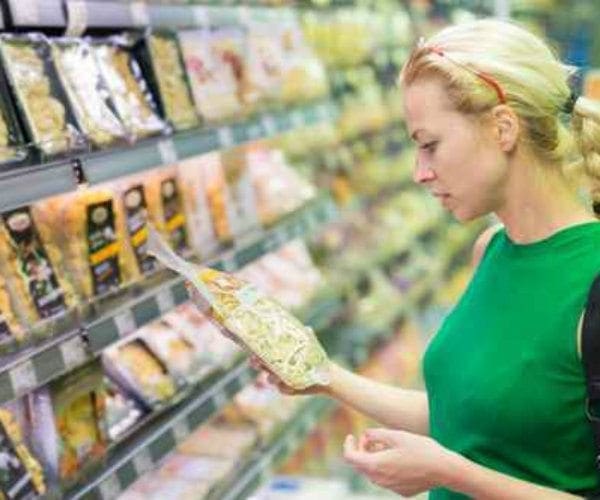
If you’re doing your best to eat lots of fresh fruits and vegetables, the convenience of pre-washed bagged salads may be too hard to resist. The problem is such products can contain contaminants and foreign substances that can make you sick.
That reality was dramatically spotlighted last month when two people ate fresh salad from a bagged lettuce product before discovering the remains of a bat in it. Further complicating things, the unfortunate were treated for rabies as a precaution (although lab tests later showed the bat was not rabid).
Peter Cassell, spokesperson for the Food and Drug Administration (FDA), noted the case was extremely rare and not a reason for a larger public health concern.
“Packaged salads are generally safe to eat right out of the package,” he said. “Most salads are double-washed or triple-washed and dried under managed conditions. Packaged salads are widely sold for consumer’s convenience.”
But he acknowledged such products can contain contaminants, so consumers need to take precautions to be sure they are not consuming anything dangerous or, at least, unappetizing.
“The most common extraneous materials that can be found in produce grown close to the ground include stones, rocks and dirt,” he noted. “One way consumers can identify and remove these materials is to pour the salad out into a bowl and lightly sift it with clean hands or utensils. There is no need to rewash salads that have already been washed before packaging.”
It’s not the first time that consumers have encountered problems with pre-washed salads, veggies, and fruit. Last year, four people died and 33 became ill from listeria in packaged salads.
Listeria found in food processing plants is not uncommon, but it isn’t always toxic. Dole salads, the problem in the case of listeria, closed the offending plant, issued a recall, and followed FDA requirements to sanitize its processing systems.
The salad with the dead bat was in Organic Marketside Spring Mix, produced by Fresh Express. It was only distributed at Walmart stores in the Southeastern United States.
The odds of finding a bat or dangerous pathogen in your salad are quite rare, experts say. According to Cassell, people can generally trust that pre-washed salads are handled correctly and present little to no risk to the consumer.
But health specialists say a handful of safe food-handling practices, especially for produce, are a good idea for consumers to follow. Among them:
- Wash your hands thoroughly before starting to prepare food.
- Sort through bagged or boxed greens and/or vegetables carefully.
- Rinse thoroughly and inspect the contents of bagged greens, even if they are already pre-washed.
- Do not use special “veggie soaps.” They don’t do much and remain on the food that you eat.
- Look for “best used by” dates and buy foods accordingly. If food is really fresh it will be better for you.
- Cut away damaged or bruised areas on fruits and vegetables. Throw it away if it looks rotten.
- Even if you plan to peel the produce, it is a good idea to wash it.
- Scrub things like melons or cucumbers with a clean produce brush.
- Use a paper towel to dry produce because it can help to get rid of bacteria.
- When you purchase and store your produce, bag it and store it separately from other foods like meat, seafood, and poultry.
- Refrigerate any produce that is pre-cut or peeled.
- Additional advice from the FDA:
- Wash hands and surfaces often when preparing food.
- Wash your cutting boards, dishes, counters frequently to avoid cross contamination with bacteria and other microbes.
- If you use cloth dishtowels to wipe counters clean, make sure you wash them in hot water. Consider using paper towels instead of cloth towels.
Most of us face some risk from foods — even fresh foods — that aren’t properly washed or cleaned, or that may have been contaminated by other foods like fresh meat.
About 48 million cases of foodborne illness occur each year, with one in six Americans becoming ill from some sort of food contamination. Illness usually starts within days after eating contaminated food, and can include vomiting, diarrhea, abdominal pain, fever, and headache.
Most people recover from food poisoning, according to the FDA. But pregnant women, young children, the elderly, and those with weakened immune systems face a greater risk of complications.
The bottom line: Take a look at that pre-washed salad, toss it with some utensils, and be wary, but be aware that it is probably safe, according to Cassell.
For more information about recalls, or to file a complaint about purchased food, visit the FDA Website.
by Dr Alex Jimenez DC, APRN, FNP-BC, CFMP, IFMCP | Diets, Fitness
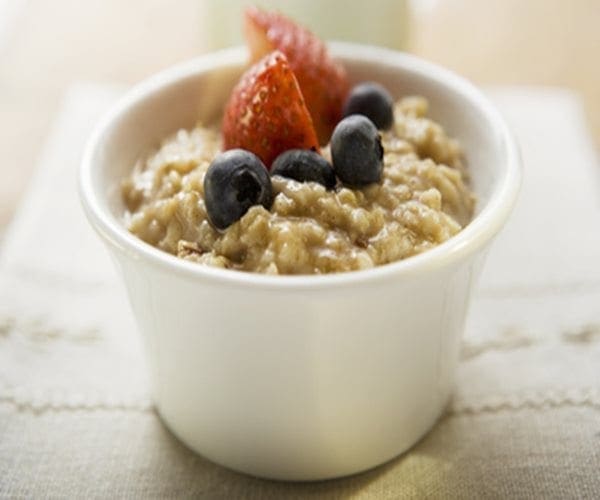
People with celiac disease have to avoid most grains, but oats may be an exception that’s safe, according to a recent research review, so long as the oats are uncontaminated by traces of other grains.
More studies are needed to see whether so-called pure oats available in the real world don’t provoke celiac symptoms. If proven safe, oats could provide celiac sufferers some of the benefits of eating grains that they miss out on following a gluten-free diet, researchers say.
“Oats, compared to other cereals, are a source of good quality proteins, vitamins and minerals and they improve palatability and the texture of gluten-free food,” said study coauthor Dr. Elena F. Verdu.
“For a person diagnosed with celiac disease, adding oats to a gluten-free diet could not only increase food options but also help them follow a better gluten-free diet and have a higher quality of life,” said Verdu, a gastroenterology researcher at the Farncombe Family Digestive Health Research Institute at McMaster University in Hamilton, Canada.
Celiac disease is an autoimmune disorder that affects roughly one of every 100 people in the U.S. For sufferers, consuming even trace amounts of the gluten protein in wheat, barley and rye can trigger an immune response that damages the intestines. Over time, this immune attack can lead to malnutrition, osteoporosis, chronic inflammation and a variety of other problems.
People with celiac disease are also at heightened risk of heart disease and some recent research suggests that might be in part because avoiding gluten causes them to miss out on the heart-protective benefits of eating whole grains.
Oats don’t contain the same celiac-provoking protein found in other grains, the study team writes in the journal Gastroenterology. However, Verdu told Reuters Health, issues have been raised regarding potential adverse reactions to oats by celiac patients, and this has reduced the enthusiasm of adding oats to the gluten-free diet in many cases.
“The first study suggesting that oats may be harmful for patients with celiac disease was published more than 50 years ago. Since then, the addition of oats to a gluten-free diet has remained clouded in controversy,” she said in an email.
For this reason, the review team decided to evaluate the existing evidence. They re-analyzed data from 28 previous studies that included oats in gluten-free diets for people with celiac disease. Eight of the studies were controlled clinical trials; the rest were observational.
The researchers looked at any negative effects on symptoms or blood tests for up to one year of oat consumption.
“In our study, we found no evidence that addition of oats to a gluten-free diet affects symptoms or activates celiac disease. However, it is very important to stress that there were few studies in some of the analyses, the quality of the studies was low and most of them were conducted outside of North America,” Verdu said.
Although the consensus is that pure oats are safe for most patients with celiac disease, contamination with other cereal sources that may contain gluten needs to be avoided, Verdu added.
“The purity of oats will depend on the country of origin and local regulations, and this is why we were surprised to see that most recommendations in North America are still based on studies performed in Europe,” she said.
“Patients who follow a gluten-free diet are sometimes able to consume small quantities of gluten-free oats without adverse reaction,” said Hannah Swartz, a clinical dietitian at Montefiore Medical Center in New York who wasn’t involved in the study.
“Patients who have the most success with including oats in their diet ensure the oats are certified gluten free, and wait one or more years after following a gluten free diet to ensure that gut inflammation has subsided,” she said.
“Patients with celiac disease must first ensure that the oats they are adding are certified gluten free oats. Regular oats used in products that are labeled ‘gluten free’ such as some mainstream cereals are not recommended for patients with celiac disease as there remains the possibility of cross contamination with gluten containing grains during the processing of the oats,” she said.
by Dr Alex Jimenez DC, APRN, FNP-BC, CFMP, IFMCP | Diets, Weight Loss
Doctor of Chiropractic, Dr. Alexander Jimenez looks at obesity in children and the risk of type 2 diabetes.
Close To 13 Million American Children & Teens Are Obese
And�new research shows they may be four times more likely than kids with a healthy weight to develop type 2 diabetes by age 25.
Between 2002 and 2005, there were 3,600 cases a year of type 2 diabetes among U.S. kids and teens, according to the Endocrine Society’s Endocrine Facts and Figures report. A large study of British children produced similar results, the researchers noted.
“As the prevalence of obesity and being overweight has rapidly risen, an increasing number of children and young adults have been diagnosed with diabetes in the United Kingdom since the early 1990s,” said study co-author Ali Abbasi, a research fellow at King’s College London.
For the study, published April 25 in the Journal of the Endocrine Society, the researchers reviewed health records of 375 general practices in the United Kingdom.

BMI Is A Measure Used To Determine If Someone Is A Healthy Weight For Their Height
The team compared the diabetes status and body mass index (BMI) of about 370,000 children between the ages of 2 and 15.
The study found that 654 youngsters were diagnosed with type 2 diabetes and 1,319 with type 1 diabetes between 1994 and 2013. Nearly half of those with type 2 diabetes were obese. There was no link, however, between obesity and rates of type 1 diabetes, an autoimmune disease, researchers noted.
“Diabetes imposes a heavy burden on society because the condition is common and costly to treat,” Abbasi said in an Endocrine Society news release. “Estimates indicate one in 11 adults has type 2 diabetes, or about 415 million people worldwide. Given that diabetes and obesity are preventable from early life, our findings and other research will hopefully motivate the public and policymakers to invest and engage in diabetes prevention efforts.”
News stories are written and provided by HealthDay and do not reflect federal policy, the views of MedlinePlus, the National Library of Medicine, the National Institutes of Health, or the U.S. Department of Health and Human Services.

by Dr Alex Jimenez DC, APRN, FNP-BC, CFMP, IFMCP | Diets, Nutrition, Wellness
Doctor of Chiropractic, Dr. Alexander Jimenez investigates the mediterranean diet, and what it can do for people taking statins for heart attacks and strokes.
Q: How Does The Mediterranean Diet Stack Up Against Statins In Preventing Heart Attacks & Strokes?
A: Research suggests that the Mediterranean diet and statins can be effective in helping to lower the risk of potentially fatal complications of heart disease. But there has been no published scientific research in which a large number of people were given either statins or a Mediterranean-style diet at random and then followed carefully to see what became of their heart health.

As Rosemary Stanton, nutritionist and visiting fellow at the School of Medicinal Sciences, University of New South Wales, explains in an article posted by The Conversation, “Such a trial is unlikely to occur, as withholding medication from people at risk of heart attack or stroke would be regarded as unethical.”
But there is evidence that both approaches are helpful and that the optimal choice, at least for those at high risk of cardiovascular disease, would be a combination of diet and statins. Research also suggests that, for people at lower risk, lifestyle measures like the Mediterranean diet could be sufficient.
Traditionally, the Mediterranean diet includes lots of fruit, nuts, vegetables, cereals and oil from olives; a moderate intake of fish and poultry; a low intake of dairy products, red meat, processed meats and sweets; and — taken with meals — wine in moderation. (Researchers tested two versions, one with lots of olive oil and the other with lots of oil from nuts.)
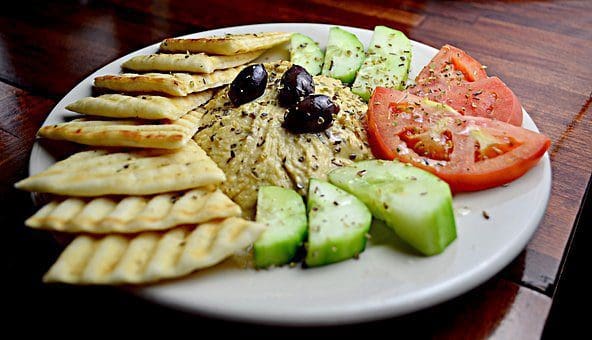
“I don’t view these things as either-or,” said Dr. Meir Stampfer, a professor of epidemiology and nutrition at the Harvard T.H. Chan School of Public Health. “My advice is to start with the Mediterranean diet because it’s good for you in multiple ways — lowering risk of cognitive decline, reduction in some cancers, lower risk of diabetes — that go beyond what statins do.”
If Cholesterol Numbers Remain High Despite A Healthy Diet, Statins Or Other Medical Treatments Can Be Added
In 2009, Circulation: Cardiovascular Quality and Outcomes, a journal of the American Heart Association, reported research that showed statin therapy resulting in a 44 percent reduction in heart disease-related problems including heart attacks, strokes and deaths. (The study can be downloaded at bit.ly/2lX1tuF.)
In 2013, a large and rigorous study published by The New England Journal of Medicine found that switching to a Mediterranean diet prevented about 30 percent of heart attacks, strokes and deaths from heart disease in people at high risk. That study, which looked at two versions of the diet, can be found at bit.ly/2np3VY2.
Statin takers often wrongly think they don’t have to worry about diet and exercise.
“Quantitatively, you get more mileage from optimal exercise and diet than statins, so it’s not one or the other,” Stampfer said. “Everybody needs the diet and exercise, and some people, despite that, will still need statins. It’s not a failure; it’s not a character flaw — if you need it, you need it.”
The bottom line is that the Mediterranean diet helps even if one is taking statins and, along with other potential benefits, might help avoid the need for statins altogether.
Celia Storey added information to this report.

by Dr Alex Jimenez DC, APRN, FNP-BC, CFMP, IFMCP | Diets, Fitness
The idea that diet could have a role to play in preventing the signs of asthma is starting to gain ground, with studies highlighting certain deficiencies in patients or warning against the consumption of certain foods. On World Asthma Day, May 2, Relaxnews spoke to Dr. Bertrand Delaisi, a pediatric pulmonologist at Clinique Marcel Sembat in Boulogne-Billancourt, France, for an overview of what’s currently known on the subject.
The prevalence of asthma has increased considerably in recent decades, in parallel with changes in lifestyles and dietary habits, tending towards diets rich in carbohydrates and fat, and low in fiber.
As well as pollutants, allergens, passive smoking and air pollution, allergy specialists are increasingly interested in how diet can promote or modify the development of asthma on a physiopathological level.
Eating ham, cured sausage or smoked meats at least four times a week could aggravate the symptoms of asthma over time, concludes a study carried out by researchers at Inserm, the French National Institute of Health and Medical Research, published in January in the medical journal Thorax.
On the contrary, consuming fiber may influence the gut flora and could reduce inflammation in the bronchial tubes. A diet rich in fruit and vegetables and vitamin C — and especially vitamin D (calf’s liver, soy, egg yolks) — could, therefore, help limit the risks of asthma, according to Dr. Bertrand Delaisi, a pediatric pulmonologist at Clinique Marcel Sembat in Boulogne-Billancourt, France.
The same goes for omega-3 fatty acids, present in oily fish and other foods (walnuts, canola oil), which can relieve inflammation, including in the respiratory airways. People whose diets are rich in omega-3 have a lower risk of suffering from asthma than those whose intake is limited. They could also be beneficial to people who already suffer from the condition.
Foods containing quercetin could reduce the frequency of asthma attacks, as this antioxidant flavonoid is an anti-inflammatory. Studies carried out in vitro found that quercetin inhibited the liberation of inflammatory substances by mast cells, which play a role in allergic reactions, mirroring certain anti-asthma medications. This antioxidant is found in onions, mustard oil, tea and apples.
An estimated 300 million people worldwide suffer from asthma.

by Dr Alex Jimenez DC, APRN, FNP-BC, CFMP, IFMCP | Diets, Fitness
When mid-afternoon fatigue sets in, it’s easy to reach for a cup of coffee or a sweet treat for a quick boost. Unfortunately, the energy boosting effects are short-lived and often lead to a crash later in the day.
Instead, experts say it�s best to opt for a snack that’s rich in protein, fiber, and complex carbohydrates for a natural energy boost. Here are nine of the best options for energy-boosting snacks and meals that will keep you alert throughout the entire day.
Nuts. Almonds, pistachios, and other nuts contain important nutrients like magnesium and B vitamins which help convert food to energy. Pistachios have a powerful combination of protein, fiber and heart healthy monounsaturated fats, making them a great snack choice.
“Research shows that people with low magnesium levels tend to tire more quickly during exercise due to magnesium’s role in energy metabolism,” dietitian Rachel Berman says. A lack of B vitamins can cause fatigue, irritability and poor concentration. Berman suggests one serving, or about 23 nuts, to keep calories low.
Whole grains. “Thanks to fiber, whole grains help prevent the blood-sugar crashes that happen after consuming refined or simple carbohydrates,” says Berman. Whole-grain carbohydrates, like popcorn, are a great afternoon snack choice. The volume of popcorn also keeps you satisfied longer than chips or crackers. Try popping your own and adding herbs and spices, instead of butter and salt.
Nut butters. Peanut butter and almond butter can provide a great energy boost. They’re filled with health fats, protein and fiber, which help keep blood sugar levels stable. Berman says make sure you avoid brands with added sugars and stick to just a 2-tablespoon serving.
According to a study done at the University of Cambridge in England, protein also activates cells that help keep you awake. Researchers found that the cells responsible for our energy levels respond better to amino acids in proteins than in other nutrients.
Fish. Salmon is filled with omega-3 fatty acids, nutrients that can boost energy and mood. Berman says the nutrients found in fish have also been found to improve memory and reduce depression. The healthy fats found in fish like salmon also help lower blood pressure and bad cholesterol, making them heart healthy choices.
Bananas. These sweet treats are a great source of fiber, B vitamins, and potassium � nutrients that promote sustained energy. Bananas make for a great pre- and post-workout snack. Berman suggests a banana with a cup of yogurt for an energizing snack with fiber and protein for sustained energy.
Kale. This leafy green contains the amino acid L-tyrosine, which is great for an energy boost. The leafy green also contains fiber and a number of antioxidants which help stabilize blood sugar, says Berman.
Oatmeal. A dish of this high-fiber, filling breakfast staple can provides lasting energy all day long. Dieticians recommend looking for breakfast foods that contain at least 3 grams of fiber per serving. Options can include: oatmeal, whole-grain breads or pancakes, high-fiber breakfast cereals and quinoa.
Hummus. Made of garbanzo beans, sesame-based tahini, olive oil, and lemon, hummus is full of nutrients that contribute to high energy levels. The fiber and protein in the beans help stabilize blood sugar and boost energy. Use hummus as a veggie dip or a sandwich spread for a great snack or healthy lunch.
Greek yogurt. Compared to regular yogurt, Greek yogurt contains twice as much protein, making it a great breakfast or snack option. “The thick, indulgent texture is the perfect canvas for a variety of toppings that can make it even more substantial,” says dietitian Kari Kooi. Add fruit, nuts, or low-calorie granola to make it even more nutritious.
by Dr Alex Jimenez DC, APRN, FNP-BC, CFMP, IFMCP | Gluten Free Diet
A new study found that gluten-free diets could increase cardiovascular risk in people without celiac disease. The study claims that gluten-free diets among people without celiac disease is not associated with risk of coronary heart disease, but such diets result in a low intake of whole grains, which are linked to cardiovascular benefits.
Researchers say that gluten-free diets among people without celiac disease should not be encouraged, as people could miss out on the benefits of whole grains.
Researchers say that gluten-free diets among people without celiac disease should not be encouraged. Image credit: iStock.com / Everyday Health
People with celiac disease, on the other hand, usually have to follow gluten-free diets because the protein found in wheat, barley, and rye can cause them to develop gastrointestinal issues.
Gluten-free diets should not be encouraged to people without celiac disease
The study was published in the BMJ on May 2, and researchers noted that cutting out gluten unless medically necessary can increase a person�s risk of cardiovascular problems. The researchers analyzed data from 64,714 women and 45,303 men who worked in the health industry, each of whom had no history of heart disease.
Subjects were asked to fill a detailed food questionnaire in 1986, and they were required to update it every four years until 2010. The scientists noted that they saw no significant association between gluten intake and heart disease risk.
�Long term dietary intake of gluten was not associated with risk of coronary heart disease. However, the avoidance of gluten may result in reduced consumption of beneficial whole grains, which may affect cardiovascular risk,� wrote the researchers on the study.
Gluten is a storage protein found in wheat, rye, and barley, and it is known to trigger inflammation and intestinal damage in people with celiac disease. According to the researchers, celiac disease is present in 0.7 percent of the U.S. population, and because it is associated with an increased risk of coronary heart disease, patients are recommended to shift to a gluten-free diet.
 Gluten is a storage protein found in wheat, rye, and barley, and it is known to trigger inflammation and intestinal damage in people with celiac disease. Image credit: Thankheavens.com.au
The study claims that currently many people reduce gluten in their diet because they believe that it will lead to general health benefits. A national survey showed that in 2013 nearly 30 percent of adults in the U.S. reported that they were cutting off or reducing their gluten intake. However, the researchers noted that despite the rising trend in gluten restriction, no study has linked gluten with the risk of coronary heart disease in people without celiac disease.
�Although people with and without celiac disease may avoid gluten owing to a symptomatic response to this dietary protein, these findings do not support the promotion of a gluten restricted diet with a goal of reducing coronary heart disease risk,� warned the researchers.
Researchers concluded their study saying that it found no evidence of gluten diets and coronary disease among male and female health professionals analyzed for more than 25 years and that further research is needed to investigate the link between gluten and cardiovascular problems, as their study was merely observational.
Source: The BMJ








