A majority of individuals today are aware about the gut-brain connection and how approximately 90 percent of their body’s serotonin is really generated in the gastrointestinal, or GI, tract as well as the way the gut-brain axis is associated with depression. Overall gut health involving a healthy population of gut microbiota can affect many facets of our well-being, therefore, it’s no mystery that the connection between the gut and chronic health issues, such as cardiovascular disease, diabetes and neurodegenerative diseases, are also significantly strong.
Berberine, an ancient mixture frequently utilized in a variety of medicinal herbs throughout several traditional treatments has been demonstrated to benefit as well as link the gut and the heart. Berberine is an isoquinoline derivative alkaloid found in numerous herbs. Although these berberine-containing herbs aren’t traditionally utilized in food preparations, the active ingredient has been identified and may be isolated from a variety of plant sources, such as Coptis chinensis, or Coptis or Goldthread, Hydrastis canadensis, or goldenseal, Berberis aquifolium, or Oregon grape, Berberis aristata, or Tree Turmeric, Berberis vulgaris, or Barberry, and Arcangelisia flava.
Berberine is most favorably known for its function in gut health, demonstrating activity which can help support gut microbial balance. In fact, scientists have shown a growing interest in many plant-derived compounds which affect bacterial direction and berberine is a pioneer in the group. Additionally, its a botanical proven to influence blood glucose, blood lipids and also the immune system. Researchers today have learned how berberine can provide these tremendous benefits.
Gut Health Equals Heart Health
According to evidence from a 2016 research study, the gut’s immune system is fundamental towards preventing a variety of diseases and it may often contribute to metabolic disorders. However, it might also help provide a treatment goal when observing systemic inflammation in insulin resistance. Moreover, modified gut immunity has been linked with changes to the gut microbiota, intestinal barrier function, gut-residing immune cells, and resistance to antigens which enter the gastrointestinal, or GI, system. Although this has been previously believed to raise the danger of esophageal ailments including, pathogenic infections and chronic inflammation, which may ultimately lead to chronic health issues.
In our currently hectic and stressful world, a growth in the numbers of chronic disease has begun to negatively affect our overall health health. The best instance of this increase in chronic illness is type 2 diabetes, abbreviated in this article as T2DM, which often coexists with hypertension and causes individuals to pursue nutritional advice in order to achieve healthy blood sugar levels. The information viewing T2DM alone are shocking. As of 2015, the Center for Disease Control and Prevention reported that over 30 million people in the United States had diabetes, where approximately three times as many had pre-diabetes. According to statistics, 70 percent of individuals with pre-diabetes will develop type 2 diabetes.
Natural remedies and botanicals utilized as herbal treatments which have been previously used to promote healthy blood sugar levels have been strongly evaluated in order to determine their safety and effectiveness. Numerous berberine research studies are being conducted, though these are mostly in vitro, or in cell cultures. A majority of in vivo research studies have used animals for the analysis. Despite the quality and size of those research studies, virtually all of the outcome measures throughout the last two decades are positive. One research study from 2012 looked at in vitro results to thoroughly assess the assumed mechanism of action by which berberine affects fat storage. The outcome measures using clinical therapeutics of berberine to observe participants with metabolic syndrome appeared promising.
Another research study evaluated and analyzed the use of berberine in human cell cultures to ascertain how it influenced preadipocyte, a precursor to fat cells, comparison and fat hormone as well as cell activity in patients with metabolic disease. The researchers demonstrated that preadipocyte differentiation was restricted by berberine, while leptin, adiponectin, PPAR?2, or the nuclear receptor known as the master regulator of fat cell biology and target of many diabetes drugs and/or medications, and C/EBP?, a protein necessary for fat cell differentiation, diminished. After several months, participants demonstrated a drop in their BMI and leptin/adiponectin ratio, showing that berberine could boost insulin sensitivity by limiting fat storage, which may also have beneficial effects in the regulation of blood lipid levels.
Concerning how berberine affects cardiovascular biomarkers, many assessments can be found in the literature. The administration of berberine in one analysis generated a substantial decrease in total cholesterol, triglycerides, and low-density lipoprotein cholesterol levels, with a marked rise in high-density lipoprotein. Furthermore, a meta-analysis of this anti-diabetic, hypolipidemic and anti-inflammatory effects of berberine were reviewed in twenty-seven randomized controlled clinical trials. The researchers have concluded that berberine is safe and effective due to its support of the cardiovascular system and the maintenance of healthy blood sugar levels, without any severe adverse reactions found in some of the other research studies. Berberine has also been demonstrated to restrict complex I of the mitochondrial respiratory chain, leading to a growth of 5′ adenosine monophosphate, or AMP and 5′ adenosine monophosphate-activated protein kinase, or AMPK activation. This seems to have a direct impact on energy metabolism as well as that in other structures and functions.
The neurological health effects of berberine have also been considered, particularly from the modulation of the dopaminergic system. Berberine has also demonstrated a possibility in the successful management of seizures, diabetes-induced memory malfunction and hyperexcitability. One animal research study investigating obsessive-compulsive disease found that berberine can promote anti-compulsive and/or anxiolytic effects because of its ability to boost brain monoamine levels. Another review from 2016 demonstrated berberine’s ability to reduce oxidative stress and supply neuroprotective benefits. The review further cites research studies which examine the botanical’s function in the evolution of amyloid plaques and intracellular neurofibrillary tangles. Berberine has found its function in the gastrointestinal, cardiovascular as well as brain worlds. Truly offering a wholesome dose of gut-heart-brain link, berberine is definitely one to consider.
Dr. Alex Jimenez’s Insight
Research studies have found that the relationship between a healthy gut, brain and heart is fundamental towards overall well-being. Natural remedies and botanicals, such as berberine, can help promote as well as support this gut-brain-heart connection, while other alternative treatment options, such as chiropractic care, can restore balance and encourage the human body’s natural healing abilities by correcting spinal misalignments of the spine. Furthermore, by establishing the proper relationship between the brain, the spinal chord and the rest of the body, chiropractic care can help regulate the proper structure and function of each system in the human body.
With the increasing number of gut health issues, it’s become a priority to find safe and effective treatment options to properly address these common problems. More and more research studies have found a connection between the gut, brain and heart. As previously mentioned, by both supporting and promoting the well-being of the gastrointestinal, or GI, system, the structure and function of a variety of other systems can be sustained. Natural remedies and botanicals, such as berberine, have been utilized for centuries as herbal treatments, however, other alternative treatment options can also be used to help improve gut health. Chiropractic care is a well-known, alternative treatment option which has been demonstrated to help promote the natural healing of the human body through the use of spinal adjustments and manual manipulations as well as other therapeutic techniques to correct spinal misalignments, or subluxations. Moreover, a doctor of chiropractic, or chiropractor, can recommend a series of lifestyle modifications, including exercise and nutritional advice, in order to help further improve the overall health and wellness of the human body. Maintaining the well-being of the gut can help boost brain and heart health as well.
Berberine Warnings
In large doses, berberine may lead to gastrointestinal irritation. Thus, it’s typically administered in divided doses and taken with a meal. In addition, researchers have revealed that berberine can limit particular cytochrome enzymes that also target a lot of different kinds of drugs and/or medications, including certain antibiotics. Inhibiting cytochrome enzymes influences the liver’s detoxification system, which will be required to metabolize and, finally, clear drugs and/or medications. For this reason, it’s essential to carefully monitor those patients that are using berberine if other medicines are used concomitantly. The scope of our information is limited to chiropractic as well as to spinal injuries and conditions. To discuss the subject matter, please feel free to ask Dr. Jimenez or contact us at�915-850-0900�.
Curated by Dr. Alex Jimenez
Additional Topics: Back Pain
Back pain is one of the most prevalent causes for disability and missed days at work worldwide. As a matter of fact, back pain has been attributed as the second most common reason for doctor office visits, outnumbered only by upper-respiratory infections. Approximately 80 percent of the population will experience some type of back pain at least once throughout their life. The spine is a complex structure made up of bones, joints, ligaments and muscles, among other soft tissues. Because of this, injuries and/or aggravated conditions, such as herniated discs, can eventually lead to symptoms of back pain. Sports injuries or automobile accident injuries are often the most frequent cause of back pain, however, sometimes the simplest of movements can have painful results. Fortunately, alternative treatment options, such as chiropractic care, can help ease back pain through the use of spinal adjustments and manual manipulations, ultimately improving pain relief.
Before erectile dysfunction started to become a more well-known health issue among the population of men across the United States, male reproductive and endocrine problems were rarely a topic of discussion. In the modern world, however, and with the increasing availability of information from the internet, many individuals have become surprisingly interested in understanding the consequences that diminishing testosterone levels can have on overall health and wellness.
Much like female hormone production, male hormone production can also gradually decrease with age. The period of time in which the male human body experiences a hormonal decline is most commonly known as andropause. Other terms which have been used interchangeably to refer to this structural and functional change with age includes: hypogonadism, late-onset hypogonadism, male menopause, male climacteric, androclise, androgen decline in aging male and aging man syndrome.
For women, menopause is characterized by a halt in menses, indicating the start of a new phase past their childbearing years. In Greek, “andras” means individual men, and “pause” means cessation. Therefore, andropause literally means “human male cessation”. Decreased levels of testosterone in men have been connected with a variety of symptoms, such as night sweats, decreased libido, dry skin and hair, difficulty concentrating, muscle loss, sleeplessness or insomnia, stress, anxiety and/or irritability, decreased bone integrity and insulin resistance. These symptoms have all been commonly associated with “human male cessation” and can often indicate diminishing testosterone levels in the body.
Function of Testosterone in the Human Body
Similar to the mechanisms of actions of estrogen and other androgens/sex hormones, testosterone functions as three unique hormones or cellular messengers within the human body. It can attach directly to androgen receptors; it engages in a variety of important processes on the peripheral cells of the prostate and hair glands in which 5-alpha-reductase is often found, producing dihydrotestosterone which also attaches to androgen receptors; and finally, it can ultimately be converted into estradiol, which develops on estrogen receptors in bone and in abdominal fat or connective tissue. These functions are fundamental towards preserving fertility, libido, weight management, bone health, and basic overall health and wellness.
Symptoms of low testosterone, which will be abbreviated in this article as Low-T, are generally hardly noticeable, as a result, these may only gradually become more severe health issues, aside from altering complete well-being. In addition, hypogonadism has also been reported to develop in younger men, although rarely, together which amounts to an incidence of approximately 3.1 to 7.0 percent in males 30 to 69 years of age, and about 18.4 percent in older men. From these numbers, 5.6 percent of males 30 to 79 years of age will experience symptomatic androgen deficiency. Besides it signaling a natural aging process in human males, very low testosterone levels may also serve as a biomarker signaling the presence of an underlying health issue. By way of instance, metabolic syndrome and testosterone deficiency have been reported by healthcare professionals to have a close association with each other. Various research studies have demonstrated that reduced testosterone levels may also be connected with obesity, insulin resistance and dyslipidemia in men. In the same manner, men with metabolic syndrome and type 2 diabetes have been reported to have a greater incidence of hypogonadism.
Is Andropause Similar to Menopause?
In comparison to menopause, where women’s estrogen levels decrease abruptly, total testosterone levels in men decrease at an average rate of 1.6 percent annually once a human male reaches the age of 40, while free and bioavailable levels generally decline by 2 to 3 percent each year. Even though the decline is normally continuous and gradual, about 50 percent of men over the age of 80 still report having total serum testosterone within normal standard quantities. Additionally, fertility is not affected in men exactly the same way as post-menopausal women.
According to the British Medical Journal, or BMJ, the estimate of the prevalence of Low-T was recorded from the European Male Aging Study. Measuring a combination of sexual symptoms and testosterone levels, it was discovered that just about 0.1 percent of men in their 40’s, 0.6 percent of men in their 50’s, 3.2 percent of men in their 60’s, and 5.1 percent of men in their 70’s, would meet the criteria for a Low-T evaluation and analysis.
Pros and Cons of Hormone Therapy
Despite information suggesting that Low-T may be as widespread as we all believe, at least we know that the search to increase testosterone levels is. Testosterone replacement therapy, or TRT, has been a widely considered yet controversial treatment utilized by endocrinologists and urologists when hypogonadism is found. A variety of research studies have discovered that it may be a viable choice, while others shed light on an assortment of concerns and contraindications. An observational research study conducted in 2012 compared the mortality of men over 40 years of age with reduced testosterone levels that had been treated with TRT to men who were not treated with TRT. The research study demonstrated that the mortality rate of those men not treated with testosterone replacement therapy was greater, approximately 20.7 percent compared to 10.3 percent. Although the research study outcome measures seemed to favor TRT, it was not a gold-standard, placebo controlled randomized clinical trial and it also did not account for confounders.
Moreover, TRT has been demonstrated to enhance insulin resistance, dyslipidemia and sexual dysfunction in males with Low-T, although there have been no long-term research studies to assess its overall impact on mortality. In patients with breast or prostate cancer, TRT, or testosterone replacement therapy, often comes with risks. As a matter of fact, guidelines in the Endocrine Society suggest not utilizing TRT when a patient has been diagnosed with prostate cancer, a palpable prostate nodule, or even after a raised prostate-specific antigen, or PSA, test with results over 4 ng/ml has been determined. Even men with a family history of prostate cancer have been steered away from utilizing this kind of treatment option.
Dr. Alex Jimenez’s Insight
The spine is primarily in charge of protecting the spinal chord, one of the main channels between the communication of the brain to the rest of the body, such as that of the endocrine system, which helps in the production and regulation of hormones. When there is a spinal misalignment, or subluxation, however, these signals may be interrupted, ultimately affecting your overall health and wellness. Through the use of spinal adjustments and manual manipulations, a doctor of chiropractic, or DC, can help carefully restore the integrity of the spine, correcting these fundamental connections and their relation to the rest of the human body’s structures and functions. The balance of the spine can help delay the decrease of testosterone levels associated with human male cessation or andropause, reducing symptoms and boosting essential energy and vitality.
Delaying Low-Testosterone Levels
Though decreasing testosterone levels are commonly associated as a part of the normal aging process, many men dread andropause or “human male cessation”. The loss of muscular mass itself generally motivates men to search for solutions to delay this natural process. Steroids help build muscle by raising testosterone, but they can also ultimately affect the liver, prostate, heart and even the sexual organs. Selective androgen receptor modulators, or SARMs, are encouraged to athletes and active individuals as an alternative to anabolic steroids, but these can also include their own risks and concerns. Many of these alternative treatment options can actually decrease natural testosterone production since they change the chemical structure of testosterone alone.
Thus, some lifestyle modifications worth exploring which can help delay the decrease of testosterone levels include health, diet, stress reduction and supplementation. A prerequisite for healthy testosterone levels include maintaining regular weight and encouraging overall endocrine function. In addition to deciding upon an entirely whole foods-based diet teeming with healthful fats which serve as a hormone precursor and fiber, a few research studies have found that intermittent fasting, characterized by remaining anywhere from 12-16 hours every day, by way of instance, sleeping hours, without eating food, as a way to help maintain weight and testosterone levels during the rebalancing of hormones. Intermittent fasting was additionally found to increase the adrenal hormone, or LH, by 67 percent, overall testosterone by 180 percent and improve the growth hormone secretion in men. Intermittent fasting also helps to improve leptin levels, which ultimately benefits testosterone levels since the clinical condition most closely associated with reduced cholesterol is obesity, and normalizing leptin levels is vital for maintaining healthy weight. In terms of fluids, significant water consumption, while reducing caffeine and alcohol consumption helps bring hydration into the epidermis and hair in addition to reducing fatigue associated with “human male cessation”. Physical activity for at least 30 minutes per day boosts energy and fundamental vitality.
Supplement suggestions for Low-T include vitamin D, Ginseng, Ginkgo biloba, Ashwagandha, Damiana, Velvet Deer Antler, Maca or combinations thereof. Anecdotal evidence abounds concerning supplementation, with more and more clinical evidence coming forward. Recently, one research study measured the cross-sectional association of plasma 25(OH)D levels and total and free testosterone in 1,362 male participants, which also found 25(OH)D to be positively associated with total and free testosterone levels.
Moreover, other alternative treatment options, such as chiropractic care, can be beneficial towards delaying the decrease of testosterone levels in men. Many people believe that chiropractic care only works for spinal health issues, however, an individual’s overall health and wellness also depends largely on the proper alignment of the spine. Spinal misalignments, or subluxations, can interrupt the communications which travel from the brain to the spinal chord and the rest of the human body, ultimately affecting a variety of other essential structures and functions. By carefully restoring the balance of the musculoskeletal and nervous system, a chiropractor can influence positive effects throughout other areas of the body. One of the many benefits of chiropractic care includes the maintenance of hormone imbalances. Through the use of spinal adjustments and manual manipulations, along with guidance and advice on specific lifestyle modifications, such as exercise and nutrition, chiropractic care can help regulate hormones.
Overall, Low-T might feel as the conclusion of manhood, but the conversation about it is just starting. The scope of our information is limited to chiropractic as well as to spinal injuries and conditions. To discuss the subject matter, please feel free to ask Dr. Jimenez or contact us at�915-850-0900�.
Curated by Dr. Alex Jimenez
Additional Topics: Back Pain
Back pain is one of the most prevalent causes for disability and missed days at work worldwide. As a matter of fact, back pain has been attributed as the second most common reason for doctor office visits, outnumbered only by upper-respiratory infections. Approximately 80 percent of the population will experience some type of back pain at least once throughout their life. The spine is a complex structure made up of bones, joints, ligaments and muscles, among other soft tissues. Because of this, injuries and/or aggravated conditions, such as herniated discs, can eventually lead to symptoms of back pain. Sports injuries or automobile accident injuries are often the most frequent cause of back pain, however, sometimes the simplest of movements can have painful results. Fortunately, alternative treatment options, such as chiropractic care, can help ease back pain through the use of spinal adjustments and manual manipulations, ultimately improving pain relief.
Envision yourself waking up entirely rested, prepared to deal with any obstacle and adopt all the joys of the world with gratitude. The majority of us know what a good night’s sleep resembles, but are we really getting the proper rest we should be getting? Within this stressful universe, it’s tough to achieve the sleep schedule that our brains and bodies require to operate to its fullest potential.
Proper sleep hygiene and the application of organic herbs and botanicals can help promote a healthy amount of sleep. The outcome could result in a wide array of benefits, including an improvement in problem solving and work performance, weight management, and even promote the prevention of chronic health issues, such as diabetes, cardiovascular disease and mood disorders like depression. You may find numerous products and information regarding how to manage proper sleep. A research study from 2016 indicated that individuals in the United States alone spent over $41 billion on sleeping treatments, where it is expected to rise up to $52 billion by the year 2020.
What Natural Remedies or Botanicals Can Help Promote Sleep?
The�German Commission E, globally recognized for its understanding information on the role of medicinal herbs, additionally recommends the frequent utilization of certain botanicals, such as valerian, lavender, lemon balm, and hops, to promote the right level of relaxation and support proper sleep. There are several other well-known options which have sedative qualities, such as passion flower, chamomile, and kava kava. Nearly all of those relaxant natural remedies and botanicals are available commonly in teas, but they are also found in supplement form. Nearly always found in specialized mixes, these herbs have various mechanisms of action, and, therefore, behave synergistically when mixed together.
Lavender (Lavandula angustifolia) is a very popular floral herb utilized in fundamental oil form, teas, extracts and in other botanical combinations to promote relaxation as well as to relieve stress and anxiety. Recent research studies have identified that lavender works by antagonizing NMDA-receptors and serotonin transporters. Doses of about 80 milligrams every day of lavender from gel cap type for up to ten weeks were utilized in a research study where participants had previously been diagnosed with an unspecified type anxiety disorder. Both quality and length of sleep seemed to have been enhanced in those subjects without them experiencing the sedative side-effects as demonstrated in pharmaceutical sleep treatments. Other uses of lavender include 1 to 2 tsp in hot water as a tea every day, or its key oil diluted in a carrier oil used for massage or in a hot bath. Lavender is generally considered safe, however it’s also believed to be toxic if ingested orally in large quantities.
Hops (Humulus lupulus), aside from its frequently enjoyable pronunciation and serving as the main ingredient in a variety of beers, this is one of the herbs which is most commonly mixed in teas or supplements to achieve as well as maintain an overall calming effect. Researchers haven’t completely discovered how hops causes this effect, however, it’s been demonstrated to bind to serotonin and melatonin receptors. Valerian-hops blend products have also become the most widely researched in placebo-controlled, double-blind randomized controlled trials comparing them to benzodiazepine-class sleep drugs and/or medications with varying results. Like lemon balm, signs for its use as a herbal treatment for relaxation or insomnia includes an extended background in history.
Passionflower (Passiflora incarnata) is basically another botanical utilized to remedy stress, anxiety and insomnia. Researchers have discovered that passionflower works by increasing levels of GABA, achieving a comforting effect. In a Japanese research study from 2017, scientists discovered that passionflower extract modulates the amounts of the receptors as well as the genetic expression of the related enzymes in vivo and in vitro. This ultimately resulted in favorable effects on circadian rhythms.
Dr. Alex Jimenez’s Insight
Natural remedies and botanicals are a natural option for promoting sleep. While various herbs taken in numerous forms can help provide a good night’s rest, other alternative treatment options can also be considered to get you through a full night of rest. Chiropractic care can help promote sleep by carefully correcting spinal misalignments, or subluxations, through spinal adjustments and manual manipulations, among other techniques. Spinal misalignments, or subluxations, can cause tension and stress along the back, causing pain and discomfort which can contribute to poor sleep. Regular chiropractic care can solve a variety of health issues which may be causing you sleepless nights, thus helping you sleep better and improving quality of life.
Proper Sleep Hygiene Advice
Dr. Michael Polsky, a board-certified sleep physician, recommends contemplating proper sleep hygiene for improving sleep. Sleep hygiene is a phrase utilized to refer to how we prepare our bodies and minds for sleep, beginning hours before we actually have to sleep. In fact, the window of 2 to 3 hours before sleeping proves to be significantly the most essential when attempting to get a good night’s rest. Below, are several notes of advice for achieving and maintaining proper sleep hygiene:
At least 2-3 hours before bedtime, have a light, balanced meal and also reduce fluids
Make a strategy to avoid the use of electronic devices 1 to 2 hours before bed
Do a little mild activity, like walking or yoga; avoid a hard workout or some other action which is too stimulating
Reduce or eliminate caffeine, commonly from coffee, tea, or chocolate, drink no more than 1 to 2 cups of coffee or tea before lunch
Keep a regular sleep schedule, even on weekends
A Simple Tea Recipe
Blend a batch of 2 parts peppermint leaf, 1 piece lemon balm, 1 part passionflower, and 1 part lavender. Steep one heaping teaspoon in a teacup of hot water for 5 minutes and enjoy only as a relaxing drink.
Sleep deprivation is one of the most common behaviors which can lead to a variety of health issues. While the natural remedies and botanicals mentioned above can be utilized to help promote sleep, other alternative treatment options, such as chiropractic care, have been reported to help provide a better good night’s rest. Chiropractic care focuses on the diagnosis, treatment and prevention of a variety of musculoskeletal and nervous system injuries and/or conditions, through the use of spinal adjustments and manual manipulations. A spinal misalignment, or subluxation, can cause pain and discomfort when trying to get proper sleep. Through chiropractic care, a chiropractor can help promote sleep by carefully correcting any spinal misalignment which may be causing painful symptoms. By treating symptoms of pain and discomfort, chiropractic care can help promote sleep, naturally, without the need for drugs and/or medications as well as surgical interventions.
In conclusion, proper sleep and rest are essential elements towards achieving and maintaining overall health and wellness. Through the use of natural remedies and botanicals, by practicing good sleep hygiene tips, and by receiving chiropractic care, the average American can begin to experience the benefits of proper sleep. The scope of our information is limited to chiropractic as well as to spinal injuries and conditions. To discuss the subject matter, please feel free to ask Dr. Jimenez or contact us at�915-850-0900�.
Curated by Dr. Alex Jimenez
Additional Topics: Back Pain
Back pain is one of the most prevalent causes for disability and missed days at work worldwide. As a matter of fact, back pain has been attributed as the second most common reason for doctor office visits, outnumbered only by upper-respiratory infections. Approximately 80 percent of the population will experience some type of back pain at least once throughout their life. The spine is a complex structure made up of bones, joints, ligaments and muscles, among other soft tissues. Because of this, injuries and/or aggravated conditions, such as herniated discs, can eventually lead to symptoms of back pain. Sports injuries or automobile accident injuries are often the most frequent cause of back pain, however, sometimes the simplest of movements can have painful results. Fortunately, alternative treatment options, such as chiropractic care, can help ease back pain through the use of spinal adjustments and manual manipulations, ultimately improving pain relief.
Irrespective of a continuous surge in interest regarding the ketogenic diet, exactly why is it that individuals have been utilizing this dietary pendulum swing from the�nutritional worries that have been spreading across the world? Many people appear to be�obsessed with the latest diet fads and trends associated with achieving and maintaining a balanced weight and supporting overall health and wellness. Research studies have demonstrated evidence outcomes regarding the benefits of dieting.
The National Weight Control Registry has stored data about these types of ongoing research studies. More than half of subjects involved in these varieties of tests and evaluations had revealed that they were following some sort of diet or intended to become involved in programs or routines for weight loss. You often see annual reports listing the very best diets, including: the Top 5 Diets to Try in 2018, According to Experts, published by Time magazine. Moreover, the report claims that healthcare professionals have ranked the DASH Diet as the number one diet, followed by the Mediterranean Diet, Weight Watchers, the MIND diet, the TLC Diet and Volumetrics, as the top diets to try this year. The article, however, additionally discusses the ketogenic diet and ranks it as being among one of the lowest-ranked diets to try this year. No further details are given about this diet and the consensus appeared to be that it is challenging to follow.
However, the ketogenic diet is actually one of the most popular diets people generally talk about, subtly out-ranking paleolithic diet in most conversations. As a matter of fact, you may have already read or heard about the ketogenic diet from a variety of sources or perhaps you may even known a friend or a family member who has been trying it out themselves. A frequent concern about popular or fad diets, though, is that there doesn’t seem to be an exact guide on how to properly follow them, what kinds of problems they may cause, and/or even for whom these might be most appropriate. With eating habits like those described in the ketogenic diet, there are frequently risks or disadvantages, often involving nutrient deficiencies or lack of efficacy, especially if they’re truly hard to follow. But, how can this common issue regarding the proper diet be solved? Foremostly, it’s essential for individuals to weigh the advantages and disadvantages when choosing to attempt the ketogenic diet.
What is the Ketogenic Diet?
Let’s start with some history of what, where and when the ketogenic diet begain. There are various diets out there today which may have a lot in common with this well-known diet. Simply take a peek at a newstand, a bodybuilding website, or maybe the blogs of practicing healthcare professionals. First developed in 1921 by Dr. Russell Wilder of the Mayo Clinic as an alternative for children with intractable epilepsy, a classical ketogenic diet is supposed to alter the human body’s natural inclination to metabolize carbohydrates for energy. This can be achieved by adjusting an individual’s nutritional daily value to a particular macronutrient intake ratio of 4:1 fat-to-carbohydrates and protein diet. In this arrangement, fat comprises approximately 90 percent of daily calories, together with 7 percent of proteins and 3 percent of carbohydrates. Some alternatives for the ketogenic diet include a Medium Chain Triglyceride Diet consisting of 70 percent of fats, 10 percent of proteins and 20 percent of carbohydrates, or a Modified Atkins Diet with much more protein including 70 percent of fats, 25 percent of proteins, and 5 percent of carbohydrates, and a Low-Glycemic Index Treatment consisting of 45 percent of fats, 28 percent of proteins and 27 percent of carbohydrates.
The consequence of eating in this manner mimics what occurs when engaging in physical activities or exercise as well as what happens when fasting, a process referred to as ketosis. In ketosis, there is a depletion of glycogen reserves in the muscles and in the liver, which ultimately causes the liver to produce ketone bodies that can be used as fuel instead. Some healthcare professionals advise using either ketone strips or a sugar ketone meter to test the levels of ketosis in urine or blood. There is also a breath ketone analyzer available for purchase on Amazon. Don’t confuse ketosis with ketoacidosis, or the potentially deadly condition common to Type 1 diabetics when there are incredibly substantial levels of blood glucose and ketones.
Proof the Ketogenic Diet Works
It goes without saying, when a new dietary routine is useful for weight loss, nutrition experts understand they may also be used therapeutically for the treatment of many different diseases and ailments, among other health issues. The ketogenic diet has been used for decades to help with the treatment of epilepsy, and it has gained recent traction in its use for the treatment of obesity, type 2 diabetes, cardiovascular disease and neurological disorders. It has even been demonstrated to positively affect the gut microbiota.
Research studies regarding the use of a very-low carbohydrate, high fat diet for obesity, however, is in its initial stages. One research study, retrospectively in comparison to a non-carb/ketogenic-style diet, utilized a classic low-carb diet in bariatric patients, focusing on weight loss. The researchers found comparable weight-loss between both diets by 12 months post-intervention. Nonetheless, the ketogenic dieters that obtained follow-up guidance on a restricted carbohydrate routine had the best success following 24 months, indicating importance of care regarding an individual’s specific dietary habits.
One masterpiece post from 2008 clearly outlines the benefits of restricting carbohydrates to cause a unique metabolic state that favorably impacts atherogenic dyslipidemia, fatty acid partitioning and metabolic syndrome. The report clearly demonstrates that ketone bodies represent an efficient fuel for the body, about 25 percent more efficient at producing ATP than glucose or fatty acid, with curative potential towards numerous health issues. Following a carbohydrate-restrictive diet might also lead to a decrease in the release of pro-inflammatory chemicals, substances and compounds, which ultimately has positive implications for cardiovascular health.
On the reverse side, another research study found that the information on the effects of ketogenic diets on cardiovascular disease appeared to be contradictory in animal and human studies to produce an astounding recommendation. Recently presented in the 2018 American Diabetes Association seminar, a research study consisting of a 2-year randomized controlled trial, compared a high-carbohydrate diet to some very-low carbohydrate, like the ketogenic diet, with a reduced saturated fat diet in type 2 diabetic subjects. Both diets provided similar weight loss and reductions in HbA1c, whereas the very-low carbohydrate diet enabled participants to reduce their use of drugs/medications and improved their diurnal blood glucose equilibrium and blood lipids.
Missing Link in Keto Diet
One challenge that many healthcare professionals often face, however, is that sometimes, the ketogenic diet can make you feel sick. There is even a term for this: the Keto Flu. This is mostly because of a change in electrolyte conditioning together decreased insulin levels, resulting in a greater need for potassium, magnesium and sodium. If not properly managed, it can lead to nutrient deficiencies of those electrolytes, among different micronutrients, that may have consequences not completely elucidated as a result of the paucity of research on the long-term use of the ketogenic diet. Sodium is generally over-consumed in a typical diet, and a lot of high-sodium foods make their way into ketogenic diet cured meats, cheeses, and other foods that are processed. But most individuals in Western cultures today do not get enough potassium or magnesium, found mainly in fruits and vegetables, which may play a fundamental role in the pathology of chronic diseases like stroke and kidney stones.
A 2007 research study emphasized the risk factors for kidney stones after following the ketogenic diet. Approximately 6.7percent of the children who have been prescribed the ketogenic diet for intractable epilepsy were reported to have developed kidney stones. In these cases, utilizing potassium citrate significantly diminished the incidence of kidney stones and increased the expression time on the ketogenic diet. Potassium citrate solubilizes calcium, thus decreasing concentrations of free calcium readily available to crystallize. Additionally, it will also help to improve urine pH, helping to dissolve uric acid crystals. The research study concluded that “oral potassium citrate in clinical and prospective studies, using this treatment empirically was justified.”
Dr. Alex Jimenez’s Insight
The ketogenic diet, or the keto diet for short, is a low-carb, high-fat diet which has been previously described to offer many heath benefits. As a matter of fact, numerous research studies have demonstrated how this type of diet can help with weight loss as well as help improve overall health and wellness. The ketogenic diet may often be described as a “difficult to follow” diet because it involves drastically reducing carbohydrate intake to replace it with fat. However, its this reduction in carbs which allows the human body to enter a metabolic state known as ketosis. Once the human body enters ketosis, it becomes tremendously efficient in burning fat and turning it into energy, additionally turning fats into ketones in the liver, supplying energy directly to the brain. This, along with reductions in blood sugar and insulin levels, can have a variety of health benefits, making the ketogenic diet suitable for individuals with specific health issues.
Advice on the Keto Diet
If you would like to try the ketogenic diet or feel like it would benefit you in any sort of way, first make sure to check with your healthcare professional. There are a number of resources online and in texts that aren’t all peer-reviewed. Use the information with care and listen to your own body. Remember: this kind of diet requires additional understanding of biochemical processes, it may behard to follow due to its limitations and possible lack of palatability, and it has to be limited in length. Also, based on one’s genetics, the keto diet can yield quite different outcomes.
Nutrition is a fundamental part of overall health and wellness. Proper nutrition can ultimately affect the way an individual’s bodily system’s functions and without it, a variety of structures and functions can be affected. If you are seeking treatment for a specific health issue, nutrition becomes even more important. Chiropractic care focuses on the natural treatment of the spine, through the use of spinal adjustments and manual manipulations, as well as through the implementation of lifestyle modifications, to provide the human body with all the necessary components it needs to heal itself, without the use of drugs/medications and/or surgery. Many chiropractors often recommend the ketogenic diet, alongside chiropractic care, to improve well-being. Be sure to talk to your doctor of chiropractic, or DC, regarding any nutrition plan you want to follow and they can discuss the best options for your specific health issues and basic treatment needs.
That made clear, there are some smart recipes available on the marketplace to rival those which have observed from the fantastic Paleo popularity. One standout origin for the ketogenic diet is the Charlie Foundation website, which was put up to give dietary advice for caregivers of young children with uncontrolled epilepsy. Check out their site for ideas to feed your keto. The scope of our information is limited to chiropractic as well as to spinal injuries and conditions. To discuss the subject matter, please feel free to ask Dr. Jimenez or contact us at�915-850-0900�.
Curated by Dr. Alex Jimenez
Additional Topics: Back Pain
Back pain is one of the most prevalent causes for disability and missed days at work worldwide. As a matter of fact, back pain has been attributed as the second most common reason for doctor office visits, outnumbered only by upper-respiratory infections. Approximately 80 percent of the population will experience some type of back pain at least once throughout their life. The spine is a complex structure made up of bones, joints, ligaments and muscles, among other soft tissues. Because of this, injuries and/or aggravated conditions, such as herniated discs, can eventually lead to symptoms of back pain. Sports injuries or automobile accident injuries are often the most frequent cause of back pain, however, sometimes the simplest of movements can have painful results. Fortunately, alternative treatment options, such as chiropractic care, can help ease back pain through the use of spinal adjustments and manual manipulations, ultimately improving pain relief.
Antioxidants are scientifically referred to as compounds which restrict the oxidation process in the human body, that if left unchecked, it can create free radicals which can develop numerous chain reactions that may cause cellular damage. Fortunately, the human body can create such built-in immune mechanisms, however, when mounting reactive oxygen species, or ROS, are unable to be neutralized, envision a tiny flame which gets out of control when infused with oxygen, harm is bound to occur.
To continue expanding on the metaphor of the flame, the final product of not having the ability to neutralize the impact of ROS, or reactive oxygen species, is damage as well as inflammation, in other words, the human body is quite literally on fire. The fantastic thing is there are antioxidants which can tremendously help fight this health issue and this antioxidant is glutathione. Though found in 1889, glutathione’s antioxidant effect has become one of the most interesting topics in modern research studies.
Master of Antioxidants: Glutathione
The powerful�substance is a tripeptide that develops from cysteine, glutamic acid, and glycine. Because of its capability to protect the human body against the creation of free radicals, glutathione can ultimately help promote a healthy immune system. Based on Scientific Reports in 2015, it was determined that glutathione’s capacity to function synergistically with peroxiredin and catalase helps guard cells against hydrogen peroxide. This synergistic formula functions against reactive oxygen species, or ROS. Glutathione, peroxidredin and catalase are essential elements in the increase of cellular homeostasis, which is an essential process of healthy cells, tissues and organs altogether.
Additionally, glutathione increases overall immune system structure and function utilizing its important effect on lymphocyte functions. According to the Department of Immunochemistry, properly supplementing levels of glutathione in the human body can greatly enhance immune reactions. By way of example, two randomized placebo-controlled trials demonstrated that the therapeutic treatment of immune-compromised patients with N-acetyl-cysteine, or NAC, resulted, in both cases, in a substantial growth in most immunological processes which included an entire rejuvenation of natural killer cell activity. N-acetyl-cysteine, or NAC, uses the sulfur from glutathione and combines it with poisonous molecules, which then become water-soluble and are discharged in the human body.
Glutathione also has the capability to revitalize lipoic acid as well as to recycle Vitamin C and E, which are necessary in order to initiate certain system processes by sending electrons to neutralize free radicals. Based on a research study from PLOS ONE, glutathione affected patients with diabetes metillus, or T2DM, and mycobacterium tuberculosis. Normally, individuals with weak immune systems have a tendency to show greater exposure to M. tb, or mycobacterium tuberculosis, disease or infection. Furthermore, individuals with Type 2 diabetes metilllus, or T2DM, are two to three times more prone to TB than people without T2DM. The research study also suggested that boosting the levels of glutathione in macrophages isolated from patients with T2DM led to improved control of M.Tb disease or infection. These results demonstrate that lower levels of glutathione in patients with T2DM contributes to a heightened chance of M. tb disease or infection. Moreover, dependent on Dietro Ghezzi in Brighton and Sussex Medical School, oxidative stress can ultimately cause poor immune system structure and function.
Fortunately, glutathione plays an essential role in strengthening and controlling immunity. By way of instance, glutathione is essential for innate and adaptive processes within the immune system, including T-lymphocyte proliferation, phagocytic activity of polymorphonuclear neutrophils, and dendritic cell functions, which can be fundamental because these are made-up of antigen-presenting cells. Cell-meditated immunity includes protein antigens which initially begin to degenerate in the endocytic vesicles of macrophages and dendritic cells, therefore, the smaller peptides are demonstrated on the surface to activate proliferation of antigen-specific T cells. In addition, glutathione helps with the creation of cytokines, and it is necessary to maintain interferon-gamma production by dendritic cells, which is important towards protecting against intracellular pathogens including mycobacteria.
N-acetyl-cysteine, or NAC, scientifically referred to as the precursor of glutathione, is also a very powerful cellular antioxidant used as a free radical scavenger antioxidant. Commonly recognized for its role in averting acetaminophen toxicity, NAC, or�N-acetyl-cysteine, has been demonstrated to possess several health and wellness benefits. According to Cell Journal, NAC helps support a healthy inflammatory response and may positively impact human term and preterm labors. The research study concluded that in women with previous preterm birth and bacterial vaginosis, 0.6 gram of NAC per day taken orally together with progesterone after week 16 of pregnancy shielded against preterm birth recurrence and improved neonatal outcome. In conclusion, NAC’s positive effects on muscle building was also detected. After three minutes of persistent contractions, there was a 15 percent enhanced output, demonstrating how NAC plays a fundamental role in improving muscle building and reducing overall fatigue during labour.
Researchers also discovered that NAC, or�N-acetyl-cysteine, may benefit those who have polycystic ovarian syndrome, or PCOS. PCOS, or�polycystic ovarian syndrome, is a common endocrine glands-related disease which impacts approximately 5 to 10 percent of reproductive-age women. In such patients, there is a greater risk of experiencing metabolic syndrome, where the use of NAC helped restore healthy insulin levels and sensitivity.
Dr. Alex Jimenez’s Insight
Glutathione has been referred to as the “master of antioxidants” due to its fundamental role in achieving and maintaining overall health and wellness. While the human body is capable of producing its own glutathione, poor nutrition, pollution, toxins, excessive use of drugs and/or medications, stress, trauma, aging, disease and radiation can all decrease our natural levels of glutathione. This can in turn make individuals more susceptible to cell damage from oxidative stress, free radicals, infections and cancer. Glutathione supplementation can therefore have tremendous benefits on the human body. Together with alternative treatment options, such as chiropractic care, glutathione levels can once again be regulated to improve well-being.
Additionally, healthcare professionals have suggested implementing the use of glutathione supplementation together with other alternative treatment options, such as chiropractic care, to further improve overall health and wellness. Antioxidants are important towards maintaining maximum well-being as well as to inhibit the chain reaction of free radicals that cause cell harm or damage. Powerful antioxidants like glutathione, as previously mentioned above, ultimately help regulate the development of these free radicals and provide a healthier immune system response. Research studies have found that chiropractic care may also play an essential role in this process, naturally boosting the activity of antioxidants in the human body. Chiropractic care is a safe and effective treatment approach which utilizes spinal adjustments and manual manipulations to correct spinal misalignments, or subluxations, in order to allow the human body to naturally heal itself without the use of drugs/medications and/or surgical interventions.
Finally, antioxidants demonstrate their biological properties through a great deal of health benefits, which might be necessary now more than ever with the every so increasing onslaught of stress, disease and pollution in our modern world, which all contribute to cell harm and/or damage. Glutathione and its precursor, NAC, or�N-acetyl-cysteine, continue to show their powerful status in the realm of antioxidants. Together with alternative treatment options, such as chiropractic care, people can take advantage of all the benefits that this powerful antioxidant has to offer. The scope of our information is limited to chiropractic as well as to spinal injuries and conditions. To discuss the subject matter, please feel free to ask Dr. Jimenez or contact us at�915-850-0900�.
Curated by Dr. Alex Jimenez
Additional Topics: Back Pain
Back pain is one of the most prevalent causes for disability and missed days at work worldwide. As a matter of fact, back pain has been attributed as the second most common reason for doctor office visits, outnumbered only by upper-respiratory infections. Approximately 80 percent of the population will experience some type of back pain at least once throughout their life. The spine is a complex structure made up of bones, joints, ligaments and muscles, among other soft tissues. Because of this, injuries and/or aggravated conditions, such as herniated discs, can eventually lead to symptoms of back pain. Sports injuries or automobile accident injuries are often the most frequent cause of back pain, however, sometimes the simplest of movements can have painful results. Fortunately, alternative treatment options, such as chiropractic care, can help ease back pain through the use of spinal adjustments and manual manipulations, ultimately improving pain relief.
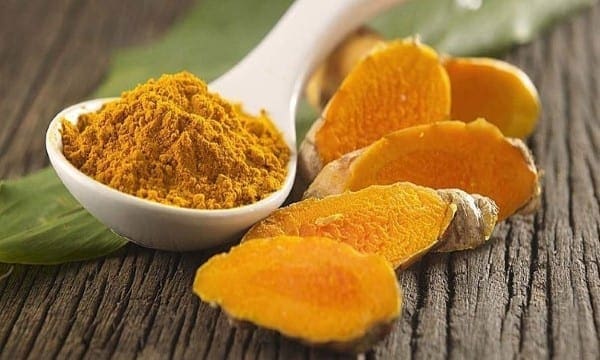
Curcumin is the main active ingredient found in turmeric, a bright yellow aromatic powder obtained from the rhizome of a plant in the ginger family commonly utilized for flavoring and coloring in a variety of Asian cuisines, as well as a very strong antioxidant which additionally has powerful anti-inflammatory effects. While turmeric has been consumed for generations due to its medicinal properties, it’s curcumin content is actually not that high. Therefore, if you want to experience its full benefits, it may be best to take a supplement that contains significant amounts of curcumin, or better yet, a supplement specially formulated to bring out the benefits of this naturally occurring chemical compound.
Curcumin is ultimately found in turmeric, the key ingredient in curry, and as a powerful antioxidant that offers numerous health benefits, curcumin helps support joint health and cardiovascular function, and it helps maintain a normal inflammatory reaction in the human body. Individuals throughout Asia have benefited from the healthful effects of curcumin for centuries.�Whether taken as a nutritional supplement or from meals, however, curcumin is usually poorly absorbed into the bloodstream.
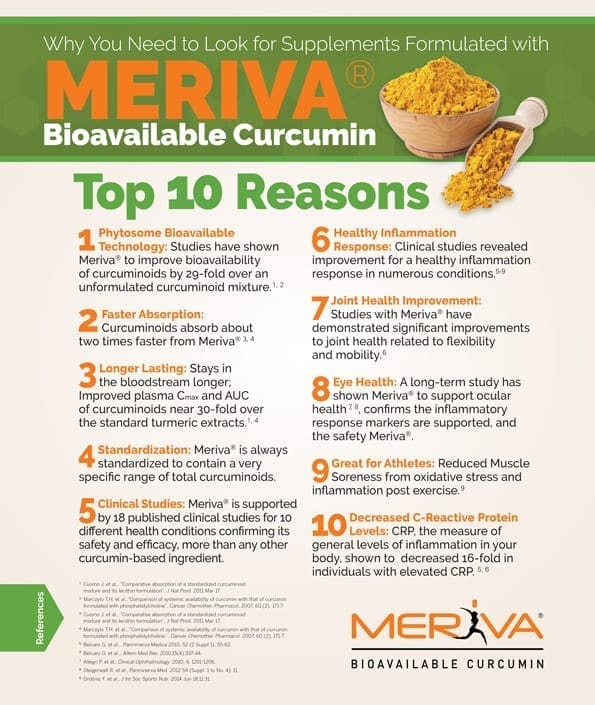
Fortunately, global experts in botanical extract technologies have uncovered the key to curcumin absorption: phytosome technology. Meriva curcumin phytosome is an exceptional curcumin extract that’s significantly better absorbed than other curcumin extracts. Curcumin nutrients which have previously been remarkable in “test tube” experiments are extremely poorly absorbed when taken orally by people. The product Curcumin Phytosome comprising Meriva� unites curcumin with another bioactive nutrient, thereby dramatically improving its absorption and releasing its overall health and wellness potential.�Meriva is a unique, patented, time-release curcumin product.
Meriva Product Overview
Phytosomes are plant extracts bound to phosphatidylcholine, or PC, an important component of individual cells. The human body can create PC, or phosphatidylcholine, but it can even be obtained from food and/or supplements. When taken orally, PC is very well absorbed.�PC is a significant building block for membranes, the most metabolically dynamic zones of our cells. PC most likely transfers the curcumins in the bloodstream until they arrive in cell membranes. Researchers found a way to attach a curcumin extract to PC for superior absorption, leading to Meriva.�Curcumin phytosome is a curcumin molecule bonded to a molecule of PC. Unlike curcumin alone, PC is excellently absorbed orally.
When consumers utilize Meriva curcumin phytosome, the body absorbs the PC as well as the attached curcumin, leading to more curcumin reaching the cells which can benefit more from it. After the curcumin phytosomes are accepted as a dietary supplement, PC protects its connected curcumin and economically transports it across the intestinal lining and into the circulating blood. Curcumins at phytosomes are over 29 times better absorbed than curcumin alone. PC itself has proven benefits for the liver, intestines, and lungs, and its existence in the Meriva curcumin phytosome amplifies the benefits available from the curcumin alone.
Dr. Alex Jimenez’s Insight
Turmeric contains four major curcuminoids: curcumin, demethoxycurcumin, bisdemethoxycurcumin and cyclocurcumin. These chemical compounds have been demonstrated to have tremendous benefits, which is why turmeric has been a fundamental addition in Asian cooking. However, curcumin, as well as all the other curcuminoids, are poorly absorbed by the human body when taken orally. Researchers developed Meriva curcumin phytosome, a curcumin compound which is bonded to the molecule phosphatidylcholine, or PC, which promotes the proper absorption of curcumin. Meriva curcumin phytosome can provide a variety of health benefits, including vision and eye health, joint health and even prostrate benefits, among other medicinal properties.
Meriva Curcumin Phytosome Research
Curcumin phytosome with Meriva� is a powerful antioxidant which protects cells and tissues by fighting free radicals. It’s also known to support healthy joint function, eye health and small vessel circulatory health. The curcumin is extracted from turmeric and provides a curcumin complex including, curcumin, bisdemethoxy curcumin and demethoxy curcumin. Meriva� curcumin phytosome is made utilizing the patented Phytosome� technology that enhances the absorption of those curcumins. Comprehensive research over the previous quarter of a century suggests that curcumin helps counter toxins, in addition to influencing cell survival through other means.
Although curcumins are poorly absorbed, Phytosome� technology helps improve bioavailability. The technology evolves every curcumin molecule with one or more atoms of the nutrient phosphatidylcholine, or PC, to create molecular complexes called phytosomes. Curcumin molecules at the Meriva� phytosome complexes are more stable against breakdown and combine far better into water in order for them to be better absorbed when taken orally. The PC molecules in the phytosomes serve as a “delivery vehicle” or even “chaperone”, which not only chemically protects the curcumin molecules but also markedly increases their absorption. A human absorption research discovered that the curcumins were absorbed when taken as Meriva� curcumin phytosomes, in comparison to their basic molecular forms.
The numerous beneficial effects attributed to turmeric root are linked to the antioxidant properties of the curcumins it contains. This antioxidant activity can neutralize free radicals which threaten the integrity of mobile structures. Free radicals may lead to “oxidative stress,” a process that can activate cell damage. In addition, oxidative stress is considered to play a role in the development of a variety of diseases. Because curcumins are poorly absorbed when taken orally, this can tremendously restrict their biological actions. The Phytosome� technology used with Meriva� curcumin phytosome creates phytosome complexes which are proven to be absorbed better.
A 2007 study published in the journal, Cancer Chemotherapy and Pharmacology, revealed Meriva’s exceptional bioavailability in contrast to ordinary curcumin. Liver levels of curcumin were also higher with Meriva supplementation. A recent human research study also demonstrated that Meriva curcumin phytosome has 29-times higher bioavailability. Meriva supplementation also resulted in higher plasma concentrations of curcumin from a much smaller dose compared to ordinary curcumin. In a recent eight-month human trial, Meriva was shown to encourage a healthy inflammatory reaction. People experienced improvements in clinical and biochemical end-points associated with joint health.
Several studies have shown curcumin’s hepatoprotective effects, causing researchers to suggest its use in protecting the liver from exogenous insults due to environmental toxins. Curcumin also has the capacity to increase both the circulation and solubility of bile. Curcumin’s hepatoprotective effects are due in part to lead free-radical scavenging; however, curcumin also enhances the body’s natural antioxidant system, which raises glutathione levels, thus aiding in hepatic detoxification and inhibiting nitrosamine formation. Furthermore, research studies have demonstrated several other health benefits of Meriva curcumin phytosome, including its support in joint health, eye health, vision and circulation, as well as several prostrate benefits, among others.
Supports Joint Health – Two Clinical Trials
In two double-blind trials with subjects having knee problems, Meriva, taken at about 1,000 mg/day, enhanced treadmill walk space by 345 percent after eight months. It improved joint pain, stiffness, swelling and joint work. Intakes of over-the-counter medications fell 63 percent and their adverse effects dropped by 67 percent. The subjects’ medical prices fell 45 percent after 8 months. C-Reactive Protein, or CRP, levels were reduced into a more healthy variety. After eight months, the Karnofsky Scale of well-being moved into “able to perform ordinary activity.”
Supports Eye Health, Vision, Circulation – Three Clinical Trials
One frequent eye problem is a really persistent redness that keeps coming back even when it is cleared. At a clinical trial, 106 patients obtained Meriva, taken at about 1,200 mg/day, for a single year. There were 86 percent fewer returns of this reddening, and in 82 percent of these patients, approximately 87 from 106, it didn’t return at all. In another study, Meriva, taken at about 1,000 mg/day, improved retinal blood circulation, retinal swelling, and eyesight. In only four weeks, visual sharpness improved from an initial average of 20/122-155 to 20/32-78. Meriva also improved circulation elsewhere in the body. In areas with foot blood circulation issues, it substantially reduced immunity, increased oxygen consumption, and enhanced nerve control over the capillary networks. The subjects’ Karnofsky Score of well-being improved, from “normal activity, with effort” into “normal activity.”
Breakthrough Prostate Benefits with Meriva
In a clinical trial on middle-aged men with prostate troubles, Meriva, taken at 1,000 mg/day, significantly enhanced: sense of incomplete bladder emptying, urination frequency, flow stop/start, feeble stream, straining and getting up at night, urinary block, and PSA levels. Quality of life and sexual activity were also considerably improved. The Meriva curcumin phytosome breakthrough guarantees that curcumins are effectively delivered to human cells, in functional mix with PC, or phosphatidylcholine. Multiple effective clinical trials have established curcumin phytosome comprising of Meriva� as the “gold standard” one of curcumin supplements.
In conclusion,�Meriva curcumin phytosome is bound to phosphatidylcholine, or PC, for increased absorption and bioavailability, ultimately protecting DNA against damage by free radicals and reactive oxygen species, among providing a variety of other health benefits. With its enhanced absorption through an improved curcumin absorb delivery system, Meriva curcumin phytosome is clinically documented to promote joint health, eye health, vision and circulation, and even has prostrate benefits. The scope of our information is limited to chiropractic as well as to spinal injuries and conditions. To discuss the subject matter, please feel free to ask Dr. Jimenez or contact us at�915-850-0900�.
Curated by Dr. Alex Jimenez
Additional Topics: Back Pain
Back pain is one of the most prevalent causes for disability and missed days at work worldwide. As a matter of fact, back pain has been attributed as the second most common reason for doctor office visits, outnumbered only by upper-respiratory infections. Approximately 80 percent of the population will experience some type of back pain at least once throughout their life. The spine is a complex structure made up of bones, joints, ligaments and muscles, among other soft tissues. Because of this, injuries and/or aggravated conditions, such as herniated discs, can eventually lead to symptoms of back pain. Sports injuries or automobile accident injuries are often the most frequent cause of back pain, however, sometimes the simplest of movements can have painful results. Fortunately, alternative treatment options, such as chiropractic care, can help ease back pain through the use of spinal adjustments and manual manipulations, ultimately improving pain relief.
Vegan and vegetarian diet have long been touted as some of the healthiest diets for people of all walks of life. There is a lot of confusion and many misconceptions, though, about the two.
What most people don�t realize is that there are many sub-category diets that fall under vegetarianism, some of which include animal by-products, seafood, and even meat. Understanding veganism and vegetarianism as well as knowing the benefits of these diets can help chiropractic patients stay healthier, get more active, and stave off many chronic illnesses.
Is There A Difference Between Vegan & Vegetarian Diets?
There are distinct differences between veganism and vegetarianism although many books and even food companies fail to clearly distinguish the two. While it is true that they are very similar diets, the differences are significant.
Vegans do not eat any animal by-products or animal flesh at all. This includes seafood. They also do not use products that use animal testing or that are made from animals including leather products.
On the other hand, vegetarians typically abstain from eating animal flesh, but do often eat animal by-products such as dairy products and eggs. Some also eat seafood including fish, shrimp, and crab. They are also a little more relaxed when it comes to the products they purchase as well.
What Is A Vegetarian Diet?
The vegetarian diet comes in several varieties. The standard vegetarian diet consists of eggs and dairy products but excludes fish and meat. This is also called a �lacto ovo vegetarian.� However, some vegetarians include dairy products but exclude eggs while others include the eggs and exclude the dairy. A �demi-vegetarian� includes seafood.
There are also what are known as �semi-vegetarians� although there is some controversy over whether they should be classified as vegetarian or not.
Pollo Vegetarian � includes poultry but excludes other meats and seafood.
Pesco Vegetarian � includes fish and chicken but excludes red meat.
Flexitarian � includes any kind of meat whenever they want but adhere mainly to a standard vegetarian diet.
What Is A Vegan Diet?
A vegan diet excludes all animal by products and meats. True vegans do not use or wear anything derived from animals (leather, snakeskin, etc.) or that is tested on animals. Most vegans tend to avoid sodas, sugary sweets, processed foods, and ready-meals, while choosing organic, high quality foods.
Still, there are a few variations of veganism too. For instance, a raw vegan combines a vegan diet with a raw diet meaning that they exclude all products and foods of animal origins as well as food that has been cooked at a temperature greater than 118 degrees Fahrenheit.
The Paleo vegan is defined by the types of foods that are eaten. It is still meat and animal product free, but the foods that are chosen are selected from the Paleo diet.
This type of diet centers on certain types of foods that are believed to have been consumed during the Paleolithic era. It includes fish, meat, fruit, and vegetables but excludes grain and dairy products. Of course, for vegan purposes, the meat and fish are excluded.
What Are The Benefits Of Vegan & Vegetarian Diets?
Vegetarian and vegan diets have many health benefits. The tend to be much higher in vitamins C and E, magnesium, folic acid, and potassium. The fat content tends to be more unsaturated.
Vegan diets typically have less cholesterol and unsaturated fat that vegetarian diets and they contain more fiber. This translates to lower blood pressure, lower serum cholesterol, less risk of diabetes and heart disease, and much lower incidence of obesity. While some of these diets may require certain vitamin supplements such as calcium, vitamin D, vitamin B-12, and omega 3 fatty acids, most doctors agree that vegan and vegetarian diets are very healthy when done correctly.
Injury Medical Clinic: Migraine Treatment & Recovery
IFM's Find A Practitioner tool is the largest referral network in Functional Medicine, created to help patients locate Functional Medicine practitioners anywhere in the world. IFM Certified Practitioners are listed first in the search results, given their extensive education in Functional Medicine