Oxidative stress is described as cell damage caused by free radicals, or unstable molecules, which can ultimately affect healthy function. The human body creates free radicals to neutralize bacteria and viruses, however, external factors, such as oxygen, pollution, and radiation, can often also produce free radicals. Oxidative stress has been associated with numerous health issues.
Oxidative stress and other stressors turn on internal protective mechanisms which can help regulate the human body’s antioxidant response. Nrf2 is a protein which senses levels of oxidative stress and enables the cells to protect themselves from internal and external factors. Nrf2 has also been demonstrated to help regulate genes involved in the production of antioxidant enzymes and stress-response genes. The purpose of the article below is to explain the effects of Nrf2 in cancer.
Abstract
The Keap1-Nrf2 pathway is the major regulator of cytoprotective responses to oxidative and electrophilic stress. Although cell signaling pathways triggered by the transcription factor Nrf2 prevent cancer initiation and progression in normal and premalignant tissues, in fully malignant cells Nrf2 activity provides growth advantage by increasing cancer chemoresistance and enhancing tumor cell growth. In this graphical review, we provide an overview of the Keap1-Nrf2 pathway and its dysregulation in cancer cells. We also briefly summarize the consequences of constitutive Nrf2 activation in cancer cells and how this can be exploited in cancer gene therapy.
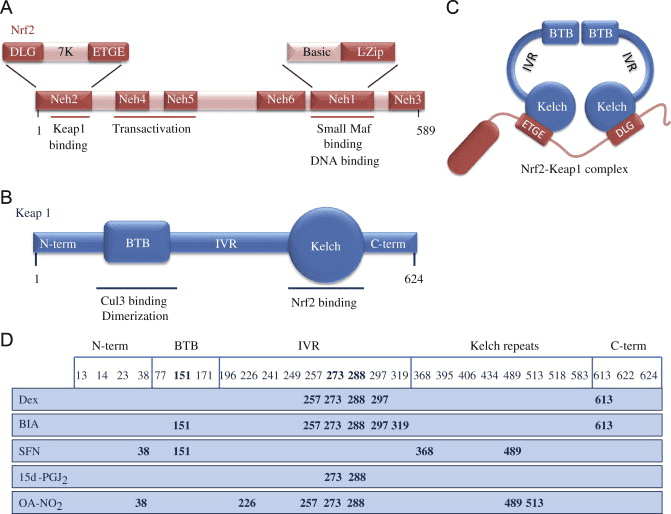
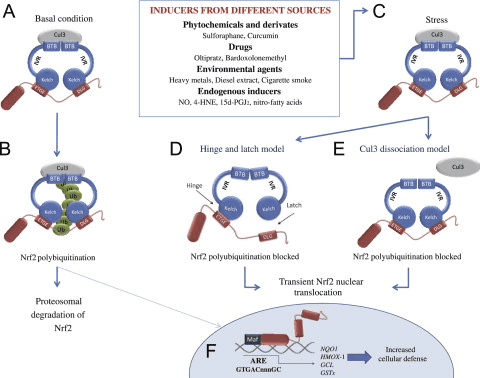
The Keap1-Nrf2 pathway is the major regulator of cytoprotective responses to endogenous and exogenous stresses caused by reactive oxygen species (ROS) and electrophiles [1]. The key signaling proteins within the pathway are the transcription factor Nrf2 (nuclear factor erythroid 2-related factor 2) that binds together with small Maf proteins to the antioxidant response element (ARE) in the regulatory regions of target genes, and Keap1 (Kelch ECH associating protein 1), a repressor protein that binds to Nrf2 and promotes its degradation by the ubiquitin proteasome pathway (Fig. 1). Keap1 is a very cysteine-rich protein, mouse Keap1 having a total of 25 and human 27 cysteine residues, most of which can be modified in vitro by different oxidants and electrophiles [2]. Three of these residues, C151, C273 and C288, have been shown to play a functional role by altering the conformation of Keap1 leading to nuclear translocation of Nrf2 and subsequent target gene expression [3] (Fig. 1). The exact mechanism whereby cysteine modifications in Keap1 lead to Nrf2 activation is not known, but the two prevailing but not mutually exclusive models are (1) the �hinge and latch� model, in which Keap1 modifications in thiol residues residing in the IVR of Keap1 disrupt the interaction with Nrf2 causing a misalignment of the lysine residues within Nrf2 that can no longer be polyubiquitinylated and (2) the model in which thiol modification causes dissociation of Cul3 from Keap1 [3]. In both models, the inducer-modified and Nrf2-bound Keap1 is inactivated and, consequently, newly synthesized Nrf2 proteins bypass Keap1 and translocate into the nucleus, bind to the ARE and drive the expression of Nrf2 target genes such as NAD(P)H quinone oxidoreductase 1 (NQO1), heme oxygenase 1 (HMOX1), glutamate-cysteine ligase (GCL) and glutathione S transferases (GSTs) (Fig. 2). In addition to modifications of Keap1 thiols resulting in Nrf2 target gene induction, proteins such as p21 and p62 can bind to Nrf2 or Keap1 thereby disrupting the interaction between Nrf2 and Keap1 [1], [3] (Fig. 3).
Fig. 1. Structures of Nrf2 and Keap1 and the cysteine code. (A) Nrf2 consists of 589 amino acids and has six evolutionarily highly conserved domains, Neh1-6. Neh1 contains a bZip motif, a basic region � leucine zipper (L-Zip) structure, where the basic region is responsible for DNA recognition and the L-Zip mediates dimerization with small Maf proteins. Neh6 functions as a degron to mediate degradation of Nrf2 in the nucleus. Neh4 and 5 are transactivation domains. Neh2 contains ETGE and DLG motifs, which are required for the interaction with Keap1, and a hydrophilic region of lysine residues (7 K), which are indispensable for the Keap1-dependent polyubiquitination and degradation of Nrf2. (B) Keap1 consists of 624 amino acid residues and has five domains. The two protein�protein interaction motifs, the BTB domain and the Kelch domain, are separated by the intervening region (IVR). The BTB domain together with the N-terminal portion of the IVR mediates homodimerization of Keap1 and binding with Cullin3 (Cul3). The Kelch domain and the C-terminal region mediate the interaction with Neh2. (C) Nrf2 interacts with two molecules of Keap1 through its Neh2 ETGE and DLG motifs. Both ETGE and DLG bind to similar sites on the bottom surface of the Keap1 Kelch motif. (D) Keap1 is rich in cysteine residues, with 27 cysteines in human protein. Some of these cysteines are located near basic residues and are therefore excellent targets of electrophiles and oxidants. The modification pattern of the cysteine residues by electrophiles is known as the cysteine code. The cysteine code hypothesis proposes that structurally different Nrf2 activating agents affect different Keap1 cysteines. The cysteine modifications lead to conformational changes in the Keap1 disrupting the interaction between the Nrf2 DLG and Keap1 Kelch domains, thus inhibiting the polyubiquitination of Nrf2. The functional importance of Cys151, Cys273 and Cys288 has been shown, as Cys273 and Cys288 are required for suppression of Nrf2 and Cys151 for activation of Nrf2 by inducers [1], [3].
Fig. 2. The Nrf2-Keap1 signaling pathway. (A and B) in basal conditions, two Keap1 molecules bind to Nrf2 and Nrf2 is polyubiquitylated by the Cul3-based E3 ligase complex. This polyubiquitilation results in rapid Nrf2 degradation by the proteasome. A small proportion of Nrf2 escapes the inhibitory complex and accumulates in the nucleus to mediate basal ARE-dependent gene expression, thereby maintaining the cellular homeostasis. (C) Under stress conditions, inducers modify the Keap1 cysteines leading to the inhibition of Nrf2 ubiquitylation via dissociation of the inhibitory complex. (D) According to the hinge and latch model, modification of specific Keap1 cysteine residues leads to conformational changes in Keap1 resulting in the detachment of the Nrf2 DLG motif from Keap1. Ubiquitination of Nrf2 is disrupted but the binding with the ETGE motif remains. (E) In the Keap1-Cul3 dissociation model, the binding of Keap1 and Cul3 is disrupted in response to electrophiles, leading to the escape of Nrf2 from the ubiquitination system. In both of the suggested models, the inducer-modified and Nrf2-bound Keap1 is inactivated and, consequently, newly synthesized Nrf2 proteins bypass Keap1 and translocate into the nucleus, bind to the Antioxidant Response Element (ARE) and drive the expression of Nrf2 target genes such as NQO1, HMOX1, GCL and GSTs [1], [3].
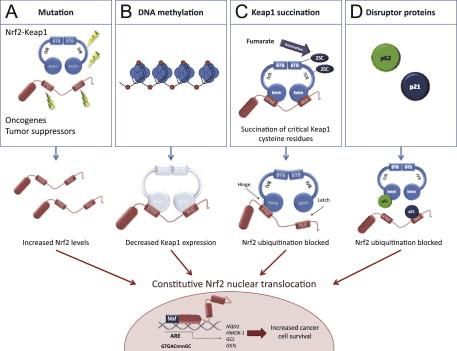
Fig. 3. Mechanisms for constitutive nuclear accumulation of Nrf2 in cancer. (A) Somatic mutations in Nrf2 or Keap1 disrupt the interaction of these two proteins. In Nrf2, mutations affect ETGE and DLG motifs, but in Keap1 mutations are more evenly distributed. Furthermore, oncogene activation, such as KrasG12D[5], or disruption of tumor suppressors, such as PTEN [11] can lead to transcriptional induction of Nrf2 and an increase in nuclear Nrf2. (B) Hypermethylation of the Keap1 promoter in lung and prostate cancer leads to reduction of Keap1 mRNA expression, which increases the nuclear accumulation of Nrf2 [6], [7]. (C) In familial papillary renal carcinoma, the loss of fumarate hydratase enzyme activity leads to the accumulation of fumarate and further to succination of Keap1 cysteine residues (2SC). This post-translational modification leads to the disruption of Keap1-Nrf2 interaction and nuclear accumulation of Nrf2 [8], [9]. (D) Accumulation of disruptor proteins such as p62 and p21 can disturb Nrf2-Keap1 binding and results in an increase in nuclear Nrf2. p62 binds to Keap1 overlapping the binding pocket for Nrf2 and p21 directly interacts with the DLG and ETGE motifs of Nrf2, thereby competing with Keap1 [10].
Mechanisms of Activation and Dysregulation of Nrf2 in Cancer
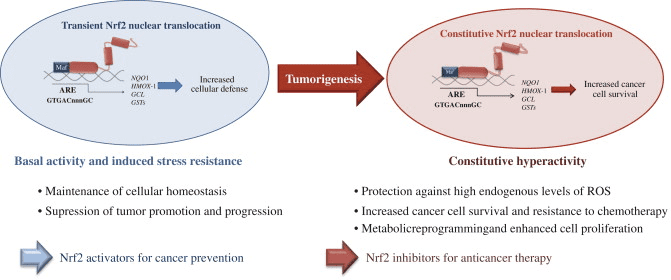
Although cytoprotection provided by Nrf2 activation is important for cancer chemoprevention in normal and premalignant tissues, in fully malignant cells Nrf2 activity provides growth advantage by increasing cancer chemoresistance and enhancing tumor cell growth [4]. Several mechanisms by which Nrf2 signaling pathway is constitutively activated in various cancers have been described: (1) somatic mutations in Keap1 or the Keap1 binding domain of Nrf2 disrupting their interaction; (2) epigenetic silencing of Keap1 expression leading to defective repression of Nrf2; (3) accumulation of disruptor proteins such as p62 leading to dissociation of the Keap1-Nrf2 complex; (4) transcriptional induction of Nrf2 by oncogenic K-Ras, B-Raf and c-Myc; and (5) post-translational modification of Keap1 cysteines by succinylation that occurs in familial papillary renal carcinoma due to the loss of fumarate hydratase enzyme activity [3], [4], [5], [6], [7], [8], [9], [10] (Fig. 3). Constitutively abundant Nrf2 protein causes increased expression of genes involved in drug metabolism thereby increasing the resistance to chemotherapeutic drugs and radiotherapy. In addition, high Nrf2 protein level is associated with poor prognosis in cancer [4]. Overactive Nrf2 also affects cell proliferation by directing glucose and glutamine towards anabolic pathways augmenting purine synthesis and influencing the pentose phosphate pathway to promote cell proliferation [11] (Fig. 4).
Fig. 4. The dual role of Nrf2 in tumorigenesis. Under physiological conditions, low levels of nuclear Nrf2 are sufficient for the maintenance of cellular homeostasis. Nrf2 inhibits tumor initiation and cancer metastasis by eliminating carcinogens, ROS and other DNA-damaging agents. During tumorigenesis, accumulating DNA damage leads to constitutive hyperactivity of Nrf2 which helps the autonomous malignant cells to endure high levels of endogenous ROS and to avoid apoptosis. Persistently elevated nuclear Nrf2 levels activate metabolic genes in addition to the cytoprotective genes contributing to metabolic reprogramming and enhanced cell proliferation. Cancers with high Nrf2 levels are associated with poor prognosis because of radio and chemoresistance and aggressive cancer cell proliferation. Thus, Nrf2 pathway activity is protective in the early stages of tumorigenesis, but detrimental in the later stages. Therefore, for the prevention of cancer, enhancing Nrf2 activity remains an important approach whereas for the treatment of cancer, Nrf2 inhibition is desirable [4], [11].
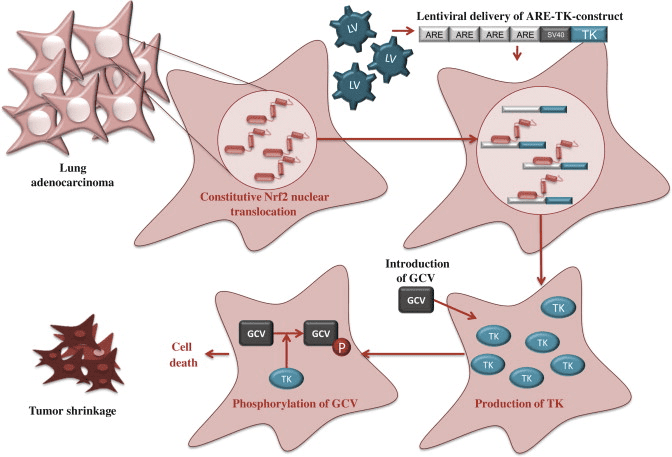
Given that high Nrf2 activity commonly occurs in cancer cells with adverse outcomes, there is a need for therapies to inhibit Nrf2. Unfortunately, due to structural similarity with some other bZip family members, the development of specific Nrf2 inhibitors is a challenging task and only a few studies of Nrf2 inhibition have been published to date. By screening natural products, Ren et al. [12] identified an antineoplastic compound brusatol as an Nrf2 inhibitor that enhances the chemotherapeutic efficacy of cisplatin. In addition, PI3K inhibitors [11], [13] and Nrf2 siRNA [14] have been used to inhibit Nrf2 in cancer cells. Recently, we have utilized an alternative approach, known as cancer suicide gene therapy, to target cancer cells with high Nrf2 levels. Nrf2-driven lentiviral vectors [15] containing thymidine kinase (TK) are transferred into cancer cells with high ARE activity and the cells are treated with a pro-drug, ganciclovir (GCV). GCV is metabolized to GCV-monophosphate, which is further phosphorylated by cellular kinases into a toxic triphosphate form [16] (Fig. 5). This leads to effective killing of not only TK containing tumor cells, but also the neighboring cells due to the bystander effect [17]. ARE-regulated TK/GCV gene therapy can be further enhanced via combining a cancer chemotherapeutic agent doxorubicin to the treatment [16], supporting the notion that this approach could be useful in conjuction with traditional therapies.
Fig. 5. Suicide gene therapy. Constitutive Nrf2 nuclear accumulation in cancer cells can be exploited by using Nrf2-driven viral vector for cancer suicide gene therapy [16]. In this approach, lentiviral vector (LV) expressing thymidine kinase (TK) under minimal SV40 promoter with four AREs is transduced to lung adenocarcinoma cells. High nuclear Nrf2 levels lead to robust expression of TK through Nrf2 binding. Cells are then treated with a pro-drug, ganciclovir (GCV), which is phosphorylated by TK. Triphosphorylated GCV disrupts DNA synthesis and leads to effective killing of not only TK containing tumor cells, but also the neighboring cells due to the bystander effect.
Nrf2 is a master regulator which triggers the production of powerful antioxidants in the human body which help eliminate oxidative stress. Various antioxidant enzymes, such as superoxide dismutase, or SOD, glutathione, and catalase, are also activated through the Nrf2 pathway. Furthermore, certain phytochemicals like turmeric, ashwagandha, bacopa, green tea, and milk thistle, activate Nrf2. Research studies have found that Nrf2 activation can naturally enhance cellular protection and restore balance to the human body.
Dr. Alex Jimenez D.C., C.C.S.T. Insight
Sulforaphane and Its Effects on Cancer, Mortality, Aging, Brain and Behavior, Heart Disease & More
Isothiocyanates are some of the most important plant compounds you can get in your diet. In this video I make the most comprehensive case for them that has ever been made. Short attention span? Skip to your favorite topic by clicking one of the time points below. Full timeline below.
Key sections:
00:01:14 – Cancer and mortality
00:19:04 – Aging
00:26:30 – Brain and behavior
00:38:06 – Final recap
00:40:27 – Dose
Full timeline:
00:00:34 – Introduction of sulforaphane, a major focus of the video.
00:01:14 – Cruciferous vegetable consumption and reductions in all-cause mortality.
00:02:12 – Prostate cancer risk.
00:02:23 – Bladder cancer risk.
00:02:34 – Lung cancer in smokers risk.
00:02:48 – Breast cancer risk.
00:03:13 – Hypothetical: what if you already have cancer? (interventional)
00:03:35 – Plausible mechanism driving the cancer and mortality associative data.
00:04:38 – Sulforaphane and cancer.
00:05:32 – Animal evidence showing strong effect of broccoli sprout extract on bladder tumor development in rats.
00:06:06 – Effect of direct supplementation of sulforaphane in prostate cancer patients.
00:07:09 – Bioaccumulation of isothiocyanate metabolites in actual breast tissue.
00:08:32 – Inhibition of breast cancer stem cells.
00:08:53 – History lesson: brassicas were established as having health properties even in ancient Rome.
00:09:16 – Sulforaphane’s ability to enhance carcinogen excretion (benzene, acrolein).
00:09:51 – NRF2 as a genetic switch via antioxidant response elements.
00:10:10 – How NRF2 activation enhances carcinogen excretion via glutathione-S-conjugates.
00:10:34 – Brussels sprouts increase glutathione-S-transferase and reduce DNA damage.
00:11:20 – Broccoli sprout drink increases benzene excretion by 61%.
00:13:31 – Broccoli sprout homogenate increases antioxidant enzymes in the upper airway.
00:15:45 – Cruciferous vegetable consumption and heart disease mortality.
00:16:55 – Broccoli sprout powder improves blood lipids and overall heart disease risk in type 2 diabetics.
00:19:04 – Beginning of aging section.
00:19:21 – Sulforaphane-enriched diet enhances lifespan of beetles from 15 to 30% (in certain conditions).
00:20:34 – Importance of low inflammation for longevity.
00:22:05 – Cruciferous vegetables and broccoli sprout powder seem to reduce a wide variety of inflammatory markers in humans.
00:36:32 – Sulforaphane improves learning in model of type II diabetes in mice.
00:37:19 – Sulforaphane and duchenne muscular dystrophy.
00:37:44 – Myostatin inhibition in muscle satellite cells (in vitro).
00:38:06 – Late-video recap: mortality and cancer, DNA damage, oxidative stress and inflammation, benzene excretion, cardiovascular disease, type II diabetes, effects on the brain (depression, autism, schizophrenia, neurodegeneration), NRF2 pathway.
00:40:27 – Thoughts on figuring out a dose of broccoli sprouts or sulforaphane.
00:41:01 – Anecdotes on sprouting at home.
00:43:14 – On cooking temperatures and sulforaphane activity.
00:43:45 – Gut bacteria conversion of sulforaphane from glucoraphanin.
00:44:24 – Supplements work better when combined with active myrosinase from vegetables.
00:44:56 – Cooking techniques and cruciferous vegetables.
00:46:06 – Isothiocyanates as goitrogens.
Acknowledgments
This work was supported by the Academy of Finland, the Sigrid Juselius Foundation and the Finnish Cancer Organisations.
In conclusion, nuclear factor (erythroid-derived 2)-like 2, also known as NFE2L2 or Nrf2, is a protein which increases the production of antioxidants which protect the human body against oxidative stress. As described above, the stimulation of the Nrf2 pathway are being studies for the treatment of diseases caused by oxidative stress, including cancer. The scope of our information is limited to chiropractic and spinal health issues. To discuss the subject matter, please feel free to ask Dr. Jimenez or contact us at�915-850-0900�.
Additional Topic Discussion: Relieving Knee Pain without Surgery
Knee pain is a well-known symptom which can occur due to a variety of knee injuries and/or conditions, including�sports injuries. The knee is one of the most complex joints in the human body as it is made-up of the intersection of four bones, four ligaments, various tendons, two menisci, and cartilage. According to the American Academy of Family Physicians, the most common causes of knee pain include patellar subluxation, patellar tendinitis or jumper’s knee, and Osgood-Schlatter disease. Although knee pain is most likely to occur in people over 60 years old, knee pain can also occur in children and adolescents. Knee pain can be treated at home following the RICE methods, however, severe knee injuries may require immediate medical attention, including chiropractic care.
Holistic: Migraine headaches are typically debilitating, and require a comprehensive approach for successful treatment. It is helpful to consider migraine headache as a symptom of an underlying imbalance, rather than simply a diagnosis. A holistic approach is a satisfying way to think about and treat migraine headache. Physicians trained in this approach will consider a broad array of features that may contribute to the experience of migraine headache, including disturbances within the following key areas:
Nutrition
Digestion
Detoxification
Energy production
Endocrine function
Immune system function/inflammation
Structural function
Mind-body health
Migraine headache is an excellent example of biologic uniqueness; the underlying factors participating in each individual�s outcome may differ quite a bit from person to person. The journey of identifying and addressing these factors often results in an impressive improvement in frequency and intensity of the expression of migraine. Committed individuals will find the added benefit of better general health along the way.
Nutritional Considerations: Holisitic
Food Allergy/Intolerance
Numerous well-designed studies have demonstrated that detection and removal of foods not tolerated will greatly reduce or eliminate migraine manifestations. True allergy may not be associated with migraine in most individuals, but food intolerance is more common. Migraine frequency and intensity have been demonstrated to respond well to elimination diets, in which commonly offending foods are removed for several weeks. Elimination diets are easy to perform (although they do require a high degree of commitment and education), and can help in identifying foods that are mismatched to an individual. The majority of patients who undergo an elimination diet learn that their diets were contributing to chronic symptoms, and they typically feel much better during the elimination phase. Common foods that act as migraine triggers include: chocolate, cow�s milk, wheat/gluten grains, eggs, nuts, and corn. In children specifically, common migraine triggers include cheese, chocolate, citrus fruits, hot dogs, monosodium glutamate, aspartame, fatty foods, ice cream, caffeine withdrawal, and alcoholic drinks, especially red wine and beer.
There are several methods which may be used to detect food allergies. Laboratory testing can be convenient, but is not always a reliable means of detecting food intolerance. (See Summary of Recommendations for information on how to implement the elimination diet).
Foods such as chocolate, cheese, beer, and red wine are believed to cause migraine through the effect of �vasoactive amines� such as tyramine and beta-phenylethylamine. These foods also contain histamine. Individuals who are sensitive to dietary histamine seem to have lower levels of diamine oxidase, the vitamin B6-dependent enzyme that metabolizes histamine in the small bowel. The use of vitamin B6 improves histamine tolerance in some individuals, presumably by enhancing the activity of this enzyme.
Other diet-related triggers associated with migraine headache include: glucose/insulin imbalances, excessive salt intake, and lactose intolerance. Aspartame, commonly used as a sweetener, may also trigger migraines. Each of these factors may be readily avoided by adopting more conscious eating habits, and by carefully reading labels.
Magnesium
An estimated 75% of people consuming the standard American diet (SAD) are not getting adequate magnesium, and it is felt to represent one of the most common micronutrient deficiencies, manifested by a diverse range of problems. Though many elements can contribute to magnesium depletion, stress is among them, and both acute and chronic stress are associated with increased episodes of migraine. Daily doses of magnesium should be first line considerations for migraine sufferers (caution if kidney function is impaired), and intravenous magnesium can be very helpful in an emergency room setting, but probably only works to terminate an acute migraine if the individual is truly magnesium deficient.
Essential Fatty Acids
It is important to remember that the brain is largely composed of fat. Although essential fatty acids have not received much research attention relative to migraine, there may be a significant role of fatty acids and their metabolites in the pathogenesis of migraine headache. Two small placebo-controlled studies demonstrated that omega-3 fatty acids significantly outperformed placebo in reducing headache frequency and intensity. High quality fish oil should always be used. A good frame of reference is that each capsule should contain at least 300 mg of EPA and 200 mg of DHA. A reasonable starting dose would be two to four capsules twice daily with meals.
Digestive Function: Holistic
Holistic practitioners are generally sensitive to the centrality of the gastrointestinal tract in producing overall health. Though we utilize a reductionistic approach to understanding human anatomy and physiology, we might consider that no system functions as an independent entity (GI, endocrine, cardiovascular, immune, etc.), and that a complex symphony of interrelated functions cuts across organ systems. For example, much of the immune system is found in the Peyer�s patches of the GI tract; in this light, we can see how food, chemicals, and unhealthy microbes might produce immune system activation from gastrointestinal exposure. We also recognize the importance of a balanced ecosystem of intestinal microbes; intestinal dysbiosis, or disordering of the gastrointestinal ecology, may readily produce symptoms, both within and distant from the GI tract. Some colonic bacteria act upon dietary tyrosine to produce tyramine, a recognized migraine trigger for some individuals. H. pylori infection is a probable independent environmental risk factor for migraine without aura, especially in patients not genetically or�hormonally susceptible. A high percentage of migraine patients experienced relief from migraines when H. Pylori infection was eradicated.
Detoxification: Holistic
Patients with migraine headache sometimes report that strong chemical odors such as tobacco smoke, gasoline, and perfumes may act as triggers. It is not uncommon for migraineurs to report that they are triggered by walking down the laundry soap aisle in the grocery store. Support for phase 1 and especially phase 2 detoxification may be beneficial for these individuals, as toxic overload or impaired enzymes of detoxification could theoretically be a significant mediator of headaches. Susceptibility to toxicity may be potentiated by a combination of excessive toxic exposures, genetic polymorphisms leading to inadequate detoxification enzyme production, or depletion of nutrient cofactors that drive phase two detoxification conjugation reactions Support for detoxification function is particularly important in modern life, given our exposure to unprecedented high levels of toxic chemicals. Some nutrients that supply support for detoxification function include: n-acetyl cysteine (NAC), alpha lipoic acid, silymarin (milk thistle), and many others.
Energy Production: Holistic
Riboflavin (Vitamin B2)
Energy production within the parts of the cell called mitochondria can be impaired in some migraine sufferers. Riboflavin is a key nutrient that is involved in energy production at this level. Riboflavin at 400 mg/day is an excellent therapeutic choice for migraine headache because it is well tolerated, inexpensive, and provides a protective effect from oxidative toxicity. Its use in children has been investigated, leading to similar conclusions,suggesting that, for pediatric and adolescent migraine prophylaxis, 200 mg per day was an adequate dose, but four months were necessary for optimal results.
Coenzyme Q10
CoenzymeQ10 (CoQ10) is also a critical component of energy function, and is an important antioxidant. Evidence supports the administration of CoQ10 in reducing the frequency of migraines by 61%. After three months of receiving 150 mg of CoQ10 at breakfast, the average number of headache days decreased from seven to three per month. Another study, using 100 mg of water soluble CoQ10 3x/day, revealed similar results. CoQ10 deficiency appears to be common in the pediatric and adolescent population, and can be an important therapeutic consideration in these age groups. Like riboflavin, CoQ10 is well tolerated (though expensive), with little risk of toxicity. It must be used with extreme caution in patients who also take warfarin, as CoQ10 may counteract the anticoagulation effects of warfarin. It is also noteworthy that many medications can interfere with CoQ10 activity, including statins, beta-blockers, and certain antidepressants and antipsychotics.
Endocrine (Hormone) Function
Female Hormones
It does not appear coincidental that migraine onset correlates with the onset of menstruation and that episodes are linked to menstruation in roughly 60% of female migraineurs. Although there is no universal agreement over the precise relationship between female hormones and migraine headache, it is apparent that the simultaneous fall of estrogen and progesterone levels before the period correlates with menstrual migraine. Estrogen gel used on the skin can reduce headaches when used premenstrually. Some researchers have found that continuous use of estrogen may be necessary to control menstrual migraines, which tend to be more severe, frequent, longer lasting, and debilitating than general migraines. Although published studies are lacking, many practitioners have used transdermal or other bioidentical forms of progesterone premenstrually with success. Of course, the risks of using hormones must be weighed against the benefits. Interestingly, administration of magnesium (360 mg/day) during second half of the menstrual cycle in 20 women with menstrually related migraines resulted in a significant decrease of headache days.
Melatonin
Melatonin, the next downstream metabolite of serotonin, is important in the pathogenesis of migraines. Decreased levels of plasma and urinary melatonin have been observed in migraine patients, and melatonin deficiency appears to increase risk for migraine. Melatonin has been used with some success, presumably via a restorative effect on circadian rhythms. A small study in children demonstrated significant improvement in their migraine or tension headache frequency with a 3 mg nightly dose of melatonin Melatonin appears to modulate inflammation, oxidation, and neurovascular regulation in the brain, and in one study, a dose of 3 mg/day was shown to be effective in reducing migraine headache frequency by at least 50% in 25 of 32 individuals. Ironically, some patients anecdotally report an increase of headaches (generally not migraine) when administered melatonin. The brains of migraineurs do not seem adaptable to extremes; a regular schedule of sleep and meals and avoidance of excessive stimulation are advisable to reduce excessive neural activation.
Immune Function/Inflammation: Holistic
Medications that produce an anti-inflammatory effect, such as aspirin and nonsteroidal agents, frequently produce an improvement in migraine symptoms during an acute attack. The herbs described below also play a role in reducing inflammation. Inflammation and oxidative stress can be identified in many conditions and disease states. It is important to acknowledge that the standard �modern� lifestyle is pro-inflammatory; our bodies are constantly reacting to one trigger after another (foods mismatched to our physiology, toxic burden, emotional stressors, excessive light and other stimulation) that activate our inflammatory cytokines (messengers of alarm). Providing broad-based support through lifestyle change and targeted nutrients may improve outcomes substantially, and this may be achieved foundationally by simplifying our�ingestions/exposures and supporting metabolic terrain. Herbal therapies are included in this section because of their relevant effects upon inflammation.
Feverfew (Tanacetum parthenium)
The precise mechanism of action of feverfew as a migraine preventive is unknown Though at least three studies found no benefit with feverfew, several controlled studies have revealed favorable results in improving headache frequency, severity, and vomiting when feverfew was compared to placebo. There are several caveats that should accompany the use of this herb:
Because of its anti-platelet effects, feverfew must be used with caution in patients on blood thinning products; avoid in patients on warfarin/Coumadin.
Feverfew does not have a role in managing acute migraine headache.
When withdrawing feverfew, do so with a slow taper, since rebound headache may occur.
Feverfew is not known to be safe during pregnancy and lactation.
Proceed with caution if an individual has an allergy to other members of the Asteraceae family (yarrow, chamomile, ragweed).
Most commonly reported adverse effects are oral ulceration (particularly for those chewing the leaves raw), and GI symptoms, reversible with discontinuation.
Feverfew is otherwise well tolerated. The typical dosage range is 25-100 mg 2x/day of encapsulated dried leaves with meals.
Butterbur (Petasites hybridus)
Butterbur is another effective herbal therapy for migraine headache. Butterbur is well tolerated, with no known interactions. Some individuals have reported diarrhea when using butterbur. In one study, its efficacy was demonstrated in children and adolescents between the ages of 6 and 17 years. Its safety is unknown during pregnancy and lactation. The plant�s pyrrolizidine alkaloids can toxic to the liver and carcinogenic, so only extracts that have specifically removed these compounds should be utilized. Many of the studies on Butterbur utilized the product Petadolex� because it is a standardized extract that has removed these alkaloids of concern. The usual dosage is 50 mg, standardized to 7.5 mg petasin and isopetasin, 2-3x/day with meals (although recent studies show that higher doses appear to be more effective1,2 ). Interestingly, butterbur�s diverse qualities make it useful for other conditions, including seasonal allergic rhinitis, and possibly painful menstrual cramps.
Ginger (Zingiber officinalis)
Ginger root is a commonly used botanical, known to suppress inflammation and platelet aggregation. Little clinical investigation has been performed relative to ginger use in migraine headache, but anecdotal reports and speculation based on its known properties make it a safe and appealing choice for migraine treatment. Some practitioners advise patients with acute migraine to sip a cup of warm ginger tea. Though evidence for this practice is lacking, it is a low-risk, pleasant, and relaxing intervention, and ginger is known to have anti-nausea effects. The most anti-inflammatory support is found in fresh preparations of ginger and in the oil.
Structural Considerations: Holistic
Practitioners of manual medicine seem to achieve success in reducing headache through various techniques such as spinal manipulation, massage, myofascial release, and craniosacral therapy Manual medicine practitioners frequently identify loss of mobility in the cervical and thoracic spine in migraineurs. While many forms of physical medicine seem helpful in shortening the duration and intensity of an episode of migraine, literature support is sparse with regard to manipulation as a modality to prevent recurrent migraine episodes. However, a randomized controlled trial of chiropractic spinal manipulation performed in 2000 revealed a significant improvement in migraine frequency, duration, disability, and medication use in 83 treatment group participants. Tension headache may also respond favorably to these techniques because of the structural component involved in muscular tension. The incidence of migraine in patients with TMJ dysfunction is similar to that in the general population, whereas the incidence of tension headache in patients with TMJ dysfunction is much higher than in the general population. Craniosacral therapy is a very gentle manipulative technique that may also be safely attempted with migraine.
Mind-Body Health: Holistic
There are few things more insulting than to be told by a medical professional to �Just reduce your stress.� Though the total load of stress experienced by an individual can be reduced through paring down unnecessary obligations, many everyday life stressors are unavoidable and cannot be simply eradicated. Thus, the answer to reducing stress for unavoidable contributors lies in two important areas: enhancing physical and mental resilience to stress, and modifying the emotional response to stress.
A multitude of programs to reduce the impact of stress on our physical and emotional well-being are rapidly becoming mainstream. For example, mindfulness meditation programs by Jon KabatZinn, PhD and many others are being offered to communities by hospitals around the country. This technique is simple to perform and has demonstrated positive outcomes in heart disease, chronic pain, psoriasis, hypertension, anxiety, and headaches. Breathwork and guided imagery techniques are likewise effective in producing a relaxation response and helping patients to feel more empowered about their health.
Biofeedback and relaxation training have been used with mixed success for migraine headache. Thermal biofeedback uses the temperature of the hands to help the individual learn that inducing the relaxation response will raise hand temperature and facilitate other positive physiologic changes in the body. Learning how to take more active control over the body may reduce headache frequency and severity. The effectiveness of biofeedback and relaxation training in reducing the frequency and severity of migraine headaches has been the subject of dozens of clinical studies, revealing that these techniques can be as effective as medication for headache prevention, without the adverse effects. Other relevant modalities to consider in this light include cognitive behavioral therapy, neurolinguistic programming, hypnosis, transcutaneous electrical nerve stimulation, and laser therapy.
Exercise should not be overlooked as a modality helpful in migraine headache. Thirty-six patients with migraine who exercised 3x/week for 30 minutes over six weeks experienced significant improvement in headache outcomes. Pre-exercise beta-endorphin levels in these individuals were inversely proportional to the degree of improvement in their post-exercise headache parameters. All patients should understand the critical importance of exercise on general health.
Acupuncture: Holistic
A discussion about a holistic integrative approach to migraine headache would be incomplete without acupuncture, which is an effective treatment modality for acute and recurrent migraine. A qualified/licensed practitioner of Traditional Chinese Medicine or a physician trained in medical acupuncture should be consulted.
Holistic: Summary Of Recommendations
Since initiators of migraine headache may be cumulative, identify and avoid them when possible. Consider the basic areas of dysfunction bulleted on the first page of this syllabus.
The incidence of food intolerance is high in patients with migraine headache; consider a comprehensive elimination diet for four to six weeks, during which time the following foods are eliminated: dairy products, gluten-containing grains, eggs, peanuts, coffee/black tea, soft drinks, alcohol, chocolate, corn, soy, citrus fruits, shellfish, and all processed foods. Careful reintroduction of one food at a time, no more often than every 48 hours, may help identify a food culprit. Meticulous recording of foods reintroduced is necessary. Most patients feel improved vitality during the elimination phase. Foods that clearly produce migraine (or other) symptoms should be avoided or used on a rotation schedule of not more than once every four days. If multiple foods introduced back into the diet seem to produce migraine headache, consider the possibility of altered intestinal permeability (leaky gut syndrome).
Consider the following supplements (Consult a qualified practitioner for advice):
Magnesium glycinate: 200-800 mg/day in divided doses (decrease to tolerance if diarrhea occurs)
Vitamin B6 (pyridoxine): 50-75 mg/day, balanced with B complex o 5-HTP: 100-300 mg 2x/day, with or without food, if clinically appropriate
Vitamin B2 (riboflavin): 400 mg/day, balanced with B complex
Coenzyme Q10: 150 mg/day
Consider hormonal therapies
Trial of melatonin: 0.3-3 mg at bedtime
Trial of progesterone or estradiol, carefully individualized, under medical supervision.
Botanical medicines
Feverfew: 25-100 mg 2x/day with meals
Butterbur: 50 mg 2-3x/day with meals
Ginger root
Fresh ginger, approximately 10 gm/day (6 mm slice)
Dried ginger, 500 mg 4x/day
Extract standardized to contain 20% gingerol and shogaol; 100-200 mg 3x/day for prevention, and 200 mg every 2 hours (up to 6 x/day) for acute migraine
Manual medicine may be helpful for some individuals.
Acupuncture
Mind-body support
Thermal biofeedback
Read The Relaxation Response by Herbert Benson, MD
Mindfulness meditation programs
Centering prayer
Breathwork
Guided imagery
Yoga, tai chi, qi gong, etc.
Many other modalities to consider!
Conclusion: Holistic Medicine
Patients will often request a more natural and self directed approach to health care. The recommendations above are typically very safe to implement, and are often welcomed by migraine sufferers. A practitioner with an integrative holistic focus will investigate an extensive array of predisposing factors to determine the underlying features most likely involved in a given individual�s condition. In this way, we treat the individual, rather than his or her diagnosis, and we will generate a favorable impact upon his/her overall health in the process.
Chiropractic Care & Headaches
�American Board of Integrative Holistic Medicine. All rights reserved.
Do you have the sniffles? Are your eyes watering? If so, you may be a victim of spring’s abundance of pollen that’s triggering your runny nose and watery eyes. A warm February caused trees and plants to bloom early, with many blossoming a full month ahead of schedule, allowing for a longer pollen season. As a result, experts say we’re in for a monster of an allergy season.
Before you blame your misery on pollen, however, make sure you don’t have a cold instead. Symptoms of both allergies and colds include stuffy noses, post-nasal drip, and headaches, but if you have fever, muscle aches, and a loud, violent cough, you probably have a cold. Also, if you’ve been suffering for more than about two weeks, you can place the blame on seasonal allergies, which typically last two or more months.
Although you can’t escape pollen, you can use these 10 tips to minimize your exposure:
• Stay indoors during peak pollen times — usually between 10 a.m. and 4 p.m., according to the American Academy of Allergy, Asthma & Immunology.
• Keep pollen from entering your home by keeping doors and windows shut, and don’t use fans that will bring in pollen-bearing air.
• Run air conditioning or air cleaning systems to remove allergens from indoor air. Use high-efficiency filters (HEPA) for best results, but replace them regularly or they become a breeding ground for bacteria.
• When gardening, wear a mask to reduce breathing in pollen and mold, and wash your face and hands when you come inside.
• Shower and wash your hair at night instead of in the morning to remove the pollen your body has collected during the day.
• Keep car windows closed.
• Monitor pets. If your indoor pets go outside, keep them off furniture and bathe them frequently to reduce the pollen they bring inside.
• Wear sunglasses to help shield your eyes from pollen.
• Watch your diet. Certain foods can make your seasonal allergies worse. Those allergic to ragweed could have problems with bananas, melons, zucchini, cucumber, and chamomile tea.
• Use salt lamps. Salt lamps are made from a chunk of salt that has been hollowed out to make room for a small light bulb or candle. Heating the salt produces negative ions which help purify the air of pollen, dust, and other pollutants.
You can also use these five natural remedies to fight the symptoms of allergies:
• Probiotics. An analysis of 23 randomized studies at Vanderbilt University Medical Center found that probiotics, the “good” bacteria found in yogurt, improved the symptoms of people with seasonal allergies, such as sneezing and a stuffy nose, in 17 of the studies. Researchers theorize probiotics change the composition of bacteria in the intestines in ways that modulate the body’s immune response and stop it from reacting to pollen and other allergens.
• Butterbur. A Swiss study published in the British Medical Journal found that one tablet four times a day (32 mg total) of this European herb relieved hay fever symptoms as effectively as the drug cetirizine, the active component of Zyrtec, with none of the drowsiness. Another study compared butterbur to Allegra with similar results. (Caution: Do not combine a drug for allergy relief with butterbur — you may overdose.)
• Quercetin. An antioxidant found in many fruits and vegetables, including apples and onions, quercetin acts as an anti-inflammatory that helps ease allergic symptoms. A double-blind, placebo-controlled Japanese study found that taking quercetin daily for eight weeks significantly reduced itching and irritation of the eyes in people with pollen allergies. Other research has found that quercetin reduces the amount of histamine produced by and released from cells.
• Stinging nettle. In a double-blind trial published in Planta Medica, 57 percent of patients found the herb was better at reducing the sneezes and sniffles of allergy than a placebo. Researchers believe the herb reduces the amount of histamine the body produces in response to an allergen, such as pollen.
• Acupuncture. A study published in the American Journal of Chinese Medicine found that acupuncture reduced the hay fever symptoms of all study participants. Another study found that acupuncture eliminated allergy symptoms in more than half of participants after only two treatments.
Of course, you can always take over-the-counter non-sedating antihistamines, such as Allegra, Claritin or Zyrtec Take them 30 minutes before going outside.
If your misery doesn’t ease or if your symptoms worsen, see your doctor. Physicians can prescribe cortisone nasal sprays, and immunotherapy in the form of shots or drops under the tongue may be prescribed for those with the most severe symptoms.
IFM's Find A Practitioner tool is the largest referral network in Functional Medicine, created to help patients locate Functional Medicine practitioners anywhere in the world. IFM Certified Practitioners are listed first in the search results, given their extensive education in Functional Medicine