Anti Aging
Back Clinic Anti Aging Chiropractic and Functional Medicine Team. Our body is in a constant and never-ending battle for survival. Cells are birthed, cells are destroyed. Scientists estimate that each cell must withstand over 10,000 individual assaults from reactive oxygen species (ROS) or free radicals. Without Fail, the body has an incredible system of self-healing that withstands the attack and rebuilds what has been damaged or destroyed. This is the beauty of our design.
To understand the biology of aging and translate scientific insight into interventions that improve late-life health through treatments. It is useful to have a clear, consensus view on what exactly constitutes anti-aging treatment.
Since before the days of Ponce de Leon’s search for longevity, man has always been enticed by the chance of eternal youth. Chiropractic care with its health movement is a powerful method of stabilizing and enhancing this self-healing ability. Dr. Alex Jimenez discusses concepts surrounding the anti-aging pandora.
.

by Dr Alex Jimenez DC, APRN, FNP-BC, CFMP, IFMCP | Anti Aging
Popular hormone-based drugs for treating an enlarged prostate could increase men’s risk of type 2 diabetes, heart disease or stroke, a new study suggests.
A group of German men taking the drug Avodart (dutasteride) for three years wound up with higher blood sugar and cholesterol levels than men taking another class of prostate medication that does not affect male hormones, the researchers reported.
“Our small study suggests there are really adverse effects on metabolic function from these drugs that has not been reported previously,” said lead researcher Abdulmaged Traish. He is a professor of urology with the Boston University School of Medicine.
But Dr. Ashutosh Tewari, chair of urology for the Icahn School of Medicine at Mount Sinai in New York City, said the new findings run counter to prior clinical trials of the drug, and do not warrant any change in use at this time.
Still, Traish believes urologists should talk about these new results with patients before prescribing either Avodart or another hormone-based prostate drug called Proscar (finasteride). Both are in the class of drugs known as 5-alpha-reductase inhibitors.
“They should have a clear, open and honest discussion with their patients,” Traish said. “This drug might cause some of these problems.”
However, according to Tewari, “This is an interesting finding which is a little different than the large ‘controlled’ studies. It needs to be studied in a larger pool of patients in a prospective manner.”
The association seen in the study doesn’t prove a cause-and-effect relationship.
The prostate is a walnut-sized gland surrounding the urethra where it connects to the bladder. The prostate produces fluid that goes into semen, and is essential for male fertility. But as men age, their prostates tend to enlarge, pinching the urethra and making urination more difficult.
Avodart reduces production of dihydrotestosterone (DHT), a hormone linked to enlargement of the prostate gland. Treatment with Avodart can cause a man’s prostate to shrink by roughly 18 percent to 20 percent, Traish noted.
“The men urinate a little bit better,” Traish said. “They don’t have to stand an hour and a half in the bathroom at the airport.”
However, DHT also plays an important role in the function of other organs, particularly the liver, Traish said. He and his colleagues are concerned that reducing DHT could have other unknown health effects.
To examine the issue, Traish’s team reviewed records of 460 men treated at a single urologist’s office in Germany for enlarged prostate.
Half of the men had been prescribed Avodart to treat their problem, and the other half had been prescribed Flomax (tamsulosin). Flomax, in the class of drugs known as alpha-blockers, does not affect hormones, but works by causing the smooth muscle tissue of the prostate to relax, Traish said.
The researchers tracked all of the men for 36 to 42 months, performing blood tests and assessing prostate size and function.
Avodart was linked to an ongoing rise in blood sugar levels among men who received the drug, while men taking Flomax did not experience any such increase, the study authors said.
Further, long-term Avodart treatment was linked to increased “bad” LDL cholesterol levels in men, the investigators found. Men on Flomax experienced a smaller but yet significant increase in their LDL cholesterol levels, but also had an increase in their “good” HDL cholesterol levels, the findings showed.
Based on his findings, Traish said he would lean toward prescribing Flomax first rather than a hormone-based prostate drug.
“I would rather have my patient try something safer, and if it works for him, keep him on that,” Traish said.
Tewari noted that the clinical trials that found Avodart effective in treating enlarged prostate did not show any of these other metabolic problems.
Those clinical trials relied on men being randomly assigned Avodart, Tewari said. The men in this new study were not assigned medication randomly, but were allowed to choose their treatment following discussion with a doctor.
The new study also did not compare men taking Avodart to a control group taking a placebo, and relied on past data rather than an entirely new experiment, Tewari continued.
“This is interesting, yet needs to be verified in a controlled setting with a larger pool of patients,” Tewari explained. “At this time, I’m not too impressed with any clinical significance of this study.”
The study was published online recently in the journal Hormone Molecular Biology and Clinical Investigation.
by Dr Alex Jimenez DC, APRN, FNP-BC, CFMP, IFMCP | Anti Aging
You may be familiar with osteoporosis, the so-called “brittle bone” disease, but there is another condition – sarcopenia – that can lead to disability as we age, a top expert says.
“Sarcopenia is an age-related condition that can make walking and daily functioning difficult. It can also set the stage for bone fractures but, unlike osteoporosis, few people are aware of it,” Dr. Neerav Padilya, Ph.D., tells Newsmax Health.
Sarcopenia is defined as condition resulting in age-related loss of muscle mass, strength, and function, the National Institutes of Health (NIH) says.
The condition was first described in 1997, and experts – including the NIH – say it is an independent risk factor for physical disability, unrelated to age or other health problems.
Our bones get larger and stronger until the age of 30, when muscle mass begins to diminish, and sarcopenia can begin to set in, says Padilya, vice president of research at Qurr, a New Jersey based company which makes a supplement that targets the condition.
“We rely upon our muscle mass for our mobility, as well as to maintain balance, so if you start to lose it due to sarcopenia, by time you’re in your late 60s or 70s, this will have a direct impact on your life,” adds Padilya, a researcher and patent-holding inventor.
“The condition also causes a lack of hand grip strength, so if this becomes weak, imagine trying to open a jar of pickles,” he adds.
In addition, a loss of muscle mass may increase the risk of diabetes, he says.
Research studies note that increased muscle mass can help the body handle glucose, reducing the risk of the disease, Padilya notes.
But the biggest danger that sarcopenia poses, says Padilya, is that it predisposes people to falling, and suffering a potentially life-threatening fracture.
“About 50 percent of the people over the age of 65 that die have suffered a fracture, so it is a very serious problem,” he adds.
Since muscle mass begins to diminish in your 30s, it’s never too early – or too late – to take steps to prevent sarcopenia, says Padilya.
Here are his recommendations:
- Make sure you are eating enough protein. Eat foods with protein uniformly at meals throughout the day, not only at dinner. Consume 60 grams of protein daily, or 20 grams at each meal.
- Get up and move. Even a small amount of activity on a daily basis really helps you reduce body fat and maintain muscle.
- Introduce weight lifting and resistance training into your exercise program.
- Make sure you’re getting enough vitamin D. Take a multi-vitamin with vitamin D in it, and also make sure you are getting calcium from milk or eggs. Bone health and muscle health are closely connected.

by Dr Alex Jimenez DC, APRN, FNP-BC, CFMP, IFMCP | Anti Aging
The more alcohol people drink, the faster their cells appear to age. Researchers from Japan’s Kobe University Graduate School of Medicine found that alcoholic patients had shortened telomeres which placed them at greater risk for age-related illnesses.
Telomeres are the pieces of DNA that act as protective caps on the ends of chromosomes. Chromosomes, which protect our genes, get shorter every time a cell divides. Once a chromosome gets too short, it dies. Many studies have shown that shortened chromosomes are associated with the diseases of aging, especially cardiovascular disease, dementia, and diabetes.
“Telomeres, the protein caps on the ends of human chromosomes, are markers of aging and overall health,” said Naruhisa Yamaki, M.D. But aging isn’t the only cause of shortened telomeres.
“Our study showed that alcoholic patients have a shortened telomere length, which means that heavy drinking causes biological aging at a cellular level,” he said.
Yamaki and his co-authors recruited 255 study participants from alcoholism treatment services at Kurihama National Hospital in Yokosuka, Japan: 134 alcoholic patients and 121 age-matched controls or non-alcoholics, ranging in age from 41 to 85 years old. DNA samples, as well as drinking histories and habits, were collected from all participants.
“We also found an association between telomere shortening and thiamine deficiency (TD),” said Yamaki. Thiamine is a B vitamin.
“TD is known to cause neuron impairments such as Wernicke-Korsakoff Syndrome. Although how exactly TD can cause neural impairments is unclear, it is well known that oxidation stress causes telomere shortening and, thus, it is possible that oxidation stress may also cause neuron death.”
According to a study from King’s College London, one in five seniors drinks too much, which could have devastating effects on baby boomers. “As the baby boomer generation become seniors, they represent an ever increasing population of older people drinking at levels that pose a risk to their health,” said lead author Dr. Tony Rao.
“This study shows the need for greater awareness of the potential for alcohol related harm in older people.”

by Dr Alex Jimenez DC, APRN, FNP-BC, CFMP, IFMCP | Anti Aging
Gray hair could be an early warning sign of heart disease. Hiccups that won’t go away may foreshadow cancer. Sometimes your body sends seemingly unrelated signals that something is wrong.
Since the key to treating most health problems is to catch them early, it can pay off big time to spot the tip-offs. And the first thing to check out is your skin.
“Skin is the only organ of the body that you wear on the outside,” says dermatologist Dr. Robert Brodell. “Since it’s connected to internal organs through blood vessels, nerves and other things, it can be like a window to see what’s going on inside.”
Here are 10 symptoms and what they may really mean:
Rash on shins: Formally called necrobiosis lipoidica diabeticorum (NLD), a raised red-brown patch with yellow blotches could mean that you have diabetes or are poised to get it. “Sometimes we see this in patients and know they are diabetic before they know it themselves,” says Brodell, chairman of the dermatology department at the University of Mississippi Medical Center. “In some cases, their blood sugar is normal, but over the next six months to two years, they develop diabetes.”
Splinter hemorrhages: They look like thin red splinters running lengthwise under fingernails and could be caused by endocarditis, a bacterial infection of the heart valves. “You wouldn’t think that someone looking at fingernails could detect what could be a significant heart problem,” Brodell tells Newsmax Health.
Rash on eyelids: This violet-hued rash is a symptom of dermatomyositis, an inflammatory muscle disease that is associated with various forms of cancer, most commonly ovarian. Other symptoms include raised scaly bumps on knuckles and ragged cuticles that separate from the nail.
Skin discoloration: The most common is jaundice, a yellowing of the skin that is a classic symptom of hepatitis and other liver conditions. Less known is a darkening of the skin in creases and old scars that may indicate an adrenal gland problem, such as Addison’s disease.
Tender nodules on shins: A condition called erythema nodosum is marked by red swollen bumps on the front of the legs. Brodell says that while they are sometimes a reaction to medications or oral contraceptives, they could also be a warning of the inflammatory pulmonary disease sarcoidosis.
Persistent hiccups: For most of us, this spasm of the diaphragm is an annoying but harmless problem. But when hiccups last two days or more, they could be an early warning sign of deadly esophageal cancer.
Shoplifting: If your elderly mom or dad starts getting sticky fingers, it could be a sign of a certain type of dementia. A study published in the Journal of the American Medical Association’s Neurology details how people with frontotemporal dementia lose their sense of societal conventions and may take items in shops without paying for them.
Color blindness: The inability to distinguish between different hues is a sign of Parkinson’s disease. Other odd symptoms of the neurological disorder are writing smaller and swimming in circles.
Earlobe wrinkle: A diagonal crease in one or both earlobes has long been linked to heart disease. Also called “Frank’s sign” after Dr. Sanders T. Frank, the physician who first made the association, this odd symptom has been supported in several studies, though no one has yet to figure out why.
Gray hair: A touch of gray is another early warning sign of cardiovascular problems, regardless of age and other factors, according to a recent study by Egyptian researchers. Heart disease in general can generate several seemingly unrelated symptoms, including bleeding gums, swollen feet, frequent urination at night, uncontrollable head bobbing, yellow spots on eyelids…and the list goes on.
“The reason that heart disease has so many varied symptoms may be because there are many types of heart disease that will present in different ways,” explains Dr. Richard Greenberg, a cardiologist at Temple University Hospital in Philadelphia, Pa. “Another reason is that the circulatory system is connected to every cell in the body, so it follows that symptoms of heart disease could show up anywhere.”

by Dr Alex Jimenez DC, APRN, FNP-BC, CFMP, IFMCP | Anti Aging, Integrative Functional Wellness, Integrative Medicine
Eating fish at least twice a week may significantly reduce the pain and swelling associated with rheumatoid arthritis, a new study says.
Prior studies have shown a beneficial effect of fish oil supplements on rheumatoid arthritis symptoms, but less is known about the value of eating fish containing omega-3, the researchers said.
“We wanted to investigate whether eating fish as a whole food would have a similar kind of effect as the omega 3 fatty acid supplements,” said the study author, Dr. Sara Tedeschi, an associate physician of rheumatology, immunology and allergy at Brigham and Women’s Hospital in Boston.
Generally, the amount of omega 3 fatty acids in fish is lower than the doses that were given in the trials, she said.
Even so, as the 176 study participants increased the amount of fish they ate weekly, their disease activity score lowered, the observational study found.
In rheumatoid arthritis, the body’s immune system mistakenly attacks the joints, creating swelling and pain. It can also affect body systems, such as the cardiovascular or respiratory systems. The Arthritis Foundation estimates that about 1.5 million people in the United States have the disease, women far more often than men.
The new study, which was heavily female, draws attention to the link between diet and arthritic disease, a New York City specialist said.
“While this is not something that is new, per se, and it was a small trial, it does raise an interesting concept of what you eat is as important as the medications you take,” said Dr. Houman Danesh.
“A patient’s diet is something that should be addressed before medication is given,” added Danesh, director of integrative pain management at Mount Sinai Hospital.
When his patients with rheumatoid arthritis ask about diet, he said he often suggests they eat more fish for a few months to see if it will help.
“I encourage them to try it and decide for themselves,” he said, explaining that study results so far have been mixed.
In this case, the majority of study participants were taking medication to reduce inflammation, improve symptoms and prevent long-term joint damage.
Participants were enrolled in a study investigating risk factors for heart disease in rheumatoid arthritis patients. The researchers conducted a secondary study from that data, analyzing results of a food frequency questionnaire that assessed patients’ diet over the past year.
Consumption of fish was counted if it was cooked — broiled, steamed, or baked — or raw, including sashimi and sushi. Fried fish, shellfish and fish in mixed dishes, such as stir-fries, were not included.
Frequency of consumption was categorized as: never or less than once a month; once a month to less than once a week; once a week; and two or more times a week.
Almost 20 percent of participants ate fish less than once a month or never, while close to 18 percent consumed fish more than twice a week.
The most frequent fish eaters reported less pain and swelling compared to those who ate fish less than once a month, the study found.
Researchers can’t prove that the fish was responsible for the improvements. And they theorized that those who regularly consumed fish could have a healthier lifestyle overall, contributing to their lower disease activity score.
While they were unable to get specific data on information such as patients’ exercise, its benefits are proven, Tedeschi said.
She acknowledged that fish tends to be an expensive food to purchase. For those unable to afford fish several times a week, Danesh cited other options.
“In general, patients should eat whole, unprocessed foods,” he said. “If you can’t for whatever reason, an omega 3 pill is a second option.”
Because the study was not randomized, researchers were unable to make definite conclusions, but they were pleased with what they learned.
One finding that impressed Tedeschi “was that the absolute difference in the disease activity scores between the group that ate fish the most frequently and least frequently was the same percentage as what has been observed in trials of methotrexate, which is the standard of care medication for rheumatoid arthritis,” she said.
The findings were reported June 21 in Arthritis Care & Research.
by Dr Alex Jimenez DC, APRN, FNP-BC, CFMP, IFMCP | Anti Aging
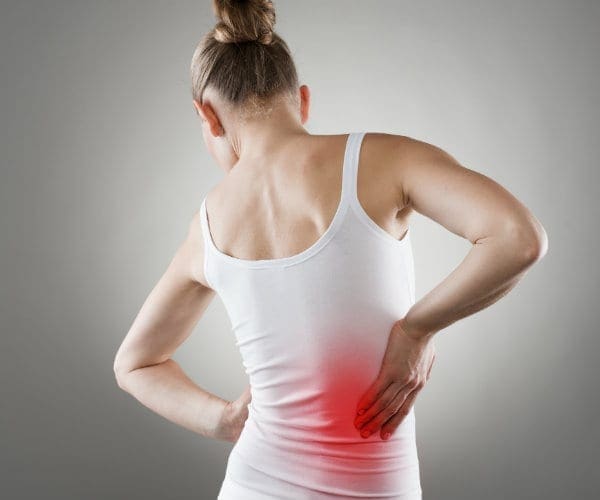
Here’s a scenario that’s probably easy for you to imagine: You’ve just endured a grueling flight to a far-off travel destination. After your arrival at the airport, you spot your luggage on the baggage carrousel. But as grab it, you feel that scary twinge in your back that feels like a pulled muscle or worse.
If this sounds like something you’ve experienced, you have plenty of company. Thousands of Americans suffer low back injuries when traveling each year. And, the truth is, the end of a long journey is the most dangerous moment for a traveler’s back, according to orthopedic specialists.
“When you rush to get your luggage and throw it on the cart to be the first to get customs and out, that’s when you can your hurt your back,” says Dr. Garth Russell, founding member of the Columbia Orthopedic Group in Missouri.
Travel can be a prescription for back pain and injury, experts agree. The long periods of forced immobility in airplanes, lifting the luggage packed with heavy documents or vacation gear, the fatigue, and the time pressure — not to mention the less-than-firm hotel beds — can add up to back spasms and sciatic nerve pain.
Since back pain is the most frequent cause of lost work days after the common cold, according to the American Academy of Orthopaedic Surgeons, it’s crucial take prudent precaution to protect your back when traveling.
“Summer vacation can spell disaster for your aching back if you don’t pay attention to how you move and how you prepare yourself for the journey,” says Dr. Richard Berger, a noted orthopedics surgeon and assistant professor of orthopedics at Rush University in Chicago. “People will be traveling in planes, trains and cars for hours and back pain can ruin even the best laid vacation plans.”
But Berger tells Newsmax Health a handful of back-saving tips can be the difference between a great vacation and a panful experience away from home. Here are his best suggestions:
Lift luggage in stages. “Move slowly and deliberately,” he says. “It’s the sudden jerking movements going full throttle that injure most patients.”
Never twist while lifting. This common error is the most frequent way people injure their back, says Berger, who explains that it takes much less force to cause injury when twisting than when lifting straight up and down.
Ask for help if you have back trouble. “Don’t hesitate to ask another passenger or flight attendant for help,” he says. “Explain your condition and most folks will be happy to assist.”
Ship bags instead. Mail your essentials to the designated destination and avoid luggage entirely. “With airline fees for checked luggage skyrocketing, this may also turn out to be an economical solution, too,” he says
Pack light. Moving a few light bags instead of one very heavy one, will likely avoid back injuries. “This is especially true if you are on an extended vacation with multiple stops so you have to transfer your bags in and out of your vehicles or into overhead bins and compartments,” he notes.
Plan for medication. If you are running low on your pain medication, get new prescriptions from your doctor and fill them so that you have enough. It may seem obvious but do not check medication with your luggage. “You may need them in flight or you may get delayed so that you may need more meds that you originally expected,” he says. Also: Bring backup over-the-counter medications such as Tylenol, Motrin or Aleve.
Ice, ice, baby. If you do suffer a back injury a pack of ice may be your first line of defense. Your flight attendant can fill a bag for you. Place it on your back for 20 minutes, then off for 20 minutes. Products like Icy Hot or Bengay Pain relief medicated patches may also provide relief.
Heat wraps work. There are disposable, portable hot packs that heat up after you open them and you can apply them as needed. Ask your pharmacist to suggest a few brands and check with your airline to make sure they allowed.
Muscle relaxants. These not only treat but may avoid back issues during a long flight. Ask your doctor if they are right for you.
Get the right seat. An aisle seat makes it easier to get in and out of your seat. Moreover, an aisle seat offers you the freedom to get up and move around more frequently.
Get up and move. This is crucial because sitting for an extend period of time stiffens the back muscles, putting stress on the spine and can cause pain. Get up to stretch often. Stretch the hamstrings muscles especially which will reduce stiffness and tension. If you are taking a road trip, stop for a stretch break every couple of hours.
Use a lumbar pillow. If you don’t own your own lumbar support, use a pillow, blanket or rolled up jacket to support the national curve of your back when traveling. Speaking of pillows, if you are staying in a hotel, your may sleep better if you bring your own pillow.
by Dr Alex Jimenez DC, APRN, FNP-BC, CFMP, IFMCP | Anti Aging, Seniors
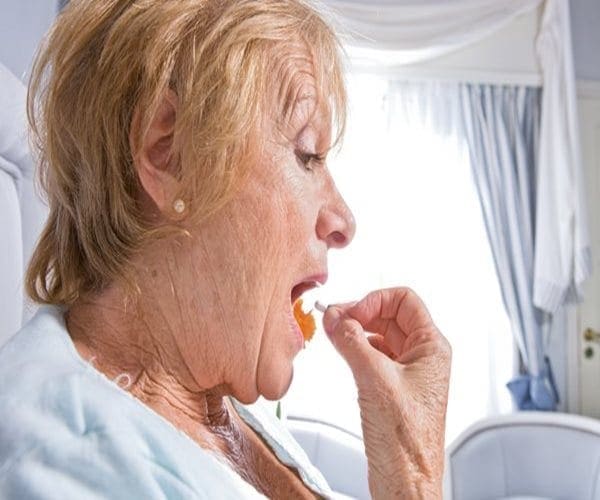
Older adults who don’t have a history of cardiovascular problems don’t benefit from taking cholesterol-lowering statin drugs, says a new study of seniors with high blood pressure and moderately high cholesterol.
Researchers from New York University School of Medicine studied the data from 2,867 older adults and found that they had the same risk of dying as seniors who didn’t take statins, and also suffered the same amount of heart attacks and strokes. In fact, statins may have caused more harm than good since more deaths occurred in the group taking statins.
“This study doesn’t surprise me at all,” says Dr. David Brownstein, a board-certified physician and editor of the newsletter Dr. David Brownstein’s Natural Way to Health. “In fact, it should be expected.
“When you know the mechanisms of how statins work in the body, how anyone could predict that they will prolong a person’s life is beyond me, particularly in older people,” Brownstein tells Newsmax Health.
“Seniors depend on adequate cholesterol for a host of reactions in the body, including proper brain function and proper hormonal production,” he says.
“Some studies have shown that statins increase the risk of Alzheimer’s and Parkinson’s, even if you take CoQ 10 to help cope with some of statins’ side effects, because statins lower cholesterol.
“The highest concentration of cholesterol in the body is in the brain,” Brownstein says. “The brain actually produces its own cholesterol, and it needs cholesterol to function properly.
“Since statins have been shown to fail in 97 to 99 percent of the people who take them, I can’t imagine — with those odds — why anyone would consider taking this drug when they know the side effects are severe and many.”
Still, statins continue to be prescribed and are one of the most commonly prescribed medicines in the world. “Big pharma has convinced doctors that statins are much more effective than they are by using questionable statistical methods,” Brownstein says. “Unfortunately, most doctors don’t understand how to read statistics and don’t know how to read the studies.
“This isn’t the first study to show that statins harm patients,” Brownstein says and points to a 2015 study, published in Critical Care Medicine, which found that the lower a patient’s cholesterol levels, the higher the risk of dying during the 30-day period following a heart attack.
“The increased risk the researchers found isn’t nominal,” he said. “Patients with low LDL (bad) cholesterol levels coupled with low triglyceride levels had an astounding 990 percent increased risk of dying!”
A 2016 study published in the British Medical Journal found that not only do high cholesterol levels not shorten the lifespan of senior citizens, they may live as long — or longer — than their peers with low levels.
The results, which came after analyzing more than 68,000 patients over the age of 60, questioned conventional medicine’s belief that seniors with high cholesterol, especially high levels of low-density lipoprotein or LDL, are more at risk of dying from heart attack and stroke, and need statin drugs to lower their cholesterol levels.
The study suggested that high cholesterol may, in fact, be protective against diseases which are common in the elderly, including neurological disorders like Parkinson’s and Alzheimer’s.
“If your cholesterol is elevated, the first thing you need to do is to look at your diet,” says Brownstein. “You should follow a healthy diet by eliminating refined foods and eating whole, organic foods. Your cholesterol levels will naturally drop to their optimal levels.
“But to chemically lower them with a drug that fails 97 to 99 percent of the time — I don’t understand it.”
If you’d like a food or supplement to help you lower your cholesterol naturally, consider the following:
Red yeast rice. According to the University of Maryland, red yeast rice has the same chemical composition as the prescription drug lovastatin. A five-year, double-blind study of patients who had suffered a heart attack found that an extract of Chinese red yeast rice, Xuezhikang (XZK), reduced the risk of repeat heart attacks by 45 percent. The extract also decreased heart bypass surgery, cardiovascular mortality, and total mortality by a third.
Bergamot. Several studies have found that bergamot, an extract made from the bergamot fruit and used to give Earl Grey tea its distinctive flavor, lowers cholesterol safely and naturally. Several studies have shown it reduces LDL (low density or “bad”) cholesterol and triglycerides, while raising levels of HDL (good) cholesterol.
Green tea. Green tea lowers bad cholesterol and raises good cholesterol. Several studies have found that green tea blocks the absorption of up to 89 percent of cholesterol from foods. Black tea has also been found to be protective.
Research carried out by the universities of Glasgow and Mauritius found that drinking three cups of tea daily reduced LDL cholesterol by more than 16 percent when compared with a control group who drank the same amount of hot water. Scientists believe the health benefits are due to antioxidants in the tea called polyphenols, which were boosted by 400 percent in the tea-drinking group.
Oatmeal. Numerous studies conducted over the past 50 years have shown that oatmeal reduces bad cholesterol. The Mayo Clinic recommends eating one-and-a-half cups of cooked oatmeal each day. Oatmeal contains soluble fiber, a cholesterol-lowering component of foods which is also found in beans, apples, and many other whole foods. A study published in the American Journal of Clinical Nutrition found that oats lowered cholesterol levels almost as well as prescription cholesterol-lowering drugs.