Fun Ways to Stay Active: Alternatives to Boring Workouts for Better Health
Friends play table tennis as a way to start making fitness fun and as a doable health goal.
Many people start the new year with big fitness goals. They promise to hit the gym every day or run miles each week. But often, these plans fall apart quickly. Life gets busy, motivation fades, and suddenly, exercise feels like a chore. If this sounds like you, don’t worry. Giving up on strict resolutions doesn’t mean giving up on health. Instead, shift to activities that feel more like play than work. Fun sports and easy movements can keep you moving without the dread of traditional workouts. This approach makes staying active sustainable and enjoyable, leading to better long-term habits (Bayou Bend Health System, n.d.).
Research shows that making physical activity fun boosts your chances of sticking with it. For example, choosing things you enjoy turns exercise into a hobby. This can improve your mood, reduce stress, and even help with weight management. Health experts recommend at least 150 minutes of moderate activity per week for adults, but it doesn’t have to be in a gym (NHS, n.d.). Simple swaps like walking in nature or dancing to music can meet these goals while feeling effortless.
In this article, we’ll explore ways to restart your fitness journey with joy. We’ll cover fun sports, social options, and relaxing practices. We’ll also discuss low-impact choices for those who struggle with standard routines. Plus, learn how professionals like integrative chiropractors and nurse practitioners can guide you. Drawing from expert insights, including clinical observations from Dr. Alexander Jimenez, DC, APRN, FNP-BC, this guide offers practical tips to get back on track.
Restarting After a Failed New Year’s Resolution
If your resolution crashed early, it’s time for a fresh start. The key is picking activities that excite you. Fun, easy sports like hiking, dancing, swimming, or biking can make movement feel rewarding. These options build fitness without the pressure of sets and reps.
Hiking: Head to a trail for fresh air and views. It’s a great way to explore while getting your heart rate up. Start with short paths and build up. Hiking strengthens legs and improves balance, all while enjoying nature (MultiCare Clinic, n.d.).
Dancing: Put on your favorite tunes and move freely. Whether alone or in a class, dancing boosts cardio and coordination. It’s low-pressure and can burn calories without feeling like exercise (Whispering Oaks Senior Living, n.d.).
Swimming: Water supports your body, making it gentle on joints. Swim laps or just splash around for fun. It’s ideal for all ages and helps with endurance (Vista Springs Living, n.d.).
Biking: Ride a bike around your neighborhood or on paths. It’s easy to adjust speed and distance. Biking tones muscles and can be a social outing (Blue Cross NC, n.d.).
These activities trick your brain into thinking you’re playing, not working out. Studies support this: enjoyable exercise leads to better adherence and health outcomes (Exercise is Medicine, n.d.).
Beyond solo sports, join social activities to add fun. Pickleball, tennis, or team sports bring people together, making commitment easier.
Pickleball: A mix of tennis and ping-pong, it’s easy to learn and play. Courts are popping up everywhere, and it’s great for quick games with friends (Nerd Fitness, n.d.).
Tennis: Hit the court for rallies that improve agility. Doubles makes it less intense and more chatty (Athlean-X, n.d.).
Team Sports: Join a recreational league for soccer, basketball, or volleyball. The group vibe keeps you motivated, and games feel like events, not drills (Quora, n.d.).
Social exercise can reduce feelings of isolation while building strength. One study notes that group activities enhance mental health alongside physical benefits (Reddit, n.d.).
For a calmer approach, try mind-body practices like yoga or Tai Chi. These are low-impact and focus on relaxation.
Yoga: Gentle poses improve flexibility and reduce stress. Start with beginner videos at home. It helps with breathing and mindfulness (Piedmont Wellness Center, n.d.).
Tai Chi: Slow, flowing movements build balance and calm the mind. It’s perfect for easing into activity without strain (Care Insurance, n.d.).
These practices are adaptable for any fitness level. They promote relaxation, which can lower blood pressure and improve sleep (NHLBI, n.d.).
To build habits, start small. Aim for 10–15 minute sessions a few times a week. Gradually increase as you gain confidence. This prevents burnout and lets your body adjust (Bayou Bend Health System, n.d.). Track progress in a journal to see improvements, like feeling more energetic.
Options for Those Who Dislike Traditional Workouts
Not everyone loves the gym or running. If weights and treadmills bore you, low-impact or sociable sports offer alternatives. These keep you active without the monotony, focusing on enjoyment and variety.
Swimming and biking stand out as low-impact favorites. Swimming provides a full-body workout in a supportive environment, reducing joint stress (Seniors Helping Seniors, n.d.). Biking lets you control the pace, making it accessible for beginners (MultiCare Clinic, n.d.).
Hiking and dancing add adventure. Hiking varies with terrain, keeping things interesting, while dancing lets you express yourself creatively (Blue Cross NC, n.d.; Whispering Oaks Senior Living, n.d.).
For a challenge, try rock climbing. It’s low-impact but builds strength and problem-solving skills. You can start indoors at a gym with easy walls (The Telegraph, n.d.).
Joining a recreational sports league brings community. Options like softball or ultimate frisbee emphasize fun over competition (Nerd Fitness, n.d.).
Benefits of These Activities:
More engaging than repetitive workouts.
Build social connections.
Adaptable to your energy level.
Improve mood through endorphins (Sanguina, n.d.).
These choices make the activity feel natural. For instance, walking briskly counts as exercise and can be done anywhere (Quora, n.d.). Or jump rope for short bursts—it’s simple and effective for cardio (MCU, n.d.).
If mobility is an issue, modify exercises. Chair-based routines or water aerobics allow movement without strain (ParentGiving, n.d.; Care.com, n.d.). The goal is consistency over intensity.
Experts agree: low-impact options like these support heart health and flexibility, especially for those with limits (Gaddis Premier, n.d.; Prairie Hills at Independence, n.d.).
How Integrative Professionals Can Help
When starting or restarting activity, professional guidance ensures safety. Integrative chiropractors and nurse practitioners offer tailored care, especially if you have physical limits.
Integrative chiropractors focus on the whole body. They use adjustments to align the spine, reducing pain and improving movement. This holistic approach addresses root causes rather than just symptoms (Integral Chiropractic, n.d.; Impastato Chiropractic, n.d.).
For example, if joint pain stops you from hiking, a chiropractor can ease stiffness through manipulations and exercises (Elysian Wellness Centre, n.d.; De Integrative Healthcare, n.d.). They often include nutrition and lifestyle advice for better results (AFP Fitness, n.d.; Together4Health Wellness, n.d.).
Nurse practitioners add medical expertise. They assess your health and create plans that address limits, such as suggesting low-impact swimming for arthritis (Buckner Parkway Place, n.d.; Cor Health Ontario, n.d.).
Together, these pros provide personalized care. They work with your abilities to help you enjoy activities again (Wellness Center FW, n.d.; Fortitude Health, n.d.).
Dr. Alexander Jimenez, DC, APRN, FNP-BC, embodies this integrated approach. With over 30 years in practice, he combines chiropractic and nursing for comprehensive care. His clinical observations highlight non-invasive methods for pain management and mobility.
In his work, Dr. Jimenez notes that tailored programs, like resistance band exercises, strengthen muscles without high impact. This helps people with injuries return to fun activities like biking or dancing. He emphasizes flexibility for joint health, noting that restricted movement can lead to pain, but gentle practices like yoga can restore it.
On LinkedIn, Dr. Jimenez shares insights on sciatica and back pain, recommending core exercises like modified squats for those with limitations. He advocates stretching to prevent stiffness, noting, “If you don’t stretch, your body ‘pays interest'” in reduced mobility.
His practice includes functional medicine, addressing nutrition and the environment for wellness. For example, he uses assessments to create plans that fit patients’ lifestyles, helping them stay active despite chronic conditions (All Injury Rehab, n.d.; Motus Integrative Health, n.d.).
How They Help:
Assess limits and set realistic goals.
Provide exercises like water aerobics for joint relief (Activ Therapy, n.d.).
Offer advice on enjoyable activities to build habits (Nepute Wellness Center, n.d.).
Monitor progress to adjust plans.
This support makes returning to movement less daunting. Integrative care focuses on harmony in physical, mental, and emotional health (Wellness Center FW, n.d.).
Wrapping Up: Make Movement Joyful
Staying active doesn’t require grueling workouts. By choosing fun options like hiking or yoga and seeking professional help when needed, you can rebuild habits. Remember Dr. Jimenez’s observation: personalized, holistic care unlocks better mobility. Start small, stay consistent, and enjoy the process. Your health will thank you.
Healthy Mexican Food in El Paso: Wellness Choices at El Paso Back Clinic®
Mexican food brings fresh, bold flavors to life in El Paso, Texas. At El Paso Back Clinic®, the premier wellness chiropractic care clinic, we see how good nutrition supports recovery, reduces inflammation, and boosts overall health. Led by Dr. Alexander Jimenez, DC, APRN, FNP-BC, our team combines chiropractic adjustments with nutrition guidance to help patients heal from injuries and live pain-free.
In a city rich with Mexican culture, choosing healthier versions of classic dishes fits perfectly into a holistic wellness plan. Focus on grilled proteins, plenty of vegetables, and fresh ingredients to enjoy tasty meals that aid healing and mobility.
Shrimp Ceviche Recipe – Meals by Molly: Seafood Recipes
Chicken Tortilla Soup: Broth-based with lean chicken, veggies, and avocado.
Burrito Bowls: Brown rice, beans, grilled protein, and fresh salsa.
Soft Tacos: Corn tortillas with fish, chicken, or beans plus extra veggies.
These dishes use natural ingredients like beans for gut health, avocado for good fats, and fresh salsas for vitamins (Havranek, n.d.; Isabel Eats, n.d.).
Key fresh ingredients that support wellness include:
Beans (black or pinto) for fiber and protein.
Avocado for healthy fats that fight inflammation.
Nopalitos (cactus) and calabacitas (zucchini) for low-calorie nutrients.
Pico de gallo with tomatoes, onions, and chilies.
Lean proteins like grilled chicken, shrimp, or fish.
These elements help reduce swelling and support recovery, especially when paired with care at El Paso Back Clinic® (Gran Luchito, n.d.).
El Paso offers excellent spots for healthy Mexican options. Many places let you customize for wellness:
Sabrosa La Vida for fresh meals.
Verde Salad Co. for build-your-own bowls.
Timo’s Restaurant for lean, veggie-focused plates.
Look for restaurants that grill proteins and use fresh prep. These choices make it easy to eat well while enjoying local flavors.
At El Paso Back Clinic®, we focus on holistic wellness. Dr. Alexander Jimenez uses integrative chiropractic care and nurse practitioner expertise to treat the whole person. Spinal adjustments improve alignment and nerve function, while nutrition advice targets inflammation and healing.
Dr. Jimenez often recommends anti-inflammatory foods like fresh veggies, lean proteins, and healthy fats found in healthier Mexican dishes. This helps patients recover faster from back pain, injuries, or chronic issues (Jimenez, n.d.a; Jimenez, n.d.b).
Our clinic offers:
Personalized chiropractic adjustments.
Nutrition plans to reduce inflammation.
Functional medicine for root-cause healing.
Rehab to build strength and mobility.
Combining these with smart food choices yields better long-term wellness outcomes (Cleveland Clinic, n.d.).
Here are simple tips to make healthy Mexican eating part of your routine:
Start with ceviche or salsa instead of chips.
Fill half your plate with veggies.
Choose water or herbal tea over sugary drinks.
Try home cooking with local fresh ingredients.
In El Paso’s dry climate, staying hydrated helps too.
Healthy Mexican food supports the body in powerful ways. At El Paso Back Clinic®, we help patients use nutrition and chiropractic care together for pain relief, better mobility, and vibrant health. Dr. Jimenez and the team are here to guide you toward feeling your best.
Contact us today to start your personalized wellness journey.
Fitness vs. Wellness: How Exercise and Chiropractic Care Can Boost Your Overall Health
Strong woman lifts a barbell during a CrossFit workout
Many people talk about being fit or feeling well, but what do these terms really mean? Fitness is about your body’s ability to do physical tasks. It includes things like strength, endurance, and how well you can move. For example, if you can run a mile without getting too tired or lift heavy boxes, that’s fitness in action. Wellness, on the other hand, is bigger. It covers your whole health, including your body, mind, emotions, and even how you get along with others. It’s about feeling good in all parts of life, not just the physical side. Exercise is the key link between the two. When you move your body regularly, it builds strength for fitness and also helps your mind stay calm and your emotions balanced for wellness.
Think of fitness as the engine that powers your daily activities. Without it, simple things like walking up stairs or playing a game could feel difficult. Wellness is like a full car – it needs a good engine, fuel, maintenance, and a smooth ride to get you where you want to go. Exercise keeps everything running well. In this article, we’ll explore these ideas, examine how chiropractic care fits in, and see why combining them all leads to better health.
What Is Fitness?
Fitness focuses on the physical side of health. It’s your body’s capacity to handle activities without getting worn out or hurt. This includes strength, which helps you lift and carry things, and endurance, which lets you keep going for longer periods. Fitness also covers flexibility, balance, and how your heart and lungs work during movement.
Here are some key parts of fitness:
Cardio endurance: This is how well your heart and lungs supply oxygen during activities like running or biking. It helps you last longer without feeling out of breath.
Muscular strength: Built through things like weightlifting, it makes muscles stronger for tasks like pushing or pulling.
Flexibility: Stretching exercises improve the range of motion in your joints, reducing the risk of pulls or strains.
Body composition: The mix of fat and muscle in your body, which exercise can help balance for better health.
People often measure fitness by how they perform in sports or daily chores. For instance, if you can do push-ups or walk briskly for 30 minutes, you’re building fitness. Regular activities like swimming or yoga can improve these areas and lower the risk of conditions like heart disease or diabetes. But fitness alone isn’t enough for total health – that’s where wellness comes in.
What Is Wellness?
Wellness is a wider idea than fitness. It’s about achieving optimal health across all areas of life. While fitness is mostly physical, wellness includes mental, emotional, social, and even spiritual parts. It’s like a wheel with many spokes – if one is weak, the whole thing wobbles.
Key areas of wellness include:
Physical wellness: This overlaps with fitness and involves eating well, sleeping enough, and staying active to keep your body strong.
Mental wellness: Keeping your mind sharp through learning, stress management, and positive thinking.
Emotional wellness: Handling feelings like anger or sadness in healthy ways, often through speaking with friends or journaling.
Social wellness: Building positive relationships and feeling connected to others.
Other areas: like financial stability or environmental awareness, affect how you feel overall.
Wellness is a daily practice, not a one-time goal. It means making choices that help you thrive, not just survive. For example, someone might be fit from gym workouts but lack wellness if they’re stressed or lonely. True wellness balances everything for a happier life.
How Exercise Connects Fitness and Wellness
Exercise is the bridge between fitness and wellness. It’s any movement that gets your body working, like walking, dancing, or lifting weights. For fitness, exercise builds muscle, boosts heart health, and improves endurance. But it also touches wellness by reducing stress, lifting mood, and helping you sleep better.
Benefits of exercise for fitness:
Burns calories to control weight.
Strengthens bones and muscles to prevent injuries.
Improves heart function to lower disease risks.
Benefits for wellness:
Releases feel-good chemicals in the brain to fight depression and anxiety.
Boosts energy for daily tasks and social activities.
Enhances sleep, which supports mental clarity and emotional balance.
Types of exercise include aerobic (like running for heart health), strength training (like weights for muscle), and flexibility work (like yoga for movement). Aim for at least 150 minutes of moderate activity a week, plus strength work twice a week. Even small steps, like a daily walk, can make a big difference. Exercise doesn’t just make you stronger; it helps you feel more balanced overall.
The Role of Chiropractic Care in Fitness and Wellness
Chiropractic care is a natural way to support both fitness and wellness. It focuses on aligning your spine and improving the function of your nerves. This can ease pain, boost movement, and help your body heal itself. Chiropractors use adjustments – gentle pushes on the spine – to fix misalignments that cause issues like back pain or headaches.
How chiropractic helps fitness:
Improves joint mobility for better exercise performance.
Reduces injury risk by maintaining balance.
Speeds up recovery after workouts or strains.
For wellness, it goes deeper:
Lowers stress by relaxing tight muscles.
Boosts immune function through better nerve flow.
Supports overall health by addressing root causes rather than just symptoms.
Dr. Alexander Jimenez, a chiropractor and nurse practitioner, has observed in his practice that combining chiropractic with lifestyle changes leads to better outcomes. He notes that patients with chronic pain often improve faster when adjustments are paired with exercise and nutrition. His work shows how this approach prevents problems and promotes long-term wellness.
Integrating Chiropractic Care with Exercise for Better Results
When you mix chiropractic care with exercise, the results are even stronger. Chiropractic provides a solid base by aligning your body, while exercise builds on that with strength and heart health. This team-up reduces injury chances, improves how you move, and supports lasting wellness.
Steps to integrate them:
Start with a chiropractic check-up to fix any alignments.
Get personalized exercise tips, like stretches for flexibility or core work for stability.
Combine with other habits, such as healthy nutrition and stress relief.
Examples of exercises chiropractors recommend:
Core strengthening, like planks, supports the spine.
Stretches for the hips and back to ease tension.
Low-impact activities like swimming for overall fitness without strain.
Dr. Jimenez’s clinical work supports this. He uses integrative methods, like spinal decompression and tailored workouts, to help patients recover from injuries and stay active. His observations show that this holistic path leads to less pain, more energy, and a better quality of life.
In sports or daily life, this combo helps you perform better and feel great. For instance, athletes use chiropractic to stay aligned during training, while everyday people use it to handle desk jobs without back issues. It’s about prevention – catching problems early so you can keep moving.
Why This Matters for Long-Term Health
Focusing on fitness and wellness through exercise and chiropractic isn’t just for now; it’s for the future. Regular movement and care can prevent chronic issues like arthritis or heart problems. It also makes life more enjoyable, with more energy for hobbies and time with loved ones.
Challenges might include starting slow if you’re new, but small changes add up. Consult pros like chiropractors for safe plans. Remember, wellness is a journey – keep balancing all parts for the best results.
In summary, fitness builds your physical power, wellness covers your whole self, and exercise ties them together. Adding chiropractic care creates a strong foundation for health. As Dr. Jimenez’s practice shows, this integrated way leads to real improvements in how people feel and function.
Unlocking Wellness at El Paso Back Clinic®: Telemedicine’s Role in Nutritional Counseling and Integrative Chiropractic Care
The Nutritionist prepares for an online telemedicine session.
Introduction
In the heart of El Paso, Texas, staying healthy doesn’t always mean long drives to the doctor’s office. At El Paso Back Clinic®, led by Dr. Alex Jimenez, DC, APRN, FNP-BC, CFMP, IFMCP, we make wellness easy with telemedicine. This tech uses video calls and apps to connect you with our experts for nutritional advice, right from your home. It’s perfect for busy El Paso families dealing with back pain, sports injuries, or just wanting more energy.
Our nutritional counseling via telemedicine isn’t just general tips—it’s custom-made for you. We help with meal plans that fight inflammation, support weight management, or boost recovery after an injury. Think personalized recipes, like anti-inflammatory Player Bowls packed with veggies and lean proteins, shared during your virtual session. We also link to services for medically tailored meals, delivered to your door in El Paso, to support conditions like diabetes or heart health.
What sets us apart at El Paso Back Clinic® is our blend of chiropractic care and functional medicine. Chiropractic adjusts your spine to ease pain and improve movement, while functional medicine digs into root causes, like poor diet or stress. Through telemedicine, we combine these for full-body plans, including food advice, supplements, and simple exercises. This helps your body heal naturally, without heavy meds or surgery.
Dr. Alex Jimenez, with his dual skills as a chiropractor and nurse practitioner, sees this work wonders every day. From our clinics in East Side, Central, and Northeast El Paso, he notes that patients with sciatica or chronic back pain recover faster when nutrition supports their adjustments. Simple swaps, such as adding omega-3-rich foods, reduce swelling and speed healing (Jimenez, 2023a).
This article explores how telemedicine powers nutritional guidance at El Paso Back Clinic®. We’ll cover the basics, how to prep for sessions, and the strength of our integrative approach. You’ll get real tips and insights to start your wellness journey with us.
Why Choose El Paso Back Clinic® for Telemedicine Nutrition?
Convenient virtual visits from anywhere in El Paso.
Expert team focused on back health, sports wellness, and functional nutrition.
Personalized care that fits your Texas lifestyle.
What Is Telemedicine for Nutritional Counseling at Our Clinic?
At El Paso Back Clinic®, telemedicine means meeting our registered dietitians or nutrition specialists online, without the need to visit our Vista Del Sol or Gateway East locations. Log in from your phone or computer for a one-on-one chat about your eating habits. We ask about your daily routine, health background, and goals, then create a plan tailored to El Paso life—maybe quick meals for shift workers or family-friendly options.
For instance, if you’re dealing with high blood pressure, we might suggest low-sodium Tex-Mex twists, like grilled chicken fajitas with fresh salsa. We send recipes via email or our secure app, where you can scan barcodes for nutrition info. Sessions are flexible—schedule around your job at the border or kids’ soccer practice.
Research supports this method. One study adapted tools like the NUTRI-TEC system for interactive care, helping patients track meals and meet goals from home (Hutton et al., 2020). Dr. Jimenez uses similar tech in our clinic for injury recovery. After a slip-and-fall, patients use video check-ins to adjust their diets, such as adding collagen-rich broths for joint support (Jimenez, 2023b).
What Happens in a Typical Session?
Quick health assessment and goal discussion.
Review of your food diary or lab results.
Custom tips with follow-up resources.
Personalized Meal Plans Through Virtual Consults at El Paso Back Clinic®
One of the best parts of our telemedicine service is creating meal plans tailored to your needs. Upload your blood work or a week’s food log to our portal, and during the call, Dr. Jimenez or our team will review it. We spot issues, like low iron from skipping veggies, and recommend fixes—perhaps spinach salads with local El Paso produce.
Our apps make it smart and simple. They generate weekly menus that avoid allergens or fit budgets. If you’re vegan, we swap in beans for meat. This keeps you on track, as plans feel realistic for daily life.
For ongoing issues like IBS, we focus on gut-soothing foods, such as probiotic yogurt or herbal teas. The U.S. Department of Health and Human Services (HHS) reports that virtual plans improve outcomes for diabetes and other conditions (U.S. Department of Health and Human Services, 2023a). In our functional medicine wing, we go deeper with at-home tests, then tweak via app. Dr. Jimenez has seen autoimmune patients reduce flares by ditching inflammatory foods, guided by labs (Jimenez, 2024).
How We Build Your Plan Step by Step:
Snap photos of your meals to share.
Talk about tastes, allergies, and schedules.
Receive a shopping list with H-E-B or Walmart picks.
Delivering Educational Resources Remotely from El Paso Back Clinic®
Learning about nutrition should be engaging, not overwhelming. At our clinic, telemedicine delivers education in fun ways. Watch videos on portion control or join live webinars on beating sugar cravings. We host group sessions for El Paso locals on topics like healthy grilling for summer barbecues.
These build real skills. Learn to spot hidden fats on labels or follow virtual demos for easy smoothies. For families, we include kid tips, like hiding greens in pasta sauce.
HHS highlights group support for setting goals, where folks share successes like choosing water over soda (U.S. Department of Health and Human Services, 2023a). Dr. Jimenez’s online classes teach how vitamins from fruits aid nerve repair after back strains, with slides you can revisit (Jimenez, 2023c).
Our Favorite Educational Tools:
Fun quizzes on balanced eating.
Video recipe collections.
Digital journals for tracking habits.
Coordinating Medically Tailored Meals with Our Telemedicine Services
When cooking is tough due to pain or other factors, we connect you with medically tailored meals (MTMs). These are ready-made dishes designed for your health, like low-carb options for blood sugar control, delivered across El Paso.
Our providers handle the setup, ensuring meals align with your plan. Track and provide feedback via the app for adjustments. This helps post-surgery patients and those with arthritis get the nutrients they need without effort.
HHS explains that MTMs address medical and social needs to improve management (U.S. Department of Health and Human Services, 2023a). At El Paso Back Clinic®, we combine MTMs with chiropractic care to ensure complete healing. For scoliosis patients, anti-inflammatory meals with spices like turmeric can ease discomfort and support adjustments (Jimenez, 2023b).
Benefits of MTMs Through Us:
Customized for your diet restrictions.
Weekly deliveries to your El Paso address.
Easy app-based reviews for changes.
Preparing Patients and Families for Success at El Paso Back Clinic®
Ready for your first telemedicine nutrition session? We make prep simple. Check your device’s camera and internet, then gather notes on symptoms, meds, and recent eats.
Bring your family in—especially if they share meals. This way, everyone learns, like planning group hikes with healthy snacks. HHS notes shared plans create family-wide habits (U.S. Department of Health and Human Services, 2023b).
For tech newbies, we offer phone backups or easy guides. Dr. Jimenez tells families in El Paso to log meals together to reduce stress and boost energy (Jimenez, 2024).
Your Prep Checklist:
Set up a quiet spot and charge gadgets.
Jot down questions in advance.
Include cooks or eaters in the call.
Functional Medicine’s Virtual Boost at Our El Paso Clinic
Functional medicine at El Paso Back Clinic® targets why you’re unwell—like gut issues causing fatigue. Telemedicine makes it accessible: Review home test results online, then get plans with foods, supplements, and lifestyle tweaks.
Our shared apps monitor sleep or activity, allowing real-time changes. Being Functional describes how this tracks markers like blood sugar without trips (Being Functional, n.d.).
Dr. Jimenez, with certifications in functional medicine, transforms care here. For hormone imbalances, he guides diets via portal, watching energy improvements (Jimenez, 2023c).
Key Functional Tools We Use:
Mailed home testing kits.
App logs for daily progress.
Connections to worldwide experts.
Chiropractic Meets Nutrition Online at El Paso Back Clinic®
Our chiropractic services fix spine issues for less pain, but nutrition multiplies the benefits. Virtually, we recommend foods like nuts for muscle relaxation after adjustments.
Grove Chiropractic notes that omega-3s reduce stiffness, complementing our alignments (Grove Chiropractic, n.d.). We stress hydration for disc health—aim for eight glasses daily.
Dr. Jimenez blends this expertly. Sciatica sufferers get guided stretches and bone-supporting supplements, shortening recovery (Jimenez, 2023a).
Top Nutrient-Chiro Combos:
Vitamin D for strong bones.
Turmeric to curb swelling.
Fiber for gut health linked to back wellness.
An Integrative Approach: Blending Services at El Paso Back Clinic®
Our strength is integrating telemedicine, functional medicine, and chiropractic. Virtual sessions review labs, craft diets, and add exercises—all in our secure app.
The Well-House Chiropractic uses telehealth for balanced coaching to avoid overwhelm (The Well-House Chiropractic, 2023a). Advanced Integrated Health emphasizes root fixes for enduring health (Advanced Integrated Health, n.d.).
Dr. Jimenez’s method shines: Structure from chiropractic, internal healing from functional, and access via tele. For sports injuries, we mix rehab moves, berry-rich antioxidant foods, and online follow-ups (Jimenez, 2023d).
This saves time and money, empowering El Paso residents.
Our Integrated Advantages:
Comprehensive plans for mind and body.
Instant adjustments through video.
Reduced need for ongoing meds.
Real-World Examples from El Paso Back Clinic® Patients
Meet Maria, an El Paso teacher with neck pain. Our telemedicine nutritionist recommended anti-inflammatory meals; functional tests revealed low magnesium, which we corrected with seeds. Chiropractic eased her posture, plus yoga tips. Soon, she felt vibrant.
Dr. Jimenez shares athlete stories: A local runner with knee issues received nutrient boosts and adjustments via the app, and was back on the trails quickly (Jimenez, 2024).
We use portals like NUTRI-TEC to track intake, helping meet intake goals (Hutton et al., 2020).
Patient Success Highlights:
Blood sugar stability with MTMs.
IBS relief through gut-focused plans.
Faster rehab with targeted supplements.
Challenges and Solutions in Our Telemedicine Program
Tech hiccups? We suggest backups like phone calls. Privacy? Our platforms are secure.
For those new to apps, start simple. Costs? Many insurances cover; check HHS resources (U.S. Department of Health and Human Services, 2023a).
Dr. Jimenez helps rural El Paso areas with text reminders, closing gaps (Jimenez, 2023b).
Overcoming Common Issues:
Test runs with our support team.
Low-data modes for spotty connections.
Affordable options and payment plans.
The Future of Wellness at El Paso Back Clinic®
Looking ahead, we’ll add AI for meal ideas and VR for exercise demos. More coverage for our virtual functional-chiro mixes.
Dr. Jimenez envisions a broader reach for El Paso’s underserved, such as border workers, through expanded networks (Jimenez, 2023d).
Conclusion
At El Paso Back Clinic®, telemedicine enables personalized, convenient, and effective nutritional counseling. Paired with our chiropractic and functional medicine, it heals from the inside out. Visit us at our East Side location (11860 Vista Del Sol, Ste 128, 915-412-6677), or start virtually. Email [email protected] or call 915-850-0900. Let Dr. Jimenez and our team guide your path to better health.
Dr. Alex Jimenez: Pioneering Integrative Care as a Chiropractor and Nurse Practitioner
Dr. Alex Jimenez, a licensed chiropractor and board-certified nurse practitioner based in El Paso, Texas, brings over 25 years of expertise to his Injury Medical & Chiropractic Clinic practice. His dual licensure provides unique insights into the etiologies, pathogenesis, and treatment of complex clinical conditions, enabling him to deliver patient-centered, integrative care that bridges physical medicine, functional medicine, and advanced diagnostics. Combining chiropractic expertise with nurse practitioner-driven medical management, Dr. Jimenez offers comprehensive treatment protocols tailored to acute and chronic conditions, promoting metabolic resilience, longevity, and whole-person wellness.
Dual Expertise: Chiropractic and Nurse Practitioner Roles
Dr. Jimenez’s practice stands out due to his ability to integrate the biomechanical focus of chiropractic care with a nurse practitioner’s diagnostic and therapeutic scope. As a chiropractor, he specializes in restoring musculoskeletal function, particularly after trauma, neck, back, spine, and soft tissue injuries. His chiropractic interventions emphasize non-invasive techniques, such as spinal decompression, manual adjustments, and functional rehabilitation, to alleviate pain and enhance mobility.
As a board-certified nurse practitioner, Dr. Jimenez employs evidence-based medicine to address systemic and metabolic dysfunctions. His expertise extends to managing chronic degenerative disorders, hormonal imbalances, weight loss, sexual health, and pain syndromes. This dual perspective allows him to identify underlying disease causes, from biomechanical misalignments to physiological imbalances, and design treatment regimens that address symptoms and root causes.
The synergy of these roles enables Dr. Jimenez to offer a holistic approach that is particularly effective for complex conditions such as sciatica, fibromyalgia, disc herniation, spondylolisthesis, and chronic neck or back pain. His integrative protocols combine functional medicine assessments, lifestyle interventions, and advanced diagnostics to achieve homeostasis and physiological balance.
Treatment Protocols: Evidence-Based and Patient-Centered
Drawing from integrative protocols outlined on his website, www.chiromed.com, Dr. Jimenez employs a multidisciplinary approach to patient care. His treatment plans are grounded in evidence-based medicine, functional medicine, and lifestyle wellness strategies, tailored to each patient’s unique health profile, lifestyle, and medical history. Below are key components of his integrative care model:
1. Chiropractic Care and Functional Rehabilitation
Spinal Decompression: Non-surgical decompression therapy is used to relieve pressure on spinal discs, addressing conditions like disc herniation, sciatica, and spinal stenosis. This modality promotes healing by improving blood flow and nutrient delivery to affected areas.
Manual Adjustments: Targeted adjustments correct spinal misalignments, reduce nerve compression, and restore joint mobility. These are particularly effective for whiplash, scoliosis, and poor posture.
Functional Strength Training: Dr. Jimenez designs conditioning programs to enhance recovery and prevent re-injury. These programs are tailored for athletes and individuals seeking optimal performance and incorporate mobility, flexibility, and agility training.
2. Functional Medicine Assessments
Functional medicine tools evaluate metabolic, hormonal, and nutritional status. These assessments identify the root causes of conditions such as fatigue, weight gain, or chronic pain, enabling precise interventions.
Advanced diagnostic protocols, including blood panels and imaging, provide data-driven insights into etiologies and pathogenesis. This allows Dr. Jimenez to address underlying dysfunctions rather than merely masking symptoms.
3. Lifestyle and Nutritional Interventions
Weight Loss and Metabolic Resilience: Dr. Jimenez integrates nutritional counseling and metabolic optimization strategies to support sustainable weight loss and prevent chronic diseases like diabetes or cardiovascular disorders.
Hormone and Sexual Health: Personalized regimens address hormonal imbalances and sexual dysfunction, improving quality of life and overall wellness.
Pain Management: Nutritional and lifestyle modifications complement physical therapies to manage chronic pain syndromes, reducing reliance on pharmaceuticals.
4. Specialized Care for Complex Conditions
Sciatica and Disc Injuries: Dr. Jimenez employs targeted decompression and rehabilitation protocols to alleviate nerve compression and restore function.
Chronic Degenerative Disorders: Conditions like fibromyalgia, arthritis, and spondylolisthesis are managed through integrative plans that combine physical therapy, nutritional support, and metabolic optimization.
Sports and Auto Accident Injuries: Tailored rehabilitation programs address soft tissue damage, shoulder injuries, and whiplash, ensuring rapid recovery and long-term resilience.
5. Advanced Wellness Programs
Dr. Jimenez’s clinic offers comprehensive wellness programs on longevity, skin care, and hair loss. These programs integrate nutritional supplementation, lifestyle coaching, and cutting-edge therapies to promote vitality and aesthetic health.
High-level conditioning programs optimize performance for athletes, incorporating functional strength training and recovery-focused interventions.
Integrative Team and Clinic Highlights
Injury Medical & Chiropractic Clinic is El Paso’s largest mobility, flexibility, and agility center, integrating chiropractors, nurse practitioners, registered nurses, nutritionists, and physical performance trainers. The clinic’s multidisciplinary team collaborates to deliver personalized care, ensuring patients achieve measurable health outcomes. Key services include:
Acupuncture: A Complementary therapy to reduce pain and promote relaxation.
Advanced Nutritional Programs: Evidence-based dietary plans to support metabolic health and recovery.
Physical Performance Training: Programs to enhance fitness, prevent injuries, and optimize athletic performance.
The clinic accepts major insurances, including Aetna, Blue Cross Blue Shield, Cigna, and First Health, making care accessible to a broad patient base.
Insights from Dual Licensure
Dr. Jimenez’s licensure as both a chiropractor and nurse practitioner provides him with a comprehensive understanding of disease processes and treatment modalities. His chiropractic training equips him to address biomechanical dysfunctions, while his nurse practitioner expertise allows him to manage systemic conditions with a medical lens. This dual perspective enhances his ability to:
Clarify Etiologies: By combining musculoskeletal assessments with metabolic and hormonal evaluations, Dr. Jimenez identifies multifactorial causes of conditions, ensuring targeted interventions.
Understand Pathogenesis: His knowledge of disease progression informs proactive treatment plans that halt or reverse degenerative processes.
Design Appropriate Regimens: Integrating physical, nutritional, and medical therapies, Dr. Jimenez creates synergistic treatment plans that address both symptoms and underlying dysfunctions.
This integrative approach is particularly valuable for patients with chronic or multifactorial conditions, as it addresses the interplay between physical, metabolic, and lifestyle factors.
Patient-Centered Care: In-Person and Online
Dr. Jimenez’s practice emphasizes personalized attention, whether patients visit in person at 11860 Vista Del Sol, Suite 128, El Paso, TX 79936, or engage through telehealth. His functional medicine series, accessible via www.dralexjimenez.com, educates patients on holistic health principles, covering topics from spinal health to metabolic optimization. The website features:
Informative Content: Blog posts, articles, and videos provide insights into chiropractic care, functional medicine, and injury rehabilitation.
Patient Testimonials: Success stories highlight the transformative impact of Dr. Jimenez’s care, showcasing outcomes for conditions like sciatica, sports injuries, and chronic pain.
Appointment Booking: A user-friendly interface allows patients to schedule in-person or online consultations, with clear guidance on what to expect during their first visit.
Commitment to Education and Community Health
Dr. Jimenez is dedicated to empowering patients through education. His website is comprehensive, offering evidence-based information on health conditions, treatment options, and wellness strategies. By fostering health literacy, Dr. Jimenez enables patients to make informed decisions and take charge of their well-being.
His commitment extends to the El Paso community, where he aims to expand access to integrative care. Dr. Jimenez promotes proactive health management and preventive care through workshops, online content, and community outreach.
Conclusion
Dr. Alex Jimenez’s dual expertise as a chiropractor and nurse practitioner positions him as a leader in integrative medicine. His ability to bridge physical medicine with systemic health management allows him to address complex clinical issues with precision and compassion. Dr. Jimenez delivers personalized care that promotes healing, resilience, and longevity by leveraging evidence-based protocols, advanced diagnostics, and lifestyle interventions.
For more information or to schedule an appointment, visit www.dralexjimenez.com or contact the clinic at +1-915-412-6677.
For individuals wanting to improve or maintain skin health, can incorporating acupuncture help improve skin and fight the aging process?
Cosmetic Acupuncture
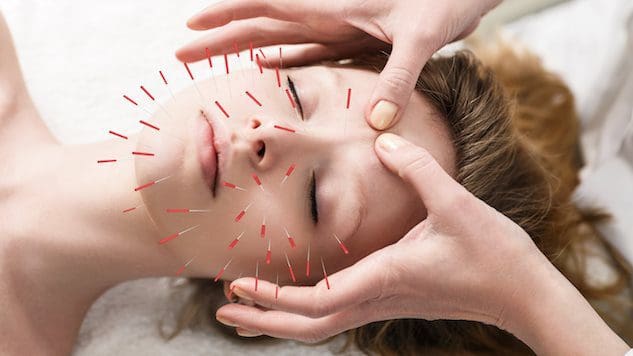
Cosmetic acupuncture follows the traditional acupuncture practice of needle insertion. The objective is to reverse signs of aging and improve skin health. It is sometimes referred to as acupuncture facial rejuvenation, which has been used as an alternative to surgical facelifts and other conventional procedures. Preliminary studies have examined how it can help remove age spots, lift droopy eyelids, and reduce wrinkles. (Younghee Yun et al., 2013)
How Acupuncture Works
In traditional Chinese medicine or TCM, acupuncture has long been used to improve the flow of energy – qi or chi – throughout the body. This energy is believed to circulate through energy pathways known as meridians. When health problems occur, according to TCM, there are obstructions or blockages in the circulation.
Acupuncturists can restore optimal circulation/flow and improve health by inserting needles into specific acupoints. (National Institutes of Health, 2007)
Cosmetic Acupuncture
Cosmetic acupuncture is said to improve skin health and act as an anti-aging treatment by stimulating the production of collagen. This protein is a major component of the skin. The skin’s inner layer loses collagen and firmness as the body ages. However, further research is needed to support the claim that acupuncture can promote collagen production. Some suggest cosmetic acupuncture helps rejuvenate the skin by improving the body’s overall energy. One study found individuals saw improvements after five sessions of facial cosmetic acupuncture. (Younghee Yun et al., 2013) However, it is recommended that ten treatments be performed once or twice a week for optimum results. After that, maintenance treatments are done every four to eight weeks. Unlike Botox or dermal fillers, cosmetic acupuncture is not a quick fix. The focus is to create long-term changes in the skin and body, which means improved:
When the needles are inserted into the skin, they create wounds known as positive microtraumas. The body’s natural healing and repairing abilities activate when it senses these wounds. These punctures stimulate the lymphatic and circulatory systems, which deliver nutrients and oxygen to the skin cells, nourishing them from the inside out.
This helps even out complexion and promotes skin radiance.
The positive microtraumas also stimulate the production of collagen.
This helps improve elasticity, minimizing lines and wrinkles.
Alternatives
Several natural remedies may help improve skin health and offer anti-aging benefits. Ceramides are a fat molecule found naturally in the top layer of the skin and an ingredient used in skin-care products. These may protect against aging-related dryness in the skin. (L Di Marzio 2008) Preliminary research suggests that applying white tea to the skin may fight the breakdown of collagen and elastin – a protein that supports skin elasticity and prevents sagging). There’s also evidence that natural substances such as argan oil, borage oil, and sea buckthorn may offer moisturizing benefits that could improve skin.(Tamsyn S A Thring et al., 2009)
While further evidence of cosmetic acupuncture is needed, integrating acupuncture can help manage stress and enhance overall health. Individuals considering cosmetic acupuncture should consult their primary healthcare provider to see if it is right for them.
Enhancing Health Together: Embracing Multidisciplinary Evaluation and Treatment
References
Yun, Y., Kim, S., Kim, M., Kim, K., Park, J. S., & Choi, I. (2013). Effect of facial cosmetic acupuncture on facial elasticity: an open-label, single-arm pilot study. Evidence-based complementary and alternative medicine : eCAM, 2013, 424313. https://doi.org/10.1155/2013/424313
The National Center for Complementary and Alternative Medicine. (2007). Acupuncture: An Introduction. National Center for Complementary and Alternative Medicine Website. https://choimd.com/downloads/NIH-info-on-acupuncture.pdf
Kuge, H., Mori, H., Tanaka, T. H., & Tsuji, R. (2021). Reliability and Validity of Facial Check Sheet (FCS): Checklist for Self-Satisfaction with Cosmetic Acupuncture. Medicines (Basel, Switzerland), 8(4), 18. https://doi.org/10.3390/medicines8040018
Di Marzio, L., Cinque, B., Cupelli, F., De Simone, C., Cifone, M. G., & Giuliani, M. (2008). Increase of skin-ceramide levels in aged subjects following a short-term topical application of bacterial sphingomyelinase from Streptococcus thermophilus. International journal of immunopathology and pharmacology, 21(1), 137–143. https://doi.org/10.1177/039463200802100115
Thring, T. S., Hili, P., & Naughton, D. P. (2009). Anti-collagenase, anti-elastase and anti-oxidant activities of extracts from 21 plants. BMC complementary and alternative medicine, 9, 27. https://doi.org/10.1186/1472-6882-9-27
Keeping an individual’s spine in top form equals less pain and more mobility, flexibility, and freedom. The body wears down and is a natural effect of aging that happens to every single one of us. Spinal issues related to aging can become serious if not addressed and enacted upon with exercises, stretching, and chiropractic maintenance.
Aging and The Back
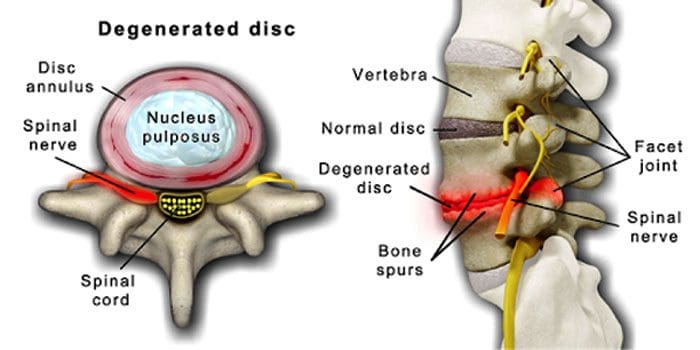
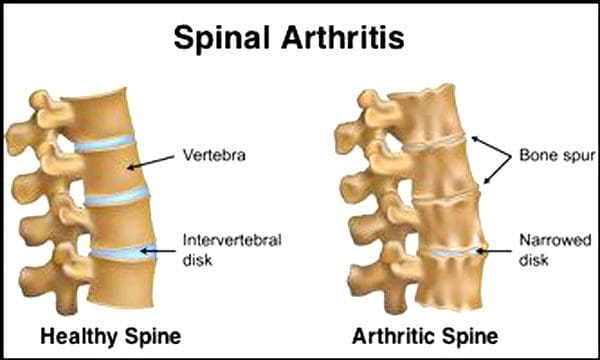
It is normal for the spinal discs and joints to deteriorate with age. Spinal stenosis or the narrowing of the spinal canal can also be part of the aging process. Two conditions brought on by aging are degenerative disc disease and arthritis that can also include stiffening of the spinal ligaments and osteoporosis.
Degenerative disc disease is experienced by 40% of individuals 40 years of age
Increases to 80% for individuals 80 years of age and older.
It centers around discs that gradually change from being mostly water to mostly fat.
When it is fat, the discs become narrowed and lose elasticity.
The Centers for Disease Control and Prevention say that 23% of American adults have arthritis. This is a condition that mainly affects the facet joints. The joints become swollen, which reduces the range of motion and can impinge on the spinal nerves, causing pain, weakness, and sciatica. With time the ligaments around and in the spine stiffen, reducing the range of motion, causing stenosis. Bone loss, or osteoporosis, is brought on by changes in hormones and other factors like nutrition. Aging is a natural process, but individuals can help their spines stay in top form no matter how old they are.
Practicing Healthy Posture
Right off the bat proper healthy body mechanics is a must. Staying aware and mindful of body posture maintains alignment and keeps the body balanced. Healthy posture will help reduce the effects of:
Spinal stenosis
Degenerative disc disease
Herniation
Risk of spinal fractures
Practicing proper posture includes:
Reduce slouching
Make sure the workstation is in top form and ergonomically sound
Make sure to bend the knees when lifting and keep the spine as vertical as possible.
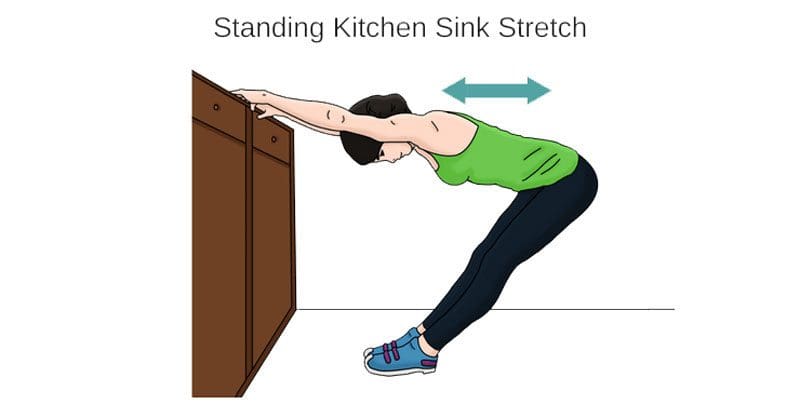
Yoga
Yoga can be highly beneficial for a healthier, more youthful spine. Yoga fulfills three areas for keeping the spine in top form. This includes:
Regular exercise
Maintains flexibility
Achieves ideal body weight
Yoga is an age-defying activity for the spine. Because it:
Maintains strength
Flexibility
Posture
Balance
Can be helpful for a variety of spinal conditions, specifically arthritis pain
Falls can cause serious injuries. Yoga can also help work on balance as well.
See a Chiropractor
Preventive medicine is key to keeping the body healthy, youthful, and as strong as possible. A chiropractic examination can determine if there are any spinal problems and a diagnosis to develop an optimal treatment plan. If body function is limited because of pain in the back and/or legs, contact Injury Medical Chiropractic and Functional Medicine Clinic and get the spine back in top form.
Body Composition
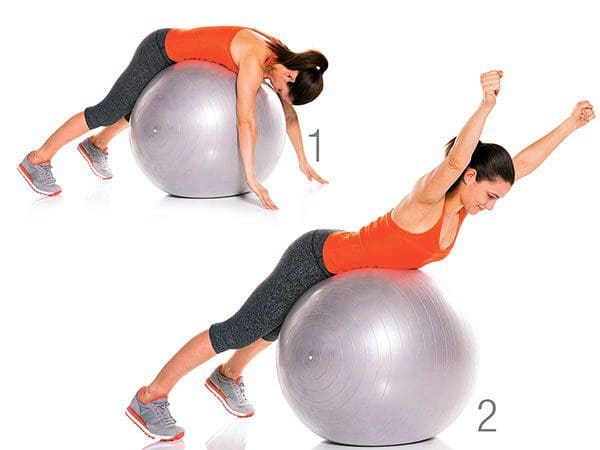
Exercise/Stability Ball Curls
This exercise works muscle groups specific to spinal strength and includes the:
Hamstrings
Glutes
Deep abdominals
Hip abductors and rotators
Exercises like this are one of the most effective ways to build functional strength and endurance in the hamstrings, hips and prevent injuries. To do this workout:
Lie on your back with the knees bent
Lift legs up so the bottom of the feet rests on top of an exercise ball
Roll your legs out until they are straight
Hold the position for a second or two
Return to the top of the movement while squeezing the hamstrings
Working these muscles will help make squatting, lunging, or bending motions easier on the spine.
Dr. Alex Jimenez�s Blog Post Disclaimer
The scope of our information is limited to chiropractic, musculoskeletal, physical medicines, wellness, and sensitive health issues and/or functional medicine articles, topics, and discussions. We use functional health & wellness protocols to treat and support care for injuries or disorders of the musculoskeletal system. Our posts, topics, subjects, and insights cover clinical matters, issues, and topics that relate and support directly or indirectly our clinical scope of practice.*
Our office has made a reasonable attempt to provide supportive citations and has identified the relevant research study or studies supporting our posts. We also make copies of supporting research studies available to the board and or the public upon request. We understand that we cover matters that require an additional explanation as to how it may assist in a particular care plan or treatment protocol; therefore, to further discuss the subject matter above, please feel free to ask Dr. Alex Jimenez or contact us at 915-850-0900. The provider(s) Licensed in Texas& New Mexico*
IFM's Find A Practitioner tool is the largest referral network in Functional Medicine, created to help patients locate Functional Medicine practitioners anywhere in the world. IFM Certified Practitioners are listed first in the search results, given their extensive education in Functional Medicine




:max_bytes(150000):strip_icc()/281448-grilled-chicken-fajitas-mfs-4-6c901272e8e34755bf0c5a535c8cb9fa.jpg)