Anti Aging
Back Clinic Anti Aging Chiropractic and Functional Medicine Team. Our body is in a constant and never-ending battle for survival. Cells are birthed, cells are destroyed. Scientists estimate that each cell must withstand over 10,000 individual assaults from reactive oxygen species (ROS) or free radicals. Without Fail, the body has an incredible system of self-healing that withstands the attack and rebuilds what has been damaged or destroyed. This is the beauty of our design.
To understand the biology of aging and translate scientific insight into interventions that improve late-life health through treatments. It is useful to have a clear, consensus view on what exactly constitutes anti-aging treatment.
Since before the days of Ponce de Leon’s search for longevity, man has always been enticed by the chance of eternal youth. Chiropractic care with its health movement is a powerful method of stabilizing and enhancing this self-healing ability. Dr. Alex Jimenez discusses concepts surrounding the anti-aging pandora.
.
by Dr Alex Jimenez DC, APRN, FNP-BC, CFMP, IFMCP | Anti Aging
Bisphosphonates, which are sometimes used to treat osteoporosis, do not prevent fractures in women who take them for more than 10 years. The drugs include popular prescription drugs such as Boniva, Fosamax Plus D, and Reclast.
Osteoporosis causes thinning of the bones, reducing bone density and making them fragile and putting them at higher risk for bone fractures.
Risk for osteoporosis increases as we age. Studies show that 50 percent of women over the age of 50 will suffer a bone fracture due to osteoporosis.
Bisphosphonates increase bone mineral density, which strengthens bones and is thought to make them less likely to fracture. Studies have shown that taking these drugs for one to four years decreases the risk of fractures in women with low bone density, but little is known about whether taking them for longer periods of time has the same effect.
A study, which was published in the Journal of the American Geriatrics Society, examined whether older women taking bisphosphonates for 10-13 years had fewer bone fractures than older women with similar fracture risks who took these medicines only briefly.
Researchers looked at information from 5,120 women with a high risk for bone fractures who used bisphophonates. They discovered that women who took bisphosphonates for 10 to13 years had higher fracture rates, compared with women who took the medication for two years. Taking bisphosphonates for shorter periods of time was not linked to a higher fracture risk.
Recent studies have found that natural foods and supplements can strengthen aging bones. An Irish study examined the relationship between dairy intake and bone density, and found that the hip bones of senior citizens who ate the most were denser than the hip bones of those who ate the least.
Researchers at the Universities of Bristol and Eastern Finland followed 2,245 middle-aged men for 20 years, and found that men with lower blood levels of magnesium had an increased risk of fractures, particularly fractures of the hip.
Men who had higher blood levels of magnesium lowered their risk by 44 percent. None of the men who had very high magnesium levels suffered a fracture during the 20-year follow-up. However, dietary magnesium intake was not found to be linked with fractures. Only supplements were shown to be beneficial.
By 2020, an estimated 61 million American adults will have low bone mineral density.
by Dr Alex Jimenez DC, APRN, FNP-BC, CFMP, IFMCP | Anti Aging
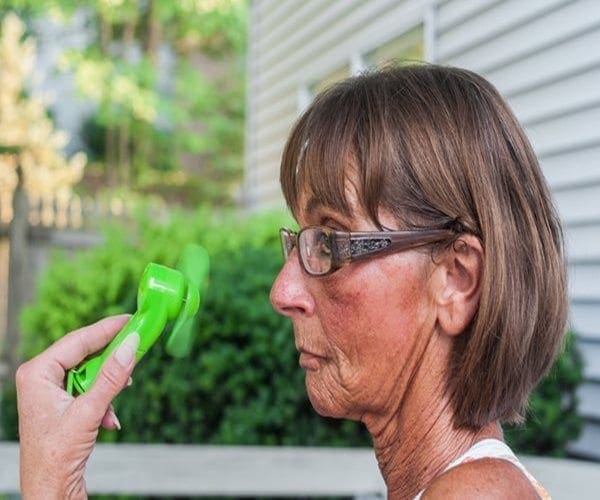
Irritating problems such as hot flashes and night sweats cause distress in many women at menopause, and a new study published in the journal Menopause found that hot flashes are associated with a higher body mass index (BMI)
The study of 749 Brazilian women aged 45 to 60 years showed that obese women suffered more severe hot flashes than women of normal weight. The hot flashes caused them to stop certain activities and also decreased their work efficiency.
The data support the “thermoregulatory theory,” which proposes that BMI is positively associated with vasomotor symptoms such as hot flashes and night sweats, because body-fat tissue acts as a strong heat insulator. The insulation makes the distribution of heat more difficult, which then causes obese women to suffer more hot flashes.
The study also confirmed associations between an increased BMI and other symptoms, such as joint and muscular pain and more intense urinary problems.
“This study supports earlier studies that found that women who are heavier tend to have more hot flashes, particularly close to menopause,” says Dr. JoAnn Pinkerton, executive director of The North American Menopause Society.
“In some studies, but not all, weight loss and exercise have both been shown to reduce hot flashes in women who are obese, thus giving women even more reason to create a healthier lifestyle for themselves,” Pinkerton said.
A recent study also published in Menopause found that women who have frequent hot flashes may be at an increased risk of heart disease, especially those in younger midlife (40 to 53 years). The study found that hot flashes may signal poor vascular function that can lead to heart disease. “Hot flashes are not just a nuisance, says Pinkerton. “They have been linked to cardiovascular, bone, and brain health.”
by Dr Alex Jimenez DC, APRN, FNP-BC, CFMP, IFMCP | Anti Aging
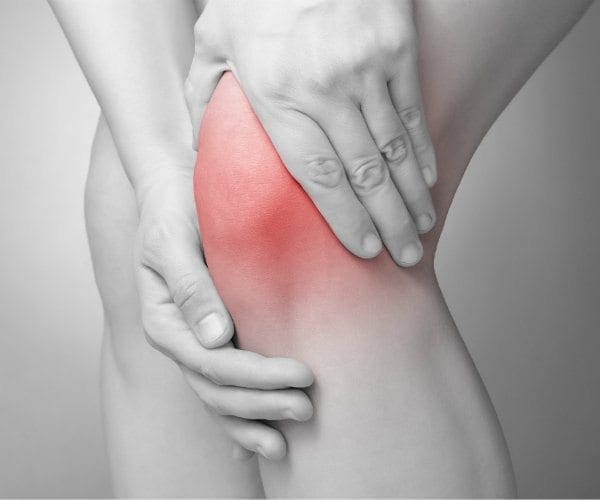
A diet rich in fiber can help reduce knee pain, and the risk of developing painful osteoarthritis, according to a first-of-its-kind study published in the Annals of the Rheumatic Diseases.
The findings, which draw from two different long-term studies, add to the list of health benefits of a fiber-rich diet, including reductions in blood pressure, weight, inflammation, and blood glucose.
The first study, known as the Osteoarthritis Initiative (OAI), tracked the health of nearly 5,000 older Americans with or at risk of developing the immune disorder, also known as degenerative joint disease or “wear and tear” arthritis, beginning in 2004. The intent of this study was to use the data collected to determine potential risk factors for this condition.
The second, known as the Framingham Offspring cohort study, tracked more than 1,200 adult children of the original Framingham Heart Study, which began in 1971.
Both studies used a questionnaire to determine the dietary fiber intake of each participant, finding that the average person’s intake was between 15 and 19 grams of fiber daily.
Analysis of the results of both studies found that eating more fiber is associated with a lower risk of painful knee osteoarthritis.
Those in the OAI study who ate the most fiber had 30 percent lower risk, while high-fiber diets were linked with a 61 percent reduced risk in the Framingham research group. Additionally, eating more fiber was linked with a significantly lower risk of worsening knee pain.
“These data demonstrate a consistent protective association between total fiber intake and symptom-related knee [osteoarthritis] in two study populations with careful adjustment for potential confounders,” the researchers concluded.
by Dr Alex Jimenez DC, APRN, FNP-BC, CFMP, IFMCP | Anti Aging
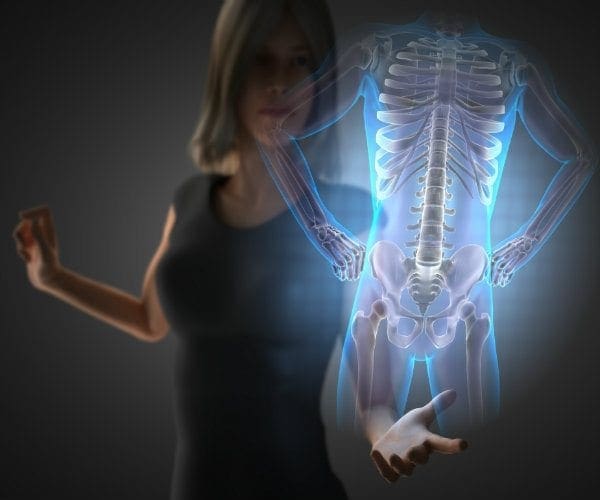
Osteoporosis and low bone mass, which puts folks at increased risk of this debilitating disease, affects a whopping 54 million people in the United States. Ten million actually have the condition while another 44 million have low bone density which puts them at greater risk.
This means that half of all adults over the age of 50 are at risk of breaking a bone and should be concerned about bone health, says the National Osteoporosis Foundation.
“We have our blood pressure checked regularly, and our cholesterol levels measured, but too many of us ignore screening for bone health,” says Dr. E. Michael Lewiecki, director of the New Mexico Clinical Research and Osteoporosis Center.
“Elevated blood pressure can lead to a stroke while elevated cholesterol levels may lead to a heart attack. Low bone density can lead to hip fractures which can also be deadly. “
Studies show that approximately one in two women and up to one in four men age 50 or older will break a bone due to osteoporosis.
“This can seriously affect your independence and lifestyle,” Lewiecki tells Newsmax Health.
May is Osteoporosis Awareness and Prevention Month and the National Osteoporosis Foundation, www.nof.org, has compiled a list of tips and information on how you can prevent, manage, and even reverse the potentially debilitating disease.
Here’s a primer for action, including five steps you can take to protect yourself:
Know your risk factors: Some factors that put people at increased risk uncontrollable, but others involve lifestyle behaviors that can be modified.
Uncontrollable risk factors include:
- Being over the age of 50
- Being female
- Menopause
- Family history of osteoporosis
- Low body weight or being too thin
- Broken bones or height loss
Controllable risk factors include:
- Not getting enough calcium or vitamin D
- Not eating enough fruits and vegetables
- Getting too much protein, sodium, and caffeine
- Having an inactive lifestyle
- Smoking
- Drinking too much alcohol
- Losing weight
“It’s important to note that osteoporosis and the broken bones it can cause are NOT part of normal aging,” Claire Gill, chief marketing officer of NOF, tells Newsmax Health.
“There is a lot you can do you protect your bones throughout life. Osteoporosis prevention should begin in childhood, but it doesn’t stop there. Whatever your age, the habits you adopt now can affect your bone health for the rest of your life.”
Take action now: Lewiecki says it’s important to act to prevent osteoporosis before you have a problem with bone loss.
“Although there is a genetic predisposition that affects 80 percent of the people who develop osteoporosis, there is a lot you can do with proper diet, exercise, and supplementation that can optimize your genetics,” he says.
“Making sure that you are getting enough calcium and vitamin D, exercising against gravity, and checking bone density regularly are just a few ways to protect and maintain good bone health.”
Get screened: Lewiecki recommends that all women over the age of 65 and men over the age of 70 get screened annually.
“And if you’ve suffered previous bone fractures, screening should begin at age 50,” he says.
There are medications used to treat osteoporosis. One type helps rebuild new bone, while another slows down bone cells to allow more calcium absorption and prevent more loss.
“”It’s kind of a one-two punch,” notes Lewiecki.
Osteoporosis usually has no symptoms until the person fractures a bone, which is why it is nicknamed “the silent disease.”
“We see people who have lost height or are slumped over and take an X-ray of the spine and sure enough there is a fracture,” says Lewiecki. “Two thirds of people with spinal fracture don’t even know they have them. That’s why it is so important to discuss bone health with your doctor.”
Boost your nutrition: Diet can play an important role in managing osteoporosis says Dr. Gabe Mirkin, who is board certified in sports medicine. A 2010 Rotterdam study of 14,926 people 45 or older, who were followed for 20 years, found that a diet based on vegetables, fruits, dairy, and fish was associated with:
- Markedly reduced risk of bone fractures
- Higher bone density as seen on x-rays
- Stronger bones measured by bending strength tests
“Diets that included a lot of sweets, processed meats or alcohol were associated with increased risk for fracture and weaker, more unstable bones,” Mirkin tells Newsmax Health.
Harvard Medical School researchers noted that calcium is an important nutrient for building bone and slowing the pace of bone loss but it’s not a “magic bullet.” It needs its indispensable assistant, vitamin D, to help the body absorb calcium.
Experts recommend taking 1,000 milligrams (mg) of calcium daily for adults up to age 50 and 1,200 milligrams for people aged 51 and older when bone loss accelerates.
Fortified foods can help provide the vitamin D your need to absorb calcium efficiently or you can manufacture your own by spending 5 to 30 minutes in the sun daily, making sure arms and legs are exposed.
Get moving: Exercise is also an important component of bone health. But always check with your health care provider to ensure you embark upon a safe program.
“You may want to avoid high impact weight bearing exercises like jogging, running, or jumping rope if you are increased risk of fracture,” notes Gill. “Low-impact weight bearing exercises can also help keep bones strong and are a safe alternative. Elliptical machines and fast walking on a treadmill or outdoors are two examples.”
In addition, she recommends lifting weights or using exercise bands to offer resistance against gravity and build stronger bones.
“Osteoporosis is manageable,” she says. “Although there is no cure, there are steps you can take to prevent, slow down or stop its progress. In some cases, you may even be able to improve bone density and reverse the disorder to some degree.”

by Dr Alex Jimenez DC, APRN, FNP-BC, CFMP, IFMCP | Anti Aging
New US research has found evidence that including omega-3 and omega-6 fatty acids in the diet can help to promote healthy brain aging.
Led by Marta Zamroziewicz from the University of Illinois, the research team carried out two studies which looked at omega-3 and omega-6 polyunsaturated fatty acids in the blood of adults ages 65 to 75, and a possible relationship between these fatty acids and the participants’ brain structure and cognitive performance.
As the brain is made up of interconnected parts which age at their own pace, some brain structures and their function deteriorate earlier than others.
The first study, published in the journal Nutritional Neuroscience, focused on the frontoparietal network. This part of the brain plays an important role in fluid intelligence, which is the ability to solve new problems that have not been encountered before.
The team looked for a link between the size of this network, performance on tests of fluid intelligence, and the levels of several omega-3 fatty acids in the blood.
The results showed those with higher blood levels of three omega-3 fatty acids — ALA, stearidonic acid and ecosatrienoic acid — also tended to have a larger frontoparietal cortex, which predicted the subjects’ performance on tests of fluid intelligence.
The second study, published in the journal Aging & Disease, looked at the white matter structure of the fornix, which is found at the center of the brain and is important for memory. Previous research has also found that the fornix is one of the first brain regions to be affected in Alzheimer’s disease.
In the new research the team also found that the size of the fornix was associated with a balanced level of omega-3 and omega-6 fatty acids in the blood, and that a larger fornix was linked with better memory in older adults.
Although the team noted that further research is needed to test their hypothesis, Zamroziewicz added that “These findings have important implications for the Western diet, which tends to be misbalanced with high amounts of omega-6 fatty acids and low amounts of omega-3 fatty acids.”
“A lot of research tells us that people need to be eating fish and fish oil to get neuroprotective effects from these particular fats, but this new finding suggests that even the fats that we get from nuts, seeds and oils can also make a difference in the brain,” she added.
by Dr Alex Jimenez DC, APRN, FNP-BC, CFMP, IFMCP | Anti Aging
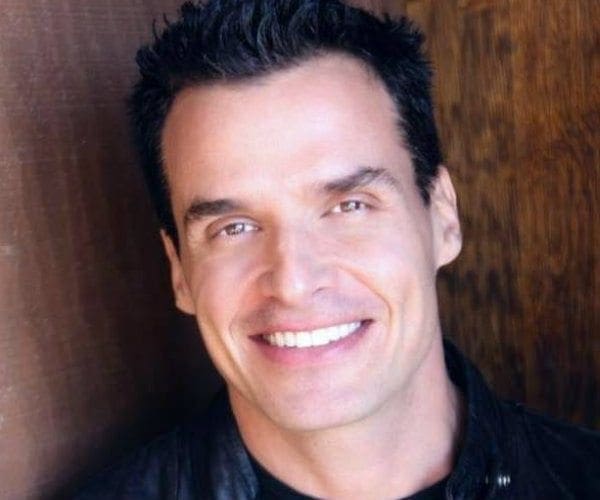
Actor Antonio Sabato, Jr., was suffering from depression, mood swings, and just feeling a tremendous loss of energy until he discovered hormone therapy that he says changed his life around.
Sabato, a staunch Republican who recently announced that he is running for Congress, was a vocal supporter of President Donald Trump during the 2016 campaign. The actor has long been interested in politics and public policy, but he tells Newsmax Health his health woes prevented him from performing his best.
The Italian-born heart throb best known for his role as Jagger Cates in the soap opera “General Hospital” and his work as a Calvin Klein model, discovered that his debilitating symptoms stemmed from hormone depletion, a condition that strikes one in four men over the age of 30.
The symptoms may also include low sex drive, sleep disturbances, depressed mood, lethargy, and diminished physical performance.
“For me, I couldn’t understand why I was feeling so low,” Sabato tells Newsmax Health. “I’ve always worked out to keep myself in top shape for my demanding roles in movies and on television and I just wasn’t bouncing back the way I used to. I suffered from terrible mood swings and insomnia. The doctors I went to wanted to give me pills, which I took at the beginning but then I felt trapped.
“I didn’t want to take sleeping pills and antidepressants. I just want to feel like myself again.”
Rather than throwing in the towel and chalking up his lethargy to aging, Sabato was determined to find an effective treatment for his condition.
After a great deal of searching he met Dr. Christopher Asandra, who is board-certified by the American Board of Anti-Aging and Regenerative Medicine and a leading anti-aging expert.
His program includes custom-tailored replacement therapy for both men and women to replace hormone levels diminished by the aging process, menopause and andropause, stress, diabetes, obesity, certain medications, and alcohol use.
“By careful testing and evaluating each patient’s blood work, I prescribe a formula that restores optimum hormone levels which soon translates into optimum health,” Asandra tells Newsmax Health.
After following Asandra’s protocol Sabato, 45, says he feels decades younger.
“I should have started his program in my 30s,” he laughs. “I have amazing energy and vitality and my mood swings are gone. I sleep like a baby and as an added benefit the brain fog disappeared and I have incredible mental clarity which is an asset when I need to memorize scripts.”
The therapy consists of inserting two tic-tac sized time-release pellets containing bio-identical testosterone hormones that slowly regulate the body over a 5-6 month period. Sabato also uses Asandra’s growth hormone called Sermorelin, a sequence of 29 vital amino acids taken daily at night to stimulate growth hormone production.
“This treatment helps improve bone density, strengthen the cardiovascular system, increase muscle mass and improve cognitive and memory function,” says Asandra.
But patients must also do their part, the expert insists.
“I can jump start their systems but they have to change their lifestyles to get off the couch, start exercising and eating right,” he says.”It’s like the old expression, I can lead the horse to water but I can’t make him drink!”
Sabato changed his diet to include 80 percent vegetables, fish, and chicken.
“I eat red meat once in a while but I usually stick to a huge salad with fish,” he says. “I eat no dairy, eggs or bread.”
Sabato, a self-professed workout enthusiast works out strenuously six days a week.
“I do resistance training, cardio and Jiu Jitsu, a form of martial arts,” he says. “Thanks to the hormone therapy I have far more energy than ever before.”
Asandra says that the secret to successful anti-aging therapy is to be judicious in replacing lost hormones.
“Some of my patients only need to have hormone therapy for a year to get back their energy, get off the couch and stay motivated to keep their bodies and minds healthy,” he says. “We customize all our therapies to ensure optimum levels which are carefully monitored by regular blood tests.”
“My patients say it is life changing not only for them, but also for the people around them,” he says, noting his treatment is generally not covered by insurance. “When you are on an even keel mentally, in top shape physically and can enjoy intimacy once again, a price tag similar to buying a Starbuck coffee daily is so worth it!”
Asandra says it is important to find the right doctor who will listen to your needs and treat the cause of your symptoms rather than use a Band-Aid approach.
by Dr Alex Jimenez DC, APRN, FNP-BC, CFMP, IFMCP | Anti Aging
Although scientists have yet to develop an effective pill that will stop aging, a study from Brigham Young University says you can do it yourself — if you exercise a lot and don’t mind sweating. Heavy exercise can cut aging in your cells by nine years.
The study, which was published in the medical journal Preventive Medicine, found that people who have consistently high levels of physical activity have significantly longer telomeres than those who have sedentary lifestyles, as well as those who are moderately active.
Telomeres are the pieces of DNA at the end of chromosomes that act as protective caps. Chromosomes, which protect our genes, get shorter every time a cell divides. Once a chromosome gets too short, it dies. Shortened chromosomes are associated with the diseases of aging and death.
“Just because you’re 40, doesn’t mean you’re 40 years old biologically,” said exercise science professor Larry Tucker. “We all know people that seem younger than their actual age. The more physically active we are, the less biological aging takes place in our bodies.”
Tucker analyzed data from 5,823 adults who participated in the CDC’s National Health and Nutrition Examination Survey, one of the few indexes that includes telomere length values for study subjects. The index also includes data for 62 activities participants might have engaged in over a 30-day window. Tucker used the data to calculate levels of physical activity.
Tucker found adults with high physical activity levels have telomeres with a biological aging advantage of nine years over those who are sedentary, and a seven-year advantage compared to those who are moderately active. To be highly active, women had to engage in 30 minutes of jogging per day (40 minutes for men), five days a week.
“If you want to see a real difference in slowing your biological aging, it appears that a little exercise won’t cut it,” he said. “You have to work out regularly at high levels.
“We know that regular physical activity helps to reduce mortality and prolong life, and now we know part of that advantage may be due to the preservation of telomeres,” Tucker said.
Researchers have been searching for other means to extend the length of telomeres. Scientists at Stanford University have found that a modified RNA protein can extend their lives.
RNA, or ribonucleic acid, helps transfer genetic information. Scientists modified RNA to contain the coding for an enzyme called telomerase, which is expressed by stem cells. When scientists treated skin cells with the modified RNA, the treated cells acted like much younger cells, multiplying as many as 40 times more than untreated cells.
“We have found a way to lengthen human telomeres by as much as 1,000 nucleotides, turning back the internal clock in these cells by the equivalent of many years of human life,” said Helen Blau, Ph.D., professor of microbiology and immunology at Stanford.