Back Clinic Auto Accident Injuries Chiropractic and Physical Therapy Team. Many automobile accidents occur throughout the world every year, affecting a wide number of individuals, both physically and mentally. From neck and back pain to bone fractures and whiplash, auto accident injuries and their associated symptoms can challenge the daily lives of those who experienced unexpected circumstances.
Dr. Alex Jimenez’s collection of articles discusses auto injuries caused by trauma, including which specific symptoms affect the body and the particular treatment options available for each injury or condition resulting from an auto accident. Being involved in a motor vehicle accident can not only lead to injuries but they can be full of confusion and frustrations.
It is very important to have a qualified provider specializing in these matters completely assess the circumstances surrounding any injury. For more information, please feel free to contact us at (915) 850-0900 or text to call Dr. Jimenez personally at (915) 540-8444.
Healing from the Inside Out: A Musculoskeletal Injury Rehabilitation Diet After a Motor Vehicle Accident (MVA)
When someone is involved in a motor vehicle accident (MVA), the injuries can go beyond what’s visible on the outside. Muscles, ligaments, tendons, and bones often suffer deep damage that takes time and care to heal. While many people focus on physical therapy, chiropractic care, and pain management, one key part of recovery is often overlooked—nutrition. What we eat can either help or hinder our recovery process. That’s where a musculoskeletal injury rehabilitation diet comes in.
This article explains why nutrition matters after an MVA, which foods support healing, and how experts like Dr. Alexander Jimenez, DC, APRN, FNP-BC, combine chiropractic care, advanced imaging, and integrative medicine to create a complete recovery plan. Let’s explore how healing from the inside out is just as important as external care.
How MVAs Lead to Musculoskeletal Injuries
Musculoskeletal injuries are among the most common outcomes of motor vehicle accidents. They can range from mild muscle strains to severe joint dislocations, fractures, and nerve compressions. When your body experiences sudden deceleration, whiplash, or blunt force, tissues get stretched, torn, or inflamed. Common conditions include sprains, strains, back pain, neck stiffness, and soft tissue damage.
After such injuries, inflammation occurs as part of the body’s natural healing response. Although inflammation helps the body repair, excessive or chronic inflammation can prolong recovery and increase pain.
According to the Elysian Wellness Centre, without a proper recovery plan—including hydration, nutrition, and therapy—healing can be delayed significantly. That’s why diet becomes a critical part of musculoskeletal injury rehabilitation.
When the body experiences trauma, it requires more energy and nutrients to heal. The demand for calories, protein, and vitamins rises. Without proper nutrition, muscles may waste away, inflammation may increase, and tissue repair can be compromised.
The Naval Medical Center Nutrition Fact Sheet outlines the role of food as medicine. It explains that wounded or injured individuals need extra calories, protein, zinc, and antioxidants to speed up recovery. Proper nutrition doesn’t just support healing—it reduces complications and helps regain strength and mobility.
Reference:
Naval Medical Center Portsmouth. (n.d.). Nutrition for wounded, ill, and injured. https://www.med.navy.mil
Protein: The Building Block of Tissue Repair
Proteins are essential for muscle repair, collagen formation, and immune support. After an MVA, your body requires more protein to rebuild torn muscles and connective tissues. High-quality sources include lean meats, poultry, fish, eggs, Greek yogurt, tofu, legumes, and nuts.
The Essendon Sports Medicine Institute emphasizes that without enough protein, injured patients may struggle to recover strength and stability in joints and muscles. Ensuring 20–30 grams of protein per meal helps the body maintain muscle mass during rest and repair.
Fatty acids, especially omega-3s, are known to reduce inflammation. Inflammation, while part of the healing process, can lead to prolonged pain and delayed recovery if left unchecked.
Fatty fish (like salmon, mackerel, and sardines), flaxseeds, chia seeds, walnuts, and avocados are anti-inflammatory powerhouses. As stated by WellBeings Medicine, adding omega-3-rich foods helps reduce joint pain and swelling, especially after ligament and tendon injuries.
Reference:
WellBeings Medicine. (n.d.). Healing through nutrition: Dietary strategies for auto accident injury recovery. https://wellbeingsmedicine.com
Carbohydrates for Energy and Recovery
Carbohydrates provide the energy your body needs to heal. They help spare protein so it can be used for muscle repair rather than fuel. Whole grains, fruits, vegetables, and legumes are excellent choices.
According to Kartamultisport, injured individuals need complex carbs to fuel daily activity, physical therapy, and tissue regeneration. Refined sugars should be avoided because they may increase inflammation and reduce immune function.
Reference:
Kartamultisport. (n.d.). Diet after injury: 5 tips on how to eat to get back in shape quickly. https://www.kartamultisport.pl
Antioxidants and Micronutrients: The Invisible Healers
Vitamins and minerals play a vital role in healing tissues. Vitamin C supports collagen production, while vitamin A helps with cell regeneration. Zinc and magnesium support immune function, protein synthesis, and nerve health.
Fruits and vegetables like berries, citrus fruits, spinach, broccoli, bell peppers, and sweet potatoes should be eaten daily. The Respiratory Muscle Rehabilitation Center recommends including colorful produce and nuts to fight oxidative stress and promote quicker healing.
Water helps transport nutrients to damaged tissues and flushes toxins from the body. Dehydration can slow tissue healing and increase fatigue, cramps, and muscle spasms.
As emphasized by Dallas Accident & Injury Rehab, recovery requires more fluids than usual. Aim for at least 8–10 cups of water daily, more if you’re active or in physical therapy. Add herbal teas, broths, and water-rich fruits like watermelon and cucumber to your diet.
The ProActive Physical Therapy Center recommends avoiding artificial additives and focusing on natural, nutrient-rich ingredients. Keeping your gut healthy through whole foods also improves immunity and inflammation control.
Reference:
ProActive Physical Therapy. (n.d.). Nutrition for injuries: Best foods for recovery. https://proactivept.com
Evidence-Based Nutrition and Recovery Time
A 2024 peer-reviewed study found that patients who followed recovery-focused nutritional guidelines healed faster and reported less pain over time. Anti-inflammatory diets rich in protein, omega-3s, and antioxidants shortened recovery durations and improved physical performance post-injury.
Real-World Application: Dr. Alexander Jimenez’s Integrative Care Approach
Dr. Alexander Jimenez, DC, APRN, FNP-BC, practices in El Paso and is recognized for his dual-scope expertise in chiropractic and functional medicine. He provides integrative care to patients recovering from MVAs, using nutrition, advanced imaging, and rehabilitative medicine.
Through his clinics (dralexjimenez.com, elpasobackclinic.com), Dr. Jimenez has documented clinical correlations between trauma, soft tissue damage, inflammation, and malnutrition. His assessments combine MRI, ultrasound, lab work, and body composition analysis to design personalized treatment plans.
Dr. Jimenez emphasizes that healing from musculoskeletal injuries isn’t just about manipulating bones—it’s about understanding the whole body. Integrating chiropractic adjustments with dietary protocols allows patients to regain strength, reduce inflammation, and prevent long-term complications. His ability to document injuries for both medical and legal purposes also makes him a vital part of the recovery team in personal injury cases.
Here’s a simple one-day meal plan designed for patients recovering from musculoskeletal injuries:
Breakfast
Oatmeal with chia seeds, blueberries, walnuts
Green tea or water with lemon
Lunch
Grilled salmon with quinoa and spinach
Roasted sweet potatoes
Water or bone broth
Snack
Greek yogurt with almonds and strawberries
Dinner
Chicken stir-fry with broccoli, bell peppers, brown rice
Herbal chamomile tea
Dessert (optional)
Dark chocolate square (70% cocoa or higher)
This meal plan offers anti-inflammatory nutrients, quality protein, healthy fats, and hydration—all key components of a musculoskeletal rehabilitation diet.
Final Thoughts: Food as Fuel for Recovery
Nutrition is one of the most powerful tools in post-accident recovery, yet it’s often ignored. A rehabilitation diet isn’t just about avoiding bad foods—it’s about feeding your body the fuel it needs to rebuild, move, and feel better. Whether it’s reducing pain, rebuilding strength, or speeding recovery, the right food choices matter.
For patients recovering from musculoskeletal injuries due to MVAs, working with healthcare providers like Dr. Alexander Jimenez offers a unique advantage. His integrative, dual-scope expertise ensures that care goes beyond the surface and promotes healing from the inside out.
Recovering from Motor Vehicle Accident Injuries with El Paso Back Clinic’s Expertise and Durable Medical Equipment
Motor vehicle accidents (MVAs) can result in a wide range of musculoskeletal injuries, from minor sprains to severe spinal damage, significantly affecting mobility, independence, and quality of life. Effective recovery requires a comprehensive approach, combining specialized medical devices, known as Durable Medical Equipment (DME), with expert care from professionals at El Paso Back Clinic. This blog post explores MVA-related musculoskeletal injuries, the essential role of DME in rehabilitation, and the clinic’s integrative approach, led by Dr. Alexander Jimenez, blending advanced diagnostics, chiropractic care, and functional medicine. This article aims to inform and empower accident victims.
Understanding Musculoskeletal Injuries from Motor Vehicle Accidents
Motor vehicle accidents are a major cause of musculoskeletal injuries, impacting muscles, bones, joints, ligaments, and tendons. The severity of these injuries depends on the collision’s force, body position during impact, and individual health. Common injuries include:
Whiplash: A neck injury caused by rapid head movement, often in rear-end collisions, leading to pain, stiffness, and headaches.
Back and Spinal Injuries: Including herniated discs, vertebral fractures, or misalignments (subluxations), causing chronic pain and reduced mobility.
Soft Tissue Injuries: Sprains, strains, or tears in muscles, tendons, or ligaments, resulting in swelling and limited movement.
Joint Injuries: Damage to shoulders, knees, or hips, causing pain and restricted range of motion.
Nerve Damage: Nerve compression or irritation, leading to tingling, numbness, or radiating pain, as seen in sciatica.
The sudden forces in MVAs, even at low speeds, can disrupt the body’s alignment and function. Research shows that 40.2% of MVA patients require ongoing treatment for persistent pain, with headaches and low back pain extending treatment duration (Dies & Strapp, 1992). Without timely intervention, these injuries can lead to chronic pain, disability, and reduced quality of life.
The Importance of Early Treatment
Seeking care within 72 hours of an accident is critical to prevent long-term complications. Symptoms like pain or stiffness may appear hours or days later, making early intervention essential. El Paso Back Clinic’s integrative approach, combined with DME, addresses injuries promptly, reducing inflammation, restoring function, and preventing chronic issues.
References
Dies, S., & Strapp, J. W. (1992). Chiropractic treatment of patients in motor vehicle accidents: A statistical analysis. PMC. https://pmc.ncbi.nlm.nih.gov
El Paso Back Clinic. (2025). Injury Medical & Chiropractic Clinic. https://elpasobackclinic.com/
The Role of Durable Medical Equipment (DME) in Recovery
Durable Medical Equipment (DME) refers to reusable devices designed to aid recovery, improve mobility, and enhance quality of life for those with injuries. Prescribed by El Paso Back Clinic’s professionals, DME supports rehabilitation after MVAs, helping patients manage pain, support injured areas, and engage in physical therapy safely.
Types of DME for MVA Recovery
Mobility Aids
Examples: Canes, walkers, crutches, wheelchairs, and four-wheel-drive wheelchairs.
Purpose: These devices assist patients with limited mobility, reducing fall risks and further injury. For example, a walker supports leg or back injury recovery, while a wheelchair aids severe spinal injury patients (Family Health Associates, n.d.).
Impact: Mobility aids restore independence, enabling tasks like navigating the home or bathroom.
Orthotic Devices and Braces
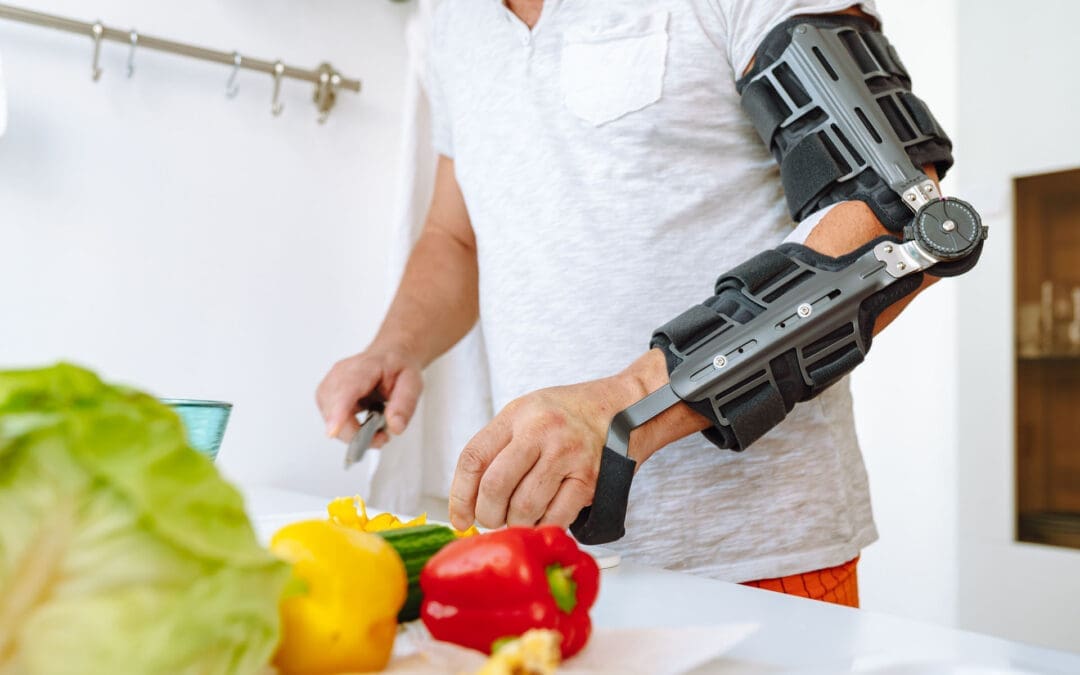
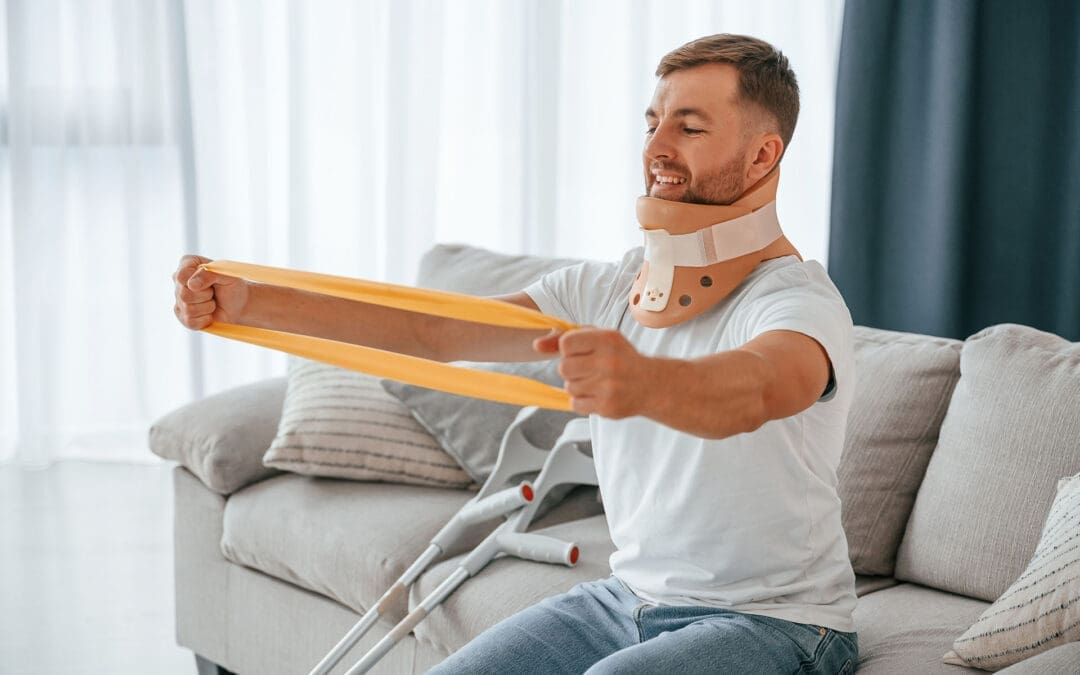
Examples: Cervical collars, back braces, knee braces, and ankle supports.
Purpose: Braces stabilize injured areas, promote alignment, and reduce strain. A back brace supports the spine post-herniated disc, while a cervical collar manages whiplash by limiting neck movement (PhysioRoom, n.d.).
Impact: These devices alleviate pain, prevent further damage, and promote proper healing.
Exercise and Rehabilitation Equipment
Examples: Resistance bands, balance boards, Pilates reformers, and exercise balls.
Purpose: These tools enhance physical therapy by improving strength, flexibility, and coordination. Pilates reformers provide low-impact resistance to strengthen core muscles and support spinal alignment, reducing reinjury risk (Pilates Reformers Plus, n.d.).
Impact: Rehabilitation equipment rebuilds strength and mobility, crucial for returning to daily activities.
Assistive Devices for Daily Living
Examples: Grab bars, shower chairs, elevated toilet seats, and ramps.
Purpose: These devices make daily tasks safer for those with limited mobility. Grab bars prevent bathroom falls, and ramps facilitate wheelchair access (Crossbay Physical Therapy, n.d.).
Examples: Cervical traction units and spinal decompression tables.
Purpose: These devices relieve spinal pressure, reducing pain from herniated discs or nerve compression. They complement chiropractic adjustments at El Paso Back Clinic (El Paso Back Clinic, 2025).
Impact: Traction devices accelerate recovery by reducing inflammation and improving alignment.
Importance of Proper DME Selection
Choosing the right DME is vital for effective recovery. El Paso Back Clinic’s team, led by Dr. Jimenez, assesses injuries, mobility needs, and lifestyle to prescribe appropriate devices. For example, a spinal injury patient may need a custom-fitted back brace and walker, while a whiplash patient might benefit from a cervical collar and resistance bands. Improper equipment can worsen injuries or delay healing, emphasizing the need for expert guidance (Penn Spine and Ortho, n.d.). In personal injury cases, DME documentation supports insurance claims and legal settlements by proving injury extent and treatment necessity (Power Liens, 2024).
Impact on Recovery and Quality of Life
DME enhances recovery by:
Reducing Pain: Braces and traction devices alleviate pressure on injured areas.
Restoring Function: Mobility aids and rehabilitation equipment rebuild strength and movement.
Promoting Independence: Assistive devices enable patients to manage daily tasks.
Improving Quality of Life: DME facilitates safe movement, supporting return to work and hobbies.
For example, a spinal injury patient may progress from a wheelchair to a walker with therapy, eventually regaining mobility using exercise equipment, boosting confidence and well-being.
El Paso Back Clinic, led by Dr. Alexander Jimenez, DC, APRN, FNP-BC, offers over 25 years of experience treating MVA injuries. Dr. Jimenez’s dual licensure as a chiropractor and board-certified family nurse practitioner enables a unique integrative approach, combining chiropractic care, functional medicine, and advanced diagnostics to promote healing and long-term wellness.
Dual-Scope Diagnosis and Treatment
Dr. Jimenez’s dual licensure facilitates a comprehensive approach:
Chiropractic Assessments: Evaluating spinal alignment, joint function, and soft tissue damage through manual exams and movement screens.
Medical Evaluations: Assessing systemic factors like inflammation, hormonal imbalances, or nutritional deficiencies impacting recovery.
Advanced Diagnostics: Using X-rays, MRIs, CT scans, and electromyography (EMG) to identify injuries like disc herniations or nerve compression (El Paso Back Clinic, 2025).
This dual-scope method addresses the root causes of injuries. For example, a patient with back pain may have a spinal misalignment and systemic inflammation, which can be treated with adjustments and functional lab testing to identify nutritional or hormonal issues.
Role of Advanced Imaging
El Paso Back Clinic employs advanced imaging for precise diagnosis:
X-rays: Detect fractures or misalignments.
MRIs/CT Scans: Identify soft tissue injuries or nerve compression.
EMG: Assess nerve function for symptoms like tingling.
Functional Lab Testing: Evaluate metabolic or hormonal factors affecting healing.
These tools provide objective evidence for treatment and legal documentation, ensuring targeted interventions and reducing chronic pain risks (El Paso Back Clinic, 2025).
Chiropractic and Integrative Medicine
The clinic’s integrative approach includes:
Spinal Adjustments: Correcting misalignments to relieve nerve pressure and pain.
Soft Tissue Therapy: Massage or myofascial release to reduce tension and improve circulation.
Rehabilitation Exercises: Utilizing DME, such as resistance bands or Pilates reformers, to strengthen muscles.
Nutritional Guidance: Reducing inflammation through diet and supplements.
Acupuncture: Relieving pain and improving blood flow.
This holistic method treats symptoms and prevents complications. For example, a whiplash patient may receive adjustments, a cervical collar, nutritional advice, and acupuncture to accelerate healing. El Paso Back Clinic is the city’s largest mobility, flexibility, and agility center, integrating chiropractors, nurse practitioners, nutritionists, and physical therapists for measurable outcomes (El Paso Back Clinic, 2025).
Legal Documentation in Personal Injury Cases
Dr. Jimenez’s dual licensure is invaluable in personal injury cases. As a nurse practitioner, he provides detailed medical reports, prescribes DME, and coordinates diagnostics, while his chiropractic expertise ensures accurate musculoskeletal injury documentation. These reports, including imaging results and treatment plans, support insurance claims and legal settlements by proving injury extent and treatment necessity. The clinic’s detailed intake process correlates injuries with the MVA event, strengthening legal cases (Personal Injury Doctor Group, 2017).
El Paso Back Clinic’s integrative care and DME maximize recovery:
Whiplash Example: A patient receives a cervical collar, spinal adjustments, acupuncture, and resistance band exercises to reduce pain and restore neck mobility.
Spinal Injury Example: A back brace and decompression table relieve spinal pressure, while adjustments and Pilates reformer exercises build strength. Nutritional guidance addresses inflammation.
This tailored approach ensures faster recovery, greater independence, and improved quality of life, supported by the clinic’s expertise and advanced diagnostics.
Musculoskeletal injuries from MVAs can disrupt lives, but recovery is achievable with expert care and the right tools. Durable Medical Equipment, such as mobility aids and braces, supports rehabilitation, reduces pain, and enhances independence. El Paso Back Clinic, led by Dr. Alexander Jimenez, offers an integrative approach, combining chiropractic care, functional medicine, and advanced diagnostics to address injury root causes. If you’ve been in an MVA, consult El Paso Back Clinic to explore how DME and integrative care can support your healing journey.
Understand the implications of an auto accident and how to navigate the aftermath effectively for recovering from WAD.
Understanding Whiplash-Associated Disorders from Motor Vehicle Accidents: Causes, Treatments, and Recovery
Whiplash-associated disorders (WAD) sound like something you’d get from a wild roller coaster ride, but unfortunately, they’re a lot less fun. These injuries often occur after a motor vehicle accident (MVA), leaving victims with neck pain, stiffness, and sometimes a whole laundry list of other symptoms. If you’ve ever been rear-ended at a stoplight and felt your head snap back like a bobblehead, you’ve probably experienced the forces that can lead to WAD. In this blog post, we’ll dive deep into why WAD and the cervical spine are so closely tied to MVAs, how these injuries develop, and what you can do to recover without feeling like you’re stuck in a neck brace forever. We’ll also spotlight Dr. Alexander Jimenez, a rockstar chiropractor in El Paso, Texas, who’s helping accident victims navigate the road to recovery with advanced diagnostics and a knack for bridging the medical and legal worlds. Buckle up (safely, of course) for a comprehensive, SEO-optimized guide that’s over 5,000 words, written for a high school reading level, with a sprinkle of humor to keep things light—because nobody likes reading about neck pain without a chuckle or two.
What Are Whiplash-Associated Disorders (WAD)?
Let’s start with the basics. Whiplash-associated disorders are a collection of symptoms that pop up after your neck goes through a rapid back-and-forth motion, like a whip cracking (hence the name). This usually happens in MVAs, especially rear-end collisions, where your car gets hit from behind, and your head decides to do its best impression of a ping-pong ball. The Quebec Task Force, a group of experts who’ve studied this stuff, classifies WAD into five grades, from “no pain at all” (Grade 0) to “ouch, there’s a fracture or dislocation” (Grade 4). Most people fall into Grades 1 or 2, which involve neck pain, stiffness, or tenderness, sometimes with reduced range of motion or point tenderness (Spitzer et al., 1995).
The cervical spine—those seven vertebrae in your neck (labeled C1 to C7)—is the star of this unfortunate show. It’s a flexible, hardworking structure that supports your head, protects your spinal cord, and lets you turn your head to check your blind spots (or avoid awkward eye contact). But when an MVA sends your neck into overdrive, the cervical spine can take a beating, leading to WAD symptoms like:
Neck pain and stiffness
Headaches, often starting at the base of the skull
Shoulder or upper back pain
Dizziness or vertigo
Tingling or numbness in the arms
Fatigue, irritability, or even trouble concentrating (because apparently, whiplash doesn’t think neck pain is enough)
These symptoms can show up right after the accident or sneak in days later, like an uninvited guest who overstays their welcome. So, why does the cervical spine get so cranky after an MVA? Let’s break it down.
References
Spitzer, W. O., Skovron, M. L., Salmi, L. R., Cassidy, J. D., Duranceau, J., Suissa, S., & Zeiss, E. (1995). Scientific monograph of the Quebec Task Force on Whiplash-Associated Disorders: Redefining “whiplash” and its management. Spine, 20(8S), 1S–73S.
The Clinical Rationale: Why MVAs Cause WAD and Cervical Spine Injuries
Picture this: You’re stopped at a red light, singing along to your favorite tune, when BAM! A distracted driver rear-ends you. Your car lurches forward, but your seatbelt keeps your body in place—except for your head, which snaps backward and then forward faster than you can say “whiplash.” This is what experts call a cervical acceleration-deceleration (CAD) injury, and it’s the key to understanding why MVAs and WAD are such close cousins.
The Biomechanics of Whiplash
During a rear-end collision, your cervical spine goes through a wild ride. High-speed cameras and crash test dummies (who have a worse day than you) show that the lower cervical vertebrae (C5 and C6) hyperextend—meaning they bend backward too far—while the upper vertebrae (C1 and C2) hyperflex, bending forward. This creates an S-shaped curve in your neck, which is not how your spine likes to hang out (Kaneoka et al., 1999). This abnormal motion stretches or tears soft tissues like:
Ligaments: The anterior longitudinal ligament (ALL) and facet joint capsules can get overstretched or sprained.
Muscles: The sternocleidomastoid and trapezius muscles might strain or develop trigger points.
Joints: The zygapophyseal (facet) joints can get compressed or irritated.
Discs: Intervertebral discs might bulge or herniate under pressure.
These injuries cause inflammation, edema (swelling), and sometimes tiny hemorrhages, which is why your neck feels like it’s auditioning for a role as a rusty hinge. In severe cases, the rapid motion can even affect nerves, leading to symptoms like arm tingling or weakness (Grade 3 WAD). And if you’re unlucky, you might end up with a fracture or dislocation (Grade 4), but that’s rare.
Why the Cervical Spine Is Vulnerable
The cervical spine is like the acrobatic gymnast of your body—flexible but prone to injury if pushed too far. Here’s why it’s so susceptible in MVAs:
Flexibility: The cervical spine’s range of motion makes it great for turning your head but terrible at handling sudden, forceful movements.
Weight of the Head: Your head weighs about 10–12 pounds (like a bowling ball). When it’s whipped around, it puts massive stress on the neck’s delicate structures.
Lack of Support: Unlike your torso, which is strapped in by a seatbelt, your head is free to flop around, amplifying the forces on the cervical spine.
S-Curve Formation: That S-shaped curve during whiplash creates high shearing forces, especially at the C5–C6 level, where injuries are most common (Bogduk & Yoganandan, 2001).
Dr. Alexander Jimenez, a chiropractor and family nurse practitioner in El Paso, explains that these biomechanical forces are why even low-speed collisions (think 10–15 mph) can cause significant damage. “The cervical spine isn’t designed for rapid, unnatural movements,” he says. “When you add the element of surprise in an MVA, the muscles don’t have time to brace, leaving ligaments and joints to bear the brunt” (Jimenez, n.d.).
The Role of MVAs in WAD Development
MVAs, especially rear-end collisions, are the poster child for WAD because they perfectly set up the CAD mechanism. Studies show that 62% of people in MVAs report neck pain, with 93% feeling it within 24 hours (Schofferman et al., 2015). But it’s not just rear-end crashes—side impacts, frontal collisions, or even amusement park rides can trigger WAD. The key is the sudden acceleration-deceleration that throws your neck out of whack.
Chronic WAD, where symptoms last more than six months, affects up to 50% of victims with Grades 1 or 2 injuries. This is partly because the initial injury can lead to:
Sensory Hypersensitivity: Your nervous system gets cranky, making you more sensitive to pain or pressure (Sterling et al., 2006).
Motor Deficits: Reduced neck mobility and muscle weakness can persist, making it hard to turn your head without wincing.
Psychological Factors: Stress, anxiety, or post-traumatic stress disorder (PTSD) from the accident can amplify pain perception (Gaab et al., 2004).
Dr. Jimenez emphasizes that untreated or poorly managed WAD can spiral into chronic pain, which is why early intervention is critical. “The sooner we address the injury, the better we can prevent long-term complications,” he notes (Jimenez, n.d.).
References
Bogduk, N., & Yoganandan, N. (2001). Biomechanical basis of whiplash injury. Journal of Whiplash & Related Disorders, 1(1), 85–97.
Gaab, J., Baumann, S., Budnoik, A., Gmünder, H., Hottinger, N., & Ehlert, U. (2004). Reduced reactivity of the hypothalamic–pituitary–adrenal axis in chronic whiplash-associated disorder. Pain, 111(3), 289–297.
Jimenez, A. (n.d.). About Dr. Alex Jimenez. El Paso Back Clinic. https://elpasobackclinic.com/
Kaneoka, K., Ono, K., Inami, S., & Hayashi, K. (1999). Motion analysis of cervical vertebrae during whiplash loading. Spine, 24(8), 763–770.
Schofferman, J., Bogduk, N., & Slosar, P. (2015). Chronic whiplash and whiplash-associated disorders: An evidence-based approach. Journal of the American Academy of Orthopaedic Surgeons, 23(10), 596–606.
Sterling, M., Jull, G., Vicenzino, B., & Kenardy, J. (2006). Physical and psychological factors maintain long-term predictive capacity post-whiplash injury. Pain, 122(1–2), 102–108.
How WAD Affects Individuals from Auto Injuries
If you’ve ever had whiplash, you know it’s not just a pain in the neck (pun intended). WAD can turn everyday tasks—like driving, working, or even sleeping—into a challenge. Let’s explore how these injuries impact your life and why they’re such a big deal in personal injury cases.
Physical Impacts
The most obvious effect of WAD is physical discomfort. Neck pain and stiffness can make it hard to turn your head, which is a problem when you’re trying to check your mirrors or dodge a rogue shopping cart in the grocery store. Headaches, often caused by irritation of the upper cervical spine or occipital nerves, can feel like a marching band in your skull. For some, symptoms like dizziness or arm tingling add to the misery, making it tough to focus or stay active.
Chronic WAD is particularly sneaky. Studies show that 20–88% of chronic WAD patients report headaches, often linked to upper cervical spine injuries (Panjabi et al., 2004). Muscle strains in the neck and upper back, like the splenius capitis or trapezius, can lead to trigger points—those tender spots that feel like someone’s poking you with a hot needle (Elliott et al., 2016). In rare cases, WAD can even cause visual problems, like blurred vision or accommodative spasm, where your eyes refuse to focus properly (Endo et al., 2006).
Psychological and Social Impacts
WAD doesn’t just mess with your body—it can mess with your mind, too. The stress of an MVA, combined with ongoing pain, can lead to anxiety, depression, or PTSD. One study found that a significant number of WAD patients develop PTSD symptoms, which can make pain feel worse and recovery harder (Gaab et al., 2004). Socially, WAD can isolate you—nobody wants to go bowling when their neck feels like it’s made of concrete. Work can also take a hit, with some patients needing time off or struggling with tasks that require neck movement.
Economic and Legal Impacts
In places like El Paso, where MVAs are all too common, WAD is a major player in personal injury cases. In the U.S., whiplash-related claims account for over 65% of bodily injury claims, costing around $8 billion annually (Freeman, 1999). These cases often involve proving that the injury was caused by the accident, which is where medical expertise and legal documentation come in. Victims may face medical bills, lost wages, and the hassle of dealing with insurance companies, all while trying to heal.
Dr. Jimenez sees this firsthand in his El Paso practice. “Many of my patients are dealing with not just physical pain but the stress of navigating insurance claims or legal battles,” he says. “That’s why comprehensive care and clear documentation are so important” (Jimenez, n.d.).
References
Elliott, J. M., Hoggarth, M. A., Sparks, C. L., & Weber, K. A. (2016). Advancements in imaging technology: Do they (or will they) equate to advancements in our knowledge of recovery in whiplash? Journal of Orthopaedic & Sports Physical Therapy, 46(10), 862–872.
Endo, K., Ichimaru, K., Komagata, M., & Yamamoto, K. (2006). Cervical vertigo and dizziness after whiplash injury. European Spine Journal, 15(6), 886–890.
Freeman, M. D. (1999). A review and methodologic critique of the literature refuting whiplash syndrome. Spine, 24(1), 86–98.
Gaab, J., Baumann, S., Budnoik, A., Gmünder, H., Hottinger, N., & Ehlert, U. (2004). Reduced reactivity of the hypothalamic–pituitary–adrenal axis in chronic whiplash-associated disorder. Pain, 111(3), 289–297.
Jimenez, A. (n.d.). About Dr. Alex Jimenez. El Paso Back Clinic. https://elpasobackclinic.com/
Panjabi, M. M., Ito, S., Pearson, A. M., & Ivancic, P. C. (2004). Injury mechanisms of the cervical intervertebral disc during simulated whiplash. Spine, 29(11), 1217–1225.
The Science of Motion- Video
Treatments for WAD and Cervical Spine Injuries
Good news: You don’t have to live with WAD forever. With the right treatments, most people recover within weeks or months, though chronic cases may need extra TLC. Let’s explore the evidence-based options, with insights from Dr. Jimenez, who’s been helping El Pasoans get back on their feet (or at least turn their heads) for years.
Conservative Treatments
Conservative treatments—those that don’t involve surgery—are the first line of defense for WAD Grades 1–3. These include:
Active Mobilization: Forget the soft collar (unless your doctor insists). Studies show that early movement, like gentle neck exercises, speeds up recovery compared to immobilization (Schnabel et al., 2004). Dr. Jimenez often prescribes range-of-motion exercises to restore flexibility without aggravating the injury.
Physical Therapy: A physical therapist can guide you through exercises to strengthen deep neck flexors (like the longus colli) and scapula stabilizers (like the rhomboids). This helps take pressure off the cervical spine and improves posture (Kay et al., 2005).
Manual Therapy: Chiropractic adjustments or mobilization can reduce pain and improve joint mobility. Dr. Jimenez uses spinal manipulation to realign the cervical spine, which can relieve pressure on irritated nerves and joints (Bryans et al., 2014).
Pain Management: Over-the-counter meds like ibuprofen or acetaminophen can help with pain and inflammation. For severe cases, doctors might prescribe muscle relaxants or short-term steroids (Peloso et al., 2007).
Dr. Jimenez emphasizes a multimodal approach, combining these treatments for the best results. “No single treatment works for everyone,” he says. “We tailor the plan to the patient’s symptoms, whether it’s muscle spasms, joint dysfunction, or nerve irritation” (Jimenez, n.d.).
Advanced Interventions
For chronic WAD or cases that don’t respond to conservative care, more advanced options may be considered:
Trigger Point Injections: Injecting a local anesthetic or botulinum toxin (Botox) into trigger points can reduce pain and improve range of motion. One study found that Botox injections into muscles like the trapezius helped chronic WAD patients after just four weeks (Freund & Schwartz, 2000).
Radiofrequency Neurotomy: For persistent facet joint pain, this procedure uses heat to disrupt pain signals from the nerves. It’s effective for some chronic WAD cases but requires careful diagnosis (Lord et al., 1996).
Psychological Support: If PTSD or anxiety is making pain worse, cognitive-behavioral therapy (CBT) can help. Dr. Jimenez often refers patients to counselors to address the emotional side of recovery (Teasell et al., 2010).
Dr. Jimenez’s Approach to Treatment
At El Paso Back Clinic, Dr. Jimenez combines chiropractic care, physical therapy, and advanced diagnostics to create personalized treatment plans. His dual training as a chiropractor and family nurse practitioner gives him a unique perspective, allowing him to address both the physical and systemic aspects of WAD. He often uses:
Chiropractic Adjustments: To restore proper alignment and reduce joint irritation.
Therapeutic Exercises: To strengthen neck muscles and improve stability.
Lifestyle Advice: To help patients avoid activities that strain the cervical spine, like hunching over a phone (we’re all guilty of that).
Dr. Jimenez also stresses the importance of patient education. “When patients understand their injury and what they can do about it, they’re more likely to stick with the plan and recover faster,” he says (Jimenez, n.d.).
References
Bryans, R., Decina, P., Descarreaux, M., Duranleau, M., Marcoux, H., Potter, B., … & White, E. (2014). Evidence-based guidelines for the chiropractic treatment of adults with neck pain. Journal of Manipulative and Physiological Therapeutics, 37(1), 42–63.
Freund, B. J., & Schwartz, M. (2000). Treatment of whiplash-associated disorders with botulinum toxin-A: A pilot study. Journal of Rheumatology, 27(9), 2222–2226.
Jimenez, A. (n.d.). About Dr. Alex Jimenez. El Paso Back Clinic. https://elpasobackclinic.com/
Kay, T. M., Gross, A., Goldsmith, C., Santaguida, P. L., Hoving, J., & Bronfort, G. (2005). Exercises for mechanical neck disorders. Cochrane Database of Systematic Reviews, (3), CD004250.
Lord, S. M., Barnsley, L., Wallis, B. J., McDonald, G. J., & Bogduk, N. (1996). Percutaneous radio-frequency neurotomy for chronic cervical zygapophyseal-joint pain. New England Journal of Medicine, 335(23), 1721–1726.
Peloso, P., Gross, A., Haines, T., Trinh, K., Goldsmith, C. H., & Burnie, S. (2007). Medicinal and injection therapies for mechanical neck disorders. Cochrane Database of Systematic Reviews, (3), CD000319.
Schnabel, M., Ferrari, R., Vassiliou, T., & Kaluza, G. (2004). Randomised, controlled outcome study of active mobilisation compared with collar therapy for whiplash injury. Emergency Medicine Journal, 21(3), 306–310.
Teasell, R. W., McClure, J. A., Walton, D., Pretty, J., Salter, K., Meyer, M., … & Death, B. (2010). A research synthesis of therapeutic interventions for whiplash-associated disorder (WAD): Part 3 – interventions for subacute WAD. Pain Research & Management, 15(5), 305–312.
Recovery from WAD: Preventing Further Damage
Recovering from WAD is like trying to get your car back in shape after a fender-bender—it takes time, effort, and a good mechanic (or, in this case, a chiropractor). The goal is to heal the cervical spine, reduce symptoms, and prevent chronic issues. Here’s how to do it, with tips from Dr. Jimenez and the latest research.
Early Intervention
The first 12 weeks after an MVA are critical. Research shows that active mobilization—starting gentle exercises within days of the injury—leads to faster recovery and less pain than wearing a soft collar (Rosenfeld et al., 2005). Dr. Jimenez recommends starting with simple range-of-motion exercises, like slowly turning your head side to side, to keep the cervical spine mobile without overdoing it.
Physical Therapy and Exercise
Physical therapy is your best friend during recovery. A therapist can teach you exercises to strengthen neck muscles and improve stability, which helps protect the cervical spine from further strain. For example:
Isometric Exercises: Pressing your hand against your forehead without moving your head strengthens neck flexors.
Scapular Retractions: Pulling your shoulder blades back improves posture and reduces stress on the neck.
Stretching: Gentle stretches for the trapezius and levator scapulae muscles can relieve tightness.
Dr. Jimenez often incorporates thoracic spine exercises, too, since poor upper back mobility can put extra pressure on the cervical spine (Pho & Godges, 2004).
Avoiding Reinjury
To prevent further damage, you’ll need to make some lifestyle tweaks:
Posture Check: Sit up straight and avoid slouching, especially when using your phone or computer. Dr. Jimenez calls this “text neck prevention 101.”
Ergonomics: Adjust your car seat so your headrest supports the back of your head, reducing whiplash risk in future accidents.
Activity Modification: Avoid heavy lifting or high-impact activities (sorry, no wrestling matches) until your neck is stronger.
Monitoring Progress
Recovery isn’t a straight line—some days you’ll feel great, others like you got hit by a truck (again). Regular check-ins with your healthcare provider are key to track progress and adjust your treatment plan. Dr. Jimenez uses tools like the Neck Disability Index (NDI) to measure how WAD affects your daily life and ensure you’re on the right path (Vernon & Mior, 1991).
Long-Term Recovery
For most people, WAD symptoms improve within 3–6 months, but chronic cases can linger. To avoid this, stick with your treatment plan, even when you start feeling better. Dr. Jimenez warns, “Stopping therapy too soon is like pulling a cake out of the oven before it’s done—it might look okay, but it’s not fully set” (Jimenez, n.d.). Long-term strategies include:
Maintenance Exercises: Keep up with neck and upper back strengthening to maintain stability.
Stress Management: Techniques like meditation or yoga can reduce tension that exacerbates neck pain.
Regular Chiropractic Care: Periodic adjustments can prevent minor issues from becoming major problems.
References
Jimenez, A. (n.d.). About Dr. Alex Jimenez. El Paso Back Clinic. https://elpasobackclinic.com/
Pho, C., & Godges, J. (2004). Management of whiplash-associated disorder addressing thoracic and cervical spine impairments: A case report. Journal of Orthopaedic & Sports Physical Therapy, 34(9), 511–523.
Rosenfeld, M., Seferiadis, A., & Gunnarsson, R. (2005). Active involvement and intervention in patients exposed to whiplash trauma in automobile crashes reduces costs: A randomized, controlled clinical trial and health economic evaluation. Spine, 30(16), 1799–1804.
Vernon, H., & Mior, S. (1991). The Neck Disability Index: A study of reliability and validity. Journal of Manipulative and Physiological Therapeutics, 14(7), 409–415.
Dr. Alexander Jimenez: El Paso’s Personal Injury Expert
In El Paso, where I-10 traffic can feel like a demolition derby, personal injury cases from MVAs are a fact of life. Dr. Alexander Jimenez, DC, APRN, FNP-BC, is a standout practitioner helping victims of WAD and other auto injuries get back on track. With over 30 years of experience, he’s not just a chiropractor—he’s a medical-legal liaison who bridges the gap between healing and justice.
Advanced Diagnostics and Imaging
Dr. Jimenez doesn’t mess around when it comes to diagnosing WAD. He uses advanced imaging like:
X-Rays: To rule out fractures or dislocations (Grade 4 WAD). Dynamic X-rays, where you move your head during the scan, can spot instability not visible in standard views (Ronnen et al., 1996).
MRI: To check for soft tissue damage, like ligament tears or disc herniations, which are common in WAD but often missed on X-rays (Krakenes & Kaale, 2006).
CT Scans: For detailed views of bones or suspected fractures, especially in complex cases.
These tools help him pinpoint the exact cause of your symptoms, whether it’s a sprained ligament, an irritated facet joint, or a cranky nerve. “Accurate diagnosis is the foundation of effective treatment,” Dr. Jimenez says. “Without it, you’re just guessing” (Jimenez, n.d.).
Dual-Scope Procedures
Dr. Jimenez’s dual training as a chiropractor and nurse practitioner gives him a “dual-scope” approach, blending hands-on therapies with medical expertise. For example, he might combine chiropractic adjustments with trigger point injections or refer patients for advanced procedures like radiofrequency neurotomy if needed. This holistic approach ensures that both the structural and systemic aspects of WAD are addressed.
Medical-Legal Liaison Role
Personal injury cases require airtight documentation to prove that the MVA caused your injuries, and Dr. Jimenez excels at this. He provides detailed reports that link your symptoms to the accident, using data from imaging, physical exams, and diagnostic evaluations. These reports are gold for attorneys, helping them build strong cases for compensation. He also works closely with legal teams to ensure patients get the medical care they need while their claims are processed.
In El Paso, where personal injury claims are common, Dr. Jimenez’s reputation is unmatched. His LinkedIn profile highlights his commitment to “functional medicine and injury care,” with a focus on helping patients recover physically and financially (Jimenez, n.d.). Whether you’re dealing with insurance adjusters or preparing for court, Dr. Jimenez is the guy you want in your corner.
References
Jimenez, A. (n.d.). About Dr. Alex Jimenez. El Paso Back Clinic. https://elpasobackclinic.com/
Jimenez, A. (n.d.). Dr. Alex Jimenez’s LinkedIn profile. LinkedIn. https://www.linkedin.com/in/dralexjimenez/
Krakenes, J., & Kaale, B. R. (2006). Magnetic resonance imaging assessment of craniovertebral ligaments and membranes after whiplash trauma. Spine, 31(25), 2820–2826.
Ronnen, H. R., de Korte, P. J., Brink, P. R., van der Bijl, H. J., Tonino, A. J., & Franke, C. L. (1996). Acute whiplash injury: Is there a role for MR imaging? A prospective study of 100 patients. Radiology, 201(1), 93–96.
The Importance of Personal Injury Cases in El Paso
El Paso’s busy roads, from I-10 to Loop 375, see their fair share of MVAs, making personal injury cases a big deal. WAD is a leading injury in these cases because it’s so common and can have long-lasting effects. Victims often face medical bills, lost income, and pain that disrupts their lives, which is why fair compensation is crucial.
Personal injury cases hinge on proving causation—that the MVA caused your injuries—and documenting the extent of the damage. This is where medical experts like Dr. Jimenez shine. His detailed evaluations and imaging reports provide the evidence needed to show that your neck pain or headaches are directly tied to the accident. Without this, insurance companies might try to lowball you, claiming your symptoms are “preexisting” or “not that bad.”
Dr. Jimenez’s work goes beyond the clinic. By acting as a medical-legal liaison, he ensures that patients get the care they need while their legal cases move forward. His reports can make or break a claim, helping victims secure settlements for medical costs, lost wages, and pain and suffering. In a city like El Paso, where community matters, having a trusted practitioner like Dr. Jimenez is a game-changer.
Conclusion
Whiplash-associated disorders are a serious consequence of motor vehicle accidents, driven by the cervical spine’s vulnerability to rapid acceleration-deceleration forces. These injuries, ranging from mild neck pain to chronic disability, can disrupt lives physically, emotionally, and financially. Understanding the biomechanical causes—like the S-shaped curve that stresses ligaments, muscles, and joints—helps explain why WAD is so common in MVAs. Early intervention, through conservative treatments like physical therapy and chiropractic care, is critical to prevent chronic pain and restore function. In El Paso, Dr. Alexander Jimenez stands out as a leader in WAD care, using advanced diagnostics, dual-scope procedures, and medical-legal expertise to help victims recover and seek justice.
Disclaimer: This blog post is for informational purposes only and should not be taken as medical or legal advice. Always consult a qualified healthcare provider or attorney for personalized guidance. The information provided is based on current research and clinical insights, but individual cases vary, and professional evaluation is essential.
References
Spitzer, W. O., Skovron, M. L., Salmi, L. R., Cassidy, J. D., Duranceau, J., Suissa, S., & Zeiss, E. (1995). Scientific monograph of the Quebec Task Force on Whiplash-Associated Disorders: Redefining “whiplash” and its management. Spine, 20(8S), 1S–73S.
Bogduk, N., & Yoganandan, N. (2001). Biomechanical basis of whiplash injury. Journal of Whiplash & Related Disorders, 1(1), 85–97.
Kaneoka, K., Ono, K., Inami, S., & Hayashi, K. (1999). Motion analysis of cervical vertebrae during whiplash loading. Spine, 24(8), 763–770.
Schofferman, J., Bogduk, N., & Slosar, P. (2015). Chronic whiplash and whiplash-associated disorders: An evidence-based approach. Journal of the American Academy of Orthopaedic Surgeons, 23(10), 596–606.
Sterling, M., Jull, G., Vicenzino, B., & Kenardy, J. (2006). Physical and psychological factors maintain long-term predictive capacity post-whiplash injury. Pain, 122(1–2), 102–108.
Gaab, J., Baumann, S., Budnoik, A., Gmünder, H., Hottinger, N., & Ehlert, U. (2004). Reduced reactivity of the hypothalamic–pituitary–adrenal axis in chronic whiplash-associated disorder. Pain, 111(3), 289–297.
Panjabi, M. M., Ito, S., Pearson, A. M., & Ivancic, P. C. (2004). Injury mechanisms of the cervical intervertebral disc during simulated whiplash. Spine, 29(11), 1217–1225.
Elliott, J. M., Hoggarth, M. A., Sparks, C. L., & Weber, K. A. (2016). Advancements in imaging technology: Do they (or will they) equate to advancements in our knowledge of recovery in whiplash? Journal of Orthopaedic & Sports Physical Therapy, 46(10), 862–872.
Endo, K., Ichimaru, K., Komagata, M., & Yamamoto, K. (2006). Cervical vertigo and dizziness after whiplash injury. European Spine Journal, 15(6), 886–890.
Freeman, M. D. (1999). A review and methodologic critique of the literature refuting whiplash syndrome. Spine, 24(1), 86–98.
Bryans, R., Decina, P., Descarreaux, M., Duranleau, M., Marcoux, H., Potter, B., … & White, E. (2014). Evidence-based guidelines for the chiropractic treatment of adults with neck pain. Journal of Manipulative and Physiological Therapeutics, 37(1), 42–63.
Freund, B. J., & Schwartz, M. (2000). Treatment of whiplash-associated disorders with botulinum toxin-A: A pilot study. Journal of Rheumatology, 27(9), 2222–2226.
Kay, T. M., Gross, A., Goldsmith, C., Santaguida, P. L., Hoving, J., & Bronfort, G. (2005). Exercises for mechanical neck disorders. Cochrane Database of Systematic Reviews, (3), CD004250.
Peloso, P., Gross, A., Haines, T., Trinh, K., Goldsmith, C. H., & Burnie, S. (2007). Medicinal and injection therapies for mechanical neck disorders. Cochrane Database of Systematic Reviews, (3), CD000319.
Schnabel, M., Ferrari, R., Vassiliou, T., & Kaluza, G. (2004). Randomised, controlled outcome study of active mobilisation compared with collar therapy for whiplash injury. Emergency Medicine Journal, 21(3), 306–310.
Teasell, R. W., McClure, J. A., Walton, D., Pretty, J., Salter, K., Meyer, M., … & Death, B. (2010). A research synthesis of therapeutic interventions for whiplash-associated disorder (WAD): Part 3 – interventions for subacute WAD. Pain Research & Management, 15(5), 305–312.
Pho, C., & Godges, J. (2004). Management of whiplash-associated disorder addressing thoracic and cervical spine impairments: A case report. Journal of Orthopaedic & Sports Physical Therapy, 34(9), 511–523.
Rosenfeld, M., Seferiadis, A., & Gunnarsson, R. (2005). Active involvement and intervention in patients exposed to whiplash trauma in automobile crashes reduces costs: A randomized, controlled clinical trial and health economic evaluation. Spine, 30(16), 1799–1804.
Vernon, H., & Mior, S. (1991). The Neck Disability Index: A study of reliability and validity. Journal of Manipulative and Physiological Therapeutics, 14(7), 409–415.
Krakenes, J., & Kaale, B. R. (2006). Magnetic resonance imaging assessment of craniovertebral ligaments and membranes after whiplash trauma. Spine, 31(25), 2820–2826.
Ronnen, H. R., de Korte, P. J., Brink, P. R., van der Bijl, H. J., Tonino, A. J., & Franke, C. L. (1996). Acute whiplash injury: Is there a role for MR imaging? A prospective study of 100 patients. Radiology, 201(1), 93–96.
Jimenez, A. (n.d.). Dr. Alex Jimenez’s LinkedIn profile. LinkedIn. https://www.linkedin.com/in/dralexjimenez/
Recovering from Gastrointestinal Injuries After a Car Accident with El Paso Back Clinic
Car accidents, or motor vehicle accidents (MVAs), can cause a range of injuries, from minor bruises to severe internal damage. One often-overlooked area of concern is the gastrointestinal (GI) system, which can be significantly impacted by the forces involved in a crash. At El Paso Back Clinic, led by Dr. Alexander Jimenez, DC, APRN, FNP-BC, we specialize in treating MVA-related GI injuries using a unique blend of chiropractic care, nurse practitioner expertise, acupuncture, and integrative medicine. This 4,000-word blog post explores how MVAs affect the GI system, the specific injuries that can occur, and how our clinic’s holistic approach helps patients in El Paso, Texas, recover and thrive.
How Car Accidents Impact the Gastrointestinal System
The abdominal region is particularly vulnerable in MVAs due to its lack of bony protection. The immense forces generated during a crash, such as blunt force trauma from striking the steering wheel or compression from a seatbelt, can cause serious GI injuries. These injuries may not always be immediately apparent, making early diagnosis and treatment critical to prevent complications.
Common GI Injuries from MVAs
Abdominal Wall Injuries: Contusions, lacerations, or hernias can result from the seatbelt or dashboard impacting the abdomen. These injuries may cause visible bruising or swelling and require prompt attention (Plaxen & Adler, 2024).
Organ Damage: The spleen, liver, pancreas, and intestines are at risk of lacerations, hematomas, or ruptures. Splenic rupture, for instance, is a serious injury that may present with delayed symptoms, posing a life-threatening risk (UpToDate, 2023).
GI Perforation: A hole in the stomach or intestines can lead to peritonitis, a severe infection that requires emergency surgery. This is a rare but critical condition often linked to blunt trauma (The Barnes Firm, n.d.; Lorfing Law, n.d.).
Seatbelt Syndrome: Characterized by bruising or abrasions from the seatbelt, this condition may signal deeper injuries like bowel perforations or mesenteric tears, which can cause complications such as sepsis if untreated (Smith & Hassler, n.d.).
Vascular Injuries: Damage to blood vessels, such as the abdominal aorta, can result in internal bleeding, requiring immediate medical intervention (Banks & Jones, 2022).
Delayed Symptoms: Adrenaline from the accident can mask pain, leading to delayed symptoms like abdominal pain, nausea, diarrhea, or blood in the stool. These signs, which may appear hours or days later, necessitate urgent evaluation (Michigan Auto Law, n.d.; Bryant PSC, n.d.).
Why GI Injuries Require Attention
GI injuries can lead to severe complications, including infections, internal bleeding, or organ failure. For example, a perforated intestine can cause systemic infection, while a ruptured spleen may result in significant blood loss. Emotional stress from the accident can also worsen GI symptoms, contributing to conditions like irritable bowel syndrome (Smith & Hassler, n.d.). At El Paso Back Clinic, we emphasize early intervention to address these risks and support recovery.
Chiropractic care is a cornerstone of our approach at El Paso Back Clinic, helping MVA victims recover by addressing musculoskeletal misalignments and supporting systemic healing. While primarily focused on the spine and joints, chiropractic interventions can indirectly benefit the GI system by improving nerve function and reducing inflammation.
Benefits of Chiropractic Care
Spinal Realignment: Car accidents often cause spinal misalignments that disrupt nerve signals to the GI system. Our precise adjustments restore alignment, enhancing organ function (Jimenez, 2025a).
Inflammation Reduction: Techniques like soft tissue therapy and spinal manipulation reduce systemic inflammation, which can exacerbate GI symptoms and hinder healing (Jimenez, 2025b).
Stress Management: The trauma of an MVA can heighten stress, affecting digestion. Chiropractic care promotes relaxation by balancing the nervous system, potentially alleviating stress-related GI issues (Cedar Park Chiropractic, 2023).
Holistic Support: We provide lifestyle recommendations, including posture correction and stress reduction techniques, to support overall recovery and GI health.
Dr. Alexander Jimenez, with over 30 years of chiropractic experience, leads our team in using evidence-based techniques to address the root causes of MVA injuries. Our clinic’s chiropractic care focuses on restoring balance to the body, creating an optimal environment for GI recovery (Jimenez, 2025a).
References
Cedar Park Chiropractic. (2023). 8 reasons why you need to visit a chiropractor after a car accident. https://cedarparkchiro.com
Jimenez, A. (2025a). Motor vehicle accident recovery and integrative care. https://dralexjimenez.com
Jimenez, A. (2025b). Car accident recovery with chiropractic and sports therapy. https://dralexjimenez.com
Nurse Practitioner Expertise for Comprehensive Care
At El Paso Back Clinic, our nurse practitioner services, led by Dr. Jimenez, provide a medical foundation for treating MVA-related GI injuries. Nurse practitioners (NPs) are trained to assess systemic health issues, coordinate care, and ensure patients receive comprehensive treatment.
How NPs Contribute to Recovery
Systemic Evaluations: Our NPs assess inflammation, metabolic imbalances, and other systemic factors that may worsen GI injuries, ensuring timely intervention for symptoms like abdominal pain or bloating (Jimenez, 2025c).
Care Coordination: We collaborate with imaging centers, specialists, and other healthcare providers to create a multidisciplinary treatment plan tailored to each patient’s needs (Jimenez, 2025c).
Legal Documentation: In personal injury cases, accurate medical records are essential. Dr. Jimenez’s NP expertise allows us to produce detailed documentation that supports legal claims, correlating symptoms with diagnostic findings (Jimenez, 2025d).
Patient Empowerment: We educate patients on managing GI symptoms through diet, stress reduction, and lifestyle changes, helping them take control of their recovery.
Dr. Jimenez’s dual licensure as a chiropractor and NP enables El Paso Back Clinic to offer a seamless integration of medical and chiropractic care, addressing both the mechanical and systemic aspects of GI injuries (Jimenez, 2025c).
References
Jimenez, A. (2025c). Nurse practitioner injury support in MVA cases. https://dralexjimenez.com
Jimenez, A. (2025d). Chiropractic accident recovery care after an injury. https://dralexjimenez.com
Acupuncture for Pain Relief and Healing
Acupuncture is a powerful complementary therapy offered at El Paso Back Clinic to support MVA recovery. By stimulating specific points on the body, acupuncture promotes pain relief, reduces inflammation, and enhances overall well-being.
Acupuncture’s Role in GI Recovery
Pain Reduction: Acupuncture alleviates abdominal pain by triggering endorphin release, providing natural relief for conditions like seatbelt syndrome or organ trauma (Accident Care Chiropractic, 2022).
Inflammation Control: By modulating the body’s inflammatory response, acupuncture helps reduce swelling in the GI tract, supporting tissue repair (Jimenez, 2025e).
Stress Relief: Emotional trauma from MVAs can exacerbate GI symptoms. Acupuncture balances the nervous system, promoting relaxation and improving digestion (Maguire Law Firm, n.d.).
Enhanced Circulation: Improved blood flow from acupuncture supports healing in the abdominal region, aiding recovery from contusions or hematomas.
Our clinic integrates acupuncture with chiropractic care and NP-led interventions to provide a layered approach to GI recovery, addressing both physical and emotional needs (Jimenez, 2025e).
At El Paso Back Clinic, we embrace integrative medicine to treat the whole person, combining conventional and complementary therapies to address MVA-related GI injuries. Our functional medicine approach focuses on restoring balance and promoting long-term health.
Key Integrative Strategies
Nutritional Guidance: We design personalized diet plans rich in anti-inflammatory foods, such as omega-3s and antioxidants, to reduce GI inflammation and support healing (Jimenez, 2025e).
Functional Medicine Testing: Our team uses lab tests to identify underlying issues, such as gut dysbiosis or hormonal imbalances, that may worsen GI symptoms, allowing for targeted treatments (Jimenez, 2025f).
Mind-Body Techniques: Stress management tools like mindfulness and biofeedback help address the emotional impact of MVAs, improving GI function and overall well-being (Alexander Orthopaedics, 2024).
Therapeutic Integration: We combine chiropractic care, acupuncture, NP-led care, and functional medicine in structured phases to ensure comprehensive recovery without setbacks.
Dr. Jimenez’s integrative approach at El Paso Back Clinic addresses both the structural and systemic impacts of GI injuries, helping patients achieve lasting health improvements (Jimenez, 2025f).
Dr. Alexander Jimenez’s Expertise at El Paso Back Clinic
Dr. Alexander Jimenez, DC, APRN, FNP-BC, brings over 30 years of experience to El Paso Back Clinic, offering a unique dual-scope approach as a chiropractor and nurse practitioner. His certifications in functional medicine and extensive training in MVA treatment make him a leader in helping patients recover from GI injuries.
Advanced Diagnostics and Clinical Correlation
At our clinic, we use state-of-the-art diagnostics, including MRI, CT scans, and X-rays, to detect GI injuries like organ lacerations or mesenteric tears. Electromyography (EMG) and functional movement screens assess nerve damage that may contribute to GI dysfunction. Dr. Jimenez correlates these findings with patient symptoms to create personalized treatment plans (Jimenez, 2025g).
Legal-Medical Support
Personal injury cases require precise documentation. Dr. Jimenez’s dual expertise allows us to produce court-ready medical records that detail the biomechanics of the accident, diagnostic results, and treatment outcomes. Our comprehensive intake process captures critical information to support legal claims, helping patients secure fair compensation (Jimenez, 2025d).
Root-Cause Treatment
Our approach at El Paso Back Clinic focuses on addressing the root causes of GI injuries. By integrating spinal adjustments, acupuncture, nutritional counseling, and functional medicine, we reduce inflammation, restore balance, and prevent chronic complications. This holistic model empowers patients to achieve optimal health (Jimenez, 2025g).
Early intervention is key to recovering from MVA-related GI injuries. Seeking care within 72 hours of an accident can improve outcomes and strengthen legal claims. At El Paso Back Clinic, our integrated approach—combining chiropractic care, NP expertise, acupuncture, and functional medicine—addresses injuries holistically, preventing complications like chronic pain or organ dysfunction.
Under Dr. Jimenez’s leadership, our clinic in El Paso, Texas, provides comprehensive care that supports both physical and emotional recovery. Our advanced diagnostics, hands-on therapies, and robust legal documentation help patients reclaim their health and navigate personal injury cases with confidence. Visit https://elpasobackclinic.com/ to learn more about how we can help you recover.
References
Jimenez, A. (2025d). Chiropractic accident recovery care after an injury. https://dralexjimenez.com
Avoid Eating While Driving: Protect Your Safety and Recover with El Paso Back Clinic
Eating while driving may seem like a time-saver, but it’s a risky habit that can lead to motor vehicle accidents (MVAs). Foods that are messy, greasy, hot, or need two hands—like hot coffee or tacos—cause distractions, increasing crash risks. These accidents can result in musculoskeletal injuries, chronic pain, and costs like fines or legal fees. The safest choice is to eat before or after driving. At El Paso Back Clinic, our dual-licensed chiropractor and nurse practitioner provide integrative care, combining advanced diagnostics, chiropractic adjustments, and holistic therapies to help MVA victims recover while supporting legal claims. This 4,000-word blog post, written at a high school reading level, details the dangers of eating while driving, the riskiest foods, crash consequences, and how El Paso Back Clinic’s expertise promotes healing, optimized for search engines.
Why Eating While Driving Is Hazardous
Eating while driving is a form of distracted driving, contributing to 3,308 fatalities in 2022, according to the National Highway Traffic Safety Administration (NHTSA). It involves three distractions:
Visual: Looking at food, unwrapping it, or cleaning spills can pull eyes away from the road.
Manual: Holding food or napkins takes your hands off the steering wheel.
Cognitive: Focusing on eating reduces mental attention to driving.
These distractions slow reaction times by up to 44%, making it difficult to respond to hazards such as a sudden stop. For example, reaching for a dropped fry or wiping sauce can lead to a crash. The NHTSA reports that eating while driving raises accident risk by 80%, outranking some distractions like texting. A 2020 survey by The Zebra found that 56.7% of Americans eat or drink while driving, highlighting the prevalence of this dangerous behavior. The best way to stay safe is to avoid eating behind the wheel.
References:
National Highway Traffic Safety Administration. (2022). Distracted driving statistics.
Some foods are riskier due to their messiness, heat, or the need for two-handed handling. Here are the top 10 hazardous foods and drinks, based on expert insights:
Hot Coffee: Spills from loose lids or hot sips cause burns, prompting sudden reactions.
Soups: Hot-to-go soups spill easily, requiring cleanup that can distract drivers.
Tacos: Falling fillings need two hands and draw eyes away from the road.
Fried Chicken: Greasy hands and napkins complicate steering and focus.
Barbecue: Messy sauces lead to cleanup attempts while driving.
Hamburgers: Large burgers need two hands, and toppings fall easily.
Chili: Hot and messy, it can burn or spill, demanding attention.
These foods amplify distractions through spills, burns, or complex handling. For example, eating a taco involves holding it, avoiding drips, and cleaning up—all while navigating traffic. Eat at a stop or before driving to stay safe.
MVAs from eating while driving cause physical, financial, and legal issues that can disrupt lives.
Physical Injuries
Crashes often lead to:
Whiplash: Neck strain from sudden jolts, causing pain and stiffness.
Back Pain: Spinal misalignments or soft tissue damage can lead to chronic issues.
Nerve Damage: Pinched nerves or herniated discs, resulting in numbness.
Fractures: Broken bones from impact or seatbelt trauma.
These injuries may not appear immediately, but can become chronic without care. For instance, untreated whiplash can cause long-term neck pain or disc problems.
Financial and Legal Burdens
Other impacts include:
Fines: Reckless driving tickets may apply, especially in hazardous conditions.
Legal Costs: At-fault drivers may face lawsuits, which can result in costly defense. C&B Law Group notes distracted drivers can be liable for negligence, leading to hefty claims.
Long-Term Effects
Chronic pain can affect work and daily life, while emotional trauma, like anxiety, may persist. Early treatment is crucial in preventing long-term issues.
At El Paso Back Clinic, our dual-licensed chiropractor and family nurse practitioner, with over 25 years of experience, specializes in treating MVA injuries. Holding DC, APRN, FNP-BC credentials, as well as certifications in Functional Medicine (IFMCP) and Clinical Chiropractic Sports Therapy (CCST), he offers comprehensive care that addresses both medical and legal needs, ensuring a holistic recovery.
Dual-Scope Approach
Our clinician’s philosophy combines chiropractic and medical expertise to treat both biomechanical and systemic issues. MVAs can cause spinal misalignments and systemic issues, such as inflammation. His approach includes:
Comprehensive Diagnosis: Tools like the Neural Zoomer Plus blood test detect brain inflammation or neuropathy, ensuring no injury is missed.
Tailored Treatments: Plans combine spinal adjustments, acupuncture, physical therapy, and nutrition, including anti-inflammatory diets, to address the root causes.
Advanced Diagnostics
El Paso Back Clinic uses:
MRI/CT Scans: Detect soft tissue damage or fractures.
Electromyography (EMG): Assesses nerve function.
Functional Movement Screens: Guide rehabilitation by evaluating mobility and movement patterns.
Blood Panels: Identify systemic inflammation or hormonal issues.
These tools provide evidence-based treatment plans that support healing and legal claims.
Unique Qualifications
Our clinician’s dual licensure enables:
Integrated Care: Combines holistic and conventional treatments, prescribing medications if needed while prioritizing non-invasive methods.
Legal Documentation: Detailed reports, backed by imaging, strengthen insurance or lawsuit claims.
Holistic Expertise: Functional medicine and sports therapy address complex injuries with nutrition and stress management.
Educational blogs and webinars empower patients, making El Paso Back Clinic a trusted resource for recovery.
Chiropractic care and integrative medicine at El Paso Back Clinic provide non-invasive, holistic recovery for MVA injuries, targeting root causes and promoting long-term health.
Chiropractic Care
Techniques include:
Spinal Adjustments: Realign the spine to relieve nerve pressure and improve mobility.
Soft Tissue Mobilization: Reduces inflammation and speeds healing.
Corrective Exercises: Strengthen muscles to prevent chronic pain.
For whiplash, gentle adjustments can restore neck function without the need for surgery. A 1986 study showed that early chiropractic care improves cervical injury outcomes.
Integrative Therapies
Complementary treatments include:
Acupuncture: Stimulates endorphins to reduce pain and stress.
Massage Therapy: Relieves muscle tension and boosts circulation.
Nutrition: Anti-inflammatory diets rich in omega-3s support tissue repair.
Nurse Practitioner Support: Coordinates diagnostics and medications if needed.
These therapies address both physical and emotional recovery, making them ideal for MVA patients.
Benefits
Holistic care provides:
Non-Invasive Options: Avoids surgical risks.
Comprehensive Healing: Addresses both symptoms and underlying causes.
Legal Support: Detailed reports are essential for personal injury claims.
This approach ensures faster recovery and improved quality of life.
References:
Ameis, A. (1986). Cervical whiplash: Considerations in the rehabilitation of cervical myofascial injury. Canadian Family Physician, 32, 1871–1876.
Eating while driving, especially risky foods like coffee or tacos, increases MVA risk by 80%, leading to injuries, financial burdens, and legal issues. Eating before or after driving is the safest option. At El Paso Back Clinic, our dual-licensed chiropractor and nurse practitioner offer integrative care, using advanced diagnostics, chiropractic adjustments, and holistic therapies to treat MVA injuries and support legal claims. This comprehensive approach ensures physical and systemic recovery. Avoid distracted driving and seek prompt care at El Paso Back Clinic to stay safe and healthy.
References
Ameis, A. (1986). Cervical whiplash: Considerations in the rehabilitation of cervical myofascial injury. Canadian Family Physician, 32, 1871–1876.
Find out how cervical collars are used for MVAs, which provide crucial support during recovery from cervical injuries like whiplash.
Whiplash Injuries and the Cervical Spine: A Comprehensive Guide to Motor Vehicle Accident Recovery
Introduction: The Whiplash Wake-Up Call
Picture this: you’re cruising down the road, maybe humming along to your favorite tune, when—bam!—a car slams into your rear bumper. Your heart races, your car’s a mess, and soon, your neck starts to complain. Welcome to the world of whiplash, a neck injury that’s as common as it is misunderstood. Whiplash happens when your head is whipped back and forth, like a slinky toy caught in a windstorm, straining the delicate structures of your neck. It’s estimated that around one million whiplash injuries occur each year in the United States, making it a leading cause of neck pain from motor vehicle accidents (MVAs) (ScienceDirect, n.d.). While many people bounce back quickly, others face lingering pain, making proper understanding and treatment critical.
In this guide, we’ll dive into why whiplash is so closely tied to MVAs, how it affects the cervical spine, and what treatments work best. We’ll also spotlight Dr. Alexander Jimenez, a dual-licensed chiropractor and nurse practitioner in El Paso, who’s helping MVA victims recover and navigate personal injury cases with expertise. So, buckle up (safely, of course) as we explore this neck-twisting topic with a sprinkle of humor to keep things light!
Understanding the Cervical Spine: Your Neck’s Delicate Design
Your neck, or cervical spine, is like the unsung hero of your body—it holds up your head (all 10-12 pounds of it!) while letting you nod, shake, and tilt like a bobblehead. It’s composed of seven vertebrae, labeled C1 to C7, which form a gentle curve known as lordosis. These bones protect the spinal cord, support the skull, and allow a wide range of motion, from checking your blind spots to head-banging at a concert (Johns Hopkins Medicine, 2024).
But this flexibility is a double-edged sword. The cervical spine’s design makes it vulnerable during MVAs, especially rear-end collisions. When a car is hit, the sudden force can push the body forward while the head lags behind, stretching muscles, ligaments, and even nerves beyond their normal limits. Think of it like pulling a rubber band too far—it might not snap, but it’s not happy (Cleveland Clinic, 2022).
Table 1: Key Structures of the Cervical Spine Affected by Whiplash
The Mechanism of Whiplash: A Neck-Snapping Rollercoaster
So, how does a simple fender-bender turn your neck into a grumpy, achy mess? The biomechanics of whiplash, also known as cervical acceleration-deceleration (CAD) injury, are akin to a high-speed dance gone wrong. In a rear-end collision, the car is suddenly pushed forward, and your body follows, pressed against the seat. Your head, however, plays hard to get, staying put due to inertia before snapping backward and then forward. This rapid motion creates an S-shaped curve in the cervical spine, stressing the lower vertebrae into extension and the upper ones into flexion (Physiopedia, n.d.).
Research suggests that this movement can strain muscles, sprain ligaments such as the nuchal and anterior longitudinal ligaments, and even compress facet joints. In severe cases, it may lead to disc herniation or nerve irritation. One study found that the forces in low-speed collisions (8.7-14.2 km/h) are enough to cause these injuries, debunking the myth that only high-speed crashes cause whiplash (PubMed, 1998). It’s like your neck is trying to do a gymnastics routine it never practiced for!
Symptoms and Diagnosis: When Your Neck Says “Ouch”
Whiplash symptoms can be as sneaky as a cat burglar, sometimes not showing up until hours or days after the accident. Common complaints include:
Neck pain and stiffness
Headaches, often starting at the base of the skull
Dizziness or vertigo
Shoulder or upper arm pain
Tingling or numbness in the arms (Healthline, 2023).
In some cases, patients report cognitive issues like trouble concentrating or irritability, which may signal a concurrent concussion (Cognitive FX, 2023). Diagnosing whiplash can be challenging because soft tissue damage often doesn’t show up on X-rays or MRIs. Doctors rely on a patient’s history and physical exam, checking for tenderness, range of motion, and neurological signs. It’s a bit like being a detective, piecing together clues without a clear picture (Mayo Clinic, 2024).
Treatment Options: Getting Your Neck Back in the Game
Treating whiplash is all about relieving pain and restoring function without turning your neck into a permanent grumpy cat. In the past, cervical collars were the go-to, like a neck brace straight out of a sci-fi movie. But research now suggests they may do more harm than good for most whiplash cases. A 2008 study found that collars are primarily beneficial for spinal fractures, rather than soft tissue injuries, and prolonged use can lead to muscle degeneration and reduced function (El Paso Chiropractor Blog, 2016). 68% of whiplash patients in one study were prescribed collars, but those who wore them were more likely to miss work compared to those who didn’t.
Instead, active treatments shine. Chiropractic care, including neck adjustments and manual manipulation, can improve symptoms in up to 93% of patients (El Paso Chiropractor Blog, 2016). Physical therapy, gentle stretches, and exercises also help strengthen the neck and speed recovery. Pain relievers like ibuprofen may be used short-term, but the goal is to keep moving, not stay still like a statue.
Table 2: Comparison of Whiplash Treatment Approaches
In El Paso, Dr. Alexander Jimenez stands out as a beacon of hope for whiplash victims. As a dual-licensed Doctor of Chiropractic (DC) and Family Nurse Practitioner (FNP-BC), he brings a unique blend of expertise to the table. At his El Paso Chiropractic Rehabilitation Clinic and Integrated Medicine Center, Dr. Jimenez utilizes evidence-based protocols to treat complex injuries, such as whiplash. His approach includes chiropractic adjustments, functional medicine assessments, and sports medicine techniques, tailored to each patient’s needs (El Paso Back Clinic, n.d.).
Dr. Jimenez doesn’t just stop at treatment. He employs advanced imaging and diagnostic evaluations to pinpoint the extent of injuries, ensuring a comprehensive recovery plan. His dual-scope procedures—combining chiropractic and medical perspectives—make him a trusted partner for patients navigating the aftermath of MVAs. Plus, he’s got a knack for making patients feel at ease, like a friendly guide helping you through a neck-pain maze.
Getting rear-ended is bad enough, but dealing with insurance claims and legal battles can feel like adding insult to injury. Personal injury cases arise when someone’s negligence, like a distracted driver, causes harm. In these cases, victims may seek compensation for medical bills, lost wages, and pain and suffering. Accurate medical documentation is the backbone of these claims, and this is where Dr. Jimenez shines in El Paso.
With his expertise, Dr. Jimenez provides detailed medical reports that link injuries to the MVA, using advanced imaging and diagnostics. He acts as a liaison between medical care and legal proceedings, ensuring patients’ injuries are properly documented for court or insurance purposes. It’s like having a translator who speaks both “doctor” and “lawyer,” making sure nothing gets lost in translation (El Paso Back Clinic, n.d.).
Whiplash from MVAs can turn your life upside down, but with the right care, recovery is within reach. The cervical spine’s vulnerability makes it prone to injury, but active treatments like chiropractic care and physical therapy offer the best chance of returning to normal. In El Paso, Dr. Alexander Jimenez provides expert care, combining medical and chiropractic expertise to help patients heal and navigate personal injury cases. Disclaimer: This article is for informational purposes only and is not a substitute for professional medical advice. Always consult a qualified healthcare provider for diagnosis and treatment.
Texting and motor vehicle accidents are preventable. Explore the dangers and advocate for responsible driving practices.
The Perils of Distraction: Texting While Driving and Its Impact on Auto Injuries
Introduction
Picture this: you’re cruising down the highway, your favorite song blasting, when your phone pings with a new text. It’s tempting to glance at it—just for a second, right? But that quick peek could change everything. Texting while driving is a leading cause of motor vehicle accidents (MVAs), often resulting in serious injuries like whiplash, which can lead to chronic neck pain and long-term health challenges. In El Paso, Texas, experts like Dr. Alexander Jimenez, DC, APRN, FNP-BC, are helping victims recover from these injuries while supporting their personal injury cases with advanced diagnostics and medical expertise.
This comprehensive blog post explores the dangers of texting while driving, the clinical reasons it leads to MVAs and injuries like whiplash, and how these injuries contribute to chronic neck pain. We’ll also delve into Dr. Jimenez’s role as a distinguished practitioner in El Paso, highlighting his utilization of advanced imaging and diagnostic tools to bridge the gap between medical and legal needs. To keep things engaging, we’ll sprinkle in a bit of humor—because who doesn’t need a chuckle when discussing serious topics? However, don’t worry, we’ll conclude with a serious note and a disclaimer to ensure the gravity of this issue is clear.
The Dangers of Distracted Driving
Distracted driving is any activity that takes your focus away from driving, and texting is the most alarming culprit. According to the National Highway Traffic Safety Administration (NHTSA), distracted driving resulted in 3,275 fatalities in the U.S. in 2023 (NHTSA, 2023). Texting while driving is particularly dangerous because it involves three types of distractions:
Visual: Taking your eyes off the road to read or send a text.
Manual: Removing your hands from the steering wheel to type.
Cognitive: Diverting your mental focus from driving to the message.
A study by the Virginia Tech Transportation Institute found that texting increases the risk of a crash or near-crash by 23 times compared to driving without distractions (Virginia Tech Transportation Institute, 2009). When you text, your eyes are off the road for an average of 5 seconds. At 55 mph, that’s like driving the length of a football field blindfolded (NHTSA, 2023).
The statistics are sobering:
In 2019, over 3,100 people were killed and about 424,000 were injured in crashes involving distracted drivers (CDC, 2024).
About one in five people killed in distraction-related crashes were not in vehicles—they were pedestrians or cyclists (Gruel Mills Nims & Pylman PLLC, 2022).
Distracted driving accounts for over 58% of teen crashes, with texting being a major factor (Gruel Mills Nims & Pylman PLLC, 2022).
A Touch of Humor: If cars could talk, they might honk and say, “Put the phone down, pal—I’m not a texting booth!” Or maybe, “I’m built for driving, not for typing love notes!” These playful reminders serve as a reminder to stay focused behind the wheel.
Table 1: Distracted Driving Statistics (2023)
Metric
Data
Deaths in distraction-affected crashes
3,275 (NHTSA, 2023)
Injuries in distraction-affected crashes
~325,000 (NHTSA, 2023)
Teen crashes due to distraction
>58% (Gruel Mills Nims & Pylman PLLC, 2022)
Crash risk increase from texting
23 times higher (Virginia Tech Transportation Institute, 2009)
Virginia Tech Transportation Institute. (2009). Impact of Text Messaging on Driver Behavior in Naturalistic Driving.
Whiplash Injuries: The Clinical Connection to MVAs
Whiplash is a neck injury caused by a sudden, forceful back-and-forth movement of the head, most commonly in rear-end collisions. These accidents are often linked to distracted driving, as texting drivers may fail to stop in time when traffic slows. The clinical impact of whiplash is significant, with research indicating that it affects approximately one million people annually in the U.S., resulting in medical expenses of up to $29 billion and lost productivity (Pearson et al., 2006).
Clinical Rationale for Whiplash
A study in BMC Musculoskeletal Disorders provides key insights into why whiplash is so debilitating:
Whiplash significantly weakens neck ligaments, with a failure force of 149.4 N compared to 186.0 N in controls (P = 0.036) (Pearson et al., 2006).
Ligaments, such as the ligamentum flavum and interspinous ligaments, exhibit increased laxity, which can lead to chronic pain due to altered muscle responses and inflammation (Pearson et al., 2006).
Pain relief techniques, such as nerve blocks and radiofrequency ablation, confirm that damage to capsular ligament nerves contributes to symptoms (Pearson et al., 2006).
These findings support the ligament-injury hypothesis, suggesting that even minor collisions can cause microscopic tears in neck ligaments, which can lead to long-term issues.
Chronic Neck Pain: A Lasting Impact
Whiplash often leads to chronic neck pain, which can persist for months or years. Symptoms include stiffness, headaches, and reduced range of motion. In severe cases, it may cause cervical radiculopathy (nerve root compression) or myelopathy (spinal cord compression). A study in Pain found that patients with chronic whiplash-associated disorder (WAD) have altered sensorimotor control, which may explain persistent symptoms (Sterling et al., 2003).
A Touch of Humor: If your neck could complain after a whiplash injury, it might say, “Ouch! I wasn’t built for this rollercoaster ride!” Or, “Next time, tell that distracted driver to keep their eyes on the road, not their phone!” Humor aside, whiplash is no laughing matter, and proper treatment is essential.
Table 2: Whiplash Injury Statistics
Metric
Data
Annual U.S. incidence
~1 million (Pearson et al., 2006)
Societal cost
Up to $29 billion (Pearson et al., 2006)
Ligament failure force (whiplash vs. control)
149.4 N vs. 186.0 N (P = 0.036) (Pearson et al., 2006)
Chronic symptom prevalence
5-8% of patients (Pearson et al., 2006)
References:
Pearson, A. M., et al. (2006). Whiplash causes increased laxity of cervical capsular ligament. BMC Musculoskeletal Disorders, 7, 103. Retrieved from http://www.biomedcentral.com/1471-2474/7/103
Sterling, M., et al. (2003). Sensory hypersensitivity occurs soon after whiplash injury and is associated with poor recovery. Pain, 104(3), 509-517.
Pain Relief Through Chiropractic- Video
Dr. Alexander Jimenez: A Leader in Auto Injury Treatment
Dr. Alexander Jimenez, DC, APRN, FNP-BC, is a highly respected chiropractor and functional medicine practitioner in El Paso, Texas, with over 30 years of experience (Dr. Alexander Jimenez, n.d.). His clinic, El Paso Back Clinic, specializes in treating complex injuries from auto accidents, including whiplash and soft tissue damage (El Paso Back Clinic, n.d.).
Clinical Approach to Auto Injuries
Dr. Jimenez employs a patient-centered approach, utilizing advanced imaging techniques (e.g., MRI, CT scans) and comprehensive diagnostic evaluations to assess injuries accurately. He reportedly uses dual-scope procedures—though specific details are limited—to develop personalized treatment plans (Personal Injury Doctor Group, n.d.). His methods focus on non-invasive treatments, avoiding drugs or surgery when possible.
Dr. Jimenez emphasizes the biomechanics of whiplash, noting that rapid acceleration-deceleration forces can cause microscopic tears in neck ligaments and muscles, leading to inflammation and pain (Jimenez, n.d.). He states, “Whiplash is often underestimated because there are no broken bones or visible injuries. However, the damage to soft tissues can be significant and lead to chronic pain if not properly treated” (Jimenez, n.d.).
Role in Personal Injury Cases
In El Paso, personal injury cases from MVAs are common, and Dr. Jimenez is a key figure in supporting victims. His ability to provide detailed, evidence-based medical reports is crucial for insurance claims and legal proceedings. These reports link patient injuries to the accident’s circumstances, helping victims secure fair compensation (Personal Injury Doctor Group, n.d.). Dr. Jimenez acts as a liaison between medical and legal services, ensuring accurate documentation.
A Touch of Humor: If Dr. Jimenez’s clinic had a slogan, it might be, “We’ll fix your neck and help you get that check!” Or, “From whiplash to winning your case, we’ve got your back!” These lighthearted phrases reflect his dual role in healing and advocacy.
Table 3: Dr. Jimenez’s Expertise
Area
Details
Experience
Over 30 years in chiropractic care (Dr. Alexander Jimenez, n.d.)
Specialties
Auto injuries, whiplash, soft tissue injuries (El Paso Back Clinic, n.d.)
Diagnostic Tools
MRI, CT scans, dual-scope procedures (Personal Injury Doctor Group, n.d.)
Role in Legal Cases
Provides evidence-based reports for personal injury claims (Personal Injury Doctor Group, n.d.)
Texting while driving is a triple threat, as it distracts drivers visually, manually, and cognitively. The Centers for Disease Control and Prevention (CDC) reports that nine people are killed daily in the U.S. in crashes involving distracted drivers (CDC, 2024). In Texas, where distracted driving caused nearly one in five crashes in 2024, 373 people died and 2,587 were seriously injured (TxDOT, n.d.).
Dr. Jimenez notes that distracted drivers, particularly those texting, have delayed reaction times, increasing the likelihood of high-impact collisions (Jimenez, n.d.). These crashes often result in severe injuries like whiplash, which can have lasting effects if not treated promptly.
A Touch of Humor: Imagine a road sign that reads, “Texting Zone: Next Crash Ahead!” Or a car’s GPS chiming in, “Recalculating… because you’re too busy texting!” These playful nudges remind us to keep our phones down and our eyes on the road.
El Paso sees a high volume of personal injury cases due to MVAs, many linked to distracted driving. Dr. Jimenez’s clinic is a trusted resource for victims, offering acute injury treatment and rehabilitation for conditions like whiplash (El Paso Back Clinic, n.d.). His detailed medical reports, supported by advanced imaging and diagnostics, provide critical evidence for legal claims, helping victims navigate the complex process of seeking compensation (Personal Injury Doctor Group, n.d.).
Texting while driving is a dangerous habit that significantly increases the risk of motor vehicle accidents, leading to injuries like whiplash and chronic neck pain. The clinical evidence is clear: distraction delays reaction times, resulting in high-impact collisions that damage neck ligaments and cause lasting pain. Experts like Dr. Alexander Jimenez in El Paso play a vital role in treating these injuries and supporting personal injury cases with advanced diagnostics and detailed medical reports.
Drivers must prioritize safety by avoiding distractions, such as texting. For those injured in MVAs, seeking expert medical care and legal advice is essential to recovery and justice. Let’s all commit to keeping our eyes on the road and our hands on the wheel.
Disclaimer: This blog post is for informational purposes only and does not constitute medical or legal advice. If you’ve been in a motor vehicle accident, seek immediate medical attention from a qualified healthcare professional. For legal matters, consult an attorney specializing in personal injury law.
IFM's Find A Practitioner tool is the largest referral network in Functional Medicine, created to help patients locate Functional Medicine practitioners anywhere in the world. IFM Certified Practitioners are listed first in the search results, given their extensive education in Functional Medicine