
by Dr Alex Jimenez DC, APRN, FNP-BC, CFMP, IFMCP | Chiropractic

Many nurses believe that utilizing proper body mechanics while lifting and moving a patient can help prevent injuries from occurring. The truth is that there�s not an exact safe manual for lifting plus, during the rush of a busy day for nurses or other healthcare workers, even if the most suitable body mechanics are used on a specific situation, manually lifting, turning, or transferring patients can often result with injuries to the spine. The effects of an injury might not occur immediately, but the constant overexertion on the structures of the spine can eventually aggravate an injury further and lead to a debilitating condition.
Musculoskeletal injuries, also referred to as ergonomic or overexertion injuries, are common among workers in all healthcare settings, from acute care hospitals to long-term care and ambulatory facilities. Nurses, nurses� aides, orderlies, and attendants frequently experience these type of injuries at a much higher rate than the general population of workers, even more than those who work in construction, mining, and manufacturing settings.
Dr. Alex Jimenez D.C.,C.C.S.T’s insight:
Nurses are a valuable element in healthcare work settings and just as important as their jobs are towards providing the best care for patients, providing the best resources and equipment to prevent musculoskeletal injuries on healthcare workers is also equally as important. With less nurses experiencing these type of injuries, better and more efficient medical care can be offered for individuals in need. For more information, please feel free to ask Dr. Jimenez or contact us at (915) 850-0900.�
See on elpasochiropractorblog.com

by Dr Alex Jimenez DC, APRN, FNP-BC, CFMP, IFMCP | Chiropractic
A nurse�s job can be very demanding, specifically in the hospital setting, where they must focus on applying intense intellectual and physical requirements over extended periods of time. Studies have shown that in a given year, approximately half of all nurses will have struggled with some form of back complication. In fact, a recent research published in two journals, The American Journal of Nursing and Clinical Nurse Specialist, declared that when nurses suffer, so do their patients.
The researchers of the study created a questionnaire for registered nurses working in hospital settings, which asked them about their personal health and the level to which their injuries or illnesses seemed to affect their work. After evaluating more than 1,000 answers, the researchers found that nearly 20 percent of the nurses questioned presented symptoms of depression, a prevalence twice as high as that of the general population. Additionally, approximately three-quarters of the nurses experienced some grade of physical pain due to a muscle sprain or strain while at work.
Dr. Alex Jimenez D.C.,C.C.S.T’s insight:
Nurses are the largest group of healthcare providers in the United States, occupying many workplaces, from doctor�s offices to biotech firms, governmental agencies and private insurers. Trusted more than almost any other professional, nurses implement a broad influence on the way healthcare is conveyed and represented.�Studies have shown that in a given year, approximately half of all nurses will have struggled with some form of back complication. For more information, please feel free to ask Dr. Jimenez or contact us at (915) 850-0900.
See on elpasochiropractorblog.com

by Dr Alex Jimenez DC, APRN, FNP-BC, CFMP, IFMCP | Chiropractic
Because many healthcare jobs can be very demanding, always working at peak performance is essential. From a rush into the emergency room to a simple clinical visit, most patients are assisted by healthcare workers even before seeing the doctor, including being the first ones to be exposed to infections and viruses. Getting sick is not an option and nurses need a healthy and strong immune system to stay well and do their job.
The human body is designed to remain healthy. When the immune system is functioning to its fullest capacity, it�s intended to fight off, hunt down and destroy foreign organisms and viruses. But, if the immune system is functioning at less than its best, the individual�s health is at risk and as a health professional, so are those individuals that depend on their care. By incorporating chiropractic into your lifestyle, one can learn a healthy new habit for improving and achieving the maximum potential of overall wellness.
Dr. Alex Jimenez D.C.,C.C.S.T’s insight:
Nurses provide love, care, empathy and dependability for many of their patients. While they are constantly on their feet for extended periods of time, working quickly to serve as many individuals in need as possible,�many healthcare jobs can be very demanding and always working at peak performance is essential.�Getting sick is not an option, nurses need a healthy immune system to do their job properly and chiropractic treatment can help. For more information, please feel free to ask Dr. Jimenez or contact us at (915) 850-0900.
See on elpasochiropractorblog.com

by Dr Alex Jimenez DC, APRN, FNP-BC, CFMP, IFMCP | Healthcare Providers, Spine Care
According to the National Institute of Occupational Safety and Health, or NIOSH, more than 24 percent of all injuries associated with the workplace and illnesses requiring individuals to miss days from work are due to back complications. As a matter of fact, healthcare workers have 4.5 times as many back injuries caused by overexertion than any other type of worker.
In addition, a performance improvement alliance consisting of more than 2,600 U.S. hospitals and more than 84,000 other healthcare sites known as Premier, national statistics demonstrated that six of the top ten professions with the highest chance for back injuries are nurse�s aides, licensed practical nurses, registered nurses, health aides, radiology technicians, and physical therapists. Among nurses, more than one one third of back complications are associated with the handling of patients and the frequency in which they are required to manually move patients. From a worldwide perspective, back injuries to nurses have a point prevalence of approximately 17 percent, an annual prevalence of 40-50 percent, and a lifetime prevalence of 35-80 percent.
These are only the accounted rates for reported incidents as many individuals working under healthcare jobs can experience back pain and other symptoms and never receive medical attention. Back complications are a world-wide issue as other studies from Greece, China, and Denmark have recently showed the relation between nurses and back injuries, to name a few.
Dr. Alex Jimenez D.C.,C.C.S.T’s insight:
Nurses provide a valuable service to many individuals but, at the end of the day, healthcare workers most often experience work-related injuries and symptoms that can affect the lifestyles of many nurses. In fact, healthcare workers have 4.5 times as many back injuries caused by overexertion than any other type of worker. For more information, please feel free to ask Dr. Jimenez or contact us at (915) 850-0900.�
See on elpasochiropractorblog.com

by Dr Alex Jimenez DC, APRN, FNP-BC, CFMP, IFMCP | Chiropractic
Fibromyalgia is one of the most common chronic pain conditions presently affecting many individuals. According to the American College of Rheumatology, approximately 1 in 50 Americans currently suffer from fibromyalgia. The condition can be challenging to properly diagnose and it can cause chronic symptoms which can last up to several months and even years. Fibromyalgia is commonly characterized by widespread body pain which may usually develop tenderness that can cause pain with the slightest amount of applied pressure.
Individuals who�ve been diagnosed with the condition have a variety of traditional and alternative treatment options available. Managing the symptoms of fibromyalgia through traditional approaches include anti-inflammatory prescriptions, sleep medications, and muscle relaxers. Many individuals generally prefer to use natural remedies instead of or in addition to traditional medications, such as vitamin therapy, acupuncture, and meditation. But, one of the most common treatments that people with fibromyalgia seek is chiropractic care. Chiropractic treatment offers many benefits towards relieving the condition and its painful symptoms.
The most challenging complication pertaining to individuals who suffer from fibromyalgia involves the constant and persistent pain, which can often affect the entire body for weeks or months. Despite initially seeking care for their symptoms, many individuals receiving chiropractic care for their fibromyalgia pain may experience overall health benefits as well.
Through chiropractic treatment, a chiropractor will focus on adjusting the spine and improving the body�s natural alignment by also providing a variety of soft tissue manual manipulations. Chiropractors can help individuals with the condition in order to reduce the painful pressure points usually associated with fibromyalgia. A variety of people diagnosed with fibromyalgia look for relief through chiropractic treatment options and find a decrease in the tender spots.
Chiropractors are also able to restore an individual�s natural range of motion by adjusting the body�s joints and helping them reduce their body�s stiffness as a result of the condition.�By working with a chiropractor to loosen the joints and manage the tender areas, individuals suffering from the condition can gradually begin to enjoy deeper sleep and stay asleep longer.�A treatment regimen should be built on a case-by-case basis designed to the specific needs of an individual.
Dr. Alex Jimenez D.C.,C.C.S.T’s insight:
It�s important for individuals who are diagnosed with fibromyalgia to learn that there are many treatment options available to them for pain management. Chiropractic care is a valuable tool for treating the symptoms of fibromyalgia. For individuals who commit to their treatments, they will be able to experience the benefits of less pain, greater mobility, and better sleep. For more information, please feel free to ask Dr. Jimenez or contact us at (915) 850-0900.�
See on elpasochiropractorblog.com
by Dr Alex Jimenez DC, APRN, FNP-BC, CFMP, IFMCP | Chiropractic
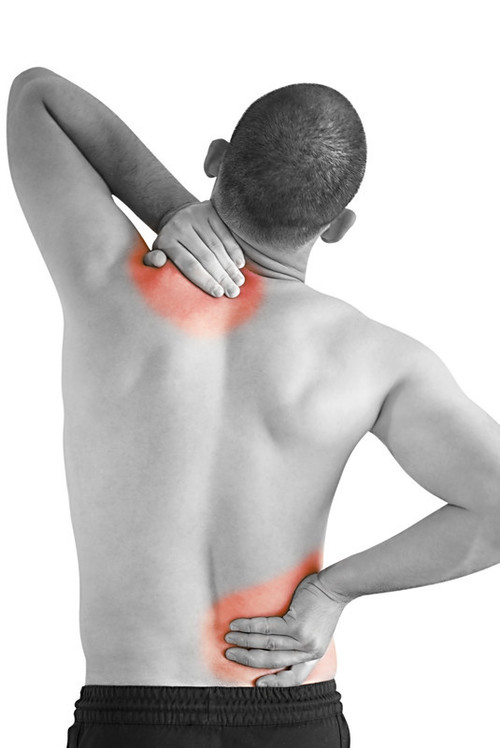
Pain, stiffness, tenderness, and swelling in joints. Osteoarthritis most often affects the knees, hips, hands, and spine. Rheumatoid arthritis usually begins in small joints in the hands and feet, then spread to larger joints. In addition to pain and swelling, rheumatoid arthritis can cause fever, tiredness, and weight loss. If you have a type of knee arthritis in which the wear and tear is harming the middle of your joint � called medial-knee arthritis � special insoles could help. Lateral-wedge insoles are thinnest at your instep and yours widest at the outer edge of your foot, realigning your feet and your lower legs in a way that can reduce some of the twisting that wears down knee joints. Your doctor can tell you which type you have. Everything from genetics to joint injuries to age-related changes in cartilage-protecting enzymes plays a role. But there�s plenty of evidence that you can cut your risk significantly with the simple, proven strategies here.
Dr. Alex Jimenez D.C.,C.C.S.T’s insight:
Pain, stiffness, tenderness, and swelling in joints. Osteoarthritis most often affects the knees, hips, hands, and spine. Rheumatoid arthritis usually begins in small joints in the hands and feet, then spread to larger joints. In addition to pain and swelling, rheumatoid arthritis can cause fever, tiredness, and weight loss.��If you have a type of knee arthritis in which the wear and tear is harming the middle of your joint � called medial-knee arthritis � special insoles could help. Lateral-wedge insoles are thinnest at your instep and yours widest at the outer edge of your foot, realigning your feet and your lower legs in a way that can reduce some of the twisting that wears down knee joints. Your doctor can tell you which type you have. Everything from genetics to joint injuries to age-related changes in cartilage-protecting enzymes plays a role. But there�s plenty of evidence that you can cut your risk significantly with the simple, proven strategies here.
See on noahhealth.org

by Dr Alex Jimenez DC, APRN, FNP-BC, CFMP, IFMCP | Chiropractic, Integrative Functional Wellness, Integrative Medicine
Lt. Col. Scott Griffith, MD, and Army�s pain management consultant, quoted in a recent interview, �Chronic pain can be very challenging so we focus a lot on their functionality, being able to restore their function as well as bringing their pain down to the extent that we can. Even for people who cannot have their pain eliminated, many of them can have an improvement in the quality of their life.�
For military healthcare providers, managing acute and chronic pain has become a tremendous problem than ever before. In a June 2014 report in JAMA Internal Medicine, of 2,597 evaluated individuals, researchers found that 44 percent of troops experienced chronic pain symptoms after being deployed for combat while 15.1% of those individuals reported regularly using opioids. Furthermore, Veterans Affairs administrators gave a testimony before a Congress hearing that chronic pain was among the most common medical complication in veterans returning from the last decade of conflict. The frequent cause for chronic pain is due to musculoskeletal injury, which is usually unrelated to battlefield wounds. Causes for musculoskeletal injury include training and job performance with the use of increasingly heavy protective equipment as well as sports and recreation.
The challenge for federal medicine providers still lies on relieving chronic pain symptoms among active duty military members and veterans while also decreasing the chance of opioid addiction and abuse among individuals. In 2003, the Defense & Veterans Center for Integrative Pain Management (DVCIPM) was established to support and regulate pain research and education as well as improving pain management methods. Six years later, the Army surgeon general organized a pain task force membership that included representatives from military services, TRICARE and VHA, to give guidance and approval for a comprehensive pain management strategy. That same task force distributed a report in May 2010 recommending the military to use a holistic, multimodal and multidisciplinary approach to pain management, including complementary and alternative medicine.
Through the project, the VA will analyze the extent and cost-effectiveness of complementary and alternative medicine utilization among veterans being treated at the Veterans Affairs Medical Clinics for musculoskeletal disorder-related pain and other related conditions. On a wider spectrum, changes in drug development are giving clinicians other means to helping active-duty service members and veterans as well as others avoid opioid addiction.
Dr. Alex Jimenez D.C.,C.C.S.T’s insight:
Both acute and chronic pain relating to trauma from an injury, have constantly been a common complication among troops. Fortunately, in recent years, efforts by the United States Department of Defense and Veterans Affairs officials to solve the issue of pain among active duty service members and veterans have started offering a larger variety of non-drug alternative methods. For more information, please feel free to ask Dr. Jimenez or contact us at (915) 850-0900.�
See on elpasochiropractorblog.com








