On the left: regular green tea. On the right: microwave boosted. Not that you can tell from the picture.
It�s been a rough news week, and it�s only Wednesday. Fortunately, though, today�s raging controversy is about tea. Is it okay to microwave it? Is it better to microwave it? Australian research says yes, while tea aficionados worldwide recoil in horror.
�The claim, broadcast on ABC Radio Sydney, is that you can extract slightly more antioxidants (specifically catechins) if you pop the tea in the microwave while it�s steeping. Quan Vuong and his team at the University of Newcastle in Australia have been comparing different ways of steeping green tea, and in a 2012 paper they describe a method that gets you more of the good stuff than your typical method, but is still practical to do at home. The news article gets the procedure a little mixed up, but here is what the scientific paper describes:
Boil water, and pour it over your tea bag. Steep at least 30 seconds.
Put the cup (with teabag) into the microwave for one minute at half power, or whatever power setting will get you 500 watts.
When you remove the tea bag, dunk it up and down ten times and then squeeze it out.
The idea is to help people get the health benefits of green tea, without having to guzzle five or more cups a day. Regular brewing can extract 62 percent of the tea leaves� catechins and 76 percent of the caffeine. The microwave boost gets you up to 80 and 92 percent. That�s not a huge difference, but hey, it�s something.
So how does it taste? I brewed two cups of plain green tea, letting one steep for three minutes and doing the microwave protocol, which took about three minutes anyway. I dunked and squeezed both tea bags as I removed them.
They tasted almost identical, although I could detect a little more of a bitter and astringent taste in the one that had been microwaved. Vuong and crew write in their paper that tea brewed this way can be a little stronger, so you may want to use a flavored green tea instead of a plain one, to cover up any tastes you don�t like.
One problem: I don�t love green tea. And a lot of the British outlets reporting on this study are probably with me on that. Black tea is probably what they�re thinking of. So I brewed some more tea for science, this time a mango-chili flavored black tea. Again, they were similar but the microwaved tea was slightly more bitter and astringent. It also had more of the chili flavoring, which was nice.
If you are fussy about how you prepare your black tea, you probably know that steeping it too long can make it bitter. Flavor-wise, this technique is just a quicker way to steep it too long. That said, it�s not bad. If you�re already the kind of person who steeps a teabag for more than five minutes, or who might even use the same teabag more than once (which my favorite fancy caf� actually recommends, so spare me the �how dare you�), you�ll like this just fine.
You could do cartwheels down the centre of a bus or train in peak hour and no one would notice, thanks to our latest modern addiction that has us all continually looking down.
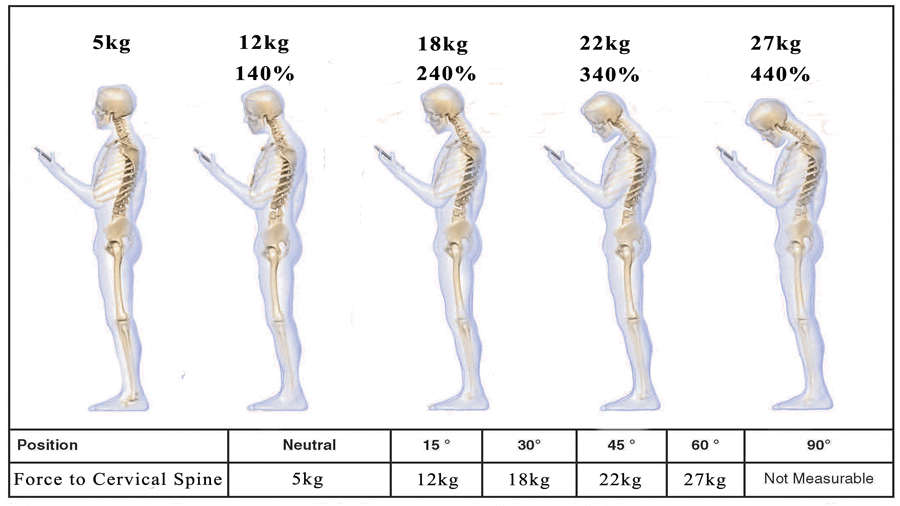
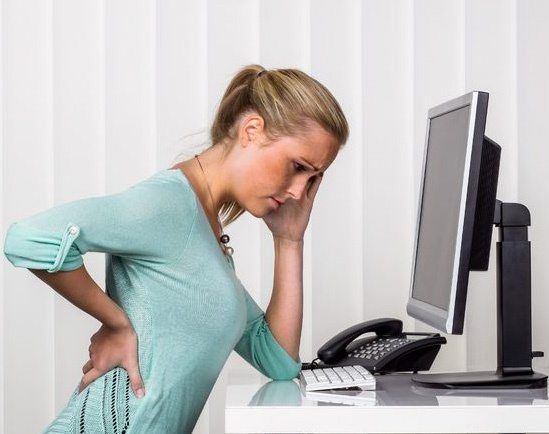
And apparently, because of this need to be glued to our smartphone screens, a new survey by the Chiropractors’ Association of Texas�suggests that it has created a brand new health disorder and, with no clear policy to help curb the issue, it threatens to put a strain on medical services.
According to Chiropractors, thousands across patients�are apparently lining up in droves out their doors complaining of chronic neck pain, headaches, poor posture and repetitive strain injuries in the wrist and hands � all blamed on the use of mobile technology.
Worryingly, according to their survey, 45 per cent of patients who visit chiropractic clinics on a weekly basis are teenagers. These bad habits are setting them up for a lifetime of complex back and neck issues.
President of El Paso Injury Medical Clinic points out, “These are patients who are constantly looking at their phone in a bent-forward position. Postural bad habits over time can develop into more serious health conditions such as spinal degenerative disease, osteoarthritis, hunchback and reduced mobility.”
But they aren�t the only ones suffering. The expectation from employers to be constantly contactable is also to blame. Dr Alex Jimenez, “It’s often the 25-45 age group I’m seeing now who have grown up using technology.
“I have one patient in his mid-40s who is experiencing onset of hand and arm pain and discomfort, he uses his mobile for work and regularly checks emails… Another patient who works in the finance industry experienced similar symptoms of chest and arm pain. Further investigation and x-rays revealed moderate degeneration of the lower cervical spine.”
Dr Jimenez hopes these findings will encourage policy makers to address the issue; “It’s estimated that by 2025, more than 5 billion people worldwide will be using smartphones. Already� 81% of smartphone users have their mobile phone switched on all of the time even when they are in bed or in bathrooms.
“We see smartphone addiction and text neck as a serious health risk and something that needs to be addressed.”
There is some advice you can follow to help avoid these issues:
1. Straighten your posture. Use a mirror to help align your neck and spine. The correct posture means your ear and shoulders should line-up.
2. Gentle exercises. If you struggle maintaining correct posture, do some exercises to help alleviate muscle stress and pain. Gently arch your neck and upper back backward, pulling your shoulders into alignment under your ears.
3. Look ahead. Instead of looking down, try raising your device to eye-level.
More Americans are looking beyond Western medicine to help relieve their back, neck, and spinal joint pain, including osteoarthritis of the backbone. In this specific article, we discuss Complementary and Alternative Medicine (CAM), which is also called Complementary and Integrative Medicine.
Interchangeable Terms
When an option (not mainstream) practice is combined with standard (mainstream) medicine, it�s called �complemental� or �integrative� health care. It�s called �alternative.� when it�s used in place of traditional medicine Nevertheless, these terms are frequently used interchangeably.
Complementary Alternative/Integrative Treatments
Although treatments might be combined you will find five general types of CAM therapies.
1. Alternative Medical Systems
Naturopathic or naturopathy medical care may include water therapy, massage, and herbal drugs.
2. Head-Body Techniques
Head-body techniques may help a patient with back or neck pain to utilize their head to change or restrain their symptoms in a way that is positive, therefore reducing pain.
3. Biologically-Based Therapies
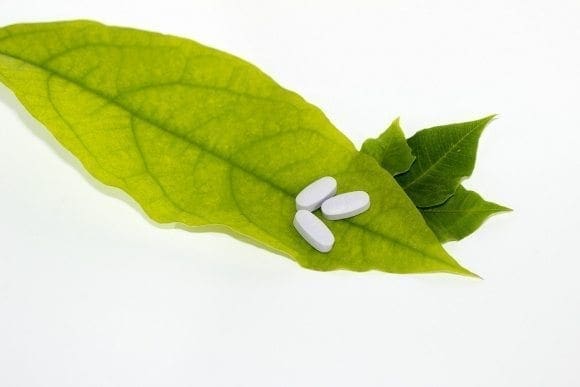
Biologically-based treatments feature nature-based substances such as botanicals and dietary supplements to ease pain. Natural substances contain ginseng, ginkgo, fish oil, or Echinacea and could be obtainable in different kinds, including a tea, aromatherapy oils, syrup, powder, pill, or capsule.
4. Body-Based Practices
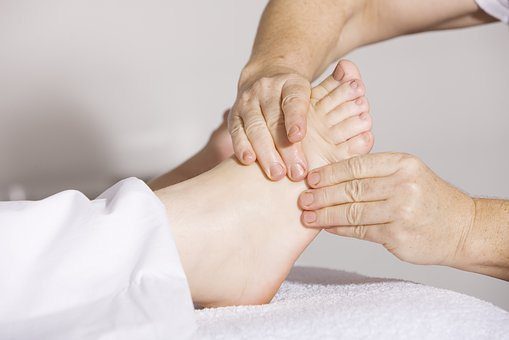
Body-established practices include different types of massage, body alignment techniques, osteopathic manipulation and chiropractic.
5. Energy Therapies
Energy therapies unblock energy fields or may help shift. Qi gong (eg, breathing techniques), Reiki (eg, stress reduction/relaxation), and magnets are treatments based on transferring energy.
Is Alternative, Complementary Or Integrative Therapy Right For You?
To assist you decide, look at the next points.
If insurance coverage is essential to you, be sure to consult your health insurance provider before you select a CAM treatment to make certain the professional is insured.
Learn as much as you can about the alternate treatment you’re enthusiastic about.
Take into account that although a complementary alternative treatment may be popular, that doesn�t make it correct for you personally.
Unlike mainstream medical care and procedures, some (if not most) alternative therapies are not scientifically validated by clinical trials and/or research studies. The amount of human players is frequently little, while there may be studies supporting a particular practice.
Simply because a material is natural doesn�t mean it can�t damage you, cause illness or allergic reaction, or a serious interaction with a drug. For instance, blood pressure can be raised by ginseng.
Always tell your treating physician about all of the herbs, vitamins and nutritional supplements (in any kind) that you take, particularly if you’re scheduled to get a neck or back process (eg, spinal injection, operation).
Select your alternative therapy professional with all precisely the same attention and concern you would for pain management specialist or a back surgery.
Call Today!
Sources:
Rosenzweig S. Overview of Complementary and Alternative Medicine. Merck Manual. Consumer Version.� www.merckmanuals.com/home/special-subjects/complementary-and-alternative-medicine-cam/overview-of-complementary-and-alternative-medicine.
National Center for Complementary and Integrative Health (NCCIH). Complementary, Alternative, or Integrative Health: What�s In a Name? March 2015. https://nccih.nih.gov/health/integrative-health.
Complementary and alternative medicine, abbreviated as CAM, is described as a variety of healing medicines and practices which are available outside of conventional treatments. CAM practices are believed to provide a much more natural and holistic treatment approach for the wide array of injuries and conditions that exist today. In fact, back pain is one of the most common complaint people turn to complementary and alternative medicine.
Many individuals have found relief from their spinal complications through the use of complementary and alternative medicine practices.
Complementary and alternative medicine therapies and practices can be utilized on their own to treat back pain as well as other symptoms or these can be combined with conventional medicine. As with any new form of treatment however, it’s essential for the individual to thoroughly discuss the variety of CAM therapies that are available to them with a healthcare professional and determine which of the following would be best for their specific issue.
Common CAM, or complementary and alternative medicine, approaches for back pain include:
Acupuncture: Acupuncture is a part of traditional Chinese medicine and it is commonly utilized to treat a variety of painful conditions and their symptoms. This practice involves the insertion of very thin needles into specific pressure points on the body, ultimately helping to relieve pain and other symptoms. A current research study funded by the National Center for Complementary and Alternative Medicine, or NCCAM, demonstrated that acupuncture can be an effective method for treating chronic pain. The utilization of acupuncture as a form of complementary and alternative treatment has long been controversial where some individuals believe it to be nothing more than a placebo and that patients experience pain relief only because they wish to experience relief. However, the NCCAM study provides evidence that acupuncture is an effective form of treatment.
Stretching and yoga: Yoga combines stretching exercises with breathing techniques and mindful awareness to help focus on the area causing the painful symptoms. Physical activity can help improve strength, flexibility and mobility while improving back pain.
Chiropractic care: Although it is considered a form of complementary and alternative medicine, chiropractic care requires a license for practice in all states. Moreover, chiropractors, or doctors of chiropractic, cannot prescribe medications but they can diagnose and treat back pain using chiropractic techniques and methods, such as spinal adjustments and manual manipulations. Chiropractors may also recommend a series of stretches and exercises according to the patient’s type of injury and/or condition and depending on the severity of their symptoms, to further help treat the individual’s back pain as well as speed up the recovery process.
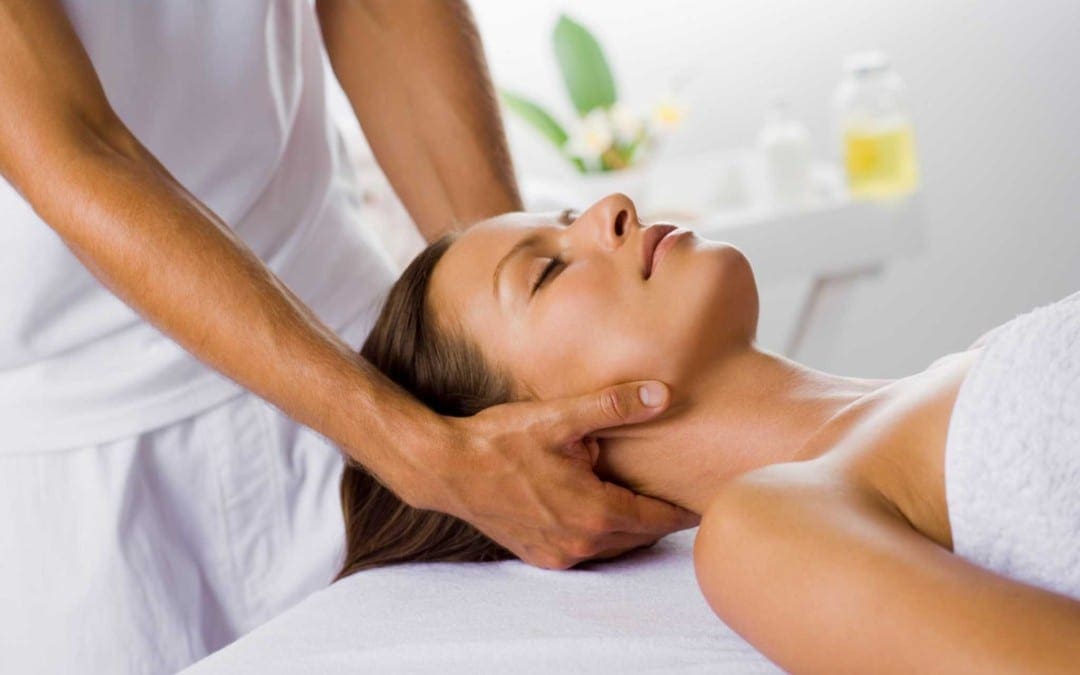
Massage therapy: A 2011 study funded by the National Center for Complementary and Alternative Medicine, or NCCAM, found that massage therapy can provide short-term benefits for individuals with back pain. When visiting a massage therapist, make sure to inform them about your specific symptoms in order for them to provide you with special treatment.
Herbal medicines: Herbal medications are available as capsules, tablets, teas and essential oils. Remember that herbs can interact with each other and with conventional medications, so be sure to tell your healthcare provider about any herbal remedies you plan to take.
Many people can often find it difficult to know which type of complementary and alternative medicine practice they should begin with, especially for a common complication such as back pain. Make sure to research all CAM specialists carefully, searching specifically for licensed practitioners, and be sure to ask your healthcare specialist for trustworthy recommendations of each. Your health depends on it.
The scope of our information is limited to chiropractic and spinal injuries and conditions. To discuss options on the subject matter, please feel free to ask Dr. Jimenez or contact us at 915-850-0900 .
By Dr. Alex Jimenez
Additional Topics: What is Chiropractic?
Chiropractic care is an well-known, alternative treatment option utilized to prevent, diagnose and treat a variety of injuries and conditions associated with the spine, primarily subluxations or spinal misalignments. Chiropractic focuses on restoring and maintaining the overall health and wellness of the musculoskeletal and nervous systems. Through the use of spinal adjustments and manual manipulations, a chiropractor, or doctor of chiropractic, can carefully re-align the spine, improving a patient�s strength, mobility and flexibility.
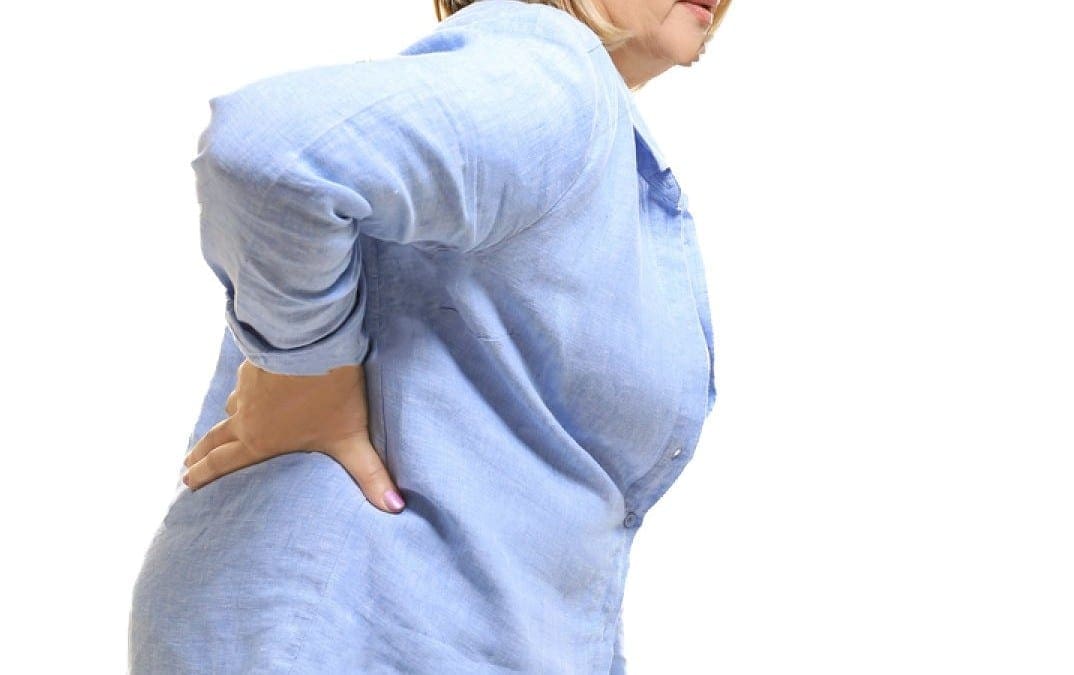
You get up with it. You go to sleep with it. An incredible number of men and women live with chronic back or neck pain every day. What’s chronic pain? It is technically defined as pain that lasts for 12 weeks or more�even after pain isn’t any longer acute (short-term, serious pain) or the injury has healed.
Accurate Analysis
Getting an exact identification of the reason for neck pain or your back is vital to the outcome of your treatment plan. Depending on the severity and cause of your pain that is chronic, you might need to find out different specialists in addition to your own primary care physician�pain medicine specialist, orthopaedic spine surgeon, neurosurgeon, physiatrist, rheumatologist, physical therapist among others. Over time your chronic pain need to be reevaluated, and may transform, which might affect the way it is handled.
Your chronic back or neck pain treatment generally features a variety of treatments to maximize results that are great. A number of the treatments your doctor prescribes and recommends may include:
Physical Therapy:
Extending and strengthening muscles is vital in the treatment of neck pain or chronic back.
Chiropractic Care:
Depending on your own diagnosis, chiropractic care may be recommended by your doctor. Studies have demonstrated that two weeks of day-to-day exploitation by a chiropractor can result in considerable progress in a few patients with persistent low back pain and referred leg pain.
Medicines:
There are lots of different prescription medications to take care of neuropathic pain, inflammation, muscle spasms, and pain. Additionally, you will find drugs to treat conditions that often accompany chronic pain, including drugs that will help you sleep, alleviate depression, and reduce nervousness.
Processes:
Your doctor may recommend a spinal cord stimulator, spinal injections, drug heart, or spine surgery. You can get a second opinion, in the event you might be uncertain about the treatment plan recommended.
Coping skills:
Never underestimate the power of your head. Your mood and mental perspective can greatly make an impact on your level of pain. Talk with a trained specialist to understand relaxation and coping skills.
Complementary Treatments:
Many physicians recommend acupuncture and other types of traditional Chinese medicine. Speak to your doctor about these choices.
A couple of words about …. age, fitness, body weight
You probably involve some control over body weight and your level of fitness, although you can�t stop aging or its effects. While you can�t stop the clock on the cellular changes that are recognized to accompany aging�such as loss of muscle mass and bone density �you can take little steps today to build a more stronger�you tomorrow.
It�s understood that patients with chronic back or neck pain may not feel like being active, going to the gym and even adhering to a home exercise program. Yet, being active can help chronic pain because during exercise your body releases endorphins�your body�s natural painkiller.
Moreover, by teaming up together with and/or your physician physical therapist you can start to build abdominal muscles that are strong �essential to your own body�s center strength which helps support your back.
Did you know that by simply losing even 5 to 10 pounds you can reduce back pain? It�s true. Carrying around extra weight translates to added stress to the low back that may exacerbate pain.
Conclusion
In many instances, aggressive and early treatment of chronic back or neck pain can make a life-changing difference. But remember that knowledge is power: Be certain you comprehend your alternatives before deciding which route to take.
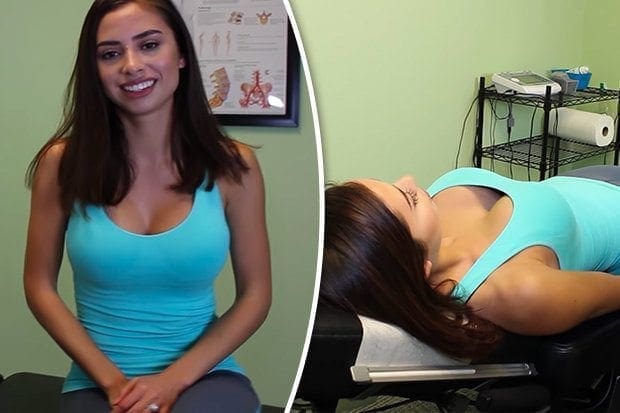
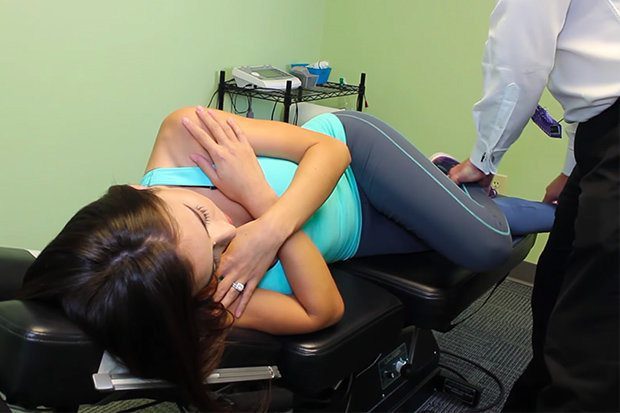
Viewers can�t get enough of the informative clip that sees a chiropractor helping a patient suffering from lower back pain.�Dr Jeffrey Gerdes of the ChiroCare and Rehab centre based in North Carolina, US, talks his way through the demonstrationHis patent tells him: �I�m getting excruciating pains in my back and they�re very instant and they�re immobilising.�It�s so excruciating that I have to stop for a second and re-coup so I�m not sure what�s happening.� The doctor asks her to lie on her side and gently cracks her back.
CRACKING:
But the sound that emerges leaves him stunned. �Wow, gosh that was loud,� Dr Jeffrey says.Viewers can�t get enough of the footage, with more than 876,000 people watching the clip on the chiropractor�s YouTube channel.But many seem to have been distracted more by the stunner getting treatment than the actual techniques involved.�Well, did anyone else manage to take any of that in?� one viewer said.
(HealthDay News) — Blood tests to diagnose and monitor rheumatoid arthritis may be thrown off by obesity in women, a new study suggests.
“Physicians might assume that high levels of inflammation mean that a patient has rheumatoid arthritis or that their rheumatoid arthritis requires more treatment, when in fact a mild increase in levels of inflammation could be due to obesity instead,” explained study author Dr. Michael George, who’s with the University of Pennsylvania Health System in Philadelphia.
Blood tests for C-reactive protein (CRP) and erythrocyte sedimentation rate (ESR) can help physicians check the severity of inflammation in rheumatoid arthritis patients, the researchers said.
Previous studies have suggested that obese women may normally have higher CRP and ESR levels. So, the authors of this study decided to take a closer look at the issue.
The study included information from more than 2,100 people with rheumatoid arthritis. The researchers then compared that information to data from the general population.
A higher body mass index (BMI — an estimate of body fat based on weight and height) was associated with greater CRP in women with rheumatoid arthritis and women in the general population, especially in severely obese women. There was also a modest association between obesity and ESR.
Conversely, in men with rheumatoid arthritis, a lower BMI was associated with greater CRP and ESR.
The findings may help improve understanding of the link between weight and inflammation. It may also help doctors learn more about how this relationship differs between women and men, the study authors added.
The findings were published April 10 in the journal Arthritis Care & Research.
“Our results suggest that obesity may lead to increased levels of CRP and ESR in women with rheumatoid arthritis,” George said in a journal news release.
“The increase in these levels of inflammation was not because rheumatoid arthritis was worse in these women,” he said.
“In fact, we found that obesity leads to very similar increases in these lab tests even in women without rheumatoid arthritis,” he added.
Doctors should be careful when interpreting the results of these lab tests since both rheumatoid arthritis and obesity can contribute to inflammation levels, George said.
News stories are written and provided by HealthDay and do not reflect federal policy, the views of MedlinePlus, the National Library of Medicine, the National Institutes of Health, or the U.S. Department of Health and Human Services.
IFM's Find A Practitioner tool is the largest referral network in Functional Medicine, created to help patients locate Functional Medicine practitioners anywhere in the world. IFM Certified Practitioners are listed first in the search results, given their extensive education in Functional Medicine