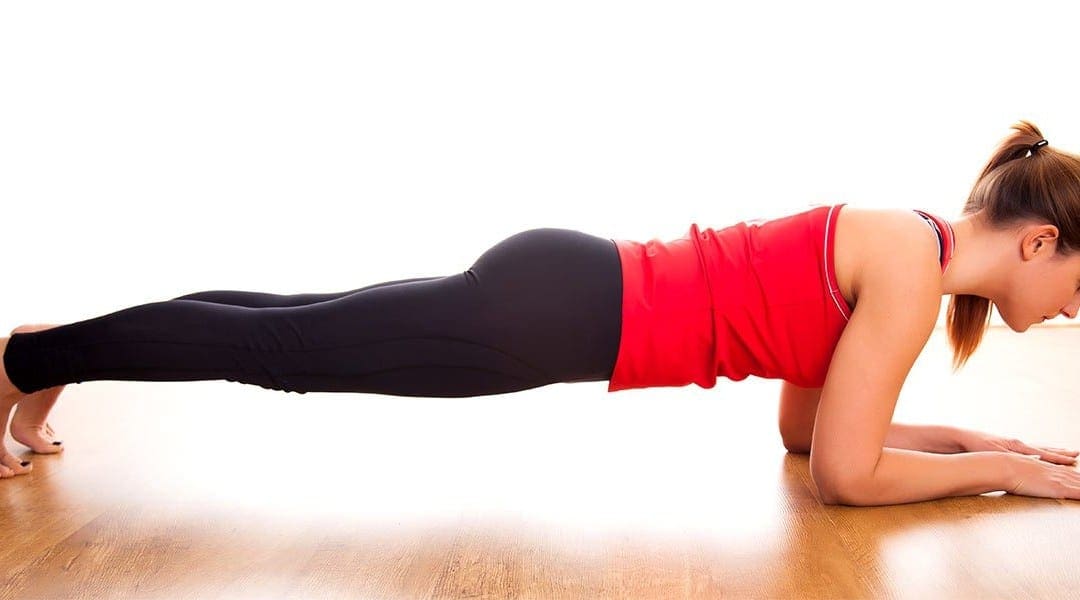
Before having her son 2-year-old son Isaiah, Carrie Underwood would work out six or seven days a week, but she doesn�t put pressure on�herself to maintain such an intense workout schedule anymore.
�It just happens if and when it happens,� Underwood, 34, told PEOPLE of her new approach to working out at the CALIA by Carrie Underwood Summer Kick-Off event in Malibu on Friday. �I�ve gotten a lot better at doing what I can when I can, but also cutting myself a little slack. You have to!�
That means squeezing in a workout when it�s doable.
�Now it�s like, �Okay, I have 20 minutes. What can I do in 20 minutes?’� she says. �I can go run for a little while, I can go do some tabata rounds, I can do something.�Sometimes I�m like, my workout today is going be running around after my kid. If we�re going to go to the park, why not run there and push him in the stroller?�Then I get a good cardio session to and from, and then he gets to play, so everybody wins.�
If she does have a little more free time, she�ll�do�a full tabata workout.
�I �play cards� a lot ��I assign different exercises to each suit, and I sit�down at breakfast and plan out what each suit�s going to be,� she says.
Her other go-to activities are running and group exercise classes, like Barry�s Bootcamp.
�I love just putting headphones in and going for a run,� says Underwood. �I feel so good when I get home, especially when it�s hot. I�m one of those weirdos that likes to run when it�s super hot outside! Or classes. I find myself competing with other people in the room. I�m like, �Oh she�s good, I want to be like her!� I try to �beat� someone in the class. They have no idea we�re competing!�
The singer says finding time for herself is�possible thanks to family support.
�It helps having a supportive husband and a great unit around me,� she says. �You have to sit down and talk to those around you because I feel like I�m a better mom, a better wife, a better friend when I feel good about myself. It�s endorphins and all that stuff that�s being released, too. No bad things can come out of taking care of yourself!�
And having her own fashion line of workout gear is extra motivation to hit the gym.
�I used to go to the gym in ratty old sweats, but if you already feel good going into your workout, it just kind of gives you that little extra lift,� she says.
Underwood says her drive to work out comes from herself, and not from external pressures to look a certain way.
�It�s all about realizing why you do it,� she says. �I want to be a great mom and I want to be around for him for as long as I possibly can. I want to feel good about myself, I want to set that example for my child and make that a priority, because he�s watching. He�s a busy guy, so I need to keep my energy levels up to be able to play with him and chase him around. So it�s for me and my family and for feeling good about myself. Sometimes you have to remind yourself, but it helps to just say, �It�s not for everybody else, it�s for me.� �
According to the harshness of your whiplash symptoms, your doctor may prescribe drugs and/or spinal shots to manage the pain. To stress this point: they won’t help heal the injury, although the medications will help relieve your pain. Instead, medicines and/or spinal injections lessen your pain so which you can work on curing the soft tissue injuries (through physical therapy, for example).
Again depending on the seriousness of your pain, you could begin with over-the-counter medicines. If those don’t work to relieve your pain, the physician may prescribe stronger drugs. The doctor may imply shots if prescription drugs don’t work. The progression of treatment depends upon your individual symptoms and pain level.
Over-the-Counter Medications for Neck Injuries
Acetaminophen: Tylenol is a good example of an acetaminophen, a form of medicine that has turned out to be a great pain reliever. Most people refer as painkillers to acetaminophen medicines, although your doctor may call this an analgesic. They don’t help reduce inflammation, though. Acetaminophen works by essentially blocking your brain’s awareness of pain, and it is good for those pain flare-ups that will come with DDD.
Over the counter NSAIDs (non-steroidal anti-inflammatory drugs): These will reduce swelling (or inflammation) while relieving your pain. In whiplash, you could have inflammation from your soft tissue injury. If an over the counter NSAID is a choice that’s best for you personally, you have lots to select from. You can use ibuprofen (Advil), aspirin, or Aleve.
By taking an NSAID, you are really building up an anti inflammatory effect in the body, so that it’s essential to choose it for awhile. Which is, NSAIDs won’t be as effective if you take them only when you have pain. Before you notice an important impact on your pain, because they work to limit inflammation and build up in your body, you might have to take NSAIDs for several weeks.
Prescription Drugs for Neck Injuries
If over-the-counter drugs don’t deal with your pain enough, the doctor may prescribe something more powerful. The precise sort of drugs depends upon your symptoms, but the doctor may have you attempt:
Muscle Relaxants: You will need a muscle relaxant, which ought to help stop the spasms if you have muscle spasms brought on by the whiplash injury. Muscle relaxants may also enable you to sleep. Valium is an example of a muscle relaxant.
Opioids (Narcotics): In the most extraordinary cases, and just under careful supervision, you physician might prescribe an opioid, such as for instance codeine or morphine. Vicodin and Percocet are instances of narcotics.
Prescription NSAIDs: NSAIDs that are stronger can be taken by you than the over-the-counter variety, in case your physician believes this is best for your pain. For instance, she or he may recommend a COX-2 Inhibitor (Celebrex is an example). That is a kind of NSAID, but it will not cause gastrointestinal side effects as other prescription NSAIDs can.
Injections and Shots for Whiplash Associated Disorders
Shots for whiplash are most powerful when coupled with exercise plan or a physical therapy which assists you to work on strengthening the neck muscles. The shot should give pain relief to you so that you could turn your focus on curing the specific injury. Several kinds of injections useful for whiplash are:
Epidural Steroid Injection: This is only one of the very common injections. An epidural steroid injection (ESI) targets the epidural space, which will be the space enclosing the membrane that covers the spine and nerve roots. Nerves go through the epidural space and after that branch out to different parts of your own body, for example your arms. If your nerve root has become compressed (pinched) in the epidural space because of a whiplash injury, you could have pain that goes down your neck and perhaps into your arms (a symptom called radiculopathy).
An epidural steroid injection sends steroids�which are very powerful anti-inflammatories� to the nerve root that’s inflamed. This really is a pain management therapy, so that it is far better have a well-trained pain management specialist do the injection. You will likely need 2-3 shots; generally, you should not have more than that because of the potential side effects of the steroids.
Facet Joint Injection: Also called facet blocks, facet joint injections are useful in case pain is being caused by your facet joints. Facet joints in your spine assist you to supply and move stability. You’ll have pain, should they get inflamed, though, because of how your cervical spine affected human body. The joint will be numbed by a facet joint injection and can diminish your pain.
Trigger Point Injection: In extreme cases of whiplash, trigger point shots are a wise decision. (Trigger points are knots of muscle underneath the skin that form when muscles usually do not relax.) The shot has a local painkiller that occasionally features a corticosteroid to decrease the inflammation.
The scope of our information is limited to chiropractic and spinal injuries and conditions. To discuss options on the subject matter, please feel free to ask Dr. Jimenez or contact us at 915-850-0900 .
By Dr. Alex Jimenez
Additional Topics: Neck Pain and Auto Injury
After being involved in an automobile accident, the sheer force of the impact can often cause whiplash, a common type of neck injury resulting from the sudden, back-and-forth motion of the head against the body due to a car wreck, or other incident. Because of this, many of the complex structures found within the neck, including the spine, ligaments and muscles, can be stretched beyond their normal range, causing injury and painful symptoms.
Many people suffer from lower back pain that spreads downward to the limbs and feet. This can often be alleviated by doing a deep piriformis stretch � a stretch that releases tight piriformis muscles, and relaxes the sciatic nerve.
Constriction of the piriformis muscle can irritate the sciatic nerve because they lay in close proximity to each other. By irritating the sciatic nerve, the result is pain (either in the lower back or thigh), numbness and tingling along the back of the leg and into the foot.
What Is The Piriformis?
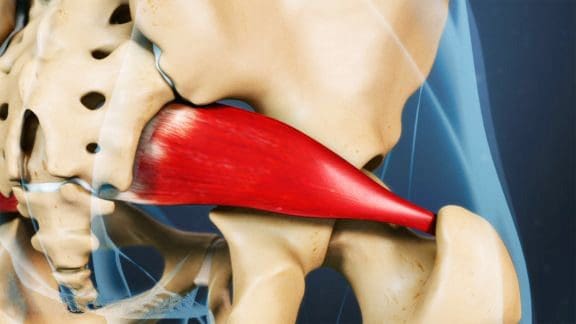
The piriformis muscle is a small muscle located deep in the buttock, behind the gluteus maximus. It connects the spine to the top of the femur and allows incredible flexibility in the hip region (it�s the main muscle that allows for outward movement of the hip, upper leg and foot from the body).
The sciatic nerve passes underneath this muscle on its route to the posterior thigh. However, in some individuals, the sciatic nerve can actually pass right through the muscle, leading to sciatica symptoms caused by a condition known as piriformis syndrome.
Unfortunately, for a lot of individuals, their sciatic nerve passes through the piriformis muscle, leaving them with pain that just won�t go away (as well as poor mobility and balance).
Causes Of Piriformis Syndrome
The exact causes of piriformis syndrome are unknown. The truth is, is that many medical professionals can�t determine a cause, so they cannot really diagnose it. Even with modern imaging techniques, the piriformis is difficult to identify.
Lower back pain caused by an impinged piriformis muscle accounts for 6-8% of those experiencing back pain (1).
Suspected causes of piriformis syndrome include (2):
� Tightening of the muscle, in response to injury or spasm � Swelling of the piriformis muscle, due to injury or spasm � Irritation in the piriformis muscle itself � Irritation of a nearby structure such as the sacroiliac joint or hip � Bleeding in the area of the piriformis muscle
Any one of the above can affect the piriformis muscle, as well as the adjacent sciatic nerve.
Also, a misaligned or inflamed piriformis can cause difficult and pain while sitting and when changing positions (from sitting to standing). I actually stretched too far in a yoga pose once, and irritated my piriformis muscle � this took about 1-2 years to fully heal. I had major pain while sitting, and when changing positions from sitting to standing. I remember it being a huge pain in the butt (pardon the bun), but I just stuck with stretching and trigger point release and eventually it went away.
It is important to note, too, that over-stretching can actually make the condition worse. Light, gentle stretching is best. �No pain, no gain� does NOT apply here. I over-stretched my piriformis and that�s what made it inflamed for 1-2 years (because I was still doing yoga daily, and over-doing it in stretches).
Make sure you warm up your muscles before you stretch, because you can create a different injury. To warm up, simply walk or march in place or climb up and down a flight of stairs slowly for a few minutes before stretching.
Exercising and stretching the piriformis is well worth it � try it now with these 10 stretches:
1. Supine Piriformis Stretch
1. Lie on your back with your legs flat.
2. Pull the affected leg toward the chest, holding the knee with the hand on the same side of the body and grabbing the ankle with the other hand.
3. Pull the knee towards the opposite shoulder�until stretch is felt.
4. Hold for 30 seconds, then slowly return to starting position.
There are many variations of this stretch, but here is a good video to demonstrate:
2. Standing Piriformis Stretch
1. If you have trouble balancing, stand with your back against a wall, and walk your feet forward 24 inches. Position your knees over your ankles, then lower your hips 45 degrees toward the floor.
2. Lift your right foot off the ground and place the outside of your right ankle on your left knee.
3. Lean forward and lower your chest toward your knees while keeping your back straight. 4. Stop when you feel the glute stretch. 5. Hold for 30-60 seconds, then switch legs and do the same.
3. Outer Hip Piriformis Stretch
1. Lie on your back and bend the right knee.
2. Use the left hand to pull the knee over to the left side. Keep your back on the ground, and as you do so, you should feel the stretch in the hip and buttocks.
3. Hold for 20-30 seconds, and repeat on the other side.
�4. Long Adductor (Groin) Stretch
1. Sitting on the floor, stretch your legs straight out, as far apart as you can.
2. Tilt your upper body slightly forward at the hips and place your hands next to each other on the floor.
3. Lean forward and drop your elbows to the floor if you can. You will feel the pelvis stretching.
4. Hold for 10-20 seconds, and release.
5. Short Adductor (Inner Thigh) Stretch
1. For this exercise, sit on the floor and put the soles of your feet together.
2. Use your elbows to apply downward pressure to your knees to increase the stretch.
3. You should feel the stretch on the inner thighs. For a deeper stretch, bend your upper torso forward with a straight back.
4. Hold for 30 seconds, release, and flutter your legs in the same position for 30 seconds.
6. Side Lying Clam Exercise
1. Lay on your side with the hip that needs help on top.
2. Bend your knees and position them forward so that your feet are in line with your spine. 3. Make sure your top hip is directly on top of the other and your back is straight.
4. Keeping your ankles together, raise the top knee away from the bottom one. Do not move your back or tilt your pelvis while doing so, otherwise the movement is not coming from your hip.
5. Slowly return the knee to the starting position. Repeat 15 times.
7. Hip Extension Exercise
1. Position yourself on all fours with your shoulders directly over your hands. Shift your weight a little off the leg to be worked.
2. Keeping the knee bent, raise the knee off the floor so that the sole of the foot moves towards the ceiling.
3. Slowly lower the leg, almost back to the starting position and repeat 15 times.
8. Supine Piriformis Side Stretch
1. Lie on the floor with the legs flat, and raise the affected leg by placing that foot on the floor outside the opposite knee.
2. Pull the knee of the bent leg directly across the midline of the body using the opposite hand or towel until a stretch is felt. Do not force anything and be gentle.
3. Hold the piriformis stretch for 30 seconds, then return to starting position and switch legs.
4. Aim for a total of 3 repetitions.
9. Buttocks Stretch for the Piriformis Muscle
1. Laying with your stomach on the ground, place the affected foot across and underneath the trunk of the body so that the affected knee is on the outside.
2. Extend the non-affected leg straight back behind the body and keep the pelvis straight. 3. Keeping the affected leg in place, move your hips back toward the floor and lean forward on the forearms until a deep stretch it felt.
4. Hold for 30 seconds, and then slowly return to starting position. Aim for a total of 3 stretches.
10. Seated Stretch
1. In seated position, cross your right leg over your left knee.
2. Bend slightly forward, making sure to keep your back straight.
3. Hold for 3-60 seconds and repeat on the other side.
According to Myofascial Pain and Dysfunction: The Trigger Point Manual, written by doctors Janet Travell and David Simons, myofascial trigger points (tiny knot contractions) in overworked gluteus minimus and piriformis muscles in the buttocks are the main cause of sciatica and all the symptoms that come with it.
Picking up a copy of the book, or even following instruction in the video below can help release these knot contractions.
The Schroth Method is a non-surgical principle utilized as a scoliosis treatment which consists of scoliosis-specific exercises depending to curve-pattern.
The scoliosis exercises used in this form of treatment do not resemble conventional exercises and also, the Schroth method focuses on a proprietary corrective breathing technique called rotational breathing, or rotational angular breathing (RAB). Each patient with scoliosis has a curve pattern that is unique. The aim of the Schroth method is to correct the torso, allowing it to restore its original physiological structure.
The term scoliosis exercise leads people to think it�s simple to handle scoliosis via exercise. However, it is important that an experienced and qualified healthcare professional whom specialized in Schroth methodology conducts the training. With proper education on the Schroth method of exercises for scoliosis, it’s possible for patients to integrate them into daily life and understand the abilities required for lifetime management. For individuals who choose to understand the Schroth method, the benefits are endless.
More About the Schroth Method
Special Schroth method exercises for scoliosis target the trunk and the core, but they truly start in the feet or pelvis. The exercises are accustomed to correct the backbone in three-dimensions and contain special instructions, based on curve pattern, prior to starting the exercise which will incorporate the rotational respiration. Creator Katharina Schroth developed the technique in Germany more than ninety years back.
Simply stated, the aim of the Schroth method is to correct the spine in the frontal, sagittal and transverse planes. That is achieved through de-flexion, de- rotation and elongation of the spine and rib cage. The patient learns to reinforce the musculature surrounding the spine, focusing primarily on creating overall stability and spinal balance to provide overall health and wellness.
Working to correct the backbone in this mode is a key to successful scoliosis direction. Possible advantages for many who learn and practice the Schroth method approach for scoliosis are:
Stopped or potentially reduced progression in teenagers
Spinal de-rotation
Improved lung function
Chest expansion that is improved
Enhanced postural appearance
A more balanced posture
Decrease or removal of pain, if present
A component of empowerment over scoliosis (the value of this cannot be underestimated) and the chance for control over what’s frequently presumed to be a condition that’s uncontrollable from the patient
The Schroth method exercises should be unique to every individual. Because of this, it’s essential for healthcare professionals to work on a one-on-one basis with their patients, rather than in groups. There are lots of Schroth scoliosis exercises. A chiropractor, physical therapist, or other specialist can determine which exercises are best for every single patient and on the basis of the curve pattern effectiveness of every exercise for the individual. On a side note, not every exercise may function the same for each person.
Patients must focus physically and mentally as well as work at internalizing the concepts of re-establishing their body’s balance. Patients are additionally instructed awareness and optimal postural control during everyday activities to prevent the progression of scoliosis.
Individuals with scoliosis experience imbalances along the muscles in their back on opposing sides. Schroth method exercises lengthen the muscles on the concave side of the spine while the patient learns to shorten the muscles on the convex side of the back. Schroth method rotatory respiration teaches patients to breathe to the concave side of the torso. This inhalation period is followed by the exhalation phase, generally known as stabilization. Stabilization helps re-establish a more stable three-dimensional spinal alignment, helping the patient be able to understand how the spine is corrected.
Patience is the key to effective results from the Schroth method exercises.
The Schroth Method – Exercises for Scoliosis
The scope of our information is limited to chiropractic and spinal injuries and conditions. To discuss options on the subject matter, please feel free to ask Dr. Jimenez or contact us at 915-850-0900 .
By Dr. Alex Jimenez
Additional Topics: Neck Pain and Auto Injury
After being involved in an automobile accident, the sheer force of the impact can often cause whiplash, a common type of neck injury resulting from the sudden, back-and-forth motion of the head against the body due to a car wreck, or other incident. Because of this, many of the complex structures found within the neck, including the spine, ligaments and muscles, can be stretched beyond their normal range, causing injury and painful symptoms.
Taking vitamin D supplements while pregnant may protect a mom’s baby from developing asthma, says a study published in the journal of Allergy and Clinical Immunology. The study found that the supplements could positively modify the immune system of the fetus and could protect it against asthma and respiratory infections.
Researchers from the U.K.’s King’s College London looked at the effect that taking a supplement of 4,400 IU vitamin D3 per day during the second and third trimesters of pregnancy versus the recommended daily intake (RDI) of 400 IU/day, had on the immune system of the newborn.
Volunteers were randomized at 10 to 18 weeks of pregnancy and given either a high or low dose of Vitamin D. At birth, blood was taken from the newborns’ umbilical cords and tested to gauge their innate immune system, which is the baby’s first line of defense to infection, and their T lymphocyte responses, which provide longer-lasting protection.
They discovered that blood samples from babies born to mothers supplemented with higher doses of vitamin D3 had stronger immune responses that protect newborns from infection. Since strong immune responses are associated with a decrease in the risk of developing asthma, researchers believe the babies will have better respiratory health during childhood.
“The majority of all asthma cases are diagnosed in early childhood implying that the origin of the disease stems in fetal and early life,” said lead researcher, Professor Catherine Hawrylowicz of King’s College London.
“Studies to date that have investigated links between vitamin D and immunity in the baby have been observational,” she said. “For the first time, we have shown that higher Vitamin D levels in pregnancy can effectively alter the immune response of the newborn baby, which could help to protect the child from developing asthma.”
Other recent studies have also found that nutritional substances can affect asthma. Scientists at the University of Rochester Medical Center found that omega-3 fatty acids, the healthy oils found in cold water fish and fish oil supplements, can help fight asthma. In addition, a New England Journal of Medicine study in late 2016 showed that pregnant women who ate fish or took fish oil supplements reduced the risk of asthma in their children.
Vitamin D during pregnancy has also been found to influence the risk of attention deficit hyperactive disorder (ADHD) as toddlers. Danish researchers studied the umbilical cords of infants, and asked moms to complete surveys noting their children’s behavior when they were two-and-a-half years old. Moms who had taken vitamin D when pregnant, and whose umbilical cords contained high levels, reported significantly fewer symptoms of ADHD in their children.
A very few number of research studies have been conducted to examine how effective the Schroth method is towards the management of scoliosis, particularly in countries such as the United States, where the duration of therapy programs are generally constrained to an average of 1 to 3 sessions.
Researchers conducted a study on a 26 year old female with adolescent idiopathic scoliosis in order to examine the effects of Schroth therapy. The physical therapy regimen included a 1-hour Schroth method session of exercises, twice per week for four weeks, followed by one session of the Schroth therapy each week for 20 additional weeks. Furthermore, the research study also included a home exercise program which consisted of 30-minute sessions, five days per week. All evaluation measurements and results were recorded before and after the treatment.
After a 6-month treatment period, the patient had experienced a significant and measurable improvement of symptoms as well as the overall condition. Additionally, the patient was satisfied with their results, reporting improved bodily strength and she felt more comfortable with her appearance.
The findings of the research study suggest that scoliosis treatment utilizing the Schroth method and it’s specific exercises may be an effective treatment option for the spinal condition to the traditional methods of treatment and rehabilitation.
Researchers also conducted another study to compare the effectiveness of Schroth method exercises in other patients with adolescent idiopathic scoliosis. Designed as a randomized-controlled study in an outpatient exercise-unit and in a home setting, the research study consisted of fifty-one patients who were diagnosed with adolescent idiopathic scoliosis or AIS. Forty-five of the patients with adolescent idiopathic scoliosis whom met the inclusion criteria were divided into three groups. The Schroth method exercises were applied to the first group in the clinic, which were also given to the second group as a home regimen and the third group was the control group.
The findings of the research study demonstrated an improvement of the condition and its symptoms in the clinic Schroth method exercise group compared to the other groups. According to the results, the waist asymmetry improved only in the clinic exercise group where the results of the other groups worsened. In conclusion, the Schroth exercise program was effective towards improving scoliosis and its symptoms.
How to Treat Scoliosis – About the Schroth Method
The scope of our information is limited to chiropractic and spinal injuries and conditions. To discuss options on the subject matter, please feel free to ask Dr. Jimenez or contact us at 915-850-0900 .
By Dr. Alex Jimenez
Additional Topics: Neck Pain and Auto Injury
After being involved in an automobile accident, the sheer force of the impact can often cause whiplash, a common type of neck injury resulting from the sudden, back-and-forth motion of the head against the body due to a car wreck, or other incident. Because of this, many of the complex structures found within the neck, including the spine, ligaments and muscles, can be stretched beyond their normal range, causing injury and painful symptoms.
Surgery is rarely required for whiplash treatment. Nevertheless, surgery is appropriate in instances that are severe if you have persistent neck or shoulder pain. If your state has not improved after extensive non-operative treatment, a surgery may be your best option.
Your spine surgeon will recommend the most effective surgical procedure for the harm. Make sure to ask lots of questions about the procedure so that you completely understand the way that it is done, exactly what the result will undoubtedly be, how long the recovery time is, etc. When it comes down to it, surgery is the choice alone: the surgeon can advocate it, but you possess the final say.
The type of operation is dependent upon what parts of your cervical spine happen to be injured.
Herniated or Ruptured Discs in the Neck
Throughout your injury, you may have ruptured or herniated an intervertebral disc, which is found between the vertebrae. This could create persistent arm pain, numbness, or weakness. In this case, disk removal may also be required. The surgeon removes all or a part of the damaged disc in a process called a discectomy.
After the discectomy, your physician may need to stabilize the region. Discectomies typically lead to an unstable spine, meaning that it goes in abnormal ways. That makes you more at risk for neurological harm that is serious. Then when surgeons do a discectomy, the spine often restabilizes.
The surgeon may use, to stabilize the spine:
Artificial Cervical Disc: It is a new� quite exciting and �development in spine surgery. Recently, surgeons have begun planting an artificial cervical disc following the discectomy. They’re using this instead of fusion and spinal instrumentation. The bonus is that a patient to keep normal neck motion after surgery is enabled by an artificial disk. Previously, in the event the patient had two or even more vertebrae fused, neck movement would be considerably reduced. Cervical discs are a fairly new technology; nonetheless, early results are encouraging.
Fusion and Spinal Instrumentation: This sort of back stabilization operation has been has been common for a long time. It can be performed alone or at the same time as a decompression operation. In spine stabilization, the surgeon creates an environment where the bones in your back will fuse together over time (generally over several months or longer). The surgeon uses a bone graft (generally using bone from a donor) or a biological substance (that’ll stimulate bone growth). Your surgeon may use spinal instrumentation�wires, cables, screws, rods, and plates�to increase stability and help fuse the bones. The fusion will cease motion involving the vertebrae, providing long term stability.
Spinal Stenosis in the Neck
Operation can also be needed in the event the injury causes a narrowing of the spinal canal in your neck. In this instance, a cervical corpectomy might be performed to remove a portion of the intervertebral disc and also the vertebra to reduce the pressure on nerves and the spinal cord. Your surgeon may do a laminectomy or a laminoplasty. The lamina, the bony plate that’s in the back of each vertebra is focused on by the two of those surgeries. It safeguards your spinal cord and spinal canal. The lamina may be pressing on your spinal cord, so the surgeon may make more room for the cord by removing section or all of the lamina�that’s a laminectomy.
The surgeon will re shape the lamina to form more room for your spinal cord. Plasty means “to shape.”
A cervical foraminotomy may be performed, if there is a narrowing of the space where the nerve exits the spinal canal. In this process, the foramen (the area where the nerve roots leave the spinal canal) is removed to increase the size of the nerve pathway. A A pathway that is larger causes it to be not as likely the nerve will soon be pinched or compressed.
Surgical Complications on the Neck
As with absolutely any operation, there are dangers involved with cervical spine surgery to treat whiplash symptoms. Your doctor will discuss potential risks along with you before asking you to sign a surgical consent form. Potential complications include, but aren’t limited to:
Injury to nerves, your spinal cord, esophagus, carotid artery or vocal cords
non-healing of the bony fusion (pseudoarthrosis)
failure to improve
instrumentation breakage/failure
Disease and/or bone graft site pain
pain and swelling in your leg veins (phlebitis)
blood clots in your lung
urinary problems
Really rare complications: paralysis and possibly death
Complications could cause more surgery, so again �make sure you completely understand the risks along with your operation before proceeding. The decision for surgery is yours and yours alone.
Recovering from Whiplash Surgery
Following your surgery, you’re not going to be immediately better. You will most likely be out of bed within 24 hours, and you’ll be on pain medications for 2 to 4 weeks. Subsequent to the surgery, you’ll receive instructions on how to attentively sit, rise, and stand. It is crucial that you give your body time to recover, so your physician will most likely advise that you confine your actions: in general, don’t do anything that moves your neck. While you recover, you ought to avoid heavy lifting, twisting, or contact sports.
After surgery, be watchful. Report any problems�such as increased pain, temperature, or infection�to your physician without delay.
The scope of our information is limited to chiropractic and spinal injuries and conditions. To discuss options on the subject matter, please feel free to ask Dr. Jimenez or contact us at 915-850-0900 .
By Dr. Alex Jimenez
Additional Topics: Neck Pain and Auto Injury
After being involved in an automobile accident, the sheer force of the impact can often cause whiplash, a common type of neck injury resulting from the sudden, back-and-forth motion of the head against the body due to a car wreck, or other incident. Because of this, many of the complex structures found within the neck, including the spine, ligaments and muscles, can be stretched beyond their normal range, causing injury and painful symptoms.
IFM's Find A Practitioner tool is the largest referral network in Functional Medicine, created to help patients locate Functional Medicine practitioners anywhere in the world. IFM Certified Practitioners are listed first in the search results, given their extensive education in Functional Medicine