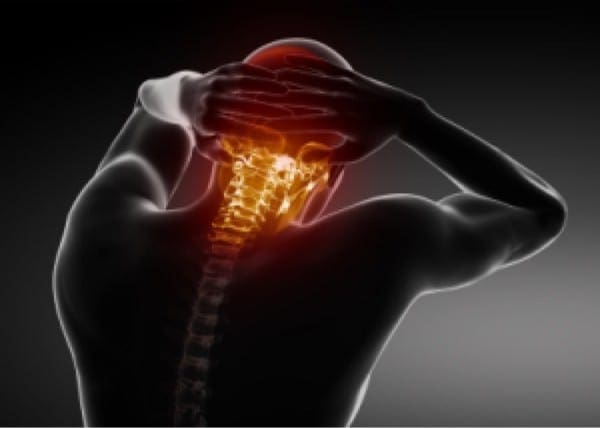
Back Clinic Chiropractic. This is a form of alternative treatment that focuses on the diagnosis and treatment of various musculoskeletal injuries and conditions, especially those associated with the spine. Dr. Alex Jimenez discusses how spinal adjustments and manual manipulations regularly can greatly help both improve and eliminate many symptoms that could be causing discomfort to the individual. Chiropractors believe among the main reasons for pain and disease are the vertebrae’s misalignment in the spinal column (this is known as a chiropractic subluxation).
Through the usage of manual detection (or palpation), carefully applied pressure, massage, and manual manipulation of the vertebrae and joints (called adjustments), chiropractors can alleviate pressure and irritation on the nerves, restore joint mobility, and help return the body’s homeostasis. From subluxations, or spinal misalignments, to sciatica, a set of symptoms along the sciatic nerve caused by nerve impingement, chiropractic care can gradually restore the individual’s natural state of being. Dr. Jimenez compiles a group of concepts on chiropractic to best educate individuals on the variety of injuries and conditions affecting the human body.
If you have pain in any part of your body, it can range from uncomfortable to downright debilitating. In the case of your neck, any degree of irritation can impede your ability to function. Because of this, it is important that you learn about how chiropractic relieves neck pain so that you can find the assistance you need.
When you first visit a chiropractor, you should take along medical records that relate to your neck pain. This includes any medical history that outlines the description and symptoms of your condition by another physician. For instance, whether the pains are sharp or dull, throbbing or steady can provide valuable information to your chiropractor.
You should also make sure to get a copy of your latest x-rays. If you do not have any, that is okay because most chiropractors will either perform them on-site or refer you to a radiology clinic off-site.
Depending on the chiropractor�s approach, a typical first visit includes an initial consultation, examination and x-rays. If the chiropractor has time, he or she may go over the results of the aforementioned the same day.
However, many chiropractors prefer to study and review your case before determining if they can or cannot help you. So, even though you�re in pain, be patient for the chiropractor�s full recommendations which may not be available until the following day.
With that said, most chiropractors won�t leave you hanging. They�re compassionate to your pain. In other words, they�ll administer some form of pain relief the same day as your initial visit until a complete diagnosis is available.
During this initial waiting period, your local chiropractor may administer the following pain relief methods for neck pain:
Ice
Light soft tissue work using a topical analgesic like BioFreeze�
Interferential therapy, electrical stimulation and/or other physical therapy modalities
Heat (if the condition isn�t acute)
Additionally, your local chiropractor may make pain relief recommendations that you can use back home to help reduce your neck pain until your next visit. These typically include the proper use of ice as well as the administration of a topical analgesic like BioFreeze�.
During your subsequent visit, a detailed treatment plan will be presented to you if your chiropractor believes he or she can help correct the problem. If so, be consistent with the treatment plan your diagnosis warrants so that your neck pain is not only relieved but potentially corrected.
Remember, your local chiropractor is not only concerned about relieving your neck pain but even more concerned about finding and fixing the cause of the problem. Misalignments of the spine (aka vertebral subluxations) don�t just happen over night (unless there is some form of blunt force that caused it). So correcting these subluxations through multiple chiropractic adjustments may take time, even when the pain disappears.
Regardless, when people are experiencing neck pain, it can diminish their quality of life. It becomes difficult to perform regular tasks such as driving. Visiting a chiropractor and allowing them to treat the area is a smart choice. These professionals have undergone extensive training in their field and are capable of treating neck pain effectively. So if you or a loved one are experiencing neck pain, give us a call. We�re here to help!
This article is copyrighted by Blogging Chiros LLC for its Doctor of Chiropractic members and may not be copied or duplicated in any manner including printed or electronic media, regardless of whether for a fee or gratis without the prior written permission of Blogging Chiros, LLC.
Losing Weight: Back pain is one of the most common and most troublesome problems that people experience. Eight out of 10 individuals will struggle with back pain during some point in their life, the US National Library of Medicine reports. Low and chronic back pain can be aggravated by many triggers. Mechanical stress, excessive strain, muscle weakness, poor sleeping position, lack of exercise and excessive weight could all contribute to making the situation worse.
The good news is that chiropractic ranks among the most popular and effective treatment options available today for back pain. Through the chiropractic adjustment, chiropractors not only help ease the pain but also work toward correcting the problem. According to chiropractors, spinal adjustments can deliver even better results when combined with weight loss.
In today�s article, we�ll exam the following:
How Obesity and Back Pain are Related
How Weight Loss Helps Reduce Back Pain
Improving Back Health through Chiropractic
How Obesity and Back Pain are Related
Individuals that are classified as overweight or obese are much more likely to experience back pain than people that aren�t according to the American Obesity Association.
Obesity prevents individuals from engaging in everyday physical activities, as well as healthy exercises. These are essential for strengthening the core muscles. A stronger core can take some of the burden away from the back, thus making back pain less likely.
In addition, the spinal cord becomes excessively burdened in the case of obese individuals. This is because it�s trying to compensate for the additional weight, which can cause tilting and uneven stress. Both of these can contribute to serious and chronic back pain. Thus the reason obesity is one of the most prominent aggravating factors in the case of lower back pain.
Losing Weight Helps Reduce Back Pain
According to weight loss experts and chiropractors, weight loss can contribute to partial or complete reduction in the back pain symptoms. The research on the connection between weight loss and back pain is still insufficient but numerous practitioners report that they�ve seen cases of patients experiencing serious reduction in pain after losing weight.
Obviously, this occurs because the extra weight is taken off the spine. As a result, the spine doesn�t experience further stress. Especially when a chiropractor realigns the vertebral column through multiple sessions of chiropractic adjustments.
According to the American Spine Society, individuals that stay within 10 pounds of their ideal weight are the ones least likely to experience spinal problems, particularly chronic lower back pain.
Improving Back Health through Chiropractic Care and Physical Activity
The combination of exercise and chiropractic care can produce noticeable, long-term improvements in spinal health.
Besides aiding in weight loss, exercise is also great for strengthening the core muscles and guaranteeing a proper distribution of the body�s weight throughout the spine. Stronger muscles, less weight and better posture will provide amazing long-term benefits for chiropractic patients that suffer from back pain.
If you need more pointers on how to incorporate weight loss and exercise in your daily routine, speak to your local chiropractor. He or she is more than competent to guide you along the way. If you aren�t currently seeing a chiropractor, give us a call. We�re here to help!
This article is copyrighted by Blogging Chiros LLC for its Doctor of Chiropractic members and may not be copied or duplicated in any manner including printed or electronic media, regardless of whether for a fee or gratis without the prior written permission of Blogging Chiros, LLC.
Although chiropractic is dedicated to finding and correcting vertebral subluxations (also known as spinal misalignments), many patients seek chiropractic care to alleviate pain and other health-related symptoms. One condition that chiropractic patients seek relief from is consistent low back pain.
According to the American Chiropractic Association, 31 million Americans experience low back pain at any give time. Even though low back pain plagues many people, finding the exact cause can be a challenge. However, chiropractors are spinal specialists that are trained extremely well to not only help alleviate your pain but also find the cause of the problem.
As you seek help from your local chiropractor, you�ll want to keep the following things in mind:
Low Back Pain: Prevention Is Key
Prevention is often the best cure for low back pain. When a patient sees a chiropractor, they�ll not only find relief for the low back pain they�re experiencing, but they�ll also learn ways to prevent such pain in the future. By using proper exercise and ergonomic techniques, they can ease their pain before it even starts. Amazing results are easily obtained simply by patients listening to the instructions given by their chiropractic doctor.
Treatment Options Are Available
Fortunately, there are many treatment options for low back pain. Based off of the diagnosis provided by your Doctor of Chiropractic, he or she will be able to suggest the ones that will benefit you the most. These treatments may include one or more of the following:
Spinal adjustments delivered either by hand or instrument like an Activator
Hot or cold compresses
Physical therapy modalities like Interferential Therapy or TENS
Massage Therapy or some other form of soft tissue work
Spinal decompression therapy
Getting Relief From Your Pain
If you were prescribed pain medication by a medial doctor before seeing your chiropractor, it may still be required to help reduce your pain levels. However, the good news is that you may be able to decrease your pain medication quicker than usual as spinal misalignments are corrected, nerve compression is alleviated and inflammation is reduced. That alone is well worth the investment of time and money to see your local chiropractor.
Rehab Through Exercise
As your care progresses from pain relief to rehabilitation of the spine, your chiropractor will recommend certain exercises to help strengthen your core muscles which, in return, will help stabilize and protect your lower back. Typically, these exercises are performed at the chiropractic office to make sure you understand how to do them without re-aggravating your original complaint. Once you�ve been educated on their purpose and know how to perform them correctly without supervision, you�ll be able to continue them at home in conjunction with the spinal adjustments you receive at the office during maintenance care.
Surgery May Be Avoided
Depending on your condition, you may be able to avoid surgery if you choose to see a chiropractor before your injuries or pain become worse. In some instances, a chiropractor can help you to avoid surgery entirely by helping correct the problem instead of just masking it through pain relief.
The key is to make sure you follow the recommendations of your chiropractor after a thorough consultation and examination are performed. Part of the examination procedures may require X-rays or MRIs. These not only benefit the chiropractor when he or she is developing your treatment plan but will also give you the peace of mind that the problem will be found.
The bottom line is that a chiropractor is the ideal professional to consult with for any unexplained pain in the musculoskeletal system. They�re not only well-qualified to treat conditions like low back pain but also achieve great results in a very affordable and effective manner. If you or a loved one are suffering from low back pain, gives us a call. We�re here to help!
This article is copyrighted by Blogging Chiros LLC for its Doctor of Chiropractic members and may not be copied or duplicated in any manner including printed or electronic media, regardless of whether for a fee or gratis without the prior written permission of Blogging Chiros, LLC.
If you are among the 45 million Americans who suffer headaches regularly, you are undoubtedly familiar with the traditional methods that people use to treat them, including taking some type of over the counter medication that is supposed to eliminate the pain and reduce any associated swelling. There are many other types of treatment that you may have attempted as well, including taking pharmaceutical concoctions designed to treat pain. However, none of these solutions provide permanent relief that addresses the problem at the core.
In the past few decades, there have been an increasing number of patients throughout the country that have begun to seek alternative forms of therapy for all types of conditions, including headaches. One form of treatment that is very promising for physical as well as other types of pain is chiropractic.
This form of alternative care has been used successfully for over a hundred years and has become a regular part of the American healthcare delivery system. In fact, there are an increasing number of insurance providers that are willing to pay for chiropractic because of its effectiveness.
When a person goes to school to learn about chiropractic, they begin by studying the human anatomy in great detail, just like other medical professionals. However, in addition to looking at how all of the parts work together physically, their training primarily revolves around the diagnosis and treatment of misalignments in the spine known as subluxations.
Theses subluxations compress nerve tissue that affects organ function, soft tissue like muscle, ligaments and tendons and can eventually manifest as other health problems if not treated.
Once the nerves are disrupted pain will result. While it usually manifests itself as physical pain, this is not always the case. In some instances, the person may experience difficulties with sleep or other routine habits.
On the first visit with a chiropractor, a review of previous health issues will be completed, including x-rays (if needed) to determine what types of nerve blockage may be occurring. They will listen to the patient attentively and make an assessment, including determining what types of treatment will best suit the patient.
In the case of headaches, the patient usually has misalignment (subluxations) in the cervical spine. This may be accompanied by muscles that are unduly tight in the neck, shoulders and nearby areas. Pressure on the nerves may cause sharp stabbing pains or there may be a continual dull throb in the region.
The chiropractor will assess the area and then move forward with treatment known as a chiropractic adjustment in order to relieve the pressure and pain. The relief is usually instantaneous, with an increase in positive symptoms for the following few hours.
However, chiropractors don�t just focus on relieving symptoms but rather correcting the problem; therefore, additional treatments will follow to help correct the cause. In addition, the chiropractor will take the time to educate you on the importance of chiropractic, especially if you�ve never been to one before.
If you need further help with your headaches or are ready to see how beneficial chiropractic care can be to your overall health, please give us a call so that you can schedule an appointment with our Doctor of Chiropractic.
This article is copyrighted by Blogging Chiros LLC for its Doctor of Chiropractic members and may not be copied or duplicated in any manner including printed or electronic media, regardless of whether for a fee or gratis without the prior written permission of Blogging Chiros, LLC.
When you suffer from joint or muscle pain, it is important to work on maintaining as much flexibility as possible. The more flexible you are, the less likely you will be to further injure yourself. One of the best ways to improve your flexibility is by stretching before you are active.
However, you need to warm up your muscles before you stretch. If you stretch first, you can actually injure yourself by pushing your joints too far. Spend a few minutes doing some light activity before you stretch. This can be as simple as a brisk walk or some basic calisthenics.
If you have been seeing a chiropractor, he or she may be able to recommend some stretches for you. Otherwise, you can use some of these basic techniques. There are two basic forms of stretching, static and dynamic.
Static Stretching vs. Dynamic Stretching
Static stretches involve holding a position for a certain period of time to loosen up your muscles. These tend to be what most people think of when they think about stretching. However, dynamic stretches are also important. With these, you move parts of your body to work on your flexibility.
Many of the most effective stretches for back pain can be done right at home. For example, lie on your back with your knees bent. Grasp one knee in both hands and pull it up towards your chest. Hold this position for 30 seconds and then lower the knee to the starting pose. Repeat with the other knee. You can also do both knees at the same time.
A similar stretch begins in the same position as the previous one. However, instead of lifting your knee to your chest, roll both legs to one side so that your knees are as close to the floor as possible. Hold this position for 10 seconds, and then roll to the other side.
Another common stretch recommended by many chiropractors comes from yoga, where it is known as the “cat pose.” Get down on the floor on your hands and knees, with your hands underneath your shoulders. First, let your abdomen drop down towards the floor. Then, reverse this movement by arching your back. Repeat this cycle three to five times.
More dynamic stretches can also be good for your muscle pain. Try doing handwalks to stretch your shoulders and abdominal muscles. Stand up straight and slowly lower your hands towards the floor. Walk your hands out in front of you until you are as far down as you can go. Then walk your hands back to the starting position.
A final stretch that can help your back muscles is known as the “scorpion.” Lie face-down and stretch your arms out to the sides. First, slowly move your right foot towards your left arm. Then, move your left foot towards your right arm. Make sure to move in a slow and controlled fashion.
When you are suffering from muscle or joint pain, it is a good idea to stretch both in the morning and the evening. By incorporating these exercises into your daily routine, you can avoid many common injuries.
If you need further instruction regarding stretches, please give us a call so that you can schedule an appointment with our Doctor of Chiropractic.
This article is copyrighted by Blogging Chiros LLC for its Doctor of Chiropractic members and may not be copied or duplicated in any manner including printed or electronic media, regardless of whether for a fee or gratis without the prior written permission of Blogging Chiros, LLC.
Chiropractic care is designed to alleviate pain and restore the body to its natural balance. For chiropractors, injury prevention is key for a healthy body. Good practices combined with solid exercises creates toned muscles that protect the body and spine from harm. While each patient receives exercise instructions for their specific condition, the following exercise tips for chiropractic patients apply to everyone.
Take Time To Warm Up Before You Exercise
Before starting any exercises, it’s important to warm up. A series of dynamic moves will boost your heart rate and heat up the muscles that you will be using during your work out.
Select whole body movements such as leg lunges paired with arm motion or walk in place while raising and lowering your arms. Once you’ve warmed up, you can safely stretch without risk of injury.
Introduce Ergonomics Into Your Home And Work Space
One of the most important exercise tips for chiropractic patients is to take steps to keep your body in alignment as you move through your day. In the workplace, check with an ergonomics consultant to ensure proper positioning, especially if you spend most of the day seated or doing repetitive tasks.
A comfortable chair reduces muscle strain and prevents injury. Make sure that your feet sit firmly on the floor and that lumbar support is in place. At home, you should have a good mattress and supportive furniture.
Choose The Right Shoes
Before you buy your next pair of shoes, check for stability, flexibility, and comfort. During your test drive, make sure that the shoes feel firmly in place as you move through your entire range of motion for a stable gait during wear.
Footwear should be flexible enough to give easily at the base of the toe for a smooth gait, and there should be cushioning at all the right places with plenty of room for the toes to move. Shoes that properly fit your feet means that your walk will be more natural and healthy during exercise and in daily motion.
Sit And Stand With Posture In Mind
Perhaps the biggest reason that these exercise tips for chiropractic patients are so important is that strong and flexible muscles will help you have good posture. Be mindful of the following as you move through your day:
When sitting, your feet should be on the floor, your shoulders should be relaxed, and your forearms should remain parallel with the ground.
If you will be standing for a time, make sure that you maintain posture by tucking your stomach muscles in.
When standing for an especially long period of time, be sure to shift your weight from one foot to the other and from the heels to the toes and back again.
These simple tips for maintaining good posture will passively work your muscles and result in a healthier spine.
Passive Stretches For Large Muscles
Finally, it is important to target large muscle groups with passive exercises. Use your weight to slowly stretch your hamstrings, your piriformis, and your entire back. Passive stretching is gentle and relieves stress points that cause back pain. These gentle exercises provide a great deal of relief and are easily adjusted to suit your current ability.
Your chiropractor will work with you to design an exercise program that is optimal for you. Be sure to follow through with the plan and include these tips in your regular work out to experience the joy of healing from chiropractic care.
This article is copyrighted by Blogging Chiros LLC for its Doctor of Chiropractic members and may not be copied or duplicated in any manner including printed or electronic media, regardless of whether for a fee or gratis without the prior written permission of Blogging Chiros, LLC.
Autoimmune thyroid diseases, such as Hashimoto’s thyroid disease and Graves’ disease, are several of the most prevalent causes behind thyroid gland dysfunction. Autoimmune thyroid diseases, or AITDs, occur when the human body’s own immune system attacks and damages a healthy thyroid gland. It’s this autoimmune assault on the thyroid which can, over time, lead to the overactive or the underactive function of the buttefly-shaped gland in our neck.
What other factors can cause autoimmune thyroid diseases?
According to numerous research studies, autoimmune thyroid diseases can be caused due to a variety of factors. Environmental factors like iodine intake and selenium deficiency can alter the balanced metabolism of chemicals in the human body necessary for the proper function of the thyroid gland. Additionally, environmental factors such as exposure to environmental pollutants and toxins have been linked to the interference of efficient thyroid hormone secretion.
Autoimmune Thyroid Disease & Infection
One autoimmune thyroid disease trigger, however, is often overlooked by healthcare professionals; infection. Researchers today still do not fully understand how�infections trigger autoimmune diseases, however because our immune systems are so complicated and every disease is unique, it’s very likely that there are a number of variables. Recent studies have identified three theories which explain the links between infections and AITDs.
Molecular Mimicry
Autoimmune thyroid diseases triggered by molecular mimicry are virtually hypothesized to occur when the infection is structurally similar to that of the thyroid gland. Therefore, once the network of defense cells, tissues and organs activates, the immune system proceeds to strike the infection and attacks your thyroid gland.
Bystander Activation
In this circumstance, the immune system activates when a virus or bacteria invades the thyroid gland and sends cells into your thyroid to destroy the infection. While these cells are currently all attacking the bacteria or virus, it injures the thyroid gland. More cells are signaled by the inflammation to the thyroid gland where they often continue to attack.
Cryptic Antigens
You can think about this as the “hijacking theory” where an infection (usually due to a virus) hijacks the thyroid cells’ DNA to hide from your immune system. The immune system is intelligent enough to detect the virus anyway, and strikes the virus as well as the thyroid cells it is hiding in.
AITDs as a Response to Infection
In certain individuals, autoimmunity is the price to be paid for the eradication of an infectious agent. Infections are implicated in the pathogenesis of endocrine, and nonendocrine diseases. Either fungal or viral diseases may represent a risk factor for the evolution of AITDs. Viruses have long been suspected as etiological agents in a variety of health disorders, uncluding autoimmune thyroid disease; furthermore, a trigger of AITDs, infecting the thyroid or immune cells, was demonstrated in an avian model. This potential remains unproven although viruses may be agents in AITDs.
An increased frequency of antibodies to the influenza B virus has been observed in a group of patients with thyrotoxicosis. Virus-like particles have been discovered in the thyroid of chickens together with similar particles. Serological evidence of staphylococcal and streptococcal disorders were described in a few patients with AITDs.
Some of the strongest evidence linking infectious agents to AITDs’ induction has been the institution of Yersinia enterocolitica disease with thyroid disorder. This Gram-negative coccobacillus commonly causes diarrhea along with a number of abnormalities that indicate disorder, including arthritis, arthralgias, erythema nodosum, carditis, glomerulonephritis, and iritis. Weiss et al. demonstrated that Y. enterocolitica needed a saturable, hormone-specific binding site for its mammalian TSH that resembled the receptor for TSH from the human thyroid gland.
An immune response against a viral antigen that shares homology with the TSHR might be the inductive event that ultimately leads to autoimmunity. A substantial association between AITDs and hepatitis C has also been found. Antibody titers are shown to increase in patients with the hepatitis C virus, and these patients were more susceptible to AITDs than were hepatitis B sufferers. These patients must be screened for autoimmune thyroid disease.
Infection might induce an autoimmune response by various mechanisms, such as polyclonal T cell activation by microbial superantigens mimicry, and thyroid expression of human leukocyte antigens. Inflammation can alter cell signaling pathways and influence T cell activity and cytokine secretion profiles.
In conclusion, research studies have shown that autoimmune thyroid diseases may also be the response of environmental factors such as infections. Infections can lead to AITDs when the human body’s own immune system attacks and damages the thyroid gland cells in addition to those of bacteria and viruses. Ultimately, treating bacterial and viral infections can be an essential way to prevent autoimmune thyroid disease or complications.
The scope of our information is limited to chiropractic and spinal injuries and conditions. To discuss options on the subject matter, please feel free to ask Dr. Jimenez or contact us at 915-850-0900 .�
By Dr. Alex Jimenez
Additional Topics: Wellness
Overall health and wellness are essential towards maintaining the proper mental and physical balance in the body. From eating a balanced nutrition as well as exercising and participating in physical activities, to sleeping a healthy amount of time on a regular basis, following the best health and wellness tips can ultimately help maintain overall well-being. Eating plenty of fruits and vegetables can go a long way towards helping people become healthy.
IFM's Find A Practitioner tool is the largest referral network in Functional Medicine, created to help patients locate Functional Medicine practitioners anywhere in the world. IFM Certified Practitioners are listed first in the search results, given their extensive education in Functional Medicine