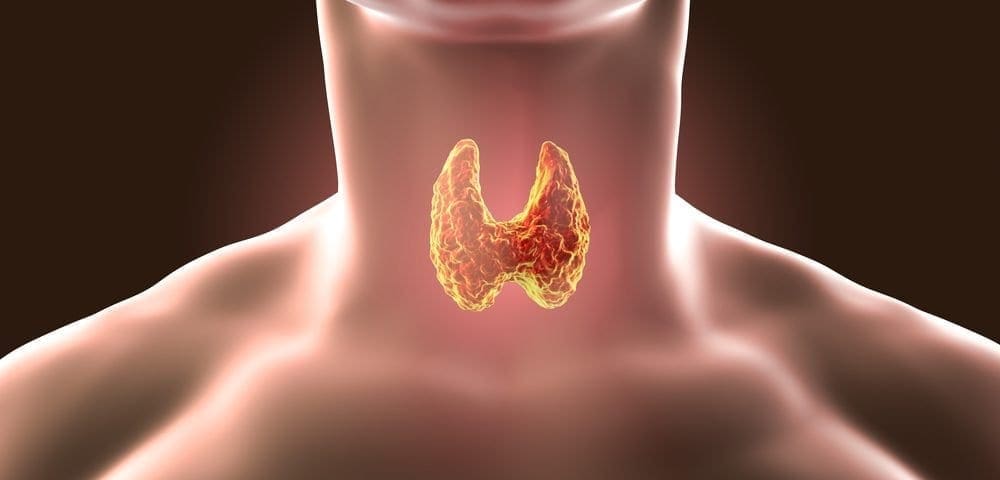
The thyroid gland plays a major part in the human body; it’s in charge of creating the hormones necessary for providing our body’s energy levels for an active life. These hormones have a critical impact on the development and growth of our body. At the same time, however, the thyroid is highly vulnerable to autoimmune thyroid diseases (AITDs).
Why is the thyroid gland vulnerable to autoimmune thyroid disease?
Autoimmune thyroid diseases often occur as a result of genetic factors. These seem to affect disease progression after the thyroid gland becomes the target of autoimmunity cells. It can create a large array of cytokines, adhesion molecules, and also growth factors. The susceptibility of the thyroid to AITDs can come from the complexity of hormonal synthesis, oligoelement conditions and particular capabilities of the defense mechanisms of the thyroid.
Genetic Factors for Thyroid Disease
The thyroid gland is essential in the human body due to it’s production of thyroid hormones. These compounds have fundamental effects, playing critical roles in somatic growth, brain development, bone maturation, and the mRNA synthesis of more than 100 proteins which govern each and every physiological function of the body.
The incidence of chronic autoimmune thyroiditis, abbreviated as CAT, and Graves’ disease, another autoimmune thyroid disease, has increased dramatically over the last few decades, afflicting up to 5 percent of the overall population. Chronic autoimmune thyroiditis has become the most common cause of hypothyroidism, according to recent studies.
Initial research on the association between early fetal nourishment and the pathogenesis of autoimmune thyroid disease has led to some controversial data. In twin studies, Phillips et al. found that one monozygotic twins, the smaller twin, had greater levels of thyroid peroxidase (TPO) antibodies. In instances of both type 1 and type 2 diabetes, the hypothesis suggests excess weight and obesity in children can be a major contributing factor to thyroid disease, even among the population of children with type 1 diabetes, those who were more overweight or obese demonstrated a higher prevalence of thyroid and autoimmunity issues. Obese children have also been found to have increased interferon (IFN)-?-secreting T helper cells along with altered thyroid structure and hormonal status.
Recent advances in genome-wide research have made it feasible to effectively identify complicated genes. Using both the candidate gene approach and whole-genome linkage studies, 6 AITD susceptibility genes have been identified and verified; the very first group includes the immunomodulatory gene products HLA-DR, CD40, cytotoxic T lymphocyte-associated variable (CTLA-4), and protein tyrosine phosphatase 22 (PTPN22), and the second category involves the thyroid-specific receptor goods thyroglobulin (Tg) and also thyroid-stimulating hormone receptor (TSHR).
Genetic factors predominate as the leading cause of thyroid dysfunction, accounting for roughly 80 percent of the odds of developing autoimmune thyroid diseases, whereas at least 20 percent are due to environmental or other variables. On the history of AITDs, a number of research studies have been published in the last few decades.
An increased frequency of AITDs is reported in Turner syndrome and in additional nondisjunctional chromosomal disorders such as in Down syndrome and Klinefelter syndrome. The concept that autoimmunity can lead to the survival of a fetus with chromosomal aneuploidy is fascinating but remains unproven. The most prevalent disorder in Turner syndrome appears to be chronic autoimmune thyroiditis, with a reported thyroid autoantibody incidence of 30. Hypothyroidism of autoimmune origin is indeed common in TS that every other TS girl will likely develop hypothyroidism.
Analyzing the Thyroid Cell
The thyroid cell produces a variety of immunologically active factors, as shown on Table 1, and has complicated nutrient conditions for hormonal synthesis, as shown on Table 2, both of which influence susceptibility to AITDs. It is increasingly clear that the target thyroid cells interact with the body in ways that look defensive and protective, yet they can malfunction and exacerbate under circumstances that are particular, according to the research.
Table 1
Table 2
In the majority of human autoimmune disorders, the events which trigger autoimmunity remain unknown. It is unclear whether results mostly from an immune defect, are secondary to target organ alterations, or even both. The thyroid gland demonstrated increased oxidation and iodine uptake prior to infiltration concomitant in the case of autoimmune thyroid disease. Modifying thyroid function influences the growth of thyroid autoimmunity. The thyroid, contrary to other cells from the endocrine system, is exceptional in function since it releases hormonal goods on its basal surface instead of its surface, hence allowing for the proper transportation of iodine which is essential across the cell.
Thyroid cells are capable of producing different factors (Table 1), such as IGF I, IGF II, and EGF, which could stimulate angiogenesis. The half-life of those molecules is short and they induce only localized (nonsystemic) effects. Thyroid follicular cells secrete several necessary growth factors. The expression of intercellular adhesion molecule-1 (ICAM-1) and lymphocyte function-associated antigen-3 (LFA-3) by thyroid cells is enhanced by IFN-?, tumor necrosis factor (TNF), and interleukin (IL)-1. Thyroid cells express CD44, which functions as a homing receptor for hyaluronan, mediates leukocyte rolling (the very first step in tissue homing), and may (like ICAM-1) induce lymphocyte activation under certain circumstances. Thyroid cells are now known to produce many cytokines (particularly after stimulation with IL-1), including IL-1, IL-6, IL-8, IL-12, IL-13, and IL-15. Activated lymphocytes can create TSH.
Low dose substance tolerance can easily be altered, and the thyroid gland is not well taken by the immune system. Autoantigens in autoimmune thyroid disease, as in other autoimmune endocrine disorders, include tissue-specific membrane receptors, enzymes, and secreted hormones. Mixed cellular and antibody autoimmune responses are probably pathogenic to some level. Circulating anti-Tg autoantibodies can also be present in GD and CAT, as are autoantibodies to triiodothyronine (T3) and thyroxine (T4). The human (h) TSHR is the principal antigenic target in autoimmune hyperthyroidism. The TPO autoantibody appears to be unlikely to have much pathogenic importance as it’s restricted access to TPO is due to its location inside the cell. What’s more, anti-TPO autoantibodies don’t inhibit the action of this enzyme. Therefore, their clinical significance is principally to record thyroid gland autoimmunity.
In humans, excess thyroid gland hormones can lead to the attenuation of natural killer (NK) cell activity, which in theory could cause the continuation of an autoimmune disease. Upon return to some euthyroid status along with the consequent normalization of NK activity, a reversion to management of this abnormal immune reaction would occur with perpetuation of GD. Furthermore, an anti-idiotype may be the agonist for the original antigen. Therefore, an antibody to a antibody (anti-idiotype) into TSH may pertain to the TSHR and stimulate the thyroid gland. A more likely hypothesis is that anti-idiotypic antibodies are rarely generated at a detectable degree. Hodkinson et al. recently found a positive association between thyroid hormone concentration and NK-like T cells in the elderly.
Antigen Presentation
Bottazzo et al. first indicated that antigen presentation by HLA-DR-expressing thyroid gland hormones may be a vital aspect of thyroid autoimmune disease. It rapidly became clear in the research that the only stimulus capable of causing MHC class II expression on thyroid cells was the T cell cytokine IFN-?. Regular cells react precisely the same as AITD thyroid gland in IFN-?, and in animal models of AITDs, class II expression on thyroid cells is constantly followed by the amount of lymphocytes. Along with inducing MHC class II expression, IFN-? increases MHC class I expression on thyroid cells, thus allowing the recognition of thyroid cells from cytotoxic CD8+ T cells.
It is likely that direct antigen presentation by the thyroid may occur in individuals who inherit T cells; such a circumstance would skip the standard mechanism. The HLA-DR antigen-expressing thyroid cell may be as successful as the macrophage at introducing thyroid-specific antigens to the immune system, but the thyroid cell is incapable of supplying the costimulatory signals that practitioner antigen-presenting cells (APCs) do. Any stimulus that causes increased DR expression on thyrocytes, for example IFN-? produced by T cells in response to infection, combined with increased TSH stimulation may allow thyrocytes to function properly. Though thyroid cells can perform this function they are localized, allowing for production of the previously established occurring low levels of antibodies, leading to autoimmune thyroid disorder in the human body.
The scope of our information is limited to chiropractic and spinal injuries and conditions. To discuss options on the subject matter, please feel free to ask Dr. Jimenez or contact us at 915-850-0900 .�
By Dr. Alex Jimenez
Additional Topics: Wellness
Overall health and wellness are essential towards maintaining the proper mental and physical balance in the body. From eating a balanced nutrition as well as exercising and participating in physical activities, to sleeping a healthy amount of time on a regular basis, following the best health and wellness tips can ultimately help maintain overall well-being. Eating plenty of fruits and vegetables can go a long way towards helping people become healthy.
Thyroid diseases, such as hypothyroidism and hyperthyroidism, both caused by the altered function of the thyroid gland found in the neck, have been reported to develop due to a variety of factors. Among these factors, however, research studies have recently found a connection between the use of pesticides and thyroid disease.
What is the connection between thyroid disease and pesticides?
One of the most recent research studies, published in the American Journal of Epidemiology (AJE), discovered that exposure to fungicides and organochlorine pesticides increased the rate of hypothyroidism among women by 20 and 40 percent, respectively. Thyroid disease is most often diagnosed in women than in men.
Thyroid Disease and Pesticides
Thyroid disease can ultimately affect overall health and wellness, manifesting in symptoms of fatigue, weight fluctuations and mental issues. Some thyroid diseases, like Hashimoto’s thyroid disease and Graves’ disease, are autoimmune thyroid diseases which cause the body’s own cells to attack the thyroid gland.
Researchers in the University of Nebraska Medical Center derived these figures from clinical information collected from the Agricultural Health Study (AHS), conducted in North Carolina and Iowa between 1993 and 1997.
All those enrolled in the AHS were the female partners of agricultural workers. Nearly seven percent of them reported suffering from hypothyroidism, or underactive thyroid function. The typical speed of the disorder among Americans is five percent, according to the National Institute of Diabetes and Digestive and Kidney Diseases (NIDDK). In the AJE, several agricultural chemical classes weren’t associated with hypothyroidism or hyperthyroidism. These comprised of fumigants herbicides, organophosphates, pyrethroids and carbamate.
However, any exposure to organochlorine pesticides or fungicides resulted in a greater rate of hypothyroidism. Pesticides are an extremely toxic class of neurotoxins which includes DDT, as stated by the University of Connecticut Center for Environmental Health. This exposure can affect the proper function of an otherwise healthy thyroid.
Other studies have made similar associations between pesticides and thyroid disorder. A 1998 study published in the journal Environmental Health Perspectives found that 10 percent of pesticides analyzed from the U.S. Environmental Protection Agency were carcinogenic in laboratory rodents.
A 2003 report in the Journal of Occupational and Environmental Medicine found that polychlorinated biphenyls (PCBs) – compounds used to dilute pesticides, seem to impact the volume, hormone levels and the incidence of nodules in the thyroid glands of individuals most exposed to PCBs.
Hypothyroidism slows down many of the human body’s functions, leading to fatigue, weight reduction, brittle hair and constipation, the NIDDK reports. The report adds that women are more likely to develop the illness. If you begin to notice any of the above symptoms, be sure to seek immediate medical attention in order to diagnose the presence of any thyroid disease and begin a proper treatment plan to correct the thyroid hormone disbalance.
The scope of our information is limited to chiropractic and spinal injuries and conditions. To discuss options on the subject matter, please feel free to ask Dr. Jimenez or contact us at 915-850-0900 .�
By Dr. Alex Jimenez
Additional Topics: Wellness
Overall health and wellness are essential towards maintaining the proper mental and physical balance in the body. From eating a balanced nutrition as well as exercising and participating in physical activities, to sleeping a healthy amount of time on a regular basis, following the best health and wellness tips can ultimately help maintain overall well-being. Eating plenty of fruits and vegetables can go a long way towards helping people become healthy.
The thyroid diseases, hyperthyroidism and hypothyroidism, are important to take care of in pregnancy, and unfortunately, they can occur relatively frequently. The thyroid gland is an organ found in the neck which releases hormones that regulate your metabolism, heart and nervous system, weight, body temperature, and many different processes within the body.
What are the risks of thyroid disease in pregnancy?
During pregnancy, in case you have preexisting hyperthyroidism or hypothyroidism, you may require more medical attention to control these conditions, particularly in the first trimester. Pregnancy may cause symptoms much like those common in these thyroid disases, in the first trimester. Should you experience palpitations, weight loss, and persisting vomiting, you should contact your doctor.
Untreated thyroid diseases in pregnancy may lead to early birth, preeclampsia (a severe increase in blood pressure), miscarriage, and low birth weight among other problems. It’s very important to talk to your healthcare professional if you have some background of hyperthyroidism or hypothyroidism so you may be monitored before, and during pregnancy and have your treatment adjusted if needed.
Symptoms of Thyroid Disease in Pregnancy
Hyperthyroidism
Symptoms of hyperthyroidism may mimic those of normal pregnancy, such as an increased heart rate, sensitivity to warm temperatures, and exhaustion. Additional symptoms of hyperthyroidism include the following:
Irregular heartbeat
Nervousness
Severe nausea or vomiting
Slight tremor
Trouble sleeping
Weight loss or low weight gain for a typical pregnancy
Hypothyroidism
Symptoms of hypothyroidism, such as extreme tiredness and weight gain, can be easily confused with normal symptoms of pregnancy. Other symptoms include:
Constipation
Difficulty concentrating or memory problems
Sensitivity to cold temperatures
Muscle cramps
Causes of Thyroid Disease in Pregnancy
The most common cause of maternal hyperthyroidism during pregnancy is the autoimmune disease Grave’s disease. In this disorder, the body makes an antibody (a protein created by the body when it thinks a virus or bacteria has invaded) called thyroid-stimulating immunoglobulin (TSI) which causes the thyroid to make an excessive amount of thyroid hormone.
The most frequent cause of hypothyroidism is the autoimmune disorder called Hashimoto’s thyroiditis. In this condition, the body attacks the thyroid gland cells, leaving the thyroid without enzymes and cells to make enough thyroid hormones.
Diagnosis of Thyroid Disease in Pregnancy
Hyperthyroidism and hypothyroidism in pregnancy are identified based on symptoms, physical examination, and blood tests to measure levels of thyroid-stimulating hormone (TSH) and thyroid hormones T4, and for hyperthyroidism, additionally T3.
Treatment of Thyroid Disease in Pregnancy
For women who require treatment for hyperthyroidism, an antithyroid medication that interferes with the production of thyroid hormones is utilized. This medication is usually PTU or propylthiouracil for your first trimester, and methimazole can be used also, following the first trimester, if necessary. In cases in which women don’t respond to these drugs or have unwanted effects from the remedies, surgery to remove part of the thyroid could be critical. After you give birth, hyperthyroidism can get worse at the first 3 weeks, and your physician may have to raise the dose of medicine.
Hypothyroidism is treated with a synthetic (artificial) hormone called levothyroxine, which is comparable to the hormone T4 made by the thyroid. Your doctor will continue to monitor your thyroid function tests every 4-6 months and will adjust the dose of your levothyroxine in diagnosis of pregnancy. In case you have hypothyroidism and are taking levothyroxine, it’s important to notify your physician once you know so that the dose of levothyroxine can be increased to accommodate the increase in thyroid hormone replacement, you are pregnant. Because the calcium and iron in prenatal vitamins can block the absorption of thyroid hormone in the human body, you should not take your vitamin.
The scope of our information is limited to chiropractic and spinal injuries and conditions. To discuss options on the subject matter, please feel free to ask Dr. Jimenez or contact us at 915-850-0900 .�
By Dr. Alex Jimenez
Additional Topics: Wellness
Overall health and wellness are essential towards maintaining the proper mental and physical balance in the body. From eating a balanced nutrition as well as exercising and participating in physical activities, to sleeping a healthy amount of time on a regular basis, following the best health and wellness tips can ultimately help maintain overall well-being. Eating plenty of fruits and vegetables can go a long way towards helping people become healthy.
“More children and teens than ever seem to have hypothyroidism, a thyroid gland which does not produce enough thyroid hormone”, says pediatric endocrinologist Andrew J. Bauer, MD, medical director of Medical Center at Children’s Hospital of Philadelphia. An underactive thyroid can even put on grip on and interfere with normal growth and development. Additionally, the fatigue hypothyroidism in children and infants causes can ultimately hinder performance at school and leave kids without enough energy for sports and play.
What should we known about hypothyroidism in children?
“We used to think that one or two in 100 kids and adolescents would develop hypothyroidism, but today it looks like two to three in 100 do,” states Dr. Bauer, co-author of a current review of childhood thyroid ailments for pediatricians and family physicians published in JAMA Pediatrics. “We don’t know the entire extent of hypothyroidism in young men and women in the United States, but numbers seem to be increasing along with levels of other autoimmune conditions. We do not know why. It may be that more children as well as teens are being analyzed, so we’re finding it.
The “hygiene hypothesis”, that residing in clean surroundings early in life can throw away the immune system, is just another potential explanation.” Here’s what parents should know about this thyroid condition:
Hypothyroidism is Common in Children
Routine testing at birth uncovers hypothyroidism in one of every 1,500-3,000 newborns. The cause is a problem with the growth of the thyroid gland, the gland found at the base of the neck. “Early identification and treatment of thyroid hormone deficiency is crucial to ensure normal physical growth and normal brain growth,” Dr. Bauer says. “Screening for thyroid disease should be a part of all newborn screening programs in America.”
But, hypothyroidism may also develop later in childhood or the teen years. The risk is four times higher in girls than in boys. And people with a family history of autoimmune disorders or who have Turner syndrome, Down syndrome, type 1 diabetes or autoimmune disease may also be at risk of developing hypothyroidism.
The most typical cause of this “obtained” hypothyroidism is: An immune system assault on cells in the thyroid gland. Additional factors that could damage the thyroid gland or its capacity to produce thyroid hormones include radiation for cancers of the head and throat, some drugs (including lithiumion, some epilepsy medications and chemotherapy drugs called tyrosine kinase inhibitors) and, infrequently, iodine deficiency. Thanks to “iodized” salt (fortified with iodine) as well as the pure iodine in milk products, eggs and fish, this nourishment problem is comparatively rare in the U.S.
Symptoms Can Hide in Plain Sight
Tiredness, constipation, feeling cold and dry hair and skin are red signs but doctors and parents may not suspect that a sluggish thyroid as these indicators are common complaints of life, not specific to thyroid disorder. A slow-down in development, a delay in growing at puberty and, for women, irregular periods, are symptoms that are key.
“Delays in diagnosing thyroid problems are also common in children and adolescents with hyperthyroidism (a thyroid gland that produces too much thyroid gland) because of the cross-over in behaviour that is similar to anxiety and/or attention deficit disorders,” Dr. Bauer says. “We are also seeing the flip side –more parents legitimately concerned about their child’s fatigue or weight want to know if it’s a thyroid issue. If parents are concerned–especially if their child is not growing well, isn’t going through puberty when they ought to be, or if they develop unexplained and consistent indications or signs consistent with hypo- or hyperthyroidism — it is well worth mentioning to the doctor.”
Weight Gain and Obesity in Children
“Weight gain and obesity are seldom caused by hypothyroidism in children and adolescents,” Dr. Bauer says. “Parents wonder if a thyroid issue is the cause, particularly when they’re doing all they can to help a kid eat a healthy diet and be active. Children with hypothyroidism may sometimes look as if they’re carrying a few extra pounds because they’re not getting taller. But the majority of the time, it’s being overweight that can lead to changes in thyroid hormone levels.”
Extra body fat may increase levels of the hormone leptin, which then increases levels of thyroid stimulating hormone when the thyroid is currently working normally. That could look like subclinical hypothyroidism. “With weight loss, thyroid stimulating hormone levels return to normal,” Dr. Bauer says
Parents Can Check from Home
An enlarged thyroid gland is an important clue to hypothyroidism and hyperthyroidism. “Along with other ailments, it can help your doctor determine whether it is worthwhile performing thyroid testing,” Dr. Bauer explains. “But you can have hypothyroidism with no enlarged thyroid gland.” Parents can do the basic test ” he says. “We don’t encourage parents to attempt to become physicians, but with your child appear at the ceiling while you look at their neck is a fairly easy. If you are able to see the overview of the thyroid gland in this place, then the thyroid is enlarged.”
The thyroid gland is situated at the base of the neck. It extends about an inch. Check by simply looking at this area of the neck in three places to determine if there is an enlarged thyroid:
While your child looks straight using their chin parallel to the floor.
While your son or daughter looks up with her head and her chin pointing upward so that her neck is extended.
As she looks up while she swallows.
About Thyroid Disease Treatment
Doctors diagnose hypothyroidism by assessing for symptoms, taking a family history, analyzing a child’s thyroid gland and analyzing levels of thyroid-stimulating hormone (TSH) and free T4 (free thyroxine). High TSH and T4 can mean hypothyroidism. Amounts of anti-thyroid antibodies, which may be elevated, may also get checked. “If a child or adolescent has hypothyroidism, the typical treatment is levothyroxine–artificial thyroid hormone to replace hormones the thyroid isn’t producing in large-enough amounts,” Dr. Bauer says.
The dose is customized for each child, so that thyroid hormone levels remain within a healthy range. Your child’s physician will recheck his or her thyroid every three to six months before she or he reaches full height–after a change in dose with more checks. “This should look after delays in growth and puberty, stop learning delays, improve energy levels and receive a young man’s life back to normal,” Dr. Bauer says.
But from time to time, that the “brain fog” or exhaustion of hypothyroidism does not fully lift with levothyroxine, ” he notes. “If that is true for your child, it is worth asking the physician whether adding a second thyroid gland, known as T3, could be advantageous,” Dr. Bauer says. “We are beginning to see advantages for many adults and kids utilizing combined T3 and T4 therapy, although, this approach remains controversial and additional research into this approach is required.” This is probably the primary reason why some patients feel better on ‘natural’ thyroid hormone — it is not that it’s a ‘natural’ product when compared with a ‘synthetic’ product but that the ‘natural’ variant of thyroid gland has both T3 and T4 from the formulation.
Meanwhile, some parents detect a sudden “side effect” of therapy: Kids who were silent and relatively inactive today have lots of energy, and may be more interested in playing and just running over sitting down to do homework. “There are usually kids with severe hypothyroidism who get all their assignments done and do not get distracted as they were too tired to do much else but sit around,” Dr. Bauer says. “Following treatment, all of a sudden you have got a typical eight-year-old who is full of energy. It may be an alteration for the patient and the parents.”
The scope of our information is limited to chiropractic and spinal injuries and conditions. To discuss options on the subject matter, please feel free to ask Dr. Jimenez or contact us at 915-850-0900 .�
By Dr. Alex Jimenez
Additional Topics: Wellness
Overall health and wellness are essential towards maintaining the proper mental and physical balance in the body. From eating a balanced nutrition as well as exercising and participating in physical activities, to sleeping a healthy amount of time on a regular basis, following the best health and wellness tips can ultimately help maintain overall well-being. Eating plenty of fruits and vegetables can go a long way towards helping people become healthy.
Hypothyroidism is the most common kind of thyroid disorder in children. It occurs when the thyroid gland is underactive and doesn’t produce enough thyroid hormone to satisfy the needs of the body.
Why is thyroid health important for children?
Thyroid function is essential for children and infants, whose bodies and brains rely on adequate levels of thyroid hormone. Hypothyroidism can result in disability and development failure. Congenital hypothyroidism, which is present at birth, and acquired hypothyroidism, which develops after birth, usually during late childhood or adolescence.
Congenital hypothyroidism
Congenital hypothyroidism affects 1 in 1,500-3,000 babies in the U.S. every year. Approximately, 10 to 20 percent of the time it is inherited, although the illness has been recorded to occur for no known reason.
The disease can result from insufficient maternal iodine consumption during pregnancy, but that is rare in the U.S., where dietary iodine is usually sufficient (iodine is added to table salt and can be present in seafood and milk). Rarely, medications for treating overactive thyroid may lead to congenital hypothyroidism, although the condition resolves without any effects. Still, it’s important for women to get their own thyroid function checked during pregnancy.
Congenital hypothyroidism is among the most common and preventable causes of cognitive disability. Since most newborns show no indications of it, the condition is normally detected during routine newborn screening, which will be mandatory at U.S. hospitals. Checks for congenital hypothyroidism and a number of other congenital disorders. Parents who choose home birth should be sure to secure the screening for their newborns.
Blood samples may show low levels of T4 (thyroxine), a hormone secreted from the thyroid, and/or high levels of TSH (thyroid stimulating hormone), which is released by the pituitary gland.
If the identification is supported through thyroid evaluations, teens have to be treated as rapidly as possible with synthetic thyroid gland, which should be provided as a pill. It should not be given with soy formula or calcium or iron supplements, which may decrease absorption of replacement hormone. Thyroid hormone replacement should also not be given in liquid form, which is unstable.
Most babies will have to take replacement hormone for the rest of their lives, but around 30 percent only require treatment for the first 3 decades of life and might have a transient form. In all cases, checkups and early treatment with a pediatric endocrinologist are important to help ensure normal growth and mind development. Children with congenital hypothyroidism are monitored during the first few years of existence.
Some data have revealed that the prevalence of congenital hypothyroidism is 100 percent higher in Hispanic newborns and 44 percent higher in Asians. The prevalence has also been proven to be 30 percent lower in newborns compared to whites. Infants with Down syndrome include a 10-fold increased incidence of congenital hypothyroidism.
Acquired Hypothyroidism
Acquired hypothyroidism develops during late childhood or adolescence, typically after arrival. The condition is common, affecting 1 in 1,250 kids. About 4.6 percent of the U.S. population age 12 and older has hypothyroidism, as stated by the National Health and Nutrition Examination Survey (NHANES?III).
Hormones produced by the thyroid perform several functions during youth including regulating metabolism and maintaining normal growth and bone growth.
Acquired hypothyroidism in children and teens’ usual cause is an autoimmune disorder called Hashimoto’s thyroiditis, in which the thyroid is attacked by the immune system, interfering with an gland’s ability and causing inflammation. (Hashimoto’s is also the chief cause of hypothyroidism in adults at the U.S.)
Less frequently, Candida can originate from the thyroid or from the pituitary, in case the gland fails to produce enough thyroid gland. Certain medications (like lithium) can decrease thyroid hormone production, and too much or too little iodine in the diet can lead to hypothyroidism, as can radiation exposure and infiltrative disease.
Some children are at greater risk for example those with disorders like Down syndrome of Hashimoto’s; people having other diseases like type 1 diabetes; and people who have received radiation for cancer therapy. Hashimoto’s runs in families and can be more prevalent in females than men.
The others appear only in kids while some symptoms of Hashimoto’s in older children and adolescents are similar to those in adults. These include slowed rate of growth, delayed puberty and delayed tooth development. Another common sign is an enlarged thyroid gland (goiter). Studies have shown that there is an obvious goiter found in nearly 40 percent of kids with autoimmune thyroiditis.
Hypothyroidism symptoms which children and adolescents have with adults in common include: fatigue, constipation, rough, dry skin and hair, and weight gain, even though the majority of weight gain experienced by adolescents and children isn’t due to thyroid disease.
Acquired hypothyroidism can be diagnosed with blood tests. Usually TSH levels are high and T4 levels are low. Both levels are low. Normal ranges for T4 and TSH are somewhat different in children than in adults, so it is important to speak with a pediatric endocrinologist.
Just like congenital hypothyroidism, obtained hypothyroidism is treated typically in the form of a once-daily pill. Side effects may include difficulty falling asleep, headache and restless sleep and result from overtreatment.
There’s no cure for either kind of hypothyroidism but hormone replacement is considered safe and effective. With appropriate use of drugs and intimate follow-up using a pediatric endocrinologist, children can expect to live a healthy life. Kids might be monitored more frequently if there are concerns about their adhering to the pill regimen.
The scope of our information is limited to chiropractic and spinal injuries and conditions. To discuss options on the subject matter, please feel free to ask Dr. Jimenez or contact us at 915-850-0900 .�
By Dr. Alex Jimenez
Additional Topics: Wellness
Overall health and wellness are essential towards maintaining the proper mental and physical balance in the body. From eating a balanced nutrition as well as exercising and participating in physical activities, to sleeping a healthy amount of time on a regular basis, following the best health and wellness tips can ultimately help maintain overall well-being. Eating plenty of fruits and vegetables can go a long way towards helping people become healthy.
Hypothyroidism, or underactive thyroid function, is a commonly reported thyroid disease. There are many common symptoms which characterize the presence of hypothyroidism, although a diagnosis is required for treatment.
Can hypothyroidism be left untreated?
Hypothyroidism can progress and cause a great number of complications if left untreated. Getting regular screenings to ensure an early diagnosis and knowing the symptoms of hypothyroidism will prevent the onset of the complications. The list below is a group of common complications which can occur if hypothyroidism isn’t treated properly.
Birth Defects
If you are pregnant and have a thyroid disorder like hypothyroidism, your child may have a higher risk of developing birth defects than babies born to healthy mothers. Infants born to women with untreated thyroid illnesses might have mental and physical growth issues since thyroid hormones are vital for brain growth. Fortunately, if such problems are addressed shortly after the birth, the child may experience a normal, healthy development. An abbreviated thyroid function test is part of the newborn screen. This includes a panel of blood tests performed to exclude diseases.
Goiter
An excessive stimulation can cause the thyroid gland to expand to the point where you’ve got a bulge on your neck when your thyroid over exerts itself in an effort to make an adequate amount of hormones. This is known as a goiter.
Heart Problems
Hypothyroidism in its mildest forms, can affect the health of your heart. An underactive thyroid can boost your chance of developing heart disease because it raises levels of “bad” cholesterol. Too much bad cholesterol can result in atherosclerosis, or hardening of the arteries, which can increase your risk of heart attacks and strokes. Hypothyroidism can result in the buildup of fluid around the heart, medically referred to as pericardial effusion, which might make it harder for the heart to pump blood, affecting its overall function and that of the body.
Infertility
Hypothyroidism can affect ovulation and decrease the chances of conceiving, if thyroid hormone levels are too low. Even with appropriate treatment for hypothyroidism, such as that of thyroid hormone replacement therapy, there is not any guarantee that the woman will be fully fertile.
Mental Health Issues
If left untreated the signs of hypothyroidism can have a toll on the body and mind of the individual. Mild hypothyroidism can cause mild forms of depression. However, the symptoms of hypothyroidism may increase over time. This can directly affect your psychological condition, and your depression may intensify as an outcome. Moreover, untreated hypothyroidism has been associated with a decrease in psychological functioning.
Myxedema
Myxedema is the term for extreme hypothyroidism which occurs if the disease has progressed for a very long time with no treatment. Since it’s highly unlikely that you wouldn’t seek treatment and wouldn’t recognize the signs, Myxedema is quite rare. This kind of hypothyroidism is life threatening. Your metabolism can slow down to the point at which you would fall into a coma. If you experience symptoms such as extreme fatigue or cold intolerance, associated symptoms of myxedema, seek medical treatment from a healthcare professional immediately.
The real key to preventing the complications of hypothyroidism is to understand the disease’s symptoms and seek proper medical intervention. Hypothyroidism is manageable and it does not need to interfere with your life.
The scope of our information is limited to chiropractic and spinal injuries and conditions. To discuss options on the subject matter, please feel free to ask Dr. Jimenez or contact us at 915-850-0900 .�
By Dr. Alex Jimenez
Additional Topics: Wellness
Overall health and wellness are essential towards maintaining the proper mental and physical balance in the body. From eating a balanced nutrition as well as exercising and participating in physical activities, to sleeping a healthy amount of time on a regular basis, following the best health and wellness tips can ultimately help maintain overall well-being. Eating plenty of fruits and vegetables can go a long way towards helping people become healthy.
The most common cause of hypothyroidism is Hashimoto’s thyroiditis (or autoimmune hypothyroidism), a form of thyroid inflammation caused when your own immune system attacks your thyroid gland.
What causes hypothyroidism and autoimmune disease Hashimoto’s thyroiditis?
But this is not the only cause of hypothyroidism, how or why the disease has been developed by you, might be caused by a variety of reasons. This report gives an explanation of each one of the probable causes of hypothyroidism.
Hashimoto’s Thyroiditis
Hashimoto’s thyroiditis is a common disorder. It affects as many as 10 million people in the US alone, and roughly 10 percent of women over age 30 have Hashimoto’s thyroiditis (the disorder affects women ten times more than males).
Hashimoto’s thyroiditis is characterized by thyroid inflammation because of the body’s own immune system attacks on the thyroid gland. This causes the tissue of the thyroid to gradually decay, which directly affects the thyroid’s ability to function properly. This will result in hypothyroidism because the thyroid gland will then not be able to make the sufficient quantity of thyroid hormone that the body needs to function optimally.
When the body’s immune system attacks its own healthier tissue, it is called an autoimmune disease. If you have symptoms of migraines, and have an autoimmune disorder, such as Addison’s disease, type 1 diabetes, or rheumatoid arthritis, you need to talk to a healthcare professional right away to properly diagnose you.
Problems with the Thyroid Itself
If your thyroid was surgically removed, you’ll also most likely develop hypothyroidism. Before you even begin to experience hypothyroid symptoms your health care provider will start you on a course of hormone replacement therapy. Hypothyroidism may also be caused by congenital thyroid agenesis (being born with no thyroid), and also the degradation of the thyroid by radioactive iodine (radioactive iodine therapy is a common treatment for thyroid cancer patients and patients with hyperthyroidism).
Drugs & Medications
Some medicines may cause hypothyroidism, for example:
Amiodarone: Used to treat heart rhythm conditions, this drug has a high iodine content, which may inhibit the synthesis and release of thyroid hormones and also affect the conversion of T4 to T3, causing hypothyroidism in 5-20% of the patients. Iodine is crucial to thyroid health, but too much or too little can make it stop working.
Anti-thyroid medicines: These medications treat overactive thyroid glands. Doctor oversight is highly important, as taking these drugs at too high a dose can lead to hypothyroidism.
Interferon-alpha: Patients with certain malignant tumors, as well as those with hepatitis C and B, use this medication. A small quantity of individuals develop a thyroid disease, such as hypothyroidism.
Interleukin-2 (IL-2): This medicine may be prescribed to individuals with some metastatic cancers and leukemia. Approximately 2% of patients on this medication develop a thyroid disease.
Lithium: This medication treats depression and bipolar disease. However, because lithium slows the release and creation of thyroid hormones, hypothyroidism is developed by a substantial number of patients, up to 20-30%.
Abnormal Growths in the Thyroid
It’s possible that abnormal growths may “invade” the thyroid gland and choose the place of healthy tissue. There are and one instance is an autoimmune disorder called sarcoidosis. Through the entire body , inflamed tissue forms in sarcoidosis. This inflammation can replace. This finally leads to hypothyroidism.
Problems in the Pituitary Gland
An uncommon cause of hypothyroidism may have little do to with the true thyroid gland and more related to the gland that actually controls it, the pituitary gland. A problem from the pituitary gland (such as a tumor) can impact its ability to produce thyroid gland hormones (TSH). Without TSH, the thyroid won’t produce and secrete the proper thyroid hormones because it doesn’t have the correct “signal” in the pituitary gland.
Genetic Defects
In rare situations, the genes which regulate thyroid hormones might be damaged. This impacts thyroid hormone production, thus. Most causes of hypothyroidism are apparent at birth or early infancy.
Though Hashimoto’s thyroiditis is the most frequent cause of hypothyroidism, you may have developed the disease a variety of different ways. What is most important is to begin talking about the next steps to take with your healthcare professional. They will help you to get started on a treatment program that can handle your symptoms.
Symptoms of Hypothyroidism
The most common thyroid disorder is hypothyroidism. Hypo- signifies deficient or under(active), therefore hypothyroidism is an underactive thyroid gland. Recognizing the symptoms of hypothyroidism is important. The earlier you detect the symptoms, the earlier you can receive treatment to manage the disorder.
Common Signs of Hypothyroidism
Below are major symptoms associated with hypothyroidism.
Fatigue
Weakness
Weight gain or difficulty losing weight (despite reduced food intake)
Coarse, dry hair and dry skin
Hair loss
Sensitivity to cold
Muscle cramps and aches
Constipation
Depression
Irritability
Memory loss
Abnormal menstrual cycles
Decreased libido
Slowed speech (severe cases)
Jaundice (severe cases)
Increase in tongue size (severe cases)
You do not need to encounter every one of those symptoms to be diagnosed with hypothyroidism. Every individual’s encounter with the disease differs. Even though you might see that your skin and hair are very dry and rough, another patient may be plagued by fatigue and depression.
The thyroid gland hormone (TSH) levels reflects the severity of the hypothyroidism. For example, if you have a TSH level that is relatively lower and a moderate form of hypothyroidism, you may not detect or even have symptoms. That is because your hormone levels haven’t decreased to the point of causing a big imbalance in the body. The further hypothyroid you become, the more symptomatic you’ll be. The signs of hypothyroidism aren’t always noticeable, but it is vital that you know what to be aware of. Recognizing hypothyroidism on will allow you to manage the disease.
The scope of our information is limited to chiropractic and spinal injuries and conditions. To discuss options on the subject matter, please feel free to ask Dr. Jimenez or contact us at 915-850-0900 .
By Dr. Alex Jimenez
Additional Topics: Wellness
Overall health and wellness are essential towards maintaining the proper mental and physical balance in the body. From eating a balanced nutrition as well as exercising and participating in physical activities, to sleeping a healthy amount of time on a regular basis, following the best health and wellness tips can ultimately help maintain overall well-being. Eating plenty of fruits and vegetables can go a long way towards helping people become healthy.
IFM's Find A Practitioner tool is the largest referral network in Functional Medicine, created to help patients locate Functional Medicine practitioners anywhere in the world. IFM Certified Practitioners are listed first in the search results, given their extensive education in Functional Medicine