Herniated discs are a common condition that can occur anywhere along the back or spine, but most often affects the lower back or neck region of the spine.
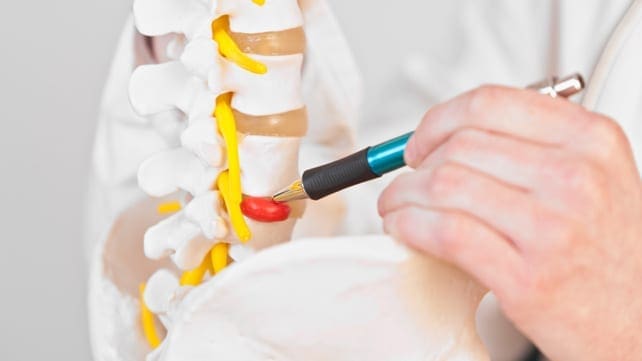
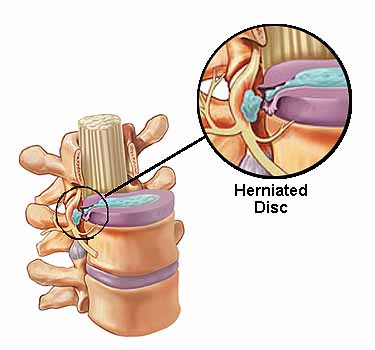
Also known as a slipped disc or ruptured disc, a herniated disc develops when one or several of the pads found between the vertebrae moves from position and presses on adjacent nerves, resulting in a variety of painful symptoms.
Herniated discs are caused by overuse injuries or trauma to the spine, nonetheless, disc conditions can also develop as a result of the normal aging process or due to degeneration. It’s also understood that there is a genetic element that leads to the development of disc herniation and disc degeneration.
Symptoms of a herniated disc may generally include sharp or dull pain and discomfort, muscle spasm or cramping, fatigue, tingling sensations, numbness or referred pain.
But here is something to consider: From time to time, a disc does not cause any symptoms . That’s called an asymptomatic herniated disc. Your intervertebral disc could be bulging or herniated, but it won’t cause any symptoms, such as pain, unless it is pressing on the spinal cord, its nerve roots or individual nerves.
This brings up a fantastic point about herniated disc symptoms: Your symptoms are dependent on where you’ve got a herniated disc.
Cervical Herniated Disc Symptoms
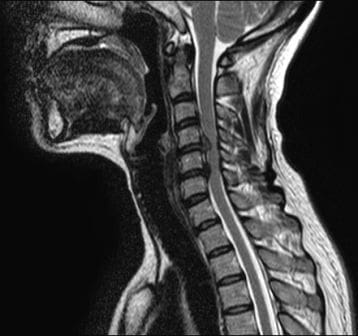
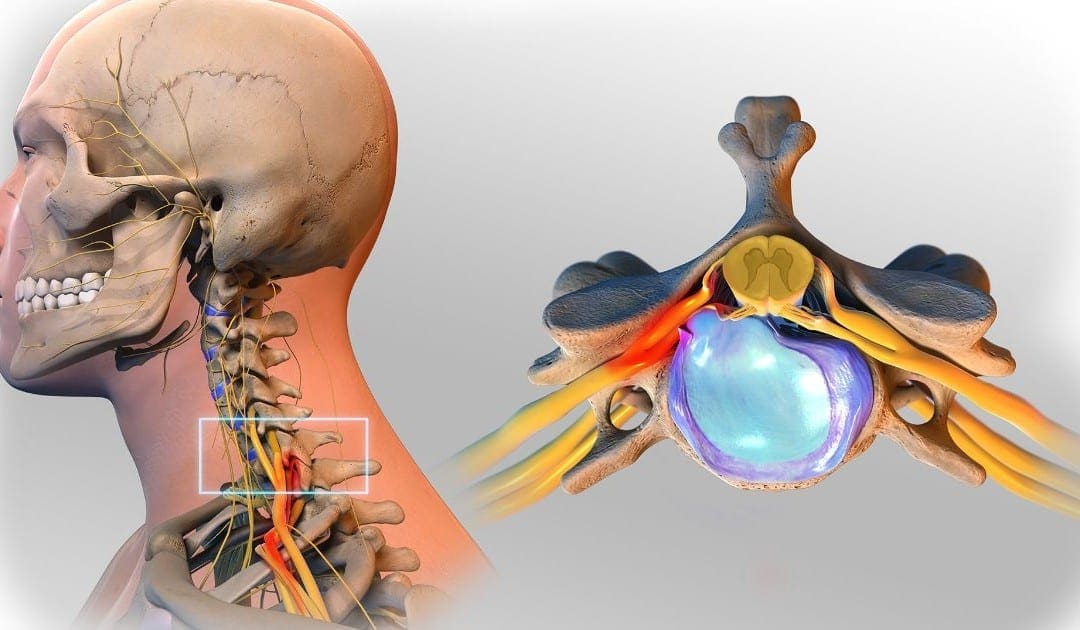
If you’ve got a herniated disc or bulging disc on your neck (cervical spine), then you will experience:
Neck pain
Muscle tightness or cramping on your neck
Pain which radiates (or travels) down your arm(s) (this can be called referred pain or cervical radiculopathy)
Tingling in your arm(s) or hand(s)
Weakness in your arm(s) or hand(s)
Lumbar Herniated Disc Symptoms
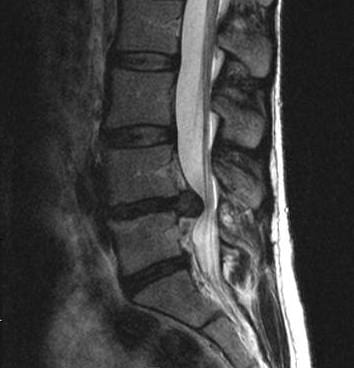
A herniated disc in the low back (lumbar spine) may cause the following symptoms:
Low back pain
Muscle tightness or cramping in your back
Pain that radiates down your leg(s) (this can be known as referred pain, lumbar radiculopathy, or sciatica)
Tingling in your leg(s) or foot/feet
Weakness in your leg(s) or foot/feet
Really infrequent: Loss of bowel or bladder control (Please, even if this occurs, seek prompt medical care.)
A Note on Referred Pain Brought on by a Herniated Disc
Referred pain means that you’ve got pain in another part of your body as a result of the intervertebral disc issue. As an example, in case you’ve got a bulging disc or a herniated disc in your low back (lumbar spine), you may have known pain in your leg. This is called lumbar radiculpathy or sciatica, a shooting pain that can extend from the buttock into the leg and to the foot. Only one leg is typically affected.
When you’ve got a herniated disc in your neck (cervical spine), then you may have referred pain down your arm and into your hand. Arm and shoulder pain caused by a herniated disc is also called radiculopathy.
Lower Back Pain: Causes & Symptoms (Video)
Herniated Disc Symptoms: When Should You Find a Doctor?
The pain from a herniated disc can make it hard to enjoy your daily life; it may make it tough to walk, sit, or even sleep comfortably. If your disc symptoms linger for more than fourteen days, you should make a doctor appointment. Should you experience unexpected onset of pain (after lifting something heavy incorrectly, as an instance), call your physician.
It’s very rare, but herniated discs can sometimes affect bowel or bladder control (as mentioned above). If this occurs, seek medical attention immediately for a proper diagnosis, followed up by treatment.
The scope of our information is limited to chiropractic and spinal injuries and conditions. To discuss options on the subject matter, please feel free to ask Dr. Jimenez or contact us at 915-850-0900 .�
By Dr. Alex Jimenez
Additional Topics: Sciatica
Lower back pain is one of the most commonly reported symptoms among the general population. Sciatica, is well-known group of symptoms, including lower back pain, numbness and tingling sensations, which often describe the source of an individual’s lumbar spine issues. Sciatica can be due to a variety of injuries and/or conditions, such as spinal misalignment, or subluxation, disc herniation and even spinal degeneration.
A herniated (ruptured or “slipped”) disc results whenever a disc moves from place or bulges and puts pressure on the nerves or nerve roots. This kind of injury is comparatively common. Repetitive movements, lifting, being obese, and high-impact injuries, as well as simply the aging process, can cause a herniated disc.
As we age, we become more prone to disc injuries over time, primarily because the discs begin to degenerate: they dry out and can become torn and cracked. Moreover, certain genetic elements may also predispose a person to suffer from a herniated disc and disc degeneration.
Intervertebral discs would be the cushion-like pads that sit between the vertebrae of the spine; they act like shock absorbers and permit the spine to become elastic. A strong outer layer known as the annulus fibrosus surrounds a center called the nucleus pulposus, similar to a hard candy with a soft center. The spine can be broken up into regions. The vertebrae are numbered, and the discs are numbered by level. For example, the lumbar spine (lower back) vertebrae are tagged L1 to L5, and the discs are labeled L1-L2, all the way down to L5-S1 (where the spine joins the sacrum).
Lumbar Herniated Disc and Sciatica
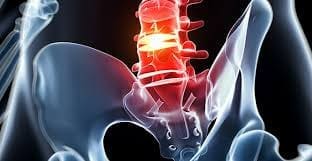
Several symptoms may indicate a LHD, or lumbar herniated disc. Pain can range from a dull ache to a severe, sharp pain. Sciatica is a type of nerve pain which could be caused by a lumbar disc compressing the nerve. The sciatic nerve originates in the lumbar spine and extends down the buttocks and down each leg. When a disc protrudes, it can compress the nerves, causing sciatica where pain extends from the buttock and thigh down into the leg and below the knee. You might have other symptoms, such as numbness on your leg or foot, burning or tingling sensations (paresthesias), muscular fatigue and/or weakness, abnormal reflexes, and, in severe cases, loss of bladder or bowel control (that constitutes a medical emergency and needs immediate attention).
Lumbar Herniated Disc Diagnosis
The science of a medical diagnosis starts with a history and physical examination. Your doctor will assess body movements and asks about your symptoms. If lifting up the leg while lying down generates pain which radiates down your leg, a diagnosis of LHD is possible, especially if you have other symptoms, such as numbness or paresthesias.
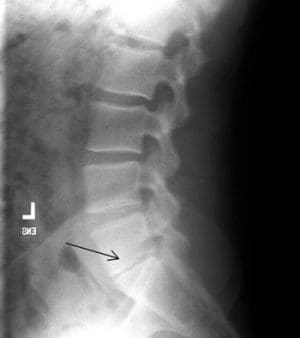
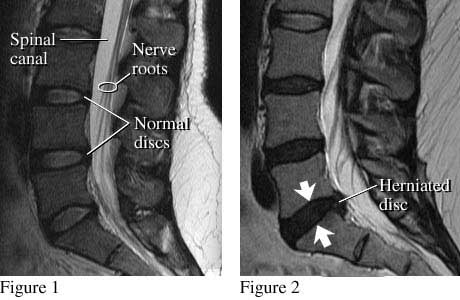
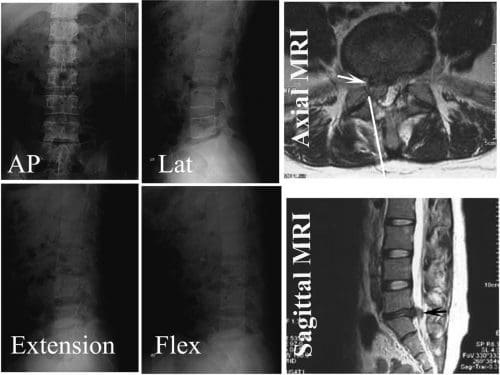
Although X-rays may help rule out other conditions, such as a fracture, for example, other imaging studies, such as magnetic resonance imaging (MRI), are necessary for a diagnosis of lumbar herniated disc. X-rays don’t show soft tissues like discs and nerves. Additional tests, such as nerve conduction studies and an electromyogram (EMG) are needed to confirm that a herniated disc is the source of the symptoms.
LHD and Sciatica Statistics
While low back pain is a common ailment, sciatica happens less frequently. Approximately 80% of the general population experiences low back pain but only 2-3% of people with low back pain actually have sciatica. Most cases of LHD occur in people aged 30 to 50 decades. The level of herniation is L4-L5, followed.
Is Surgery Necessary for LHD?
Herniated disks and sciatica often heal on their own with appropriate care, such as medications, injections, and physical therapy, including chiropractic care and other alternative treatment options. If the symptoms progress and when neurologic problems (such as shooting numbness or pain in the leg) become more severe, or when weakness in the leg or foot gets worse, surgery may be suggested.
The scope of our information is limited to chiropractic and spinal injuries and conditions. To discuss options on the subject matter, please feel free to ask Dr. Jimenez or contact us at 915-850-0900 .�
By Dr. Alex Jimenez
Additional Topics: Sciatica
Lower back pain is one of the most commonly reported symptoms among the general population. Sciatica, is well-known group of symptoms, including lower back pain, numbness and tingling sensations, which often describe the source of an individual’s lumbar spine issues. Sciatica can be due to a variety of injuries and/or conditions, such as spinal misalignment, or subluxation, disc herniation and even spinal degeneration.
Exactly how effective are injury-prevention programs in soccer? El Paso, TX.s Scientific chiropractor Dr. Alexander Jimenez looks at the very latest evidence…
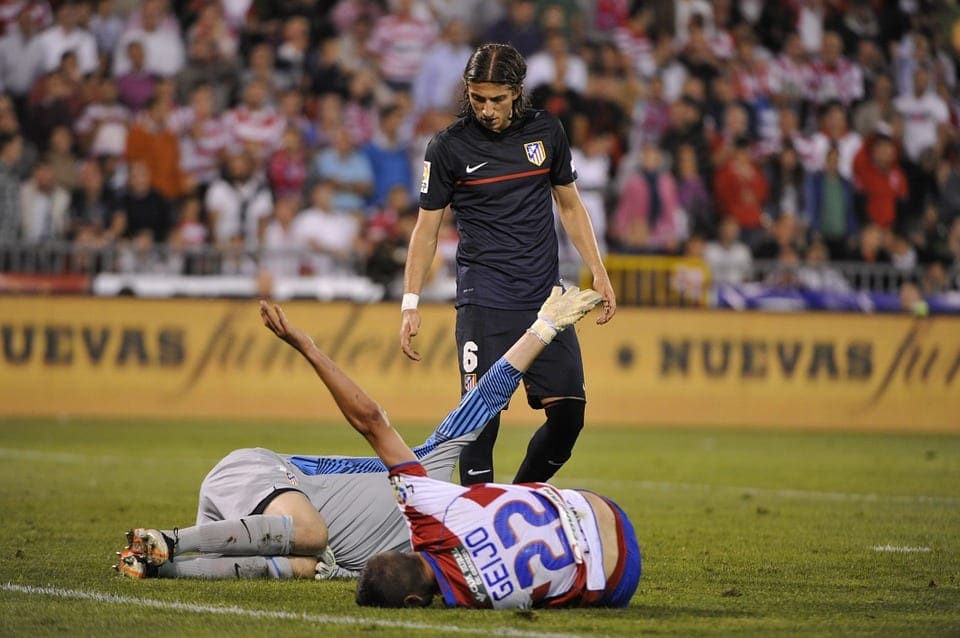
Football is the world’s most popular team sport. Injuries are a significant issue for both amateur and professional players. Indeed, previous research has estimated that soccer players are among the most injury-prone athletes having an estimated injury rate of 17-24 accidents per 1000 playing hours(1). Nineteen per cent of all sports injuries which exist in the Netherlands are because of soccer(two) and in Britain alone, the expense of therapy and time lost from work owing to football injuries is estimated to be approximately #1billion annually(1)!
In a landmark study, researchers followed two Champions League teams and gathered data on 2,229 players over seven seasons to examine the injury profile of muscular injuries in soccer players(3). They also analyzed the gamers’ training schedules and data out of their games to construct a detailed picture of the injury risks that were associated. The findings were as follows:
2,908 muscle injuries have been enrolled;
Normally, a player sustained 0.6 muscle injuries each season (equating to around 15 muscle injuries per season at a squad of 25 players);
Muscle injuries constituted 31 percent of all injuries and caused 27% of the total injury lack;
Ninety-two per cent of muscle injuries affected the four Big muscle groups of the lower limbs: hamstrings (37 percent), adductors (23 percent), quadriceps (19%), and calf muscles (13%);
Sixteen per cent of the muscular injuries were re-injuries; nonetheless, these re-injuries caused significantly longer absences than did the first injuries.
The prevalence of muscular injury increased with age.
The exact same group of researchers also carried out a follow-up study (published in 2013) in which they sought to establish the consequences of fixture congestion on injury rates among the gamers(4). Time-loss and exposure injuries were enrolled prospectively from 27 teams over 11 seasons. Matches were grouped based on the amount of recovery days before each match and the accident rates were compared between classes. The results showed that compared to a recovery interval of more or six days, muscular injury rates and overall injury rates were raised in league matches where players had had four or less recovery days.
Given the high levels of trauma among football players (a risk that is increased during periods of match congestion) and the financial pressure of the modern game, it’s perhaps unsurprising that medical team caring for players find that treatment of injuries in players is quite a frustrating and also a never-ending struggle. In addition, it clarifies why some players end up returning to contest prior to the injury has healed completely, setting the stage for injury recurrence, together with protracted absence of this participant from competition and training.
Injury Treatment
Treating injuries in football is both time- consuming and expensive, particularly at the elite level. And while there’s a large literature on the epidemiology of sports injuries, established protocols for treating muscular injuries and assessment criteria for imaging, and a number of clinical and functional tests that could assist the health staff in deciding the optimal point where an athlete can be safely returned to full participation(5,6), the current guidelines haven’t translated into a significant reduction in muscle injury levels in professional sports such as soccer.
To simplify things further, the evidence indicates a new injury often occurs within a couple of weeks after return to contest, and typically costs the player more lost playing time than the key injury(7). The most probable reasons for this observation are likely associated with bodily alterations following the first injury, such as muscle stiffness and/or fatigue, scar tissue formation, biomechanical alterations, neuromuscular inhibition, as well as inadequate treatment — for instance, overly aggressive or incomplete rehabilitation(8-10).
Injury-Prevention Programs
Even armed with knowledge that is up-to-date and the best technology is fraught with difficulty. Remembering the old adage that ‘an ounce of prevention is worth a pound of cure’, a alternative that is far better to attempt to prevent injuries from happening in the first place with an injury-prevention program. This is easier said than done. It is correct that there is an abundance of literature on the effectiveness of methods to avoid harm recurrence and muscle injury, such as enhancing flexibility eccentric and concentric exercises and drills. Despite this and apps like FIFA’s ‘The II’ (see Box 1), the incidence of muscle injuries generally, and the recurrence rate particularly, remains stubbornly high(11-16).
More recent studies indicate that in higher levels of functionality, there might not be much in the way of significant added benefits, while some early study appeared to give evidence for the efficacy of programs in football, as described in box 1. At a follow up to the study described above(18) and that was published this past year, the same group of investigators looked to see if an injury prevention program comprising 10 exercises designed to enhance stability, muscle strength, co-ordination, and versatility of the back, hip and leg muscles (FIFA’s ‘The II’) was effective concerning reducing injury levels and whether it offered any advantages in terms of reducing the related costs of following treatment for injuries that did occur(19).
From the analysis, 479 adult male amateur gamers aged 18-40 years have been split into two classes: the intervention group had been taught to do exercises focusing on core stability, bizarre training of thigh muscles, proprioceptive training, dynamic stabilization, and plyometrics with straight-leg orientation at every training session (2-3 sessions per week) through one season. The management team, meanwhile, continued their usual warm up.
As in the previous study, there were no significant differences in the percentage of players that are injured and injury rates between the two groups. What was intriguing was that in the intervention group, the price of injury treatment was 256 per participant. In the control group nonetheless treatment costs were twice at $606 per participant. The investigators commented that the cost savings in the intervention group may be the result of a rate of knee injuries, which have costs because of more lengthy rehabilitation periods and much more time lost at work compared to a number of different injuries.
Meanwhile, another study on an injury- prevention program (based on The II) in male amateur players had been printed in the end of last year(20). It discovered that (like the previous studies), an intervention program did not decrease the incidence of harm throughout the course of a season. However, such as the study, the players in the intervention group did incur less health care costs, although a justification for this finding wasn’t given. As if to validate the confusion surrounding the value of injury-prevention programs for football players, then a recently published systematic overview of all of the previous studies released thus far fought to achieve a definitive conclusion(21). Six studies involving a total of 6,099 participants met the inclusion criteria and the results of these were conflicting two of the six studies (among large and one of moderate quality) reported a decrease in injury rates that were actual. Four of the six research an ‘preventive effect’, even though the effect of a single study wasn’t statistically significant. Possible reasons for these contradictory findings might be subject choice (sex and level of ability), differences between the intervention programs implemented (content, training frequency and duration) and compliance with this application. What’s clear, however, is that studies investigating the type and seriousness of exercises within an injury-prevention program are still required to reduce the incidence of accidents in soccer efficiently.
Good News On Prevention
Since the review study cited previously(21) was printed, two quite newly published studies on injury-prevention apps in soccer seem to provide more encouraging news — for muscle injuries at least. In one, researchers studied elite players competing over two consecutive seasons, where the first (2008-2009) function as intervention period and the second, the management period (2009-2010)(22). In total, 26 (08/09) and 23 (09/10) elite male pro football players competing within the Scottish Premier League and European competition participated. The accident prevention training program was conducted twice weekly to the entirety of this season (58 avoidance sessions) and the results were compared with the control (no injury-prevention program) year.
On first inspection, the results were disappointing, showing an increase in the complete number of accidents within the intervention period (88 vs 72). But this was largely because of the greater quantity of contusion injuries sustained inside the intervention season (44) compared with control season (23). Assessing like for muscular injuries that were significantly fewer were observed during the intervention season, which had been even more impressive given the larger squad size at the intervention season.
Another newly published study by Italian scientists who researched the effect of a two-tiered injury-prevention program on initial injury and re-injury prevalence in 36 elite male football players also causes encouraging reading(23). During the season prior to that examined in the study, there had been 27 muscle injuries in the group, which accounted for 58.7 percent of the total injuries: 13 of these had occurred throughout practice and 14 during matches. The general incidence of muscular injuries was 5.6 injuries/1000 hours of training/playing exposure and the effect was 106.4 times absence/1000 hours exposure.
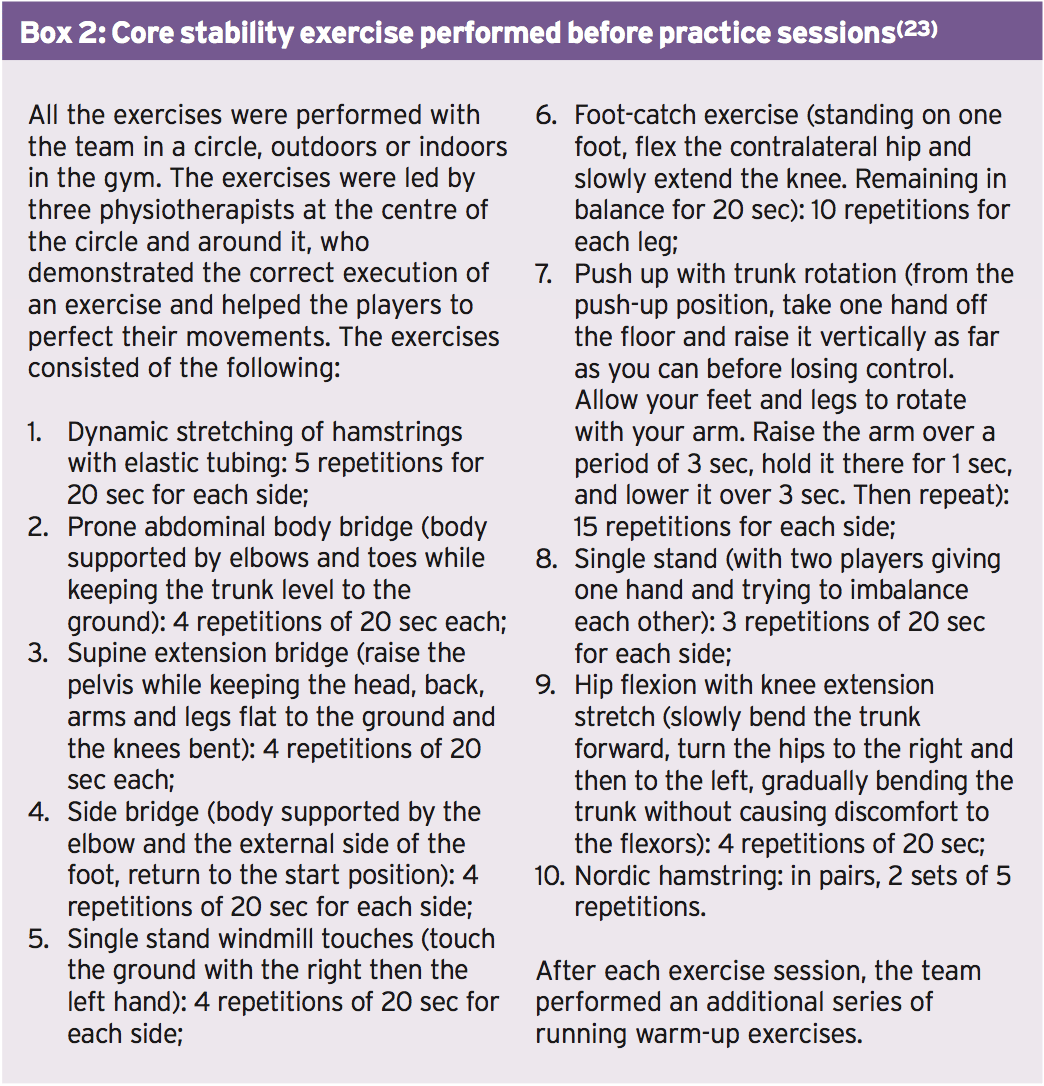
To try and decrease the speed of injury through the following season, the team doctor (also among the study’s authors) found an injury-prevention program, conducted 2-3 times per week. This consisted of two elements: a collection of core stability exercises conducted by the whole group prior to each practice session (see Box 2) along with an individualized injury prevention program, which has been started after assessment with kinesiologic and diagnostic tests. At the start of the year, every athlete underwent testing of leg flexibility using the Ober evaluation, Thomas evaluation and straight-leg-raising [SLR] test(24-26). The prone instability test(27) was completed to show spinal instability along with the stork test (28,29) to assess sacroiliac dysfunction. Quadriceps and hamstring strength were measured isokinetically and attention was directed in evaluation of immunity of gluteus medius’ power.
The injuries that happened based on MRI and clinical imaging findings were diagnosed by the medical team. An injury was defined as though it caused the participant to miss the next training session or match, and happened during a scheduled training session or match. An injured player was defined injured before the club medical staff cleared him for participation. Re-injuries were described as those that occurred as those that occurred at the same website no longer than three months following the player had returned to full involvement at early re-injuries and exactly the exact same site.
Results
Throughout the intervention season, a total of 64 injuries occurred — 36 (56 percent) during practice and 28 (44%) during matches. Of them, 20 were muscle injuries, accounting for 31.3 percent of the total injuries; 14 of which occurred during practice and 6 during games. In all, three re-injuries happened and (15 percent of overall muscle injuries) and there were not any premature re-injuries. In comparison with the preceding season with no intervention-program set up, there was a reduction in the number of times and muscle injuries . Specifically, whereas muscle injuries accounted for 31 percent of harms they accounted for 59% of all injuries. Significantly, the number of injuries per 1000 hours of training and playing time was reduced by over half of 5.6 to 2.5. Meanwhile, the number of days fell by nearly two-thirds 106 into 37. The investigators put the success of this intervention down to three key aspects:
An injury prevention program that comprised of core stability exercises similar to those in ‘The II’ program but which differed in its two-tiered arrangement (group and individual sessions), allowing for intense and special training. In contrast, the combined results in research into The II app are probably because of the non- special content and ineffective intensity.
The program’s continuity of commitment by the players to both the group and individual areas.
The addition of bizarre hamstring training in the group program (2 sets of 5 repetitions per week) combined with all the personalized application for players with a history of injury.
Using ice baths in the conclusion of every training session
The investigators cautioned that their study would have included a larger number of topics, but the data still showed a critical progress by the prior year over that. They also argued that by increasing the number of group and individual prevention training sessions, the outcomes could be enhanced.
Summary & Recommendations
Injury treatment in aggressive soccer is equally costly and time-consuming also given the pressures of the game, injury avoidance is more important than ever. But, despite extensive published literature on harm prevention strategies and initiatives such as FIFA’s ‘The II’, the injury rates in soccer remain high, especially in the higher levels.
The latest research indicates that while overall injury prevention programs such as The II might reduce the incidence of trauma in amateur gamers, especially by reducing the incidence of knee injury. However, they will probably not benefit professional players or level. Instead, combining a more individualized approach (using a far greater emphasis on particular exercises determined by kinesiologic and diagnostic testing) with team sessions seems to be desirable. Additionally, it is important that gamers are ‘on-board’ with almost any program and take part regularly (at least twice weekly) to achieve all the potential advantages.
References
1.Br J Sports Med. 2002;36:354-9.
2.Injury Prevention. 2011;17(2):1-5.
3.Am J Sports Med. 2011 Jun;39(6):1226-32
4.Br J Sports Med. 2013 Aug;47(12):743-7.
5. Knee Surg Sports Traumatol Arthrosc 2010; 18:1798-1803.
6.J Orthop Sports Phys Ther 2010; 40:67-81
7.Br J Sports Med 2005; 39:542-546
8. Sports Med 2004; 34:681-695
9. Am J Sports Med 2002; 30:199-203.
10. Sports Med 2012;42:209-226
11. Br J Sports Med 2012; 46:112-117.
12.Am J Sports Med 2004; 32(suppl 1):S5-S16.
13. Am J Sports Med 2010; 38:2051-2057.
14. Am J Sports Med 2010; 38:1147-1153.
15. Br J Sports Med 2006; 40:767-772
16. Am J Sports Med 2013; 41:327-335
17. Am J Sports Med 2002; 30(5):652-9
18.Br J Sports Med 2012 Dec;46(16):1114-8
19. J Physiother 2013 Mar; 59(1):15-23
20. Clin J Sport Med 2013 Nov; 23(6):500-1
21. Sports Med 2013 Apr; 43(4):257-65
22.J Strength Cond Res 2013 Dec; 27(12):3275-85
23. J Muscles, Ligaments and Tendons Journal 2013; 324 3 (4): 324-330
24. J Bone & Joint Surgery 1936; 18:105-110.
25. Phys Ther Sport 2007; 8:14-21.
26.J Orthopaedic and Sports Physical Therapy 1981; 2:117-133
27. Magee DJ. Orthopedic Physical Assessment. 3rd ed. Philadelphia, PA: W.B. Sauders Company; 1997.
28. Spine 2003; 28: 1593-1600
29. Clinical Biomechanics 2004; 19:456-464
As we get older, we become more prone to injuries, since our bodies are not as elastic as they once were. This is especially true for the inner material of your spine’s discs. Every year you become a little more at risk of experiencing herniated discs, a condition where a stressed disc ruptures, because the elasticity and water content of your intervertebral discs reduces overall.
But herniated discs aren’t only a problem for elderly people. A disc herniation can be experienced by anyone as a result of twisting or lifting the wrong way. And in the event that you currently have a bulging disc, a disc that is hurt but still intact, chances are higher that stress on the affected disc could cause it to rupture or become “herniated”.
A herniated disc can cause pain throughout the entire body, not just back pain. And as you might think of surgery being the sole remedy for a herniated disc, there are lots of complementary and alternative treatment option for herniated discs. Chiropractic specializes in supplying non-invasive spinal decompression treatment and therapy methods.
A visit to your chiropractor will help you confirm whether you have a herniated disc, a bulging disc, or even some other spinal problem altogether. If you do have an injured disc, a doctor of chiropractic can create an individual treatment plan to assist you avoid surgery and return to enjoying your life, pain-free.
What are Herniated Discs?
The 24 vertebrae of your spine are separated from one another by pads of cartilage known as intervertebral discs. These discs have an outer coating with a soft interior to cushion against stresses and strains as well as the shocks experienced in your spine. The discs are subject to injury, disease, and degeneration with use over time. Certain activities and types of work increase the risk of discs being damaged or deteriorating.
Once the soft inside material of a disc pushes or is bulged out through a tear or weakening in the outside covering, the disc is reported to be herniated. Slipped, ruptured and �prolapsed discs are also known as protruding, bulging, or degenerated discs. There are distinctions between these terms, but they really refer to a disc that is no longer in its normal condition and/or position and may require chiropractic care to treat them. Herniated discs trigger pain by impinging on (intruding upon, irritating, and pinching) as well as depriving nerves in the spine.
Chiropractic for Herniated Discs
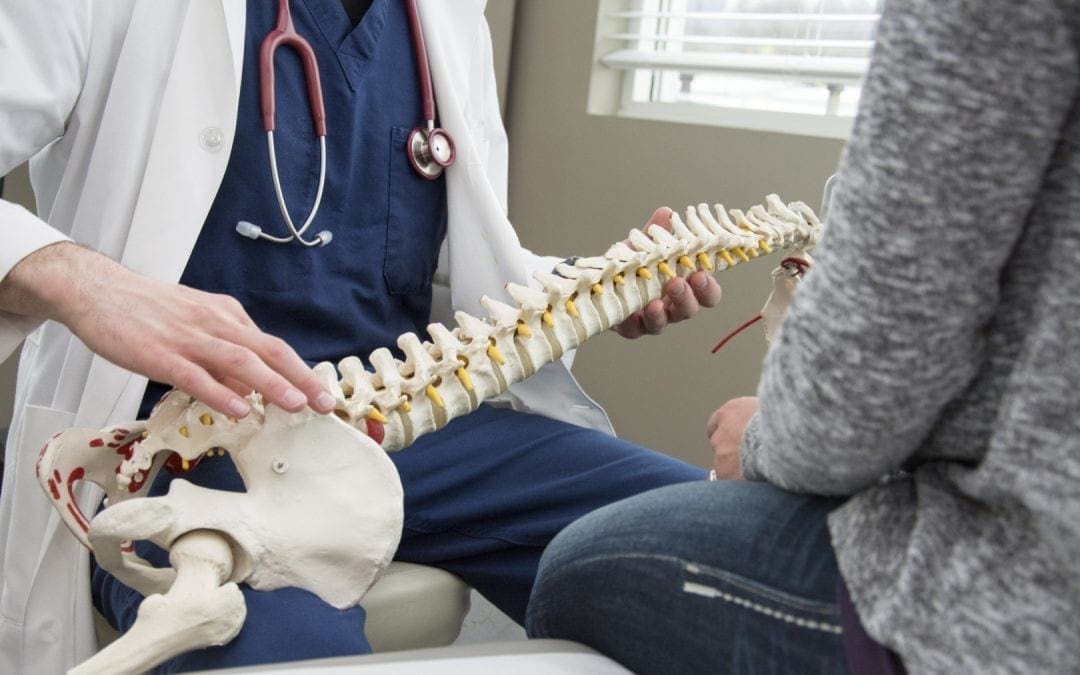
A healthcare professional can help address back pain along with other herniated disc symptoms. In your first appointment, your chiropractor will go through your medical history, do a physical exam, and carry out orthopedic and neurological tests. The chiropractor will also look over your posture, and may order an X-ray or MRI, if necessary, to aid with the diagnostic procedure and determine the presence of a disc herniation.
Chiropractors assess the whole spine. Your chiropractor will examine your neck, too, even when you simply have back pain. She or he wants to see how well your backbone is functioning and recall: What happens in one area of your spine can affect other parts of your spine and/or body.
After reviewing this information, your physician can ascertain whether you have an intervertebral disc injury. The type of disc injury you have will determine what treatments your chiropractor will use to address your symptoms. Your chiropractor can provide treatment options to you to address your pain and other symptoms.
To treat a herniated disk, your physician will develop a treatment program that might include spinal manipulation–also called adjustments–and other chiropractic techniques to help alleviate your herniated disc symptoms. It might consist of therapy and exercises, although this will be an individualized treatment plan.
The particulars of what are on your treatment strategy are particular to your own pain, level of activity, general health, and what your chiropractor thinks is best. As with any treatment option, do not be afraid to ask questions regarding what chiropractic treatments are being recommended and why. You want to be sure you know how it can help relieve your pain and what will be performed. Therapy is safe and effective for most patients.
Chiropractic provides the distinctive training, techniques, and experience needed to safely and effectively adjust your spine so the stress on the discs is minimized, the pain alleviated, the damaged or displaced structures given a opportunity to heal, and your capacity to return to normal functioning restored.
The scope of our information is limited to chiropractic and spinal injuries and conditions. To discuss options on the subject matter, please feel free to ask Dr. Jimenez or contact us at 915-850-0900 .�
By Dr. Alex Jimenez
Additional Topics: Sciatica
Lower back pain is one of the most commonly reported symptoms among the general population. Sciatica, is well-known group of symptoms, including lower back pain, numbness and tingling sensations, which often describe the source of an individual’s lumbar spine issues. Sciatica can be due to a variety of injuries and/or conditions, such as spinal misalignment, or subluxation, disc herniation and even spinal degeneration.
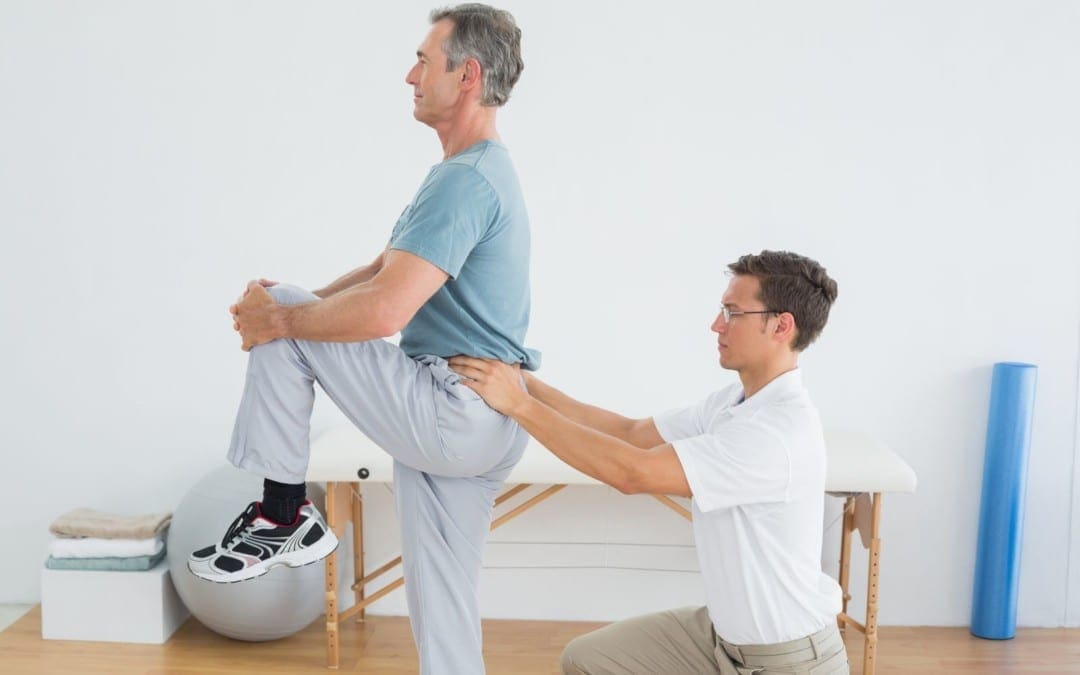
Physical therapy plays a part in herniated disc recovery. Its methods not only offer you immediate pain relief, but they also teach you how you can condition your body to prevent further injury.
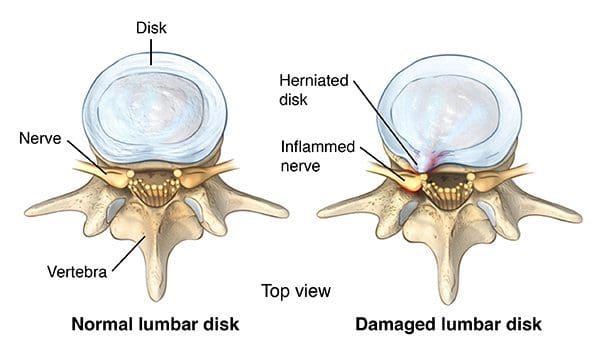
The discs are pads that serve as “cushions” between the vertebral bodies that serve to minimize the impact of movement on the spinal column. Each disc is designed like a jelly donut with a central softer component (nucleus pulposus).
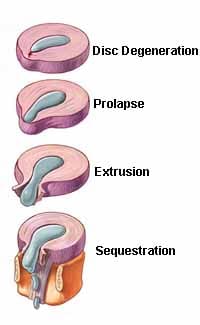
As the disc degenerates from age or injury, the softer central portion can rupture (herniate) through the surrounding outer ring (annulus fibrosus). This abnormal rupture of the central portion of the disc is referred to as a disc herniation. The most common location for a herniated disc to occur is in the disc at the level between the fourth and fifth lumber vertebrae in the low back.
You will find a variety of physical therapy techniques, such as passive treatments, which help relax your body and include deep tissue massage, hot and cold therapy, electric stimulation (eg, TENS), and hydrotherapy, among others.
Your physical treatment program will usually begin with passive remedies. But once your body heals, you will start active treatments that strengthen your body and protect against additional pain. Your therapist will work with you to develop a strategy which best suits you.
Passive Physical Treatments for Herniated Discs
Deep Tissue Massage: There are more than 100 kinds of massage, but deep tissue massage is an ideal option when you’ve got a herniated disc because it uses a lot of pressure to ease deep muscle tension and spasms, which develop to stop muscle movement at the affected place.
Hot and Cold Therapy: Both hot and cold therapies offer their own set of advantages, and your physical therapist may alternate between them to get the best outcomes.
Your physical therapist may use heat to increase blood flow to the target region. Blood helps by delivering nutrients and additional oxygen cure the area. Blood also removes waste byproducts.
Conversely, cold therapy (also called cryotherapy) slows circulation. This decreases inflammation, muscle spasms and pain. Your physical therapist may put an ice pack give you an ice massage, or use a spray known to cool tissues.
Hydrotherapy: As the name implies, hydrotherapy involves water. As a passive therapy, hydrotherapy may involve sitting in warm shower or a bath. Hydrotherapy gently relieves pain and relaxes muscles.
Transcutaneous electric nerve stimulation (TENS): A TENS machine utilizes an electrical current to stimulate your muscles. It isn’t painful, although it seems extreme. A electric current is sent by electrodes to key points on the neural pathway. TENS reduces muscle spasms and is generally believed to activate the release.
Traction: The goal of traction is to decrease the effects of gravity to the spine. The aim is to cut back the disk herniation, by pulling the bones apart. The analogy is similar to a flat tire “disappearing” when you place a jack under the car and take strain off the tire. It can be carried out in the lumbar or cervical spine.
Active Physical Treatments for Herniated Discs
Active remedies help address flexibility, posture, strength, core stability, and joint motion. An exercise program may also be prescribed to achieve results. This will not just suppress recurrent pain but may also benefit your health. Your therapist may work with you to develop a schedule based on your diagnosis and health history.
Core equilibrium: Many people don’t realize how important a strong heart is to their spinal health. Your core (abdominal) muscles help your back muscles support your spine. It puts pressure when your heart muscles are weak. Your physical therapist may teach core to you.
Flexibility: Learning appropriate stretching and endurance techniques will prepare one for aerobic and strength exercises. Flexibility helps your body move simpler by warding off stiffness.
Hydrotherapy: Compared to just sitting in a hot bath or bath like its counterpart that is passive, active hydrotherapy can demand water to help condition your body without unnecessary strain.
Muscle strengthening: Strong muscles are a great support system for your backbone and better handle pain.
Your physician will teach you ways to condition and strengthen your back to help prevent future pain. So that you realize how to best treat your symptoms, you may learn fundamentals. The aim is that you develop the knowledge to maintain a way of life.
It is essential that you understand how to exercise and condition your back following the formal physical therapy ends. You won’t appreciate its results, if you don’t implement the lessons you learned during physical therapy. You might prevent additional disc pain, by taking care of your back on your own.
The scope of our information is limited to chiropractic and spinal injuries and conditions. To discuss options on the subject matter, please feel free to ask Dr. Jimenez or contact us at 915-850-0900 .�
By Dr. Alex Jimenez
Additional Topics: Sciatica
Lower back pain is one of the most commonly reported symptoms among the general population. Sciatica, is well-known group of symptoms, including lower back pain, numbness and tingling sensations, which often describe the source of an individual’s lumbar spine issues. Sciatica can be due to a variety of injuries and/or conditions, such as spinal misalignment, or subluxation, disc herniation and even spinal degeneration.
Complementary and alternative treatments like massage, acupressure, and acupuncture can relieve pain related to a bulging or herniated disc.
If you’re considering these remedies, you need to consult a complementary and alternative medicine (CAM) professional. This title can be confusing, although complementary medicine and other medicine follow the very same techniques, they’re distinct in that forms are used in place of traditional medicine, whereas complementary treatments are used with conventional medication.
A herniated disk refers to a problem with one of the rubbery cushions (disks) between the individual bones (vertebrae) that stack up to make your spine. A spinal disk is a little like a jelly donut, with a softer center encased within a tougher exterior. Sometimes called a slipped disk or a ruptured disk, a herniated disk occurs when some of the softer “jelly” pushes out through a tear in the tougher exterior.
A herniated disk can irritate nearby nerves and result in pain, numbness or weakness in an arm or leg. On the other hand, many people experience no symptoms from a herniated disk. Most people who have a herniated disk don’t need surgery to correct the problem, as a matter of fact, they can explore alternative treatment approaches.
Other Treatments for Herniated Discs
Exploring alternative approaches may not only help you feel relaxed and hassle free but these can also keep you away from the operating room. For a ruptured or herniated disc, you might want to try:
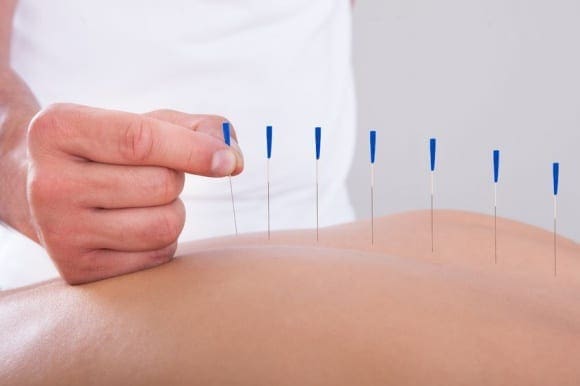
Acupuncture: This ancient Chinese practice is rooted in the belief that everyone has an energy force called the Chi (sometimes spelled Qi, but the two are pronounced “chee”). When the Chi is blocked or unbalanced, your body may react with sickness, pain and discomfort. Traditional acupuncturists aim to free up Chi channels, called meridians, by inserting extremely thin needles into certain points in your own body’s meridians.
Based on your particular diagnosis, the practitioner will probably insert multiple needles which are left in for approximately 20-40 minutes.
It’s also been suggested that acupuncture triggers the release of endorphins into the blood flow. In other words, endorphins are the body’s natural pain relievers. As such, their discharge decreases your perception of pain. Similarly, the Gate Control Theory can play a part in acupuncture’s efficacy in reducing pain. This theory maintains that pain signals traveling slowly from the area of injury to the spinal cord into the brain because the nerves may only deal with a limited number of signals at the same time. Acupuncture is supposed to create signals to audience the pain signs that were slow-moving, blocking out the pain.
Acupressure: Not surprisingly, acupressure is very much like acupuncture. Both are techniques that restore a healthy flow of energy throughout the entire body by stimulating specific meridian points. But acupressure relies on hands palms, and elbows, not needles, to manage pressure. Acupressure is for people of all ages but not for pregnant women (several acupressure points may lead to miscarriage) and those with high blood pressure.
Massage: When received frequently, massage can provide chronic low back pain relief. A massage involves the stroking, kneading, and manipulation of your tissues. Blood flow, which provides oxygen and nutrients to the muscles is increased by these movements. Extra blood also carries waste byproducts that may accumulate away.
Whilst massage is not a proven treatment for herniated discs, it is usually safe and free of side effects. However, massage might not be perfect for you in the event that you suffer from deep vein thrombosis, osteoporosis, skin infections, open wounds, or arthritis in or close to the area to be massaged.
You’ll find over 100 types of massage techniques. A Swedish massage, for example, uses long strokes to impact the superficial layers of the muscles. In contrast, a deep tissue massage uses slow strokes and direct pressure to soothe your layers of muscle and relieve chronic strain. Your massage therapist will work with you to determine what special massage will most likely reduce your pain.
When you start any new medical plan, let your practitioner know if you have any health conditions apart from pain from your herniated disc. Additionally, it is important to be aware that these treatments are best when used as complementary treatments (that can be combined with conventional medicine).
The scope of our information is limited to chiropractic and spinal injuries and conditions. To discuss options on the subject matter, please feel free to ask Dr. Jimenez or contact us at 915-850-0900 .�
By Dr. Alex Jimenez
Additional Topics: Sciatica
Lower back pain is one of the most commonly reported symptoms among the general population. Sciatica, is well-known group of symptoms, including lower back pain, numbness and tingling sensations, which often describe the source of an individual’s lumbar spine issues. Sciatica can be due to a variety of injuries and/or conditions, such as spinal misalignment, or subluxation, disc herniation and even spinal degeneration.
Herniation of the nucleus pulposus, abbreviated as HNP, occurs when the nucleus pulposus, frequently described to have a gel-like substance, breaks through the anulus fibrosus, the tire-like structure of the intervertebral disc which acts as a spinal shock absorber.
A herniated disc occurs most frequently in the lumbar region of the backbone or spine, particularly at the L4-L5 and L5-S1 levels (L = Lumbar and S = Sacral). This is primarily because the lumbar spine generally carries the majority of the body’s weight. Since the elasticity and water content of the nucleus decreases with age through the natural process of degeneration, individuals between the ages of 30 and 50 often seem to be �more vulnerable to disc herniation.
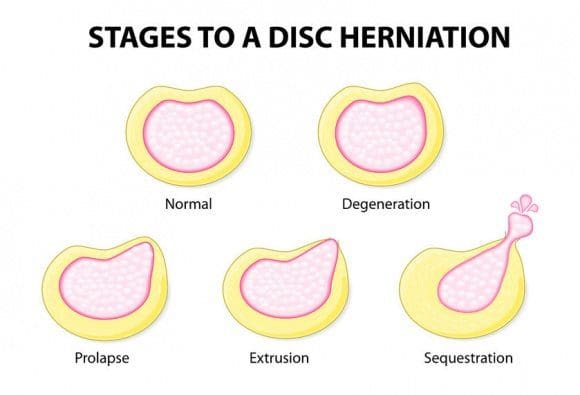
The progression of a herniation of the nucleus pulposus, best known as a herniated disc, can vary and typically occurs gradually over time. There are four stages: (1) disc protrusion (2) prolapsed disk (3) disc extrusion (4) sequestered disc. Stages 1 and 2 are known as incomplete disc herniations, or as a disc bulge, where 3 and 4 are known as complete disc herniations, ruptured discs or herniated discs. Pain may be combined with some radiculopathy, which means deficit. The deficit might include sensory alterations, such as tingling sensations and/or numbness, or motor changes, such as weakness and/or �weight loss. Nerve compression resulting from added pressure, compression or impingement of the spinal nerves due to the substance from the herniated disc is often what causes these changes.
Progression of Herniated Disc
The extremities affected by herniated discs are dependent upon the vertebral level at which they occur in. Consider the following examples:
Cervical – Pain, discomfort and other symptoms in the throat, shoulders, and arms.
Thoracic – Symptoms radiate into the chest.
Lumbar – Symptoms extend into the buttocks, thighs, legs and feet. Sciatica is common.
Cauda Equina Syndrome is serious disorder requiring immediate surgical intervention which occurs from from a disc herniation. The symptoms include bilateral leg pain, reduction of perianal sensation (rectum), paralysis of the bladder, and weakness of the anal sphincter.
Analysis of Herniated Discs
The backbone is analyzed with the patient standing and laying down. Because of muscle spasm, a loss of normal spinal curvature may be noted. Radicular pain, described as inflammation of a spinal nerve, may increase if pressure is placed on the affected spinal segment.
A Lasegue test, also known as Straight-leg Raising Test, is often performed to determine the extent of the herniated disc and its manifested symptoms. To perform this test, the patient lies down, the knee is extended, and the hip is flexed. If pain is aggravated or produced, it is an indication the lower lumbosacral nerve roots may be inflamed.
Other neurological tests are performed to ascertain loss of sensation and/or engine function. Reflexes are noted as these changes may indicate the location of the herniation.
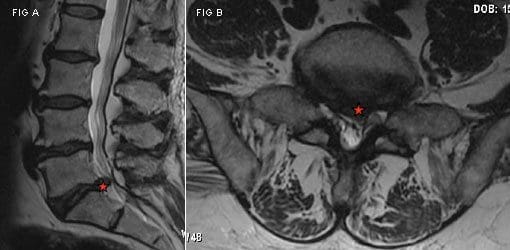
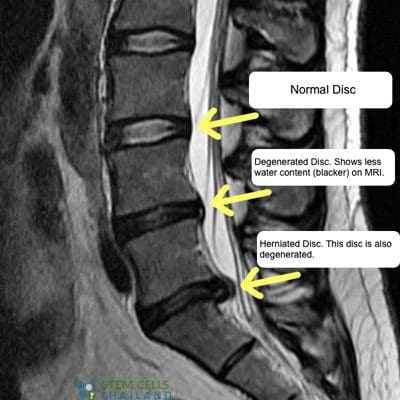
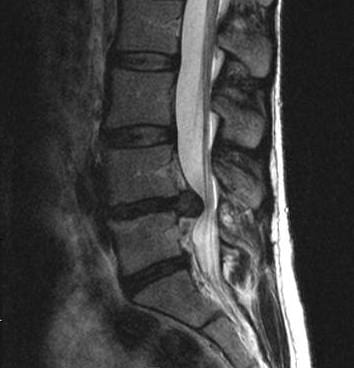
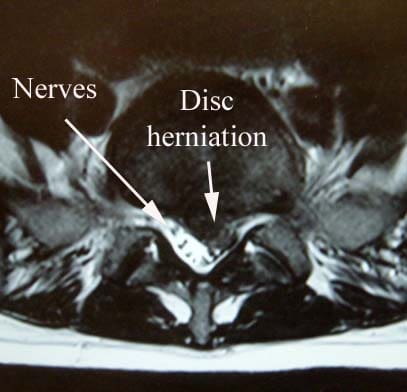
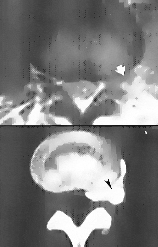
Radiographs can be helpful to determine the presence of a herniated disc, but Computed Axial Tomography (CAT) or Magnetic Resonance Imaging (MRI) provides more detail. The MRI is the best method allowing the physician to find the soft spinal tissues that are unseen in other imaging procedures.
Evidence of HNP
The findings in the examination and evaluations, such as the one below, are compared to earn a diagnosis. This includes ascertaining the precise location of the herniation so treatment options can be reviewed with the patient.
The scope of our information is limited to chiropractic and spinal injuries and conditions. To discuss options on the subject matter, please feel free to ask Dr. Jimenez or contact us at 915-850-0900 .�
By Dr. Alex Jimenez
Additional Topics: Sciatica
Lower back pain is one of the most commonly reported symptoms among the general population. Sciatica, is well-known group of symptoms, including lower back pain, numbness and tingling sensations, which often describe the source of an individual’s lumbar spine issues. Sciatica can be due to a variety of injuries and/or conditions, such as spinal misalignment, or subluxation, disc herniation and even spinal degeneration.
IFM's Find A Practitioner tool is the largest referral network in Functional Medicine, created to help patients locate Functional Medicine practitioners anywhere in the world. IFM Certified Practitioners are listed first in the search results, given their extensive education in Functional Medicine