When you visit a doctor office for a medical concern, the healthcare professional will perform a variety of diagnostic procedures to determine the source of your symptoms. The doctor will review the patient’s current symptoms and medical history as well as the patient’s results from a physical evaluation to diagnose an injury and/or an underlying condition. �
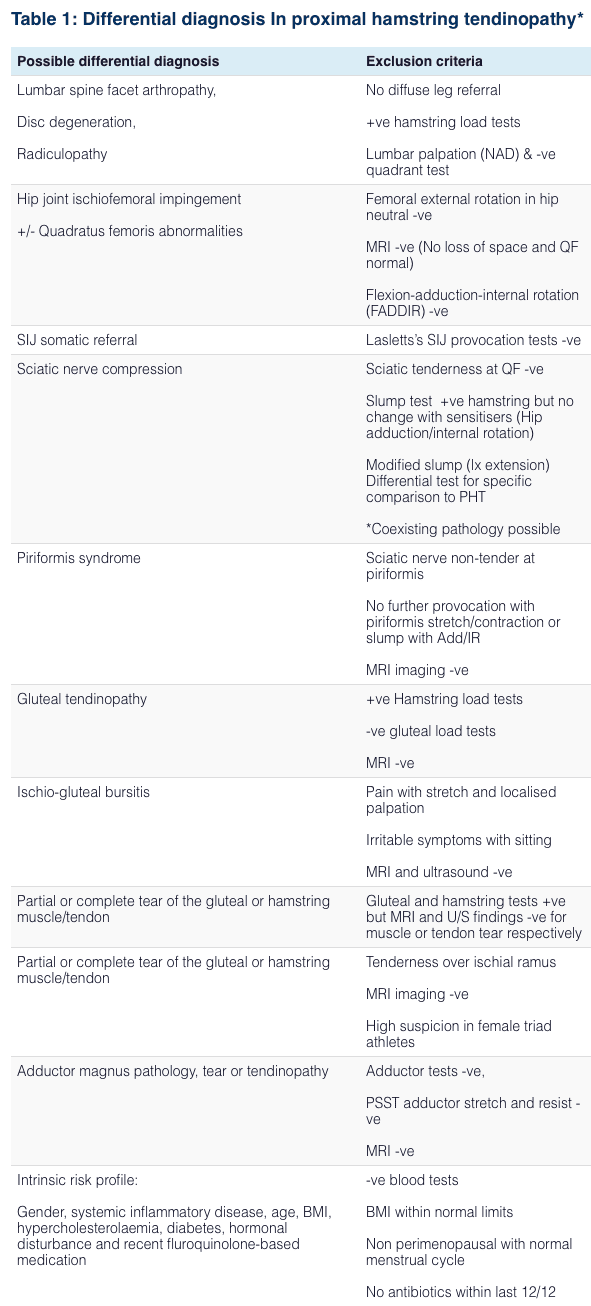
Once the healthcare professional has reviewed the patient’s current symptoms, medical history, and results from the physical evaluation, the doctor will make a list of the probable injuries and/or underlying conditions which may be causing the patient’s symptoms. This is the differential diagnosis. A differential diagnosis refers to the process of differentiating between two or more health issues which share similar signs and symptoms. The doctor will perform additional tests or assessments to rule out specific injuries and/or underlying conditions in order to reach a final diagnosis and follow-up with treatment. �
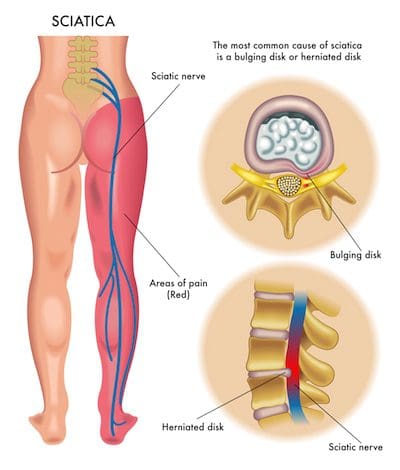
The differential diagnosis generally varies depending on the health issue. A variety of health issues can cause common symptoms which may make it challenging to determine the source of the pain and discomfort. Sciatica is a collection of symptoms rather than a single condition which can be a frequent symptom for many health issues. Sciatica is characterized as pain, tingling sensations, and numbness, due to compression or impingement along the length of the sciatic nerve. �
Sciatica commonly occurs when an underlying health issue results in the compression or impingement of the sciatic nerve in the lower back. A bulging or herniated disk is one of the most common causes of sciatica. However, a variety of other underlying health issues can cause sciatica and determining what causes sciatica is necessary for proper treatment. In part 2 of this article, we will demonstrate the differences between sciatica and other health issues with similar painful symptoms.� �
Sacroiliac Joint Dysfunction
The sacroiliac joint is generally attributed to causing between 15 to 30 percent of chronic low back pain cases. Irritation, swelling, or inflammation of one or more sacroiliac joints is commonly referred to as sacroiliac joint dysfunction, sacroiliac joint disease, or sacroiliitis. Moreover, sacroiliac joint dysfunction or disease may cause sacroiliitis. �
Sacroiliac joint dysfunction is characterized as a sharp, stabbing pain which radiates from the pelvis and hips, down into the lower back or lumbar spine and throughout the legs. Patients might experience tingling sensations or numbness. Every person experiences symptoms of SI joint dysfunction differently and the signs can vary from person to person, depending on the source of the sacroiliac joint dysfunction. Common signs and symptoms of SI joint dysfunction include: � �
low back pain
pain in the buttocks, hips, and pelvis
pain in the groin
painful symptoms in the SI joints
pain when standing from a sitting position
stiffness
burning sensations
weakness
numbness
pain radiating down into the thighs and legs
feeling like the legs may buckle and not support the weight of the body
Because the joints are situated deep within the human body, it often makes it difficult for healthcare professionals to diagnose the health issue. The healthcare professional may perform a variety of tests to diagnose SI joint dysfunction, such as provocative tests, injections, and/or imaging tests like X-rays, MRIs, and CT scans to be able to follow-up with treatment. �
Gluteus Tendinopathy
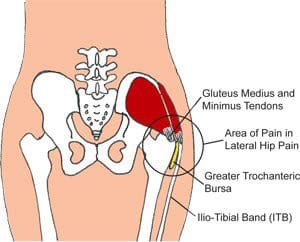
Gluteus medius tendinopathy (GMT), also known as dead butt syndrome (DBS), is a painful health issue caused by the inflammation of the tendons in the gluteus medius muscle. Although GMT most commonly affects athletes, it can also affect people starting a new exercise program, during an intense workout routine or due to an underlying health issue. �
The common symptoms associated with gluteus medius tendinopathy, or GMT, include pain and discomfort, stiffness, and weakness in the hip or buttocks region. The painful symptoms can generally worsen throughout weight-bearing exercises, such as walking, running, and/or climbing. For many people, the pain and discomfort associated with dead butt syndrome, or DBS, can radiate down the hips, buttocks, and legs or thighs, similar to sciatica and hamstring tendinopathy. Sciatica is a collection of symptoms characterized by pain and discomfort, tingling sensations, and numbness along the sciatic nerve. �
Many patients diagnosed with GMT also report experiencing painful symptoms when lying in bed on the affected hip or buttocks region as well as pain, discomfort, stiffness, and weakness throughout the night and upon rising in the morning. Moreover, if DBS progresses past the initial stage, the hip bursa may become inflamed, another health issue known as trochanteric bursitis, which may also cause swelling, tenderness, redness or warmth in the hip, among other health issues. �
When the tendon becomes inflamed due to an injury or an aggravated underlying condition, such as fibromyalgia, the gluteus medius can fail to trigger appropriately, hence why the “dead butt” term is utilized as an alternate name for this health issue. People sitting down for extended periods of time may cause their hip flexors to become tight and failure to stretch before physical activities can cause DBS. If left untreated, gluteus medius tendinopathy (GMT), or dead butt syndrome (DBS) may lead to complications, including trochanteric bursitis, IT band syndrome, and plantar fasciitis, among other health issues.
Ischiogluteal Bursitis
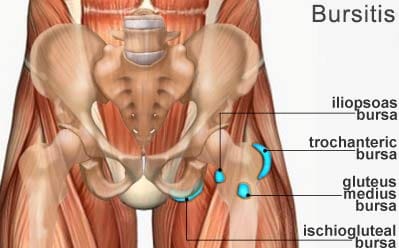
A bursa is a fluid-filled sac which functions by helping to decrease friction around the joints. However, when the fluid inside a bursa becomes infected or irritated due to excessive movement, the bursa can become swollen, causing pain and discomfort, ultimately making it difficult to move the affected joint. This health issue is commonly known as bursitis. �
Although bursitis generally occurs in the knee, called �housemaid�s knee�, or in the elbow, called �tennis elbow�, it can occur in any joint in the human body. When it occurs in the buttocks, it is known as ischiogluteal bursitis. In this instance, the bursa is found between the ischial tuberosity at the base of the pelvis and the tendon of the hamstring muscle. �
The symptoms of ischiogluteal bursitis can be similar to those of hamstring tendonitis. Several of the most common symptoms associated with ischiogluteal bursitis include pain and discomfort as well as tenderness in the buttocks region. Painful symptoms may frequently occur when stretching the hamstring muscle or flexing the knee against resistance. �
The symptoms of ischiogluteal bursitis can also be similar to those of sciatic nerve pain. Sciatica is a collection of symptoms characterized by pain, discomfort, tingling sensations, and numbness. While the symptoms of ischiogluteal bursitis may be similar to those of sciatica, sciatic nerve pain occurs when the sciatic nerve is irritated, compressed or impinged due to an injury and/or an aggravated condition. Ischiogluteal bursitis caused by an infection can ultimately be followed by a fever.
The three most common causes of bursitis are generally due to injury or trauma, infection, and crystal deposits. Trauma can include repetitive movements or a blow to the region. By way of instance, the injury could occur due to a fall. Occasionally, trauma or injury can cause blood to leak into the bursa, causing ischiogluteal bursitis, or any other type of bursitis. �
Infection septic bursitis, or an infection in the bursa, generally occurs in the joints which are located closer to the surface of the human body. This health issue frequently affects men, however, it does not seem to be a leading cause of ischiogluteal bursitis. Crystal deposits can also form around the joints when there is too much uric acid in the human body. People with gout can develop bursitis because it is also caused by crystal deposits and it shares many similar symptoms with bursitis. �
Proximal Hamstring Injury
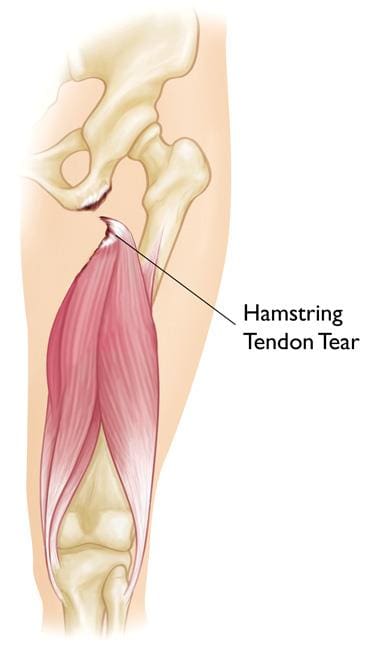
Hamstring injuries are several of the most common types of injuries among athletes. These makeup for the most days or even weeks missed each year amongst AFL football players. The majority of partial or complete tears include either the hamstring muscle belly or the distal musculotendinous junction. However, a proximal hamstring injury is ultimately uncommon. In the total hamstring injury spectrum, it makes up for under 10 percent of hamstring injuries, among other health issues. �
The proximal hamstring tendon can become injured through progressive stretching or through sudden and intense contraction when the hip is forcefully flexed over an extended knee. In younger patients with an average proximal hamstring tendon, this can occur through sprinting or hurdling, however, the most common athletes affected in this instance involves waterskiiers who fall forward with an extended knee. In elderly patients, proximal hamstring injuries occur through a different type of trauma, such as slipping on a wet surface or even doing the “splits” inadvertently. �
Proximal hamstring injuries could include complete tendon ruptures or incomplete/partial tears. In young patients, the bone together with the tendon is frequently avulsed or fractured in the pelvis or the ischium. In older patients, the tendon usually avulses or tears from the bone of the ischium at its attachment point. Occasionally, the tendon may tear in its midsubstance, leaving a stump of tendon still attached to the bone. Frequently this type of injury is referred to as a partial tear. �
Adductor Injuries
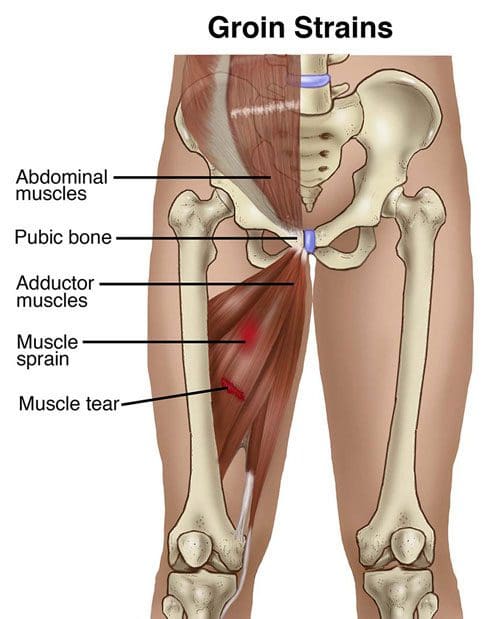
An adductor muscle strain is characterized as an acute injury to the muscles of the groin. Although a variety of muscles in the human body can be injured, the adductor longus, medius, magnus, and the gracilis are some of the most well-known muscle groups to be affected by an injury.� According to healthcare professionals, atrains are muscle tears which generally occur due to the powerful contraction of the muscles against resistance, often during what is referred to as an eccentric load. �
An adductor muscle strain occurs during acute muscle contraction, such as during kicking, pivoting or skating. Factors which can predispose a person to injury include failure to properly stretch or warm up and fatigue from overuse. The risk of experiencing an adductor strain increases with sports involving strides like sprinting, soccer, and hockey. Sports with repeated movements like football, martial arts, and gymnastics can also substantially increase the risk of experiencing an adductor strain. Struggling to warm up, stretch or be properly conditioned can also cause an adductor muscle strain. �
The symptoms associated with an adductor muscle strain most commonly involve a variety of painful symptoms which are most frequently related to other types of muscle strain. Common symptoms of an adductor muscle strain include a sudden onset of pain and discomfort, occasionally accompanied by the feeling of a pop in the inner section of the thigh as well as the inability to maintain action after the first onset of painful symptoms. Because an adductor strain may cause groin or hip pain, many patients and healthcare professionals may confuse this type of injury with sciatica or sciatic nerve pain. �
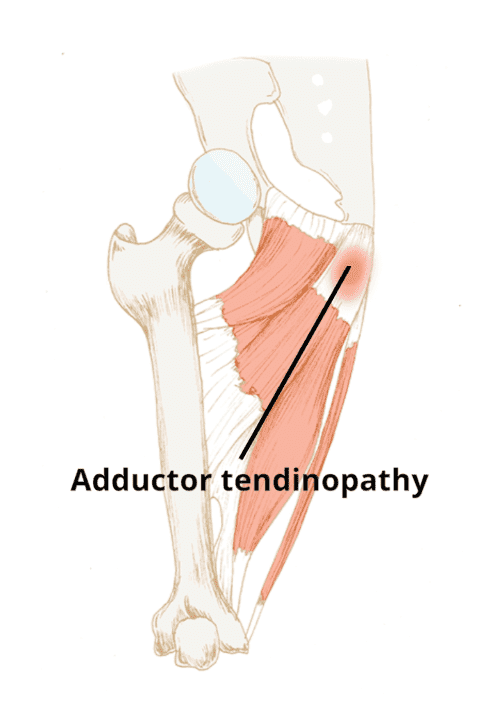
Adductor tendinopathy is generally characterized as pain on palpation of the adductor tendons, adduction of the legs and/or of the injured leg. Pain can develop gradually or cause a sudden and severe, sharp pain. A swelling or a lump may also be experienced from the adductor muscle(s), stiffness at the groin area or an inability to contract or extend the adductors. In acute cases, exercises and physical activities will be restricted because the tendon can’t sustain repeated tensile loading. �
The adductors are triggered in many sports such as, running, soccer, horse riding, gymnastics, and swimming. The repetitive movements and the continuous change of direction in physical activities activate the adductor tendon, which makes athletes more prevalent to develop adductor tendinopathy and other groin injuries. Other causes of adductor tendinopathy can include over-stretching of the adductor tendons or a sudden increase in training, especially in the type of training. �
Adductor tendinopathy may occur due to considerable leg length discrepancy which affects gait pattern. Poor or abnormal movement patterns may also overly stress the adductor tendons. Muscular length gaps, strength imbalances or muscular weakness in the thoracic or the abdominals can also be powerful in developing adductor tendinopathy. Other causes include a failure to properly warm-up, inactivity, fatigue, obesity, age-related weaknesses, genetics or degeneration. �
Spinal Tumors
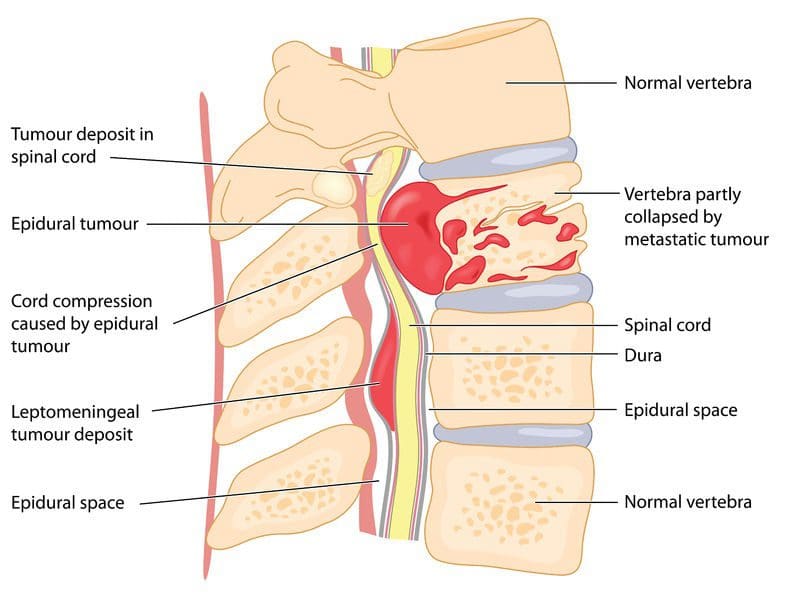
Most back pain is caused by other health issues. However, when painful symptoms are caused by spinal tumors, it’s essential for a healthcare professional to perform an accurate diagnosis to follow-up with proper treatment. There are three types of tumors which can cause back pain; vertebral column tumors, intradural-extramedullary tumors, and intramedullary tumors. �
Tumors in the spine can cause back pain when the growth weakens the bone, which can ultimately result in spinal fractures, compression or impingement of the nerves, and spinal distress. Spinal tumor symptoms may ultimately be similar to those of other well-known health issues, including sciatica, especially if the spinal tumor irritates the sciatic nerve.� Furthermore, the following symptoms below may ultimately be commonly associated with a spinal tumor, including: �
Neck pain or back pain followed by neurological health issues, such as tingling sensations, weakness, and numbness in the upper and lower extremities as well as abnormal bladder and bowel habits.
Painful symptoms, particularly in the morning
Severe pain with manipulation of the affected region of the spine
Painful symptoms which do not decrease with rest
Back pain and other associated symptoms, such as loss of appetite, nausea, vomiting, weight loss, fever, or chills.
If any tumor is located in the spine and if there’s no other known cancer, a healthcare professional may perform a series of comprehensive evaluations and additional testing of all common organs in which cancer can develop. Because many vertebral column tumors originate from cancer in another organ, the ultimate goal of spinal tumor treatment is to: � �
Regulate severe painful symptoms which occur with these spinal tumors by removing pressure on the nerve roots
Maintain neurological structure and function by removing pressure on the spinal cord
Correct structural and functional instability in the spine by correcting the unstable spine with a spinal fusion
�
As previously mentioned, when you seek medical attention for a health issue, it’s essential for the healthcare professional to accurately diagnose your medical concern in order to follow-up with the proper treatment. A differential diagnosis is a list of possible injuries and/or underlying conditions which may be causing symptoms. Sciatica, a group of signs and symptoms commonly characterized by pain, discomfort, tingling sensations, and numbness, is a well-known health issue which can have many differential diagnosis. – Dr. Alex Jimenez D.C., C.C.S.T. Insight
Fibromyalgia Magazine
The purpose of the article was to discuss the differential diagnosis in sciatica with a variety of other health issues. Accurate diagnosis and proper treatment are important for sciatic nerve pain management. The scope of our information is limited to chiropractic, musculoskeletal and nervous health issues as well as functional medicine articles, topics, and discussions. To further discuss the subject matter above, please feel free to ask Dr. Alex Jimenez or contact us at 915-850-0900 . �
Curated by Dr. Alex Jimenez �
Additional Topic Discussion: Severe Sciatica
Back pain�is one of the most prevalent causes of disability and missed days at work worldwide. Back pain attributes to the second most common reason for doctor office visits, outnumbered only by upper-respiratory infections. Approximately 80 percent of the population will experience back pain at least once throughout their life. Your spine is a complex structure made up of bones, joints, ligaments, and muscles, among other soft tissues. Injuries and/or aggravated conditions, such as�herniated discs, can eventually lead to symptoms of sciatica, or sciatic nerve pain. Sports injuries or automobile accident injuries are often the most frequent cause of painful symptoms, however, sometimes the simplest of movements can have these results. Fortunately, alternative treatment options, such as chiropractic care, can help ease sciatic nerve pain, or sciatica, through the utilization of spinal adjustments and manual manipulations, ultimately improving pain relief. �
Formulas for Methylation Support
XYMOGEN�s Exclusive Professional Formulas are available through select licensed health care professionals. The internet sale and discounting of XYMOGEN formulas are strictly prohibited.
Proudly,�Dr. Alexander Jimenez makes XYMOGEN formulas available only to patients under our care.
Please call our office in order for us to assign a doctor consultation for immediate access.
If you are a patient of Injury Medical & Chiropractic�Clinic, you may inquire about XYMOGEN by calling 915-850-0900.
�
For your convenience and review of the XYMOGEN products please review the following link.*XYMOGEN-Catalog-Download �
* All of the above XYMOGEN policies remain strictly in force. �
When you visit a doctor office for a medical concern, the healthcare professional will perform a variety of diagnostic procedures to determine the source of your symptoms. The doctor will review the patient’s current symptoms and medical history as well as the patient’s results from a physical evaluation to diagnose an injury and/or underlying condition. �
Once the healthcare professional has reviewed the patient’s current symptoms, medical history, and results from the physical evaluation, the doctor will make a list of the probable injuries and/or underlying conditions which may be causing the patient’s symptoms. This is the differential diagnosis. A differential diagnosis refers to the process of differentiating between two or more health issues which share similar signs and symptoms. The doctor will perform additional tests or assessments to rule out specific injuries and/or underlying conditions in order to reach a final diagnosis and follow-up with treatment. �
The differential diagnosis generally varies depending on the health issue. A variety of health issues can cause common symptoms which may make it challenging to determine the source of the pain and discomfort. Sciatica is a collection of symptoms rather than a single condition which can be a frequent symptom for many health issues. Sciatica is characterized as pain, tingling sensations, and numbness, due to compression or impingement along the length of the sciatic nerve. �
Sciatica
The characteristic symptoms of sciatica can range from mild to severe where the sciatic nerve pain is described as a dull ache to pain or as a sharp, searing, or electric-like pain. Symptoms differ from one person to another. By way of instance, some people may experience shooting pain while some people may only experience tingling sensations and/or numbness. � The common symptoms of sciatica, also known as sciatic nerve pain, include: �
Radiating pain along the length of the sciatic nerve
Discomfort, tingling sensations, and numbness
Muscle weakness in the lower back, hips, legs, and feet
A combination of pain, discomfort, tingling sensations and numbness
Painful sensations on one or both sides of the human body
Sciatica commonly occurs when an underlying health issue results in the compression or impingement of the sciatic nerve in the lower back. A bulging or herniated disk is one of the most common causes of sciatica. However, a variety of other underlying health issues can cause sciatica and determining what causes sciatica is necessary for proper treatment. In part 1 of this article, we will demonstrate the differences between sciatica and other health issues with similar painful symptoms. �
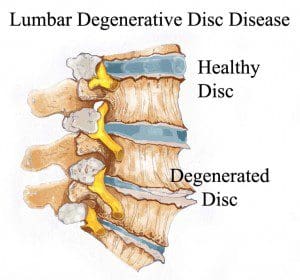
Degenerative Disc Disease
The intervertebral discs also referred to as spinal discs or intervertebral fibrocartilage, provide the padding required between the vertebrae of the spine. The intervertebral discs are an elastic structure made from fibrocartilage tissue. The intervertebral discs cushion the stress of the spine, bears weight, and also helps the spine bend and flex. �
As people age, repeated daily stresses on the backbone and occasional trauma and/or injuries, including minor, undetected health issues, may ultimately damage the intervertebral discs in the back. Changes caused by damage may include: �
Decreased fluid: The intervertebral disks of a healthy young adult are made up of around 90 percent fluid. With age, the fluid material decreases, causing the disc to become thinner. The distance between each vertebra, in turn, becomes smaller and it makes them even less effective to function as a cushion or shock-absorber.
Disc structure: Small tears or cracks can become larger in the outer layer of the disc. The soft and gelatinous material from the inner part may push through the disc, causing a bulging or ruptured disc. The disc may break into fragments.
If the vertebrae have less padding between them, the backbone also becomes less stable. To compensate, the human body builds osteophytes, or bone spurs, small bony structures which develop along the edge of bones. These structures can compress or impinge the spinal cord or nerve roots. These changes can cause painful symptoms and lead to fatigue. �
The pain and discomfort can range from mild to severe and it may often be debilitating. It may result in osteoarthritis along with pain and stiffness. When degenerative disc disease affects the low back or the lumbar spine, the pain may radiate down the buttocks, hips, and thighs, into the knees and feet. There might also be tingling sensations and numbness, the collection of symptoms known as sciatica, caused due to the compression or impingement of the sciatic nerve. �
Radiculopathy
The spine consists of 33 bones, best known as vertebrae, which shield the spinal cord from experiencing injury or trauma. Each vertebra is cushioned from each other with an intervertebral disk. This shields the vertebrae from rubbing over each other. When trauma or injury does occur, these intervertebral discs can become damaged and cause the compression or impingement of a nerve. Depending on which nerve is compressed, an individual can experience a variety of painful symptoms, including sciatica or sciatic nerve pain. Individuals can also develop radiculopathy seemingly without a cause. � Radiculopathy can ultimately develop due to a variety of injuries and/or aggravated conditions, including: �
Herniated discs, or when a disc protrudes, irritating the nerve root
Sciatica
Degenerative disc disease
Bone spurs
Tumors in the spine
Osteoarthritis or spinal arthritis
Spinal stenosis, or the narrowing of the spinal canal
Compression fractures
Spondylolisthesis, or when a vertebra slides over the vertebra beneath it
Scoliosis brought on by an abnormal curve in the backbone
Diabetes, caused by altered nerve blood flow
Cauda equine syndrome, or a condition where nerve root compression affects the pelvic organs and lower extremities
� Additional risk factors for developing radiculopathy include: � �
Aging
Being overweight or obese
Poor posture
Improper lifting methods and techniques
Repetitive movements
A family history of degenerative bone health issues
Individuals may experience painful symptoms in the low back, hips, and legs when nerve compression or impingement occurs in the lumbar spine or low back region of the spine. Lumbar radiculopathy is also commonly referred to as sciatica or sciatic nerve pain. Sciatica symptoms include pain, tingling sensations, and numbness along the length of the sciatic nerve. Occasionally, the nerve roots in charge of controlling the bowel and bladder may become irritated, resulting in bowel or bladder incontinence as well as loss of control. Other generalized symptoms associated with lumbar radiculopathy include: �
Sharp pain extending from the low back to the foot
Sharp pain with sitting or coughing
Weakness or numbness in the lower extremities
Tingling sensations and numbness in the lower extremities
Hypersensitivity, or sensitivity and reflex alterations
Sharp pain radiating into the upper extremities
Intense pain and discomfort with movements of the head and/or neck
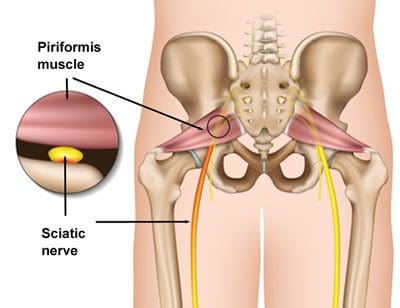
Piriformis Syndrome
People with sciatic nerve pain, or sciatica, will often report experiencing pain and discomfort, tingling sensations, and numbness anywhere along the length of the sciatic nerve. The sciatic nerve is the longest and largest nerve in the human body, which travels from the lower back into the hip and buttocks, down into the thighs, knees, legs, and feet. People with sciatica, or sciatic nerve pain, may also experience another common health issue known as piriformis syndrome. � �
Piriformis syndrome can cause sciatica when a piriformis muscle spasm irritates the sciatic nerve. The piriformis is a muscle which extends from the front of the sacrum, the triangle-shaped bone between the two hipbones in the pelvis, across the sciatic nerve and into the top of the femur, the large bone in the upper leg. When an injury or underlying condition causes the piriformis muscle to compress or impinge the sciatic nerve due to inflammation, the end result is piriformis syndrome. �
Sciatica is the most common symptom associated with piriformis syndrome. Other common symptoms associated with piriformis syndrome include tingling sensations and numbness, muscle tenderness, pain and discomfort while sitting or engaging in physical activities, and difficulty sitting comfortably. The pain and discomfort will generally manifest on one or both sides of the hips, buttocks, and thighs, where it will then radiate down the back of the leg, knees, and feet. �
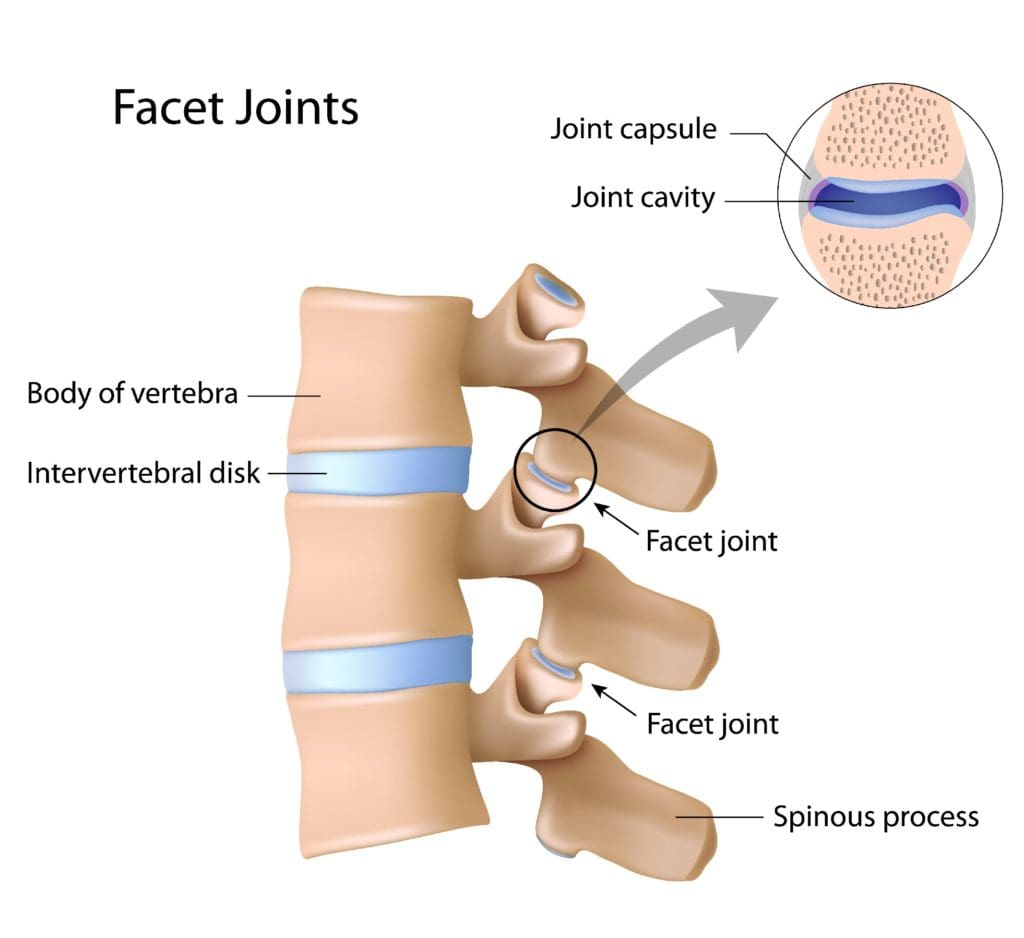
Facet Arthropathy
The facet joints are the joints which are found behind the spine to counterbalance the intervertebral discs found between the vertebrae of the spine. Over time, the natural aging process can cause the facet joints to deteriorate or wear down, causing facet joint arthritis or facet arthropathy. Individuals with facet arthropathy will experience low back pain as a dull ache on one or both sides of the lower back or lumbar spine which can worsen with standing, twisting, or bending backward. �
However, unlike the well-known signs and symptoms of sciatica, caused by the compression or impingement of the sciatic nerve in the lower back, facet arthropathy signs and symptoms generally don’t radiate down the buttocks, hips, and thighs, or into the legs and feet. However, the facet joint, in the same way as any other joint which has arthritis, can also become enlarged and add pressure on nerve roots, causing pain and discomfort to radiate down into the lower extremities. �
Facet arthropathy may cause bone spurs, tiny bone outgrowths. Bone spurs can decrease the distance available between nerve roots, causing a health issue known as spinal stenosis. Spinal stenosis may cause pain, weakness, and numbness on the buttocks, hips, and thighs. It’s frequently associated with other health issues which could lead to facet arthropathy. The natural aging process is frequently considered to be one of the most common indirect sources of facet arthropathy. Other health issues which can ultimately affect the facet joints and cause facet arthropathy include: � �
Osteoarthritis: Degeneration of joint cartilage and underlying bone, generally during middle age
Facet joint degeneration: Wear and tear on the facet joint brought on over time due to aging
Facet joint injury: Trauma to the facet joints caused by an impact, such as a fall or automobile accident
Synovial cyst: A fluid-filled sac which develops in the spine, generally as a result of aging
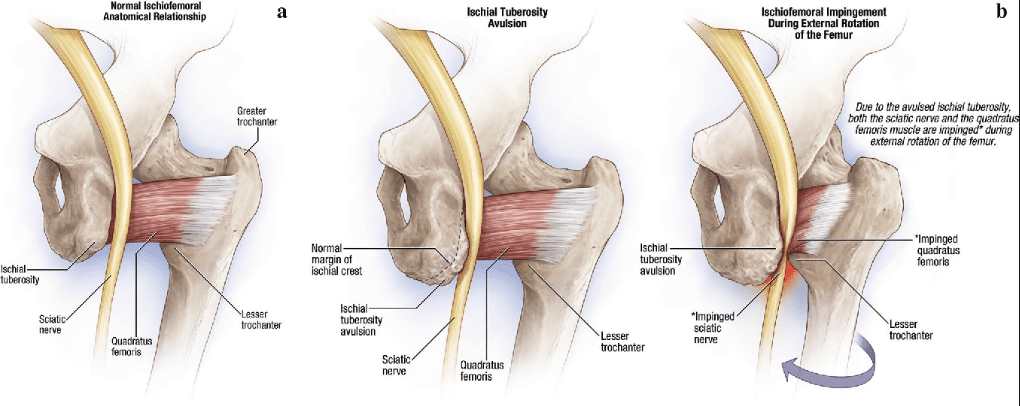
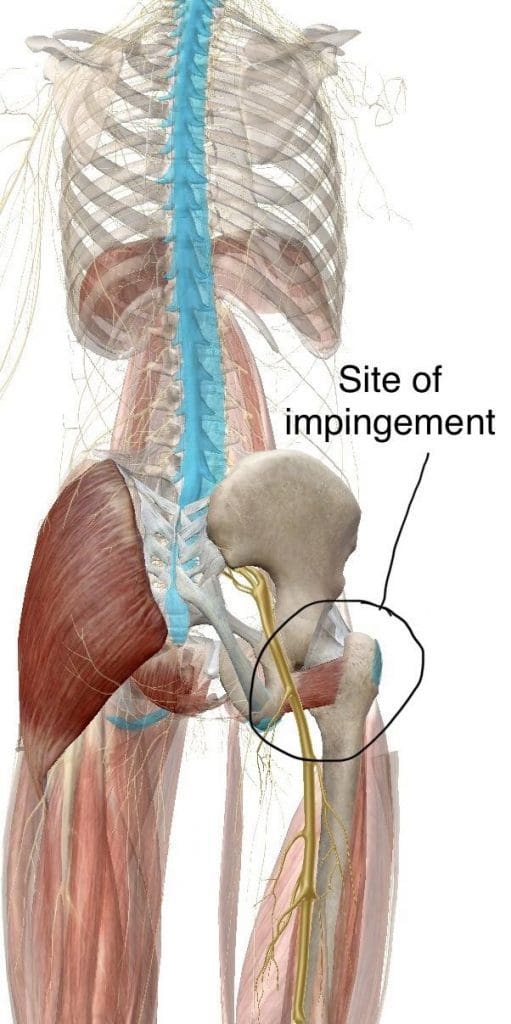
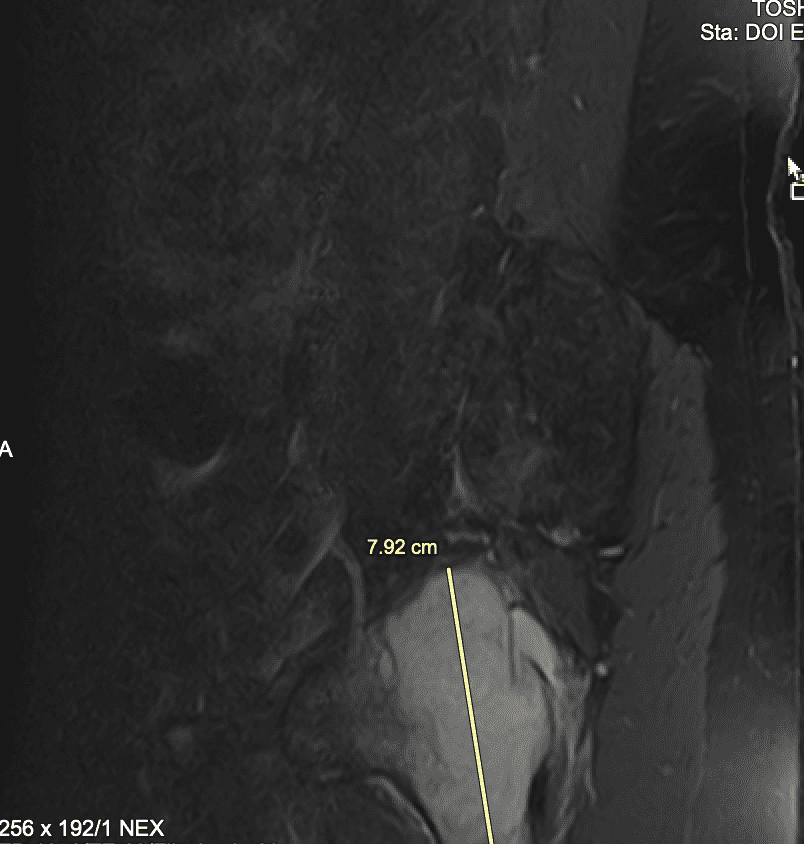
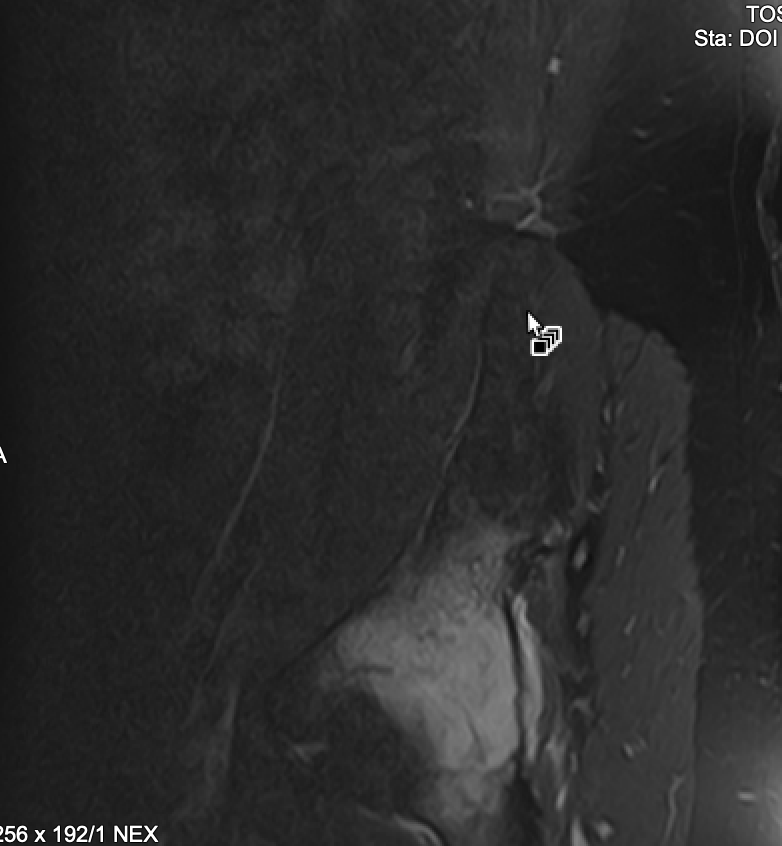
Ischiofemoral Impingement
Ischiofemoral impingement syndrome is a condition which occurs when the ischium and the head of the femur experience excessive amounts of pressure, generally due to trauma, overuse, or surgery. The trauma, overuse, or surgery, can also cause bone spurs to grow along the ischium. This gives the bones an abnormal shape which makes them no longer fit together. �
Because these don�t fit properly together anymore, the bones may then start to rub against each other during movement causing friction which can damage the joint and cause painful symptoms. As friction worsens, the pain may also increase and restrict movements. The symptoms for ischiofemoral impingement may vary and treatment can also depend on symptoms. �
�
The main symptom of ischiofemoral impingement syndrome is hip pain. The pain from this underlying health issue may start off as mild, however, it can often worsen as the rubbing of the bones causes more damage and inflammation. Ischiofemoral impingement syndrome can feel similar to a pulled hamstring but the pain is generally closer to the buttocks like sciatica. �
Ischiofemoral impingement occurs due to excess friction between the top of the thighbone, or the femur, and the hip bone, or the ischium. These two bones generally touch in a way which allows them to move without causing pain, however, trauma, overuse, and surgery can ultimately damage the bone. Moreover, if the damage causes a bone spur to grow on the hip or femur, as described above, the extra piece of bone�can cause more damage and make the condition worse.
When you seek medical attention for a medical concern, it’s fundamental for the healthcare professional to accurately diagnose your health issue in order to follow-up with the proper treatment. A differential diagnosis is a list of possible injuries and/or underlying conditions which may be causing symptoms. Sciatica, a collection of symptoms commonly characterized by pain, discomfort, tingling sensations, and numbness, is a well-known health issue which can have many differential diagnosis. – Dr. Alex Jimenez D.C., C.C.S.T. Insight
Fibromyalgia Magazine
The purpose of the article was to discuss the differential diagnosis in sciatica with a variety of other health issues. Accurate diagnosis and proper treatment are important for sciatic nerve pain management. The scope of our information is limited to chiropractic, musculoskeletal and nervous health issues as well as functional medicine articles, topics, and discussions. To further discuss the subject matter above, please feel free to ask Dr. Alex Jimenez or contact us at 915-850-0900 . �
Curated by Dr. Alex Jimenez �
Additional Topic Discussion: Severe Sciatica
Back pain�is one of the most prevalent causes of disability and missed days at work worldwide. Back pain attributes to the second most common reason for doctor office visits, outnumbered only by upper-respiratory infections. Approximately 80 percent of the population will experience back pain at least once throughout their life. Your spine is a complex structure made up of bones, joints, ligaments, and muscles, among other soft tissues. Injuries and/or aggravated conditions, such as�herniated discs, can eventually lead to symptoms of sciatica, or sciatic nerve pain. Sports injuries or automobile accident injuries are often the most frequent cause of painful symptoms, however, sometimes the simplest of movements can have these results. Fortunately, alternative treatment options, such as chiropractic care, can help ease sciatic nerve pain, or sciatica, through the utilization of spinal adjustments and manual manipulations, ultimately improving pain relief. �
Formulas for Methylation Support
XYMOGEN�s Exclusive Professional Formulas are available through select licensed health care professionals. The internet sale and discounting of XYMOGEN formulas are strictly prohibited.
Proudly,�Dr. Alexander Jimenez makes XYMOGEN formulas available only to patients under our care.
Please call our office in order for us to assign a doctor consultation for immediate access.
If you are a patient of Injury Medical & Chiropractic�Clinic, you may inquire about XYMOGEN by calling 915-850-0900.
�
For your convenience and review of the XYMOGEN products please review the following link.*XYMOGEN-Catalog-Download �
* All of the above XYMOGEN policies remain strictly in force. �
It’s natural for people to wonder whether an underlying health issue may be due to a tumor or another serious health issue, especially when you’ve got severe pain and discomfort. Tumors in the spine can cause back pain when the growth weakens the bone, which can ultimately result in spinal fractures, compression or impingement of the nerves, and spinal distress. �
Spinal Tumor Symptoms
Spinal tumor symptoms may ultimately be similar to those of other well-known health issues, including sciatica, especially if the spinal tumor irritates the sciatic nerve. The symptoms below may be commonly associated with a spinal tumor, including: �
Neck pain or back pain followed by neurological health issues, such as tingling sensations, weakness, and numbness in the upper and lower extremities as well as abnormal bladder and bowel habits.
Painful symptoms, particularly in the morning
Severe pain with manipulation of the affected region of the spine
Painful symptoms which do not decrease with rest
Back pain and other associated symptoms, such as loss of appetite, nausea, vomiting, weight loss, fever, or chills.
Other Symptoms of Spinal Tumors
Spinal tumors themselves may present a variety of other symptoms. Characteristics associated with spinal tumors include: �
Tumors which develop in the spine (primary tumors) are very rare
Spinal tumors grow slowly and are benign, frequently occurring in younger adults
Most spinal tumors have spread (metastasized) from another region of the human body
For individuals who have cancer, an evaluation is required to determine if cancer has spread to the spine
Types of Spinal Tumors
Most back pain is caused by other health issues. However, when painful symptoms are caused by spinal tumors, it’s essential for a healthcare professional to perform an accurate diagnosis to follow-up with proper treatment. There are three types of tumors which can cause back pain; vertebral column tumors, intradural-extramedullary tumors, and intramedullary tumors. �
Vertebral Column Tumors
Primary tumors: These type of tumors develop from the vertebrae or intervertebral discs in the spine. These commonly occur in younger adults. Osteogenic sarcoma, or osteosarcoma, is the most common type of malignant bone tumor. Many primary spinal tumors are generally considered to be rare and they will frequently grow slowly. � Metastatic tumors: These type of tumors frequently spread, or metastasize, from cancer in a different region of the human body. These spinal tumors will generally cause pain which doesn’t decrease with rest, can worsen at night and is commonly accompanied by other symptoms of spinal tumors, such as nausea or vomiting, weight loss, and fever or chills. In women, spinal tumors can spread from breast or lung cancer. In men, spinal tumors can spread from lung or prostate cancer. �
Intradural-Extramedullary Tumors
Intradural-Extramedullary tumors develop inside the spinal canal below the membrane which protects the spinal cord but outside of the nerves. These spinal tumors grow slowly and are benign. However, they can cause pain and fatigue. � Meningiomas: These type of tumors commonly take place in the membranes surrounding the spinal cord and are often benign, however, they can be cancerous. These tumors are more frequent in middle-aged and elderly women. � Nerve sheath tumors (schwannomas and neurofibromas): These type of tumors originate in the nerve roots which exit from the spinal cord. This type of tumor grows slowly and is benign. It can take years before any health issues occur. �
Intramedullary Tumors
Intramedullary tumors develop from within the spinal cord or within the nerves and frequently occur in the cells that promote physical support and insulating material for the nervous system or glial cells. These type of spinal tumors occur most commonly in the neck or cervical spine. Although these spinal tumors are considered to be benign, surgery to remove intramedullary tumors may be challenging. The two varieties of intramedullary tumors are ependymomas and astrocytomas. �
Pelvic tumor demonstrated in the hip of the patient.
� � � � �
Spinal Tumor Treatments
If any tumor is located in the spine and if there’s no other known cancer, a healthcare professional may perform a comprehensive evaluation of all common organs in which cancer can develop. A comprehensive evaluation may include: �
Complete medical history
Complete physical evaluation
Complete neurological evaluation
Radiographic study of the spine, chest, and GI tract
MRI and CAT scan to evaluate the spine
Vertebral Column Tumor Treatment
Because many vertebral column tumors originate from cancer in another organ, the goal of spinal tumor treatment is to:
Regulate severe painful symptoms which occur with these spinal tumors by removing pressure on the nerve roots
Maintain neurological structure and function by removing pressure on the spinal cord
Correct structural and functional instability in the spine by correcting the unstable spine with a spinal fusion
Intradural-Extramedullary and Intramedullary Tumor Treatment
These type of spinal tumors are generally surgically removed. The goal of spinal tumor treatment is to: �
Completely remove the spinal tumor
Preserve neurological structure and function
The spinal cord and nerves are extremely sensitive and preventing damage to their structure and function is an essential portion of surgical intervention. Monitoring methods and techniques can be utilized throughout the surgery to make sure the structure and function of the spinal cord are preserved since the spinal tumors are ultimately being removed. � If the spinal tumor cannot be fully removed, by way of instance, if it adheres to many nerve roots, post-surgical radiation treatment can help improve outcome. If the spinal tumor is metastatic, chemotherapy may also be helpful. After the surgery, it could take some time for the nerves to fully recover. Rehabilitation can help enhance a patient’s neurological performance. �
Differential Diagnosis of Hip Pain and Discomfort
�
Spinal tumors can cause back pain and sciatica. Although most cases of back pain and sciatic nerve pain are not caused by a spinal tumor, it’s essential to receive an accurate diagnosis to determine the source of the painful symptoms. As mentioned above, common symptoms of spinal tumors include pain and discomfort as well as numbness. Spinal tumors are health issues which should be evaluated immediately by a healthcare professional to follow-up with proper treatment. – Dr. Alex Jimenez D.C., C.C.S.T. Insight
Fibromyalgia Magazine
The purpose of the article was to discuss spinal tumors and sciatica. Spinal tumors may often present symptoms of sciatica. Accurate diagnosis and proper treatment are important for this health issue. The scope of our information is limited to chiropractic, musculoskeletal and nervous health issues as well as functional medicine articles, topics, and discussions. To further discuss the subject matter above, please feel free to ask Dr. Alex Jimenez or contact us at 915-850-0900 . �
Curated by Dr. Alex Jimenez �
Additional Topic Discussion: Severe Sciatica
Back pain�is one of the most prevalent causes of disability and missed days at work worldwide. Back pain attributes to the second most common reason for doctor office visits, outnumbered only by upper-respiratory infections. Approximately 80 percent of the population will experience back pain at least once throughout their life. Your spine is a complex structure made up of bones, joints, ligaments, and muscles, among other soft tissues. Injuries and/or aggravated conditions, such as�herniated discs, can eventually lead to symptoms of sciatica, or sciatic nerve pain. Sports injuries or automobile accident injuries are often the most frequent cause of painful symptoms, however, sometimes the simplest of movements can have these results. Fortunately, alternative treatment options, such as chiropractic care, can help ease sciatic nerve pain, or sciatica, through the utilization of spinal adjustments and manual manipulations, ultimately improving pain relief. �
�
Formulas for Methylation Support
XYMOGEN�s Exclusive Professional Formulas are available through select licensed health care professionals. The internet sale and discounting of XYMOGEN formulas are strictly prohibited.
Proudly,�Dr. Alexander Jimenez makes XYMOGEN formulas available only to patients under our care.
Please call our office in order for us to assign a doctor consultation for immediate access.
If you are a patient of Injury Medical & Chiropractic�Clinic, you may inquire about XYMOGEN by calling 915-850-0900.
�
For your convenience and review of the XYMOGEN products please review the following link.*XYMOGEN-Catalog-Download �
* All of the above XYMOGEN policies remain strictly in force. �
Sacroiliac joint dysfunction is characterized as a sharp, stabbing pain which radiates from the pelvis and hips, down into the lower back or lumbar spine and throughout the legs. Patients might experience tingling sensations or numbness. The sacroiliac joint is generally attributed to causing between 15 to 30 percent of chronic low back pain cases. Approximately 80 percent of adults will experience some type of low back pain throughout their lifetimes. Low back pain is also ultimately considered to be one of the most general causes of disability as well as the most common cause of missed workdays. �
What are the Sacroiliac Joints?
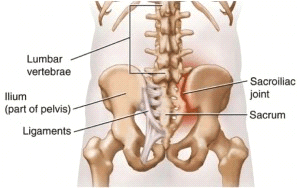
The sacroiliac joints are situated where the sacrum and ilium come together. The sacrum is the triangle-shaped bone close to the base of the spine, just over the coccyx or the tailbone. Among the three bones that make up the hip structure, the ilium is at the top of the pelvis. The sacroiliac joints support the weight of the human body, maintaining it around the pelvis. This reduces pressure and functions as a shock absorber. The bones of the sacroiliac joints are all jagged to remain in alignment. �
Gaps between the bones of the sacroiliac joints are filled with fluid for lubrication. These gaps are also filled with free nerve endings which are in charge of transmitting pain signals. It may be debilitating when the sacroiliac joints come out of alignment. All the bones at the sacroiliac joints are connected by muscles and ligaments which promote stability and permit for limited motion. This motion is essential for women to give birth and for people to stay standing vertically. �
What Causes Sacroiliac Joint Dysfunction?
Irritation, swelling, or inflammation of one or more sacroiliac joints is commonly referred to as sacroiliac joint dysfunction, sacroiliac joint disease, or sacroiliitis. Moreover, sacroiliac joint dysfunction or disease may cause sacroiliitis. This can be a health issue which encompasses a variety of other injuries and/or underlying conditions. These include: �
Walking patterns
Injury
Gout
Ankylosing spondylitis
Osteoarthritis
Pregnancy
What are the Symptoms of SI Joint Dysfunction?
Every person experiences symptoms of SI joint dysfunction differently and the signs can vary from person to person, depending on the source of the sacroiliac joint dysfunction. Common signs and symptoms of SI joint dysfunction include: �
low back pain
pain in the buttocks, hips, and pelvis
pain in the groin
painful symptoms in the SI joints
pain when standing from a sitting position
stiffness
burning sensations
weakness
numbness
pain radiating down into the thighs and legs
feeling like the legs may buckle and not support the weight of the body
How is Sacroiliac Joint Dysfunction Diagnosed?
SI joint dysfunction can be hard to diagnose. Because the joints are situated deep within the human body, it often makes it difficult for healthcare professionals to properly diagnose the health issue. Moreover, damage due to trauma or injury to the sacroiliac joints doesn’t appear on imaging tests like CT scans, MRIs, or X-rays. And the signs and symptoms are much like other health issues, such as sciatica, bulging or herniated discs and arthritis of the hip. The healthcare professional may perform a variety of tests so as to diagnose SI joint dysfunction and determine other health issues, including: �
Provocative tests are frequently utilized by healthcare professionals to determine whether the painful symptoms are originating from the SI joint. The maneuvers are utilized to isolate the SI joint as the source of pain.
Injecting a numbing drug and/or medication, such as lidocaine, to the sacroiliac joint. This can ultimately help determine if the patient has an SI joint health issue if the painful symptoms are reduced after a brief period of time.
Imaging tests, including X-rays, MRIs, and CT scans.
Diagnosing SI Joint Disorders – Provocative Testing
How is Sacroiliac Joint Dysfunction Treated?
Physical therapy, chiropractic care, stretches and exercises, such as yoga, and massage can help stabilize and strengthen the SI joints and alleviate painful symptoms. Another treatment suggestion involves the utilization of cold packs for pain relief. Utilize heat with a heating pad or heat wrapping, or a soak in a warm bath after the painful symptoms are more manageable. It is also possible to put on a sacroiliac belt to help support the sacroiliac joint which might help alleviate painful symptoms. �
Medicine and Non-surgical Treatment
If sacroiliac joint dysfunction signs and symptoms can’t be managed with physical therapy, chiropractic care, stretches and exercises, and/or massage, or whether it is brought on by an underlying health issue, your healthcare professional may recommend the utilization of medicine and non-surgical treatment. These treatment approaches can include: �
anti-inflammatory medications, including nonsteroidal, anti-inflammatory drugs (NSAIDs)
muscle relaxants
oral steroids, but only for short-term utilization
tumor necrosis factor inhibitors (TNF inhibitors)
corticosteroid injections
radiofrequency ablation, which utilizes energy to deactivate the nerves which are causing pain and discomfort
Healthcare professionals consider surgery to be the last resort for sacroiliac joint dysfunction if none of the other treatment approaches mentioned above helped reduce painful symptoms. With sacroiliac joint surgery, small plates and screws are utilized to hold the SI joint together so the bones fuse or grow together. The healthcare professional may suggest this surgery if the pain and discomfort become constant and other treatment approaches haven’t been effective. Furthermore, it’s fundamental for patients to receive a diagnosis for them to follow-up with treatment for their SI joint dysfunction. �
Differential Diagnosis of Hip Pain and Discomfort
� �
Sacroiliac, or SI, joint dysfunction is believed to be a common cause of low back pain and hip/thigh/leg pain. Because of the painful symptoms along the lower extremities, SI joint dysfunction may feel similar to sciatica. However, sciatica is caused by the compression or impingement of the sciatic nerve. Accurately diagnosing sacroiliac joint dysfunction can be difficult. A positive diagnosis for SI joint dysfunction is generally determined through the utilization of provocative testing and/or an injection. Proper diagnosis is important for proper treatment. – Dr. Alex Jimenez D.C., C.C.S.T. Insight
Fibromyalgia Magazine
The purpose of the article was to discuss SI joint dysfunction and sciatica. SI joint dysfunction is often confused with the symptoms of sciatica, however, diagnosis and treatment differ for this health issue. The scope of our information is limited to chiropractic, musculoskeletal and nervous health issues as well as functional medicine articles, topics, and discussions. To further discuss the subject matter above, please feel free to ask Dr. Alex Jimenez or contact us at 915-850-0900 . �
Curated by Dr. Alex Jimenez
Additional Topic Discussion: Severe Sciatica
Back pain�is one of the most prevalent causes of disability and missed days at work worldwide. Back pain attributes to the second most common reason for doctor office visits, outnumbered only by upper-respiratory infections. Approximately 80 percent of the population will experience back pain at least once throughout their life. Your spine is a complex structure made up of bones, joints, ligaments, and muscles, among other soft tissues. Injuries and/or aggravated conditions, such as�herniated discs, can eventually lead to symptoms of sciatica, or sciatic nerve pain. Sports injuries or automobile accident injuries are often the most frequent cause of painful symptoms, however, sometimes the simplest of movements can have these results. Fortunately, alternative treatment options, such as chiropractic care, can help ease sciatic nerve pain, or sciatica, through the utilization of spinal adjustments and manual manipulations, ultimately improving pain relief. �
Formulas for Methylation Support
XYMOGEN�s Exclusive Professional Formulas are available through select licensed health care professionals. The internet sale and discounting of XYMOGEN formulas are strictly prohibited.
Proudly,�Dr. Alexander Jimenez makes XYMOGEN formulas available only to patients under our care.
Please call our office in order for us to assign a doctor consultation for immediate access.
If you are a patient of Injury Medical & Chiropractic�Clinic, you may inquire about XYMOGEN by calling 915-850-0900.
�
For your convenience and review of the XYMOGEN products please review the following link.*XYMOGEN-Catalog-Download �
* All of the above XYMOGEN policies remain strictly in force. �
The facet joints are the joints which are found behind the spine to counterbalance the intervertebral discs found between the vertebrae of the spine. These are ultimately essential for restricting the movements of the spine for the vertebrae to maintain proper alignment. Over time, the natural aging process can cause the facet joints to deteriorate or wear down. Facet joint arthritis can also gradually develop over time, as it may in any other joint. This is referred to as arthropathy. �
What are the Symptoms of Facet Arthropathy?
Individuals with facet arthropathy will generally experience low back pain which can often worsen with standing, twisting, or bending backward. The painful symptoms associated with facet joint arthropathy occur in one specific region of the spine. The pain and discomfort are commonly described as a dull ache on one or both sides of the lower back or lumbar spine.� �However, unlike the well-known signs and symptoms of sciatica, caused by the compression or impingement of the sciatic nerve in the lower back, facet arthropathy signs and symptoms generally don’t radiate down the buttocks or into the legs. �
However, the facet joint, in the same way as any other joint which has arthritis, can become enlarged and add pressure on nerve roots, causing pain and discomfort to radiate down the lower extremities. Facet arthropathy symptoms are generally relieved by bending forward. Bending your body forward into a spinal flexion position can help reduce painful symptoms. �
What Causes Facet Arthropathy?
The natural aging process is frequently considered to be one of the most common indirect sources of facet arthropathy. Other health issues which can affect the facet joints and ultimately cause facet arthropathy include: �
Osteoarthritis: Degeneration of joint cartilage and underlying bone, generally during middle age
Facet joint degeneration: Wear and tear on the facet joint brought on over time due to aging
Facet joint injury: Trauma to the facet joints caused by an impact, such as a fall or automobile accident
Synovial cyst: A fluid-filled sac which develops in the spine, generally as a result of aging
How is Facet Arthropathy Diagnosed?
If you’re experiencing chronic low back pain, make an appointment with a healthcare professional to determine a diagnosis and follow-up with the proper treatment. By performing a physical evaluation, your healthcare professional will then be able to analyze the source of your painful symptoms. The doctor will also ask you questions regarding your medical history and your symptoms as well as order several of the following tests to help diagnose facet arthropathy, including: �
CT scan or MRI scan: These imaging tests can show evidence of facet joint degeneration, even mild to moderate cases.
Bone scan: This test shows bone density to demonstrate any source of inflammation on the spine.
Anti-inflammatory steroid injection: An injection into your facet joint can determine facet arthropathy.
X-rays: These will help the healthcare professional evaluate the overall health and wellness of your spine.
Can Facet Arthropathy Cause Other Health Issues?
Facet arthropathy may cause bone spurs, tiny bone outgrowths. Bone spurs can decrease the distance available between nerve roots, causing a health issue known as spinal stenosis. Spinal stenosis may cause pain, weakness, and numbness on the buttocks, hips, and thighs. It’s frequently associated with other health issues which could lead to facet arthropathy. �
Arthritis caused by a variety of other health issues, such as degenerative disc disease, can occur due to the human body’s natural aging process, causing the discs between the vertebrae of the spine to lose their flexibility, elasticity, and capacity to absorb shock from walking and other physical activities. This may ultimately cause painful symptoms to develop. �
How is Facet Arthropathy Treated?
There are numerous treatment approaches to help treat facet arthropathy symptoms. Treatments include: �
Anti-inflammatory drugs and/or medications
Avoidance of movements which cause pain and discomfort, such as repetitive twisting or lifting
Physical therapy
Chiropractic care
Epidural steroid injections
Facet joint ablation or the destruction of the facet nerves with electrical shocks
Spinal surgery when there is nerve-root compression
Differential Diagnosis of Hip Pain and Discomfort
� �
Facet joint arthropathy is a well-known health issue which can commonly occur due to the human body’s natural aging process, however, injury or underlying conditions may also cause facet joint arthropathy. Although facet joint arthropathy may cause pain, discomfort, and numbness in the lower back, the symptoms are different from sciatica in which these don’t radiate down the buttocks, legs, and/or feet. Diagnosis is essential for facet joint arthropathy to follow-up with treatment. – Dr. Alex Jimenez D.C., C.C.S.T. Insight
Fibromyalgia Magazine
The purpose of the article was to discuss degenerative disc disease and sciatica. Degenerative disc disease is often associated with pain, tingling sensations, and numbness, similar to the symptoms of sciatica. The scope of our information is limited to chiropractic, musculoskeletal and nervous health issues as well as functional medicine articles, topics, and discussions. To further discuss the subject matter above, please feel free to ask Dr. Alex Jimenez or contact us at 915-850-0900 . �
Curated by Dr. Alex Jimenez �
Additional Topic Discussion: Severe Sciatica
Back pain�is one of the most prevalent causes of disability and missed days at work worldwide. Back pain attributes to the second most common reason for doctor office visits, outnumbered only by upper-respiratory infections. Approximately 80 percent of the population will experience back pain at least once throughout their life. Your spine is a complex structure made up of bones, joints, ligaments, and muscles, among other soft tissues. Injuries and/or aggravated conditions, such as�herniated discs, can eventually lead to symptoms of sciatica, or sciatic nerve pain. Sports injuries or automobile accident injuries are often the most frequent cause of painful symptoms, however, sometimes the simplest of movements can have these results. Fortunately, alternative treatment options, such as chiropractic care, can help ease sciatic nerve pain, or sciatica, through the utilization of spinal adjustments and manual manipulations, ultimately improving pain relief. �
�
�
Formulas for Methylation Support
XYMOGEN�s Exclusive Professional Formulas are available through select licensed health care professionals. The internet sale and discounting of XYMOGEN formulas are strictly prohibited.
Proudly,�Dr. Alexander Jimenez makes XYMOGEN formulas available only to patients under our care.
Please call our office in order for us to assign a doctor consultation for immediate access.
If you are a patient of Injury Medical & Chiropractic�Clinic, you may inquire about XYMOGEN by calling 915-850-0900.
�
For your convenience and review of the XYMOGEN products please review the following link.*XYMOGEN-Catalog-Download �
* All of the above XYMOGEN policies remain strictly in force. �
Rheumatoid arthritis (RA) is a condition that causes considerable discomfort if diagnosed with this autoimmune disease. This is when your immune system starts attacking your joints, instead of foreign invaders, which then causes inflammation.
The worse the RA, the more severe the symptoms become. If things get bad enough you can lose mobility altogether, which is why it is so important to get treatment. Fortunately, chiropractic is excellent for reducing inflammation and improving mobility. Chiropractic treatment can do a lot to ease your pain and get you back to moving the way you are supposed to.
RA and Chiropractic
Chiropractic is an effective RA treatment for a number of reasons. Chiropractic treatment:
Individual Treatment
The image many people have of a chiropractic adjustment is one of popping backs and hard, jerking motions. While adjustments can certainly include these things, they do not have to. According to the Arthritis Foundation, chiropractors have more than 150 techniques they can use to adjust your body.
They strive to give treatments specific to the needs of each patient, which means adjusting the body as gently as necessary to produce the desired result. If your joints are swollen and painful the chiropractor will carefully work to realign the joint�which reduces inflammation and improves movement�while minimizing any pain or discomfort you feel from the adjustment.
Reduced Inflammation
With RA typically the worst symptoms are the result of inflammation. Chiropractic treatment may not be able to change the way your immune system is malfunctioning, but it can do a lot to help the painful areas become less inflamed.
The treatment you get from your chiropractor will ensure that your joints are moving as properly as possible given your condition. By putting the body back in alignment, chiropractic improves the way the nervous system operates and lessens inflammation.
Improved Mobility
One of the most difficult things for many with RA is the loss of mobility that comes when their joints swell. When the pain becomes more substantial it is normal for RA sufferers to avoid movement because it hurts.
But it is important to remember that movement, even when it hurts, is necessary to maintain joint mobility. The longer you avoid moving a joint the more likely it is that you will lose function.
A useful aspect of chiropractic is that you can get help with moving, so you are not all alone with the daunting prospect of moving your joints so they start working better. Your chiropractor is your partner in movement, helping to guide your body so that it moves as well as possible. Results are different for everyone based on their unique situations, but you can be sure that chiropractic will serve as a powerful tool to keep your body working as well as possible.
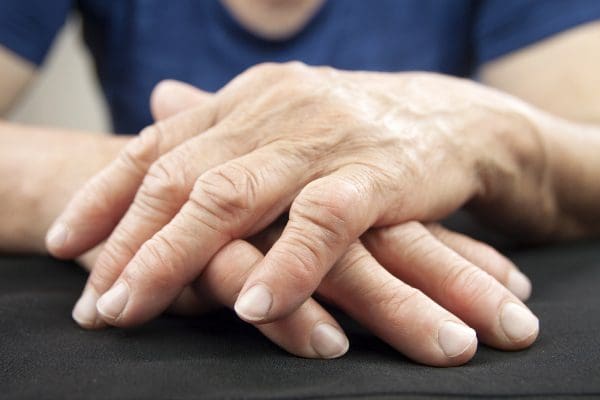
Hand Deformed From Rheumatoid Arthritis
Drug-Free and Non-invasive
In chiropractic, the focus is to help the body heal itself, which means avoiding surgery and prescription medications as much as possible. Surgery and medication often have unwanted side-effects�sometimes worse than the problem they were intended to solve. With chiropractic negative side-effects are unlikely. You can get a lot of relief from gentle, effective treatments that will not make you feel worse than when you started.
Please contact our office to schedule an appointment. We look forward to speaking with you!
Opioid Addiction Alternative
Opioids (such as hydrocodone, oxycodone, codeine, and morphine) mask symptoms and do nothing to address the cause of pain.
There is an opioid crisis raging.� A sensible and safe alternative to opioids: Custom-made orthotics help relieve low back pain as well as hip and neck pain by removing imbalances in the musculoskeletal system, which originate in the feet.
Before considering taking an opioid for pain control, give Chiropractic care and foot orthotics a try. The combination of Chiropractic and orthotics is proven in clinical studies.
In 2015, about 2 million Americans had substance abuse disorders related to opioid medications.
In 2012, 80 out of 100 Americans were prescribed opioids. That’s about 259 million prescriptions � more than enough to give every American adult their own bottle of pills.
Less Pain & More Comfort
Custom orthotics help more than your feet! Stabilizing orthotics bring health and healing to the whole body by balancing the musculoskeletal system.
El Paso Back Clinic
Here are some videos that discuss how chiropractic care can help with arthritis, fibromyalgia, seniors and whole body wellness.
NCBI Resources
Here are some articles to check out for extended information on arthropathies.
Degenerative disc disease is a health issue which occurs when one or more of the discs found between the vertebrae of the spine break down, causing painful symptoms and other problems. Common symptoms may include pain, tingling sensations, weakness, and numbness. Despite its name, degenerative disc disease is actually not a disease, but rather, a natural process which occurs with aging. The rubbery discs found between the vertebrae function like shock absorbers, allowing the back to flex and bend accordingly.� When they wear out, however, they no longer provide as much protection as before. �
Causes
The intervertebral discs also referred to as spinal discs or intervertebral fibrocartilage, provide the padding required between the vertebrae of the spine. The intervertebral discs are an elastic structure made from fibrocartilage tissue. The outer part of the disc is referred to as the annulus fibrosus. The annulus fibrosus is tough and it’s made up of many overlapping layers. The inner part of the disc is referred to as the nucleus pulposus. The nucleus pulposus is soft and gelatinous. The intervertebral discs cushion the stress of the spine, bears weight, and also helps the spine bend and flex. �
As people age, repeated daily stresses on the backbone and occasional trauma and/or injuries, including minor, undetected health issues, may ultimately damage the intervertebral discs in the back. Changes caused by damage may include: �
Decreased fluid: The intervertebral disks of a healthy young adult are made up of around 90 percent fluid. With age, the fluid material decreases, causing the disc to become thinner. The distance between each vertebra, in turn, becomes smaller and it makes them even less effective to function as a cushion or shock-absorber.
Disc structure: Small tears or cracks can become larger in the outer layer of the disc. The soft and gelatinous material from the inner part may push through the disc, causing a bulging or ruptured disc. The disc may break into fragments.
If the vertebrae have less padding between them, the backbone also becomes less stable. To compensate, the human body builds osteophytes, or bone spurs, small bony structures which develop along the edge of bones. These structures can compress or impinge the spinal cord or nerve roots. Other health issues caused by degenerative disc disease includes the breakdown of cartilage or the tissue which cushions the joints, a bulging disc, known as a herniated disc, and a narrowing of the spinal cord, also referred to as spinal stenosis. These changes can cause painful symptoms and lead to fatigue. �
Symptoms
Degenerative disc disease can either cause no symptoms or the pain and discomfort may be so severe, it can tremendously affect an individual’s quality of life. This health issue generally aggravates due to injury or trauma to the backbone, however, symptoms can also affect other parts of the human body, depending on the direct location of the degenerative disc disease. The pain and discomfort can range from mild to severe and it may often be debilitating. It may ultimately result in osteoarthritis, with pain and discomfort along with stiffness in the back. Fatigue can generally accompany other symptoms. �
If degenerative disc disease affects the low back or the lumbar spine, the pain and discomfort may radiate down the buttocks, hips, and thighs, into the knees and feet. There might also be tingling sensations and numbness, a collection of symptoms known as sciatica, caused due to the compression or impingement of the sciatic nerve. If degenerative disc disease affects the neck or the cervical spine, the pain and discomfort may radiate into the shoulders, arms, and hands. The painful symptoms may worsen when sitting, bending, twisting or lifting. Rest may help provide some pain relief. �
Diagnosis
A healthcare professional will ask the patient about their symptoms, including where and when the pain developed as well as whether there are tingling sensations or numbness. The doctor may also need to know which circumstances cause the most painful symptoms and if the patient suffered any injuries and/or aggravated conditions. A physical evaluation may examine pain and discomfort in response to touch or movement, muscle strength, flexibility, and performance, as well as nerve structure and function. The healthcare professional may also order diagnostic tests, such as MRI or CT scans. �
Treatment
Treatment for degenerative disc disease might include occupational therapy, physical therapy, chiropractic care, exercise or physical activity, drugs and/or medications, weight loss, and surgery. Medical options include injecting the joints next to the broken disc with steroids and a local anesthetic. Medicines include pain relief medicine, such as Tylenol, and non-steroidal anti-inflammatory medications, or NSAIDs, including ibuprofen. Muscle relaxers and steroids may also be prescribed. �
A corset or brace may also offer back support. Patients who don’t respond well to conservative treatment options might require surgery. Furthermore, a patient who develops osteoarthritis, a herniated disc, or spinal stenosis may require a combination of different types of treatment approaches to achieve pain relief. It’s fundamental for a healthcare professional to provide a patient with the proper diagnosis of their symptoms to follow-up with the most appropriate treatment. �
Differential Diagnosis of Hip Pain and Discomfort
�
Degenerative disc disease is characterized as the normal, gradual deterioration of the intervertebral discs with age, which may occasionally cause a variety of painful symptoms. Common symptoms associated with degenerative disc disease can include pain and discomfort, tingling sensations, and numbness, similar to sciatica. Painful symptoms may also cause fatigue and other health issues. Nearly everyone’s intervertebral discs will break down over time, however, not everyone will develop painful symptoms. – Dr. Alex Jimenez D.C., C.C.S.T. Insight
Fibromyalgia Magazine
The purpose of the article was to discuss degenerative disc disease and sciatica. Degenerative disc disease is often associated with pain, tingling sensations, and numbness, similar to the symptoms of sciatica. The scope of our information is limited to chiropractic, musculoskeletal and nervous health issues as well as functional medicine articles, topics, and discussions. To further discuss the subject matter above, please feel free to ask Dr. Alex Jimenez or contact us at 915-850-0900 . �
Curated by Dr. Alex Jimenez �
Additional Topic Discussion: Severe Sciatica
Back pain�is one of the most prevalent causes of disability and missed days at work worldwide. Back pain attributes to the second most common reason for doctor office visits, outnumbered only by upper-respiratory infections. Approximately 80 percent of the population will experience back pain at least once throughout their life. Your spine is a complex structure made up of bones, joints, ligaments, and muscles, among other soft tissues. Injuries and/or aggravated conditions, such as�herniated discs, can eventually lead to symptoms of sciatica, or sciatic nerve pain. Sports injuries or automobile accident injuries are often the most frequent cause of painful symptoms, however, sometimes the simplest of movements can have these results. Fortunately, alternative treatment options, such as chiropractic care, can help ease sciatic nerve pain, or sciatica, through the utilization of spinal adjustments and manual manipulations, ultimately improving pain relief. �
Formulas for Methylation Support
XYMOGEN�s Exclusive Professional Formulas are available through select licensed health care professionals. The internet sale and discounting of XYMOGEN formulas are strictly prohibited.
Proudly,�Dr. Alexander Jimenez makes XYMOGEN formulas available only to patients under our care.
Please call our office in order for us to assign a doctor consultation for immediate access.
If you are a patient of Injury Medical & Chiropractic�Clinic, you may inquire about XYMOGEN by calling 915-850-0900.
�
For your convenience and review of the XYMOGEN products please review the following link.*XYMOGEN-Catalog-Download �
* All of the above XYMOGEN policies remain strictly in force. �
IFM's Find A Practitioner tool is the largest referral network in Functional Medicine, created to help patients locate Functional Medicine practitioners anywhere in the world. IFM Certified Practitioners are listed first in the search results, given their extensive education in Functional Medicine







 �
�  �
�  �
�  �
� 
 �
�