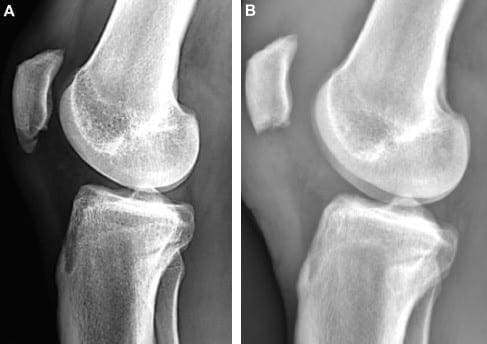
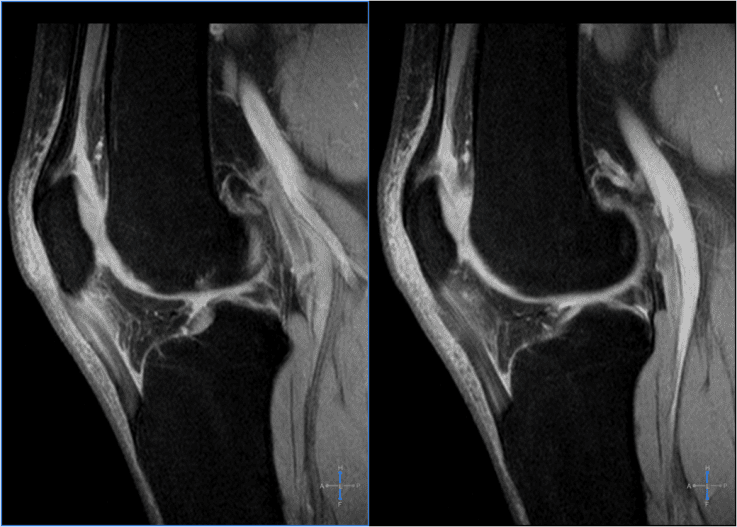
Sinding-Larsen-Johansson, or SLJ, syndrome is a debilitating knee condition that most commonly affects teens during periods of rapid growth. The kneecap, or patella, is attached to the shinbone, or tibia, from the patellar tendon. The tendon connects to an expansion plate at the bottom of the kneecap throughout growth.
Repetitive stress on the patellar tendon can make the growth plate within the knee become inflamed and irritated. SLJ mainly develops in children and adolescents between the ages of 10 and 15 because that is when most people experience growth spurts. SLJ is most common in young athletes due to excess or repetitive strain in the knee.
Causes of SLJ Syndrome
The large muscle group at the front of the upper leg is known as the quadriceps. When straightening the leg, the quadriceps pull to deliver the leg forward. This puts pressure on the growth plate at the bottom of the kneecap. During rapid growth, the bones and muscles don’t always grow at precisely the same rate.
Since the bones grow, tendons and muscles can get tight and stretched. This increases the strain around the patellar tendon and also on the growth plate it’s attached to. Repetitive or extra stress and pressure in this area can cause the growth plate to become irritated and painful. Matters that can contribute to growing SLJ syndrome are comprised of:
Sports that involve a lot of running and jumping, such as field and track or other sports such as football, gymnastics, basketball, lacrosse, and field hockey, can place stress on the knees.
Increased or incorrect physical activity can add strain on the knees. Improper form while training, shoes that don’t support the toes or an unusual way of jogging can increase chances of SLJ syndrome.
Tight or stiff quadriceps muscles can also lead to SLJ syndrome. Muscles that are more powerful and more elastic will work better, reducing the strain on the patellar and kneecap tendon.
Activities that place more pressure on the knees or demanding tasks for the knees, such as lifting heavy items, walking up and down stairs, and squatting can cause SLJ syndrome. If there’s already pain on the knee, then these movements may make it worse.
Symptoms of SLJ Syndrome
Symptoms demonstrating the presence of�Sinding-Larsen-Johansson, or SLJ, syndrome include: pain at the front of the knee or near the bottom of the kneecap, as this is the main symptom of SLJ; swelling and tenderness around the kneecap; pain that increases with physical activities like jogging, climbing stairs, or leaping; pain that becomes more acute when kneeling or squatting; and a swollen or bony bump at the bottom of the kneecap.
Sinding-Larsen-Johansson, or SLJ, syndrome is medically referred to as a juvenile osteochondrosis which affects the patella tendon in the kneecap which attaches to the inferior pole of the patella in the shinbone. Commonly characterized by knee pain and inflammation, SLJ is considered an overuse knee injury rather than a traumatic injury. Sinding-Larsen-Johansson syndrome is similar to Osgood-Schlatter syndrome.
Dr. Alex Jimenez D.C., C.C.S.T. Insight
Diagnosis of SLJ
Should you see a healthcare professional for knee problems, they will generally ask questions about how much pain the patient is experiencing and if they do any sports or other physical activities and exercises. Whether or not the patient has also had a recent growth spurt, the doctor will examine the patient’s knee for swelling and tenderness.
In very rare instances, the healthcare professional may also ask patients to acquire an X-ray or other imaging diagnostics, such as magnetic resonance imaging, or MRI, to rule out other health issues like fracture or disease.
Prevention of SLJ
The most significant way that patients can prevent getting SLJ is to stop doing physical activities which cause pain in the knee. The patient should limit themselves before the pain goes off.
It is crucial to warm up well and stretch before exercising, playing sports or engaging in any other physical activities. A jog around the track for a couple of minutes and some dynamic stretching is enough to warm up the body.
If the quadriceps muscles are tight, then you might want to do some specialized exercise and physical activity routines. Talk to your healthcare professional, such as a chiropractor or physical therapist, to discuss what’s best for you. Doing a few stretches and warm up exercises after sports or physical activities can help prevent SLJ syndrome from developing.
Treatment of SLJ
The first and most important way to treat SLJ is to stop any action that causes irritation in the knee. It’s essential for a patient to not resume any physical activities without first being cleared by a healthcare professional.
SLJ can be challenging to treat since it may not completely resolve before the bones have completely matured and the growth plates are completely shut. During physical activities, knee pain may come and go in the meantime. Other treatments to help ease SLJ syndrome include:
Use the RICE formula.
Rest. Limit physical activities as much as possible and keep weight off the knee. Walking must be kept to a minimum.
Ice. Apply ice or a cold compress to the affected area for 15 to 20 minutes every few hours. Repeat this for 2 to 3 days or until the painful symptoms have decreased.
Compress. Give the knee additional support with a strap, a band, or a ribbon. This will also�help manage symptoms.
Elevate. Keep the knee higher than the heart to reduce swelling.
Take anti-inflammatory or painkilling drugs. Painkillers like acetaminophen and ibuprofen can help relieve pain and decrease swelling.
Begin a stretching and strengthening program. After the pain and tenderness on your knee have been gone, speak with your physician or sports injury professional about a physical rehabilitation program to strengthen the muscles of your leg and increase their flexibility and range of movement.
It’s easy to become impatient when sidelined by an injury, but the proper treatment can help build the strength needed for future physical activities.�The scope of our information is limited to chiropractic as well as to spinal injuries and conditions. To discuss the subject matter, please feel free to ask Dr. Jimenez or contact us at�915-850-0900�.
Curated by Dr. Alex Jimenez
Additional Topic Discussion: Relieving Knee Pain without Surgery
Knee pain is a well-known symptom which can occur due to a variety of knee injuries and/or conditions, including sports injuries. The knee is one of the most complex joints in the human body as it is made-up of the intersection of four bones, four ligaments, various tendons, two menisci, and cartilage. According to the American Academy of Family Physicians, the most common causes of knee pain include patellar subluxation, patellar tendinitis or jumper’s knee, and Osgood-Schlatter disease. Although knee pain is most likely to occur in people over 60 years old, knee pain can also occur in children and adolescents. Knee pain can be treated at home following the RICE methods, however, severe knee injuries may require immediate medical attention, including chiropractic care.
aka Spondylodiscitis and vertebral osteomyelitis overall are relatively infrequent and may present with bimodal distribution: children and adults >50’s
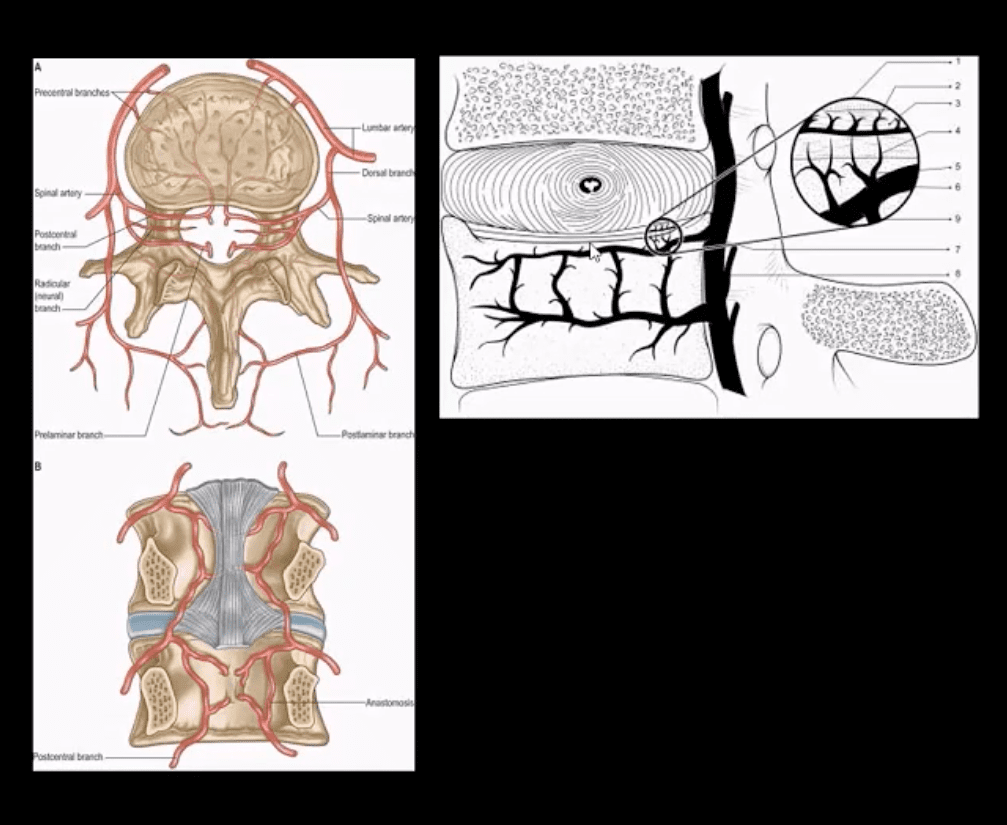
Occasionally considered as two separate entities due to variations in the blood supply of pediatric vs. adult spines
Risk factors/causes: distant site of infection in the body (25-35%), e.g., oropharynx, urogenital infections, bacterial endocarditis, indwelling catheters, florid skin infections furunculosis/abscess, etc.
Iatrogenic:�operative (e.g., discectomy) interventional or diagnostic/therapeutic procedures
Penetrating trauma
Immunocompromised patients
Diabetics
Malnourished patients or patients with low protein
IV drug users
Chronic disease patients, cancer patients etc.
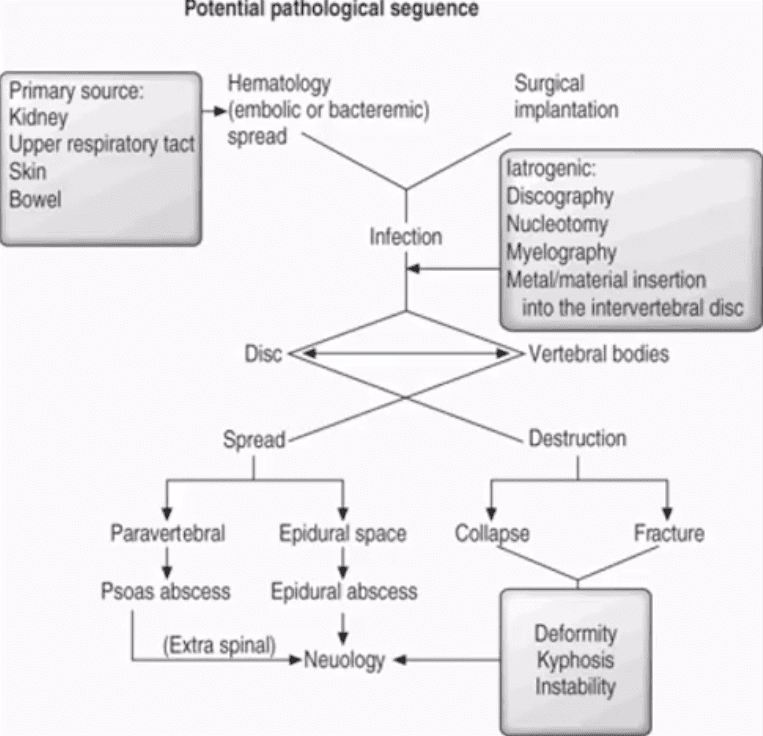
Potential Pathological Sequence
Clinical Presentation
Back pain with or w/o high fever and other “septic” signs. Fever may only present in 50% of children
Exacerbation of pre-existing back pain in post-surgical cases
Neurological complications in advanced cases of vertebral destruction and epidural abscess
Meningitis, septicemia etc.
Labs: Blood tests are unspecific, may or may not indicate elevated ESR/CRP, WBC
Diagnostic imaging is important but
If clinical suspicion is strong, prompt I.V. antibiotics are needed to prevent serious complications
Routes of Infection
Infection routes to the spine are similar to bone in general
3-distinct routes:
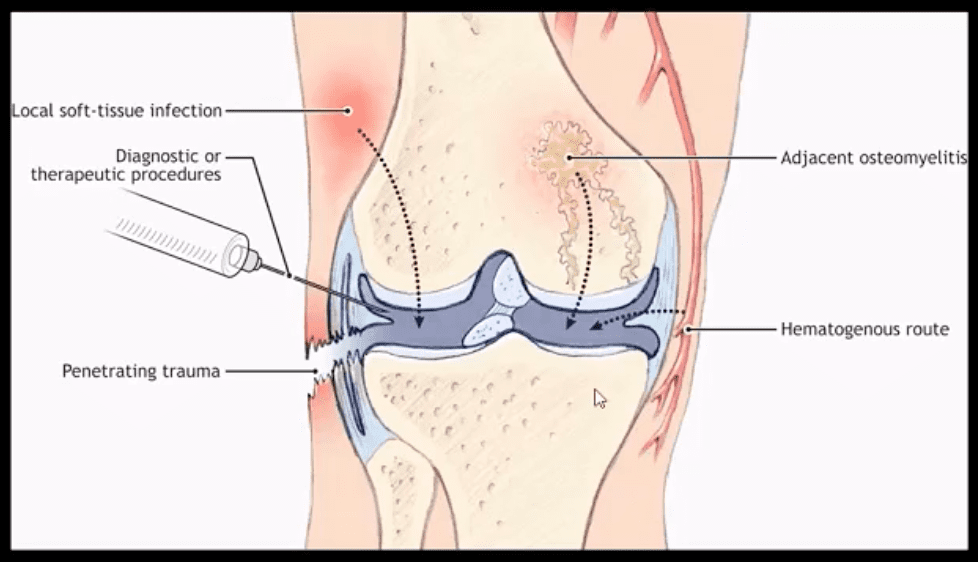
1) Hematogenous spread as bacteremia (most common)
2) Adjacent site of infection (e.g., soft tissue abscess)
3)Direct inoculation (e.g., iatrogenic or traumatic)
M/C organism Staph. Aureus
Mycobacterium TB (tuberculous spinal osteomyelitis) aka Pott’s disease can be presented in cases of re-activated or disseminated pulmonary TB
Mechanisms of Spinal Infection
May vary depending on the patients’ age
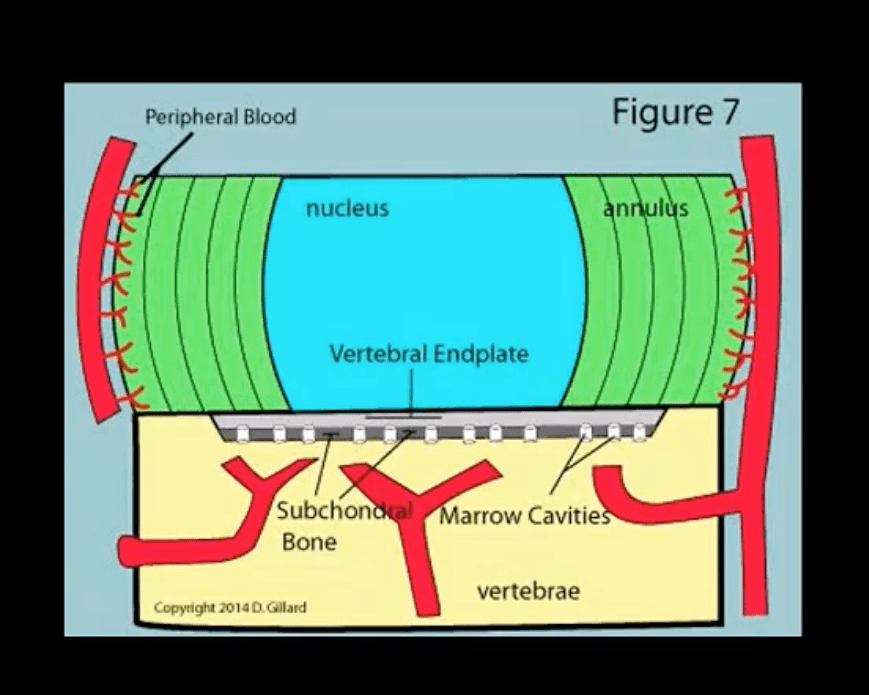
In children, the IVD receives direct blood supply and can be infected directly spreading to adjacent bone and causing spondylodiscitis
In Adults
The disc is avascular
Pathogens invade adjacent vertebral end-plates via end-arterial supply of the vertebral body that may facilitate infection due to slow, turbulent flow
Organisms may then quickly gain access to disc substance rich in nutrients (discitis) often w/o significant initially visible destruction to the bone
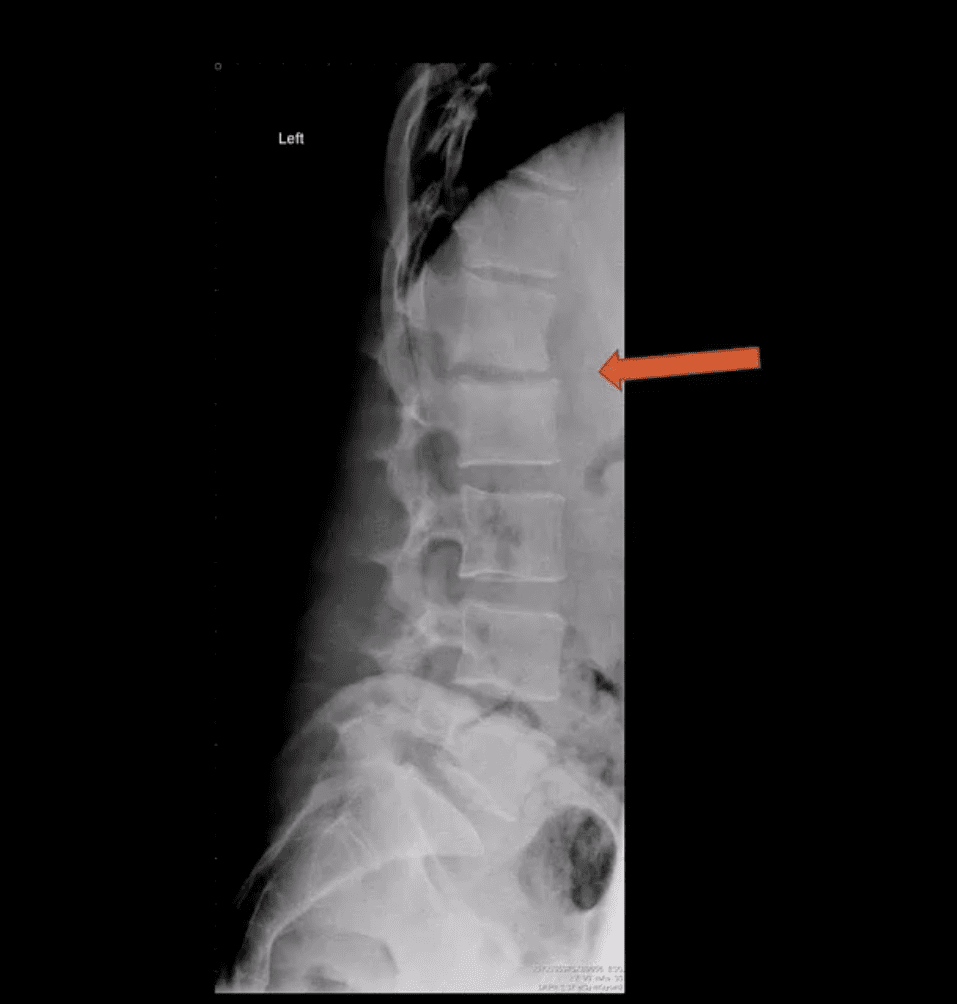
Thus, one of the earliest rad. findings of spinal infection or sudden reduction of disc height
Later end-plate irregularity/sclerosis may develop, subsequently affecting the entire adjacent vertebral bodies
Diagnostic Imaging
Initially, in most cases of MSK complaints, radiography is the 1st imaging step
Initially, X-radiography is often unrewarding and may appear unremarkable for 7-10 days or presents with some subtle soft tissue changes (e.g., obscuration of Psoas shadows etc.)
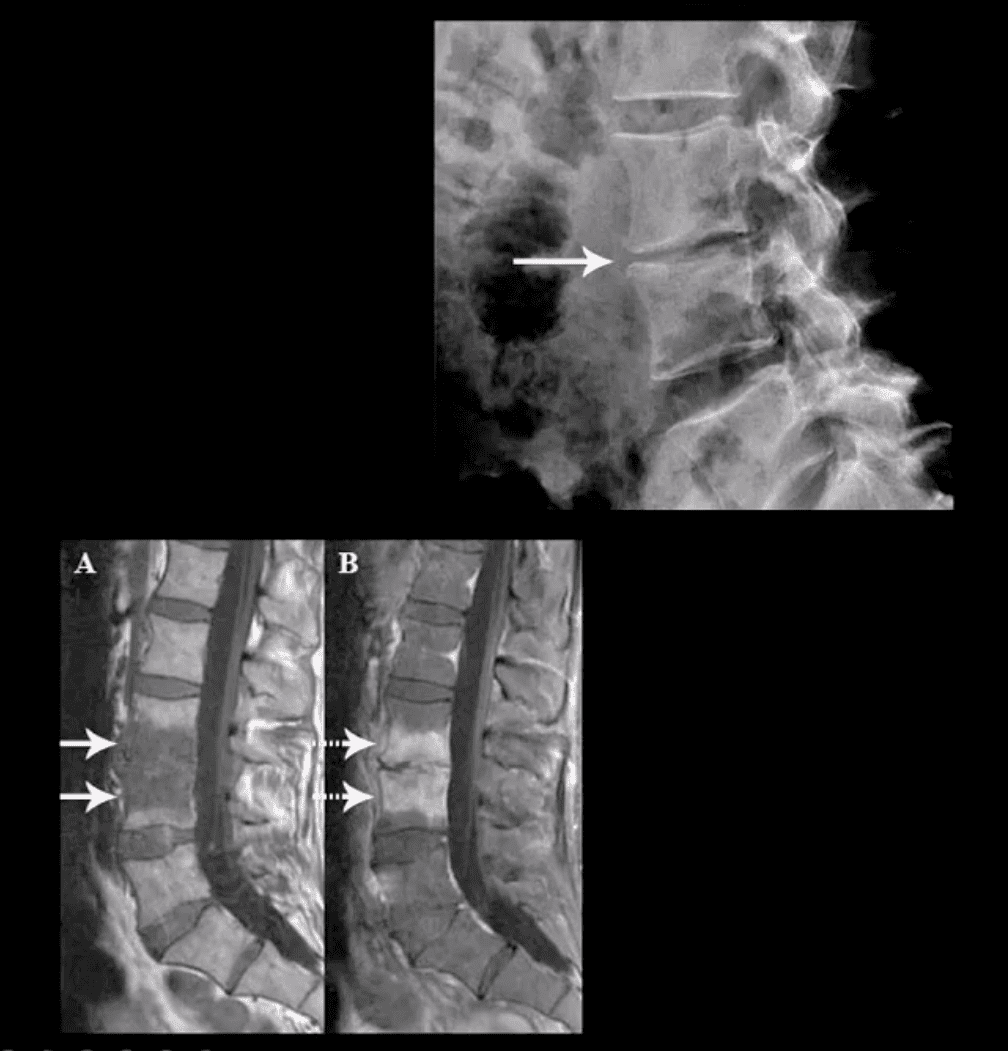
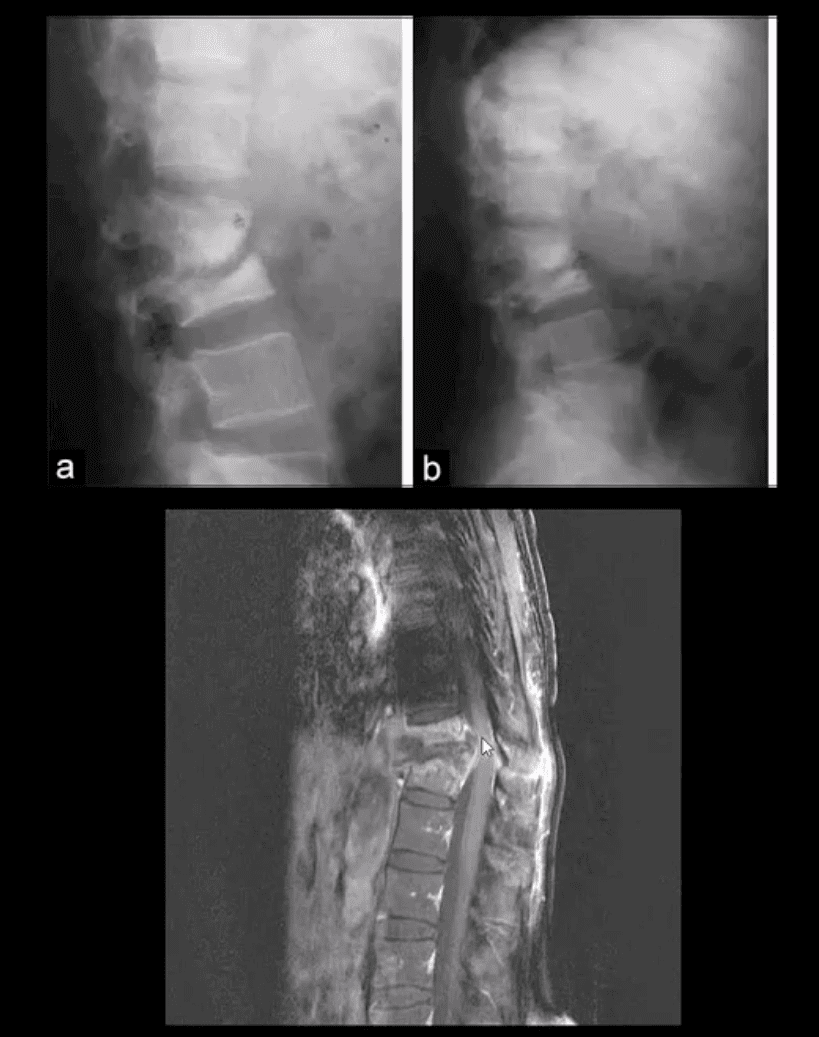
Some of the earliest x-ray signs of pyogenic spondylodiscitis: sudden reduction of disc height (above arrow) during initial 7-10 days
Subsequently (10-20 days) some end-plate irregularity and adjacent sclerosis may be noted
In more advanced cases, subsequent vertebral destruction and collapse may occur
N.B. Reliable feature to DDx between spinal infection and metastasis is the preservation of disc height in the latter
Note:�sudden disc narrowing with no appreciable spondylosis (above the first image) is suspicious for infection (discitis)
MRI +C is required to evaluate suspected infection
N.B. 50-60% of pyogenic spondylodiscitis occur in the lumbar region
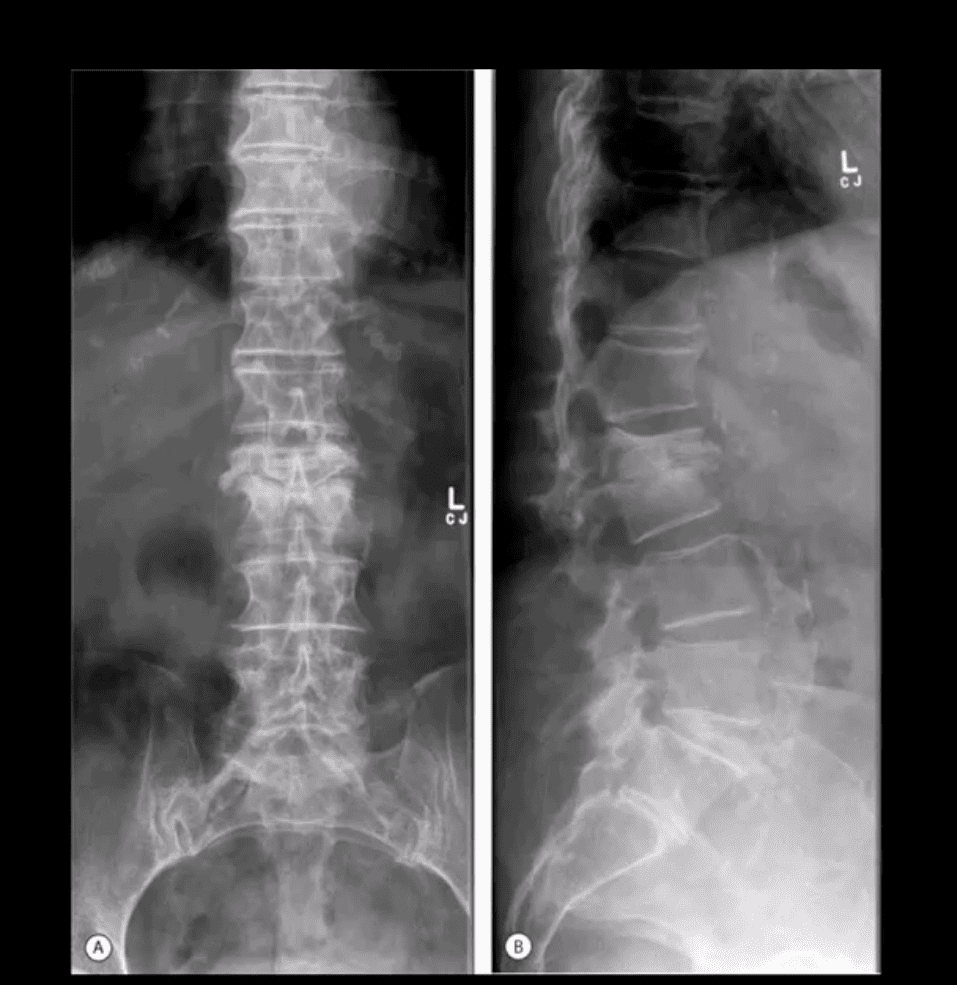
AP & Lateral Lumbar Radiographs
Note severe disc narrowing and adjacent vertebral body destruction at L1-L2 in a 68 -y.o.-female with a known Hx of type 2 DM
Additional imaging modalities should be used to support the Dx
Final Dx: Pyogenic Spondylodiscitis
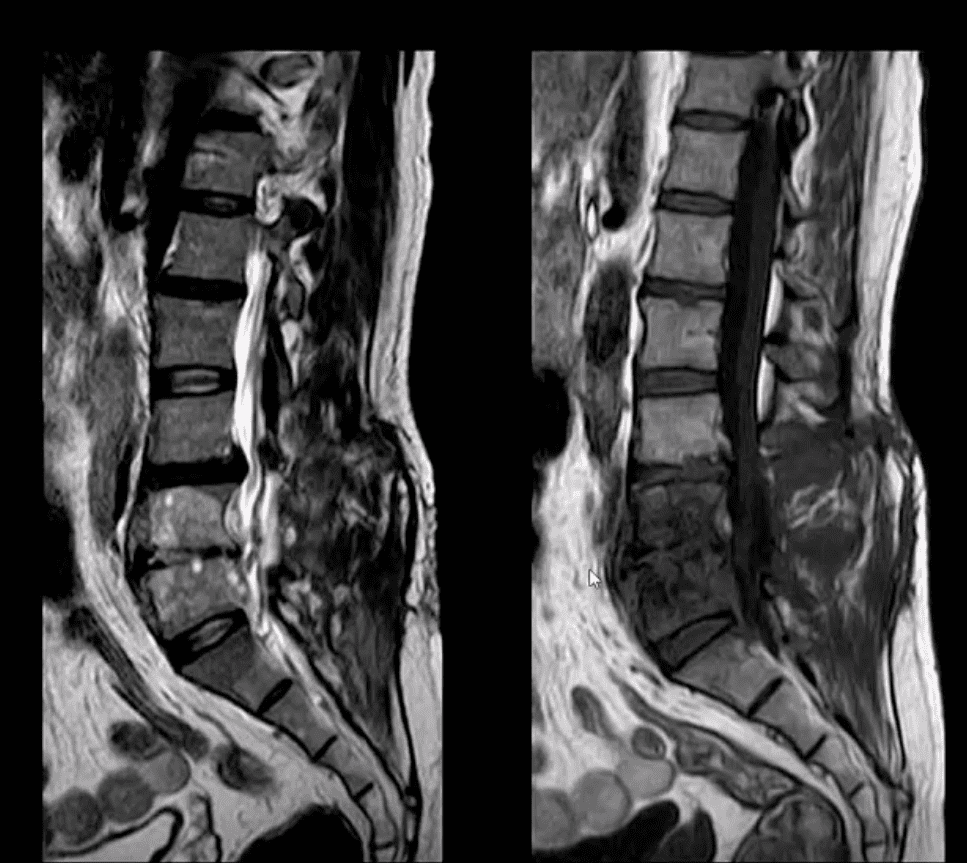
Sagittal T1 & T2 MRI
Weighted MRI slices of a patient who had laminectomy at L4
MR imaging with gad contrast is the modality of choice for Dx of spinal infection
Early septic changes affecting the disc and adjacent vertebral end-plates are readily demonstrated as a low signal on T1 and high T2/STIR d/t edema and inflammation
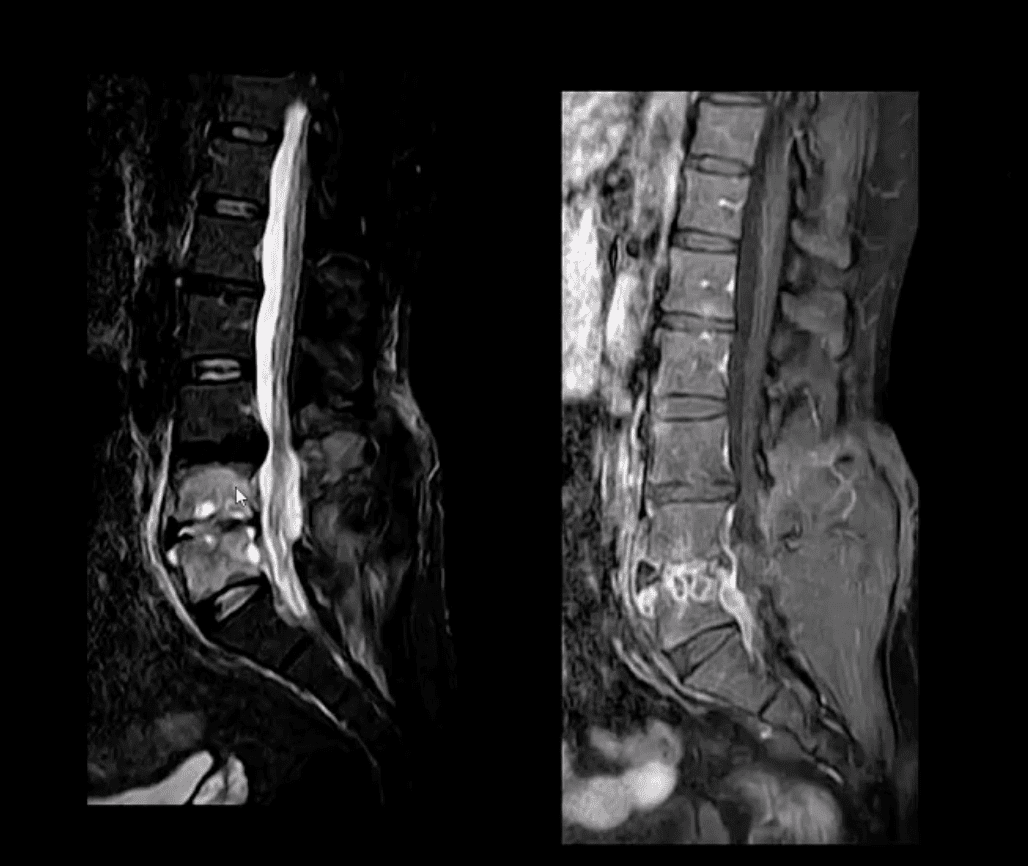
T1 FS +C gad images show avid enhancement of the lesion due to granulation tissue around the phlegmon. Peripheral enhancement is also characteristic of an abscess.
Epidural extension/abscess can also be successfully detected my MRI
N.B. 50% of epidural abscess cases present with neurological signs
STIR & T1 FS +C Gad Sagittal MRI
Marked septic collection and edema affecting L4-5 disc and vertebral body with some epidural extension and paraspinal soft tissue edema. Avid contrast enhancement is noted surrounding low signal foci within the bone and disc tissue, some gad. Enhancement is noted in posterior paraspinal muscles and dural spaces
Management: Dx of spondylodiscitis requires prompt I.V antibiotics. If instability and neurological complications develop referral to a Neurosurgeon is required
MRI Unavailable or Contraindicated
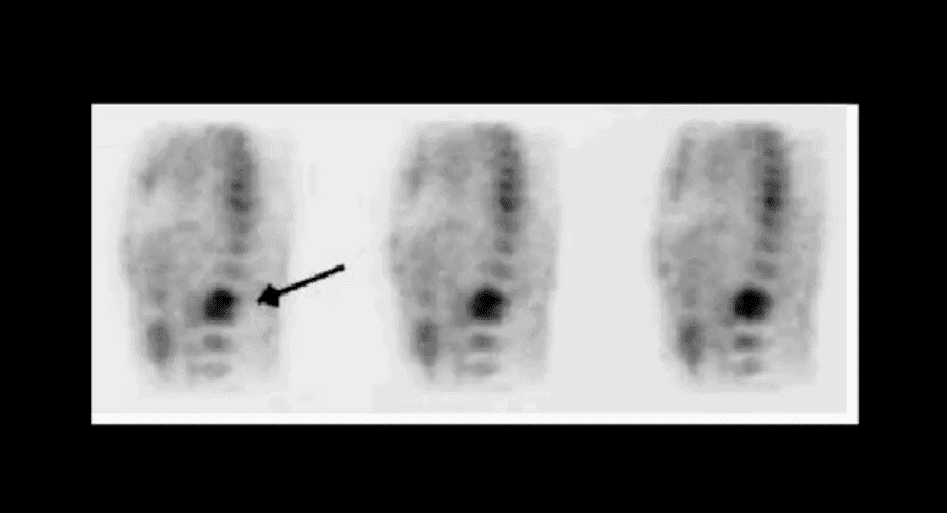
Bone scintigraphy is very sensitive but non-specific for spinal infection but overall is of great value d/t higher sensitivity than x-rays and relatively low cost.
An area of increased flow with radiopharmaceutical uptake is characteristic but not specific sign of spondylodiscitis
If neurological signs are present and MRI is contraindicated than CT myelography may be used
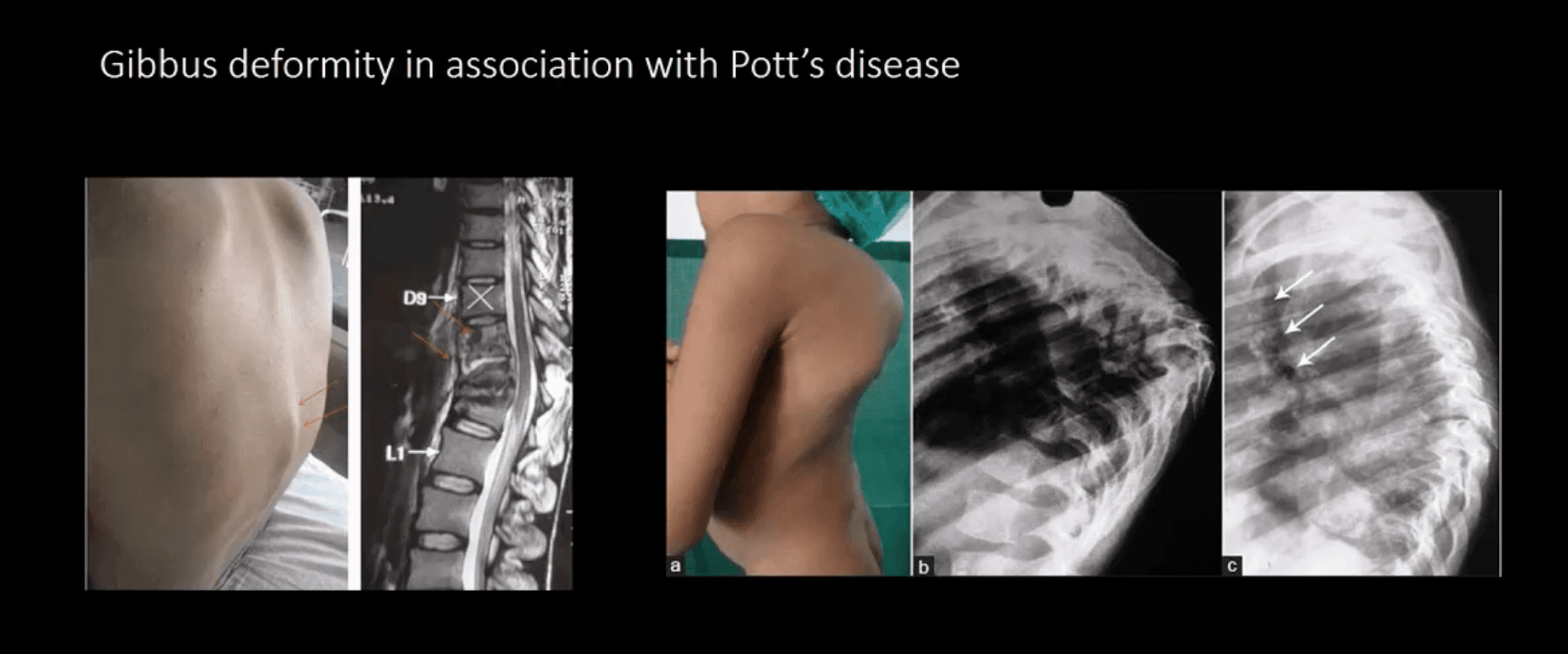
TB Osteomyelitis aka Pott’s Disease
TB osteomyelitis is increasing d/t HIV and other immunocompromised states. Extrapulmonary TB m/c affects the spine and especially the thoracic spine (60%)
Radiographic Pathology:�TB bacillus infects the vertebral body and often spreads subligamentously. “Cold” paraspinal abscess collection may develop and spreads along fascial planes, e.g., Psoas abscess. Disc spaces are preserved until v. late and skip areas are noted helping to DDx TB from pyogenic infection. Severe vertebral destruction aka Gibbus deformity may develop (>60-degree sometimes) and may become permanent. Neurologic and many regional complications may develop
Imagingapproach:�CXR with spinal x-rays 1st step that may be unrewarding but may potentially reveal VB destruction w/o disc narrowing. CT scanning is more superior than x-rays. MRI with gad C is a modality of choice
Patellar tendinitis is a common health issue characterized by the inflammation of the tendon which joins the kneecap, or patella, to the shinbone, or tibia. The knee pain associated with this problem may range from mild to severe depending on the circumstances of the knee injury.
Patellar tendinitis, or jumper’s knee, is a well-known sports injury among athletes who play in basketball and volleyball. Among recreational volleyball players, an estimated 14.4 percent of them have jumper’s knee, where the incidence is even higher for professional athletes. An estimated 40 to 50 percent of elite volleyball players have patellar tendinitis.
Causes of Patellar Tendinitis
Patellar tendinitis is caused by repetitive strain on the knee, most often from overuse in physical activities. Stress can create tears along the tendons which can cause inflammation in the complex structures of the knee.
Other contributing factors of patellar tendinitis include:
Tight or stiff leg muscles
Uneven leg muscle strength
Misaligned toes, ankles, and legs
Obesity
Sneakers without enough padding
Tough playing surfaces
Chronic health issues that weaken the tendon
Athletes have a higher chance of developing patellar tendinitis because running, jumping, and squatting put more force over the tendon. Running can place a force of as many as five times the body weight on the knees.
Intense physical activity for an extended amount of time has been previously associated with jumper’s knee. A 2014 research study noted that jump frequency was also a significant risk factor for amateur players.
Symptoms of Patellar Tendinitis
The initial symptoms of patellar tendinitis include pain,�discomfort, and tenderness at the base of the kneecap or patella. Other symptoms of patellar tendinitis may include a burning sensation. For many patients, getting up from a squat or kneeling down can also be particularly debilitating.
The pain associated with patellar tendinitis may be irregular at first, manifesting immediately after participating in physical activities. Damage or injury to the tendon can also make the pain worse. Jumper’s knee can affect regular daily activities, such as climbing stairs or sitting in a vehicle.
�
Patellar tendinitis, also known as “jumper’s knee”, is a particularly common cause of pain and discomfort in the patellar region of many athletes. While it frequently occurs as a result of repetitive or continuous jumping, research studies have demonstrated that patellar tendinitis may be associated with stiff ankle movements and ankle sprains, among other sports injuries.
Dr. Alex Jimenez D.C., C.C.S.T. Insight
Patellar Tendinitis Diagnosis
At the start of a�consultation, the healthcare professional will first ask the patient about their specific health issue. The doctor will then physically evaluate the patient’s knee, probe for where they are feeling pain, and test the assortment of knee motion by bending and extending the patient’s leg.
Furthermore, the healthcare professional may additionally order imaging diagnostics to find out if there’s any damage or injury to the tendon or even the bone. These tests can help rule out a broken bone, or fracture. The doctor may use an X-ray to look for a displaced or fractured kneecap, and an MRI or an ultrasound to reveal any harm to the soft tissue.
Patellar Tendinitis Treatment
Treatment for patellar tendinitis depends on the damage or injury to the knee. Conservative steps to reduce pain, such as rest or exercises are generally the first line of treatment. The healthcare professional will usually recommend a span of controlled rest, where they will prevent the patient from engaging in physical activities that put�pressure on the knee.
Drugs and/or Medications
The healthcare professional may prescribe over-the-counter drugs and/or medications for short-term pain relief and inflammation reduction.
These can consist of:
Ibuprofen (Advil)
Naproxen sodium (Aleve)
cetaminophen (Tylenol)
If the patient’s symptoms are severe, the healthcare professional may recommend the use of corticosteroid injection in the area around the patellar tendon. This treatment is effective in reducing acute pain.
Another method of utilizing corticosteroid for patellar tendinitis is by spreading the medication over the affected knee and use a low electrical charge to push it through the skin, in a process known as iontophoresis.
Chiropractic Care and Physical Therapy
The goal of chiropractic care and physical therapy for patellar tendinitis is to reduce pain and inflammation, among other symptoms, as well as to strengthen the leg and thigh muscles with stretches and exercises.
If the patient’s symptoms are severe, even while resting, the doctor may recommend that you wear a brace and then use crutches to avoid additional damage or injury to the tendon. If the patient has no painful symptoms, then they can start participating in a physical therapy activities.
A rehabilitation program generally consists of:
A warm-up interval
Massage, heat or ice to the�knee
Stretching exercises
Strengthening exercises
A doctor of chiropractic, or chiropractor, may use ultrasound and electrical stimulation to relieve the patient’s knee pain. A�knee brace or taping of the knee might also help reduce pain by supporting the kneecap when engaging in physical activities. The healthcare professional may develop a workout program that may include a series of stretches and exercises.
Surgery
When other treatments are not effective in relieving painful symptoms associated with patellar tendinitis, the doctor may advise surgery to repair the patellar tendon. Traditional surgery involves opening the knee to scrape on the kneecap and tendon. More recently,�arthroscopic surgery is used for this particular process. This surgical intervention involves making four small incisions in the knee and it has a shorter recovery time.
The recovery period for surgery varies per procedure. Some surgical intervention advise for immobilization with a cast. Others suggest�an immediate rehabilitation program. Regardless of the level of damage and/or injury, it’s essential for patients to seek medical attention for their patellar tendinitis. The scope of our information is limited to chiropractic as well as to spinal injuries and conditions. To discuss the subject matter, please feel free to ask Dr. Jimenez or contact us at�915-850-0900�.
Curated by Dr. Alex Jimenez
Additional Topic Discussion: Relieving Knee Pain without Surgery
Knee pain is a well-known symptom which can occur due to a variety of knee injuries and/or conditions, including sports injuries. The knee is one of the most complex joints in the human body as it is made-up of the intersection of four bones, four ligaments, various tendons, two menisci, and cartilage. According to the American Academy of Family Physicians, the most common causes of knee pain include patellar subluxation, patellar tendinitis or jumper’s knee, and Osgood-Schlatter disease. Although knee pain is most likely to occur in people over 60 years old, knee pain can also occur in children and adolescents. Knee pain can be treated at home following the RICE methods, however, severe knee injuries may require immediate medical attention, including chiropractic care.
Headaches are a real pain (insert eye-roll here). Many individuals suffer from them, and there are a variety of causes, symptoms, and treatment options. For some, they are a rare occurrence, while others deal with them weekly or even daily. They can range from minor inconveniences to full-fledged life-changing afflictions.
The first step in treating headaches is to understand the type of headache you are experiencing. Some people think they have a migraine when in fact, they are suffering from a tension headache. While tension headaches are more common, it’s estimated by the Migraine Research Foundation that 1 in 4 U.S. Households include someone with a migraine.
Determining which headache is being dealt with takes a bit of research. Individuals suffering from headaches need to ask themselves these questions to determine if they are having a migraine or experiencing a tension headache.
When in life did the headaches begin? According to the Mayo Clinic, migraines start in adolescence or early adulthood. In contrast, tension headaches can start at any time in a person’s life. If an adult just began suffering from headaches, they are most likely tension headaches.
Where does it hurt? The location of the pain is a vital indicator of the type of headache. Migraines typically occur on one side of the head. Tension headaches affect both sides of the head and can produce a feeling of pressure in the forehead area.
What kind of pain is it? If it is a dull pain, a feeling of pressure, or tenderness around the scalp, it’s most likely a tension headache. If, on the other hand, the pain is throbbing or pulsing pain, it could be a migraine. Both headaches can offer up severe pain, just different types.
Are there any other symptoms?Migraines typically come with symptoms beyond head pain. Nausea, light and sound sensitivity, bright flashing or sparkling lights, pins and needle sensations down one or both arms, or dizziness are common. Individuals who don’t experience any of these symptoms are most likely dealing with a tension headache.
Can you function? While painful and frustrating, many people with a tension headache can still perform their jobs, drive, read, and deal with daily life. A migraine is a different story. Lying in a dark, quiet room with a sleep mask on until the headache passes is how most people handle migraines. If the headache is life-disrupting, it could very well be a migraine.
Do regular painkillers work? Tension headaches can often be relieved by over-the-counter pain medications. Migraines don’t budge with these treatments. Once a migraine is in full force, the sufferer must ride it out. If a headache reacts well to a couple of non-prescription painkillers, it’s most likely a tension headache.
Most individuals will, unfortunately, deal with a headache at one point in their lives. It’s important to note that tension headaches are much more common than migraines, but that doesn’t rule out the possibility of a headache being a migraine. The answers to the above questions give insight into the type of headache occurring and how best to handle the treatment proactively. No matter the type of headache, if the pain is severe, or begins after a head injury, seek medical treatment immediately.
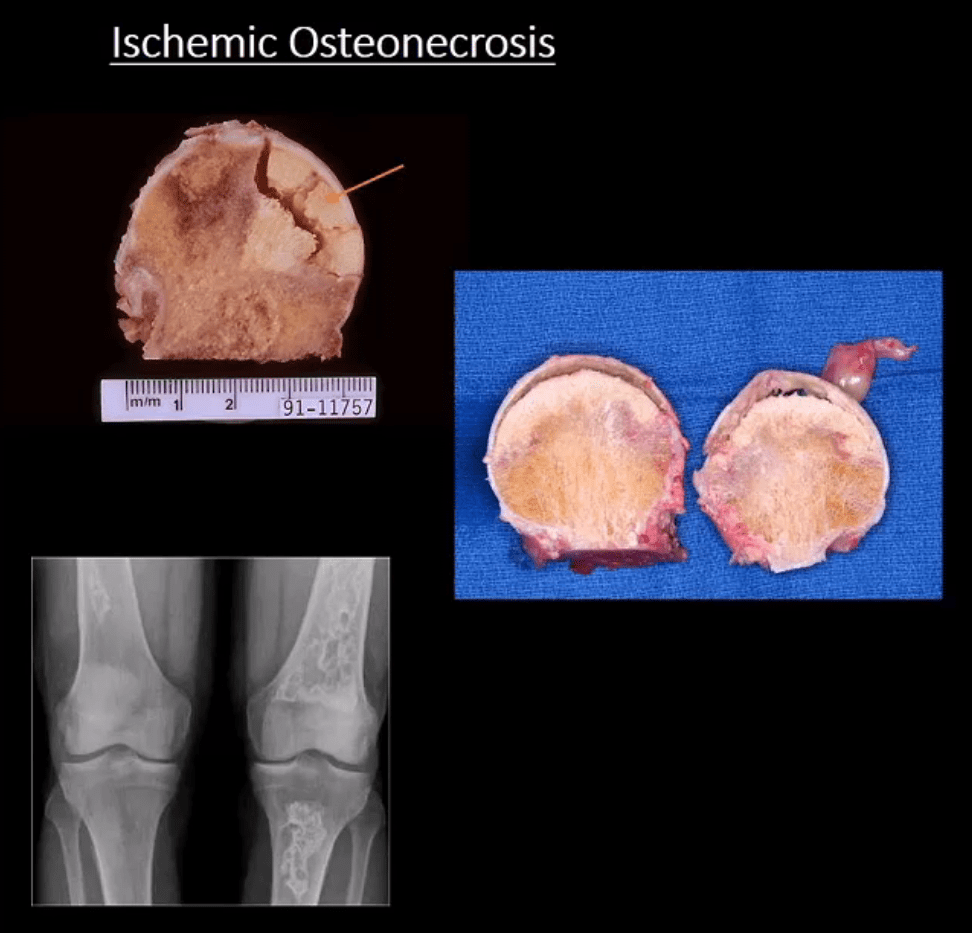
Ischemic Osteonecrosis (More accurate term) aka avascular necrosis AVN: this term describes subarticular (subchondral) bone death
Intramedullary bone infarct: depicts osteonecrosis within the medullary cavity of the bone (above x-ray image)
Causes: m/c: trauma, systemic corticosteroids, diabetes, vasculitis in SLE. The list is long. Other vital causes: Sickle cell disease, Gaucher disease, alcohol, caisson disease, SCFE, LCP, etc.
Pathology: ischemia and bone infarct with resultant devitalized center surrounded by ischemia and edema with normal bone on the outer periphery (MRI double line sign)
Sub-articular necrotic bone eventually collapses and fragments leading to progressive bone and cartilage destruction and rapidly progressing DJD
Early Dx often missed but crucial to prevent severe DJD
M/C Sites
Hips, shoulders, talus, scaphoid bone. Many peripheral idiopathic AVN sites are known by their eponyms (e.g., Kienbock aka AVN of the lunate bone, Preisier aka scaphoid AVN)
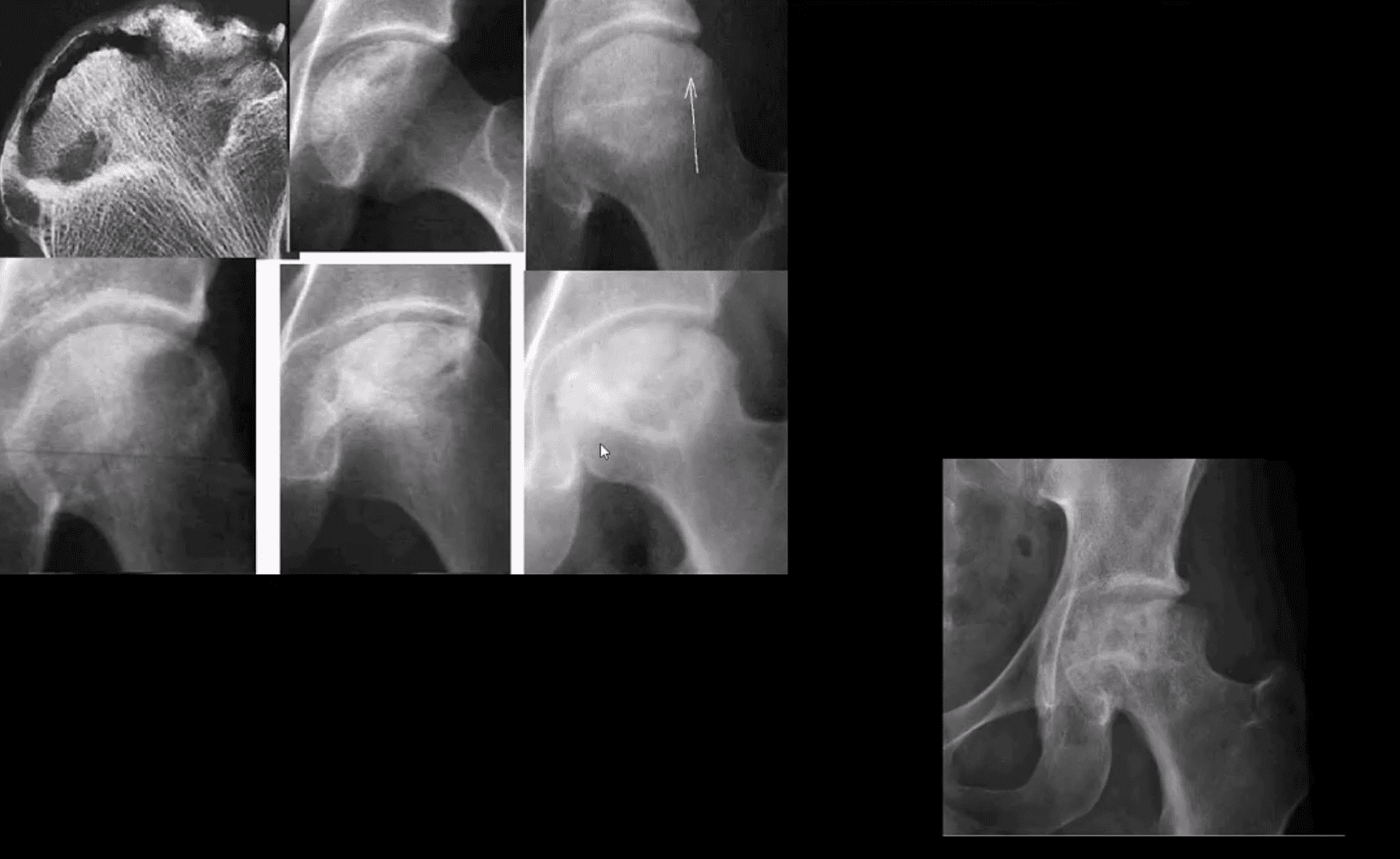
Radiography is insensitive to early AVN and may only present as subtle osteopenia
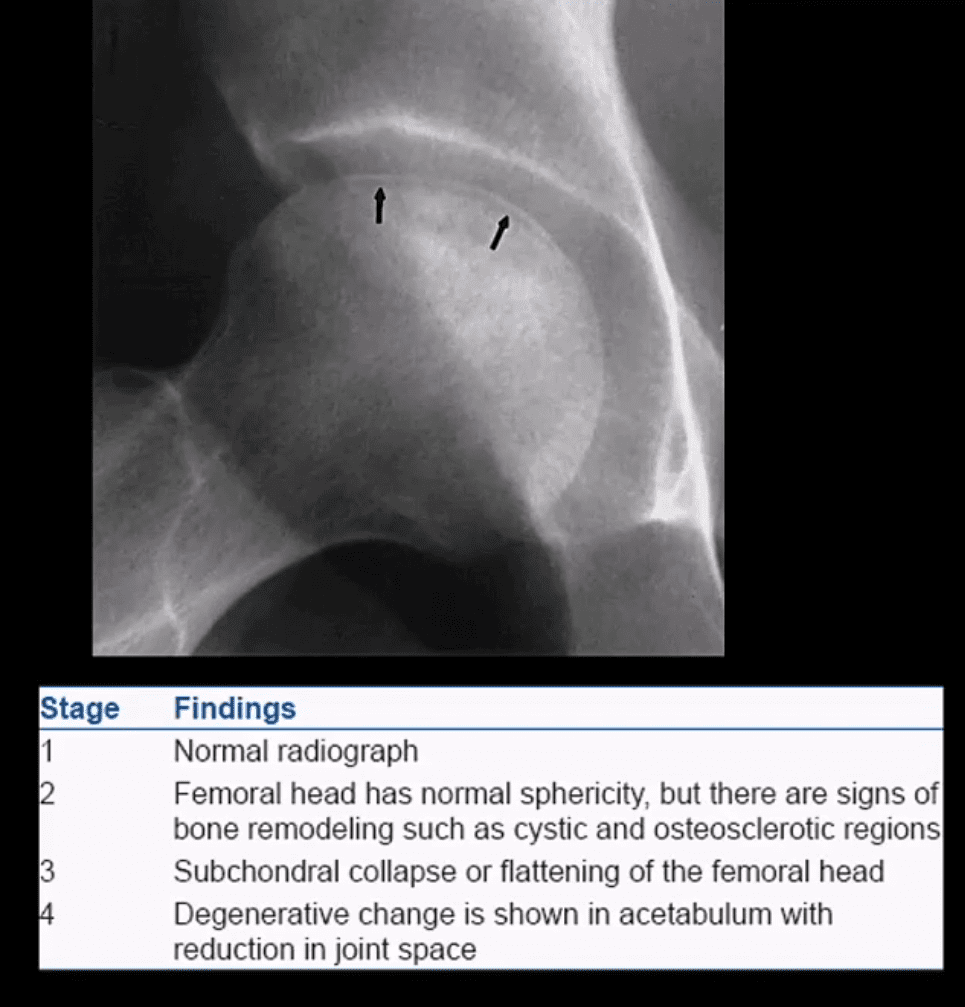
Some of the early appreciable rad features are increased patchy bone sclerosis followed by sub-articular bone collapse or “crescent sign” signifying stage-3 on Ficat classification (above)
Earliest detection and early intervention can be achieved by MRI (most sensitive modality)
If MRI contraindicated or unavailable, 2nd most sensitive modality is radionuclide bone scan (scintigraphy)
X-ray and CT scanning are of equal value
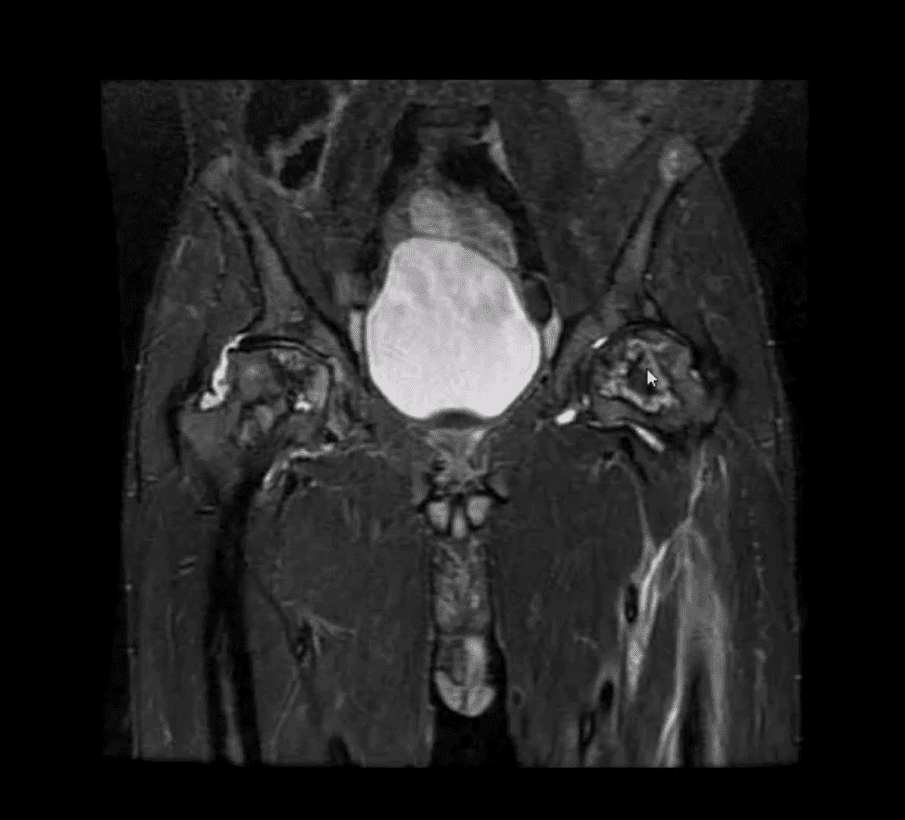
Coronal MRI Slice
Fluid sensitive, sensitive coronal MRI slice revealing bill ischemic osteonecrosis of the femoral head
MRI findings: l
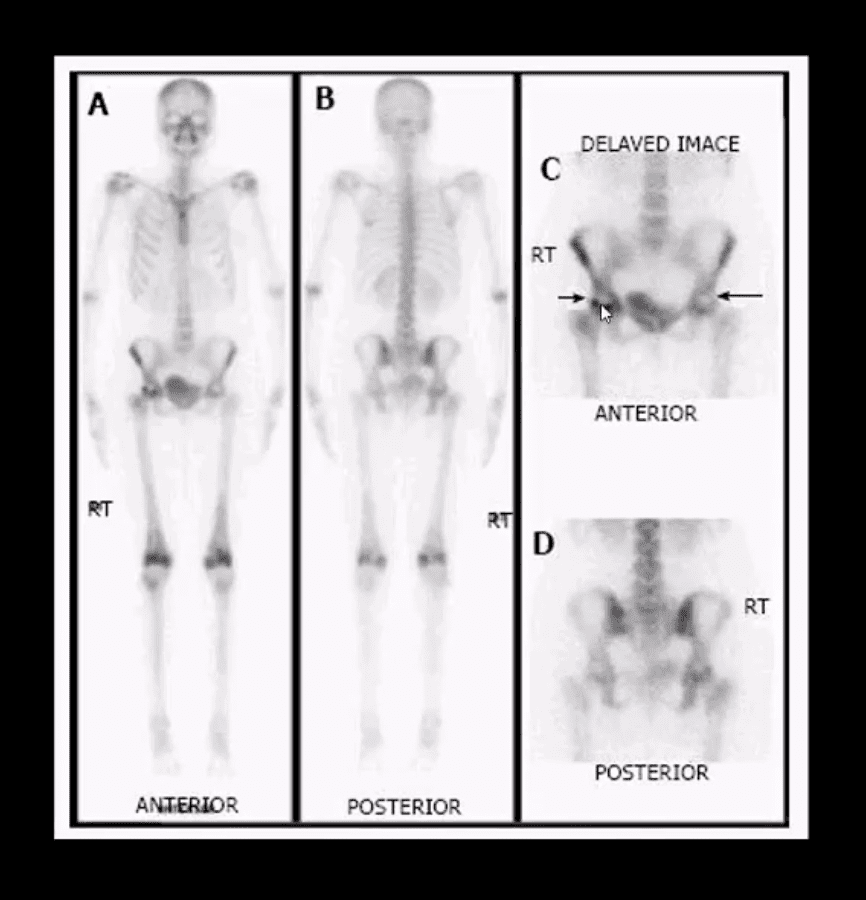
Tc99-MMDP Radionuclide Bone
Bone scan reveals a central area of photopenia (cold spot) d/t necrotic fragment surrounded by increased osteoblastic activity as increased uptake of Tc-99 MDP in the right hip
The patient is a 30-year-old female with breast cancer and chemotherapy treatment who suddenly presented with right hip pain
Radiographic Progression of AVN
Later stages present with articular collapse, subarticular cysts, increased patchy sclerosis and complete flattening of the femoral head with resultant severe DJD. Rx: THA
Management
Early imaging Dx with MRI or bone scintigraphy is essential
Referral to the Orthopedic surgeon
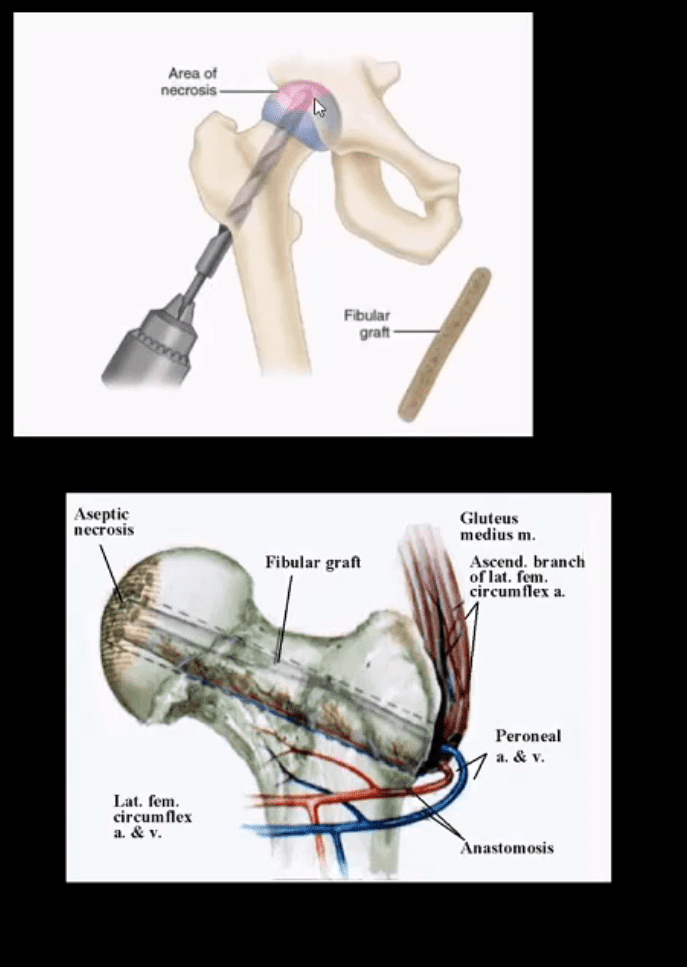
Core decompression (above) can be used to revascularize the affected bone during earlier stages but produces mixed results
Delayed changes of AVN: THA as IN severe DJD cases
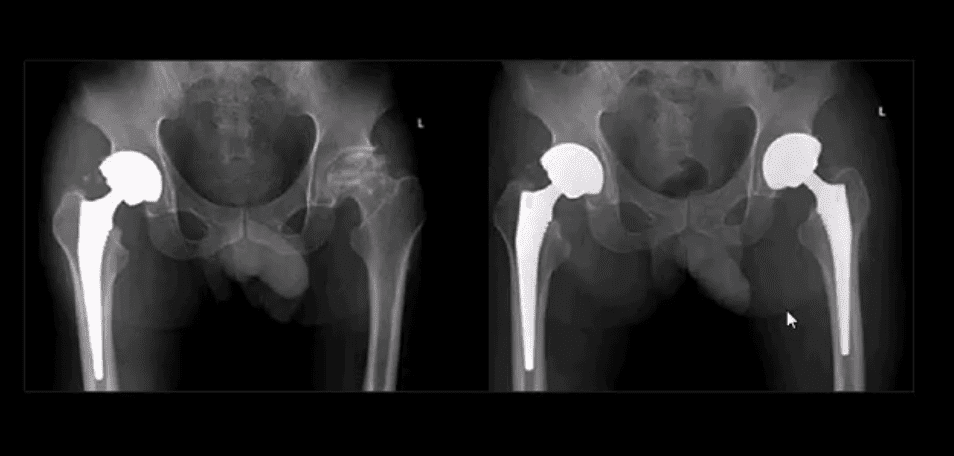
B/L THA
B/L THA in the patient with ischemic osteonecrosis of the right and later left hip
When B/L hip AVN is present, typically consider systemic causes (corticosteroids, diabetes)
Inflammatory Arthritis Affecting the Hip
Consider common systemic inflammatory condition such as RA and AS/EnA
Hip RA may develop in 30% of patients with RA
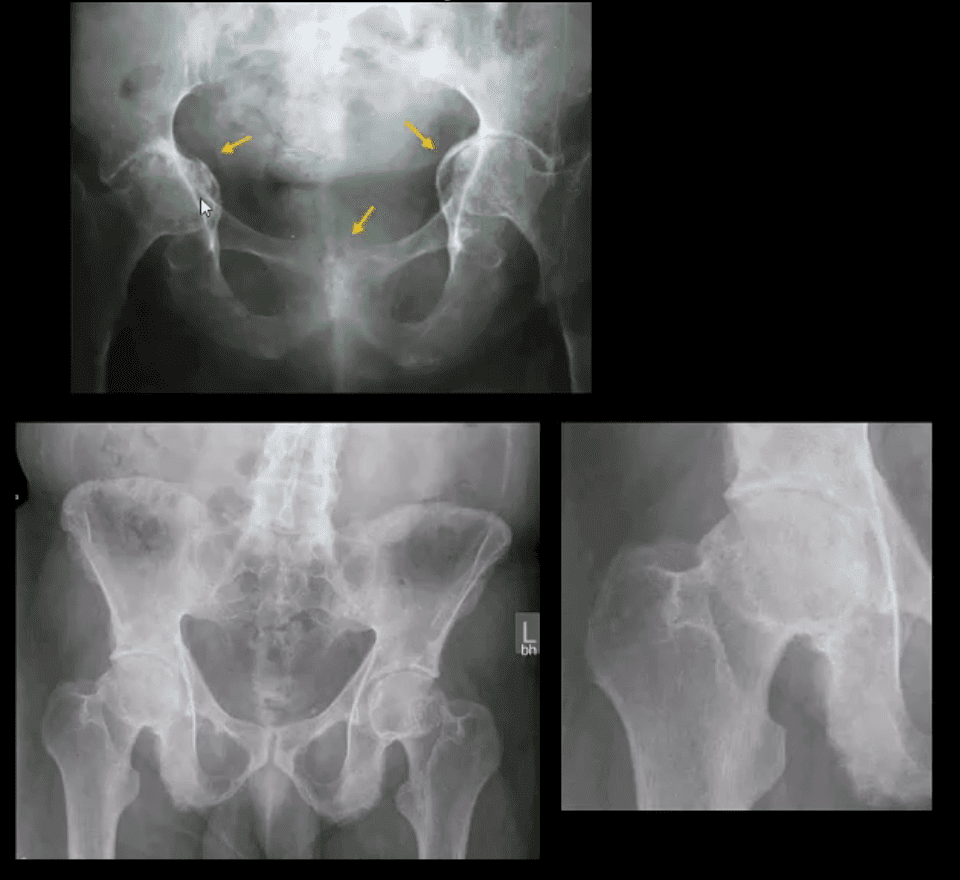
Key features to DDx inflammatory arthritis vs. DJD is symmetrical/uniform aka concentric joint loss often leading to axial migration and Protrusion Acetabule in advanced cases
Key element between RA vs. AS: the presence of RA bone erosion w/o productive bone changes or enthesitis in AS d/t inflammatory subperiosteal bone proliferation, whiskering/fluffy periostitis (collar-type enthesitis circumferentially affecting head-neck junction)
Dx: Hx, PE, labs: CRP, RH, anti-CCP Ab (RA)
CRP, HLA-B27, RF- (AS)
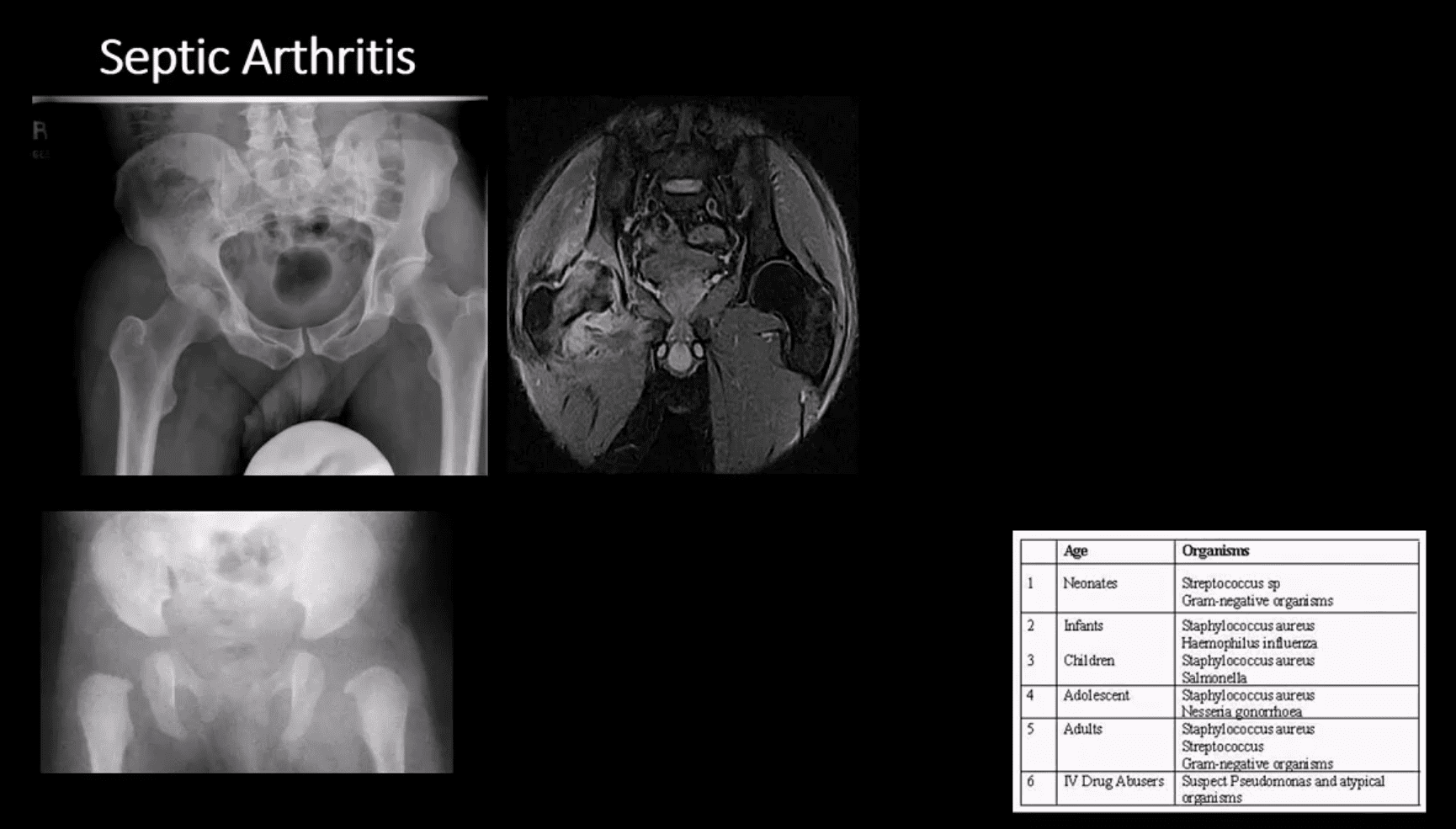
Septic Arthritis
Gonococcal infections, iatrogenic causes, I.V. drug use, and some others
Routes:�hematogenous, adjacent spread, direct inoculation (e.g., iatrogenic)
Clinically: pain and reduced ROM presented as monoarthritis, generalized signs/symptoms. CBC, ESR, CRP changes. ARthrocentesis and culture are crucial
M/C pathogen Staph. Aureus & Neisseria Gonorrhea
1st step: radiography, often unrewarding in the early stage. Later (4-10 days) indistinctness of the white cortical line at the femoral articular epiphysis, loss of joint space, effusion as a widening of the medial joint area (Waldenstrom sign)
MRI – best at early DX: T1, T2, STIR, T1+C may help with early. Early I.V. antibiotics crucial to prevent rapid joint destruction
Slipped Capital Femoral Epiphysis (SCFE)
Important to diagnose but easily missed potentially leading to Ischemic Osteonecrosis of the femoral head aka AVN
Presents typically in overweight children (more often boys), age over eight years. Greater incidence in African-American boys
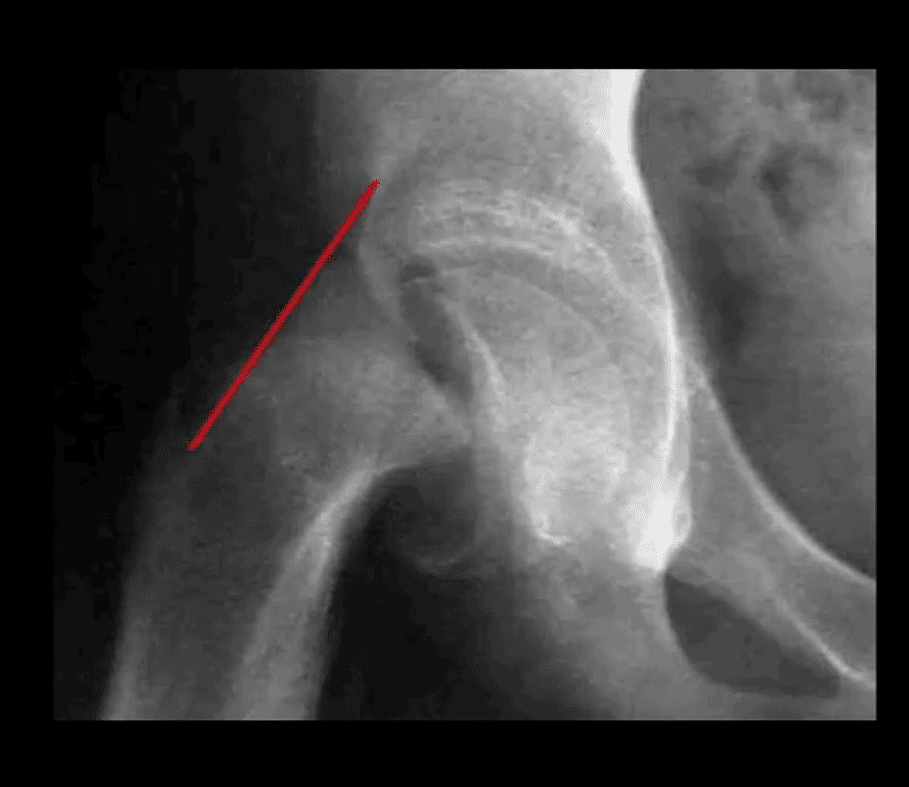
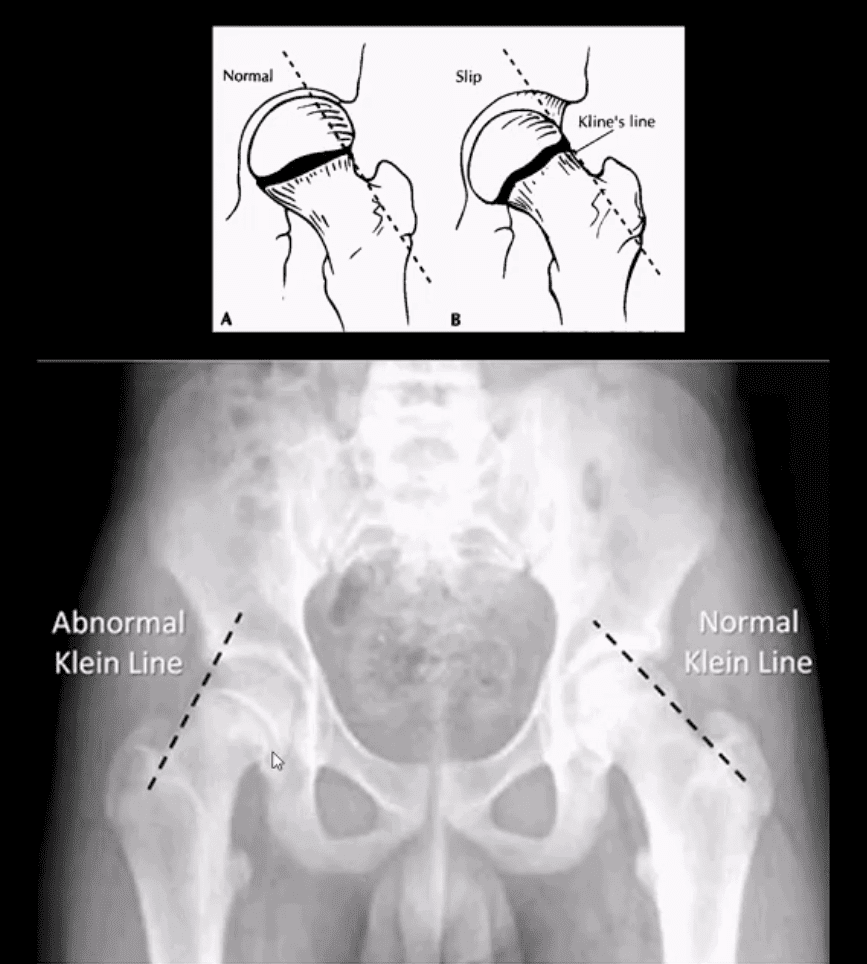
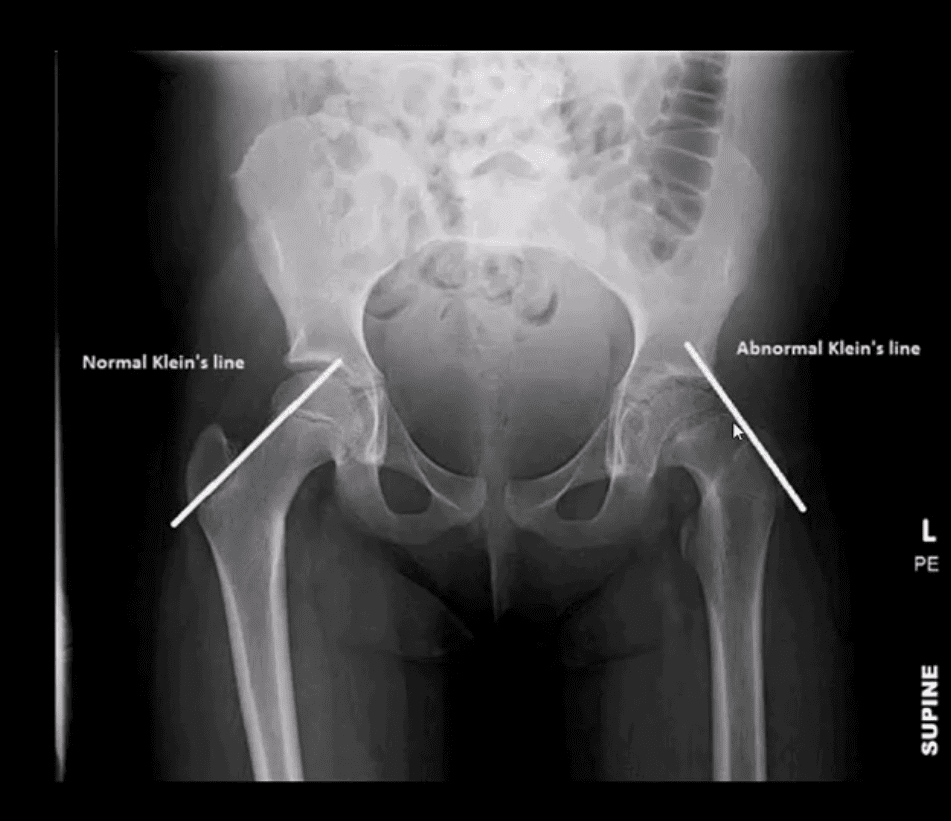
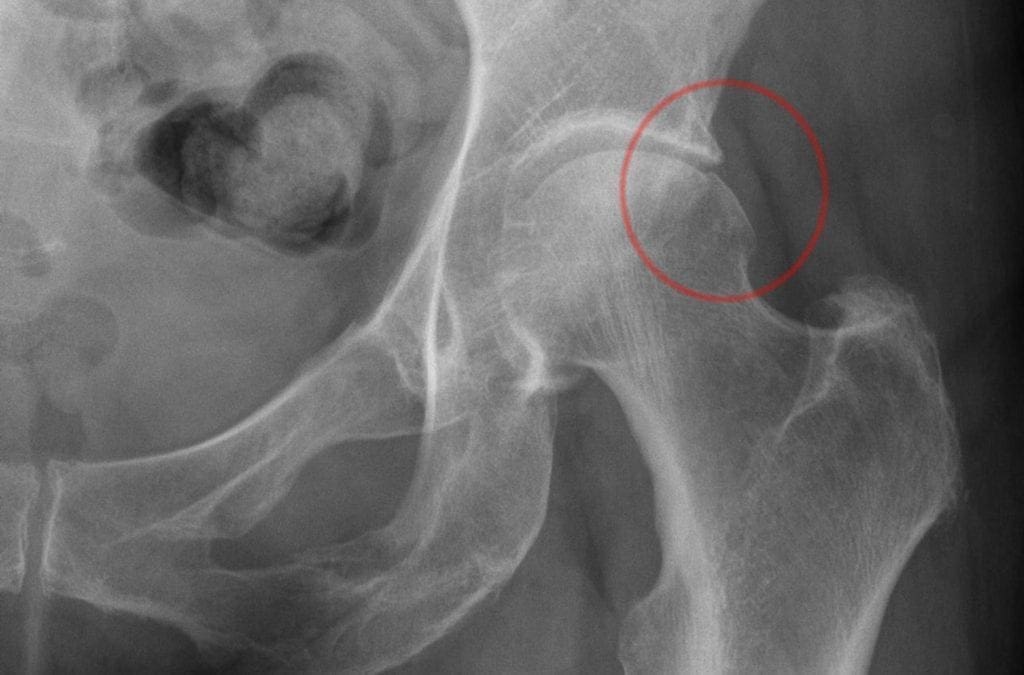
1st step: radiography, especially look for a widened physeal growth plate (so-called pre-slip). Later, slip and disturbed Klein’s line (above image). MRI – best modality for early Dx and early intervention
The frog lateral view often demonstrates the medial slip better than the AP view
Clinically Limping Child or Adolescent
M>F (10-18 years). African-Americans are at greater risk. 20% of cases of SCFE are B/L. Complications: AVN >>DJD
Radiography:�AP pelvis, spot, and frog leg may reveal slippage as Klein line failed to cross through the lateral aspect of the femoral head
Additional features: physis may appear widened
MRI w/o gad, is required for the earliest Dx and prevention of complications (AVN)
Normal and Abnormal Klein Line
Consistent with SCFE. The physis is also widened. Dx: SCFE
Urgent referral to the Pediatric Orthopedic surgeon
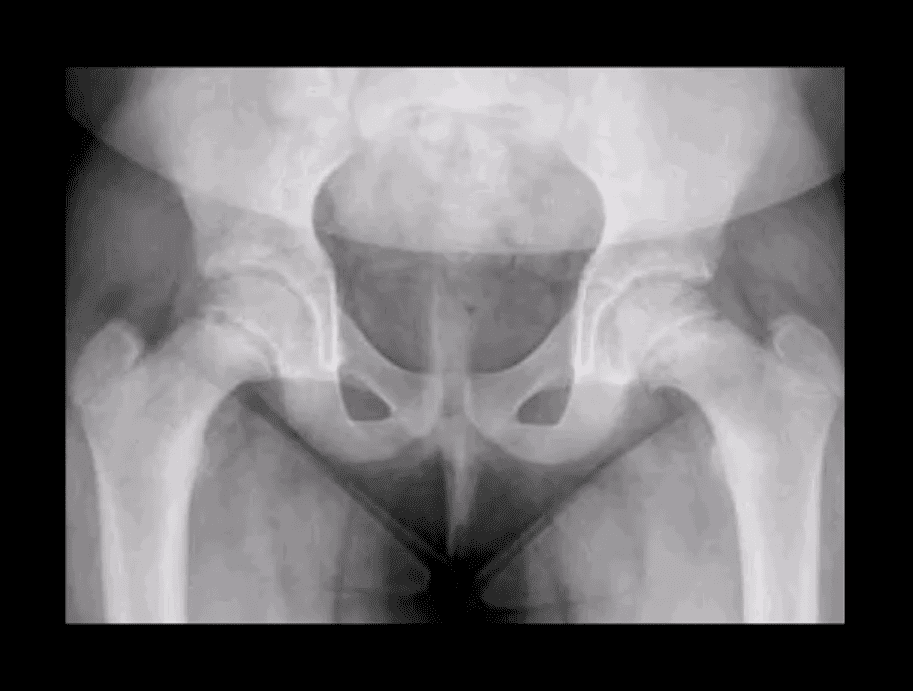
Subtle Changes in Left Hip
Note suspected subtle changes in the left hip that may require MR examination to confirm the Dx
Delay in care may result in major complications
Perthes’ Disease
aka Legg-Calves-Perthes Disease (LCP)
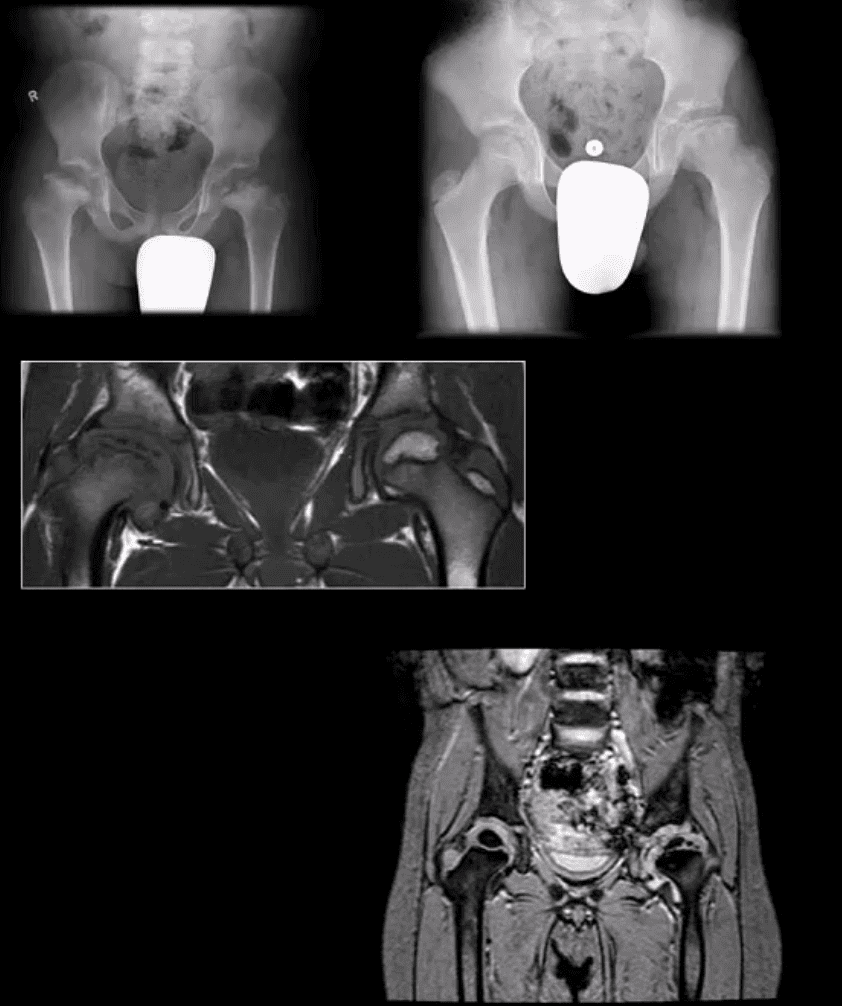
Refers to Osteochondritis of the femoral head with osteonecrosis likely d/t disturbed vascularization of the femoral head
Presents typically in children (more often boys) aged under eight years as atraumatic “limping child.” 15% may have B/L Perthe’s
Imaging steps: 1st step x-radiography, followed by MRI especially in stage 1 (early) w/o x-ray abnormalities
Unspecific signs: joint effusion with Waldenstrome sign+ (>2-mm increase in medial joint space compared to the opposite side). Past approach: Fluoroscopic Arthrography (replaced by MRI)
Pathologic-Radiologic Correlation: in well-established cases, the femoral head characteristically becomes sclerotic, flattened and fragmented due to avascular necrosis (AVN). Later on, an occasional Coxa Magna changes may develop (>10% femoral head enlargement)
Management: symptoms control, bracing. Boys at younger ate show better prognosis d/t more immaturity and better chances of bone/cartilage repair mechanisms. In advanced cases, operative care: osteotomy, hip arthroplasty in adulthood if advanced DJD develops
Common Neoplasms & Other Conditions Affecting Hip/Pelvis
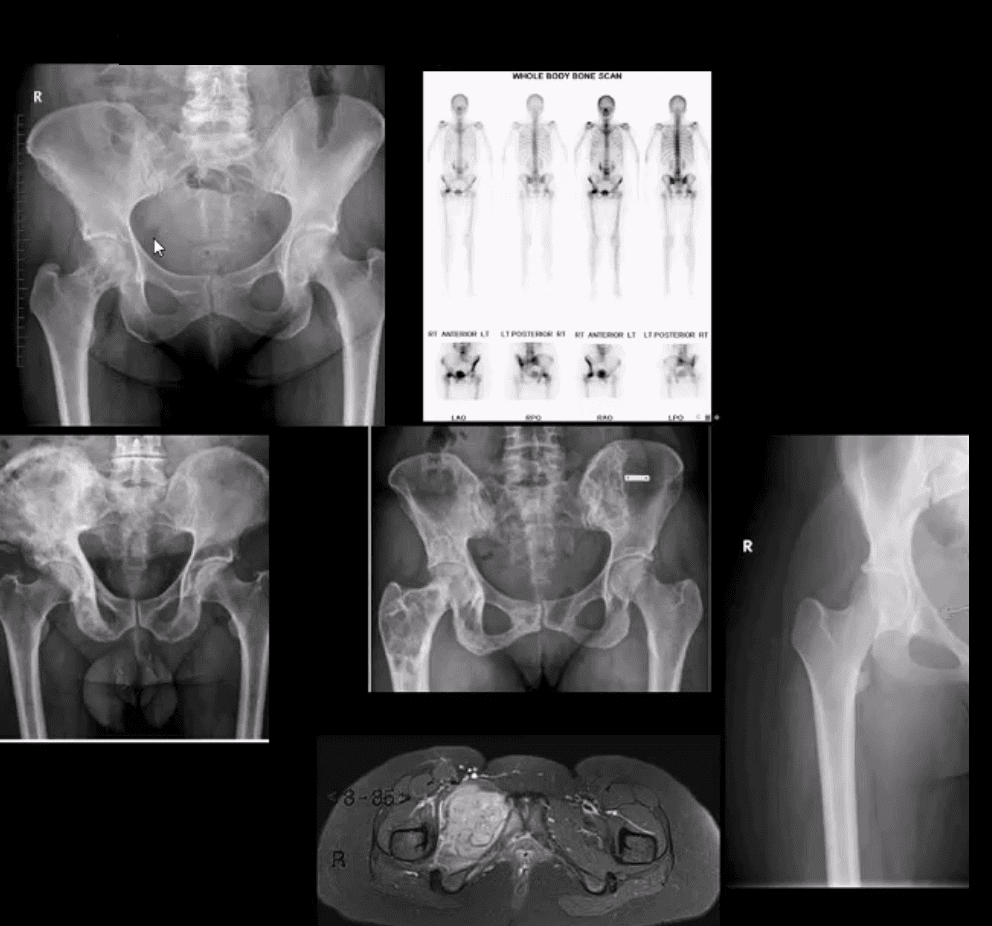
M/C hip & pelvis neoplasms in adults: bone metastasis ( above far left), 2nd m/c Multiple Myeloma (M/C primary bone malignancy in adults). Tips: remember Red Marrow distribution. Less frequent: Chondrosarcoma
Paget’s disease of bone (above-bottom left image) is m/c detected in the pelvis and Femurs
Children and young adults ‘limping child’ benign neoplasms: Fibrous Dysplasia (above middle image), Solitary Bone Cyst (21%), Osteoid Osteoma, Chondroblastoma. Malignant pediatric neoplasms: m/c Ewing Sarcoma (above middle right and bottom images) vs. Osteosarcoma. >2y.o-consider Neuroblastoma
Imaging: 1st step: radiography followed by MRI are most appropriate.
If Mets are suspected: Tc99 bone scintigraphy is most sensitive
Multiple Myeloma
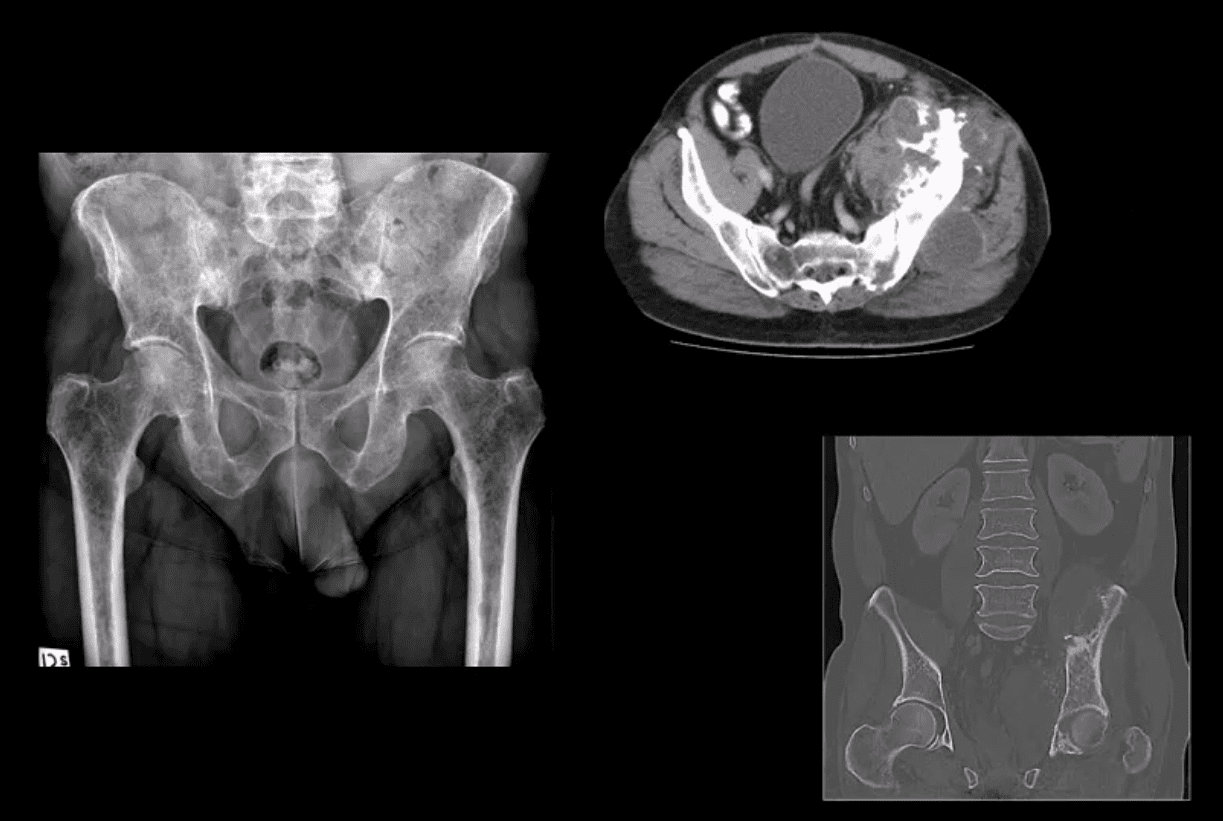
Multiple Myeloma in a 75-y.o male (AP pelvis view)
Chondrosarcoma in a 60-y.o male (axial and coronal reconstructed CT+C slices in the bone window)
When we think of chiropractic care, our minds automatically jump to treatment for�work injuries, or issues stemming from aging. While spinal manipulations and other chiropractic treatment are�highly valuable in those situations, they are not the beginning and end of what chiropractic care can accomplish.�Here are four key�ways chiropractic care safeguards the whole family.
Adults who embrace the benefits of a chiropractor should consider treatment for their entire family, as it can provide unique benefits to each member regarding total wellness and quality of life.
Injury Prevention For The Whole Family
The best way to treat an injury is to avoid an injury. It sounds simple, but many individuals don’t think of their health this way. Chiropractic for each family member means that their spines will be well-maintained, aligned, joints are looser, and necks are relaxed. For younger family members, this means sliding into third base won’t pull a muscle, studying for that exam won’t cause headaches, and taking out the trash won’t hurt their backs (even though they may still gripe about it).
For the older family members, chiropractic treatment for prevention helps avoid workplace injuries, minimizes strains and sprains from gardening or other “weekend warrior” activities, and even aids in sleeping and stress relief.
Chiropractic care also helps every family member.
Increases Flexibility
As mentioned above, chiropractic treatment helps keep joints loose, and the entire body functioning properly. Flexibility is critical in performing physical activity, �lessening growing pains,�aging gracefully, and avoiding disease and injury. Spinal manipulation coupled with at-home exercises make it easy for each family member to be as limber as possible.
Enhances Healing
A wide variety of health issues, from headaches and backaches to immune diseases and digestive problems,�can be addressed through chiropractic care. That’s because, instead of treating the symptoms of an issue, chiropractors aim toward the cause of the problem. No matter what a person’s age, if they are dealing with issues caused by spinal misalignment or stiff muscles and joints, consulting with a chiropractor for treatment can speed up the healing process, decrease downtime, and lessen the chance of the issue recurring.
Reduces Performance Issues
Most individuals crave to perform at the highest level possible. Some examples are scoring�well on a test,�playing the best basketball game, driving safely, excelling at job duties, hiking a trail, and�giving a speech. We all want to do our best and be successful.
The holistic approach of chiropractic care helps us function at top performance. While pain takes the focus away from performing�well, and drugs can cause fuzziness and loss of concentration, chiropractic treatments give relief without side effects.�No matter a person’s age, chiropractic care helps his or her body be higher-functioning and ready for life’s challenges, regardless of the form they take.
Chiropractic care benefits patients of a wide array of ages�in a variety of ways. Family members should carefully consider the positive, long-lasting aspects of chiropractic treatment for themselves, their spouses, and children. A commitment to such treatment can decrease injury and performance issues, and increase flexibility, confidence, and success.
Femoroacetabular impingement, or FAI, is a medical state where additional bone develops in a single or multiple of the bones which make up the hip joint, giving the bones an irregular form. As a result, the bones may rub against each other since they do not fit together properly. This friction can ultimately harm the joint, causing pain, discomfort and limiting movement.
Anatomy
The hip is commonly characterized as a ball-and-socket joint. The acetabulum, which is part of the large pelvis bone, forms the socket of the joint. The ball of the joint is the femoral head, that is the upper end of the thighbone or femur. A type of soft tissue, known as articular cartilage, covers the surface of the ball-and-socket hip joint.
Articular cartilage makes a smooth, low friction surface which aids the bones to slide easily across each other through movement. The acetabulum is also lined by strong fibrocartilage, known as the labrum. The labrum shapes a gasket across the socket, forming a tight seal to provide stability as well as to help properly support the hip joint.
With femoroacetabular�impingement, bone spurs or bone overgrowth, surround the femoral head, across the acetabulum. The extra bone causes the hip joints to come into close contact and prevents them from gliding smoothly and without friction during movements. With age, this can cause labrum tears and osteoarthritis, or the breakdown of articular cartilage.
Types of Femoroacetabular Impingement
According to doctors, there are three types of femoroacetabular impingement, or FAI: pincer, cam,�and combined impingement.
Pincer:�This variety of impingement develops when bone extends outwards from the standard rim of the acetabulum. As a result, the labrum is crushed beneath the rim of the acetabulum.
Cam: In cam,�impingement of the femoral head causes the joint to be unable to rotate smoothly. A bump forms on the border of the femoral head which grinds the cartilage inside the acetabulum.
Combined: Combined impingement suggests that both pincer and cam types of femoroacetabular�impingement are found.
Causes of FAI
Abnormal development of the hip bones and joints throughout childhood is the most common cause of femoroacetabular impingement. However, it is the deformity of a pincer bone spur�or a cam bone spur which leads to joint damage and hip pain. If the hip bones and joints do not form normally, there’s little which can be done to prevent femoroacetabular�impingement.
Many people may have FAI and never�experience symptoms from the condition. When symptoms develop, however, it generally indicates that there is damage to the cartilage or labrum and the health issue may progress. Moreover, athletes are more likely to experience symptoms of femoroacetabular impingement, although exercise does not cause FAI.
Symptoms of FAI
The most common symptoms of femoroacetabular impingement include: pain and discomfort; stiffness; and limping.�Pain associated with FAI frequently occurs in the region of the groin, although it may also occur toward the exterior of the hip. Twisting, turning, and squatting may cause a sharp, stabbing pain while the pain is generally described as a dull ache.
Diagnosis of FAI
For the first consultation, the healthcare professional will discuss the patient’s hip symptoms and talk about their general health and wellness. They will also examine the patient’s hip. As part of the physical evaluation, the doctor will conduct an FAI impingement test by bringing up the patient’s knee then rotating it towards their opposite shoulder. If this recreates hip pain, the test is positive for femoroacetabular impingement.
Imaging Diagnostics
The healthcare professional may also order imaging diagnostics to help determine whether the patient has femoroacetabular impingement, or FAI. The following imaging diagnostics below can be used.
X-rays: These will show whether the hip has shaped bones of FAI, and provide images of the bone. X-rays may also reveal signs of arthritis.
Computed tomography (CT) scans: More comprehensive than a plain x-ray, CT scans help the healthcare professional determine the specific contour of the patient’s hips.
Magnetic resonance imaging (MRI) scans: These tests create pictures of soft tissue. They will help the doctor find harm to the labrum and articular cartilage. Injecting dye into the joint may make the damage or injury show up more clearly.
Local anesthetic: The doctor can also inject a numbing medication into the hip joint as a test. It affirms that FAI is the problem if temporary pain relief is provided by the local anesthetic.
�
Femoroacetabular impingement, or FAI, commonly affects the hip joint of many young and middle-aged adults. FAI occurs when the ball-and-socket joint of the hip causes abnormal friction and restricts range of movement. Furthermore, damage or injury to the articular cartilage or the labrum can affect the femoral head or the acetabular socket. Treatment options for FAI can range from alternative treatment options to surgery.
Dr. Alex Jimenez D.C., C.C.S.T. Insight
Treatment for Femoroacetabular Impingement
Non-Surgical Treatment
Lifestyle modifications:�The healthcare professional may recommend changes in physical activities that cause symptoms, simply altering the patient’s regular everyday routine.
Drugs and/or medications: The use of drugs and/or medications, such as ibuprofen, can be offered to help decrease painful symptoms and inflammation. The relief may only be temporary.
Alternative treatment options:�Treatment approaches like chiropractic care and physical therapy can help provide pain relief to patients with femoroacetabular impingement. Moreover, specific stretches and exercises can strengthen the muscles which support the joint and can boost range of movement. This can help relieve some stress and pressure on articular cartilage or the labrum.
Surgical Treatment
If imaging diagnostics and physical evaluations reveal additional hip joint damage and/or injury as well as the presence of other conditions and non-surgical treatment does not relieve the patient’s pain, the healthcare professional may recommend surgical interventions or surgery.
Arthroscopy
Femoroacetabular impingement can be treated with arthroscopic surgery. Arthroscopic surgical interventions are performed with thin instruments using little incisions. The surgeon then utilizes a small camera to look�inside the hip. The doctor can fix or clean out any damage to the labrum and articular cartilage by shaving the bulge on the femoral head and also trimming the bony rim of the acetabulum.
As the results of operation enhance, physicians will recommend surgery that is earlier for FAI. Surgical techniques continue to progress and at the future, computers may be utilized to guide the physician in reshaping and correcting the hip. The scope of our information is limited to chiropractic as well as to spinal injuries and conditions. To discuss the subject matter, please feel free to ask Dr. Jimenez or contact us at�915-850-0900�.
Curated by Dr. Alex Jimenez
Additional Topics: Chiropractic for Athletes with Back Pain
Back pain�is one of the most prevalent causes of disability and missed days at work worldwide. Back pain is the second most common reason for doctor office visits, outnumbered only by upper-respiratory infections. Approximately 80 percent of the population will experience back pain at least once throughout their life. The spine is a complex structure made up of bones, joints, ligaments, and muscles, among other soft tissues. Because of this, injuries and/or aggravated conditions, such as�herniated discs, can eventually lead to symptoms of back pain. Sports injuries or automobile accident injuries are often the most frequent cause of back pain, however, sometimes the simplest of movements can have painful results. Fortunately, alternative treatment options, such as chiropractic care, can help ease back pain through the use of spinal adjustments and manual manipulations, ultimately improving pain relief.
IFM's Find A Practitioner tool is the largest referral network in Functional Medicine, created to help patients locate Functional Medicine practitioners anywhere in the world. IFM Certified Practitioners are listed first in the search results, given their extensive education in Functional Medicine