Back Clinic Chiropractic News. El Paso, TX. Chiropractor, Dr. Alex Jimenez brings various chiropractic news articles dealing with the latest in adjustment techniques, technology, and medical discoveries. It is the third-largest area of medicine today. The word chiropractic comes from Greek meaning treatment by hand, which is exactly what chiropractors do they use their hands to manipulate the body and promote healing and wellness. A doctor of chiropractic (DC), chiropractor or chiropractic physician, is a health professional who is trained to diagnose and treat disorders of the musculoskeletal and nervous systems. Chiropractors treat patients of all ages, infants, children, and adults. They believe in a traditional (non-surgical) hands-on method of treating these disorders.
The chiropractic philosophy is dependent on the following belief statements: All bodily functions are connected as well as the healing process requires the entire body. A healthy nervous system, especially the spine, is an important factor in a healthy body. The spinal cord carries advice throughout the body and is accountable for many bodily functions including voluntary movements (such as walking) and involuntary functions (like respiration). When the systems of the body are in equilibrium, it is called homeostasis. Disorders of the bones, muscles, and nerves increase the risk of disorder along with other health problems and can disrupt homeostasis. When body systems are in harmony, the human anatomy gets the extraordinary ability to keep well-being and heal itself. For answers to any questions you may have please call Dr. Alexander Jimenez at 915-850-0900
The holiday decorations are out, possibly still in the box or boxes, you’re browsing all the deals and recipes. Family is coming in ready to spend quality family time and catch up on everything. All the while juggling bedding, seating arrangements, whose gluten-free, etc.
Chronic pain is exhausting all on its own. Add the approaching holidays to the mix and there is a set up for a perfect storm of pain and possibly more injuries. And just a reminder the holidays aren’t even here yet! But like most of us, we are already getting into holiday mode, which equals stress, stress, and more stress.
Everyone needs to take a breath/break in order to manage the pain. Here are some positive ways to de-stress to take the pressure off, and be in a� frame of mind to enjoy the celebration.
Know Your Limitations
Living with chronic pain means that you may not be able to do everything you’re planning. Sometimes, traditions need to change.
Do not beat yourself up if it doesn’t all come together. Don’t worry, everyone will survive.
View it as an opportunity to bond with the family and non-family members and show them how to carry on traditions.
Make Sure You Exercise
When the body gets moving and the heart pumping, the brain releases endorphins, and these relieve stress and keep you in a better mood.
Exercise helps to burn off the day�s worries, empties out the mind and stretches the muscles keeping them from tightening up. Better yet exercise will help you sleep way better at night. However, check with a doctor or chiropractor before starting an exercise program.
Make Sure To Get Time For Yourself
Allow plenty of time for yourself every day. Your body and mind need it. Relax and enjoy yourself with whatever calms you down and makes you happy. It could be jamming a musical instrument, sewing, playing a favorite video game, watching your favorite show/movie, etc. Whatever it is, take the time to unwind and really enjoy the beginning of the holiday season.
Don’t Get On the Holiday Rollercoaster
Chronic pain during the holidays can bring elevated levels of pain. Making preparations for company, buying, cleaning up and readying the home for friends and family is all good. But don’t immerse yourself in the process. It does not have to be perfect, allow it to be what it is! Family, friends coming together, enjoying the atmosphere and being thankful for everything.
For those with chronic back pain or other diseases affecting the spine, the holidays can take its toll on the body and mind and take you out of the game.
Three Important Things:
Enlist help: Don’t be afraid or too proud to ask for help. Family members, neighbors, and friends can make the occasion so much more enjoyable and safer. The jobs get done quicker, more efficiently and can be fun with everybody participating, so it doesn’t feel like work.
Take a seat: Don’t forget to breathe and breathe deeply, drink some tea or water to stay hydrated.
Go to bed earlier: During the holiday’s serious rest is a must. This means allowing yourself to sleep late or take full naps because your body is telling you it needs it.
Doing these three things can lessen the pain and increase the joy! When your body is truly healthy, you will arrive at your optimal fitness level proper physiological fitness state. �We want to help you live a new and improved lifestyle. Over the last two decades, while researching and testing methods with thousands of patients, we have learned what works effectively at decreasing pain while increasing human vitality.
*CHRONIC* pain Chiropractic Relief | El Paso, Tx
Living with chronic pain symptoms can tremendously affect an individual’s quality of life. Neck and back pain caused by a variety of health issues, such as herniated discs and/or automobile accident injuries, can cause persistent symptoms which may last weeks, months, even years if left untreated. Patients describe how their chronic neck and back pain has ultimately affected their ability to engage and participate in their everyday physical activities.
Dr. Alex Jimenez has helped patients with chronic neck and back pain find the treatment they deserve. Patients describe how Dr.� Jimenez has helped them find pain relief and achieve overall health and wellness. The patients highly recommend Dr. Jimenez and his staff as the non-surgical choice for a chronic neck and back pain, among other chronic health issues.
NCBI Resources
Ultimately, stress symptoms can lead to some very serious conditions including heart disease, hypertension, diabetes, obesity, and even certain cancers. Psychologically, it can lead to social withdrawal and social phobias. Everyone experiences stress at some point in their life. In fact, it is becoming a sort of new normal in today�s hectic, fast-paced, high-pressure society. Chiropractic treatment can help relieve stress symptoms and achieve optimal health!
Fact: Chiropractors are known for treating back pain. But they do so much more than that. They are licensed in all fifty states, and there are more than 60,000 practicing chiropractors in America.
Chiropractic treatment is gaining wider acceptance by the medical, legal, and patient communities because of its�beneficial record of positive results and medication-free care.
There have been several studies documenting the safety and effectiveness of chiropractic treatment/care.
Here are some facts and stats about chiropractic medicine.
Chiropractor doing pushing motion to adjust spine of a male patient
Chiropractic Facts
Around 35-40% of chiropractic patients’ reason for treatment involves upper or low back pain.
Chiropractors perform 95.5% of adjustments in the world.
However, people also go to chiropractors for:
Neck pain
Headaches
Vehicle accident injuries
Whiplash
Repetitive motion injuries
Strains
Sports injuries
Chiropractic care helps with rheumatoid arthritis, osteoarthritis or any type of arthritis.
Treatments provided by chiropractors include:
Spinal manipulation/adjustment
Physical therapy
Exercises
Stretches
Massage
Nutrition
Health Coaching
Weight loss
These chiropractic treatments are performed around 1 million times every day.
A chiropractor can be your primary health provider. As they must:
Complete 3 to 4 years of undergraduate education
A 4-year chiropractic college program
Must be licensed by the state they practice in.
The Council on Chiropractic Education (CCE), recognized by the United States Office of Education, is responsible for the accreditation programs and institutions that offer a Doctor of Chiropractic (DC) degree.
Chiropractors do not prescribe medications as part of a treatment plan.
Doctors and physicians can provide referrals or co-workers, friends and family are also positive resources to find the right chiropractor.
Safe Adjustment Facts
A chiropractic adjustment is much safer than taking medications or undergoing surgery. A chiropractic adjustment involves some:
Prep Massage
Stretching
Breathing
Expert help in body realignment
Any type of complication from a chiropractic adjustment is extremely rare.
Does it hurt
Chiropractic adjustments are relatively painless, but new�patients can involuntarily stiffen or resist the adjustment and feel slight discomfort. A qualified chiropractor will know this and wait until the patient relaxes, before continuing the adjustment.
If the patient has recently been involved in some type of trauma, like whiplash from an accident, work, sports, personal injury then there will be pain from the injury. An experienced chiropractor will know how to minimize the pain, as they perform the treatment.
And once it’s over patients feel:
Relief
Improved mobility
Calmness
A sense of well being/euphoria
Can other health professionals also perform these adjustments?
Yes, some osteopaths or DO’s can perform these treatment techniques, but make sure they are state-licensed.
Our team has taken great pride in bringing our families, and injured patients only clinically proved treatment protocols. �By teaching holistic wellness as a lifestyle, we change not only our patient�s lives but their families as well.� We do this so that we may reach as many El Pasoans who need us, no matter the affordability issues.
Sciatica Treatment | El Paso, Tx.
Sciatica is a collection of symptoms characterized by pain which extends down the length of the legs from the lower back.
Approximately 90 percent of sciatica, or sciatic nerve pain, develops when a spinal disc herniation compresses a spinal nerve along the lumbar spine.
Piriformis syndrome and pregnancy are other common causes of sciatica.
NCBI Resources
Fortunately, self-management and time can be the best treatment. Allowing the body to heal itself is the way to go. But if rest is not enough then chiropractic treatment may be just what is needed to kick in the body�s self-healing function. If you decide to give chiropractic treatment a try, don�t be nervous, as a�chiropractor will monitor progress throughout the treatment.
In any case,�chiropractors are qualified to discuss the benefits and risks of other treatments, depending on the condition.
Hopefully, this article has given you the basics of�chiropractic medicine and how it works so you can make the best choice.
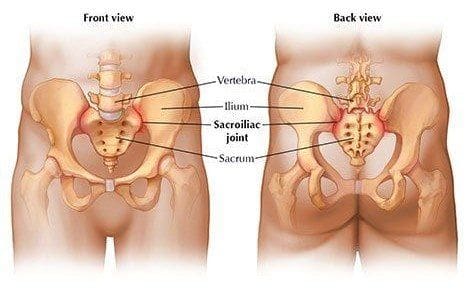
Sacroiliac joint dysfunction is known to cause low back pain, but diagnosing can be hard for some doctors. Especially those that do not have a great deal of experience in sacroiliac joint pain. However, chiropractors specialize in this area as the SI joint is an important part of the musculoskeletal system.
SI joint dysfunction and pain can involve�one or both joints.
�
Other terms associated with SI joint dysfunction are sacroiliitis or degenerative sacroiliitis.
Low back pain may be SI joint-related, so how to start the conversation with your doctor?
Things to Remember Before Appointment
Diagnosing sacroiliac joint-related pain begins before your first appointment with a doctor or chiropractor.
Three things to do before your appointment can help make the visit highly productive.
I. Know your medical history
If you have an existing spinal condition, it can definitely affect SI joint dysfunction
Any recent trauma, like an auto accident or fall?
Pregnant?
Think about these before, because they can help a doctor identify links or cause of Sacroiliac joint dysfunction.
II. Know the symptoms
Make it a point to know the symptoms so you can explain them in full detail.
Dull pain
Achy
Stiff
If you need to, write them down.
Common symptoms:
Low back pain
Pain that travels through:
Hips
Buttocks
Thighs
Groin
Pain when pressing on the Sacroiliac joints�
Stiffness or electrical burning sensations in the pelvis
Know when the symptoms get worse and when they go away. For example:
The pain usually increases when:
Standing
Walking for extended periods
Climbing stairs
Getting/rising up from a seated position
And the pain usually goes away when lying down.
III. Write down questions for your doctor.
Think about what you want your doctor to understand and the pain you are going through.
Write down questions and take them with you.
This questions could be like:
Is this pain caused by a sacroiliac joint problem?
Why rule out sacroiliac joint dysfunction?
How long does it take for the treatment/s to take effect?� �
Is the treatment plan for long sustained relief or short-term relief?
The Appointment
Ask your doctor to examine you for sacroiliac joint dysfunction.
Low back pain research shows the sacroiliac joint, is a definite cause of low back pain.
This problem affects� 30-34% of patients with low back pain.
A doctor can diagnose sacroiliac joint dysfunction based on medical history and a physical exam.
The physical exam, which can include performing specific maneuvers/movements to re-create the pain in a controlled manner, to help confirm a diagnosis.
Physical tests can initiate sacroiliac joint pain and help diagnose low back pain that is being caused by sacroiliac joint dysfunction.
Fortin finger test, which means pressing down near the sacroiliac joints
If three out of five tests produce pain, then more than likely you have sacroiliac joint dysfunction.
Dialogue with your doctor/chiropractor
It�s normal to feel overwhelmed during a doctor’s visit, especially if you have a�condition that is hard-to-diagnose.
Talk with your doctor, their voice should not be the only one heard, this is your body and your health that’s at stake.
Your information is essential to help with an accurate diagnosis.
If your doctor doesn’t feel comfortable or feels they don’t have enough experience in diagnosing sacroiliac joint pain, then ask for a referral to a spine specialist/chiropractor that is comfortable and does have the experience in diagnosing sacroiliac joint pain.
There are a number of treatments for sacroiliac joint dysfunction, including pain medication, epidural steroid injection, and surgery. However, chiropractic care is non-invasive and does not have the unpleasant, sometimes harmful side effects of pain meds. It is safe and effective and treats the entire body instead of just the part that hurts.
Low Back Pain Treatment | El Paso, Tx
Low back pain which gradually influenced his quality of life was developed. David Garcia was unable to walk as his symptoms worsened and his back pain became excruciating. He first visited Dr. Alex Jimenez, a chiropractor in El Paso, TX, following a recommendation from his sister. Dr. Jimenez managed to supply David Garcia with all the aid he deserved for his low back pain, restoring his well-being. David Garcia clarifies the wonderful service Dr. Alex Jimenez and his team have given him to offer him relief from his painful symptoms and he highly recommends chiropractic care as the non-surgical pick for low back pain, among other health problems.
NCBI Resources
Patients who experience lower back pain never want to deal with it again, but�it can flare up periodically. According to the�National Institute of Neurological Disorders and Stroke, roughly 20% of those who suffer from low back pain will eventually deal with it chronically. This can cause frustration, primarily when it affects mobility.
Before you run screaming in horror to the medicine cabinet, one of the best reasons to participate in chiropractic treatment is that it helps reduce the chance of a recurrence. By working on the total body and getting it in the best shape possible, the patient is stronger and more balanced to handle their workload and other strenuous activities. Chiropractors also impart advice on how to minimize the chances of re-aggravating the lower back.
For many chiropractic patients, the first experience with chiropractic comes during early adulthood or middle age. Most adults seek out chiropractic care because they are in some sort of pain. If you are one of those that are new to chiropractic, its effectiveness may surprise you. Your next thought might be about how chiropractic could help others in your life�friends, family and more.
Fortunately, sharing chiropractic with your loved ones is easy because it is so well-suited to just about everyone. Whatever the age of the individual, chiropractic can be adapted to provide gentle preventative care and to improve overall health.
Smiling multi-generation family smiling down at the camera
Chiropractic for Children
Sometimes it can seem like children are invincible. They are flexible, heal quickly and tend to bounce back from situations that would floor an adult. But kids need support to be as healthy as possible, especially as they grow up. Chiropractic care is excellent for encouraging healthy growth in infants, toddlers, children, and teens.
Some of the benefits of chiropractic for children include:
Spinal alignment. The small spines of children can become misaligned much like those of adults. Regular chiropractic adjustments help to bring your child�s spine back into proper alignment, which encourages proper functioning of the nervous system, immune system and more.
Healthy movement patterns. It is normal to develop at least a few unhealthy movement patterns as we move from childhood to adulthood. These bad patterns can lead to injuries on down the line. Chiropractic care can help teach children how to move safely, which can yield benefits for a lifetime.
Gentle adjustments designed for young bodies. Chiropractors who work with children learn special techniques to ensure that adjustments heal and not hurt. Immature bodies work in much the same way as older bodies, but a delicate touch is still important for safety.
Chiropractic Care for Older Adults
Older adults can also experience numerous benefits from chiropractic care. The elderly in particular face a number of health challenges that chiropractic can assist with. Some of the benefits of chiropractic care for older adults include:
Pain relief. Chiropractic can do wonders for pain management, all without drugs or surgery. Regular adjustments and other supplemental therapies have been proven to reduce or eliminate pain, something older adults can truly appreciate.
More mobility. Just because you get older does not mean you should have to stop doing the things you love. Chiropractors know how to gently increase your mobility so that you can get back on your feet and enjoy life the way you deserve.
Improved immune response. The nervous system and immune system are linked in many ways. Adjustments help to align the spine and improve nervous system function. An adjustment can also aid in immune system function, which means your body can fight off invaders more effectively.
Contact us today to schedule an appointment with our chiropractic team. We look forward to meeting you!
Benefits of Using Custom *Foot Orthotics* | El Paso, TX (2019)
Foot Orthotics
Experiencing foot pain, there�s no doubt you checked out your foot to make sure it�s not�injured�or hurting from�improper fitting shoes, corns, plantar fasciitis, etc. This may seem counterintuitive, but you may want to check the condition of the�lumbar spine (lower back)?� Most foot problems are caused by issues with the foot itself, but you might be surprised to find that pressure on the sciatic nerve can cause intense foot pain.
What is a Pronated Foot and Can Custom Orthotics Help?
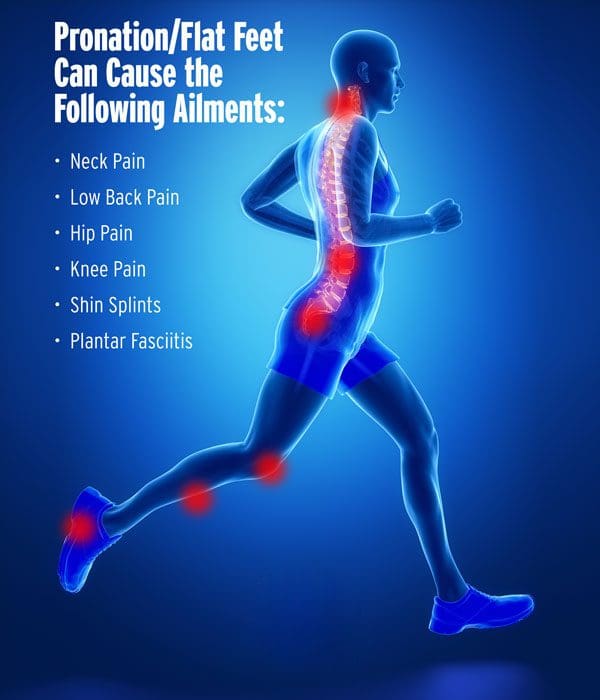
When a foot is pronated, it means the arches have fallen and the foot is flat.
Flat feet are less shock-absorbent and make for a less stable base for the rest of the body. This includes the bones, muscles, ligaments, and tendons.
Flat Feet can also:
Shift the body out of alignment
Cause pain in the feet, knees, hips, neck, and spine
Lead to injury/s like shin splints, Achilles tendinitis, and plantar fasciitis
Women with flat feet are 50% more likely to have low back pain
Up to 1/3 of people suffer from flat feet
�Pronation Causes
The connective tissue, called the plantar fascia, on the underside of the foot is what maintains the foot�s healthy arch shape.
Walking and standing, injury and health conditions can cause the fascia to stretch out and flatten.
Once the fascia stretches out, there is nothing to bring the spring back.
Treatment
Chiropractic adjusting to ensure proper positioning of bones and joints
Custom orthotics for pronation control, support, and comfort
Chronic Inversion Sprain
Foot Dysfunction can very easily cause a domino effect that extends all the way to the back. The feet are the foundation of the body and when there is a problem with the way they function it can cause the entire body to shift out of alignment. For instance, overpronation of the foot causes a series of internal changes that extend up through the leg. The femur may rotate causing hip pain and inflammation of the sacroiliac joint which leads to back pain. Other misalignments in the body that are caused by foot problems can also lead to chronic lower back pain as well.
NCBI Resources
The best way to keep your spinal joints healthy over the long-term is to make regular visits to your chiropractor while also maintaining a healthy diet and�exercise regimen. Everyone is different, which is why it is important to get customized treatment from your chiropractor.
College can be one of the most exciting times in a person�s life. With everything that comes with college also comes massive amounts of physical stress. Sitting all day, hunched over textbooks and laptops, even watching videos on your phone or texting, put constant strain on the spine that you may not be aware of. Chiropractic�can help alleviate the stress, relax the muscles and align the spine for optimal health, making it an ideal health solution for your college lifestyle.
How Chiropractic Benefits College Lifestyle
There are a lot of ways that chiropractic can help you feel better and even perform better at college. A healthy body makes everything easier, and chiropractic is designed to aid in a healthy lifestyle.
Some of the ways chiropractic can help include:
1. Heals the damage caused by extended sitting.
Sitting for long periods every day has been shown to increase the risk of death, and has been connected with a number of different health issues. The most important thing you can do each day is get up and move around every half hour or so, if possible.
But there is another thing you can do to address the tightness in soft tissues, compression of spinal discs and other effects sitting has on your body�get chiropractic adjustments. Regular adjustments realign your spine, reduce pressure on discs and help to relax the tightness in muscles and other soft tissues.
2. Helps correct poor posture.
Studying and working on the computer for long periods of time can be exhausting, there is no denying. Unfortunately, as you get tired you tend to hunch and slouch in ways that are not good for your back and neck. While paying attention to your posture is important and can help somewhat, the reality is that no one can maintain the perfect posture for hours and hours.
By visiting your chiropractor, you can get much-needed adjustments to your back and neck that will help to correct damage caused by poor posture. Your chiropractor can also give you tips on how to maintain the best possible posture and ergonomics on a daily basis to minimize further damage.
Meeting Talking Discussion Brainstorming Communication Concept
3. Heals neck injuries like text neck.
According to recent research, looking down at your phone for an extended period of time is the equivalent of putting a 60-pound weight on your neck. As you go about your day, notice how often you are staring down at your phone.
Whether it is texting with friends, watching a video or looking something up, you spend a considerable amount of time with that 60-pound weight on your neck. If your neck hurts, it is easy to understand why.
Chiropractic care is an excellent way to heal neck injuries including those caused by text neck. Regular adjustments can bring back the space between your vertebrae and help your neck heal.
4. Maintains spinal health.
Whether you hit the gym every day, play sports, or try to never move from the couch, you are always putting pressure on your spine. Your chiropractor is trained to help you maintain spinal health in a variety of ways, including chiropractic adjustments and lifestyle advice concerning healthy movement. By developing a relationship with your chiropractor that includes regular visits for adjustments and consultations on spinal issues you are experiencing, you can enjoy much better spinal health.
Contact Us & Schedule An Appointment
The best way to learn the benefits of chiropractic care is to meet with an experienced chiropractor. Please contact us to schedule an appointment. Let us help you enjoy a healthier spine and all the benefits that come with it.
A winged scapula is a debilitating condition left untreated. The condition is often spotted by the protrusion or the sticking out of the scapula from the back. Fortunately, chiropractic treatment can fix the condition. This and associated therapies can help you get relief from your symptoms, and to strengthen your shoulders to avoid further discomfort.
Symptoms
The symptoms of a winged scapula can include:
Protrusion of the shoulder blade from the back
Pain when sitting from pressure on the scapula
Difficulty moving the shoulder and arm
Weakness in the shoulder and arm
Sometimes the symptoms of a winged scapula are relatively minor in the beginning. You may only have a little discomfort at the start. But symptoms tend to get worse over time, so it is important for you to seek treatment sooner rather than later.
The damage to the thoracic nerve can cause muscles in the shoulder to become paralyzed, leading to winged scapula symptoms. Many times the appearance of a winged scapula indicated other problems in the back and shoulder.
Poor posture can also lead to a winged scapula. Years of poor posture can weaken the muscles that hold the shoulder in place to the point where a winged scapula is more likely to occur.
Chiropractic Care Can Help
I.D. The Cause
Because this condition can be caused by several different issues, it is important to determine the exact cause before beginning treatment. A chiropractor is well-qualified to give you a full body examination to locate the source of your injury.
Realigning The Thoracic Nerve
Chiropractors are skilled at aligning the human body, including the thoracic nerve. We can locate the point where misalignment of the nerve has occurred and often correct it.
Strengthening The Shoulders
As a winged scapula is often the result of weakened shoulder muscles, the most effective treatment is usually to strengthen the muscles. Our team can guide you in rehab exercises to return your muscle strength and support your shoulder. We can also help you learn how to activate the right muscles in the right manner to operate your shoulder properly.
The symptoms of a winged scapula can come on slowly, which makes many sufferers feel like they should try fixing the issue themselves before seeking medical care. Unfortunately, trying to heal a winged scapula on your own is not likely to be effective.
In fact, you will need some sort of assistance to even apply ice to the area, You will also need help to identify exactly what is wrong and to treat it. Seeking qualified care is recommended.
Helping You Heal
A winged scapula can be quite painful. You should not have to suffer from should pain and back pain. We encourage you to contact us to schedule an appointment and get the treatment you deserve. We are happy to help you with all your chiropractic needs.
In the same ways that it helps human patients, it also helps animals. It offers a less invasive, medication-free way to manage pain and correct many health issues, including arthritis and joint injuries. A number of pet owners claim chiropractic is not only great for their pets but that their pets are excited to go to appointments and see their chiropractors.
Which animals benefit from veterinary chiropractic care?
Any species of animal can benefit from chiropractic. The most common animals to receive this specialized type of care are dogs, cats, and horses. However, any vertebrate species, including birds, can reap the benefits.
Chiropractic for animals has long been a standard form of treatment with many show horses, race horses, and barrel racers. It is considered a viable, beneficial treatment to help the animals combat the stress their bodies are put under due to their jobs. It is also very good for injuries, speeding healing while managing pain.
It is often used on dogs and cats to help with injuries, arthritis, and aging. Sometimes an animal can hurt but they are unable to communicate that to their owners. If you notice behavioral changes or grumpiness, you may want to check your pet out. He or she may be hurt and can�t tell you � and chiropractic could be the answer.
Most often treated conditions
Veterinary chiropractic helps pets with many conditions that are biomechanical or neurological in origin � much like it helps humans. Some of these conditions include spondylosis, hip dysplasia, and other types of degenerative joint diseases, intervertebral disk disease, neck pain, back pain, and cervical instability. It can also address problems of the autonomic nervous system like musculoskeletal weakness, fecal and urinary incontinence, chronic neck and back pain, and other pain that don�t respond to conventional treatments.
Serious injuries like ligament tears or fractures may require surgical intervention, but chiropractic can help post-surgery. It can help relieve the pain as well as correct secondary problems that could occur due to the animal overcompensating in response to the injury. In performance animals, regular chiropractic care can help prevent injury by maintaining flexibility and a good range of motion.
How does it work?
Chiropractic is designed to help keep the joints and spine in their natural, healthy alignment. The nerves that surround the joints and run along the spine communicate with the central nervous system. This connects to all of the organs in the body, including the brain.
When the spine is out of alignment, even just a little, it can cause disruptions in how the messages are relayed through the central nervous system and to the organs and brain. A misaligned spine can affect the entire body, causing pain in muscles and joints, affecting organ function, and impact the animal�s overall health and wellbeing. When the spine is not aligned, the body will not function as it should.
Give the best possible chiropractic experience.
When you meet with the veterinary chiropractor, make sure that you have all of your pet�s information available, including vaccinations, health care history, any conditions they have, their diet (including supplements), medications they are taking, and their daily activities. If the doctor is treating an injury, explain how the injury occurred if you know.
When the adjustment is over, make sure that you understand any therapy or exercises to do at home, post adjustment. If there is something you don�t understand, ask. The doctor may also provide recommendations regarding lifestyle changes including saddle fit, collar fit, exercise, conditioning, or shoeing. Make sure you follow these as well. Your pet can�t make those decisions for his or her own health, that is up to you. Don�t let them down.
IFM's Find A Practitioner tool is the largest referral network in Functional Medicine, created to help patients locate Functional Medicine practitioners anywhere in the world. IFM Certified Practitioners are listed first in the search results, given their extensive education in Functional Medicine