by Dr Alex Jimenez DC, APRN, FNP-BC, CFMP, IFMCP | Diets, Fitness
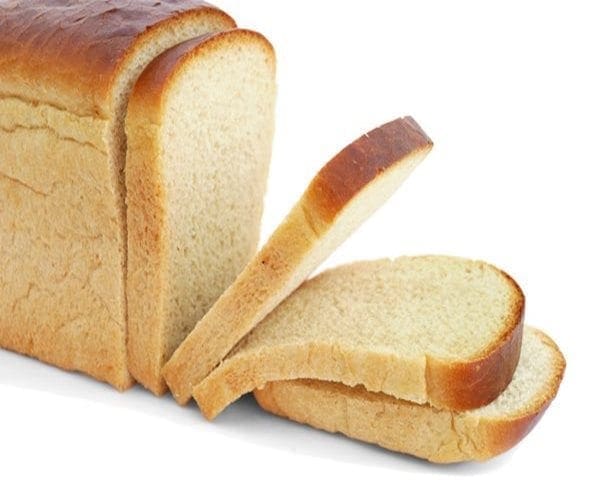
For years, you probably have been told that wheat bread is far better for you than its white counterpart, but a small, new study suggests that maxim may not hold true for everyone.
Researchers looked at how quickly blood sugar levels rose after eating (a process called the glycemic response) either white bread or sourdough-leavened wheat bread. The researchers found that the response seemed to vary by person, and that some people didn’t have a bad glycemic response to white bread.
“Our study suggests that, in terms of glycemic responses, different people respond differently to even the same meal,” explained study author Eran Segal, from the Weitzman Institute of Science in Rehovot, Israel.
“In the context of white bread, this means that some people respond badly to white bread and should probably avoid it, while others have a healthy response to it, given what we measured,” Segal said.
“In a broader sense, what this means is that the ‘one-size-fits-all’ diets that are given to the population as a whole, without personalization, are probably not optimal for everyone,” added study co-author Dr. Eran Elinav, who’s also from the Weitzman Institute.
The researchers theorized that differences in the gut microbiome (the natural bacteria living in a person’s intestine) may explain why people respond differently to different breads. The researchers added that they were able to predict what a person’s glycemic response would be to a particular bread based on the makeup of their microbiome.
Both Segal and Elinav did report they are paid consultants for a company that offers personalized dietary advice based on an individual’s gut microbiome.
At least one nutritionist wasn’t convinced that people should give up on whole grains.
“This small, short-term study does not offer a free pass to eating tons of highly processed white bread,” said Samantha Heller, a senior clinical nutritionist from New York University Langone Medical Center.
“Epidemiological research has shown that people who eat more whole grains, such as whole grain breads, crackers, cereals, brown rice and quinoa, have a reduced risk of type 2 diabetes, heart disease, inflammation, obesity and certain cancers,” Heller noted.
In addition, she said, whole grains have a balance of vitamins, minerals and other nutrients that white bread doesn’t. Plus, Heller said, fiber is the “preferred meal for gut microbiota.”
The study included 20 people from Israel. They were between 27 and 66 years old. Eleven were female, the researchers said.
Each volunteer spent a week eating white bread and a separate week eating artisanal sourdough-leavened whole wheat bread.
They ate bread first thing in the morning. Half the time, they were allowed butter on their bread. They couldn’t eat anything else beginning the night before, and then for two hours after eating the bread. They also weren’t allowed to exercise for two hours after eating, because all of these things can alter the glycemic response.
Across the groups, the researchers found a similar response to the breads when averaged together. There were no significant overall differences based solely on the bread and glycemic response. The researchers also said there didn’t seem to be a difference in the gut microbiota based on which bread was eaten.
“Our study challenges the common belief that types of food that are considered healthy are indeed healthy. We know that people are different in their genetic makeup and lifestyle, and here we show that people have rather stable and person-specific microbiomes,” said Avraham Levy, one of the study’s researchers. He’s also from the Weitzman Institute.
“These differences between people affect how they respond to even the same meals, which means that foods which are considered healthy may not be as healthy for everyone, and vice versa,” Levy said.
The scientists noted that more research needs to be done. Funding for the study came from the Israeli Ministry of Science, Technology and Space, as well as from private foundations and donors.
In the meantime, a number of groups recommend eating whole grain foods instead of processed white foods. These groups include the U.S. federal government, the American Heart Association, the American Cancer Society, the American Diabetes Association and the Academy of Nutrition and Dietetics.
The study was published June 6 in the journal Cell Metabolism.
by Dr Alex Jimenez DC, APRN, FNP-BC, CFMP, IFMCP | Diets, Fitness
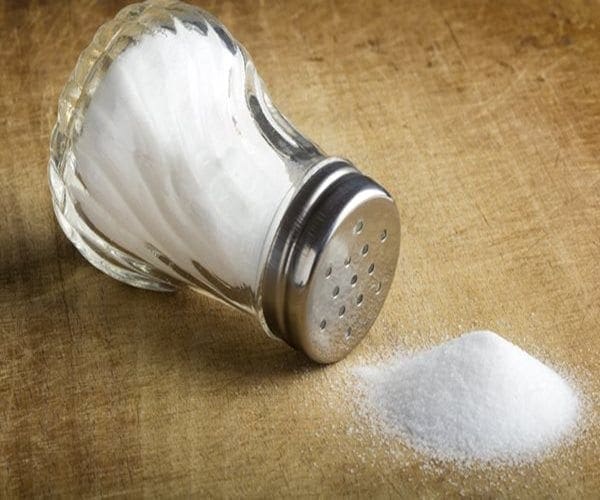
Packaged foods and store-bought drinks are blamed for adding a lot of salt to U.S. diets, but a new study suggests those foods and beverages don’t contain as much sodium as they once did.
The amount of salt brought into U.S. households through packaged food and store-bought beverages fell by about 18 percent from 2000 through 2014, researchers found.
Still, they say, the vast majority of U.S. children and adults consume well over the recommended amount of sodium every day.
“Households are getting less sodium form the grocery store, but I think it’s important to know sodium in packaged foods is still way too high,” said lead author Jennifer Poti, of the Department of Nutrition at the University of North Carolina at Chapel Hill. “So we have a long way to go.”
Experts and dietary guidelines have urged people in the U.S. to cut back on sodium. The current recommendation is to consume less than 2,300 milligrams (mg) per day, or the amount in about 1 teaspoon of salt.
Too much sodium increases blood pressure by drawing water from the body into the blood vessels, according to the American Heart Association. High blood pressure can damage the blood vessels and lead to serious problems like heart attacks and strokes.
Writing in JAMA Internal Medicine, Poti and colleagues cite a 2010 report form the Institute of Medicine calling for reduced sodium in packaged foods, to bring down the amount in U.S. diets.
For the new study, the researchers analyzed data on packaged food purchased from 2000 through 2014 by 30,000 to 60,000 U.S. households each year. Overall, they had data on about 1.5 million products.
Over the study period, sodium from packaged foods and beverages fell from 2,363 mg per day per person to 1,967 mg per day.
When they examined the nutritional content of the purchased foods, the researchers found that the salt content in the products had fallen about 12 percent over the study period.
In seven of the 10 biggest sources of salt among packaged foods and beverages, sodium content declined at least 10 percent. Those included items like condiments, sauces and dips.
The new study can’t say why the amount of salt from packaged foods and beverages declined. Poti said people didn’t seem to drastically change their purchases during the study.
“Potentially some of these changes are due to the removal of sodium from products by manufacturers,” she told Reuters Health.
Despite the progress in reducing sodium, less than 2 percent of households were buying foods and beverages considered to contain an acceptable amount of salt, the study found.
Still, the results are encouraging, said Lisa Harnack, who was not involved with the new study but recently published research on salt in food.
“It suggests that Americans are decreasing sodium intake form packaged food, which is important,” said Harnack, of the University of Minnesota School of Public Health in Minneapolis.
She also told Reuters Health that U.S. diets have a long way to go.
“People should read labels and aim for lower sodium products to support their own health and increase demand for lower sodium options,” she said.
Poti said the results suggest the U.S. needs more concerted efforts to reduce the amount of salt in diets.
“We really need to have more environmental-level efforts to remove sodium from the products so consumers have more choices and that there are lower sodium options in the marketplace,” she said.
SOURCE: http://bit.ly/2s9ZHsx JAMA Internal Medicine, online June 5, 2017.

by Dr Alex Jimenez DC, APRN, FNP-BC, CFMP, IFMCP | Fitness, Seniors
Older, obese adults need to shed weight, but dieting can worsen their frailty. A new study addresses this conundrum, suggesting seniors take up both aerobic and resistance exercise while slimming down.
Engaging in aerobic and resistance exercise while losing weight enabled study participants to maintain more muscle mass and bone density compared to folks who did just one type of exercise or none at all, the researchers found.
Elderly and Obese, Here is What to Do
“The best way to improve functional status and reverse frailty in older adults with obesity is by means of diet and regular exercise using a combination of resistance and aerobic exercise training,” said study leader Dr. Dennis Villareal. He’s a professor of medicine at Baylor College of Medicine in Houston.
More than one-third of people age 65 and older in the United States are obese, according to the study authors. Obesity worsens the typical age-related decline in physical functioning and causes frailty, while weight loss can lead to harmful declines in muscle mass and bone density.
The researchers wanted to see what combination of exercise, along with dieting for weight loss, might be best. They randomly assigned 160 obese and sedentary adults, age 65 or older, to one of four groups: weight loss and aerobic training; weight loss and resistance training; or weight loss and a combination of both types of exercise. The fourth group served as controls and didn’t exercise or try to lose weight.
After six months, physical performance test scores increased by 21 percent in the combination exercise group, but just 14 percent among those who only did aerobic exercise or resistance exercise, Villareal’s team said.
The researchers also found that lean body mass and bone density declined less in the combination and resistance groups than in the aerobic group.
One strength of the study is its evaluation of several regimens, said Miriam Nelson, director of the Sustainability Institute at the University of New Hampshire.
Such research is critical, as ”the majority of [older] people are either overweight or obese,” said Nelson, who wasn’t involved in the study.
It’s About Health NOT Weight
While many studies of obese or overweight older adults focus only on exercise and weight loss, “this is really looking at health,” she said.
“Health in aging is really [about] functioning,” Nelson said. Maintaining muscle strength and bone density is essential to remain mobile and functional, she pointed out.
“All these multiple factors are what dictate to a large extent somebody’s ability to be independent, healthy and to live life to its fullest as they age,” Nelson added.
At the outset of the study, participants were mildly to moderately frail, according to the authors.
The researchers assessed the seniors’ physical performance, muscle mass and bone health over the 26-week study.
The overall winners, the combination group, exercised three times a week, from 75 to 90 minutes each session.
Aerobic exercises included treadmill walking, stationary cycling and stair climbing. Resistance training involved upper-body and lower-body exercises on weight-lifting machines. All groups also did flexibility and balance exercises.
The study showed a clear inverse relationship between weight loss�and lower back pain. �The greater the weight loss in the studied clients, the less lower back and knee pain was clearly presented
The study was published May 17 in the New England Journal of Medicine.
SOURCES: Dennis T. Villareal, M.D., professor, medicine, Baylor College of Medicine, and staff physician, Michael E. DeBakey VA Medical Center, Houston; Miriam Nelson, director, Sustainability Institute, University of New Hampshire, Durham; May 17, 2017, New England Journal of Medicine
News stories are written and provided by HealthDay and do not reflect federal policy, the views of MedlinePlus, the National Library of Medicine, the National Institutes of Health, or the U.S. Department of Health and Human Services.
by Dr Alex Jimenez DC, APRN, FNP-BC, CFMP, IFMCP | Diets, Fitness
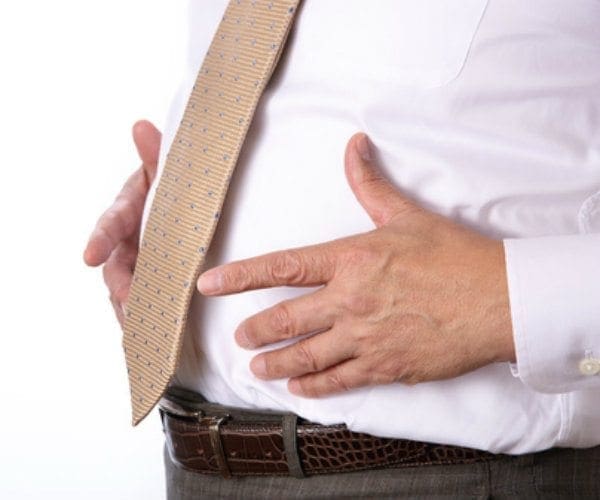
With summer officially just weeks away, many of us are dreading bathing suit season because we’ve packed on pounds — especially around the mid-section. But you won’t get those washboard abs by doing sit-ups, say experts. Abs are made in the kitchen, not in the gym, as the saying goes.
In other words: It’s what you put into your gut that helps banish belly fat.
“Visceral fat, or what we commonly call belly fat, is more than the fat you see on your body and can pinch between your fingers,” notes Tara Gidus Collingwood, the team dietitian for the Orlando Magic basketball team.
“It’s the layer of fat deep inside the body that forms between your organs. And even though you can’t see it, if you have an increased amount of subcutaneous fat, the fat you CAN see and pinch, it’s likely that that you also have a large amount of visceral fat.
Collingwood, co- author of the “Flat Belly Cookbook for Dummies,” tells Newsmax Health the more belly fat you have, the more dangerous it is to your health.
“Visceral fat is so toxic that research has linked it to everything from an increased risk of heart disease, to metabolic syndrome, Type 2 diabetes, gallstones, certain cancers, and even dementia,” notes.
Now for the good news: Gidus says that science has uncovered foods that actually help blast away belly fat. Here are her top 10 choices:
Salmon. Inflammation caused by an imbalance in your gut which can turn on your fat genes, leading you to gain weight around your belly. Salmon is a super anti-inflammatory food and also contains omega-3 fatty acids which have been shown to reduce belly fat storage. It also helps to control the hormone levels like cortisol, a common culprit of increased fat storage in the midsection.
Apples. These summer and fall favorites are great belly-fat fighters because they are high in fiber. This allows foods to be slowly digested, which controls the response of insulin and helps stabilize blood sugar — giving an added boost to the fight against fat.
Almonds. Not all fats are created equal, and some are actually helpful in reducing belly fat. Stock up on almonds for snacking because they are high in monounsaturated fat which reduces the accumulation of fat around the belly.
Popcorn. Here’s another handy snack food that is a great belly-flattening treat and you can eat a lot of it. Purchase loose corn kernels or low-fat and low- sodium microwave popcorn to help reduce your sodium intake and keep calories in check for a flat belly all season long.
Green tea. This powerhouse beverage contains the flavonoid quercetin which not only boosts the immune system and promotes heart health but also helps fight belly fat. It works by blocking fat cells from maturing and inhibits the rate of new fat cell formation.
Eggs. One of the best ways to protect yourself against visceral fat is to strengthen and protect your muscles. Muscle burns energy on a regular basis, so it steals energy away from fat cells — especially belly fat cells — to sustain itself. For under 80 calories, an egg provides six grams of muscle-building protein.
Spinach. This leafy green contains a unique long-chain sugar molecule called sulfoquinovose (SQ). According to a study in the journal Natural Chemical Biology, SQ feeds the good or beneficial bacteria, which in turn promotes their growth in the gut. When these bacteria are strong, they provide a protective barrier in the gut preventing the growth of bad bacteria which can cause inflammation and increase belly fat.
Greek yogurt. The Society for Endocrinology presented a study by researchers who found that when protein is digested and broken down into amino acids in your body, one of those amino acids called phenylalanine, triggers hormones that help reduce appetite, which ultimately leads to fat burn and weight loss.
Bananas. When you are sleep deprived, the levels of ghrelin called the “hungry hormone” skyrocket while the levels of leptin, the hormone that signals satiety, plummet. As a result, studies show you are more likely to eat more the next day and the foods you choose are the ones that typically increase belly fat. So if you are having trouble falling asleep, eat a banana which is an excellent source of the muscle relaxing ingredients magnesium and potassium. This handy fruit also contains tryptophan, a chemical which can help summon the Sandman.
Cayenne pepper. This popular spice doesn’t only burn your tongue, it helps burn away belly fat. Daily consumption of one of the compounds found in pepper seeds, called capsaicin, speeds up abdominal loss by boosting the body’s ability to convert food into energy, according to a study published in the American Journal of Clinical Nutrition.

by Dr Alex Jimenez DC, APRN, FNP-BC, CFMP, IFMCP | Fitness, Health, Wellness
You’re probably already incorporating strength moves such as squats, planks, and burpees, into your workout routine. But there are a few additional moves you’re likely missing. These�strength exercises below target commonly overlooked muscle groups, says Karen Litzy, a spokesperson for the American Physical Therapy Association. Adding them to your regular workout routine will not only improve your strength in your lower body and core�but also help keep injuries away.
Stability Ball Hamstring Curl
Lie faceup with lower legs and heels on a stability ball, knees straight. Lift hips off the floor (A). Slowly bend knees to pull the ball toward hips (B), then slowly return to the starting position. Do 3 sets of 15.
Fire Hydrant
This exercise targets the gluteus medius (a.k.a. the upper part of your butt), says Litzy, which helps support your pelvis. “Any weakness there can cause hip strain that leads to pain.” Start on all fours (A). Raise left thigh to the side, keeping knee in line with foot (B). Hold for 30 to 60 seconds. Repeat on other side.
RELATED: This Next-Level Burpee Tones Your Abs Like Crazy

Bird Dog
For good posture, it’s important to tone the erector spinae muscles along the back of your spine. From all fours (A), simultaneously extend left leg at hip height and right arm at shoulder level (B). Hold for 5 to 10 seconds. Repeat the move with right leg and left arm. That’s 1 rep. Do 10 reps.

by Dr Alex Jimenez DC, APRN, FNP-BC, CFMP, IFMCP | Fitness, Health, Wellness
Targeted workouts are great for when you want to hit a tough-to-tone spot, but we think feeling fatigued all over is especially rewarding. And when it only takes 20 minutes of work to feel sore the next day? Well, that’s even better.
This routine from the Brave Body Project does just that. Founded by trainers Lindsey Clayton and Amber Rees, the Brave Body Project is an “online community and fitness membership program for people who share a passion for feeling strong, being bold, and finding the brave within.” Put another way, these ladies know how to help you get fit—and feel great about it.
That’s precisely why we asked Lindsey and Amber to share their favorite exercises for head-to-toe strengthening. They brought 10 moves that deliver a serious “full-body beatdown.” Sound intimidating? Yes. But is it an amazing sweat session? Double yes.
WATCH THE VIDEO: This Full-Body Workout from Emily Skye Torches Calories and Builds Strength Fast
In this video, the energetic duo will lead you through a workout that targets the arms, legs, core, and glutes. Here’s how it goes: Each move is done for 50 seconds, and followed by 10 seconds of recovery. Once you complete all 10 moves, you get 30 seconds of rest, and then do it all over again.
The best part about these moves is that they sculpt and stretch different body parts simultaneously. For example, a walkout tricep push-up with a hip opener not only targets the upper arms, but also creates space in the hips. Similarly, a side lunge with a lateral raise works the muscles in the thighs and challenges balance too.
Want to break a sweat in just 20 minutes? Watch this video for a full-body workout you can do at home. Press play, get strong, repeat.
by Dr Alex Jimenez DC, APRN, FNP-BC, CFMP, IFMCP | Diets, Fitness
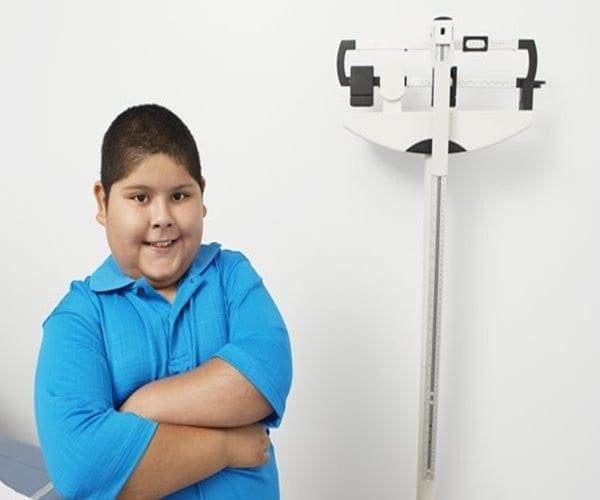
A new UK study has found that obesity in childhood has long-term health implications that could last well into adulthood.
Carried out by a team from the University of Surrey, the researchers collected data from 18 studies which included over 300,000 children in total with an average age of 10.
The team looked at the measurements of the children’s body mass index (BMI), waist circumference and skin fold thickness, and compared them to results from the same participants 25 years later as adults.
They found that participants who were obese as children were predisposed to ‘pre-diabetes’ — a condition in which the body cannot adequately metabolize glucose and which can lead to diabetes — and thickening of arteries in adulthood.
An increase in the thickening of these arteries also increases an individual’s risk of experiencing a cardiovascular condition such as heart disease in later life.
The children’s BMI was also found to be a good predictor of high blood pressure in adulthood, and could also help predict other illnesses later in life that are associated with obesity.
However, due to the limited data available the team were unable to determine if waist circumference and skin fold thickness were also indicators of future health conditions.
Commenting on the findings lead author Dr Martin Whyte said, “It is worrying that obesity is becoming endemic in our society.”
“The adverse effects of adult obesity are well known but what we have found is that obesity in childhood can cause lasting arterial damage which could potentially lead to life threatening illness. This is something that we need to address to protect adult health and reduce pressure on the NHS.”
Childhood obesity is on the increase in the UK, with figures from the NHS National Child Measurement Programme indicating that 19.8 percent of 10-11 year olds were classed as obese in 2015/16, a rise of 0.7 percent on the previous year.
The findings can be found online published in the journal Obesity Reviews.