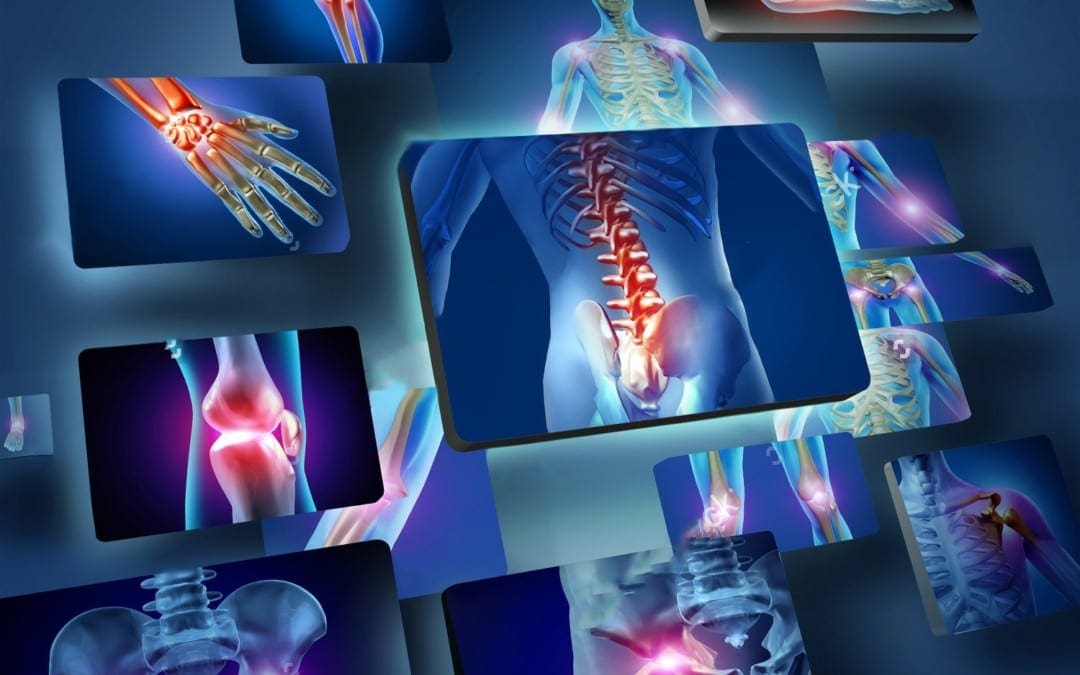
El Paso TX. Chiropractor Dr. Alex Jimenez looks at the work environment to see if it is in fact spine friendly.
While work can be a pain, it doesn’t have to cause pain. Creating your office work room in order to avoid back and neck strain is easier than you may think. Plus, rethinking your work environment is a fantastic chance to brush up on other healthy work habits as well as your posture.
Here are five ways you are able to design your office together with your back in your mind.
Contents
#1. Perfect Your Sitting�Posture
If you’re not sitting right even with the top equipment, your back will suffer. Pay attention to the situation of legs, hands, and your head when sitting. To avoid back pain, make sure to do the following:
Sit erect with your back and shoulders against the trunk of your chair
Consider using a hands free headset to stop shoulder and neck pain
Don’t slouch
Arms should rest on the armrests of your chair to avoid nerve pressure or circulatory difficulties
Keep your feet flat on the flooring�don�t cross your legs
Rest your shoulders while typing
#2. Get A Good�Chair
A good-constructed ergonomic seat to help increase your blood flow, reduce fatigue, stress, and decrease the chance of injury to your own neck and back. Getting the chair that is best is important, which means this is one product which should be tried in the store as opposed to purchasing online so you know before purchasing it, the way that it feels. Make fully sure your office chair has got the following:
A good backrest that provides lumbar support
The capability to recline (Sitting erect at a 90� angle is not good for your spine; a 100-degrees to 110-degrees angle is much better.)
Flexible height (You don�t want the seat to be overly high�your feet must be flat on the floor)
The ability to rotate or swivel, so you can easily�change tasks
#3. Invest In A Desk That Offers More Than Just Storage
One of the biggest pitfalls of a spine-friendly work routine is staying in one position for a long time. Switching between sitting and standing is the best strategy, and some desks�known as sit-stand desks or sit-to-stand desks � encourage one to mix up your position through the entire workday.
Sit-to-stand desks offer you the choice to work comfortably in both sitting and standing poses�and they been discovered to simply help burn off calories. They come in various price points and styles, and a growing variety of companies are considering this investment to boost workplace wellness.
If you�re looking to boost the ergonomic quality of a traditional desk make sure the desk is:
Secure (not wobbly)
Suitably high (generally 28″ to 30″ above the floor)
Large enough for your computer, with surface space for writing along with other jobs.
Not�so large that you have to over reach to do your work, which could cause excessive stress on the back
#4. Look At Your Computer
Since so much office work is done on computers, wherever your equipment is put can really make a difference when you are at work, in how your back feels. Try the following hints:
Tilt the keyboard down and slightly away from you for better wrist posture
Be sure your mouse is close enough so you can use it with your arms relaxed, and let it be as close to your body as possible
Set the monitor right in front of you at eye level, not off to the side, in order to avoid eye and neck strain. Adjustable monitor stands are available to find an ideal height.
If using a notebook, consider getting an external monitor or keyboard (or both). This enables each of those parts individually to move to develop a comfortable arrangement.
#5.�Take A Break
Not just a coffee break but a spine break. Stretch, take a quick walk, get the blood flowing. It�s simple to get caught up in work jobs and forget that you�ve been sitting or typing for a straight hour. Whether it�s a 15-minute walk or two-minute stretch session, occasional breaks can help revive your muscles, and perhaps you can find feel more productive, too.
You spend lots of time at work�why not take a few extra steps to develop a space that does your back a number of favors in return?
UTEP senior Samantha Hall was named Conference USA Female Athlete of the Week for her performance in the discus and shot put this past weekend at the 2017 Jim Bush Collegiate Invitational, announced the league office Tuesday afternoon.
The senior recorded a season best of 54.62m (179-2) in the discus earning a second-place showing. Her mark ranks first in C-USA and 21st nationally.
Hall tossed the shot put out to 13.86m (45-5.75) to finish seventh overall and rank 13th in C-USA. This is Hall�s first C-USA athlete of the week award of the outdoor season and the second of her career.
The Miners will return home for the UTEP Invitational at Kid Field on Saturday.
For live updates and breaking news follow @UTEPTrack on Twitter.
Check Also
Taylor Sargent�s bat has stayed hot but UTEP (11-31, 5-13 Conference USA) fell at LA �
El Paso TX. Chiropractor Dr. Alex Jimenez looks at some exercises that are help�posture.
Prone Shoudler Arcs Can Help Strengthen Upper Back Muscles Which Hold Your Shoulders In Better Posture
By lifting a dowl or light pole up off the floor and moving the shoulder can help strengthen the muscles between the spine and shoulder blade.
Shoulders and shoulder blades which are relaxed and sit back and down instead of hunched up and slouched forward are better for your posture. Good posture can prevent neck pain, shoulder pain and headaches in the future.
Prone Shoulder Arcs
Deep Neck Flexor Training
Call Today!
For further hints and tips on postural care and general healthy living go to ccbrighton.co.uk/videos
It’s hard to overcome a bad reputation — even for food! But some edibles once deemed to be health hazards have been vindicated by the ever-evolving science of nutrition.
“With new research emerging on these topics, our recommendations change,” says Kelly Pritchett, national media spokesperson for the Academy of Nutrition and Dietetics.
It happened with eggs. One of America’s most popular breakfast foods was branded a villain to heart health in the 1970s due to high levels of cholesterol. Now, experts are changing their tune. They’re even singing praise for the egg — yoke and all.
“The 2015 Dietary Guidelines gives the thumbs-up on having one egg per day,” says registered dietician Joy Dubost. “Eggs are an all-natural source of high quality protein and a number of other essential nutrients, all for 70 calories per large egg.”
In a 2013 study, participants who ate an egg breakfast were better able to control their food intake than those who a carbohydrate-heavy cereal breakfast. And don’t go the egg white-only route. The yolk is packed with three grams of protein as well as vitamins D and B12, riboflavin, folate, phosphorous, selenium and choline.
Here are seven other good foods with bad reps:
Whole milk: A 2015 review of 25 studies published in the European Journal of Nutrition found that people who ate full-fat dairy products were no more likely to develop cardiovascular disease or Type 2 diabetes than those who stuck with the low-fat versions. Even more surprising, the full-fat crowd reported less weight gain and obesity. Experts recommend drinking only organic milk from grass-fed cows.
Coconut oil: A high saturated fat content tarnished the reputation of coconut oil, but research reveals that much of it is medium-chain triglycerides, which are healthy fats that boost both immunity and metabolism. A study published in the journal Lipids found that coconut oil reduced abdominal fat. It’s also one of the healthiest oils for cooking because it can withstand high heat without oxidizing better than vegetable oils.
Potatoes: The carb-heavy spud was kicked to the curb due to its high glycemic index, meaning it can spike blood sugar. But pairing potatoes with protein or healthy oils slows down digestion of them. Furthermore, potatoes are low-calorie, very filling and rich in several nutrients, including potassium, fiber and vitamin C. Eat the skin and you’ll also reap powerful antioxidants. Just don’t deep fat fry them or slather a baked tater with gobs of butter, sour cream and bacon bits.
Popcorn: All bets are off if you eat this movie theater munchie bathed in unhealthy oils — or cooked in a microwaveable bag lined with toxic chemicals. But air-popping organic popcorn will deliver a 100-calorie whole grain treat, per three-cup serving, that also delivers three grams of fiber and more healthy phytonutrients than most fruit.
Coffee: Once blamed for stunting growth and contributing to various maladies including heart disease and cancer, coffee is now being hailed as healthy for most folks. In fact, research published in the journal Circulation found that people who downed three to five cups a day were 15 percent less likely to die from any cause than non-coffee drinkers. Credit the anti-aging flavonoids for protecting cells from deterioration. Just don’t go dumping a lot of fattening sugars and creams into your java.
Avocados: It’s hard to believe that the U.S. Food and Drug Administration only got around to declaring this superfood to be “healthy” in May 2016. The problem previously was its high fat content, but most of it is the healthy monounsaturated kind. Avocados are not only rich in nutrients but their fats also help you to absorb fat-soluble nutrients from other foods. So go ahead and order the guacamole, but nix the chips!
Beer: The sudsy stuff is a source of B vitamins and minerals, including potassium, magnesium and bone-building silicon. It’s also loaded with antioxidants. “Beer is not just empty calories,” declares Dubost. “In addition to the nutrients, large population studies consistently show that moderate alcohol consumption, including beer, reduces mortality.”
Rules requiring regular physical education for young teens stem from “good science,” researchers say.
Frequent “phys ed” classes not only improve fitness, they also encourage healthy living, finds a study from Oregon State University.
Researchers looked at more than 400 students, ages 12 to 15. They found that more than one in five received no physical education, and only about 27 percent met federal government physical activity guidelines. Nearly 40 percent were obese or overweight.
“Perhaps some were not meeting the guidelines because fewer than 35 percent actually knew what the guidelines were for their age group,” said study co-author Brad Cardinal. He’s a professor in the school of biological and population health sciences.
The federal recommendation calls for at least 60 minutes a day of moderate to vigorous physical activity five days a week, the researchers said. The study found that long-term physical education boosts fitness and teaches students how regular physical activity is associated with good health. There was a strong connection between regular physical education and students meeting the federal activity guidelines, the researchers said.
The study authors said the trend toward more lax phys ed mandates for middle-school students is detrimental to their development.
Physical activity has been shown to improve thinking and academic achievement. It also helps students develop the knowledge, interests and skills for a lifelong healthy lifestyle, according to the researchers.
“We have the physical activity guidelines for a reason, and they’re based on good science,” Cardinal said in a university news release. “With only slightly more than one in four adolescents meeting the guidelines, today’s youth are being shortchanged in terms of their holistic development. They are not being prepared to live the proverbial good life,” he added.
New guidelines are due to be released in 2018.
“Because of a growing propensity toward inactivity in daily life, such as increased media consumption and screen time, the guidelines very well may have to be ratcheted up to compensate,” Cardinal said.
The study was published recently in the American Journal of Health Promotion.
News stories are written and provided by HealthDay and do not reflect federal policy, the views of MedlinePlus, the National Library of Medicine, the National Institutes of Health, or the U.S. Department of Health and Human Services.
The scope of our information is limited to chiropractic and spinal injuries and conditions. To discuss options on the subject matter, please feel free to ask Dr. Jimenez or contact us at 915-850-0900 .
Chiropractic and Athletic Performance
Many athletes who are injured performing their specific sport or physical activity, frequently seek treatment from chiropractors. Chiropractic care focuses on the prevention, diagnosis and treatment of injuries and conditions affecting the musculoskeletal and nervous system. While chiropractic is a safe and effective form of conservative care for a variety of ailments, chiropractic can also be utilized to enhance athletic performance.
Australian researchers have found that a diet high in saturated fat is a prime suspect in the onset of osteoarthritis after finding that it changes the composition of cartilage, especially in the weight-bearing joints of the hip and knee.
“Our findings suggest that it’s not wear and tear but diet that has a lot to do with the onset of osteoarthritis,” said lead researcher Professor Yin Xiao.
In possibly the first study to investigate the link between osteoarthritis and common dietary fatty acids, scientists at the Queensland University of Technology studied the effects of diets rich in a variety of fatty acids, found in butter, coconut oil, palm oil, and animal fat, and simple carbohydrates. Simple carbs found in sugar, corn syrup, and high-fructose corn syrup and the combination of high-fat, high-carb foods are commonly known as “junk food.”
“The main function of cartilage is to seal the bone ends in a joint and absorb pressure on the bones during weight-bearing movement such as walking,” said Xiao.
“We found that a diet containing simple carbohydrates together with 20 percent saturated fats produced osteoarthritic-like changes in the knee.
“Saturated fatty acid deposits in the cartilage change its metabolism and weaken the cartilage, making it more prone to damage. This would, in turn, lead to osteoarthritic pain from the loss of the cushioning effect of cartilage.
“We also found changes in the bone under the cartilage on a diet rich in saturated fat.”
But when the team tested lauric acid, a saturated fatty acid found in coconut oil, their findings were different. “Interestingly, when we replaced the meat fat in the diet with lauric acid we found decreased signs of cartilage deterioration and metabolic syndrome so it seems to have a protective effect,” said researcher Sunder Sekar.
He said fatty acids could cause tissue inflammation throughout the entire joint. “We tested a variety of saturated fats and found that long term use of animal fat, butter, and palm oil could weaken the cartilage.
“Replacement of traditional diets containing coconut-derived lauric acid with palm oil-derived palmitic acid or animal fat-derived stearic acid has the potential to worsen the development of both metabolic syndrome and osteoarthritis,” Sekar said.
Other studies have found that coconut oil benefits the body in many ways, including reducing the deep abdominal fat that’s a risk for heart disease, and reducing the buildup of proteins in the brain associated with Alzheimer’s.
In this cycle we will be working on pull strength, prepping for a better Memorial Day Murph, and extra supplemental strength work to do on your own after or before WOD. You can find this video here.
By the way, �Murph� is a workout that we do every Memorial Day. It is a classic CrossFit workout that just about every CrossFitter has done at one point or another. It is done in memory of Navy Lieutenant Michael Murphy, 29, of Patchogue, N.Y., who was killed in Afghanistan June 28th, 2005. (Yes, the same guy the Lone Survivor Movie featured)
����
Skill/Warmup
200m Run then
Spend 10min working
Barbell Hang Clean & Jerk
Strength:
Strict Press
Find HS then 2 x 2-4 @80% �
MetCon:
22 min to go as far as possible
30 Burpee over Bar
15 Clean & Jerks (Rx: 135/95 Sc: start at 50% )
30 Box Jump (24/20?�)
12 Clean & jerks (Rx: 155/105 Sc: add 10-20lbs)
30 HSPU (or 6 wall walks)
9 Clean & Jerks (Rx: 185/125 Sc: add 10-20lb)
30/24 Cal Row
6 Clean & Jerks (Rx: 225/145 Sc: add 10-20lb)
300m Run
3 Clean & Jerks (255/165 Sc: add 10-20lb)
30 V-up Situps
Max Clean & Jerk (275/185 Sc: add 10-20lb)
*** every 5min MUST REST 1min, unless you are at the last C&Js****�
Supplemental Strength Work
1) Bulgarian Split Squats- 3�10 each leg
2) Weighted Sit-ups- 3�15-20
3) Hollow Rocks- 3�15-20
4) Standing Teapots- 3�12 each side�
The UTEP women�s golf team is tied for 10th place after day one of the Conference USA Championship on Monday in Fort Myers, Fla.
The Miners shot a 19-over-par 307 over the opening 18 holes. Old Dominion tops the 11-team field with a one-over 289, with Middle Tennessee in second (292) and UAB in third (296).
UTEP�s Lily Downs is tied for 16th place, eight strokes off the individual leader. She carded a three-over-par 75 on Monday and led the Miners with three birdies. Sofia Castiello is tied for 26th place (76), Alisa Rodriguez and June Ting are tied for 35th place (78), and Abbie Anghelescu is tied for 52nd place (84).
Middle Tennessee�s Jenna Burris fired a five-under 67 on Monday and is first among 55 golfers.
The tournament continues with one round Tuesday and the final round on Wednesday.
Check Also
Quarterbacks Ryan Metz, Zack Greenlee and Mark Torrez all engineered touchdown drives, and the defense �
El Paso TX. Chiropractor Dr. Alex Jimenez looks at how chiropractic treatment can help with joint inflammation.
If you are one of the millions of Americans with arthritis, you don�t have to suffer from painful joint inflammation.
Joint swelling is common in different types of arthritis, but arthritis can be managed with chiropractic care.
Arthritis Can Appear�Anywhere�& Symptoms Range From Inflammation, Pain & Stiffness
There Are More Than 100 Different Forms Of Arthritis & All Cause Pain In Different Ways
Arthritis was once considered a common part of the aging process and a signal that it�s time to slow down. However, according to the American Chiropractic Association, recent research and clinical findings show that there is much more to life for arthritis patients than the traditional recommendation of bed rest and medications.
The physical medicine of chiropractic adjustments which help restore the injured tissue strength and elasticity while decreasing the nerve sensitivity. With movement and function restored, excess pressure is not forced onto the joints.
According to Dr. Mike DeCubellis, owner and director of Main Street Chiropractic and Wellness Center in Downers Grove, the most effective therapies to relieve the pain and stiffness of osteoarthritis of the spine is massage therapy, electrical muscle stimulation therapy and ultrasound.
�The goal for each of the therapies is to reduce the pain and inflammation, relax the muscles tension associated with arthritis and increase the joint motion,� DeCubellis said.
Arthritis cannot be cured, but treatment from a chiropractor can prevent the damage created by the arthritis.
If a joint is out of alignment and not functioning properly, the surfaces will begin to make contact. That grinding causes inflammation, which leads to arthritis and – if left untreated – joint damage.
Your chiropractor can help you develop an exercise program that will help restore range of motion and improve flexibility and increase strength.
IFM's Find A Practitioner tool is the largest referral network in Functional Medicine, created to help patients locate Functional Medicine practitioners anywhere in the world. IFM Certified Practitioners are listed first in the search results, given their extensive education in Functional Medicine