Over 3 million people in the United States have been diagnosed with type I diabetes. This disorder is considered an auto-immune condition where the immune system destroys the insulin producing Beta cells of the pancreas. A new case study showed how chiropractic adjustments dramatically improved a 4 year old child�s ability to manage this disorder.
A large UK study has revealed that type 1 diabetes has increased 5-fold in children less than 5 years of age between the years of 1985 and 2004. During those same years there was a doubling in children under 15 years of age being diagnosed with type I diabetes. Studies in other European countries and the US have shown similar results.
Environmental Risk Factors
The most common risk factors include exposure to environmental toxins and other stressors. The list of toxins includes pesticides, herbicides, and household cleaning agents. Additionally, food allergens such as pasteurized cow�s milk, gluten and processed soy, peanuts, & eggs are thought to be possible triggers. Low maternal and infant vitamin D3 levels and less than 6 months of breast feeding appear to be very serious risk factors as well. Birth trauma affecting the upper cervical spine has been hypothesized as a risk factor by some experts.
A recent case study published in the November 2011 edition of the Journal of Pediatric, Maternal, & Family Health documents a case of a 4 year old child, who had terrific results stabilizing her blood sugar through chiropractic care.
The child�s mother described her as being a very healthy baby, who was not vaccinated at all and was breastfed for a full 12 months. She was officially diagnosed with type I diabetes at 2 years of age. The family ate a healthy, whole food based diet and avoided processed foods and other environmental toxins.
Understanding the role of Neuroendoimmunology
The nervous, endocrine and immune system are hardwired and work together to create optimal responses for the body to adapt and heal appropriately. The new study of neuroendoimmunology looks closely at this intimate relationship between bodily systems.
Neural dysfunctions due to spinal subluxations are stressful to the body and cause abnormal changes that lead to a poorly coordinated immune response. Chiropractic adjustments have been shown to reduce subluxations and boost the coordinated responses of the nervous, endocrine, and immune systems.
The patient was diagnosed with spinal subluxations in the upper cervical region. She began chiropractic care and was seen a total of 24 times over a 2 month period. During this 2 month period, she experienced a decrease in hemoglobin A1C from 7.2% to 6.5%. She also decreased the amount of insulin used from 15 units to 11 units per day.
These results are quite remarkable because the literature states that intensive medical treatment of type I diabetes often does not succeed in lowering A1C levels under 7.0%. Chiropractic care works by optimizing the neural connections throughout the body.
This enhanced brain-body connection works to better coordinate immunity and hormone function throughout the body. This improvement in type I diabetes management is most likely a result of better cellular communication.
Dr. Alex Jimenez D.C.,C.C.S.T’s insight:
Over 3 million people in the United States have been diagnosed with type I diabetes.�A new case study showed how chiropractic adjustments dramatically improved the ability to manage this disorder.�For Answers to any questions you may have please call Dr. Jimenez at 915-850-0900
We are very excited to announce that another Spinal Research Foundation facilitated research has been published in a highly reputable journal [1].�The study, undertaken by Heidi Haavik, Kelly Holt, Bernadette Murphy and others is�published in the�Journal of Neural Plasticity. And the results are very exciting for chiropractic!
The�Journal of Neural Plasticity boasts an impact factor of 3.5 (as a comparison, The Journal of Manipulative and Physiological Therapeutics has an impact factor of 1.5.)
This from Heidi Haavik [2]:
�WE DO KNOW THAT SPINAL FUNCTION DOES AFFECT BRAIN FUNCTION.�THERE�S NOW SOLID EVIDENCE THAT ADJUSTING THE SPINE CHANGES BRAIN FUNCTION. THIS IS THE FOURTH TIME THAT THE EFFECT OF ADJUSTING THE SPINE HAS ON THE BRAIN HAS BEEN STUDIED. THIS LAST TIME IT WAS STUDIED AND CONFIRMED BY AN INDEPENDENT MEDICAL RESEARCHER.�
This study�was conducted�in an independent medical professor�s lab, where his bioengineer collected and analyzed the data. This is an important�bonus for this study ��that all data was collected and analysed by scientists who had no preconceived ideas about chiropractic.�This greatly�lowers the level of bias.��These were scientists from Aalborg University Hospital in Denmark.
A Vitally Important Implication
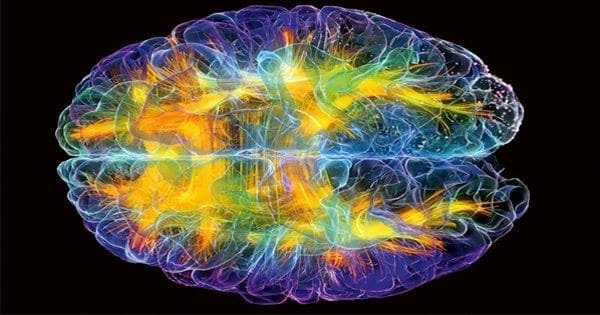
More than just confirming once again that adjusting the spine has an effect on the brain, this study indicates that adjustments impact the function of the prefrontal cortex. Haavik is particularly excited about what this implies:
�The latest study suggests that the changes that we do see in the brain when we adjust the spine do occur in the prefrontal�cortex. That part of the brain is like the conductor in the brain.� The research shows that�when we adjust the spine, we significantly increase activity in the prefrontal cortex. �The study showed a change in brain function by almost 20% on average�. The prefrontal cortex is the area in the brain where higher learning and�cognition happens. Haavik explains:
�An effect on the function of the prefrontal cortex could explain many previous research results, such as improvements in sensorimotor function relevant to falls-prevention; better joint-position sense in both the upper limb and the lower limb; improved muscle strength in lower limb muscles; better pelvic floor control; and better ability to carry out mental rotation of objects.� Chiropractors have long observed a wide variety of changes in the people under their care following adjustments. Along the wide spectrum of claims from those under care are those who say they feel better or focus better and those who notice improvements in movement and coordination. This study takes us a little further down the path of understanding why this could be.
These are important control mechanisms run by the prefrontal cortex. For example,�joint position sense is the brain�s ability to know where the arms and legs are in space. And mental rotation is important, because as Haavik explains:
�Being able to accurately perceive the world around you is a vital skill we need all day every day. To recognize some objects you may need to mentally rotate them. For example to recognize the letter p versus b if they were not upright you would need to rotate them in your mind to figure out which letter it was. We all do mentally rotate shapes and objects we see, but we may not often think about that we do it, or how important this is in our daily life.�
Haavik and her team are excited about the evidence regarding the location of changes post-adjustment.
�THIS IS SOLID SCIENTIFIC EVIDENCE THAT ADJUSTING THE SPINE CHANGES THE WAY THE PREFRONTAL CORTEX OF THE BRAIN IS PROCESSING INFORMATION FROM THE ARM. IT DEMONSTRATES WE CHANGE THE WAY THE BRAIN WORKS AND SHOWS THAT SPINAL FUNCTION IMPACTS BRAIN FUNCTION. ONE OF THE MOST INTERESTING THINGS ABOUT THE CHANGES WE OBSERVED WAS THAT THE PREFRONTAL CORTEX IS RESPONSIBLE FOR BEHAVIOR, GOAL DIRECTED TASKS, DECISION MAKING, MEMORY AND ATTENTION, INTELLIGENCE, PROCESSING OF PAIN AND EMOTIONAL RESPONSE TO IT, AUTONOMIC FUNCTION, MOTOR CONTROL, EYE MOVEMENTS AND SPATIAL AWARENESS.�
If, as this research suggests, adjusting improves prefrontal cortex activity, a part of the brain that is responsible for just so much higher level function, then what does this mean in terms of chiropractic�s impact on things like�behavior, decision making, memory and attention, intelligence, processing of pain and emotional response to it, autonomic function, motor control, eye movements and spatial awareness?
We already know that adjustments cause improvements in sensorimotor function relevant to falls-prevention; better joint-position sense in both the upper limb and the lower limb; improve muscle strength in lower limb muscles; better pelvic floor control; and better ability to carry out mental rotation of objects.
Why This Study Matters
Again, this study not only shows that when we adjust subluxations we change brain function. It changes�activity by 20% just by adjusting.
And this effect may be on the conductor in the brain. This shows us that every time we�re adjusting someone, we�re having a big, positive effect on the brain. And a brain that�s functioning differently and conducting its activities better is sure to have an effect on the body.
Download a Poster
Keen to share�these amazing results with the people under your care in your practice?�Download a Poster�to use in practice.
What�s Next
The project�involved collaboration with researchers from Denmark, Canada and Australia. We are proud to be able to facilitate studies like this one, as they help back our profession with peer-reviewed certainty.
Getting the word out to people in your practice is imperative. Knowledge is powerful, not just for chiropractors but for those whose lives have been touched by the power of chiropractic care. Too often, they know it works but they don�t know why.
Dr. Alex Jimenez D.C.,C.C.S.T’s insight:
Once again research shows adjusting the spine has an effect on the brain. This study indicates that adjustments impact the function of the prefrontal cortex.�For Answers to any questions you may have please call Dr. Jimenez at 915-850-0900
Being overweight or obese is assumed to be the primary factor for people to develop type 2 diabetes. Excess weight is generally associated with insulin resistance and diabetes, however, it�s this insulin resistance, not the excess weight, which can cause the disease to develop.
Because of this, many individual�s who maintain a healthy weight may not necessarily be metabolically healthy, which can in turn increase the risk of diseases, such as type 2 diabetes, regardless if they�re overweight or obese. According to researchers from the University of Florida, one of the greatest risk factors for developing type 2 diabetes is actually inactivity, which can increase the risk or pre-diabetes even if you have a healthy weight.
Dr. Alex Jimenez D.C.,C.C.S.T�s insight:
Type 2 diabetes is commonly described to develop in overweight or obese individuals, however, recent research studies have demonstrated that slim, healthy people are also at risk of developing the disease. In fact, a sedentary lifestyle has been linked to be the major factor behind the development of type 2 diabetes in American adults. For more information, please feel free to ask Dr. Jimenez or contact us at (915) 850-0900.
Injuries to the muscles and ligaments around the hip affect both competitive and recreational athletes. These injuries can interfere significantly with sports enjoyment and performance levels, and they occasionally will end participation completely. Excessive pronation and poor shock absorption have been found to be an underlying cause or a contributing factor for many leg injuries.1 Functional orthotics which have been custom-fitted to improve the biomechanics of the feet and reduce the extent of pronation can help to prevent many sport-related leg injuries.
Lower Extremity Problems in Athletes
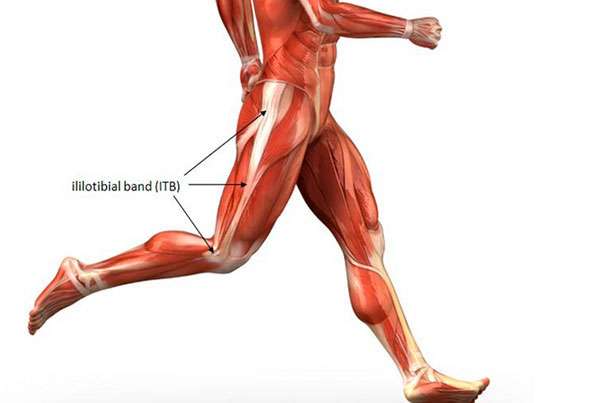
One study looked at the foot biomechanics of athletes who reported a recent foot or leg injury and compared them to an uninjured control group.2 The researchers determined that those athletes with more foot pronation had a much greater statistical probability of sustaining one of five leg injuries, including iliotibial band syndrome (which is due to excessive tightness of the hip abductor muscles). This study helps us understand how providing appropriate functional foot orthotic support to patients who are involved in sports or recreational activities lowers their likelihood of developing both traumatic and overuse hip injuries.
In this paper, sixty-six injured athletes who ran at least once a week, and who had no history of traumatic or metabolic factors, were the study group. Another control group of 216 athletes were matched who did not have any symptoms of lower extremity injuries. The amount of pronation during standing and while running at �regular speed� was determined by measuring the angles of their footprints.3 The investigators found a significant correlation: Those athletes with more pronation had a much greater likelihood of having sustained one of the overuse athletic injuries.
Hip and Thigh Injuries
Many injuries experienced at the hip develop from poor biomechanics and gait asymmetry, especially when running. Smooth coordination of the muscles that provide balance and support for the pelvis is needed for optimum bipedal sports performance. This includes the hamstring muscles and the hip abductor muscles, especially the tensor fascia lata (the iliotibial band). When there is a biomechanical deficit from the feet and ankles, abnormal motions (such as excessive internal rotation of the entire leg) will predispose to pulls and strains of these important support muscles. The hamstrings (comprised of the biceps femoris, semimembranosus, and semitendinosus muscles) are a good example.
During running, the hamstrings are most active during the last 25% of the swing phase, and the first 50% of the stance phase.4 This initial 50% of stance phase consists of heel strike and maximum pronation. The hamstring muscles function to control the knee and ankle at heel strike and to help absorb some of the impact. A recent study has shown a significant decrease in electromyographic activity in the hamstrings when wearing orthotics.5 In fact, these investigators found that the biceps femoris (which is the most frequently injured of the three hamstring muscles) had the greatest decrease in activity of all muscles tested, including the tibialis anterior, the medial gastrocnemius, and the medial and lateral vastus muscles. The scientists in this study theorized that the additional support from the orthotics helped the hamstrings to control the position of the calcaneus and knee, so there was much less stress into the hip joint and pelvis.
Excessive Pronation and Hip Injuries
Using functional orthotics to correct excessive pronation and to treat hip problems requires an awareness of the various problems that can develop. The following is a list of the pathologies that are seen in the hip and pelvis secondary to pronation and foot hypermobility:7
Iliotibial band syndrome����������������� Tensor fascia lata strain
Trochanteric bursitis����������������������� Hip flexor muscle strain
Piriformis muscle strain������������������ Hip adductor muscle strain
Hip joint capsulitis��������������������������� Anterior pelvic tilt
These conditions will develop much more easily in athletes, who push their musculoskeletal systems, and who seek more efficient and effective functional performances.
In 2002, researchers at Logan College of Chiropractic recruited a total of 40 male subjects that demonstrated bilateral pes planus or hyperpronation syndrome. Subjects were cast for custom made orthotics; their right and left Q-angles were measured with and without the orthotic in place. Thirty-nine of 40 test subjects showed reduced Q-angle, which was in the direction of correction, suggesting that wearing orthotics can improve stability and levelness of the pelvis, thus protecting the body to some degree from hip injury.8
Conclusion
Excessive pronation and/or poor shock absorption have been shown to be an associated or causative factor in many leg injuries � from the foot itself, up the lower leg to the knee, thigh, and into the hip joint. The good news is that many of these conditions can be prevented with custom-fitted functional orthotics. Evaluation of foot biomechanics is a good idea in all patients, but is especially necessary for those who are recreationally active, or for anyone who has experienced hip problems.
To avoid potentially disabling hip injuries, competitive athletes must have regular evaluations of the alignment and function of their feet. Additional preventive measures include wearing well-designed and solidly-constructed shoes. When athletes are provided with custom-fitted functional orthotics, it can help prevent arch breakdown and biomechanical foot problems, and also treat numerous injuries of the lower extremities, including the hip joints.
Dr. Alex Jimenez D.C.,C.C.S.T’s insight:
Many injuries experienced at the hip develop from poor biomechanics and gait asymmetry, especially when running. Smooth coordination of the muscles that provide balance and support for the pelvis is needed for optimum bipedal sports performance. For Answers to any questions you may have please call Dr. Jimenez at 915-850-0900
Over 3 million people in the United States have been diagnosed with type I diabetes. This disorder is considered an auto-immune condition where the immune system destroys the insulin producing Beta cells of the pancreas. A new case study showed how chiropractic adjustments dramatically improved a 4 year old child�s ability to manage this disorder.
A large UK study has revealed that type 1 diabetes has increased 5-fold in children less than 5 years of age between the years of 1985 and 2004. During those same years there was a doubling in children under 15 years of age being diagnosed with type I diabetes. Studies in other European countries and the US have shown similar results.
Environmental Risk Factors
The most common risk factors include exposure to environmental toxins and other stressors. The list of toxins includes pesticides, herbicides, and household cleaning agents. Additionally, food allergens such as pasteurized cow�s milk, gluten and processed soy, peanuts, & eggs are thought to be possible triggers. Low maternal and infant vitamin D3 levels and less than 6 months of breast feeding appear to be very serious risk factors as well. Birth trauma affecting the upper cervical spine has been hypothesized as a risk factor by some experts.
A recent case study published in the November 2011 edition of the Journal of Pediatric, Maternal, & Family Health documents a case of a 4 year old child, who had terrific results stabilizing her blood sugar through chiropractic care.
The child�s mother described her as being a very healthy baby, who was not vaccinated at all and was breastfed for a full 12 months. She was officially diagnosed with type I diabetes at 2 years of age. The family ate a healthy, whole food based diet and avoided processed foods and other environmental toxins.
Understanding the role of Neuroendoimmunology
The nervous, endocrine and immune system are hardwired and work together to create optimal responses for the body to adapt and heal appropriately. The new study of neuroendoimmunology looks closely at this intimate relationship between bodily systems.
Neural dysfunctions due to spinal subluxations are stressful to the body and cause abnormal changes that lead to a poorly coordinated immune response. Chiropractic adjustments have been shown to reduce subluxations and boost the coordinated responses of the nervous, endocrine, and immune systems.
The patient was diagnosed with spinal subluxations in the upper cervical region. She began chiropractic care and was seen a total of 24 times over a 2 month period. During this 2 month period, she experienced a decrease in hemoglobin A1C from 7.2% to 6.5%. She also decreased the amount of insulin used from 15 units to 11 units per day.
These results are quite remarkable because the literature states that intensive medical treatment of type I diabetes often does not succeed in lowering A1C levels under 7.0%. Chiropractic care works by optimizing the neural connections throughout the body.
This enhanced brain-body connection works to better coordinate immunity and hormone function throughout the body. This improvement in type I diabetes management is most likely a result of better cellular communication.
Over 3 million people in the United States have been diagnosed with type I diabetes.�A new case study showed how chiropractic adjustments dramatically improved the ability to manage this disorder.�For Answers to any questions you may have please call Dr. Jimenez at 915-850-0900
We are very excited to announce that another Spinal Research Foundation facilitated research has been published in a highly reputable journal.�The study, undertaken by Heidi Haavik, Kelly Holt, Bernadette Murphy and others is�published in the�Journal of Neural Plasticity. And the results are very exciting for chiropractic!
The�Journal of Neural Plasticity boasts an impact factor of 3.5 (as a comparison, The Journal of Manipulative and Physiological Therapeutics has an impact factor of 1.5.)
This from Heidi Haavik:
�WE DO KNOW THAT SPINAL FUNCTION DOES AFFECT BRAIN FUNCTION.�THERE�S NOW SOLID EVIDENCE THAT ADJUSTING THE SPINE CHANGES BRAIN FUNCTION. THIS IS THE FOURTH TIME THAT THE EFFECT OF ADJUSTING THE SPINE HAS ON THE BRAIN HAS BEEN STUDIED. THIS LAST TIME IT WAS STUDIED AND CONFIRMED BY AN INDEPENDENT MEDICAL RESEARCHER.�
This study�was conducted�in an independent medical professor�s lab, where his bioengineer collected and analyzed the data. This is an important�bonus for this study ��that all data was collected and analyzed by scientists who had no preconceived ideas about chiropractic.�This greatly�lowers the level of bias.��These were scientists from Aalborg University Hospital in Denmark.
A Vitally Important Implication
More than just confirming once again that adjusting the spine has an effect on the brain, this study indicates that adjustments impact the function of the prefrontal cortex. Haavik is particularly excited about what this implies:
�The latest study suggests that the changes that we do see in the brain when we adjust the spine do occur in the prefrontal�cortex. That part of the brain is like the conductor in the brain.�
The research shows that�when we adjust the spine, we significantly increase activity in the prefrontal cortex. �The study showed a change in brain function by almost 20% on average�. The prefrontal cortex is the area in the brain where higher learning and�cognition happens. Haavik explains:
�An effect on the function of the prefrontal cortex could explain many previous research results, such as improvements in sensorimotor function relevant to falls-prevention; better joint-position sense in both the upper limb and the lower limb; improved muscle strength in lower limb muscles; better pelvic floor control; and better ability to carry out mental rotation of objects.�
Chiropractors have long observed a wide variety of changes in the people under their care following adjustments. Along the wide spectrum of claims from those under care are those who say they feel better or focus better and those who notice improvements in movement and coordination. This study takes us a little further down the path of understanding why this could be.
These are important control mechanisms run by the prefrontal cortex. For example,�joint position sense is the brain�s ability to know where the arms and legs are in space. And mental rotation is important, because as Haavik explains:
�Being able to accurately perceive the world around you is a vital skill we need all day every day. To recognize some objects you may need to mentally rotate them. For example to recognize the letter p versus b if they were not upright you would need to rotate them in your mind to figure out which letter it was. We all do mentally rotate shapes and objects we see, but we may not often think about that we do it, or how important this is in our daily life.�
Haavik and her team are excited about the evidence regarding the location of changes post-adjustment.
�THIS IS SOLID SCIENTIFIC EVIDENCE THAT ADJUSTING THE SPINE CHANGES THE WAY THE PREFRONTAL CORTEX OF THE BRAIN IS PROCESSING INFORMATION FROM THE ARM. IT DEMONSTRATES WE CHANGE THE WAY THE BRAIN WORKS AND SHOWS THAT SPINAL FUNCTION IMPACTS BRAIN FUNCTION. ONE OF THE MOST INTERESTING THINGS ABOUT THE CHANGES WE OBSERVED WAS THAT THE PREFRONTAL CORTEX IS RESPONSIBLE FOR BEHAVIOR, GOAL DIRECTED TASKS, DECISION MAKING, MEMORY AND ATTENTION, INTELLIGENCE, PROCESSING OF PAIN AND EMOTIONAL RESPONSE TO IT, AUTONOMIC FUNCTION, MOTOR CONTROL, EYE MOVEMENTS AND SPATIAL AWARENESS.�
If, as this research suggests, adjusting improves prefrontal cortex activity, a part of the brain that is responsible for just so much higher level function, then what does this mean in terms of chiropractic�s impact on things like�behavior, decision making, memory and attention, intelligence, processing of pain and emotional response to it, autonomic function, motor control, eye movements and spatial awareness?
We already know that adjustments cause improvements in sensorimotor function relevant to falls-prevention; better joint-position sense in both the upper limb and the lower limb; improve muscle strength in lower limb muscles; better pelvic floor control; and better ability to carry out mental rotation of objects.
Why This Study Matters
Again, this study not only shows that when we adjust subluxations we change brain function. It changes�activity by 20% just by adjusting.
And this effect may be on the conductor in the brain.
This shows us that every time we�re adjusting someone, we�re having a big, positive effect on the brain. And a brain that�s functioning differently and conducting its activities better is sure to have an effect on the body.
Download a Poster
Keen to share�these amazing results with the people under your care in your practice?�Download a Poster�to use in practice.
What�s Next
The project�involved collaboration with researchers from Denmark, Canada and Australia.
We are proud to be able to facilitate studies like this one, as they help back our profession with peer-reviewed certainty.
Getting the word out to people in your practice is imperative. Knowledge is powerful, not just for chiropractors but for those whose lives have been touched by the power of chiropractic care. Too often, they know it works but they don�t know why.
Once again research shows adjusting the spine has an effect on the brain. This study indicates that adjustments impact the function of the prefrontal cortex.�For Answers to any questions you may have please call Dr. Jimenez at 915-850-0900
Injuries to the muscles and ligaments around the hip affect both competitive and recreational athletes. These injuries can interfere significantly with sports enjoyment and performance levels, and they occasionally will end participation completely. Excessive pronation and poor shock absorption have been found to be an underlying cause or a contributing factor for many leg injuries. Functional orthotics which have been custom-fitted to improve the biomechanics of the feet and reduce the extent of pronation can help to prevent many sport-related leg injuries.
Lower Extremity Problems in Athletes
One study looked at the foot biomechanics of athletes who reported a recent foot or leg injury and compared them to an uninjured control group. The researchers determined that those athletes with more foot pronation had a much greater statistical probability of sustaining one of five leg injuries, including iliotibial band syndrome (which is due to excessive tightness of the hip abductor muscles).
This study helps us understand how providing appropriate functional foot orthotic support to patients who are involved in sports or recreational activities lowers their likelihood of developing both traumatic and overuse hip injuries.
In this paper, sixty-six injured athletes who ran at least once a week, and who had no history of traumatic or metabolic factors, were the study group. Another control group of 216 athletes were matched who did not have any symptoms of lower extremity injuries. The amount of pronation during standing and while running at �regular speed� was determined by measuring the angles of their footprints. The investigators found a significant correlation: Those athletes with more pronation had a much greater likelihood of having sustained one of the overuse athletic injuries.
Hip and Thigh Injuries
Many injuries experienced at the hip develop from poor biomechanics and gait asymmetry, especially when running. Smooth coordination of the muscles that provide balance and support for the pelvis is needed for optimum bipedal sports performance. This includes the hamstring muscles and the hip abductor muscles, especially the tensor fascia lata (the iliotibial band). When there is a biomechanical deficit from the feet and ankles, abnormal motions (such as excessive internal rotation of the entire leg) will predispose to pulls and strains of these important support muscles. The hamstrings (comprised of the biceps femoris, semimembranosus, and semitendinosus muscles) are a good example.
During running, the hamstrings are most active during the last 25% of the swing phase, and the first 50% of the stance phase. This initial 50% of stance phase consists of heel strike and maximum pronation. The hamstring muscles function to control the knee and ankle at heel strike and to help absorb some of the impact. A recent study has shown a significant decrease in electromyographic activity in the hamstrings when wearing orthotics. In fact, these investigators found that the biceps femoris (which is the most frequently injured of the three hamstring muscles) had the greatest decrease in activity of all muscles tested, including the tibialis anterior, the medial gastrocnemius, and the medial and lateral vastus muscles. The scientists in this study theorized that the additional support from the orthotics helped the hamstrings to control the position of the calcaneus and knee, so there was much less stress into the hip joint and pelvis.
Excessive Pronation and Hip Injuries
Using functional orthotics to correct excessive pronation and to treat hip problems requires an awareness of the various problems that can develop. The following is a list of the pathologies that are seen in the hip and pelvis secondary to pronation and foot hypermobility:
Iliotibial band syndrome����������������� Tensor fascia lata strain
Trochanteric bursitis����������������������� Hip flexor muscle strain
Piriformis muscle strain������������������ Hip adductor muscle strain
Hip joint capsulitis��������������������������� Anterior pelvic tilt
These conditions will develop much more easily in athletes, who push their musculoskeletal systems, and who seek more efficient and effective functional performances.
In 2002, researchers at Logan College of Chiropractic recruited a total of 40 male subjects that demonstrated bilateral pes planus or hyperpronation syndrome. Subjects were cast for custom made orthotics; their right and left Q-angles were measured with and without the orthotic in place. Thirty-nine of 40 test subjects showed reduced Q-angle, which was in the direction of correction, suggesting that wearing orthotics can improve stability and levelness of the pelvis, thus protecting the body to some degree from hip injury.
Conclusion
Excessive pronation and/or poor shock absorption have been shown to be an associated or causative factor in many leg injuries � from the foot itself, up the lower leg to the knee, thigh, and into the hip joint. The good news is that many of these conditions can be prevented with custom-fitted functional orthotics. Evaluation of foot biomechanics is a good idea in all patients, but is especially necessary for those who are recreationally active, or for anyone who has experienced hip problems.
To avoid potentially disabling hip injuries, competitive athletes must have regular evaluations of the alignment and function of their feet. Additional preventive measures include wearing well-designed and solidly-constructed shoes. When athletes are provided with custom-fitted functional orthotics, it can help prevent arch breakdown and biomechanical foot problems, and also treat numerous injuries of the lower extremities, including the hip joints.
Many injuries experienced at the hip develop from poor biomechanics and gait asymmetry, especially when running. Smooth coordination of the muscles that provide balance and support for the pelvis is needed for optimum bipedal sports performance. For Answers to any questions you may have please call Dr. Jimenez at 915-850-0900
IFM's Find A Practitioner tool is the largest referral network in Functional Medicine, created to help patients locate Functional Medicine practitioners anywhere in the world. IFM Certified Practitioners are listed first in the search results, given their extensive education in Functional Medicine