Living with chronic back or neck pain can lead to depression, feelings of worry, nervousness, hopelessness, as well as other mental health-associated symptoms. Your pain medicine physician or your back specialist may refer you to a psychologist or psychiatrist. Referring you doesn�t mean your physician believes your pain is all in your mind! Rather, he/she is taking an optimistic step in treating you as a whole individual � by treating both the physical and psychological pain.
Chronic Neck &�Back�Pain Is Complicated
As someone living with chronic pain caused spondylosis, degenerative disc disease, spinal cord injury or some other back problem, you understand pain is a complicated issue, and treatment requires the expertise of a spine�specialist. Perhaps your pain management plan features a blend of treatments � medication for neuropathic pain, a periodic epidural spinal shot, a muscle relaxant, or physical therapy. Treatment of stress, nervousness, and depression (there are various types) needs the same level of expertise but from somebody who focuses on managing mental health problems.
Depression & Chronic Pain
Are you aware that depression and chronic pain often go together? Depression is a critical condition, and nothing to be embarrassed of. It has been reported that as many as 50% of individuals with chronic pain are depressed.1 So, if you are depressed, you’re far from being alone.
The signs and symptoms of depression can manifest themselves differently in each individual, but tiredness, sleep disruption, changes in eating habits, listlessness, and feelings of hopelessness are all quite common. Aches and pains are a very common symptom of depression notably, depression can lead directly to neck and long-term back pain.
Treating Depression & Pain
Two classes of antidepressants often used to treat depression in those that experience chronic pain are selective serotonin reuptake inhibitors (SSRIs) and serotonin and norepinephrine reuptake inhibitors (SNRIs). Generally prescribed SSRIs include and fluoxetine (Prozac) and sertraline (Zoloft), whereas usually prescribed SNRIs include duloxetine (Cymbalta) and venlafaxine (Effexor). These drugs have now been demonstrated to be effective and safe for handling depression in the context of continual pain, but like all medicines, they come with some risk of unwanted effects. As always, be sure to go over these drugs in detail together with your physician before beginning any treatment regimen that includes them, and inform your physician of all of the medicines (including over the counter medicines), herbal remedies, and nutritional supplements you’re currently taking so as to avoid any negative drug interactions.
Moreover, or in addition to medications, other types of treatment may include:
Talk therapy, more officially called cognitive behavioral therapy (CBT). The focus of CBT is to help the individual manage their situation and may include learning how to problem solve, thus engaging the individual to alter specific thought patterns to your more positive outlook, and conquering�fears.
Practice relaxation techniques such as meditation or breathing exercises.
Routine exercise might help curb feelings of worry, stress as well as depression. Exercise causes the entire body to release endorphins, which can cause you to feel much better and may reduce pain perception too.
Call Today!
Reference
1. Tartakovsky M. Living with chronic pain and melancholy. PsychCentral.com. http://psychcentral.com/lib/living-with-chronic-pain-and-depression/. Got July 30, 2015.
Whiplash is�a common injury, annually affecting about 2 million individuals within the U.S. Generally due to a car accident, whiplash also can be a consequence of falling, engaging in sports &�being shaken or punched.
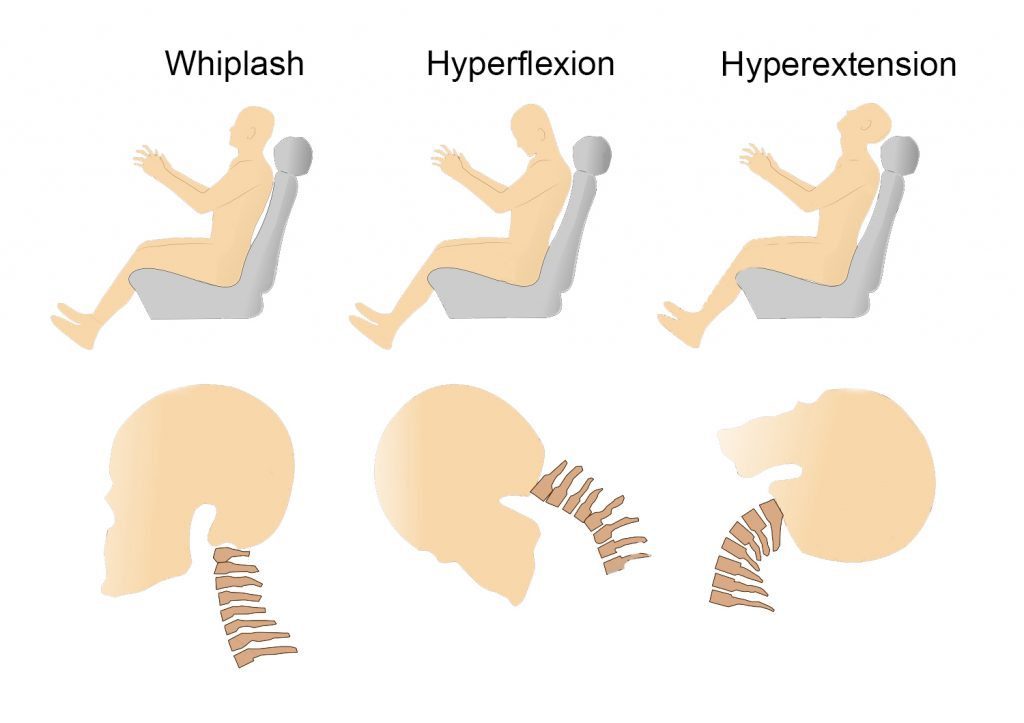
Whiplash may be the common term�for�neck damage or stress caused by hyperextension (see image below) and hyperflexion (see image below). It frequently does not cause immediate symptoms: over-time, it might produce actually. Since whiplash could cause long-lasting results to the back, it is vital that you see your physician if you have been injured, even if you don�t have pain.
The cervical spine (throat) is really a sophisticated structure consists of vertebrae (spinal bones), intervertebral disks (behave as shock absorbers), muscles, ligaments, and nerves. The throat is is flexible and will move it different guidelines (jerk, swivel) while supporting the total weight of the head. However, that mobility can make the throat at risk of injury. Throughout a whiplash event, your throat goes swiftly and vigorously backward and forward. Pain can continue despite the injury itself has healed.
Whiplash can result in reduced productivity, temporary impairment, and perhaps substantial medical expenses.
Not Just Pain In The Neck
A person with whiplash’s chief criticism is upper back pain or neck pain. Other symptoms may include:
Pain
Stiffness
Pain within the arm and/or shoulder that may expand to the hand(s).
Paresthesias (including numbness or tingling) and/or weakness that’ll expand into the hand(s).
Headache
You might possibly experience dizziness, nausea, ringing�in the ears, weakness, jaw pain, and blurred vision.
A Condition With�An Impact
The most frequent cause of whiplash is definitely a car accident in which the person�s vehicle (often stopped) is rear-ended by another car or truck. Because of this, the neck’s bones are forced�into a hyperextended position, while the upper vertebrae are hyperflexed, leading to an unusual S-shaped curve. This cycle typically damages the delicate tissues (structures, tendons, muscles) of the neck.
How Do I Realize I Have Whiplash?
Your doctor works a neurological and physical exam and carefully reviews your medical history. Because x rays don�t show injuries to delicate tissues, a CT (computerized tomography) scan or MRI (magnetic resonance imaging) could be executed.
What Does Treatment Involve?
Treatment is determined by the extent and level of the whiplash, and factor is given to general health and your age. Initial therapy can include:
Short term rest (a day or two)
Ice, for first day or two; then alternate ice and temperature
Gentle�range-of-motion exercises
Anti-inflammatory drugs (over-the-counter or prescription)
Muscle relaxants
*When using ice, make certain the cool source is draped in a towel to safeguard your skin area. Don’t apply ice for longer than 15 minutes at a time.
If your pain does not disappear inside a reasonable timeframe, or when it is serious, your doctor may recommend trigger-point injections, physical treatment, chiropractic, massage, acupuncture, and/or use of a transcutaneous electrical nerve stimulation (TENS) device.
Soft�collars, although once trusted for whiplash, are not employed so frequently anymore, since by immobilizing the neck, the muscles can weaken and delay recovery.
Surgery is rarely warranted by whiplash. If your pain persists even after you’ve undergone nonsurgical treatment, your doctor might advise surgery, according to what structures have already been injured and how serious the harm is. It is vital that you understand the risks carried with surgery. Thus, you should have a thorough conversation with your doctor.
Call Today!
Sources
Whiplash. Mayo Clinic. http://www.mayoclinic.org/disorders-situations/whiplash/basics/meaning/con-20033090.
Back pain is one of the most common complaints reported by a majority of the population. Affecting many people temporarily or for an extended period of time at least once throughout their lifetime, back pain is generally the result of trauma from an accident, injury or due to an aggravated medical condition. But, can an improper diet based on refined sugar and processed fat cause back pain?
Researchers from Rensselaer Polytechnic Institute and the Icahn School of Medicine believe that consuming an excess amount of these foods can cause inflammation in the body which may gradually degenerate the intervertebral discs, cartilaginous joints found between each vertebrae that act as shock absorbers and ligaments for all the movements of the spine. The degeneration of these structures may lead to back pain and other spinal complications.
Furthermore, an improper nutrition is also associated with the development of type 2 diabetes, another factor which may cause changes to the spine that could also lead to back pain and other painful symptoms.
�We hope to identify reasons why diabetes and poor diet can result in age-accelerated spinal pathologies,� declared co-investigator Deepak Vashishth, PhD, Professor of Biomedical Engineering and Director of the Center for Biotechnology & Interdisciplinary Studies at Rensselaer Polytechnic Institute in Troy, NY. �If we identify specific molecules necessary in this process, we can use this information to develop future treatments to slow or prevent these degeneration processes.�
Poor Nutrition Damages Essential Molecules
The researchers developed the research study because there are several safe, effective and minimally invasive treatments available to help improve the symptoms of back pain. The purpose of the evaluation was to determine what exactly happens in the body, as a result of an improper diet, to cause the degeneration of the intervertebral discs and eventually back pain. The study was also designed to provide them with additional information on how they could prevent or avoid this process from occurring in the first place.
Investigator James Iatridis, PhD, Professor and Vice Chair for Research in the Department of Orthopaedics at the Icahn School of Medicine at Mount Sinai in New York City explained, “Basic science studies on mice suggest a possible connection between diets high in advanced glycation end products, or AGEs, type 2 diabetes and spinal degeneration but this association has never before been proven.”
Advanced glycation end products, or AGEs, are proteins or lipids which become damaged as a result of being coated in excess sugars. Evidence suggests that a diet high in processed foods, such as fried foods, plays a huge role in the development of AGEs. In addition, research has demonstrated that the formation of advanced glycation end products over a period of time can cause tissues and other structures of the body to deteriorate, increasing inflammation which could lead to the degeneration of the intervertebral discs in the spine as well as contribute to the development of other diseases, including diabetes, atherosclerosis and Alzheimer’s disease.
Type 2 Diabetes and Back Pain
Moreover, Investigator James Iatridis, PhD, and his team began investigation the relation between type 2 diabetes and spinal degeneration. The disease is commonly referred to as an age-related condition, because it is believed to accelerate the cell aging process in many humans. “Studies have also shown that individuals with diabetes experience poorer recovery outcomes after spine surgery than those without diabetes,” he added.
In the first section of the project, researchers at Mount Sinai raised a group of mice on a diet focused on foods high in AGEs, similar to a human’s fast food diet. The research study also included both regular mice and mice genetically modified to reduce their ability to get rid of AGEs in their body. This was utilized to allow researchers to see whether the mice experienced disc degeneration or developed changes in the vertebrae of the spine to prove if advanced glycation end products play a key role in these degenerative alterations.
At Rensselaer, researchers would analyze how tissue and other structures from healthy intervertebral discs compared to that of degenerated intervertebral discs. Essentially, they were to study whether a drug that blocks the effects of a diet high in AGEs could provide protection against the degeneration of the structures of the spine in mice.
In conclusion, studying the tissue of humans can be challenging because people lead very complicated lifestyles with a variation of more than simply a diabetes status. These differences make it difficult to directly identify whether an improper diet and type 2 diabetes can actually cause back complications using only human research studies. Findings in both mice and human studies would support a link between diet, diabetes and spinal degeneration.
The study is funded by the National Institutes of Health. Findings will be published periodically over 5 years with the study concluding in 2021.
Make sure to consult a healthcare professional regarding any nutritional and/or medical concerns you may have before attempting and/or following any of the techniques listed above to avoid injury and/or complications.
For more information, please feel free to ask Dr. Jimenez or contact us at 915-850-0900 .
By Dr. Alex Jimenez
Whole Body Wellness
Overall health and wellness can be achieved by following a proper nutrition and engaging in regular exercise and/or physical activities. While these are some of the most common ways to ensure whole body health and wellness, visiting a qualified and experienced healthcare professional can also grant your body additional benefits. Chiropractic care, for instance, is a safe and effective alternative treatment option utilized by people to maintain well-being.
Sky Logan and Dylan Parsee accounted for two sacks each, and the UTEP defense tallied seven altogether in Wednesday�s spring scrimmage in the Sun Bowl.
�The defense was flying around and they got after it,� UTEP coach Sean Kugler said.���They put a lot of pressure on the quarterback.��Parsee had a good day.��Devin Cockrell was flying all over the field.��He had an interception and a couple of tackles for losses.��He was a physical presence out there.��He sparks the defense.�
Stephen Forester, Adrian Hynson and Lawrence Montegut added one sack apiece as the Miner stop troops turned in a spirited performance in a rare mid-week scrimmage.
�We just wanted to mix it up, change it up a little bit and get after them and set a good tempo right here, and probably wanted to space it out before we had our spring game,� Kugler said.
The Miner spring game will be held on Friday, April 14 at 6 p.m. in the Sun Bowl.��Admission is free.
Another defensive standout for UTEP on Wednesday was Mike Sota, who was credited with a team-leading five tackles.
The defense surrendered only one touchdown, as Mark Torrez completed a 40-yard pass to Kavika Johnson for a score.��Johnson is adjusting well to his new role at wide receiver as he tallied three catches for 45 yards.
Torrez finished 4-of-5 passing for 58 yards, and Ryan Metz was 6-for-9 for 40 yards with an interception.
The featured back on Wednesday was Ronald Awatt, who carried the ball 17 times for 42 yards.��Kevin Dove added 34 yards on seven rushes.
�Offensively, Kevin Dove really did some good things at fullback and tailback,� Kugler said.���I saw some good things out of Torrez and Kavika Johnson.��The tight ends did a couple of good things too.�
Newcomers David Lucero and Josh Weeks sparked the tight end contingent.�Lucero had two catches for 16 yards and Weeks added one catch for eight yards.
The Miners have three practices remaining prior to the spring game � Friday, Monday and Wednesday.��The spring game will feature a post-game autograph session with the UTEP seniors, as well as a free clinic for youth 13 and under.
Are you including enough probiotic-rich foods in your diet? Do you know that probiotics are not only essential for digestive health but for overall health?
In this article, we will learn all about probiotics and its benefits for overall health along with some best natural probiotic foods.
Let�s get started�
Probiotics:
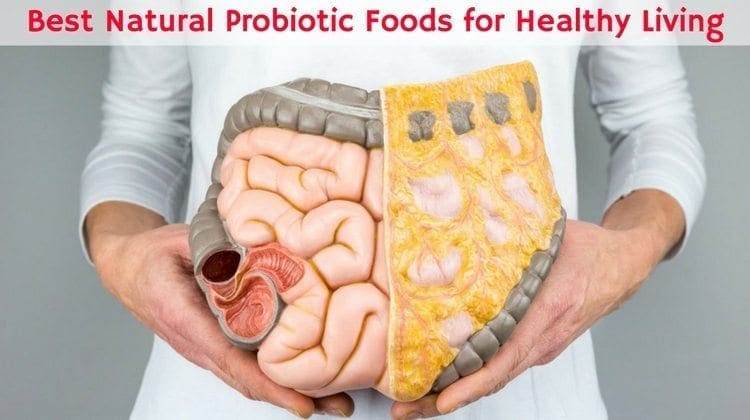
Probiotics are the good bacteria (or friendly bacteria) that line your gut and help in the absorption of nutrients from the food and thus boost up your immune system.
Digestive disorders, candida, frequent attack of cold and flu, autoimmune disease, skin problems, etc. are some side effects we will experience due to lack of enough probiotics.
In this modern world, due to unhealthy agricultural practices (little or no probiotics in food) and the intake of antibiotics for every health problem (kill the existing good bacteria). So, we have to include more probiotic-rich foods in our diet.
Types of Probiotics:
There are many types of probiotics that offer�different types of beneficial bacteria to help for the proper functioning of the body. Here are the 7 types of probiotics.
Lactobacillus Acidophilus
Lactobacillus Reuteri
Lactobacillus Bulgaricus
Streptococcus Thermophilus
Bifidobacterium Bifidum
Saccharomyces Boulardii
Bacillus Subtilis
Health Benefits of Probiotics:
Most people think that probiotics are essential for proper functioning of gut but there are unaware of other health benefits of consuming probiotic � rich foods. Here are some health benefits explained.
It improves digestion by restoring the natural balance of the gut bacteria and aids in getting rid of constipation or diarrhea and other digestive problems.
It strengthens your immune system and thus reduces the recurrence of cold, flu and other respiratory problems.
It is proven to be beneficial for treating candida yeast infection by killing the yeast fungus causing infection and also helps to reset the system for proper functioning.
It aids in weight loss by reducing the cholesterol levels.
It improves eczema and psoriasis to make your skin healthy and free from allergies and infections.
It reduces the abdominal bloating and flatulence (stomach gas) that caused by irritable bowel syndrome (IBS).
It increases the energy levels from the�production of vitamin B12. This beneficial bacteria helps to reduce the depression, promotes heart health, boost up your brain and body.
It effectively heals the leaky gut and also clears inflammatory bowel disease.
In some study, it is started that intake of probiotics will alter the mood, stress, anxiety and pain sensitivity.
After knowing about its health benefits, hope we�ll definitely consume the probiotic foods in your diet for grabbing these benefits.
Natural Probiotic � Rich Foods:
Here are the natural probiotic rich foods that have to be included in your diet to enjoy many health and skin benefits. Have a look at these foods.
1. Kefir:
Kefir (means � feeling good) is a fermented dairy product prepared with a unique combination of milk (cow�s or goat) and fermented kefir grains. It has a�tart flavor and slightly acid that has 10 � 34 strains of probiotics.
Kefir is fermented with more bacteria and yeast, which in turn makes it as a best natural product with a�rich content of probiotics. Enjoy kefir (prefer on an empty stomach) or add it to smoothie or cereal instead of milk.
You can also find coconut kefir that made by fermenting the juice of young coconuts with kefir grains. It is a diary free option that contains several strains of probiotics. You can drink it by adding a little of stevia, water, and lemon juice to enhance its favor.
Note: Intestinal cramping and constipation will be experienced when starting the intake of kefir. So, begin with 1/8 cup and gradually increase it to 1 � 2 cups of kefir per day. But it is suggested to take a break of one day after completing each week.
2. Yogurt:
Yogurt with live and active cultures is an excellent source of probiotics. Regular intake of yogurt will help for proper digestion and thereby promotes a healthy balance of microbes in the digestive system.
But be sure while choosing probiotic yogurt that it should be free from high fructose corn syrup and artificial flavors or sweeteners. Prefer only plain yogurt (or Greek yogurt) and add some fresh fruits in it while consuming.
3. Sauerkraut:
Sauerkraut is made from fermented cabbage and other vegetables. It is high in organic acids and thus makes the food to taste sour. It has a�variety of probiotics strains that supports the growth of good bacteria and improves the gut flora.
Do you know that intake of 2 ounces of homemade sauerkraut has more amount of probiotics rather than a bottle of 100 probiotic capsules? It is used as a�condiment in raw form without heating or cooking it. Avoid usage of excess amounts, as it causes harm for thyroid functioning.
4. Miso:
Miso is a traditional spice in Japan that used in many traditional foods. It is made by fermenting soybean, brown rice or barley with koji (fungus). This fermentation process takes from few days to few years to complete.
You can use miso to make soups, spread it on crackers or on toast or on freshly cooked corn, stews, use it instead of butter and other cooked dishes. You should use miso in moderation due to its high salt content.
5. Kimchi:
Kimchi is a cultured vegetable made from fermented cabbage and other vegetables (fermented with bacteria). It is a popular side dish in Korea and is served with steamed rice. It is spicy and used as a condiment that added to sandwiches, soups, and stir-fried dishes. Also, remember that not to overcook it, as it may lose the nutrients.
6. Tempeh:
Tempeh is made from fermented cooked soybeans that can be used as a replacement for meat in vegetarian meals. This fermentation process will turn the tempeh into a meaty loaf.
You can use steamed, baked or saut�ed and add it to your burgers, sandwiches, salads, stir fries, etc.
7. Kombucha:
Kombucha will help to restore the gut�s ecosystem and it can be prepared from starter bacteria and yeast. It has rich content of vitamins, enzymes, and organic acids that aids in proper digestion, promotes detoxification, treats arthritis, fights depression, boosts immunity and more.
You can drink 3 � 5 ounces of kombucha tea daily but over intake can result in upset stomach, nausea, yeast infections and allergic reactions.
Note: It is not recommended for the people who suffer from weakened immune system or children less than 5 years of age.
8. Sour Pickles:
Sour pickles which are naturally fermented are the excellent source of dairy free probiotics. You can go through this process to make your own sour pickle.
Take some pickling cucumbers and soak it in ice water for 30 minutes to clear the dirt.
Place it in a quart jar along with few garlic cloves, black peppercorns and a sprig of dill.
Now fill this jar with enough brine (salt water) till it covers the cucumbers.
Cover it with a cloth and let it sit aside for at least 3 days.
When the cucumbers soured properly then refrigerate the jar and check it daily to ensure that cucumbers remain submerged in brine.
Enjoy 1 � 2 ounces of cultured vegetables or sour pickles with each meal.
Note:
Also, use other vegetables like carrots, cabbage leaves, beets, green onions, bell peppers, broccoli, garlic, kale, etc. instead of cucumber.
Remember that sour pickles brined in vinegar don�t offer probiotic benefits.
9. Natto:
Natto is a fermented soybean product that has a�bacterial strain called bacillus subtilis, which helps for boosting your immune system. It is a Japanese dish that is mixed with rice or served with breakfast. It has rich of protein, vitamin K2, and probiotics that are essential for osteoporosis, digestive tract, and cardiovascular health.
10. Olives:
Brine-cured olives have the best source of probiotics why because the brine allows the probiotic cultures to thrive into it. Just like salted gherkin pickles, you have to select organic products and snack on that type of olives or add it to your pizza or salad.
Note: Check that your olives should not contain sodium benzoate.
Other Probiotic Foods:
Other probiotics foods that have to be included in your diet are listed below.
Traditional buttermilk (liquid left after making butter). You can also take milk that cultured with lactic acid bacteria.
Cheese that has live and active cultures (like raw, mozzarella, cottage cheese, Gouda, cheddar, etc.)
Micro-algae are an ocean�s super food that acts as prebiotic foods (which feeds and nourish the probiotics in the internal flora). Add it to your morning smoothies.
Sourdough Bread has lactobacillus that provides probiotics and makes you feel full for a longer time.
Include prebiotics like bananas, asparagus, legumes, oatmeal, honey, red wine, artichokes, maple syrup, etc. in your diet either alone or with probiotics foods.
Kvass is a traditional beverage in Eastern Europe that made by fermenting barley or rye. It has a�mild sour flavor that helps for blood and liver cleansing.
Apple cider vinegar (ACV) has probiotics. Drink ACV or use it as a salad dressing.
Soy milk products contain probiotics naturally.
Ginger ale, kombucha tea, water kefir soda, etc. will have enough of probiotics.
Dark chocolates help to maintain proper pH of the digestive tract and thereby provide probiotics.
As a last option, you can take probiotic supplements in capsules, powder, tablet or liquid forms. But be sure to consult your doctor before taking these supplements.
Include these probiotic-rich foods in your diet. What is your favorite probiotic food? Did you experience health benefits from taking probiotics? Share it with us in the below comments box.
One of the things I love most about our community at 2020 Fitness is how it cuts across so many demographics. People who may be unlikely to encounter each other in day-to-day life find themselves chatting and having a great time together in class. Chandler and John Moenius are a great example. Here’s Chandler’s 2020 Fitness story in her own words:
Who plans what their fitness activity is going to be in their sixties? Certainly not me. After all, when I was in my thirties, forties and even fifties, sixty seemed light years away. Then, suddenly, I was celebrating my 60th birthday and I decided it was time to get my act together. I always had been active, running when I could fit it in my schedule, even training for two marathons, and attending a bootcamp class for years, but CrossFit? I never dreamed I would set foot in a CrossFit gym, but when I realized my almost 90-year-old mother had lost six inches in height and could barely open a jar without help, I decided it was time to listen to the experts who were saying strength training and flexibility were necessary for successful aging.
I turned to 2020 Fitness since it was close to home, and convinced my husband, John, to go with me. I quickly saw that it was more about doing the workouts with correct form than how much weight I was lifting. While it has been rewarding to increase the weight on my bar and master some moves in the gym, the best part has been my increased flexibility. The coaching staff is so knowledgeable and they give personal attention to everyone in the class. It amazes me how they will remember the sore muscle I had a few days ago or that I struggled with a workout last week and will offer suggestions to work at mastering it the next time. Recently, a lifelong back issue reappeared one Monday morning. I went to class but the coaches quickly pulled me from the workout and had me spend the hour doing mobility exercises instead. I kept with this routine for four days and was able to resume the workout by Friday. Need I say more about the attention and expertise available?
While I’m sure I am pretty close to the oldest female at the gym, I’ve never felt like anyone was singling me out because of my age, and when I need to scale back a workout, the coaches are always willing to provide an alternative. The encouraging atmosphere lets me know that everyone is hoping I will succeed and wants to help me in any way to get there. The camaraderie is outstanding and spills across all age levels from middle school students to my 68-year-old husband. I’ve definitely found my fitness home and I’ve told the coaches many times that I’m not going anywhere. In fact, I plan to be in the pilot class for 90-year-olds in 2044!
We pride ourselves on being able to offer a productive, positive environment for people of all ages. In fact, this summer, we’re hosting a five-week day camp for kids 6 to 10. Check out our website for details and registration information.
This Sponsored Column is written by Jon Rowley of 2020 Fitness. 2020 Fitness provides a positive and fun fitness environment dedicated to improving the lives of its clients.
Parking yourself in front of the TV may make you as likely to develop dementia as people genetically predisposed to the condition, a Canadian study suggests. In a study of more than 1,600 adults aged 65 and older, those who led a sedentary life seemed to have the same risk of developing dementia as those who carried the apolipoprotein E (APOE) gene mutation, which increases the chances of developing dementia.
Conversely, people who exercised appeared to have lower odds of developing dementia than those who didn’t, the five-year study found.
“Being inactive may completely negate the protective effects of a healthy set of genes,” said lead researcher Jennifer Heisz, an assistant professor in the department of kinesiology at McMaster University in Hamilton, Ontario.
However, the study didn’t prove that lack of exercise caused dementia risk to increase. It only found an association between the two.
Prevalence of Dementia Due to Inactivity
The APOE mutation is the strongest genetic risk factor for vascular dementia, Lewy body dementia, Parkinson’s disease and, especially, Alzheimer’s disease, the researchers said. People with a single APOE “allele” may have a three to four times increased risk of dementia than non-carriers, the study authors said. How exercise may reduce the risk for dementia isn’t known, Heisz said.
These study results, however, suggest that your physical activity level can influence your dementia risk as much as your genetics, Heisz said. “You can’t change your genes, but you can change your lifestyle,” she added.
The kind of exercise that’s best isn’t known, although the people who were physically active in the study reported walking three times a week, Heisz said.
“Which means you don’t have to train like an Olympian to get the brain health benefits of being physically active,” she said.
The report was published Jan. 10 in the Journal of Alzheimer’s Disease.
Dr. Sam Gandy directs the Center for Cognitive Health at Mount Sinai Hospital in New York City. He said the study findings aren’t “really a surprise, but it is good to see it proven.” Other scientists showed some years ago that people with the APOE mutation could virtually erase the risk of developing amyloid plaques in the brain if they became regular runners, Gandy said. Amyloid plaques are one of the hallmark signs of Alzheimer’s.
“That was an amazing report that, I believe, has been underpublicized,” Gandy said.
However, this new study suggests that if you are blessed with genes that lower your risk for Alzheimer’s, you could lose that benefit if you don’t exercise, he said.
“I cannot understand why the fear of dementia is not sufficient to induce everyone to adopt a regular exercise program,” Gandy said. “I tell all my patients that if they leave with one, and only one, piece of advice, that the one thing that they can do to reduce their risk of dementia or slow the progression of dementia is to exercise,” he said.
About 47.5 million people around the world are living with dementia, the researchers said, and that number is expected to surge to 115 million by 2050. With no known cure, there’s an urgent need to explore, identify and change lifestyle factors that can reduce dementia risk, the study authors said.
SOURCES: Jennifer Heisz, Ph.D., assistant professor, department of kinesiology, McMaster University, Hamilton, Ontario, Canada; Sam Gandy, M.D., Ph.D., director, Center for Cognitive Health, Mount Sinai Hospital, New York City; Jan. 10, 2017, Journal of Alzheimer’s Disease
The scope of our information is limited to chiropractic and spinal injuries and conditions. To discuss options on the subject matter, please feel free to ask Dr. Jimenez or contact us at 915-850-0900 .
Additional Topics: Chiropractic Care for Older Adults
Chiropractic care is an alternative treatment option which focuses on the diagnosis, treatment and prevention of injuries and/or conditions associated with the musculoskeletal and nervous system, primarily the spine. Chiropractic utilizes spinal adjustments and manual manipulations to treat a variety of injuries and conditions. As people age, degenerative injuries and conditions can commonly occur. Fortunately, chiropractic treatment has been demonstrated to benefit older adults with spinal degeneration, helping to restore their original health and wellness.
IFM's Find A Practitioner tool is the largest referral network in Functional Medicine, created to help patients locate Functional Medicine practitioners anywhere in the world. IFM Certified Practitioners are listed first in the search results, given their extensive education in Functional Medicine