PUSH-as-Rx � Team | Call 915-203-8122
MEET THE TEAM
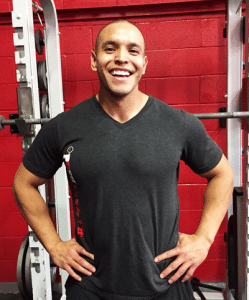
DANIEL ALVARADO, OWNER & HEAD TRAINER
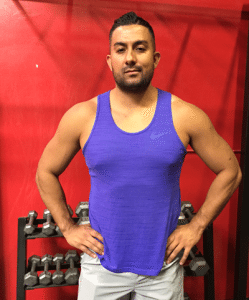
MIKE CONTRERAS, TRAINER
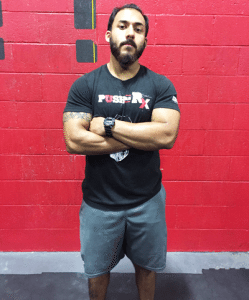
ETHAN PADILLA, TRAINER
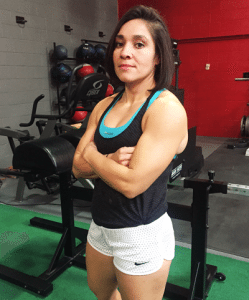
LLUVIA MARTINEZ, TRAINER
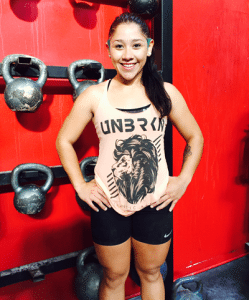
IYLENE AVALOS
6440 Gateway East Bldg B, �El Paso, TX 79905

DANIEL ALVARADO, OWNER & HEAD TRAINER
MIKE CONTRERAS, TRAINER
ETHAN PADILLA, TRAINER
LLUVIA MARTINEZ, TRAINER
IYLENE AVALOS
6440 Gateway East Bldg B, �El Paso, TX 79905

Two nutrients long associated with eye health, lutein and zeaxanthin, are also good for the brain, say researchers at the University of Georgia. Known as the macular carotenoids, they have been proven to enhance vision and to reduce the risk of vision loss in people with age-related macular degeneration (AMD).
Researchers found that lutein and zeaxanthin improved psychological stress levels and reduced levels of cortisol — the stress-related hormone — in the blood.
Fifty-nine healthy, young adults aged 18 to 25 participated in the randomized, double-blind, placebo-controlled study. At the beginning, all had blood cortisol levels measured as well as psychological stress ratings, behavioral measures of mood, and symptoms of sub-optimal health.
Volunteers were then given a daily supplement of 10/2 or 20/4 milligrams of lutein/zeaxanthin, or a placebo. They were tested again at 6 and 12 months.
The results show that supplementation of both doses for 6 months significantly improved psychological stress, serum cortisol, and measures of emotional and physical health compared to placebo.
“This compelling research demonstrates the expanded benefits of supplementing with lutein and zeaxanthin isomers to help address the huge public health concern surrounding elevated stress and cortisol levels,” said Abhijit Bhattacharya, President of OmniActive Health Technologies Ltd., producers of Lutemax 2020, the supplement used in the study.
Both lutein and zeaxanthin are carotenoids, which are the pigments that give some foods such as carrots their bright color. They function as antioxidants and numerous studies have found they may lower the risk of many diseases, including heart disease and cancer.
Lutein and zeaxanthin are found in dark green, leafy vegetables and yellow and orange produce. One of the best food sources of both lutein and zeaxanthin is cooked spinach.
[vc_row][vc_column][vc_column_text]
As a member of PUSH, you will have access to both locations. Each location is operated by different management, so the services offered at the Central and West location vary. The information on this website describes our Central El Paso location.
For more information about the West location, please visit https://www.facebook.com/Push2CrossFit or call (915) 740-2439.
Central El Paso
6440 Gateway East Bldg B,
El Paso, TX 79905
(915) 203-8122
6440 Gateway East Bldg B,
El Paso, TX 79905
(915) 203-8122
West El Paso
6100 Dew Drive
El Paso, TX 79912
(915) 740-2439
West El Paso
6100 Dew Drive
El Paso, TX 79912
(915) 740-2439

As a PUSH as Rx member, you have access to WODs (workouts of the day) every hour on the hour at our gym. Members have access to showers, making it very convenient for members to join a WOD before work, during lunch, or in between meetings. Our trainers are always available to you to help you improve your technique and help you reach your optimal fitness. Feel free to join the hourly WOD!
For PUSH members, we also offer childcare during certain hours so you can still train even if you have kids! Please call us for more information. We encourage PUSH families to become fit and healthy together, so we always make sure our facility is kid-friendly and safe.
As a PUSH as Rx member, you also have access to chiropractic services with Dr. Jimenez, which can support your fitness goals by ensuring you are pushing your limits safely! Enjoy a first free assessment as a PUSH as Rx member�just stop in any time!
We’ll periodically offer nutrition, flexibility and technique classes to our members at a discounted rate–follow us on Facebook, Twitter, or Instagram for regular updates!
We also offer personal training options at a discounted rate for our PUSH as Rx members�stop in any time to learn more about personal training! We�ll help you move at your own pace to reach your fitness goals.

$35 a month / 12-month contract
$40 a month / 6-month contract
3-month contracts are unavailable
$45 a month / without a contract
24-hour access with RFID card
$85 a month / 12-month contract
$100 a month / 6-month contract
$125 a month �/ 3-month contract
$150 a month without a contract
We offer 10% off to all military
and law enforcement
$100 a month / 12-month contract
$120 a month / 6-month contract
$150 a month a 3-month contract
$170/ month without a contract
$250 a month for 12 sessions
$300 a month for 20 sessions
Choose your own trainer,
receive the benefits of regular weigh-ins &�measurements, before & after pictures, and consistent mentoring and coaching
Out of town athletes only
The PUSH App is offered at a flat rate of $25 a month regardless of any membership.
Receive personalized workouts, video training support, and other bonuses!
5 a.m. – 8 p.m.
5 a.m. – 6 p.m.
9 a.m. – Noon
Closed
Noon – 2 p.m.
Classes are not led by a trainer during open gym and members can choose to design their own workout or follow the WOD.

It�s important to PLEASE contact us via phone or email�to let us know how you heard about us and if you are new to working out or to CrossFit. This way we can tailor your experience so you get the most out of your training!
Remember workouts are on the hour ever hour, all day! Please plan to arrive 5-10 mins early for your first class, if you get there after class begins we may not be able to let you train that for that hour. Getting there early allows time for you to fill out a mandatory sign up sheet, meet the coach or coaches for that hour, get acquainted with our awesome gym and of course to warm up before the workout.
PUSH offers six trainers with a wide variety of certifications and backgrounds! Whether you�re interested in personal training, CrossFit, sports-based training, tactical training, leaning out, losing weight, or putting on muscle�we know what to do to help you achieve your goals!

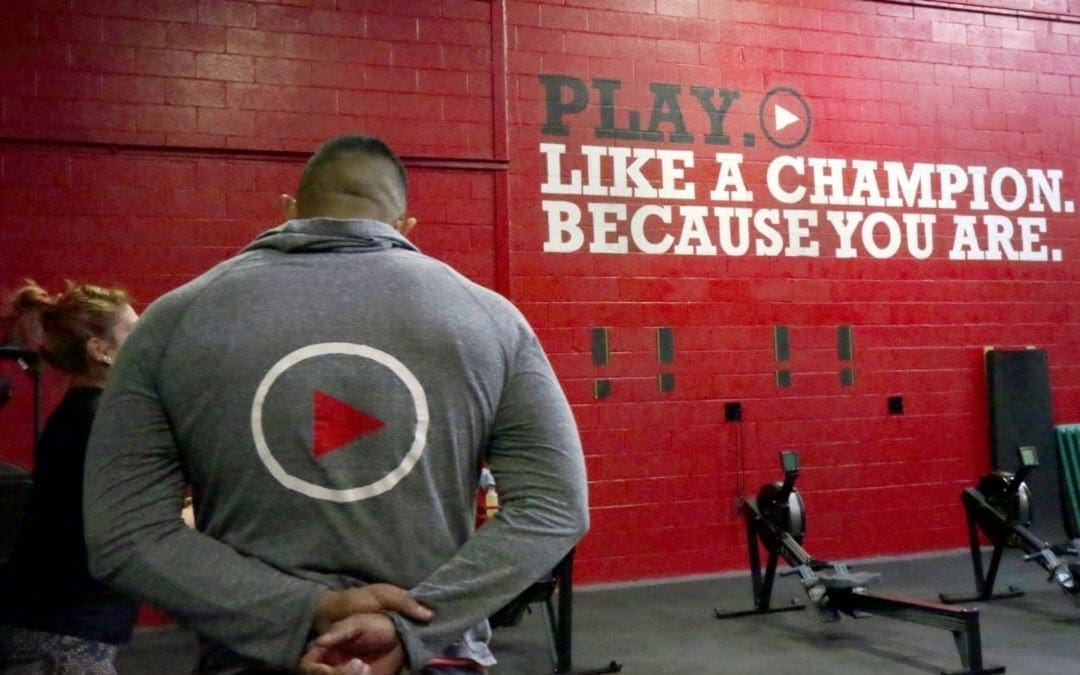

PUSH Fitness & Athletic Training is pushing the barriers of average gyms. Not only do we offer training sessions on the hour every hour but we also cater to the most athletic to the elderly and obesity of populations. We believe in making the commitment to change your lifestyle and not forcing you to.
By blending CrossFit and Personal Training, we are able to tailor make workouts that are very specific and individualized to each member no matter where they are physically. Ultimately PUSH�ing them to feel and look their absolute best.
We don�t stop there. PUSH also offers strength and conditioning programs, which improves the athletic ability of kids and teams of any sport at any age.

Crossfit is an intensive yet effective core strength & conditioning program. Our programming focuses on functional movement patterns, or, movements that you find in real life – pushing, pulling, squatting, jumping, throwing, carrying, and sprinting.

PUSH Kids programming uses a combination of skill practice, workouts and games to build strength and conditioning in children. Our classes include elements of gymnastics, weight lifting, body weight movements, running, jump roping, and more.

We offer personal training services for individuals or small groups that desire highly customized, one on one (or group) fitness instruction at all levels. Count on us to design a program to keep you on track and to motivate you every step of the way.

What do I eat?�We are here to support your physical transformation, and are happy to steer you in the right direction.�We offer nutritional coaching to help our members learn how to properly fuel their bodies.

Our training programs are designed for athletes that look to gain a competitive edge in their sport. �We provide sport specific services to help increase an athlete�s performance through mobility,�strength and endurance.


IFM's Find A Practitioner tool is the largest referral network in Functional Medicine, created to help patients locate Functional Medicine practitioners anywhere in the world. IFM Certified Practitioners are listed first in the search results, given their extensive education in Functional Medicine