Here’s a reason to really enjoy your morning cup of joe: it practically qualifies as a health food these days. Coffee can improve your mood, jumpstart your metabolism, boost your workout, and help you focus, among other amazing benefits suggested by recent research.
Yet you won’t score these health rewards unless you steer clear of certain bad habits when it comes to preparing and sipping your favorite brew. Some coffee-prep practices strip the beans of their high levels of micronutrients like polyphenols, a type of antioxidant thought to help prevent heart disease and other conditions. And ordering beverages loaded with dairy and sugar can turn this naturally low-calorie beverage into a delivery system for fat and calories.
To get the most from your coffee, make sure you’re not committing any of the mistakes called out by Bob Arnot, MD in his new book, The Coffee Lover�s Diet: Change Your Coffee�Change Your Life. With Arnot’s advice in mind, here’s the right way to prepare and savor your brew.
Cut Back on Sugar
Coffee and sugar have always been a popular pairing. Sprinkling in the sweet stuff won�t take away from coffee’s polyphenol level, but it can detract from the healthfulness of the drink thanks to the extra calories (16 per sugar packet) and the way refined sugar messes with your blood-sugar levels. If you need sugar because your coffee tastes too bitter, try a brew made from naturally sweeter beans.
Go Easy on the Cream
Coffee with cream is another delicious duo. Two tablespoons of heavy cream packs about 100 calories; the same amount of half-and-half has 38. These numbers may not seem like much, but if you drink a few cups or more a day, it adds up. Many people mask the bitterness of their coffee with cream, so save yourself the calories and pick a lighter roast, or stick to low-fat milk only. Speaking of milk and cream, try to make smoothie-like blended coffee drinks, which can have hundreds of calories each, an occasional splurge.
Drink Lighter-Roast Brews
�Superdark roasts, swirled with cream and sugar to cover their burnt-wood taste, are the coffee equivalent of soggy green beans that have been cooked all-day with a fatty ham hock or a slice of bacon,� writes Arnot. Lighter roasts may take some getting used to, but they can be just as flavorful and are much higher in polyphenols. If you can’t give up the dark stuff, roast the beans yourself at a temperature no higher than 430 degrees This creates that bold, dark flavor yet retains a decent level of polyphenols.
Buy Higher-Quality Beans
One way to know if your coffee is healthy is to evaluate the taste: healthier coffee tastes better. To get the good-for-you kind, Arnot suggests buying premium coffees grown on farms with excellent cultivation practices. Stick to farms located at high altitudes close to the equator in countries such as Ethiopia, Kenya, Columbia and Brazil. African coffees tend to be lighter, whereas South American coffees are generally fuller-bodied.
Wash the Coffee Maker
You wash your pans after cooking with them, right? If you didn’t, the next dish you prepared in them wouldn’t taste right. The same principle goes for your coffee equipment. Rinsing coffee machines and makers with vinegar and hot water, suggests Arnot, will make your next brew more robust and flavorful.
Make Coffee with Fresh, Ripe Beans
Coffee is at its best between two days and two weeks after the beans are roasted. Arnot recommends buying small bags from local roasters and using them within three to four days�storing them not in your fridge but in an opaque, airtight container kept away from sunlight to preserve freshness. Ask for coffee packed in nitrogen-flushed bags; this prevents oxidation and help preserve the taste of the beans for a few months before you’re ready to roast.
Grind the Beans
If the beans are ground too small, you’ll get bitter-tasting coffee. Grind them too coarsely, however, and the coffee will taste weak�not to mention be depleted ofpolyphenols. Arnot recommends a medium-level coarseness, whether you’re grinding it yourself or having someone behind a counter do it for you.
The scope of our information is limited to chiropractic and spinal injuries and conditions. To discuss options on the subject matter, please feel free to ask Dr. Jimenez or contact us at 915-850-0900 .
Additional Topics: What is Chiropractic?
Chiropractic care is an well-known, alternative treatment option utilized to prevent, diagnose and treat a variety of injuries and conditions associated with the spine, primarily subluxations or spinal misalignments. Chiropractic focuses on restoring and maintaining the overall health and wellness of the musculoskeletal and nervous systems. Through the use of spinal adjustments and manual manipulations, a chiropractor, or doctor of chiropractic, can carefully re-align the spine, improving a patient�s strength, mobility and flexibility.
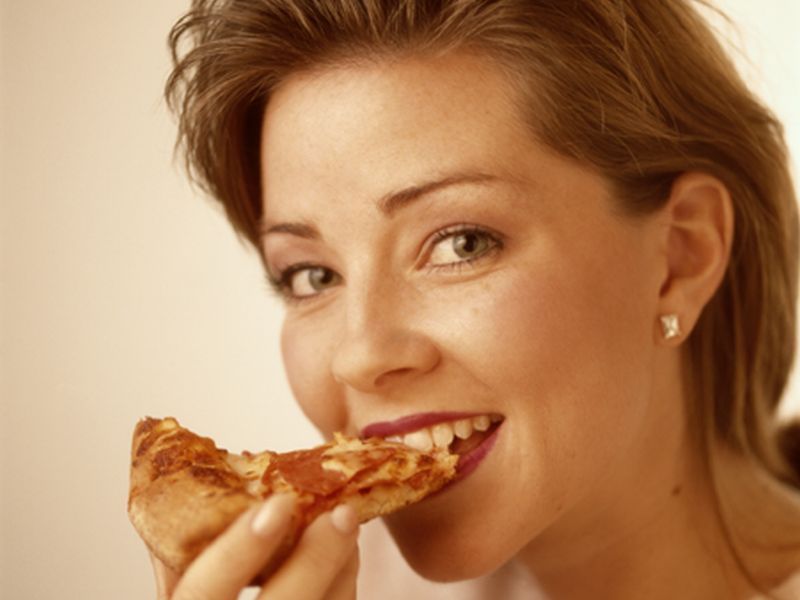
TUESDAY, May 9, 2017 (HealthDay News) — A new brain scan study suggests that people whose brains are wired to produce a more muted response to food may ultimately compensate by eating more, thereby raising their risk for obesity.
The new investigation also unearthed possible evidence of a gender divide in the way men and women process the experience of eating. Women’s brains, it appears, may favor a more emotional response to the eating experience, while men are built to focus on how food satisfies the senses.
If so, such brain-wiring differences might explain why women struggle with weight more than men do.
“At this point, these are only speculations which need to be tested in future experiments,” stressed study co-author Arpana Gupta. She is an assistant professor with UCLA’s Ingestive Behavior and Obesity Program in the Center for Neurobiology of Stress and Resilience.
But “considerable sex-related differences have previously been identified in factors driving craving and drug-seeking in substance abuse,” added Gupta.
This latest investigation analyzed brain scans of 86 healthy men and women to “identify the possible role of the brain in the pathophysiology of obesity,” she explained.
In particular, the research team tried to track how eating affected activity patterns of the neurotransmitter dopamine, a so-called “reward” chemical that is critical to the way the brain responds to both satiety (eating) and deprivation (hunger).
The initial finding was that having “a less responsive dopamine system” appears to make both men and women less sensitive to food, and thereby “more prone to food intake in order to compensate for this deficit,” Gupta said.
Translation: People who register a relatively subdued reaction to eating, tend to eat more.
But the really “striking” finding, said Gupta, was an indication that men and women are simply wired differently when it comes to responses to eating.
A woman’s brain seems to draw a significant neurological link between food and the part of the brain that processes emotions, Gupta noted.
Possible proof of that link was seen among obese female participants.
Those women tended to exhibit a relatively muted response to food in brain regions that regulate emotion. That dynamic was not seen among obese men.
In contrast, a man’s brain seems more inclined to link eating to the region that handles things like smell, temperature or taste. And obese men tended to have a relatively amped up response to food in brain regions involved in sensory regulation. That dynamic was not seen among obese women.
As to what might explain why men and women process eating so differently, Gupta said the jury is still out.
“This is a difficult question to answer,” she said, while reiterating that the findings do indicate “a generalized sex difference in the way the reward system functions.”
Lona Sandon, program director in the department of clinical nutrition at the University of Texas Southwestern Medical Center in Dallas, said that the findings are “not necessarily a surprise.”
For example, Sandon noted that in her experience, women are more likely to talk about food cravings and struggle with eating disorders, such as binge eating. In addition, women are “much more likely to talk about how they turn to food to address mood, particularly foods high in sugar or fat,” she added.
What should these women do? Sandon advised getting off the couch.
“Low dopamine levels are associated with depression, which is often compensated for by eating more food,” she said. “But exercise has been shown in several studies to be beneficial for individuals with depression. Exercise can also have positive effects on appetite,” she pointed out.
“So I would suggest that physical activity or exercise might be part of the answer,” Sandon added.
Gupta and her colleagues are scheduled to report their findings Tuesday at the Digestive Disease Week meeting in Chicago. Research presented at meetings should be considered preliminary until published in a peer-reviewed journal.
Copyright � 2017 HealthDay. All rights reserved.
SOURCES: Arpana Gupta, Ph.D., assistant professor, Center for Neurobiology of Stress and Resilience, Ingestive Behavior and Obesity Program, David Geffen School of Medicine, University of California, Los Angeles; Lona Sandon, Ph.D., RDN, LD, program director and assistant professor, department of clinical nutrition, School of Health Professions, University of Texas Southwestern Medical Center, Dallas; May 9, 2017, presentation, Digestive Disease Week, Chicago
The UTEP track and field team will compete over the next four days as it hosts the Conference USA Championships. The Miners, along with the other 12 league members will take Kidd Field May 11-14.
The UTEP women�s team will be looking for its first outdoor conference title in program history. The women�s team has won three consecutive indoor championships. The men�s team will be seeking is first outdoor conference championship since they took home the hardware in 2013.
Tickets can be purchased online. A four-day pass can be purchased for $20 or a daily ticket can be purchased for $8 for adults or $4 for kids. Students are able to attend the championship free with their Miner ID.
The Fastest Kid in El Paso race will be taking place on Sunday, May 14. Kids ages 5-13 are invited to participate in the 100m dash at 3 p.m. at Kidd Field. To sigh-up for the race please, contact UTEP Marketing at (915) 747-6065.
For information about parking, tickets and live results please visit, C-USA Championship Central. �For live updates and breaking news follow @UTEPTrack on Twitter and uteptrack on Instagram.
Events to Watch:
Thursday, May 11
Heptathlon (begins at 2:45 p.m.)
Junior Lucia Mokrasova will lead things off in the heptathlon. Mokrasova is a two-time defending indoor conference champion in the event.
Earlier this year she set the school record at the Texas Relays scoring 5,671 points and heads into the championship ranked tied for eighth nationally.
Friday, May 12th
Women�s Hammer Throw (Begins at 10:00 a.m.)
Fayon Gonzales and Abedola Akomolafe will be competing in the women�s hammer throw, set to start at 10:00 a.m.Gonzales ranks 11th in the league with a toss of 52.58m set at the UTEP Invitational. Akomolafe will compete in the hammer throw for the fourth time this season.
Women�s 10,000m Final (8:00 p.m.)
Winny Koech and Gladys Jerotich head into Friday�s final ranked second and fourth in the conference, respectively. Koech set a time of 33:51.31 at the Mt. SAC Relays finishing in third place.
Men�s Hammer Throw (12:30 p.m.)
Newcomer Karol Koncos and Senior Kevin Rincon will lead the miners in the hammer throw. In his first year competing in the orange and blue, Koncos ranks third in the league with a mark of 63.43m set at the UTEP Invitational. Rincon will compete for the last time for the Miners.
Men�s 10,000m Final (8:45 p.m.)
Antony Kosgei and Evans Kiprono will close out the day with the 10,000m final starting at 8:45 p.m. Kosgei ranks fourth in C-USA with a time of 30:25.77 set at the Mt. SAC Relays.
Saturday, May 13th
Women�s Discus Final (1:00 p.m.)
Senior Samantha Hall heads into the competition favored in the event. The thrower holds the school record with a toss of 58.50m set at the NCAA Regional meet last year. Hall ranks first in C-USA and 17th in the nation. Hall returns to the track on Sunday for the shot put competition where she ranks eighth with a toss of 14.30m registered at the UTEP Invitational.
Women�s Long Jump Final (3:30 p.m.)
Senior Isreal Ramsay (5.89m) and Sophomore Tobi Amusan (5.83m) hold the seventh and ninth best marks in conference this year.� This is the first of four events for Amusan.
Men�s Long Jump Final (3:30 p.m.)
Brandon Moss heads into Saturday�s competition with the eighth best mark in the league with a leap of 7.32m set at Brutus Hamilton Challenge.
Women�s 1,500m Prelims (5:00 p.m.)
Sophomore Lilian Koech and freshman Linda Cheruiyot (4:23.60) hold the third and fourth-fastest times in C-USA this year, respectively. Koech clocked in a time of 4:22.12 at the Texas Relays. Cheruiyot posted a time of 4:29.91 at the UTEP Invitational.
Koech will also compete in the 800m prelim at 7:20 p.m. The sophomore ranks third in conference and 20th in the nation with a time of 2:04.68.
Men�s 1,500m Prelims (5:15 p.m.)
Jonah Koech, Cosmas Boit and Michael Saruni will compete in Saturday�s race. The Miners rank third, fifth and seventh in the league respectively. Koech posted a time of 3:44.96 at the Brutus Hamilton Challenge.
Saruni and Koech will also run in the 800m prelim set for a 7:30 p.m. Saruni ranks fifth in the nation and second in the league with a time of 1:45.82.
Women�s 100m Hurdles (5:35 p.m.)
Sophomore sensation Tobi Amusan comes into the championships ranked second in the nation and first in C-USA. The hurdler registered a personal-best 12.63, setting the school record at the UTEP Springtime.
The sophomore will also run the 200m prelim, starting at 8:25 p.m., where she ranks eighth in the nation and first in the league with a time of 22.60 set at the UTEP Invitational.
Women�s 400m Prelim (6:10 p.m.)
Senior duo Ada Benjamin and Florence Uwakwe rank first and second C-USA. Benjamin posted a time of 53.27 at the UTEP Springtime. Uwakwe clocked in a 53.33 at the Brutus Hamilton Challenge setting a season best.
Men�s 400m Prelim (6:25 p.m.)
Freshman standout Emmanuel Korir has caught the nations earning The Bowerman Watch List recognition. Korir set a personal best of 44.67 in the 400m at the Brutus Hamilton Challenge. The mid-distnce runner set the school record in the event and sits at the No. 3 nationally. This will be the second time the freshman competes in the 400m.
Women�s 400m Hurdles Prelim (7:50 p.m.)
Senior Yanique Bennett and Sophomore Dreshanae Rolle rank first and fourth in the conference, respectively. Bennett set a season-best 58.57 at the Brutus Hamilton Challenge. Rolle set a personal-best 1:00.19 at the Brutus Hamilton Challenge.
Men�s 3,000m Steeplechase (9:20 p.m.)
Daniel Cheruiyot clocked 9:31.31 at the Mt. SAC Relays and holds the fourth best time coming into the conference championships.
Sunday, May 14
Men�s Tripe Jump Final (3:00 p.m.)
Donivan Ortega will be jumping at his first outdoor championships and holds the seventh-best jump in the conference with a mark of 14.83m set at the UTEP Springtime.
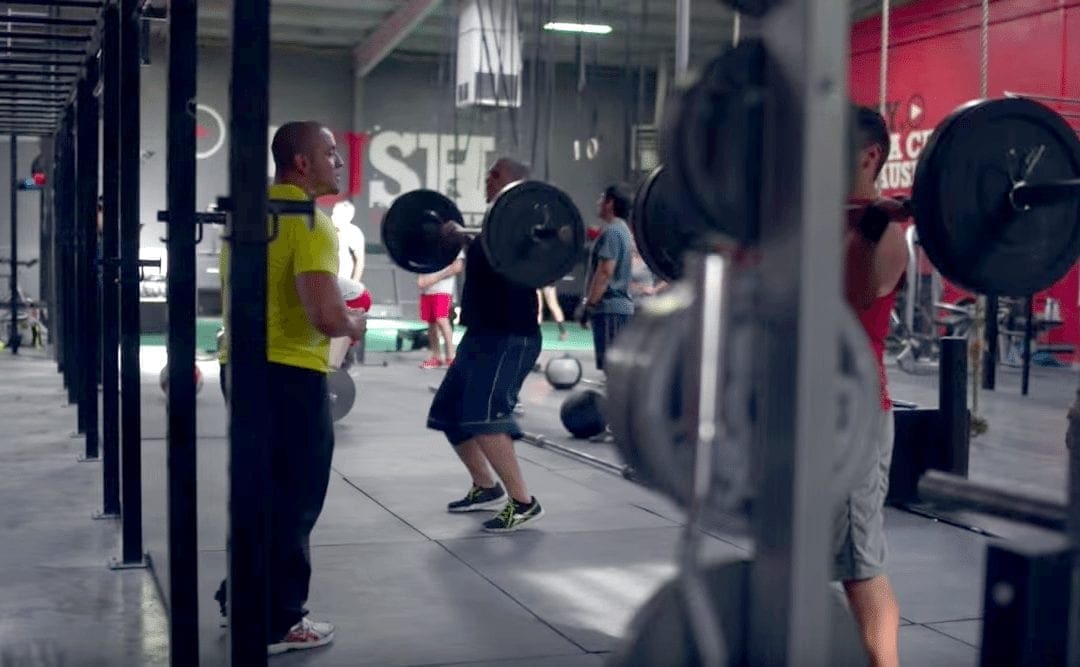
PUSH-as-Rx � Fitness & Athletic Training; The Premiere CrossFit Facility in El Paso, Texas
PUSH-as-Rx � is leading the field with laser focus supporting our youth sport programs.� The PUSH-as-Rx � System is a sport specific athletic program designed by a strength-agility coach and physiology doctor with a combined 40 years of experience working with extreme athletes. At its core, the program is the multidisciplinary study of reactive agility, body mechanics and extreme motion dynamics. Through detailed and continued assessments of the athletes in motion and under stress loads offer a clear scientific picture of body dynamics. This system also has helped many athletes come back from injury faster, stronger, and ready to safely return to their sport without losing a beat after recovery. Results demonstrate clear improved agility, speed, decreased reaction time and advantageous postural-torque mechanics.� PUSH-as-Rx � offers specialized extreme performance enhancements to our athletes no matter the age.
Please Recommend Us: If you have enjoyed this video and/or we have helped you in any way please feel free to recommend us. Thank You.
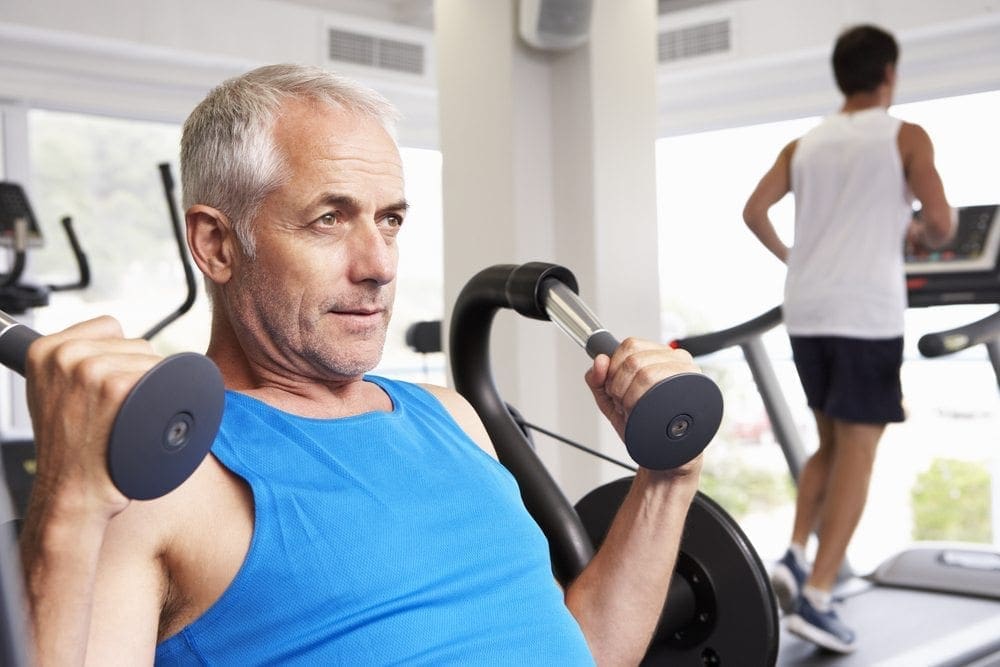
Exercise can reduce the risk of heart damage in middle-aged adults and seniors — even in those who are obese, according to a new study.
“The protective association of physical activity against [heart] damage may have implications for heart failure risk reduction, particularly among the high-risk group of individuals with excess weight,” study lead author Dr. Roberta Florido said in an American College of Cardiology news release.
Florido is a cardiology fellow at Johns Hopkins University School of Medicine in Baltimore.
“Promoting physical activity,” she added, “may be a particularly important strategy for heart failure risk reductions among high risk groups such as those with obesity.”
To gauge the influence of physical activity on heart health, the researchers looked at the experience of more than 9,400 people between 45 and 64 years of age. The participants were grouped according to how much exercise they got. Current guidelines recommend at least 75 minutes a week of vigorous activity, or 150 or more minutes of moderate to vigorous activity.
A lower level of activity, called “intermediate,” was defined as up to 74 minutes a week of vigorous activity or up to 149 minutes of moderate to vigorous activity. According to the researchers, those who did no exercise were 39 percent more likely to have heart damage than those who followed the guidelines. Those who followed intermediate level routines had 34 percent more heart damage than their fully active peers.
The researchers found indications that obese individuals who engaged in “recommended” levels of activity had lower blood levels of troponin — a key indicator of heart damage — compared with those who did no exercise at all.
Florido and her colleagues described their findings in the April 24 issue of JACC: Heart Failure.
An accompanying editorial urged heart specialists to promote healthy habits rather than simply treat heart problems once they develop.
News stories are written and provided by HealthDay and do not reflect federal policy, the views of MedlinePlus, the National Library of Medicine, the National Institutes of Health, or the U.S. Department of Health and Human Services.
The scope of our information is limited to chiropractic and spinal injuries and conditions. To discuss options on the subject matter, please feel free to ask Dr. Jimenez or contact us at 915-850-0900 .
Additional Topics: Weight Loss Eases Back Pain
Back pain and symptoms of sciatica can affect a majority of the population throughout their lifetime. Research studies have demonstrated that people who are overweight or obese experience more back complications than people with a healthy weight. A proper nutrition along with regular physical fitness can help with weight loss as well as help maintain a healthy weight to eliminate symptoms of back pain and sciatica. Chiropractic care is also another natural form of treatment which treats back pain and sciatica utilizing manual spinal adjustments and manipulations.
Can a new exercise regimen boost your brain health if you’re over 50?
Possibly, suggests a new research review that found middle-age folks can improve their thinking and memory skills by adopting regular moderate-to-vigorous routines involving aerobic and resistance exercise.
“When we combined the available data from [39 previous] studies, we were able to show that undertaking physical exercise was able to improve the brain function of people aged 50 and over,” said study lead author Joseph Northey. He’s a doctoral candidate and teaching fellow at the University of Canberra Research Institute for Sport and Exercise in Australia.
The review included 18 studies that looked at the impact of aerobic exercise — such as walking, running and swimming — on thinking, alertness, information processing, executing goals and memory skills.
Exercise for Middle-Aged People
Resistance training, such as weight lifting, was the focus of 13 studies. Another 10 studies looked at various types of exercise done in combination. And, a handful of studies specifically explored the impact of tai chi and yoga on brain health.
Study participants did their exercise under some degree of supervision, the researchers noted. Activity routines were categorized in terms of exercise type, intensity and length. They were then stacked up against the results of tests that measured brain performance.
In the end, the researchers determined that exercise did help brain health. However, different forms of exercise were linked to different types of benefits.
For example, aerobic exercise and tai chi appeared to enhance overall brain function. Resistance training was linked to improved memory.
Northey added that, besides highlighting the benefits of aerobic exercise, “being able to show that resistance training — such as lifting weights or using body weight — was similarly beneficial is a very novel and important finding.”
“Combining both aerobic and resistance training is ideal,” he said. “In addition to improving your brain function as our review shows, you should expect to see improvements in cardio-respiratory fitness and muscle strength, which are important for maintaining general health and being able to undertake day-to-day tasks,” Northey said.
The research team also concluded that the biggest brain boost comes from routines that are of moderate to vigorous intensity and conducted as often as possible for between 45 minutes to an hour.
Exercise and Memory
But will middle-aged people new to exercise gain as much of a brain boost as those who’ve been exercising for decades?
“We know in many animal models and population type studies that the longer people are physically active the greater the benefits to brain function,” Northey said.
He added that more research is underway to assess just how much exercising while young might ultimately confer on brain health among those over 50. Northey also offered some advice for those motivated by the findings to get moving. If you’re currently inactive, he suggested speaking to your doctor to make sure it’s safe for you to start exercising.
“It is also worthwhile gaining some instruction on exercise methods to ensure that you are setting achievable goals and getting the most out of the time invested in exercise,” he said.
Dr. Anton Porsteinsson is director of the Alzheimer’s Disease Care, Research and Education Program with the University of Rochester School of Medicine in Rochester, N.Y.
He said that earlier investigations looking into the protective effect of exercise on brain health “have not agreed on this matter.”
But looked at collectively, he said, the current review “suggests that exercise, including aerobic exercise, resistance training and tai chi, is beneficial to brain health in addition to the well-established positive effects that exercise has to improve general health and reduce risk of disease.
“Of particular interest to me,” Porsteinsson added, “is that a combination of aerobic and resistance training appears to have the largest effect.” “(And) along with studies suggesting that certain diets contribute to brain health,” he noted, “it appears that adopting a healthy lifestyle is never too late.”
The study was published online April 24 in the British Journal of Sports Medicine.
SOURCES: Joseph Michael Northey, Ph.D. candidate and teaching fellow, University of Canberra Research Institute for Sport and Exercise, Canberra, Australia; Anton Porsteinsson, M.D., professor, psychiatry, neurology, and director, Alzheimer’s Disease Care, Research and Education Program, University of Rochester School of Medicine, Rochester, N.Y.; April 24, 2017 British Journal of Sports Medicine online
The scope of our information is limited to chiropractic and spinal injuries and conditions. To discuss options on the subject matter, please feel free to ask Dr. Jimenez or contact us at 915-850-0900 .
Additional Topics: Chiropractic and Athletic Performance
Although warm-up stretches, exercise and plenty of training activities are practiced on a regular basis to prevent injuries, many athletes frequently experience sports injuries during their specific physical activity and/or sport. Fortunately, chiropractic care can help treat and rehabilitate athletes, in order for them to return to the field as soon as possible. Chiropractic has also been demonstrated to help increase athletic performance.
Healthy foodies may agree on many nutrition topics, but here’s one that’s still up for debate: What’s better, smoothies or juices? In my opinion there are pros and cons to each drink, so it really comes down to your personal needs and goals. To figure out which one is right for you (regardless of what your friends, coworkers, or favorite celebs are sipping), here�s the lowdown on each beverage.
Smoothie Pros
Smoothies are generally a blend of whole foods, which means you�re keeping all the nutrients from your fruits and veggies intact. Another big benefit to smoothies is the ability to add in extra-nutritious ingredients. For example, you can pump up the protein by adding Greek yogurt, a pulse, or a powder. You can also toss in a healthy fat, in the form of avocado, chia seeds, or almond butter. And you can blend in plenty of other superfood ingredients for an even broader spectrum of nutrients, like fresh grated ginger, matcha or cacao powder, fresh mint, and cinnamon (for more ideas check out my story on nutrition boosters). The nutritional balance of a smoothie is what can make it a legit meal replacement or post-workout recovery drink.
Smoothie Cons
If you make a smoothie with only produce, or a lot of it, you�ll likely wind up consuming far more servings of fruits and veggies than you would normally eat in one sitting. While this might seem like a good thing, it can actually mean gulping down more calories than you can burn, which might prevent weight loss or even lead to weight gain. I�ve also seen this happen to clients who drink a smoothie with a meal, rather than as a meal. Unknowingly, they’re consuming two meals at once; one is just disguised as a beverage. Case in point: I recently had a client who wasn�t seeing weight loss results despite eating healthfully and working out. One of the culprits I discovered was the 400-calorie smoothie he whipped up every morning, along with a bowl of oatmeal or veggie omelet.
Juice Pros
Many of my clients love veggies, and have no problem fitting plenty of them in their diets. But I also work with people who can go days without eating anything green, or who take very little time to stop and eat meals. For them, juicing is a great way to fill a serious nutrition gap. For example, one of my clients strongly dislikes veggies, but he will drink a daily green juice, mixed with apple and ginger to make the taste more appealing. And for many of my professional athlete clients with hectic schedules, consuming their produce in liquid form allows them to get the amount they need per day. Finally, because juices are so concentrated, a small portion can provide the nutrient equivalent of several serving of fruits and veggies, which can make it much easier to take in all the key vitamins and minerals your body needs.
Juice Cons
Proper juicing generally extracts nutrients, but leaves the fiber behind. This makes juices less filling than smoothies or whole fruit. By nixing fiber, you also miss out on some important nutrients and gut health benefits. What’s more, when juices are made with fruit or high sugar veggies (like beets and carrots), you may experience a blood sugar spike, particularly if you don’t consume any food at the same time. And when juices contain more fruits than veggies, they can pack far more carbs than you might expect�up to 40 grams in a 16-ounce serving. Bottom line: If you�re drinking juice to fit in servings of produce you might otherwise skip, that�s great�just be mindful of exactly what’s in your juice and how much you’re drinking. But if your meals and snacks are already filled with veggies and fruits, you’re probably eating enough produce to get your fill.
The scope of our information is limited to chiropractic and spinal injuries and conditions. To discuss options on the subject matter, please feel free to ask Dr. Jimenez or contact us at 915-850-0900 .
Additional Topics: Weight Loss Eases Back Pain
Back pain and symptoms of sciatica can affect a majority of the population throughout their lifetime. Research studies have demonstrated that people who are overweight or obese experience more back complications than people with a healthy weight. A proper nutrition along with regular physical fitness can help with weight loss as well as help maintain a healthy weight to eliminate symptoms of back pain and sciatica. Chiropractic care is also another natural form of treatment which treats back pain and sciatica utilizing manual spinal adjustments and manipulations.
IFM's Find A Practitioner tool is the largest referral network in Functional Medicine, created to help patients locate Functional Medicine practitioners anywhere in the world. IFM Certified Practitioners are listed first in the search results, given their extensive education in Functional Medicine




 By Alan Mozes