
Colder Weather Musculoskeletal Injuries
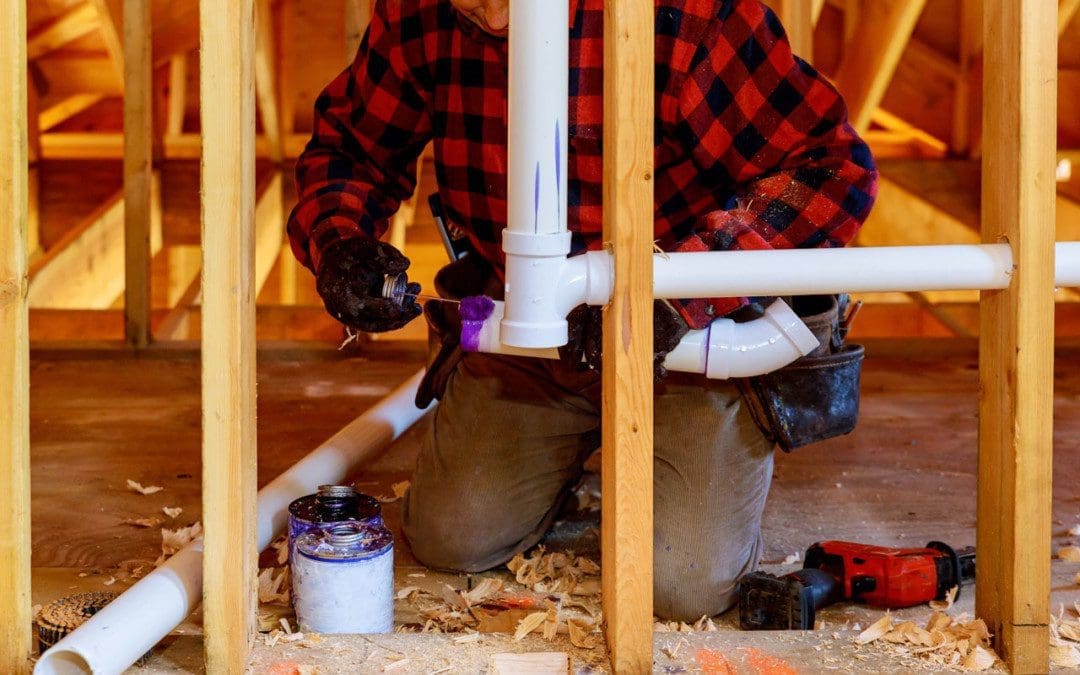
As the weather gets colder, individuals may feel like their muscles and joints are frequently stiff and experience more aches and pains. This is even more evident for individuals that work outside in the winter or with specific ailments/conditions. Colder weather can increase the risk of suffering musculoskeletal injuries and intensify the condition.
How Colder Weather Impacts The Muscles
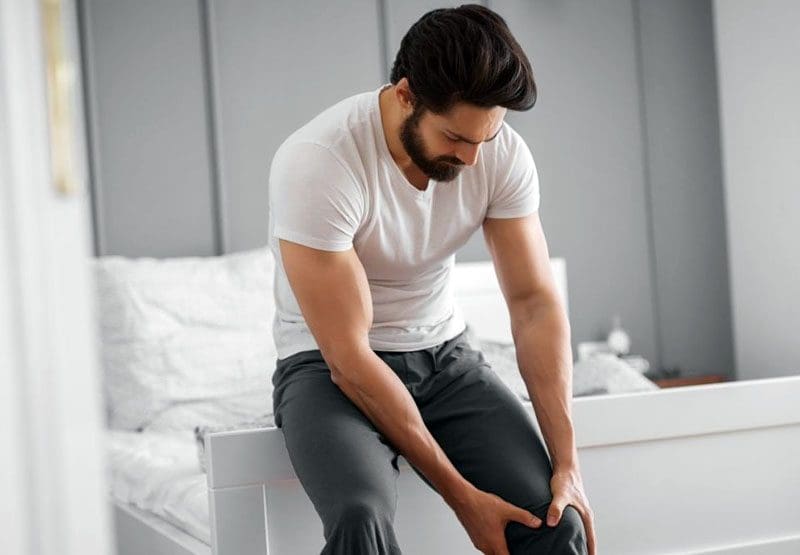
Individuals with arthritic conditions might find that symptoms become exacerbated. This can keep individuals away from regular activities. Conditions like rheumatoid arthritis and osteoarthritis tend not to react well to weather sudden atmospheric changes, worsening symptoms. However, individuals are well aware of how their body feels and moves when colder weather is present with or without existing conditions. Movement slows down, and when trying to move, the muscles can contract involuntarily, causing tension and stiffness. This usually results in soreness and pain. Feeling warm, safe, and comfortable is essential for the body’s overall health. Overuse and overexertion can increase the risk of injury in colder temperatures.
Barometric Pressure
- When the weather gets colder, barometric pressure drops. The Body’s tissues like the muscles, tendons, and ligaments expand. This places pressure on nerves near the joints, causing discomfort and pain.
- In cold weather, the fluid density in the joints lessens, causing the bones to rub against each other harder because the fluid is not thick enough to allow for proper lubrication.
- The cold makes the muscles shiver, contract, and tighten. This can compress the nerves in the joints and increase pain symptoms.
Prevent Stiffness and Musculoskeletal-Related Injuries
Maintain an active lifestyle
- It is recommended to engage in physical activity to exercise the muscles and joints.
- Do some stretches before going out into the cold.
- Use a heating pad and/or heating cream to warm up stiff muscles and joints.
Dress warm
- Wear proper clothing to keep the body warm and protected.
- Wear proper boots that are waterproof and have good treads to prevent falls.
- Wear a warm hat to maintain head warmth, reducing the body heat that escapes from the head.
Warm-up during breaks
- Try not to stay out in the cold for too long. If working outside, move indoors during breaks if possible.
Eat a healthy diet
- Good nutrition helps maintain the whole body.
- Omega 3 fatty acids help reduce inflammation. Salmon and nuts are recommended.
- Leafy greens like spinach and kale are rich in vitamin K, which helps soothe pain symptoms.
- Vitamin C from citrus fruits like oranges, grapefruit, red bell peppers, and tomatoes also help stop cartilage loss reducing friction in the joints.
Proper sleep
- Get 7-8 hours of sleep every night.
- Proper rest is essential to heal the body.
Chiropractic
- A chiropractor can also help manage musculoskeletal condition-related pain during the winter months and help prevent musculoskeletal conditions for individuals that work outdoors.
Body Composition
Exercising
Aerobic Exercise
- The American Heart Association recommends individuals get at least 150 minutes of moderate-intense aerobic exercise or 75 minutes of vigorous aerobic activity each week.
- This can be split into 30 minutes a day on at least five days a week or in shorter sessions of 10 minutes several times a day throughout the week.
Aerobic exercise can include:
- Running
- Cycling
- Hiking
- Dancing
- Walking
Resistance Training
- Research has shown that resistance training with bands or weights can supplement aerobic exercise to reduce blood pressure.
- It is recommended to complete 2 to 4 sets of 8 to 12 repetitions for each major muscle group during workout sessions.
- Resistance training sessions should be spaced out throughout the week to limit muscle soreness and injury.
Resistance training can include:
- Resistance bands with freehand movements, squats, push-ups, bicep curls
- Free weights dumbbells, barbells
- Gym weight machines like the chest press and shoulder press
References
https://www.cdc.gov/niosh/topics/coldstress/
Heil, Kieran et al. “Freezing and non-freezing cold-weather injuries: a systematic review.” British medical bulletin vol. 117,1 (2016): 79-93. doi:10.1093/bmb/ldw001
Kowtoniuk, Robert A et al. “Cutaneous Cold Weather Injuries in the US Military.” Cutis vol. 108,4 (2021): 181-184. doi:10.12788/cutis.0363
Long, William B 3rd et al. “Cold injuries.” Journal of long-term effects of medical implants vol. 15,1 (2005): 67-78. doi:10.1615/jlongtermeffmedimplants.v15.i1.80







