

ClickCease
+1-915-850-0900 [email protected]
Select Page
Pinched Nerve Healing Signs

Pinched Nerve Healing Signs

A pinched nerve may not feel like it is healing. This is because of the soreness, aches, discomfort, and tingling feelings/sensations around the affected area. This could be the neck, shoulder, arm, hands, back, legs, and feet. However, when the achiness and tingling move around and shift, it is a sign of the pinched nerve healing.
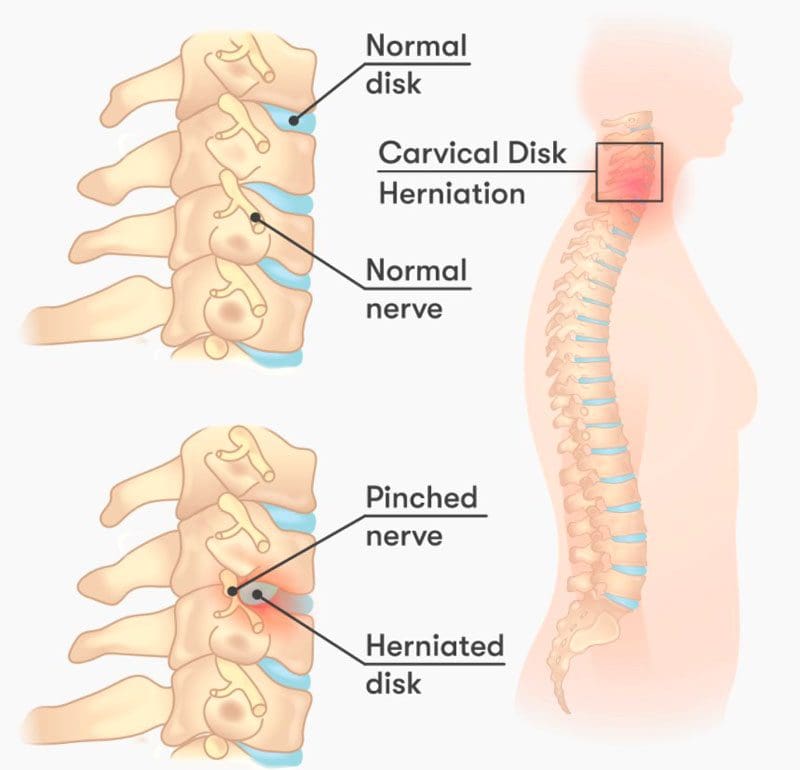
Pinched Nerve Healing Signs

Amount of Time For Pinched Nerve Healing

Waiting for the nerve to heal is not a recommended treatment option, as most pinched nerves do not fully recover on their own. A pinched nerve usually takes around six weeks to heal with proper treatment. The longer the nerve stays pinched, the more likely there will be permanent damage. To keep the pinched nerve from returning and getting worse, individuals are recommended to incorporate a pre-habilitation plan that involves continuing rehabilitation exercises to strengthen and keep the muscles, ligaments, and nerves loose, and adjusting posture, work, exercise, and diet habits to prevent re-injuring the nerve or cause new injury/s. 

Common Nerve Sites

Nerves run throughout the body, so it’s possible to experience a pinched nerve anywhere. The most common pinched nerve sites occur at joints where there is constant movement. These areas include:

  • Neck
  • Shoulders
  • Lower Back
  • Arms
  • Hands
  • Feet

Healing Signs

Individuals often believe that their pinched nerve is getting worse because of soreness, aches and pains, and weird sensations. When the pain stays in one area, that could be a sign that the nerve has not been fully stretched/released and/or that there is still compression taking place. Treatment and healing include feeling the symptoms but in a different way. The symptoms will move up, down, or around depending on where the pinched nerve is. Treatment takes the nerve/s and stretches/elongates them, but the pinch created a nerve crimp, crease, fold that wants to return to the pinched position. This is why continued treatment and stretching are recommended, as a spasm, trauma, or some awkward movement can cause the nerve to re-fold to the pinched position or cause a whole new pinch.

Chiropractic Release

Chiropractic treats pinched/compressed nerves with several therapeutic modalities. These include:

  • Body Adjustments
  • Flexion-distraction
  • Therapeutic massage
  • Traction
  • Inversion
  • Laser therapy
  • Ultrasound

Combined, these methods can help heal pinched nerves and keep them from recurring.


Body Composition


Skeletal Muscle

Skeletal muscle is a major muscle group. These muscles are attached to the bone by the tendons. Skeletal muscles incorporate nerves, blood vessels, and connective tissue to operate as a unit. Each skeletal muscle consists of cells that come together that form bundles of skeletal muscle fibers.

  • Strength training stimulates the muscle fibers. When combined with proper nutrition causes hypertrophy/muscle growth.
  • Muscles contract and shorten to pull bones and joints, allowing body movement.
  • The nervous system signals the nerves in the muscle/s and triggers these contractions.
  • Skeletal muscle helps the body:
  • Maintain posture
  • Generate body heat
  • Stability to the bones and joints
References

Bowley, Michael P, and Christopher T Doughty. “Entrapment Neuropathies of the Lower Extremity.” The Medical clinics of North America vol. 103,2 (2019): 371-382. doi:10.1016/j.mcna.2018.10.013

Campbell, W. “Diagnosis and management of common compression and entrapment neuropathies.” Neurologic clinics vol. 15,3 (1997): 549-67. doi:10.1016/s0733-8619(05)70333-9

England, J D. “Entrapment neuropathies.” Current opinion in neurology vol. 12,5 (1999): 597-602. doi:10.1097/00019052-199910000-00014

Kane, Patrick M et al. “Double Crush Syndrome.” The Journal of the American Academy of Orthopaedic Surgeons vol. 23,9 (2015): 558-62. doi:10.5435/JAAOS-D-14-00176

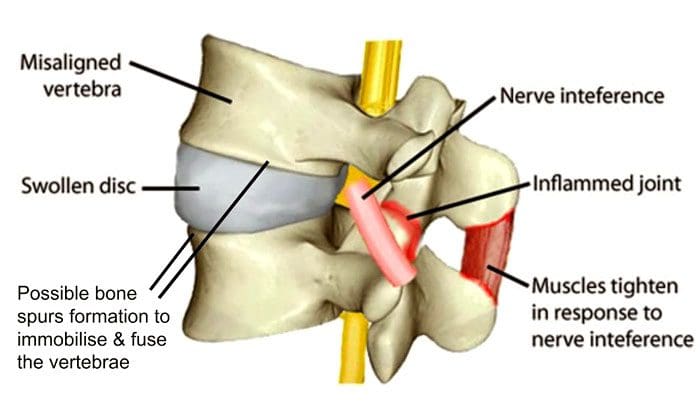
Reading The Body’s Warning Signs

Reading The Body’s Warning Signs

Individuals don’t like to read the warning signs of their spinal health, saying to themselves the pain will go away. Individuals will feel their back seize up or sting for a moment and then goes back to normal. The body is doing its job to warn you that something is not right. This is where choices come into play:

  • Ignore the warning because the tingling or pain went away.
  • Pay attention to the warning before more damage is done.

This is where waiting, hoping that it will resolve on its own, is not recommended. This is because something did happen but did not fully present, like a loose part that is still functioning. However, time, movement, or action, can throw the body off balance and create all kinds of health issues.

Reading The Body's Warning Signs

Paying attention to the Warning Signs

The body is always adapting to the internal and external environments. For example, external adaptation is sweating during a hot summer day. The body adapts to the heat by sweating to cool down and bring down the temperature. An example of internal adaptation is the spine has been slowly shifting out of alignment. The muscles that support the spine have been adapting to this shifting. However, it is not the ideal adaptation situation as some muscles over/under stretch while others under/over-contract to compensate, causing pain. The body gets stressed out physically, with possible damage occurring. This is where an individual knows something is not right and needs to listen to their body.

The Impact

A spine that is misaligned/subluxated does not move properly or function correctly. Improper movement damages the spinal:

  • Bones
  • Discs
  • Cord
  • Nerves

The spinal cord and nerves transmit and receive all the vital information the body needs to function. These include:

  • Heart function
  • Intestinal function
  • Lung function

A misaligned spine can hurt or cause symptoms for a split second. The effects of an untreated misaligned spine can affect an individual for life. If you have experienced any of these or other warning signs, contact a chiropractor. Injury Medical Chiropractic and Functional Medicine Clinic will help assess your symptoms and develop a personalized treatment plan.


Body Composition


Work On Goals One at A Time

To reach goals faster, it’s best to target one goal at a time. How to decide which goal to begin with:

Fat Loss First

This goal is best for individuals whose body compositions have a high body fat percentage and high overall weight.

Lean Body Mass First

Individuals may want to begin by increasing Lean Body Mass if they are skinny fat. Skinny fat means the individual is not overweight but has low amounts of  Lean Body Mass and high amounts of Fat Mass.

Resistance training to build muscle will likely bring down Fat Mass as well. Increasing Lean Body Mass will increase the calorie needed by the body to maintain itself. This increased calorie need can lead to the body acquiring energy by burning extra fat. The calories burned in resistance training also speed up fat loss. Everyone is different in how the body responds to programs targeting fat and those designed to build muscle. Consult with our health coach, nutritionist, and fitness chiropractic team with any questions you may have.

References

Bruehl, Stephen. “Complex regional pain syndrome.” BMJ (Clinical research ed.) vol. 351 h2730. 29 Jul. 2015, doi:10.1136/bmj.h2730

Flynn, Diane M. “Chronic Musculoskeletal Pain: Nonpharmacologic, Noninvasive Treatments.” American family physician vol. 102,8 (2020): 465-477.

Sanzarello, Ilaria et al. “Central sensitization in chronic low back pain: A narrative review.” Journal of back and musculoskeletal rehabilitation vol. 29,4 (2016): 625-633. doi:10.3233/BMR-160685

Mastodon






