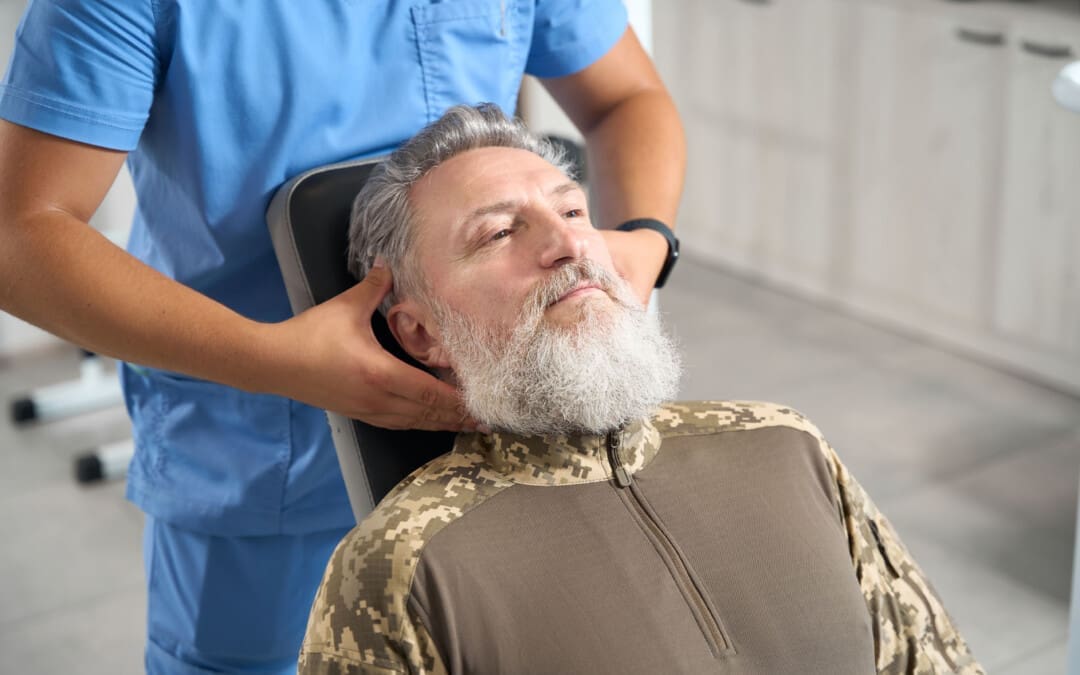
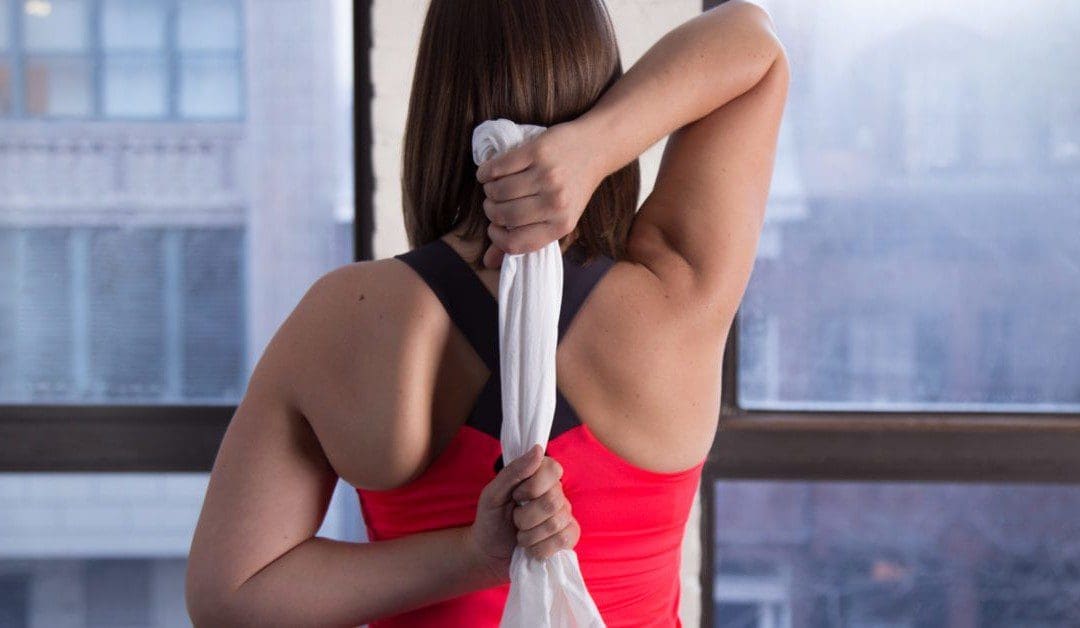
The levator scapulae muscles could be overstretched for individuals experiencing upper back, shoulder, and neck pain. Can physical therapies help relieve pain and retrain the muscles to function properly?
Levator Scapulae Muscles
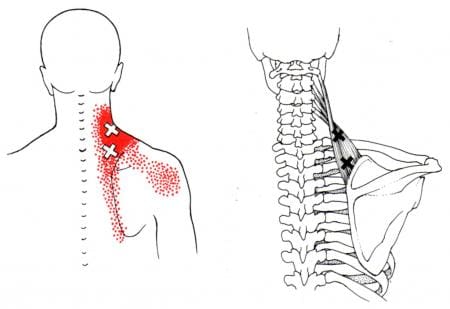
The levator scapulae muscles stretch along the spine across the upper back and neck. They originate from the cervical vertebrae C1 to C4 and attach to the inside top edge of the scapula. (Chotai P. N. et al., 2015) They elevate the shoulder blades, tilt the head, and work with other muscles to stabilize the spine and influence neck motion and upper back posture. The shoulder blade/scapula is the flat, triangular-shaped bone that sits on top of the upper part of the rib cage. Where the levator scapulae attaches, the muscles raise the shoulder blade, a movement called elevation, and indirectly rotates the scapula’s bottom tip downward towards the spine. These shoulder blade movements are part of the shoulder joint’s larger flexion and abduction movements.
Flexion occurs when moving the arm forward and up, and abduction occurs when moving the arm out to the side.
The levator scapulae muscles contract during flexion and/or abduction,
The muscles also contract when moving the neck in side bending, lateral flexion, rotation, or twisting.
Symptoms
Neck and shoulder pain are common problems for office workers, truck drivers, and others who sit most of the day for their jobs. It can worsen when there is no spinal support for maintaining correct alignment. Poorly designed work chairs may contribute to chronic muscle tension and spasms, plus they may contribute to muscle weakness. One of the primary functions of the levator scapulae muscles is to keep the shoulder blade in a position that supports a vertical alignment of the head and to prevent forward head posture. (Yoo W. G. 2018)
However, the shoulder blade is an extremely movable bone. Maintaining stability and correct neck posture is not easy. The levator scapulae muscles may not be strong enough to keep the shoulder blade where it’s supposed to be for healthy posture, and instead, they become overstretched. When muscles are overstretched, they often become taut to try to maintain some form of stability. It can feel like muscle tension because the muscles shorten, but there is a difference. The situation can worsen if one slouches, has no lumbar support, and/or the desk or steering wheel is too high or too low, which may force the shoulder blade upward or downward.
Pain Relief
The levator scapulae muscles are two of several shoulder muscles that may contribute when neck pain presents. This is why a qualified, licensed health professional should diagnose any pain or dysfunction in the area. Physical therapy can help get the body back on track. (Yoo W. G. 2018) Treatment may consist of restoring muscle strength and flexibility in the shoulder, neck, and upper back muscles and developing better posture habits. Physical therapy exercises, particularly those that address upper back posture, can help reduce the stress placed on the levator scapulae muscles and can help decrease kyphosis, often a precursor to forward head posture. Stretching, strengthening, and posture lessons will help relieve pain and increase the physical functioning of the upper body. Other tips for avoiding and relieving muscle pain include:
Stretching regularly by gently rotating the neck and shoulders.
Applying heat to promote relaxation.
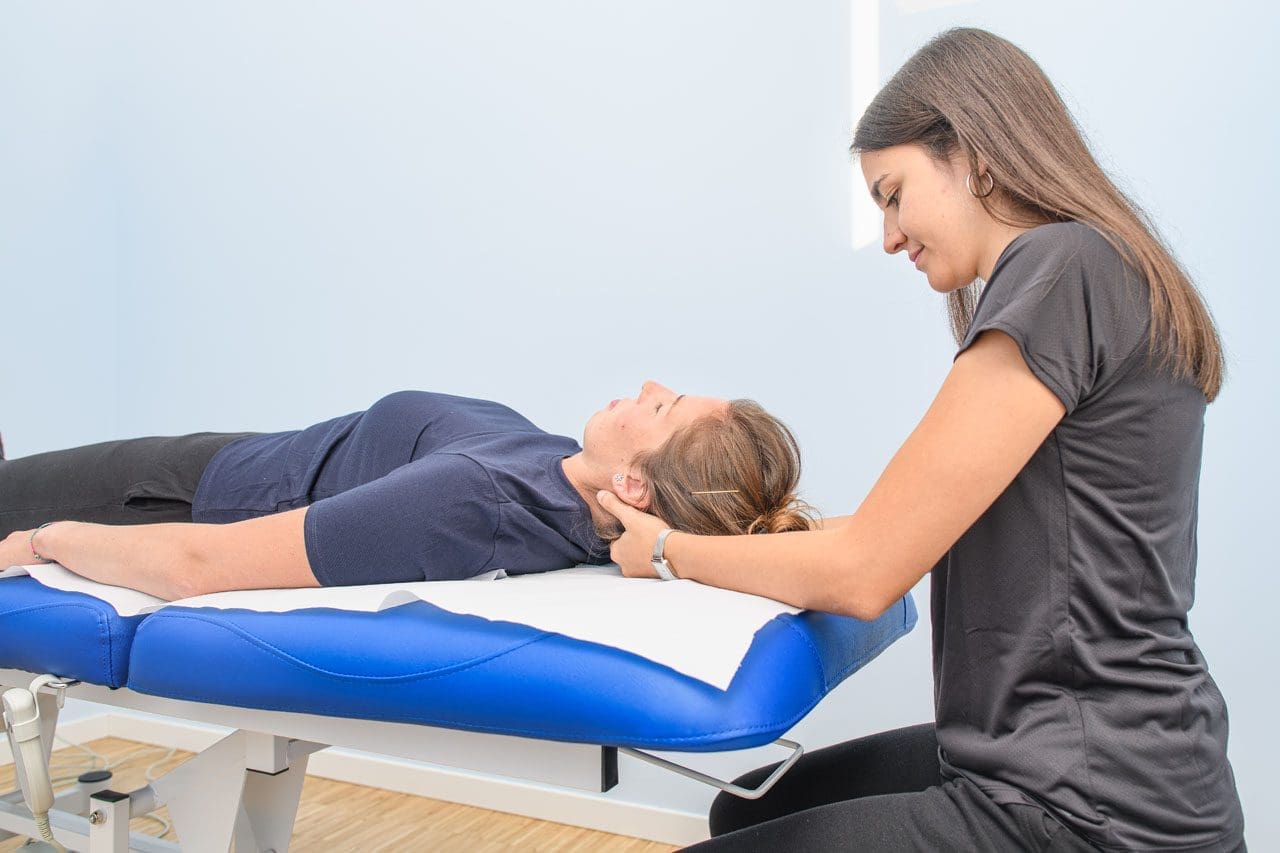
Regular massage therapy.
Adjusting chairs and/or monitor height to align with a straight line of sight.
Not carrying heavy bags, especially on one shoulder.
Avoiding side sleeping without proper head support.
Injury Medical Chiropractic Clinic
Visiting a chiropractic and physical therapy team can help treat injuries and chronic pain syndromes, relieve pain, resolve musculoskeletal issues, and prevent future symptoms. Injury Medical Chiropractic and Functional Medicine Clinic works with primary healthcare providers and specialists to develop a personalized care program for each patient through an integrated approach to help return to normal and optimal function. If other treatments are needed, Dr. Jimenez has teamed up with top surgeons, clinical specialists, medical researchers, and rehabilitation providers to provide the most effective treatments.
The Natural Way to Heal: Non-Surgical Chiropractic Care for Pain Relief
References
Chotai, P. N., Loukas, M., & Tubbs, R. S. (2015). Unusual origin of the levator scapulae muscle from mastoid process. Surgical and radiologic anatomy : SRA, 37(10), 1277–1281. https://doi.org/10.1007/s00276-015-1508-6
Yoo W. G. (2018). Effects of thoracic posture correction exercises on scapular position. Journal of physical therapy science, 30(3), 411–412. https://doi.org/10.1589/jpts.30.411
Can musculoskeletal therapies treat individuals with upper crossed syndrome to relieve pain, improve posture, and strengthen the muscles in the neck, shoulders and chest?
Upper Crossed Syndrome
Upper crossed syndrome is a condition in which the muscles of the shoulders, neck, and chest become weak and tight, and is usually brought on from practicing unhealthy posture. Symptoms typically include:
Neck stiffness and pulling sensations.
Jaw tension and/or tightness
Upper back tension, lack of flexibility, stiffness, and aching soreness.
Neck, shoulder, and upper back pain.
Tension headaches
Rounded shoulders
Hunched spine
Upper Crossed Syndrome and Posture
The condition affects healthy posture by creating imbalanced muscles between the upper back and chest.
The tight short muscles in the upper chest get overly stretched and remain in a semi-contracted state pulling on the back muscles.
This causes the muscles in the upper back, shoulders, and neck to get pulled and weaken.
The result is a hunched back, forward shoulders, and protruded neck.
The specific muscles affected include the trapezius and the levator scapula/side of the neck muscles. (Hospital for Special Surgery. 2023)
Prescription anti-inflammatory medication for pain symptoms – short-term.
Individuals may be advised by the chiropractic therapy team to avoid too much bed rest and to limit or avoid activities that can cause pain or worsen symptoms. (Cedars-Sinai. 2022)
Studies have shown chiropractic spinal manipulation effectively reduces neck, spine, and low back pain symptoms. (Gevers-Montoro C, et al., 2021)
Increasing or decreasing physical activity as recommended by the therapy team.
Using ice or heat packs to relieve pain and increase circulation to promote muscle rehabilitation and healing.
Using topical pain creams or gels.
Over-the-counter nonsteroidal – NSAIDs, like Advil or Motrin and Aleve.
Muscle relaxants to relieve tension short-term.
Enhance Your Lifestyle
References
Hospital for Special Surgery. Move with the purpose to combat upper and lower crossed syndromes.
National Institute of Arthritis and Musculoskeletal and Skin Diseases. Back pain.
Seidi, F., Bayattork, M., Minoonejad, H., Andersen, L. L., & Page, P. (2020). Comprehensive corrective exercise program improves alignment, muscle activation, and movement pattern of men with upper crossed syndrome: a randomized controlled trial. Scientific reports, 10(1), 20688. https://doi.org/10.1038/s41598-020-77571-4
Bae, W. S., Lee, H. O., Shin, J. W., & Lee, K. C. (2016). The effect of middle and lower trapezius strength exercises and levator scapulae and upper trapezius stretching exercises in upper crossed syndrome. Journal of physical therapy science, 28(5), 1636–1639. https://doi.org/10.1589/jpts.28.1636
National Institute of Neurological Disorders and Stroke. Back pain.
Cedars-Sinai. Back and neck pain.
Gevers-Montoro, C., Provencher, B., Descarreaux, M., Ortega de Mues, A., & Piché, M. (2021). Clinical Effectiveness and Efficacy of Chiropractic Spinal Manipulation for Spine Pain. Frontiers in pain research (Lausanne, Switzerland), 2, 765921. https://doi.org/10.3389/fpain.2021.765921
The various muscles and ligaments that encompass the back help protect the spine’s thoracic region. The spine has three sections: cervical, thoracic, and lumbar, which assist the body with bending, turning, and twisting. For the thoracic spine, various muscles like the rhomboid, trapezoid, and other superficial muscles provide functionality to the scapula or shoulder blades to stabilize the ribcage. When the body succumbs to injuries or traumatic forces, it can develop myofascial pain syndrome associated with upper back pain. Upper back pain can lead to unwanted symptoms affecting their quality of life. Fortunately, various exercises target the upper portion of the back and can strengthen multiple muscles from injuries. Today’s article looks at the effects of upper back pain in the body and shows a few stretches and exercises that can support the various muscle groups in the upper back region. We refer our patients to certified providers that incorporate techniques and multiple therapies for many individuals suffering from upper back pain and its correlating symptoms that can affect the musculoskeletal system in the neck, shoulders, and thoracic region of the spine. We encourage and appreciate each patient by referring them to associated medical providers based on their diagnosis when it is appropriate. We understand that education is a fantastic way when asking our providers intricated questions at the patient’s request and understanding. Dr. Jimenez, D.C., only utilizes this information as an educational service. Disclaimer
The Effects Of Upper Back Pain In The Body
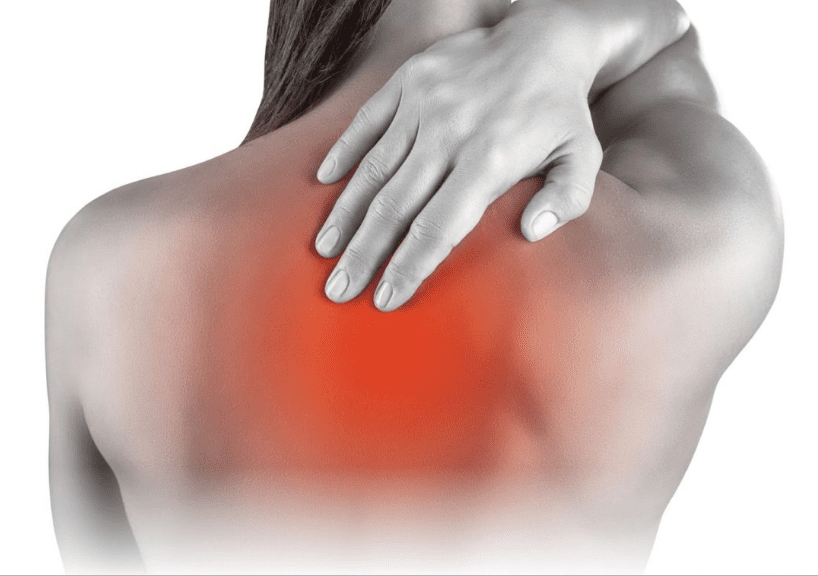
Have you been experiencing stiffness around or near your shoulder blades? Do you feel muscle strain when you are rotating your shoulders? Or does it hurt when you stretch your upper back in the morning? Many of these issues are signs and symptoms of upper back pain. Studies reveal that back pain is one of the most common complaints many individuals would go for emergency care. Back pain can affect the different regions in the back and cause unwanted symptoms in various areas in the upper back. Additional studies mentioned that persistent pain in the thoracic region could cause hyper-sensitization of the intercoastal nerves that mimic other conditions affecting the back. Some of the causes and effects that can lead to the development of upper back pain include:
When this happens, it can lead to overlapping conditions that mimic other issues and, if not treated right away, leave individuals with chronic disabling symptoms that correlate with upper back pain.
Upper Back Pain Relief-Video
Have you been experiencing stiffness in your shoulders or neck? Do you feel aches and pains when stretching your arms? Or what about feeling muscle strain when lifting a heavy object? Many of these factors correlate with upper back pain affecting the thoracic spine region. When this happens, it can lead to overlapping risk profiles that can develop into different issues that can cause even more pain to the body. There are various ways to prevent upper back pain from causing further issues to the individual and can relieve the pain associated with it. Many people would go to chiropractic therapy to have their spine re-aligned to bring adequate relief or incorporate upper back exercises and stretches to relieve tension accumulated in the neck and shoulder regions. The video above explains how stretches work for different muscle regions in the upper back and provide relief to the thoracic spine.
Exercises For Upper Back Pain
Regarding the upper back, it is important to understand that incorporating various exercises that target the thoracic region can cause prolonged injuries. Studies reveal that different back exercises focus not only on the back but the shoulders, arms, chest, core, and hips providing stability, balance, and coordination to the individual. This allows the muscles in the back region to improve strength and endurance over time when a person continues to work out. More studies reveal that protocols like the McKenzie back exercise are effective programs to treat various musculoskeletal conditions that can cause pain in the back. Many physical therapists use this protocol on their patients to relieve back pain and help improve their muscular structure to have better posture.
Warm Up
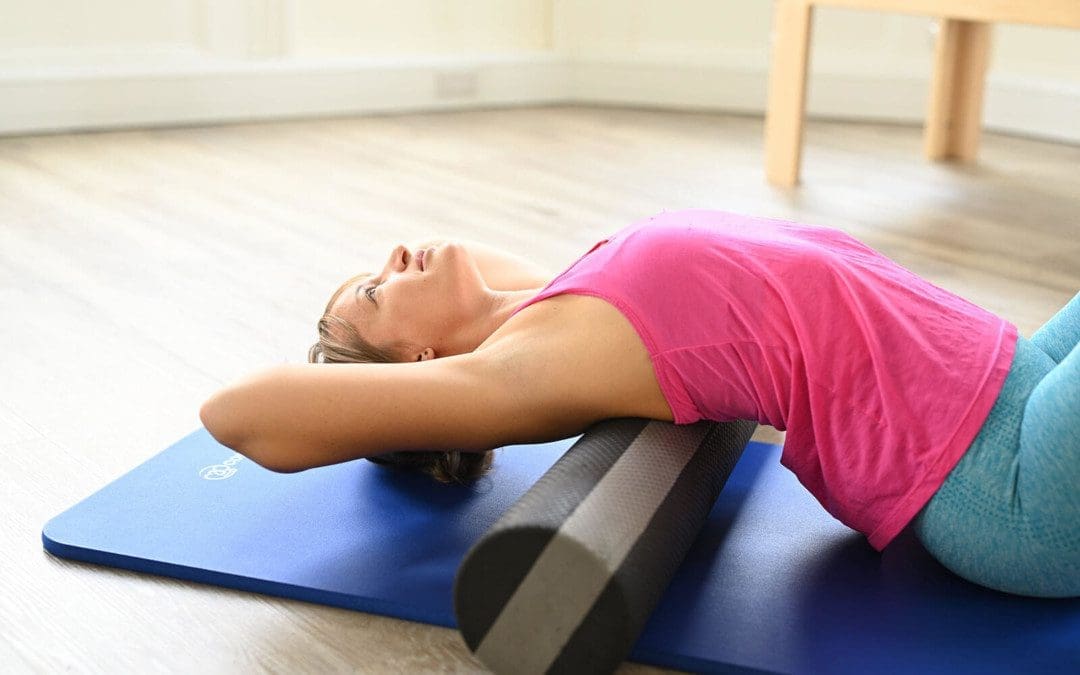
Just like any individual that is starting to get back to their health and wellness through exercise, the most important step that anyone has to do is warming up their muscles before getting into a workout. Warming up each muscle group can prevent future injuries and increase blood flow before starting the exercise. Many individuals would incorporate stretches and foam rolling for 5-10 minutes to ensure that each muscle is ready to perform with maximum effort.
Exercises
After the body is warmed up, it is time to begin the exercise regime. Many different exercise movements target each muscle group and help build muscle mass and improve functionality. It is important to build up momentum when it comes to working out. Starting slowly with minimum reps and sets is important to ensure the exercise is done correctly. Afterward, the individual can increase the workout reps and go with a heavier weight. Below are some of the exercise routines that are suited for the upper back.
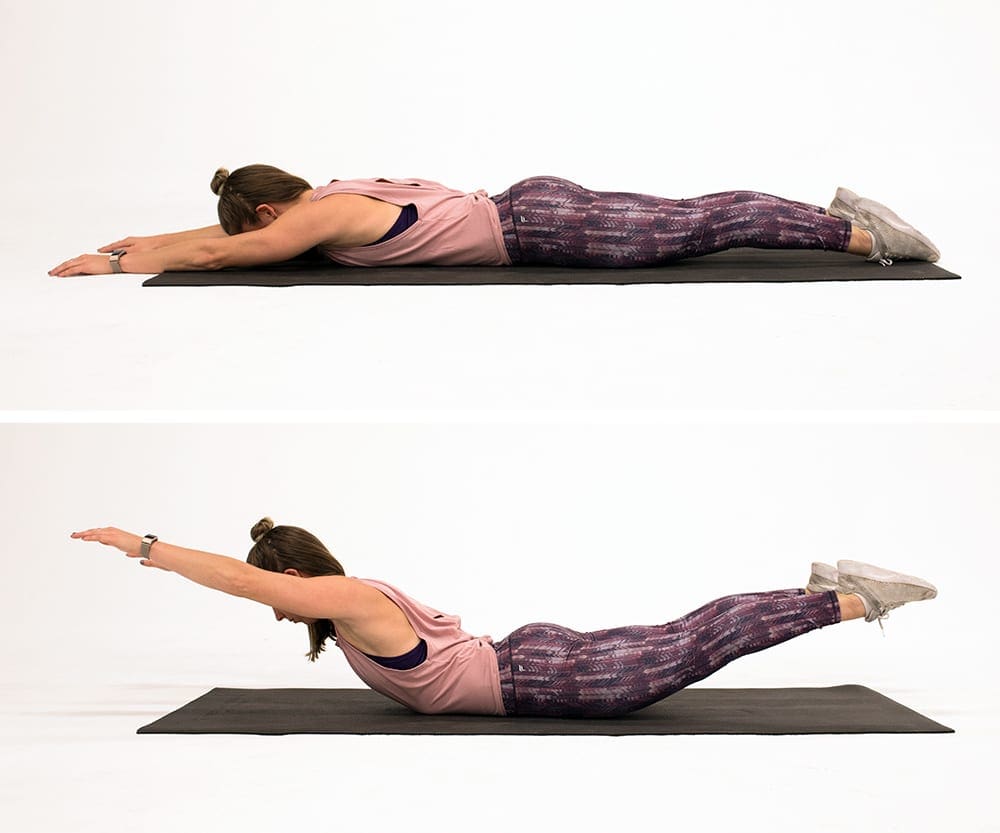
Superman
Lie on your stomach and extend your arms above the head
Keep neck in a neutral position and lift legs and arms off the floor at the same time
Make sure to use the back and glutes to lift
Briefly pause at the top, then return to starting position
Complete three sets of 10 reps
This exercise helps strengthen the spine and surrounding muscles to support the spine and reduce any future injuries from upper back pain.
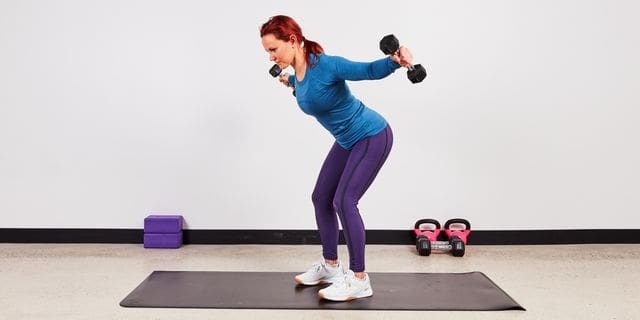
Reverse Dumbbell Flies
Grab light weighted dumbbells
Hinge at the waist at 45 degrees while standing
Make sure the arms are hanging down with the weights
Keep the neck in a neutral position while gazing down
Lift the arms (with the dumbbells) out to the side and upwards
Squeeze the shoulders together at the top during this movement
Complete three sets of 8-12 reps
This exercise is excellent for strengthening the muscles that surround the shoulder and upper back.
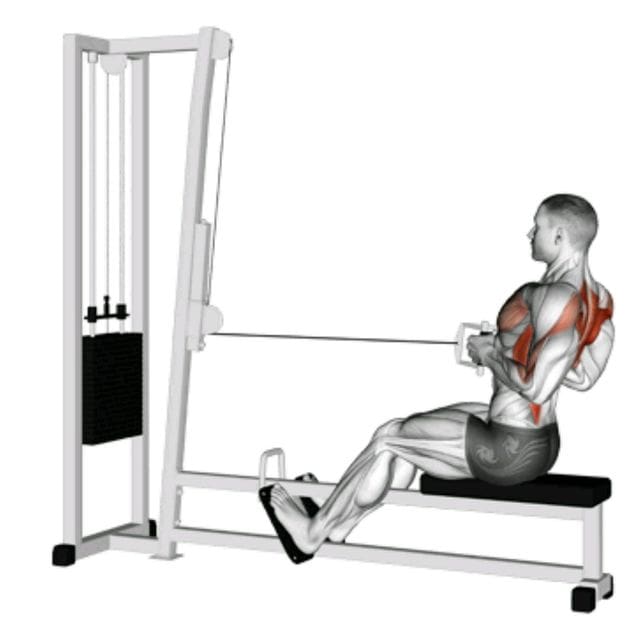
Rows
Use a resistance band or a light weighted dumbbell.
For the resistance band, affix the band to a stable surface above eye level. For the light weighted dumbbells, extend the arms in front of the body above eye level.
Use an overhead grip when holding the resistance band handles and the light weighted dumbbells.
Pull resistance bands or dumbbells toward the face.
Flare out the upper arms to the sides
Squeeze the shoulders together
Pause for a bit and then return to starting position
Complete three sets of 12 reps
This exercise helps strengthen the shoulder muscles and prevent future injuries from occurring in the upper back.
Conclusion
Some various muscles and ligaments encompass the back and help protect the spine’s thoracic region. These muscles help with the stabilization of the ribcage and help provide the functionality to the upper back. When multiple factors cause traumatic injuries to the upper back, it can lead to pain-like symptoms that can cause overlapping features and affect a person’s quality of life. Luckily, various exercises target the upper back and surrounding muscle groups. Each activity targets all the muscles in the upper back and allows a person to regain health and wellness without constant pain.
References
Atalay, Erdem, et al. “Effect of Upper-Extremity Strengthening Exercises on the Lumbar Strength, Disability and Pain of Patients with Chronic Low Back Pain: A Randomized Controlled Study.” Journal of Sports Science & Medicine, U.S. National Library of Medicine, 1 Dec. 2017, https://www.ncbi.nlm.nih.gov/pmc/articles/PMC5721192/.
Casiano, Vincent E, et al. “Back Pain – Statpearls – NCBI Bookshelf.” In: StatPearls [Internet]. Treasure Island (FL), StatPearls Publishing, 4 Sept. 2022, https://www.ncbi.nlm.nih.gov/books/NBK538173/.
Louw, Adriaan, and Stephen G Schmidt. “Chronic Pain and the Thoracic Spine.” The Journal of Manual & Manipulative Therapy, U.S. National Library of Medicine, July 2015, https://www.ncbi.nlm.nih.gov/pmc/articles/PMC4534852/.
Mann, Steven J, et al. “McKenzie Back Exercises – Statpearls – NCBI Bookshelf.” In: StatPearls [Internet]. Treasure Island (FL), StatPearls Publishing, 4 July 2022, https://www.ncbi.nlm.nih.gov/books/NBK539720/.
The upper back is part of the thoracic region of the spine, surrounded by various muscles that protect the thoracic joints and help assist with respiratory functionality for the lungs. The upper back muscles consist of the rhomboids and the trapezoid muscles that provide functionality to the scapula or shoulder blades. Other superficial muscles offer assistance to the thoracic spine. The serratus posterior muscle is one of the superficial muscles that helps the thoracic spine and, like all superficial muscles, can succumb to injuries that can lead to the development of overlapping referred pain symptoms known as trigger points. Today’s article focuses on the serratus posterior muscle function in the back, how trigger points are causing upper back pain, and various techniques to manage trigger points in the upper back. We refer patients to certified providers who are diverse in upper back pain therapies to aid many people suffering from myofascial pain syndrome or trigger points associated with the serratus posterior muscle along the upper back. We advised patients by referring them to our associated medical providers based on their examination when appropriate. We indicate that education is a great solution to asking our providers profound and complex questions at the patient’s request. Dr. Alex Jimenez, D.C., notes this information as an educational service only. Disclaimer
The Serratus Posterior Muscle Function In The Back
Have you been dealing with constant upper back pain? Do you feel soreness at the base of your neck? Or are you having difficulty breathing? Most of the symptoms cause pain in the serratus posterior muscles that can lead to the development of myofascial pain syndrome or trigger points along the upper back. The serratus posterior has various roles in the upper back as it is not only part of the extrinsic muscles but also part of the accessory breathing muscle. The serratus posterior muscle helps with inspiration, which causes the chest cavity to expand as it is a superficial muscle attached to the ribs and is less commonly known. Studies show that the serratus posterior muscle is deep within the rhomboid muscles and is superficial. Even though this muscle is superficial when it has been overused through various activities, that can cause hypertrophy in the accessory respiratory muscles. Additional studies reveal that the serratus posterior superior muscle is considered clinically insignificant but has been impaired by myofascial pain syndrome or trigger points that can lead to upper back pain.
Trigger Points Causing Upper Back Pain
As stated earlier, the upper back is part of the thoracic region of the spine, and when various factors begin to affect the body, the back muscles tend to be involved. Studies reveal numerous sources of spinal pain in the thoracic spine. One is a myofascial pain syndrome affecting the serratus posterior muscles causing referred upper back pain. Myofascial pain syndrome or trigger points can be activated when the serratus posterior muscle is overloaded from thoracic respiratory issues like coughing due to pneumonia, asthma, or chronic emphysema. When respiratory problems affect the muscles in the thoracic region of the back, it leads to the development of trigger points, leading to overlapping issues like referred pain, motor dysfunction, and autonomic phenomena. According to Dr. Travell, M.D., in the upper back, trigger points can make the serratus posterior muscle cause overlapping risk profiles along the shoulder blades and have referred pain travel to the hands. This can make many individuals suffer from serious pain-like symptoms, causing them to be miserable.
Releasing Trigger Points Related Tension In The Upper Back-Video
Have you been dealing with respiratory issues causing you to be hunched over constantly? Do you feel soreness or tenderness at the base of your neck? Or are you suffering from upper back pain? These symptoms are associated with trigger points that are affecting the serratus posterior muscles causing upper back pain. Trigger points, or myofascial pain syndrome, is a musculoskeletal disorder that causes tenderness along the affected muscle that causes referred pain to the surrounding muscles in the body. Trigger points associated with the serratus posterior muscles can cause referred pain in the upper back and mimic various chronic conditions. Trigger point pain is difficult to diagnose but can be manageable with treatment. The video above gives examples of how to treat trigger points to relieve tension in the upper back.
Various Techniques To Manage Trigger Points In The Upper Back
When it comes to upper back pain, many individuals will go to pain specialists like massage therapists or chiropractors to relieve any issues affecting the upper back. These pain specialists utilize various techniques like stretching, spinal manipulation, massages, and ischemic compression to alleviate pain and manage trigger points from forming further in the affected muscle. Pain specialists like massage therapists or chiropractors are excellent for locating pain-like symptoms associated with trigger points. Even though treatment can help manage symptoms associated with trigger points, many people can still incorporate these techniques, like deep breathing or correcting their posture, to prevent the upper back muscles from becoming strained and causing more issues than before.
Conclusion
The serratus posterior muscles have various roles in the upper back region of the body. These superficial muscles are extrinsic and accessory breathing muscles that help expand the chest cavity. When multiple issues affect the upper back muscles, like strenuous activities or respiratory problems, it can develop trigger points along the serratus posterior muscles and invoke pain-like symptoms to travel down to the hand, causing mobility issues. Thankfully, various techniques that pain specialists like chiropractors and massage therapists use can help manage trigger points from escalating and can bring upper back mobility to the body once again.
References
Altafulla, Juan J, et al. “An Unusual Back Muscle Identified Bilaterally: Case Report.” Cureus, Cureus, 15 June 2018, https://www.ncbi.nlm.nih.gov/pmc/articles/PMC6093753/.
Briggs, Andrew M, et al. “Thoracic Spine Pain in the General Population: Prevalence, Incidence and Associated Factors in Children, Adolescents and Adults. A Systematic Review.” BMC Musculoskeletal Disorders, BioMed Central, 29 June 2009, https://www.ncbi.nlm.nih.gov/pmc/articles/PMC2720379/.
Mitchell, Brittney, et al. “Anatomy, Back, Extrinsic Muscles.” In: StatPearls [Internet]. Treasure Island (FL), StatPearls Publishing, 4 Aug. 2021, https://www.ncbi.nlm.nih.gov/books/NBK537216/.
Travell, J. G., et al. Myofascial Pain and Dysfunction: The Trigger Point Manual: Vol. 1:Upper Half of Body. Williams & Wilkins, 1999.
Vilensky, J A, et al. “Serratus Posterior Muscles: Anatomy, Clinical Relevance, and Function.” Clinical Anatomy (New York, N.Y.), U.S. National Library of Medicine, July 2001, https://pubmed.ncbi.nlm.nih.gov/11424195/.
IFM's Find A Practitioner tool is the largest referral network in Functional Medicine, created to help patients locate Functional Medicine practitioners anywhere in the world. IFM Certified Practitioners are listed first in the search results, given their extensive education in Functional Medicine