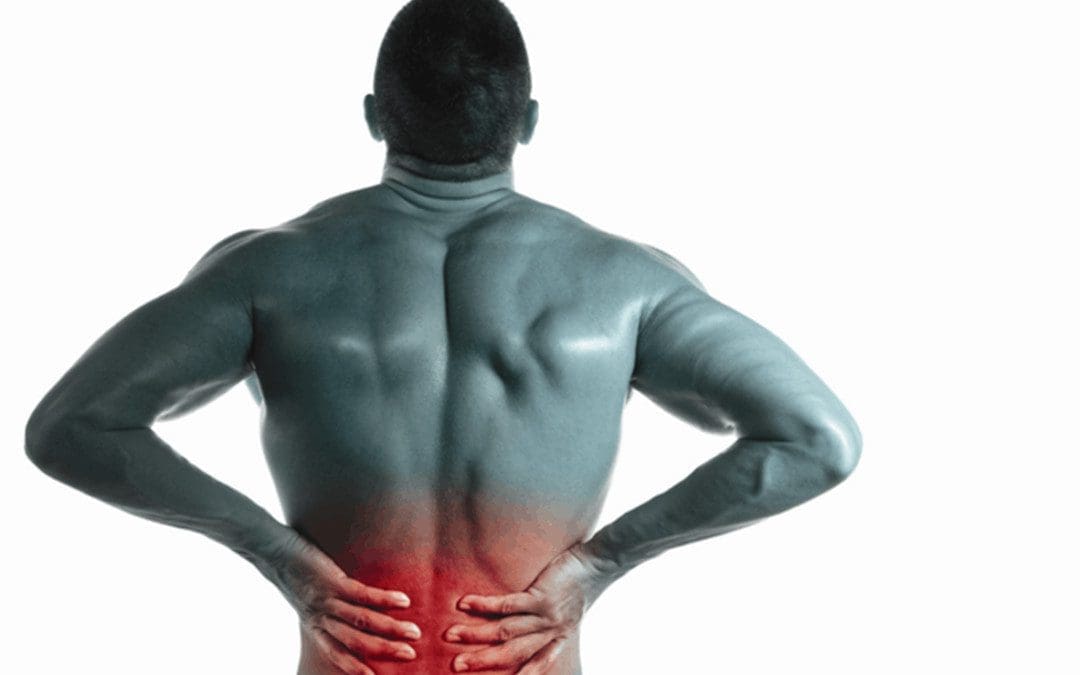
The lower back works with the body’s lower extremities by stabilizing the hips and helping support the upper body’s weight. The lower back also has many functions when it comes to mobility. The lower back allows the person to bend, twist, and rotate the torso without any pain inflicted on the body. When normal factors or traumatic issues start to cause low back pain in the individual, the pain-like symptoms can correlate to the development of trigger points in the lower back muscles. Today’s article examines the quadratus lumborum, how myofascial trigger pain affects the low back, and how to manage myofascial trigger pain through various treatments. We refer patients to certified providers who incorporate multiple techniques in low back pain therapies related to trigger points to aid individuals dealing with pain symptoms along the quadratus lumborum in the lower back. We encourage and appreciate patients by referring them to our associated medical providers based on their diagnosis, especially when it is appropriate. We understand that education is an excellent solution to asking our providers complex questions at the patient’s request. Dr. Jimenez, D.C., utilizes this information as an educational service only. Disclaimer
What Is The Quadratus Lumborum?
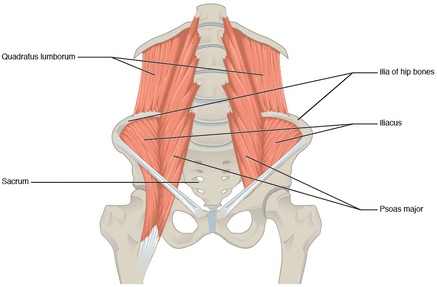
Have you been experiencing low back pain? Do you feel relief when you stretch your lower back, only to have the pain return later? Do you feel tenderness or soreness on the sides? Many of these complaints are correlated with low back pain associated with trigger points along the quadratus lumborum. The quadratus lumborum is a flat, quadrangular-shaped muscle in the iliac crest and deep back. This muscle plays an important part in the thoracolumbar fascia that covers the posterior body area while involving the lower and upper parts of the limbs. According to “Myofascial Pain and Dysfunction: The Trigger Point Manual,” written by Dr. Janet G. Travell, M.D., mentioned that the quadratus lumborum functions to control the side bending to the opposite side by lengthening contraction. Other studies reveal that various actions on the lumbar spine have been attributed to the quadratus lumborum. When the quadratus lumborum goes through these different actions, it can cause the muscles to become overused, or when injuries occur in the lower back, it can lead to various issues that can develop into overlapping conditions in the lower back.
Myofascial Trigger Pain Affecting The Low Back
When it comes to the lower back, many individuals worldwide experience some pain in their backs, and low back pain is common. Various factors cause low back pain from lifting heavy objects, over-exerting the sides with rapid turning, or even normal wear and tear of the body, which can cause lower back pain. When low back pain affects the quadratus lumborum, it can develop trigger points or myofascial trigger pain. Studies reveal that low back pain from the quadratus lumborum can present myofascial pain, causing the individual to have an acute pain episode in their lower back. Myofascial trigger pain is developed when the affected muscle has been overused and causes tiny knots to form along the muscle fibers. When myofascial trigger pain is in the quadratus lumborum, it becomes activated acutely through awkward movements or sudden trauma in the lower back, affecting the mobility of the lower back and the hips. Additional studies reveal that the prevalence of myofascial trigger pain in the quadratus lumborum, when being diagnosed, can display significantly less hip abduction strength. Low back pain associated with myofascial trigger pain can correlate with other chronic issues affecting the body’s lower extremities.
Trigger Point Release: Quadratus Lumborum- Video
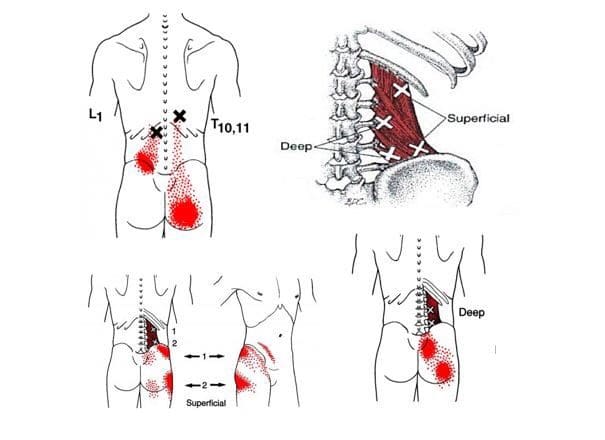
Are you experiencing mobility issues in your hips? Do you feel symptoms of tenderness or stiffness in your lower back? Does it hurt when you are bending down to pick up an item? Most of these symptoms correlate with low back pain, potentially involving trigger points along the quadratus lumborum. Trigger points are formed when the muscle has been overused or been through a traumatic event like an auto accident, and since low back pain is common worldwide, it can mask other chronic conditions that overlap the pain. The video explains where the quadratus lumborum is located in the back, where the trigger points are marked, and how to manage the trigger points through manual manipulation while reducing pain away from the lower body. When myofascial trigger pain begins to wreak havoc on the affected muscles in the lower back. Various treatments applied to the lower back can help alleviate the symptoms caused by trigger points associated with the lower back along the quadratus lumborum.
Managing Myofascial Trigger Pain Through Various Treatments
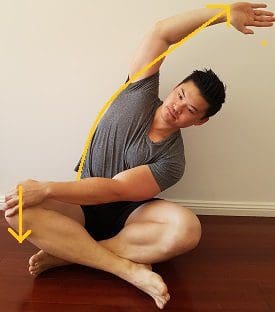
Since low back pain is common worldwide and can potentially lead to the development of trigger points along the various lower back muscles, especially the quadratus lumborum, many individuals would utilize medication specifically for low back pain to reduce the pain symptoms; however, it only masks the pain caused by myofascial trigger pain. Studies reveal manual trigger-point therapy techniques that healthcare providers use to assess patients who are in pain from myofascial trigger pain. Many will go to a pain specialist to manage trigger points when the pain becomes too much for the individual. Another method that many people should utilize as part of their daily practice is doing gentle side stretching on the quadratus lumborum to loosen up the stiff muscles and reduce the chances of trigger points forming in the affected muscle in the future.
Conclusion
The quadratus lumborum is a flat, quadrangular-shaped muscle in the iliac crest and deep back. This muscle helps with posterior mobility of the lower extremities and, when overused, can develop myofascial trigger pain associated with the low back. This can lead to various common back pain issues that affect how a person moves and become unstable when in motion. Fortunately, low back pain associated with myofascial trigger pain is treatable through various treatments that can reduce the pain and manage trigger points located in the low back. When people incorporate treatments to alleviate pain in their lower back, they will begin to experience relief and have their sense of purpose back in their lives.
References
Bordoni, Bruno, and Matthew Varacallo. “Anatomy, Abdomen and Pelvis, Quadratus Lumborum.” In: StatPearls [Internet]. Treasure Island (FL), StatPearls Publishing, 18 July 2022, https://www.ncbi.nlm.nih.gov/books/NBK535407/.
de Franca, G G, and L J Levine. “The Quadratus Lumborum and Low Back Pain.” Journal of Manipulative and Physiological Therapeutics, U.S. National Library of Medicine, Feb. 11AD, https://pubmed.ncbi.nlm.nih.gov/1826922/.
Grover, Casey, et al. “Atraumatic Back Pain Due to Quadratus Lumborum Spasm Treated by Physical Therapy with Manual Trigger Point Therapy in the Emergency Department.” Clinical Practice and Cases in Emergency Medicine, University of California Irvine, Department of Emergency Medicine Publishing Western Journal of Emergency Medicine, 29 May 2019, https://www.ncbi.nlm.nih.gov/pmc/articles/PMC6682240/.
Phillips, S, et al. “Anatomy and Biomechanics of Quadratus Lumborum.” Proceedings of the Institution of Mechanical Engineers. Part H, Journal of Engineering in Medicine, U.S. National Library of Medicine, Feb. 2008, https://pubmed.ncbi.nlm.nih.gov/18441751/.
Roach, Sean, et al. “Prevalence of Myofascial Trigger Points in the Hip in Patellofemoral Pain.” Archives of Physical Medicine and Rehabilitation, U.S. National Library of Medicine, Mar. 2013, https://pubmed.ncbi.nlm.nih.gov/23127304/.
Travell, J. G., et al. Myofascial Pain and Dysfunction: The Trigger Point Manual: Vol. 2:the Lower Extremities. Williams & Wilkins, 1999.
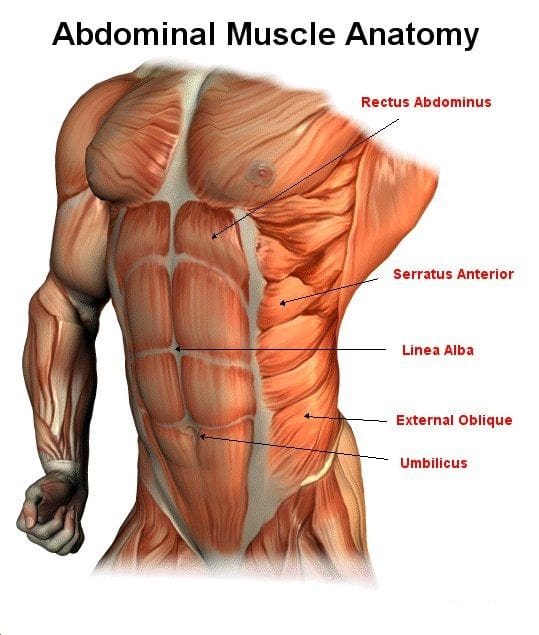
When it comes to the torso is surrounded by various muscles that help protect the vital organs known as the gut system and help with stabilizing the spinal column in the body. The abdominal muscles are essential to maintaining good posture and core support for many individuals. When normal activities or chronic issues begin to affect the body, the abdominal muscles can also be affected and can cause referred pain all around the torso area. When the abdominal muscles are dealing with referred pain, it can develop into trigger points that mask other chronic conditions affecting the torso and the thoracolumbar region. Today’s article looks at the abdominal muscles and their function, how trigger points are affecting the abdomen, and how various treatments help manage trigger points associated with abdominal pain. We refer patients to certified providers who provide different techniques in abdominal pain therapies related to trigger points to aid many suffering from pain-like symptoms along the abdominal muscles along the torso. We encourage patients by referring them to our associated medical providers based on their examination when it is appropriate. We designate that education is a great solution to asking our providers profound and complex questions at the patient’s request. Dr. Alex Jimenez, D.C., notes this information as an educational service only. Disclaimer
The Abdominal Muscles & Their Function
Do you have trouble moving around? Have you been dealing with muscle spasms along your abdomen? Does it hurt when you are sneezing, laughing, or coughing constantly? All these actions affecting your abdominal muscles might correlate with trigger points along the muscles and disrupt the torso area. The abdomen in the body has various muscles, a complex organ with many functions that contribute to a person’s quality of life. The abdominal muscles have many important parts, from supporting the trunk, allowing movement like twisting and turning, and holding the organs in the gut system in place through internal abdominal pressure regulation. The abdominal muscles have five main muscles that work together with the back muscles to keep body stability. They are:
Pyramidalis
Rectus Abdominus
External Obliques
Internal Obliques
Transversus Abdominis
Studies reveal that the abdominal muscles can help increase the stability of the lumbar region of the body from the vertebral columns by tending the thoracolumbar fascia and raising the intra-abdominal pressure. This allows the abdominal muscle to bend and flex in different positions without feeling pain. However, overusing the abdominal muscles can lead to unnecessary issues that can affect not only the torso but the surrounding muscles around the torso.
How Trigger Points Are Affecting The Abdomen
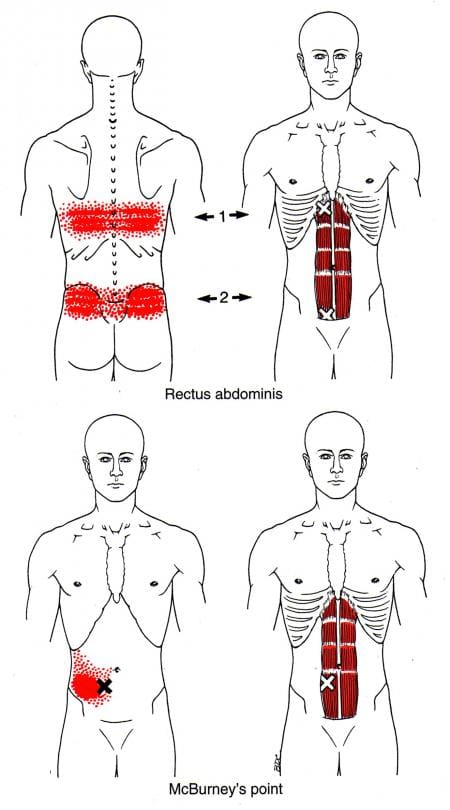
The book “Myofascial Pain and Dysfunction,” by Dr. Janet Travell, M.D., mentioned that abdominal symptoms are common and can cause diagnostic confusion for many people. Since the abdominal muscles can provide stability to the body’s trunk when a person overuses the abdominal muscles through various activities like quick and violent twisting of the mid-section, lifting heavy objects with the core instead of the legs, overdoing exercise regimes, or having a persistent cough, these various activities could potentially lead to the development of trigger points in the abdominal muscles causing pain in the abdomen and causing referred pain to the lower back. Studies reveal that trigger points along the abdominal muscles are developed through aggravating factors like prolonged sitting or standing can cause the abdominal muscles to become extremely tender and hyperirritable along the taut muscle bands. When trigger points affect the abdominal muscles, they can produce referred abdominal pain and visceral disorders (somato-visceral effects) that work closely together to mimic visceral diseases. This pertains to many individuals thinking something is wrong in their gut system, but their abdominal muscles are causing issues in their bodies.
Releasing Trigger Points In The Abdominal Muscles-Video
Have you been experiencing abdominal issues around your torso? Does it hurt when you laugh, cough, or sneeze? Do you feel muscle stiffness or tenderness along your abdominals? If you have been dealing with these symptoms throughout your life, you could be experiencing abdominal pain associated with trigger points in your torso. Abdominal pain is common for many individuals and can vary from gut issues or muscle issues that various factors can cause in the torso. Abdominal issues can even cause confusion to doctors when they are diagnosing the issues that are affecting their patients. When various actions cause pain to the abdominals, it can develop referred pain associated with trigger points. Trigger points develop when the muscle has been overused, creating tiny nodules in the taut band. Trigger points can be tricky to pinpoint but are treatable. The video above shows where the trigger points are located in the abdominal muscles and how to release them from the affected abdominal muscles to provide relief and reduce the mimic effects of visceral-somatic pain.
Managing Trigger Points Associated With Abdominal Pain Through Various Treatments
When abdominal pain affects the muscles, the symptoms can develop trigger points. When this happens, it can lead to confusion and often misdiagnosed. All is not lost; there are ways to manage trigger points associated with abdominal pain through various treatments. Studies reveal that various therapies like dry needling combined with palpations can reduce trigger points from causing more referred pain issues in the abdomen. Other ways to prevent trigger points from developing in the future are through exercises that can help strengthen the abdominal muscles. Exercises like abdominal breathing, pelvic tilts, sit-ups, and even laughter can help strengthen weak abdominal muscles and positively affect the body.
Conclusion
The torso has various muscles, known as abdominal muscles, that help protect the vital organs in the gut system, help stabilize the spinal column, and maintain good posture for many individuals. Various factors affecting the abdominal muscles can lead to a confusing diagnosis, as it could be an internal or external issue. When the abdominal muscles are affected by being overused through various activities, it can develop into trigger points in the muscles, causing visceral referred pain to the torso and cause muscle weakness. Luckily multiple treatments can help reduce the effects of trigger points associated with abdominal pain and can help strengthen the core of the body. This allows the individual to feel better and consider what not to do to their abdominals.
References
Balyan, Rohit, et al. “Abdominal Wall Myofascial Pain: Still an Unrecognized Clinical Entity.” The Korean Journal of Pain, The Korean Pain Society, Oct. 2017, https://www.ncbi.nlm.nih.gov/pmc/articles/PMC5665744/.
Rajkannan, Pandurangan, and Rajagopalan Vijayaraghavan. “Dry Needling in Chronic Abdominal Wall Pain of Uncertain Origin.” Journal of Bodywork and Movement Therapies, U.S. National Library of Medicine, Jan. 2019, https://pubmed.ncbi.nlm.nih.gov/30691770/.
Seeras, Kevin, et al. “Anatomy, Abdomen and Pelvis, Anterolateral Abdominal Wall.” In: StatPearls [Internet]. Treasure Island (FL), StatPearls Publishing, 25 July 2022, https://www.ncbi.nlm.nih.gov/books/NBK525975/.
Tesh, K M, et al. “The Abdominal Muscles and Vertebral Stability.” Spine, U.S. National Library of Medicine, June 1987, https://pubmed.ncbi.nlm.nih.gov/2957802/.
Travell, J. G., et al. Myofascial Pain and Dysfunction: The Trigger Point Manual: Vol. 1:Upper Half of Body. Williams & Wilkins, 1999.
The upper body works because it provides stability for the body and motor-sensory functions to the arms, neck, shoulders, and chest. The muscles surrounding each body section have different roles and outputs that have specific jobs for body functionality. For the chest body area, the various muscles are there to support the shoulders and arms while protecting the chest cavity and the internal organs inside. Some of the different chest muscles even support the internal organs and the rest of the muscles. One of those muscles is known as the serratus anterior muscle. Today’s article looks at this muscle, how trigger points affect the serratus anterior muscle, and various actions to manage trigger points along the serratus anterior. We refer patients to certified providers who provide different techniques in pain therapies associated with trigger points to aid many suffering from pain-like symptoms along the serratus anterior muscle along the ribcage. We encourage patients by referring them to our associated medical providers based on their examination when it is appropriate. We designate that education is a great solution to asking our providers profound and complex questions at the patient’s request. Dr. Alex Jimenez, D.C., notes this information as an educational service only. Disclaimer
What Is The Serratus Anterior?
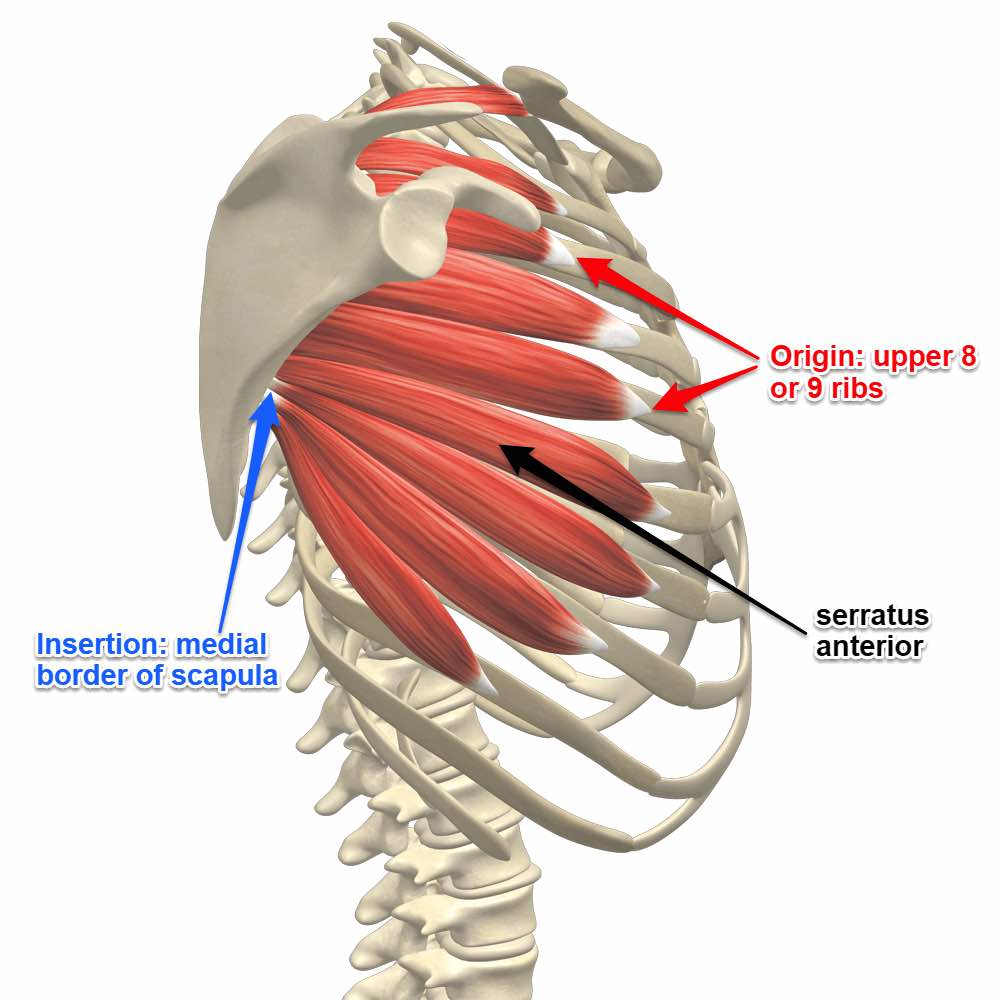
Have you been experiencing pain in your sides? Do you notice that your shoulders feel stiff when rotating backward? Or are you experiencing any cardiovascular disorders that are causing you pain? Pain can come in many forms and affect a person differently, as most of these symptoms are associated with trigger points affecting the serratus anterior muscle along the side of the ribs. The serratus anterior muscles work in the body because this muscle is located deep within the scapula (shoulder blades) and the pectoral muscles. Some of the functions that the serratus anterior provides are that it helps pull the shoulder blades forward around the thorax by allowing anteversion and protraction of the arms.
A great example is when a boxer is throwing a punch. This motor action is done with the long thoracic nerve. The long thoracic nerve originated from the C-5 and C-6 regions of the cervical spine and is the motor nerve for the serratus anterior muscle to allow an anterolateral motion for the shoulder blades that allows arm elevation. Another function of the serratus anterior is that it helps lift the ribs and provide assistance with respiration. The serratus anterior muscle also helps protect the side of the ribcage.
Trigger Points Affecting The Anterior Serratus Muscle
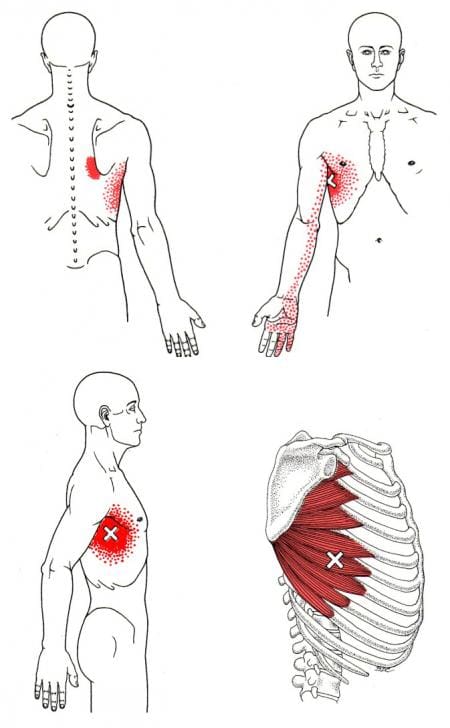
The serratus anterior muscle and the long thoracic nerve work hand-in-hand to provide motor function to the arms but can succumb to various injuries that can cause the development of trigger points or myofascial pain syndrome in the anterior serratus muscle. According to Dr. Travell, M.D.’s book, “Myofascial Pain & Dysfunction,” trigger points may be activated when the serratus anterior muscle has been overused and strained from excessive exercises like prolonged running, pushups, or heavy weight lifting or even extreme coughing from respiratory diseases. Other studies reveal that trigger points affecting the serratus anterior muscle can cause radiating pain along the anterior chest wall that can mimic radiculopathy and often be confused with chronic mechanical neck pain, instability in the glenohumeral, and even shoulder impingement syndrome. Trigger points are often difficult to diagnose due to the referred pain in the affected muscle. The various factors that contribute to the development of trigger points can be simple, like an overused muscle or even a slightly poor posture stance that can cause an imbalance in the body.
Trigger Point Release On The Serratus Anterior- Video
Have you been dealing with pain in the side of your ribs? What about experiencing stiffness or pain when throwing a punch? Do you feel any aches or soreness when adjusting your posture? These symptoms you are experiencing could contribute to the development of trigger points affecting the serratus anterior muscle. The serratus anterior covers the side of the ribcage and lies deep within the scapula and pectoral muscle. This muscle allows the motor function to the arms as it pulls the scapula forward around the thorax when someone throws a punch. However, when the muscle is overused, it can develop trigger points along the serratus anterior muscle and mimic chronic issues in the chest cavity. This causes referred pain to travel from the side of the ribs down to the hand, causing pain-like symptoms to the ring and pinky fingers. Fortunately, various treatments help manage trigger points in the serratus anterior muscle. The video above shows where the trigger points are located in the serratus anterior and how to release the trigger points from the affected muscle to relieve the pain and manage trigger points from returning to the muscle.
Various Actions To Manage Trigger Points Along The Serratus Anterior
When the serratus anterior is affected by trigger points, many people will often feel pain along their sides and complain about their chest hurting for an unknown reason. When this happens, they would be referred to a pain specialist like a chiropractor or a massage therapist to manage trigger points associated with the serratus anterior through various techniques. Studies reveal that techniques like intramuscular neural distribution of the serratus anterior muscle can help reduce the effects of trigger points in the affected muscle to reduce pain-like symptoms. Other methods like thoracic spinal manipulation, dry-needling, acupuncture, or stretching the muscle group can help loosen the stiff muscles and lower trigger points from forming. However, other actions that many people should consider are modifying or avoiding strenuous activities that can reactivate the serratus anterior muscle trigger points. Even when the person is sleeping, putting a pillow under to support the arm can prevent the scapula from falling forward.
Conclusion
The serratus anterior muscle is located at the side of the ribs and is deep within the scapula (the shoulder blades) and the poster muscles. The serratus anterior muscle works with the long thoracic nerve by providing motor function to the arms by allowing anterolateral motion. This allows the individual to throw a punch in a boxing match while lifting the ribs and assisting with respiration. When the serratus anterior muscle succumbs to injuries or has been overused, it can develop into trigger points and cause various issues affecting the body’s chest cavity. Trigger points are treatable through multiple therapies that can manage trigger points while reducing the pain effects rendered in the serratus anterior muscles. These therapies return mobility and motor function to the arms and the serratus anterior muscles.
References
Bautista, Alexander, et al. “Serratus Anterior Muscle Pain Syndrome: A Diagnostic Conundrum.” OUP Academic, Oxford University Press, 11 Feb. 2017, https://academic.oup.com/painmedicine/article/18/8/1600/2990174?login=false.
Long, Kirsten, and Forshing Lui. “Anatomy, Thorax, Long Thoracic Nerve.” In: StatPearls [Internet]. Treasure Island (FL), StatPearls Publishing, 31 July 2021, https://www.ncbi.nlm.nih.gov/books/NBK535396/.
The jaw has a primary function in the head as it allows the muscles to move up and down, helps chew food, and allows the host to speak. Each of the muscles and organs inside the jaw has its functions that will enable the head to function correctly. The mouth, part of the gut system, allows air to travel into the lungs so the body can breathe and consume food to be swallowed and digested to be turned into energy for the rest of the body to move around. The mouth, the tongue, and the teeth have a casual relationship as the teeth can grind the food into small pieces to be digested, while the tongue can taste the food. When issues begin to cause an effect on the jaw, it can lead to symptoms that can, over time, be painful to the surrounding muscles, organs, and even nerve endings along the jaw’s skeletal structure. Today’s article looks at the medial pterygoid muscle, how trigger point pain affects this muscle, and ways to manage trigger point pain on the medial pterygoid muscle. We refer patients to certified providers who specialize in musculoskeletal treatments to aid individuals suffering from trigger point pain associated with the medial pterygoid muscle along the inside of the jaw. We also guide our patients by referring them to our associated medical providers based on their examination when appropriate. We ensure to find that education is the solution to asking our providers insightful questions. Dr. Jimenez DC observes this information as an educational service only. Disclaimer
What Is The Medial Pterygoid Muscle?
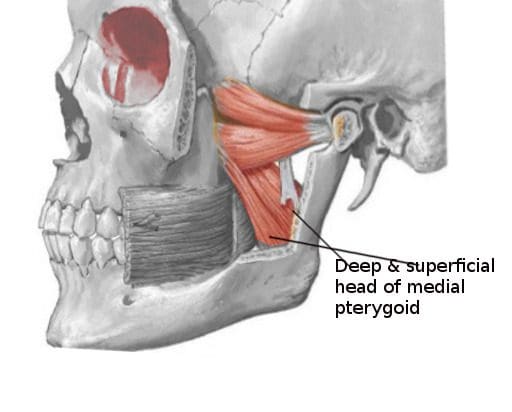
Do you have any problems or issues chewing your food? What about throat soreness from swallowing something hard? Or have you noticed stiffness along your jawline? Individuals experiencing these symptoms might be dealing with pain along the medial pterygoid muscle in their jaw. The medial pterygoid muscle is part of the mastication muscles, which includes the temporalis, lateral pterygoid, and masseter muscles of the jaw. The medial pterygoid is a rectangular-shaped muscle that lies inside the lateral pterygoid muscle. The medial pterygoid muscle works together with the masseter muscle as a sling to help stabilize the mandible or the lower jaw. In contrast, the medial pterygoid nerves provide sensory-motor functions to make the lower jaw move and promote chewing action, thus sending nerve signals to travel through the trigeminal nerve and send the information to the brain. Just like any of the different muscles in the body, the medial pterygoid muscle may succumb to injuries that can affect the sensory-motor function of the jaw while triggering various issues to cause more pain to the jaw and the body.
How Does Trigger Point Pain Affect The Medial Pterygoid Muscle?
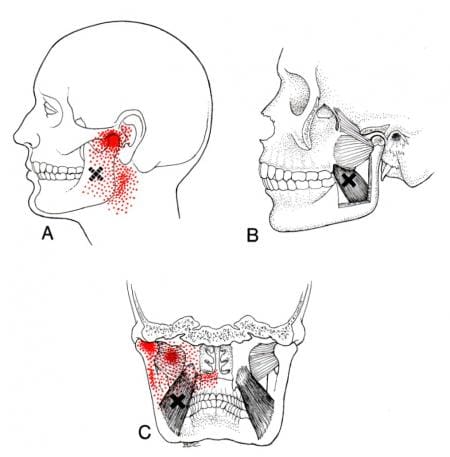
When various issues begin to affect the muscles of the body, it can be something simple like repetitive motions that causes the muscles to be overused or injuries that can cause the muscles to become inflamed and, if not treated, can become sensitive to the touch. To that point, tiny knots known as trigger points are formed along the taut muscle fibers that can make the muscle become sensitive and overlap various issues that can cause pain in different body locations. Since the medial pterygoid and the masseter muscle work together, studies reveal that muscle hypertrophy may associate with the masseter, medial pterygoid, or both and can potentially be involved with the risk of dental problems or other issues that are affecting the oral-facial region. Trigger points along the medial pterygoid muscle may be challenging to diagnose due to the referred pain that affects different body areas while mimicking various pain symptoms that become the causes. An example would be a person experiencing ear pain associated with jaw pain. Now how would these two correlate when the person is dealing with ear pain? Since trigger points can mimic other symptoms, the jaw muscles (which include the medial pterygoid) become aggravated and overused, causing referred pain to the teeth overlapping with ear pain.
The Anatomy Of The Medial Pterygoid Muscle-Video
Have you been experiencing unexplainable ear pain? What about your jaws feeling stiff when chewing on something? Or have you been dealing with tooth pain in the back of your jaw? Many of these issues are correlated to referred pain symptoms associated with the medial pterygoid. The video above gives an overview look of the anatomy of the medial pterygoid muscle, its functions, and how it helps the body. When the medial pterygoid is affected by trigger point pain, it may potentially cause various conditions to affect the oral facial region or the surrounding areas of the head. Studies reveal that myofascial pain is often characterized by a trigger point in the taut skeletal muscle band or the fascia. When trigger point pain affects the mastication muscles, it may lead to other comorbidities like muscle tension, poor posture, headaches, and jaw disorders like TMJ(temporomandibular joint) pain. Fortunately, there are ways to manage trigger point pain on the medial pterygoid muscle.
Ways To Manage Trigger Point Pain On The Medial Pterygoid Muscle
Trigger point pain often affects the muscles in certain body areas, causing pain that affects the region of the body, thus making the muscle sensitive. Many individuals who suffer from trigger point pain associated with the medial pterygoid muscle would often complain of toothaches or headaches affecting their daily activities to their primary doctors. After an examination, many doctors would refer their patients to musculoskeletal specialists to see what issue is causing the patient pain in their bodies. Since trigger point pain is a bit complex, musculoskeletal specialists like chiropractors or physical therapists will examine trigger points associated with pain. Many musculoskeletal specialists utilize various techniques to release trigger points along the affected muscle to manage the pain and its related symptoms. At the same time, many musculoskeletal specialists incorporate other multiple treatments to help manage trigger point pain on the medial pterygoid muscle. These various treatments allow the muscles to relax and avoid a relapse in future injuries affecting the muscle.
Conclusion
The primary function of the jaw in the head is to allow the muscles to move up and down, enabling the host to speak and help the mouth chew food. The medial pterygoid is one of the four main mastication muscles that help support the jaw, which is rectangular shaped and helps stabilize the lower jaw. This muscle allows the sensory-motor function of the lower jaw and promotes chewing action. When traumatic or ordinary factors cause the medial pterygoid muscles to become overused can developed trigger points along the muscle fibers and initiate pain associated with toothaches and headaches. Trigger points along the medial pterygoid muscle can make the affected area sensitive and challenging to pinpoint. Fortunately, musculoskeletal specialists like chiropractors or physical specialists can help alleviate the pain while managing trigger points on the affected muscle through various techniques. When people begin to incorporate treatments to manage pain in their bodies, it can allow them to be mindful and avoid future injuries.
References
Guruprasad, R, et al. “Masseter and Medial Pterygoid Muscle Hypertrophy.” BMJ Case Reports, BMJ Publishing Group, 26 Sept. 2011, https://www.ncbi.nlm.nih.gov/pmc/articles/PMC3185404/.
Jain, Prachi, and Manu Rathee. “Anatomy, Head and Neck, Medial (Internal) Pterygoid Nerve.” In: StatPearls [Internet]. Treasure Island (FL), StatPearls Publishing, 11 June 2022, https://www.ncbi.nlm.nih.gov/books/NBK547712/.
Jain, Prachi, and Manu Rathee. “Anatomy, Head and Neck, Medial Pterygoid Muscle.” In: StatPearls [Internet]. Treasure Island (FL), StatPearls Publishing, 11 June 2022, https://www.ncbi.nlm.nih.gov/books/NBK546588/.
Sabeh, Abrar Majed, et al. “Myofascial Pain Syndrome and Its Relation to Trigger Points, Facial Form, Muscular Hypertrophy, Deflection, Joint Loading, Body Mass Index, Age and Educational Status.” Journal of International Society of Preventive & Community Dentistry, Wolters Kluwer – Medknow, 24 Nov. 2020, https://www.ncbi.nlm.nih.gov/pmc/articles/PMC7791579/.
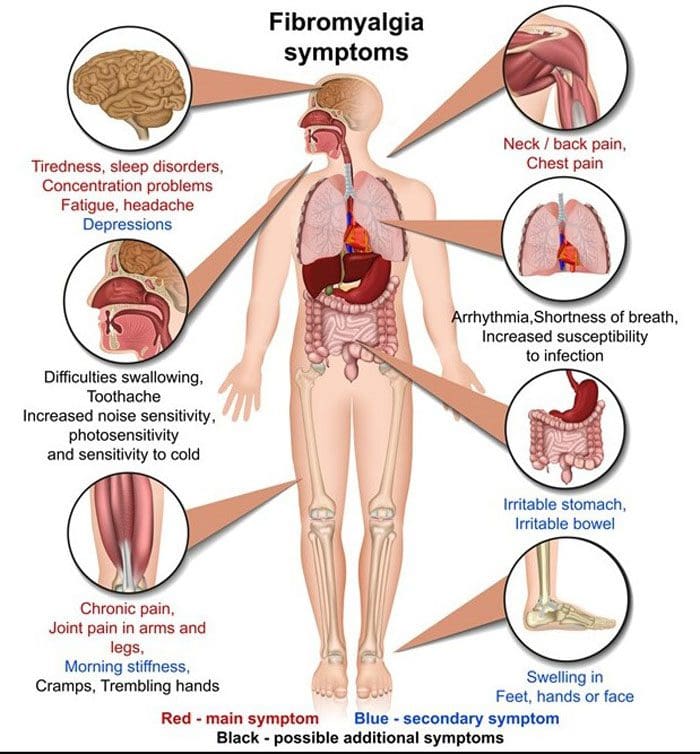
Fibromyalgia is a condition that causes pain throughout the whole body. It causes sleep problems, fatigue, and mental/emotional distress. It affects around four million adults in the United States. Individuals with Fibromyalgia tend to be more sensitive to pain. This is referred to as abnormal/altered pain perception processing. Research currently leans towards a hyperactive nervous system as one of the most plausible causes.
Symptoms and Related Conditions
Individuals with fibromyalgia/fibromyalgia syndrome/FMS may have:
Fatigue
Sleep issues
Headaches
Concentration, Memory issues, or Fibro Fog
Stiffness
Tender points
Pain
Numbness and tingling in hands, arms, legs, and feet
Central sensitization means that the central nervous system, made up of the brain and spinal cord, processes pain differently and more sensitively. For example, individuals with Fibromyalgia could interpret physiological stimuli, like heat, coldness, pressure, as pain sensations. Mechanisms that cause altered pain processing include:
Pain signal dysfunction
Modified opioid receptors
Substance P increase
Increased activity in the brain where pain signals are interpreted.
Pain Signal Dysfunction
When a painful stimulus is felt, the brain signals the release of endorphins, the body’s natural painkillers that block the transmission of pain signals. Individuals with Fibromyalgia could have a pain-blocking system that is altered and/or not functioning correctly. There is also the inability to block repetitive stimuli. This means that the individual keeps feeling and experiencing the stimuli even as they try to block them out, suggesting a failure in the brain to filter out irrelevant sensory information.
Modified Opioid Receptors
Research has found that individuals with fibromyalgia have a reduced number of opioid receptors in the brain. Opioid receptors are where endorphins bind so the body can use them when necessary. With fewer available receptors, the brain is less sensitive to endorphins, as well as opioid pain medication like:
Hydrocodone
Acetaminophen
Oxycodone
Acetaminophen
Substance P Increase
Individuals with fibromyalgia have been found to have elevated levels of substance P in their cerebrospinal fluid. This chemical is released when a painful stimulus is detected by the nerve cells. Substance P is involved with the body’s pain threshold, or the point when a sensation turns into pain. High levels of substance P could explain why the pain threshold is low in individuals with fibromyalgia.
Increased Activity in the Brain
Brain imaging tests, like magnetic resonance imaging or MRI, have shown that fibromyalgia is associated with greater than regular activity in areas of the brain that interpret pain signals. This can suggest that pain signals are overwhelming those areas or that the pain signals are being processed dysfunctionally.
Triggers
Certain factors can trigger a flare-up. These include:
Diet
Hormones
Physical stress
Too much exercise
Not enough exercise
Psychological stress
Stressful events
Sleep Patterns changed
Treatment changes
Temperature changes
Weather changes
Surgery
Chiropractic
Chiropractic focuses on whole-body wellness. 90% of the central nervous system goes through the spinal cord. A misaligned vertebral bone can create interference and irritation on the nerves. Fibromyalgia is a condition related to the hyperactivity of the nerves; therefore, any vertebral subluxations will complicate and aggravate fibromyalgia symptoms. By realigning the misaligned vertebrae releases the stress off of the spinal cord and spinal nerve root. That is why individuals with fibromyalgia are recommended to add a chiropractor to their healthcare team.
Clauw, Daniel J et al. “The science of fibromyalgia.” Mayo Clinic proceedings vol. 86,9 (2011): 907-11. doi:10.4065/mcp.2011.0206
Cohen H. Controversies and challenges in fibromyalgia: a review and a proposal. Ther Adv Musculoskelet Dis. 2017 May;9(5):115-27.
Garland, Eric L. “Pain processing in the human nervous system: a selective review of nociceptive and biobehavioral pathways.” Primary care vol. 39,3 (2012): 561-71. doi:10.1016/j.pop.2012.06.013
Goldenberg DL. (2017). Pathogenesis of fibromyalgia. Schur PH, (Ed). UpToDate. Waltham, MA: UpToDate Inc.
Kamping S, Bomba IC, Kanske P, Diesch E, Flor H. Deficient modulation of pain by a positive emotional context in fibromyalgia patients. Pain. 2013 Sep;154(9):1846-55.
Sometimes low back pain comes out of nowhere, but that sudden twinge in the lower back does have a cause. With some cases, there�s a trigger, like picking up a heavy object/furniture from an awkward position.� But sometimes it can be a mystery and a challenge to diagnose.
It is important to know the cause of lower back pain to figure out the proper treatment plan. Otherwise, one could receive treatment for the wrong diagnosis and possibly exacerbate the existing injury.
Why do I need to know what triggers my back pain
Knowing what triggers back pain is the first step toward prevention and how to treat it.
Muscle spasms can stop you cold, and so I’m sure you don�t want another one.
Acute Back Pain
Acute low back pain typically comes on suddenly and lasts for a short time.
It often resolves on its own with self-care and a little time.
Back pain that lasts longer than three months, is considered chronic.
Chronic back pain can be more complex and require doctor/spine specialist-directed treatment, like physical therapy.
Lower Back Pain Is Common
Over 90 percent of adults will have some type of low back pain during their life.
It happens to be the number one cause of job disability globally and the leading contributor to missed work.
Lower back pain happens more often, compared to mid or upper back pain because of the location and all of the movement.
The lower back supports the upper body’s weight.
The low back known as the (lumbar spine) absorbs and distributes all of the forces and stress when we move:
Walking
Standing
Rest
Sitting
Sleeping
Spinal and abdominal muscles that are weakened heighten injury risk.
These factors combined make the lower back vulnerable to painful spinal conditions.
Common Triggers
When the lumbar spine:
Muscles
Tendons
Ligaments
And other connective tissues get:
Pulled
Strained
Sprained
Is when lower back pain happens.
Small tears in the disc can also contribute to back pain.
Basically, any number of activity and non-activity can cause damage to the spinal discs depending on the movement.
A study published in Arthritis Care & Research saw 999 people from 300 clinics in Australia, to examine their pain triggers.
The most common triggers include:
Manual tasks performed in an awkward posture
This includes:
Lifting boxes with the back and not bending the knees
Lifting something too heavy
Moderate physical activity
Vigorous physical activity
High intense strength training, long bike rides without proper conditioning, handling people or animals, and picking up children can be triggers and cause injury.
Other triggers include:
Overstretching
Twisting
And Trauma
From:
Falls
Vehicle accidents
Sports
Triggers You Might Not Know About
Although we don’t think about it being Distracted can increase the odds of low back pain.
When we’re not paying attention,� we are more likely to lift and carry something too far from our body or distribute the weight unevenly.
Feeling tired and Fatigued is associated with lower back pain.
Getting the proper amount of sleep is vital to restore our bodies to optimal performance.
When we don’t sleep the right amount of hours we make our bodies more susceptible to injury.
Treatment
Thankfully most cases are not serious and typically resolve within a few days to, four weeks healing on its own.
But if not, then there are these conservative treatments that can help you feel better and speed up healing.
Continue to Move Around
Depending on how much pain your body will allow, keep doing regular activities and exercise, as best as you can.
Activity increases blood flow, that moves oxygen and minerals/nutrients through the body.
Activity and movement help reduce muscle tension and inflammation.
Heat/Ice
This will not cure a strain or sprain, but they do help in pain reduction.
Heat helps loosen tight muscles.
This can be done by making warm compresses by soaking a towel in hot water.
Fold it to the size you need and wrap it around your lower back up to 20 minutes.� Then rest, massage and re-apply.
Massage can bring temporary relief from short-term back pain.
If the pain is intense and interferes with daily activities, a chiropractor/physical therapist can offer exercises and stretches to:
Improve posture
Increase mobility
Correct muscle imbalances
Acute lower back pain can stop you cold with its intensity.
Understanding triggers can take steps to maintain a healthy spine and avoid unpleasant surprises.
Medication
Both acetaminophen (Tylenol) and non-steroidal anti-inflammatory drugs (NSAIDs) can relieve pain.
These need to be taken, specifically as directed by your doctor. We’ve seen the opioid crisis going on and now this type of treatment is now a last resort. Various medical associations are now pushing towards natural and alternative therapies before turning to medication.
Prolonged use of NSAIDs (Aleve, Advil) can be associated with an upset stomach, kidney damage and gastrointestinal conditions and bleeding, among other conditions.
Back Pain Specialist | El Paso, Tx
Back pain is one of the most common health issues frequently diagnosed by healthcare professionals. Approximately 80 percent of the population will experience some type of back pain throughout their lifetimes. Because back pain can occur due to a wide array of health issues, diagnosis is essential to follow-up with the proper treatment approach. Dr. Alex Jimenez, chiropractor or doctor of chiropractic in El Paso, TX, utilizes chiropractic care to help treat back pain. Patients describe how their back pain affected their quality of life, and how Dr. Jimenez helped them improve their overall health and wellness with chiropractic. Patients highly recommend Dr. Jimenez and his staff as the non-surgical choice for back pain, among other common health issues.
NCBI Resources
Throbbing, dull and achy, sharp and excruciating. All of these words can be used to describe lower back pain. Unfortunately, lower back pain is a common occurrence in adults. According to the�American Chiropractic Association, low back pain is the single leading cause of disability worldwide, with millions of reported cases every year. Patients who experience lower back pain never want to deal with it again, but�it can flare up periodically. According to the�National Institute of Neurological Disorders and Stroke,�roughly 20% of those who suffer from low back pain will eventually deal with it chronically. This can cause frustration, primarily when it affects mobility.
When most people think of injury or inflammation, they think of a sprained ankle or injured low back due to acute trauma.
However, inflammation is a far more serious health issue.
In fact, it can be said that inflammation is the root of all disease.
One may not even notice the immediate affects of chronic inflammation, but it can be there, particularly if you don�t eat properly or exercise constantly.
That�s because inflammation is actually the body�s natural response to stress�be it physical, dietary,� environmental and/or even emotional. Once your body starts to become inflamed, it places you at risk for everything from weight gain, allergies, migraines, and susceptibilities to more serious illnesses such as heart disease, stroke, gout, diabetes, Alzheimer�s disease and even cancer.
Even the healthiest among us will have some type of inflammation�if you live in today�s fast and toxin-filled world, you have inflammation. The real question is what do you plan to do about it?
Where Does Inflammation Start?
The process of inflammation actually begins in your gut!
People tend to overlook their digestive system as a source of disease, but it makes sense when you consider that our guts are home to about 70 percent of our immune system and where 80 percent or more of our IgA cells (immune cells) live.
Where inflammation comes in is when the permeability of this organ starts to vary depending on different chemicals and conditions.
This, in turn, allows things like toxins, viruses, and bacteria, even undigested food, to enter your bloodstream through the larger holes in this lining. This condition, known as a leaky gut syndrome (LGS), is key to inflammation and where things can start going downhill�fast.
Constant damage to your intestinal lining from the leaky gut syndrome eventually will destroy the essential microvilli � tiny projections that exist in, on, and around the cells in your intestine and help with absorption and secretion.
When damaged the microvilli are unable to process and utilize the necessary nutrients and enzymes for digestion, which means your digestion eventually becomes disabled. When this happens, your body essentially sends out an alarm and starts an attack on the foreign bodies, such as the undigested food particles or viruses, yeast, etc.
And as part of this response, it becomes inflamed, causing allergic reactions and eventually other symptoms (diseases).
Common Inflammation Triggers
More and more, research is linking food to disease. We know that certain foods are clearly not healthy, while others have shown to promote healing.
But there are also some foods�mainly the majority of those that make up the standard American diet�that can be considered �inflammatory foods.�
Today, there are food additives in basically anything that isn�t organic. And now, we are starting to realize that even some foods that would otherwise seem �natural� can also be triggers.
These inflammatory triggers include such things as refined sugar, chemical additives, GMOs, artificial dyes and anything processed. All of these essentially trigger inflammation in your gut and can lead to devastating health issues.
The Biggest Cause Of Inflammation
Food and chemicals are not the only triggers.
Stress is also one of the biggest causes of inflammation.
Probably one of the reasons we don�t always link stress to disease is that it takes time for it to wreak havoc on our bodies. But anyone who has been under long-term stress will tell you that is can be deadly.
Eventually, your body starts to give out and break down. But now that you know this, you can limit the damage by recognizing the 14 most common signs of inflammation before they get out of hand.
14 Warning Signs Of Inflammation
1. Chronic fatigue
2. Acne
3. Food cravings
4. Binge eating
5. Unexplainable weight gain (not associated with eating more)
6. Bloating
7. Water retention
8. Diarrhea or constipation
9. High blood pressure
10. Irritable bowel syndrome (IBS)
11. Joint pain
12. Stiffness
How To Treat Inflammation Naturally
Diet is the most important stuff to look at when addressing inflammation. Before the invasion of drugs to treat everything imaginable, the food was considered medicine.
Hippocrates said, �Let food be thy medicine and medicine be thy food.� These are words to live by, literally.
The only caution is that the food must be fresh, unprocessed and as natural as possible. The type of food you eat also determines the types of microbes that will grow and live in your gut.
Good microbes are necessary for proper digestion and absorption of the vitamins, minerals, and nutrients in your food. Processed foods are the main cause of inflammation, so you will need to start by eliminating all of these from your diet.
Refined sugar and wheat are also big contributors. And if you have food sensitivities, which is highly likely if you have inflammation, foods such as gluten, and cow�s milk can trigger further inflammation.
A diet based on fresh, mostly raw vegetables, salads, good sources of protein, such as eggs, seafood, organic or grass-fed meat and poultry, as well as healthy fats that include omega-3 fats, fresh fruit and plenty of nuts and seeds (again raw is better) and plenty of probiotics, is what is going to heal inflammation for good. As a good rule of thumb, try to avoid any food that comes pre-packaged.
There are also many foods that have been shown to be especially good for fighting inflammation. Choosing as many of these as possible will help to speed the healing process.
Spices (turmeric, ginger, curry, garlic, chili peppers, cinnamon, etc.)
Probiotics and fermented foods (kefir, kombucha, sauerkraut, yogurt)
Inflammatory Foods To Avoid Completely:
Processed foods
Certain dairy
Processed meats
Refined sugars
Trans fats
Gluten
Soda
Lard
Caffeine
Alcohol
Other Tips
Drink plenty of filtered water as water helps flush toxins out of your body and keeps you hydrated. Try to reduce, if not eliminate all stressors in your life as much as possible. Make sure to get regular exercise and try things like meditation, aromatherapy, massage, and soothing music to relax your mind and body. And above all else, get enough sleep!
IFM's Find A Practitioner tool is the largest referral network in Functional Medicine, created to help patients locate Functional Medicine practitioners anywhere in the world. IFM Certified Practitioners are listed first in the search results, given their extensive education in Functional Medicine