As far too many Americans and Texans know, chronic pain remains a huge public health problem and one of the most prevalent reasons why people seek medical care. Chronic pain negatively impacts many aspects of a person�s life as well as the lives of their families, friends, and caregivers. It is essential that patients understand all treatment options for various types of pain.
Chiropractors are highly skilled professionals who are dedicated to providing safe and effective physician-level health care to patients suffering from back pain. Chiropractic care focuses on disorders of the musculoskeletal system and the nervous system as well as promotes a hands-on, non-drug approach to pain management and healthy lifestyles. Their expertise in the prevention, care, and rehabilitation of back, neck, joint, and head pain is critical for treating patients with various pains and disorders and can save the public from the physical and financial tolls of other treatment options. As a first line of defense against pain, chiropractors� services can help individuals heal naturally without the need for drugs or surgery.
At this time, I encourage all Texans to learn more about the vital role that chiropractors play in the health care field and how chiropractic services can benefit their lives. I commend Texas chiropractors for their commitment and efforts to improve the quality of life for all Texans by promoting effective pain management and healthy lifestyles.
Therefore, I, Greg Abbott, Governor of Texas, do hereby proclaim October 2019, to be
Chiropractic Health Month
in Texas, and urge the appropriate recognition whereof.
In official recognition whereof, I hereby affix my signature this the 18th day of September 2019.
� Governor of Texas
PDF Download
NCBI Resources
Do you have back, shoulder, neck, leg pain, headaches, or stress? Pain medications work for only so long and don�t fix the problem. A chiropractor can help your symptoms. A chiropractic adjustment means that a chiropractor physically/manually adjusts the vertebrae in the spine. This procedure creates positive effects without the stress or invasiveness of surgery. A chiropractic adjustment�can be a great way to improve multiple areas of the body, along with improving overall health with non-invasive treatment.
Many healthcare professionals believe that peripheral neuropathy, which affects the peripheral nerves or the nerves which connect from the brain and spinal cord to the upper and lower extremities, can be permanent or irreversible. However, healthcare professionals like Dr. John Coppola and Dr. Valerie Monteiro have demonstrated that peripheral neuropathy can be treated through the utilization of a variety of treatment methods and techniques.
Dr. Coppola and Dr. Monteiro describe that because peripheral neuropathy can manifest due to a variety of health issues, such as diabetes, treating the underlying cause of a patient’s peripheral neuropathy can help treat their symptoms. The 5 critical keys for defeating peripheral neuropathy are ultimately described to help promote overall health and wellness. Dr. Alex Jimenez, a chiropractor in El Paso, Tx, can help ease symptoms associated with peripheral neuropathy. Dr. Alex Jimenez is the non-surgical choice for peripheral neuropathy.
Peripheral Neuropathy Relief & Treatment | El Paso, TX (2019)
Neuropathy is a medical term used to describe a collection of general diseases or malfunctions which affect the nerves. The causes of neuropathy, or nerve damage, can vary greatly among each individual and these may be caused by a number of different diseases, injuries, infections, and even vitamin deficiency states. However, neuropathy can most commonly affect the nerves that control the motor and sensory nerves. Because the human body is composed of many different kinds of nerves which perform different functions, nerve damage is classified into several types.
Neuropathy can also be classified according to the location of the nerves being affected and according to the disease-causing it. For instance, neuropathy caused by diabetes is called diabetic neuropathy. Furthermore, depending on which nerves are affected will depend on the symptoms that will manifest as a result. Below we will discuss several specific types of neuropathies clinically treated by chiropractors, physical therapists and physical medicine doctors alike, as well as briefly describing their causes and their symptoms.
Peripheral neuropathy, which is often simply referred to as �neuropathy,� is a state that happens when your nerves become damaged or injured, oftentimes simply disrupted. It�s estimated that neuropathy affects roughly 2.4 percent of the general populace and approximately 8 percent of people older than age 55. However, this quote doesn�t include people affected by neuropathy caused by physical trauma to the nerves.
Types
Neuropathy can affect any of the three types of peripheral nerves:
Sensory nerves, which transmit messages from the sensory organs, eyes, nose to the brain
Motor nerves, which track the conscious movement of the muscles
Autonomic nerves, which regulate the involuntary functions of the body
Sometimes, neuropathy will only impact one nerve. This is medically referred to as mononeuropathy and instances of it include:
Ulnar neuropathy, which affects the elbow
Radial neuropathy, which affects the arms
Peroneal neuropathy, which affects the knees
Femoral neuropathy, which affects the thighs
Cervical neuropathy, which affects the neck
Sometimes, two or more isolated nerves in separate regions of the body can become damaged, injured or disrupted, resulting in mono neuritis multiplex neuropathy. Most often, however, multiple peripheral nerves malfunction at the same time, a condition called polyneuropathy. According to the National Institute for Neurological Disorders and Stroke, or the NINDS, there are over 100 kinds of peripheral neuropathies.
Causes
Neuropathies are often inherited from birth or they develop later in life. The most frequent inherited neuropathy is the neurological disease Charcot-Marie-Tooth disease, which affects 1 in 2,500 people in the USA. Although healthcare professionals are sometimes not able to pinpoint the exact reason for an acquired neuropathy, medically referred to as idiopathic neuropathy, there are many known causes for them, including systemic diseases, physical trauma, infectious diseases, and autoimmune disorders.
A systemic disease is one which affects the whole body. The most frequent systemic cause behind peripheral neuropathy is diabetes, which can lead to chronically high blood glucose levels that harm nerves.
Other systemic issues can cause neuropathy, including:
Kidney disorders, which permit high levels of nerve-damaging toxic chemicals to flow in the blood
Toxins from exposure to heavy metals, including arsenic, lead, mercury, and thallium
Certain drugs and/or medications, including anti-cancer medications, anticonvulsants, antivirals, and antibiotics
Chemical imbalances because of liver ailments
Hormonal diseases, including hyperthyroidism, which disturbs metabolic processes, potentially inducing cells and body parts to exert pressure on the nerves
Deficiencies in vitamins, such as E, B1 (thiamine), B6 (pyridoxine), B12, and niacin, that can be vital for healthy nerves
Alcohol abuse, which induces vitamin deficiencies and might also directly harm nerves
Cancers and tumors that exert damaging pressure on nerve fibers and pathways
Chronic inflammation, which can damage protective tissues around nerves, which makes them more vulnerable to compression or vulnerable to getting inflamed and swollen
Blood diseases and blood vessel damage, which may damage or injure nerve tissue by decreasing the available oxygen supply
Signs and Symptoms
Depending on the reason and unique to each patient, signs, and symptoms of neuropathy can include:
Such signs and symptoms are dependent on whether autonomic, sensory, or motor nerves, as well as a combination of them, are ultimately affected. Autonomic nerve damage can influence physiological functions like blood pressure or create gastrointestinal problems and issues. Damage or dysfunction in the sensory nerves may impact sensations and sense of equilibrium or balance, while harm to motor nerves may affect movement and reflexes. When both sensory and motor nerves are involved, the condition is known as sensorimotor polyneuropathy.
Complications
Peripheral�neuropathy�may result in several complications, as a result of disease or its symptoms. Numbness from the ailment can allow you to be less vulnerable to temperatures and pain, making you more likely to suffer from burns and serious wounds. The lack of sensations in the feet, for instance, can make you more prone to developing infections from minor traumatic accidents, particularly for diabetics, who heal more slowly than other people, including foot ulcers and gangrene.
Furthermore, muscle atrophy may cause you to develop particular physical disfigurements, such as pes cavus, a condition marked by an abnormally high foot arch, and claw-like deformities in the feet and palms.
Neuropathy Treatment
The first step in neuropathy treatment should be finding the root cause that’s causing the neuropathy.
Treatment of diseases such as:
Diabetes
Guillain-Barre syndrome
Rheumatoid arthritis
Sarcoidosis
Other underlying diseases
Prevents continued nerve damage and in some cases heals the damaged nerves.
If you are unaware of any underlying disease that is causing the peripheral neuropathy, make sure to let your doctor know of abnormal symptoms you may be experiencing.
Medication
Peripheral neuropathy can be treated with various medications.
The first type used to treat mild symptoms are:
Over-the-counter pain medications
In more severe cases:
Opiates
Narcotic medications
Anti-seizure medications
A doctor may prescribe a lidocaine patch or anti-depressants, as well to relieve symptoms.
Patients should thoroughly discuss medication for neuropathy treatment with a doctor before proceeding.
Physical Therapy
Physical therapy can benefit symptoms in neuropathy treatment.
A therapist will teach the patient exercises and stretches to help improve symptoms and increase muscle strength/control.
A therapist may also recommend braces or splints to improve mobility.
Patient’s should attend all physical therapy sessions to gain the maximum benefits.
Acids
Supplements like:
Essential acids called ALA (alpha-Lipoic acid)
GLA (gamma-linolenic acid) and omega-3 fatty acids
These can have a beneficial effect on diabetic peripheral neuropathy.
L-Carnitine
L-carnitine is a substance that the body makes and stores in the:
Liver
Brain
There have been reports that certain diabetics with neuropathy symptoms could regain regular sensation in the limbs when they increased their consumption of carnitine called acetyl-L-carnitine.
Red meat
Peanut butter
Dairy products
Are good dietary sources of this nutrient.
Supplements are also available at health food stores and pharmacies and health/wellness clinics.
Vitamins/Minerals
Vitamin deficiencies can result in peripheral neuropathy in some people.
Therefore there needs to be a replenishing of vitamins:
B
B12
E
Can help to decrease symptoms.
Recommended dosages are 300mg daily of vitamin E.
Doses of the different B vitamins differ, but one option for patients is to take a daily B-complex supplement.
Herbal Supplements
Herbal remedies are an alternative to explore.
St. John’s Wort, is a herbal supplement that can be taken orally and can reduce the pain.
Topical creams that have capsaicin, which is an anti-inflammatory found in chili peppers, can reduce the burning sensation.
Traditional Chinese Medicine TCM
Acupuncture can be an effective way to manage peripheral neuropathy.
Acupuncture uses pressure points throughout the body to realign the body’s energy, called the qi or chi.
Also, movement therapy is a way to manage the condition.
Tai chi and yoga can also help:
Align the body
Mind
Encourage relaxation
Distract from the pain
Even if the neuropathy treatment is only temporary, it can still help.
We are blessed to present to you�El Paso�s Premier Wellness & Injury Care Clinic.
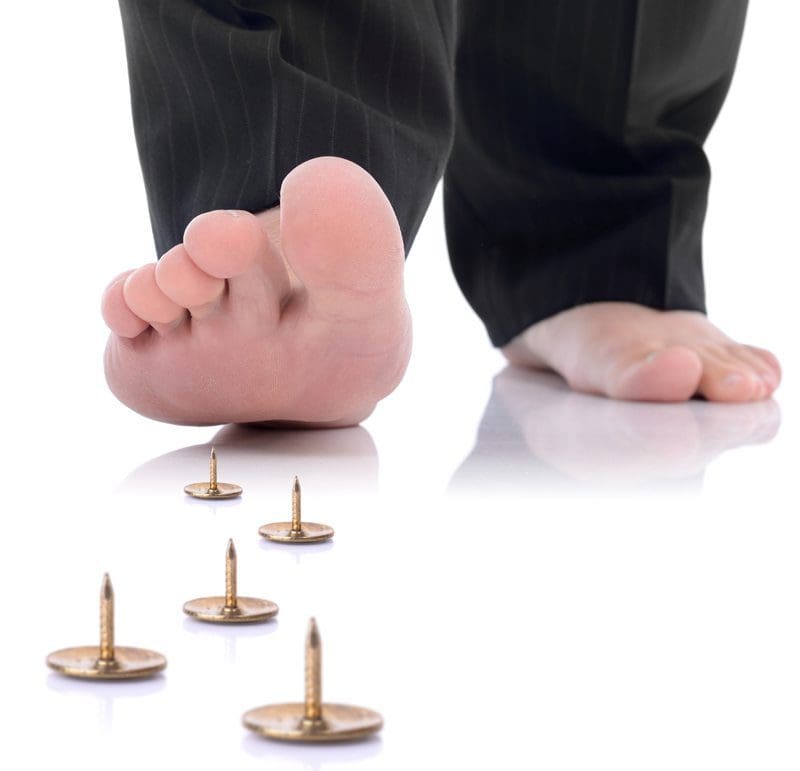
Neuropathy can be caused by a variety of injuries and/or aggravated conditions, often manifesting into a plethora of associated signs and symptoms. While every type of neuropathy, such as diabetic neuropathy or autoimmune disease-associated neuropathy, develops its own unique group of signs and symptoms, many patients will often report common complaints. Individuals with neuropathy generally describe their pain as stabbing, burning or tingling in character.
If you experience unusual or abnormal tingling or burning sensations, weakness and/or pain in your hands and feet, it�s essential to seek immediate medical attention in order to receive a proper diagnosis of the cause of your specific signs and symptoms. Early diagnosis may help prevent further nerve injury. Visit http://www.neuropathycure.org�for more details.
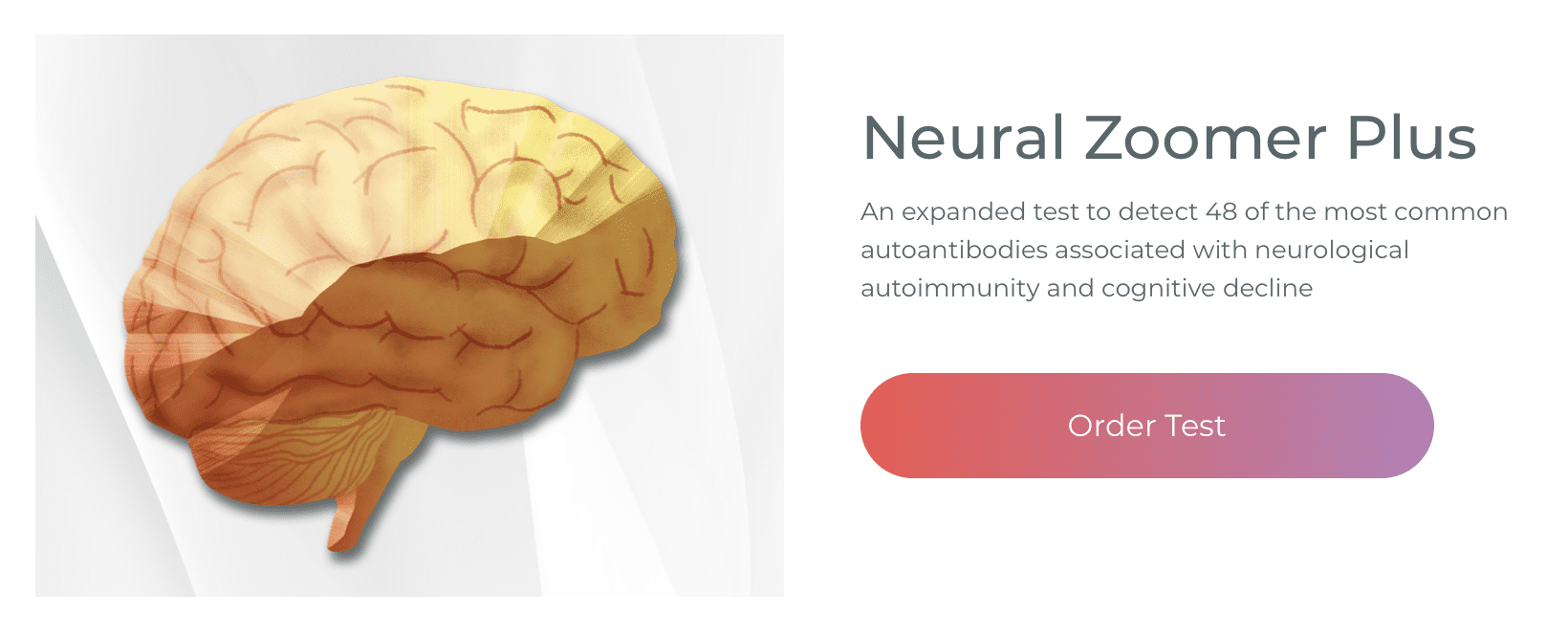
As a doctor who practices functional medicine, Dr. Jimenez utilizes the Neural Zoomer Plus. This is a blood test that analyzes neurological autoantibodies which offer very specific antibody-to-antigen recognition. The Neural Zoomer Plus tests the reactivity an individual has to 48 neurological antigens. These neurological antigens may be related to neurological disease and can help individuals assess the presence of a neurological condition.
There are 48 markers that are measured and they can be summed up and categorized into 7 larger groups. These groups include demyelination antigens, blood-brain barrier disruption, optical and autonomic nervous system disorders, peripheral neuropathy, neuromuscular disorders, brain autoimmunity, brain inflammation, and infections. (For a full list of the markers that the Neural Zoomer Plus measures, click here).�
The truth of the matter is that autoimmune disorders affect 5-10% of the general population and can target virtually and structure within the central or peripheral nervous system. Symptoms of an autoimmune disorder involving the CNS/PNS include but are not limited to:�
Having the tools to prevent a disease or disorder can be life-changing. With the ability to assess these markers, the rate of cognitive decline can steadily reduce. If you suffer from any of the above symptoms, the Neural Zoomer Plus may be right for you.
The intention of having our patients complete a Neural Zoomer Plus is to help us detect an individual’s IgA, IgG, and IgM sensitivity to antigens, down to the peptide level. Once we receive the results, not only do we have a resource that aids in the early detection of neurological diseases, but we also have a path. This path allows us to create a personalized prevention plan that will focus on the patient along with their lifestyle. – Kenna Vaughn, Senior Health Coach�
Piriformis syndrome will cause dull, mild pain in the low back, buttocks and can radiate down the leg.
Hip pain attributed to avascular necrosis will be severe and constant.
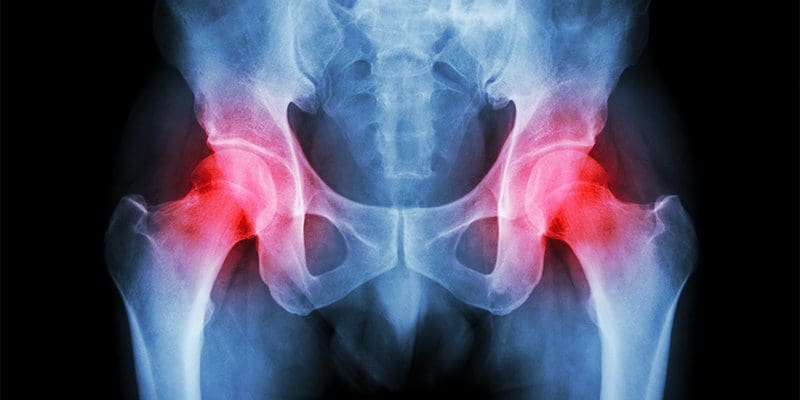
Sacroiliac joint pain could be attributed to the hip and the low back because the sacroiliac joints connect the sacrum in the spine to the hip bones.
Symptoms that the Spine Is the Root
Where groin pain is a sign that the pain is linked to the hip when the pain is above the waistline and travels down the body usually indicates a low back issue.
Among the most common degenerative conditions that affect the lumbar spine are:
Herniated discs
Spinal stenosis
Spondylolisthesis
Pain is caused by irritating the low back nerves, which result in pain shooting down the leg/s and:
Weakness
Numbness
Reduced range of motion
Arthritis of the spine brings on pain usually when first getting out of bed or rising up after sitting.
It usually improves after beginning to move.
Spinal stenosis or nerve pressure compression pain worsens with prolonged standing or walking, while relief comes with sitting.
Getting to the Root
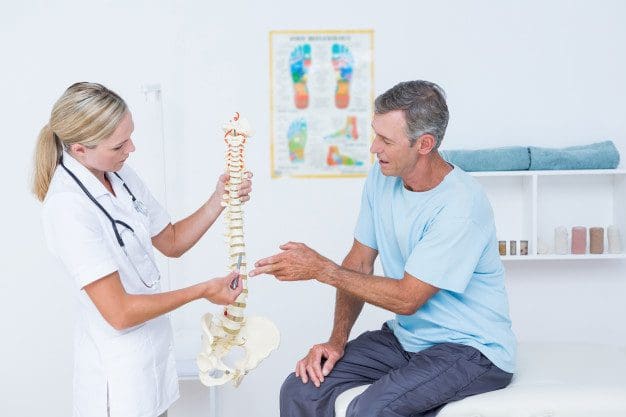
When there is pain in the lower body and are not sure whether it’s the back or hip, the first course of action is to visit your doctor or a chiropractor.
They will review your medical history and perform a series of physical exams, such as various movements to get an idea of what is going on.
Your primary doctor may refer you to a doctor/chiropractor who specializes in hip or spinal conditions to make an accurate diagnosis.
The doctor will ask you to describe the:
Pain
Location
When it worsens
When it’s relieved
What the pain feels like (e.g., sharp, dull).
The doctor may have you perform various movements to observe your biomechanics.
The goal is to determine what movements trigger the pain.
For both spine and hip pain, surgery is rarely necessary and only utilized as the last-resort option.
Labrum Tear Hip Treatment El Paso, TX Chiropractor
Andrew Hutchinson turned into chiropractic care and Crossfit rehab after suffering a high ankle sprain and a hip labrum tear for which he moved through with surgery to repair it. After being bedridden for weeks so as to correctly recuperate, Andrew Hutchinson transitioned to chiropractic care and Crossfit rehab to regain his strength, freedom, and flexibility before returning to perform. Although he has suffered other sports accidents, Andrew Hutchinson continues to trust in chiropractic care and Crossfit rehab to keep his spine properly aligned and maintain overall health and wellbeing.
Labrum tears in athletes may occur from a single event or recurring trauma. Running may lead to labrum tears as a result of labrum being used more for weight-bearing and taking excessive forces while at the end-range motion of the leg. Sporting activities are likely causes, especially the ones that require frequent hip rotation or pivoting to some wealthy femur as in ballet or hockey. Continuous hip rotation places increased pressure on the capsular tissue and injury to the iliofemoral ligament. This then causes hip instability placing increased stress on the labrum and resulting in a cool labrum tear.
What’s Afoot
Muscle imbalances in the hip, such as tight hip flexors, can cause low back pain � or at least contribute to it. When the hip flexor muscles are too tight, it causes what is known as an anterior pelvic tilt. In other words, the muscles cause an anterior pull on the pelvis. This affect posture and throws the entire lower body out of alignment. It can also affect the knees and feet if left untreated.
NCBI Resources
Hip flexors can become too tight if the person sits for extended periods of time or engages in activities like cycling and jogging. A chiropractor can guide you through exercises that will help release the tight muscles and stop the micro spams that occur as a result. They will also assess your knees, feet, and ankles to ensure that the issue has not through them out of alignment as well. Correcting the cause of the problem will often correct the associated issues and resolve the pain allowing you to return to your normal activities.
The human nervous system is made up of two parts: the central nervous system, which includes the brain and the spinal cord, and the peripheral nervous system, which includes the connection nerves running from the brain and the spinal cord to the rest of the human body, including the hands and the feet.
Many patients with neuropathy may experience a variety of painful symptoms due to nerve damage or injury. But, with the proper treatment approach, neuropathy can be effectively treated and even reversed. Diagnosis of neuropathy is fundamental towards proper treatment. Dr. Alex Jimenez, a chiropractor in El Paso, TX, can help patients with neuropathy.
Peripheral Neuropathy Causes & Symptoms | El Paso, TX (2019)
Neuropathy is a medical term used to describe a collection of general diseases or malfunctions which affect the nerves. The causes of neuropathy, or nerve damage, can vary greatly among each individual and these may be caused by a number of different diseases, injuries, infections, and even vitamin deficiency states. However, neuropathy can most commonly affect the nerves that control the motor and sensory nerves. Because the human body is composed of many different kinds of nerves which perform different functions, nerve damage is classified into several types.
Neuropathy can also be classified according to the location of the nerves being affected and according to the disease-causing it. For instance, neuropathy caused by diabetes is called diabetic neuropathy. Furthermore, depending on which nerves are affected will depend on the symptoms that will manifest as a result. Below we will discuss several specific types of neuropathies clinically treated by chiropractors, physical therapists and physical medicine doctors alike, as well as briefly describing their causes and their symptoms.
Peripheral neuropathy, which is often simply referred to as �neuropathy,� is a state that happens when your nerves become damaged or injured, oftentimes simply disrupted. It�s estimated that neuropathy affects roughly 2.4 percent of the general populace and approximately 8 percent of people older than age 55. However, this quote doesn�t include people affected by neuropathy caused by physical trauma to the nerves.
Types
Neuropathy can affect any of the three types of peripheral nerves:
Sensory nerves, which transmit messages from the sensory organs, eyes, nose to the brain
Motor nerves, which track the conscious movement of the muscles
Autonomic nerves, which regulate the involuntary functions of the body
Sometimes, neuropathy will only impact one nerve. This is medically referred to as mononeuropathy and instances of it include:
Ulnar neuropathy, which affects the elbow
Radial neuropathy, which affects the arms
Peroneal neuropathy, which affects the knees
Femoral neuropathy, which affects the thighs
Cervical neuropathy, which affects the neck
Sometimes, two or more isolated nerves in separate regions of the body can become damaged, injured or disrupted, resulting in mono neuritis multiplex neuropathy. Most often, however, multiple peripheral nerves malfunction at the same time, a condition called polyneuropathy. According to the National Institute for Neurological Disorders and Stroke, or the NINDS, there are over 100 kinds of peripheral neuropathies.
Causes
Neuropathies are often inherited from birth or they develop later in life. The most frequent inherited neuropathy is the neurological disease Charcot-Marie-Tooth disease, which affects 1 in 2,500 people in the USA. Although healthcare professionals are sometimes not able to pinpoint the exact reason for an acquired neuropathy, medically referred to as idiopathic neuropathy, there are many known causes for them, including systemic diseases, physical trauma, infectious diseases, and autoimmune disorders.
A systemic disease is one which affects the whole body. The most frequent systemic cause behind peripheral neuropathy is diabetes, which can lead to chronically high blood glucose levels that harm nerves.
Other systemic issues can cause neuropathy, including:
Kidney disorders, which permit high levels of nerve-damaging toxic chemicals to flow in the blood
Toxins from exposure to heavy metals, including arsenic, lead, mercury, and thallium
Certain drugs and/or medications, including anti-cancer medications, anticonvulsants, antivirals, and antibiotics
Chemical imbalances because of liver ailments
Hormonal diseases, including hyperthyroidism, which disturbs metabolic processes, potentially inducing cells and body parts to exert pressure on the nerves
Deficiencies in vitamins, such as E, B1 (thiamine), B6 (pyridoxine), B12, and niacin, that can be vital for healthy nerves
Alcohol abuse, which induces vitamin deficiencies and might also directly harm nerves
Cancers and tumors that exert damaging pressure on nerve fibers and pathways
Chronic inflammation, which can damage protective tissues around nerves, which makes them more vulnerable to compression or vulnerable to getting inflamed and swollen
Blood diseases and blood vessel damage, which may damage or injure nerve tissue by decreasing the available oxygen supply
Signs and Symptoms of Neuropathy
Depending on the reason and unique to each patient, signs, and symptoms of neuropathy can include:
Pain
Tingling
Burning/prickling sensations
Increased sensitivity to touch
Muscle weakness
Temporary or permanent numbness;
Paralysis
Dysfunction in glands or organs
Impairment in urination and
Sexual function
Such signs and symptoms are dependent on whether autonomic, sensory, or motor nerves, as well as a combination of them, are ultimately affected. Autonomic nerve damage can influence physiological functions like blood pressure or create gastrointestinal problems and issues. Damage or dysfunction in the sensory nerves may impact sensations and sense of equilibrium or balance, while harm to motor nerves may affect movement and reflexes. When both sensory and motor nerves are involved, the condition is known as sensorimotor polyneuropathy.
Complications
Peripheral�neuropathy�may result in several complications, as a result of disease or its symptoms. Numbness from the ailment can allow you to be less vulnerable to temperatures and pain, making you more likely to suffer from burns and serious wounds. The lack of sensations in the feet, for instance, can make you more prone to developing infections from minor traumatic accidents, particularly for diabetics, who heal more slowly than other people, including foot ulcers and gangrene.
Furthermore, muscle atrophy may cause you to develop particular physical disfigurements, such as pes cavus, a condition marked by an abnormally high foot arch, and claw-like deformities in the feet and palms.
We are blessed to present to you�El Paso�s Premier Wellness & Injury Care Clinic.
Neuropathy can be caused by a variety of injuries and/or aggravated conditions, often manifesting into a plethora of associated signs and symptoms. While every type of neuropathy, such as diabetic neuropathy or autoimmune disease-associated neuropathy, develops its own unique group of signs and symptoms, many patients will often report common complaints. Individuals with neuropathy generally describe their pain as stabbing, burning or tingling in character.
If you experience unusual or abnormal tingling or burning sensations, weakness and/or pain in your hands and feet, it�s essential to seek immediate medical attention in order to receive a proper diagnosis of the cause of your specific signs and symptoms. Early diagnosis may help prevent further nerve injury. Visit http://www.neuropathycure.org�for more details.
Pain and discomfort, tingling sensations, burning sensations, numbness, and even balance problems are common symptoms associated with peripheral neuropathy. Dr. Valerie Monteiro, leading expert on peripheral neuropathy and recovery. Peripheral neuropathy is a health issue resulting from damage or injury to the nerves in the arms, hands, legs, and feet.
Dr. Valerie Monteiro discusses the 5 most common myths associated with peripheral neuropathy symptoms. Peripheral neuropathy can be treated utilizing the proper treatment approach. Dr. Alex Jimenez, a chiropractor in El Paso, TX, can also help patients with peripheral neuropathy, among other health issues.
Peripheral Neuropathy Myths & Facts | El Paso, TX (2019)
Neuropathy�affects about 8 percent of individuals over the age of 55. Your nervous system is composed of 2 parts: the central nervous system and the peripheral nervous system. The nerves of your peripheral nervous system transmit messages between your central nervous system, that is your brain and spinal cord, along with the rest of the body.
These nerves regulate a massive range of functions throughout the body, such as voluntary muscle movement, involving the motor nerves, involuntary organ action, through the autonomic nerves, and also the perception of stimuli, involving the sensory nerves.
Peripheral neuropathy, which is often simply referred to as �neuropathy,� is a state that happens when your nerves become damaged or injured, oftentimes simply disrupted. It�s estimated that neuropathy affects roughly 2.4 percent of the general populace and approximately 8 percent of people older than age 55. However, this quote doesn�t include people affected by neuropathy caused by physical trauma to the nerves.
Neuropathy Types
Neuropathy can affect any of the three types of peripheral nerves:
Sensory nerves, which transmit messages from the sensory organs, eyes, nose to your brain
Motor nerves, which track the conscious movement of your muscles
Autonomic nerves, which regulate the involuntary functions of your own body
Sometimes, neuropathy will only impact one nerve. This is medically referred to as mononeuropathy and instances of it include:
Ulnar neuropathy, which affects the elbow
Radial neuropathy, which affects the arms
Peroneal neuropathy, which affects the knees
Femoral neuropathy, which affects the thighs
Cervical neuropathy, which affects the neck
Sometimes, two or more isolated nerves in separate regions of the body can become damaged, injured or disrupted, resulting in mono neuritis multiplex neuropathy. Most often, however, multiple peripheral nerves malfunction at the same time, a condition called polyneuropathy. According to the National Institute for Neurological Disorders and Stroke, or the NINDS, there are over 100 kinds of peripheral neuropathies.
Neuropathy Causes
Neuropathies are often inherited from birth or they develop later in life. The most frequent inherited neuropathy is the neurological disease Charcot-Marie-Tooth disease, which affects 1 in 2,500 people in the USA. Although healthcare professionals are sometimes not able to pinpoint the exact reason for an acquired neuropathy, medically referred to as idiopathic neuropathy, there are many known causes for them, including systemic diseases, physical trauma, infectious diseases, and autoimmune disorders.
A systemic disease is one which affects the whole body. The most frequent systemic cause behind peripheral neuropathy is diabetes, which can lead to chronically high blood glucose levels that harm nerves.
A number of other systemic issues can cause neuropathy, including:
Kidney disorders, which permit high levels of nerve-damaging toxic chemicals to flow in the blood
Toxins from exposure to heavy metals, including arsenic, lead, mercury, and thallium
Certain drugs and/or medications, including anti-cancer medications, anticonvulsants, antivirals, and antibiotics
Chemical imbalances because of liver ailments
Hormonal diseases, including hyperthyroidism, which disturbs metabolic processes, potentially inducing cells and body parts to exert pressure on the nerves
Deficiencies in vitamins, such as E, B1 (thiamine), B6 (pyridoxine), B12, and niacin, that can be vital for healthy nerves
Alcohol abuse, which induces vitamin deficiencies and might also directly harm nerves
Cancers and tumors that exert damaging pressure on nerve fibers and pathways
Chronic inflammation, which can damage protective tissues around nerves, which makes them more vulnerable to compression or vulnerable to getting inflamed and swollen
Blood diseases and blood vessel damage, which may damage or injure nerve tissue by decreasing the available oxygen supply
Neuropathy Complications
Peripheral�neuropathy�may result in several complications, as a result of disease or its symptoms. Numbness from the ailment can allow you to be less vulnerable to temperatures and pain, making you more likely to suffer from burns and serious wounds. The lack of sensations in the feet, for instance, can make you more prone to developing infections from minor traumatic accidents, particularly for diabetics, who heal more slowly than other people, including foot ulcers and gangrene.
Furthermore, muscle atrophy may cause you to develop particular physical disfigurements, such as pes cavus, a condition marked by an abnormally high foot arch, and claw-like deformities in the feet and palms.
We are blessed to present to you�El Paso�s Premier Wellness & Injury Care Clinic.
It is essential for people with this condition to not take the simple symptoms like numbness lightly as it can cause some serious problems with time. For example, if you are feeling a sensation of numbness in your feet then you will not realize it if you even step on broken glass. For this reason, you must never ignore even the simplest of the symptoms as it can lead to severe results. You must visit http://www.neuropathycure.org�for more details.
The human brain comprises approximately billions of small cells that utilize electrical impulses and chemical signals to communicate with one another and other parts of the human body. These are known as neurons. When neurons stop functioning properly, it can cause various brain disorders, such as Alzheimer's disease, epilepsy, and even depression.
Researchers developed several treatment methods and techniques of brain stimulation which allow them to control neural activity to understand better and regulate these type of health issues. In conventional treatment methods and techniques of deep brain stimulation, electrical neurostimulators, also known as brain pacemakers, are surgically implanted in the brain.
Researchers also developed non-invasive treatment approaches to stimulate cells found deep within the brain. While several researchers utilize magnetic pulses or sound waves to stimulate neurons, researchers in optogenetics utilize light therapy. Shuo Chen, Ph.D., winner of Science and PINS Prize for Neuromodulation, was recognized for his work in this area.
Dr. Chen demonstrated that near-infrared light, when utilized with certain nanoparticles, allowed the stimulation of neurons deep within the brain, stated Dr. Karl Deisseroth, professor of bioengineering, psychiatry, and behavioral sciences at Stanford University. More research studies are needed to make this a useful process, he said, but Dr. Chen took a key step.
Developing Light-Sensitive Neurons
Dr. Karl Deisseroth, one of the leading pioneers of optogenetics, developed a treatment method or technique in which the brain cells or neurons are genetically engineered to respond to light therapy. Through this method or technique of brain stimulation, researchers transmit fragments of genetic codes from algae and other microbes into the brain cells of mice and other animals. That genetic code ultimately causes neurons to produce light-responsive proteins known as opsins.
When opsin-producing neurons are exposed to specific wavelengths of visible-spectrum light, those brain cells turn on or off. By activating or suppressing the neurons, researchers can learn more about the fundamental role of neurons in brain function and brain disorders. Dr. Karl Deisseroth has also demonstrated the effects of developing light-sensitive neurons.
By developing light-sensitive brain cells, the causal role of cellular activity can be determined in the tissue and the behavior of interest of any species, ranging from memory to mood, stated Dr. Deisseroth. Furthermore, optogenetics brings the unmatched capability for speaking the brain's natural language regarding cell-type specificity and speed, he added.
Developing Non-Invasive Treatment Approaches
Opsin-producing neurons, however, respond to visible-spectrum light which cant penetrate brain tissue. Therefore, optogenetic stimulation required the insertion of fiber-optic light sources inside the brain to stimulate neurons. Dr. Deisseroth and his colleague Polina Anikeeva, Ph.D., developed the utilization of near-infrared (NIR) light, a non-invasive type of light therapy.
NIR light can ultimately penetrate through the skull and brain tissue without inserting internal light sources inside the brain. However, NIR light also doesn't trigger a response from opsin-producing neurons. To promote the tissue-penetrating abilities of NIR light therapy, Dr. Karl Deisseroth and Dr. Anikeeva developed a treatment approach known as NIR upconversion, which coats opsin-producing neurons in nanoparticles to convert NIR light into visible-spectrum light.
Dr. Shuo Chen utilized this treatment method and technique, demonstrating for the first time that NIR upconversion optogenetics can ultimately be utilized to control neurons deep in the brains of mice. In addition, Dr. Chen's research studies utilized this method and technique to stimulate the release of dopamine in a region of the brain believed to play a role in depression.
Overcoming the challenge of optical penetration depth will be the fundamental key to realizing non-invasive remote optogenetics with high clinical translation potential, wrote Dr. Chen in his prizewinning essay on the topic. Our research study utilized a nanomaterial-assisted approach that shifts the existing optogenetic tools into the near-infrared region.
Brain Stimulation for the Human Brain
While researchers continue to research optogenetics in mice and other animals, it hasn't been utilized to treat brain disorders in humans. Furthermore, more research studies are required to develop and evaluate non-invasive methods of light therapy and non-invasive methods and techniques for transmitting genetic code into brain cells or neurons.
It is too soon to predict which treatment approach will emerge at the forefront of next-generation non-invasive brain stimulation technology, Dr. Chen said in a press release issued by the American Association for the Advancement of Science. However, we believe that a variety of fundamental achievements, such as NIR upconversion optogenetics, are quickly unlocking development pathways and paving the way towards a bright therapeutic future for brain diseases, he continued.
In the meantime, other methods and techniques of non-invasive brain stimulation are also being developed, evaluated, and utilized in humans. For example, transcranial magnetic stimulation (TMS) is a non-invasive treatment approach that utilized magnetic fields to stimulate nerve cells in the brain. The Food & Drug Administration (FDA) has already allowed TMS marketing as a treatment approach for major depression as well as obsessive-compulsive disorder and migraine headaches.
There are also several non-invasive methods and techniques which don't require the utilization of gene therapies, such as transcranial magnetic and electrical stimulation, which are commonly utilized with human subjects on an experimental, regular basis, stated Ed Boyden, Ph.D., a professor of neurotechnology at the Massachusetts Institute of Technology (MIT).
Members of Boyden"s research study group have also conducted research studies on transcranial electric stimulation (TES), a non-invasive treatment approach to brain stimulation in which electrodes are placed on the scalp. Researchers hope for this method and technique to reach neurons or cells deep within brain tissue with greater precision than TMS.
Although research studies have demonstrated that light therapy can stimulate brain cells or neurons of mice and other animals, urther research studies are required to determine how light therapy treatment methods and techniques can stimulate the human brain. According to these same research studies, light therapy can alter neurons or brain cells which can ultimately cause Alzheimers disease, epilepsy, and other brain diseases. - Dr. Alex Jimenez D.C., C.C.S.T. Insight
The human brain consists of billions of small cells or neurons which communicate with one another and other parts of the human body. When neurons stop functioning properly, it can cause a variety of brain disorders. Researchers have developed a variety of light therapy treatment approaches to help stimulate the brain ultimately. The scope of our information is limited to chiropractic, musculoskeletal, and nervous health issues and functional medicine articles, topics, and discussions. To further discuss the subject matter above, please feel free to ask Dr. Alex Jimenez or contact us at 915-850-0900
Curated by Dr. Alex Jimenez
Additional Topic Discussion: Chronic Pain
Sudden pain is a natural response of the nervous system which helps to demonstrate possible injury. By way of instance, pain signals travel from an injured region through the nerves and spinal cord to the brain. Pain is generally less severe as the injury heals; however, chronic pain is different from the average pain type. The human body will continue sending pain signals to the brain with chronic pain, regardless of the injury has healed. Chronic pain can last for several weeks to even several years. Chronic pain can tremendously affect a patient's mobility, reducing flexibility, strength, and endurance.
Neural Zoomer Plus for Neurological Disease
Dr. Alex Jimenez utilizes a series of tests to help evaluate neurological diseases. The Neural ZoomerTM Plus is an array of neurological autoantibodies which offers specific antibody-to-antigen recognition. The Vibrant Neural ZoomerTM Plus is designed to assess an individual's reactivity to 48 neurological antigens with connections to various neurologically related diseases. The Vibrant Neural ZoomerTM Plus aims to reduce neurological conditions by empowering patients and physicians with a vital resource for early risk detection and an enhanced focus on personalized primary prevention.
IFM's Find A Practitioner tool is the largest referral network in Functional Medicine, created to help patients locate Functional Medicine practitioners anywhere in the world. IFM Certified Practitioners are listed first in the search results, given their extensive education in Functional Medicine






 �
�