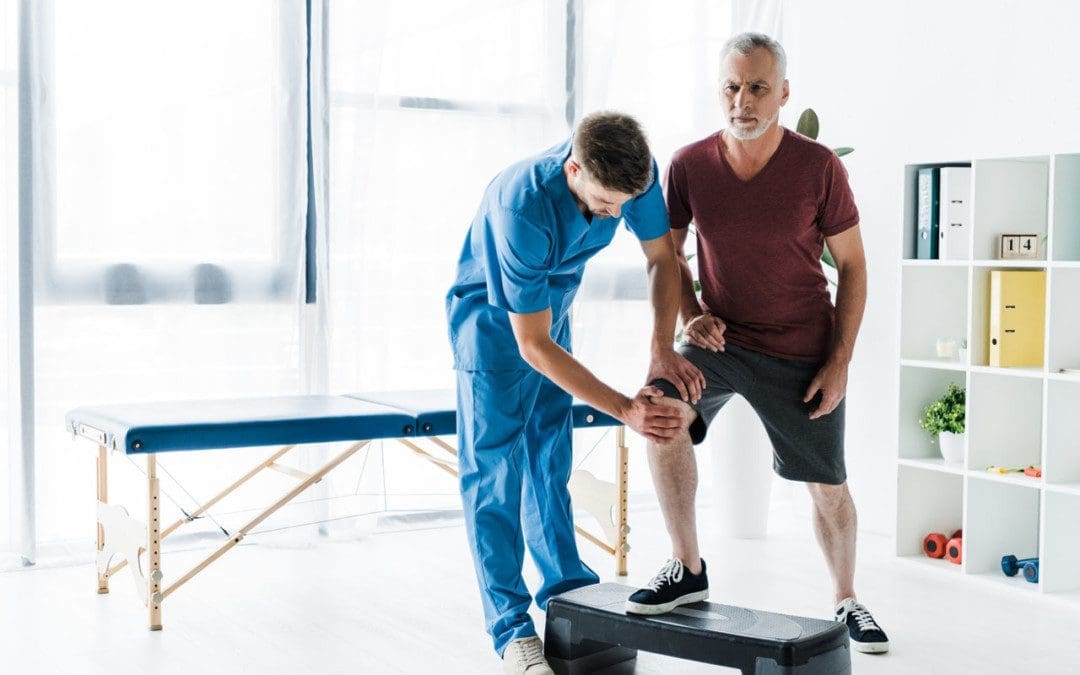
Many live with chronic discomfort and pain regularly in one or both knees. This could be from past injuries, being overweight, lack of physical conditioning, degeneration, or arthritis. Many take prescription or over-the-counter pain medication to deal with the discomfort. Pain medications only dull and mask the pain and discomfort associated with the symptoms. As a result, living with masked knee pain can worsen the condition, and the surrounding bones, joints, and tissues can begin to deteriorate. Chiropractic combined with massage, decompression, and traction therapy can significantly reduce or eliminate knee pain.
Knee Discomfort and Pain
The knee’s joint and ligaments need to be strong and healthy to support activities. The most common issues that individuals develop include:
Acute Injuries
Knee injuries can be caused by auto accidents, physical strain, playing sports, work accidents, workplace ergonomics, and walking up and down stairs.
Chronic or inflammatory medical conditions can wear down the cartilage cushion between the upper and lower leg bones.
Most common include gout, septic arthritis, osteoarthritis, and rheumatoid arthritis.
Unhealthy postures and obesity can also contribute to the chronic degradation of the knee joint.
Knee discomfort and pain can present in various ways. Some might hear an acute popping in the knee followed by swelling. Others might notice the gradual development of stiffness and weakness over time. When injured or compromised, localized pain is one of the first indicators. Chronic knee and joint pain can lead to weakness, nerve damage, or create new injuries/problems. Not all knee pain is caused by injury; in many cases, a triggering incident, like an awkward step or misstep, a stretch that went too far, or a walk, can create an injury. Even a sedentary lifestyle can contribute to knee degeneration as the surrounding muscles can lose strength, placing unnecessary strain on the joints when movement is necessary.
Chiropractic
A chiropractor will examine the knee through a series of analyses, including x-rays, digital imaging, and a physical exam. The chiropractor will develop a personalized treatment plan to treat, rehabilitate, and strengthen the knee. The treatment can include:
Posture correction to distribute body weight evenly, lessening the stress on an affected knee.
Targeted exercises and nutritional recommendations will ensure long-term healing.
Q Angle of the Knee
References
Cimino, Francesca, et al. “Anterior cruciate ligament injury: diagnosis, management, and prevention.” American family physician vol. 82,8 (2010): 917-22.
Donnell-Fink, Laurel A et al. “Effectiveness of Knee Injury and Anterior Cruciate Ligament Tear Prevention Programs: A Meta-Analysis.” PloS one vol. 10,12 e0144063. 4 Dec. 2015, doi:10.1371/journal.pone.0144063
Hoskins, Wayne, et al. “Chiropractic treatment of lower extremity conditions: a literature review.” Journal of manipulative and physiological therapeutics vol. 29,8 (2006): 658-71. doi:10.1016/j.jmpt.2006.08.004
Neogi, Tuhina, et al. “Sensitivity and sensitization in relation to pain severity in knee osteoarthritis: trait or state?.” Annals of the rheumatic diseases vol. 74,4 (2015): 682-8. doi:10.1136/annrheumdis-2013-204191
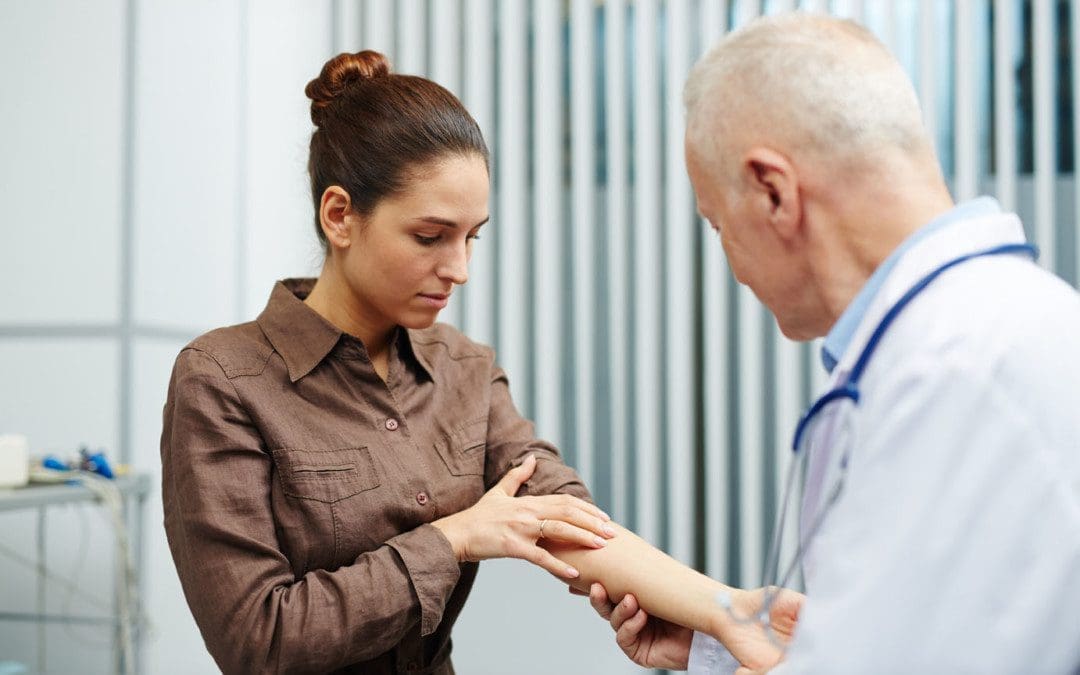
Forearm pain refers to soreness, aches, or discomfort between the wrist and the elbow. An injury or inflammation can affect any tissues, including muscles, bones, blood vessels, tendons, and the skin. The causes usually include overuse injuries, pinched nerves, accidents causing trauma, lifting or heaving heavy objects, sports injuries, and fractures. If left untreated, issues like chronic muscle pain and decreased and disrupted blood/nerve circulation can develop, leading to numbness and weakness. Chiropractic treatment can release tension, massage, reset, and stretch the muscles to expedite healing.
Anatomy
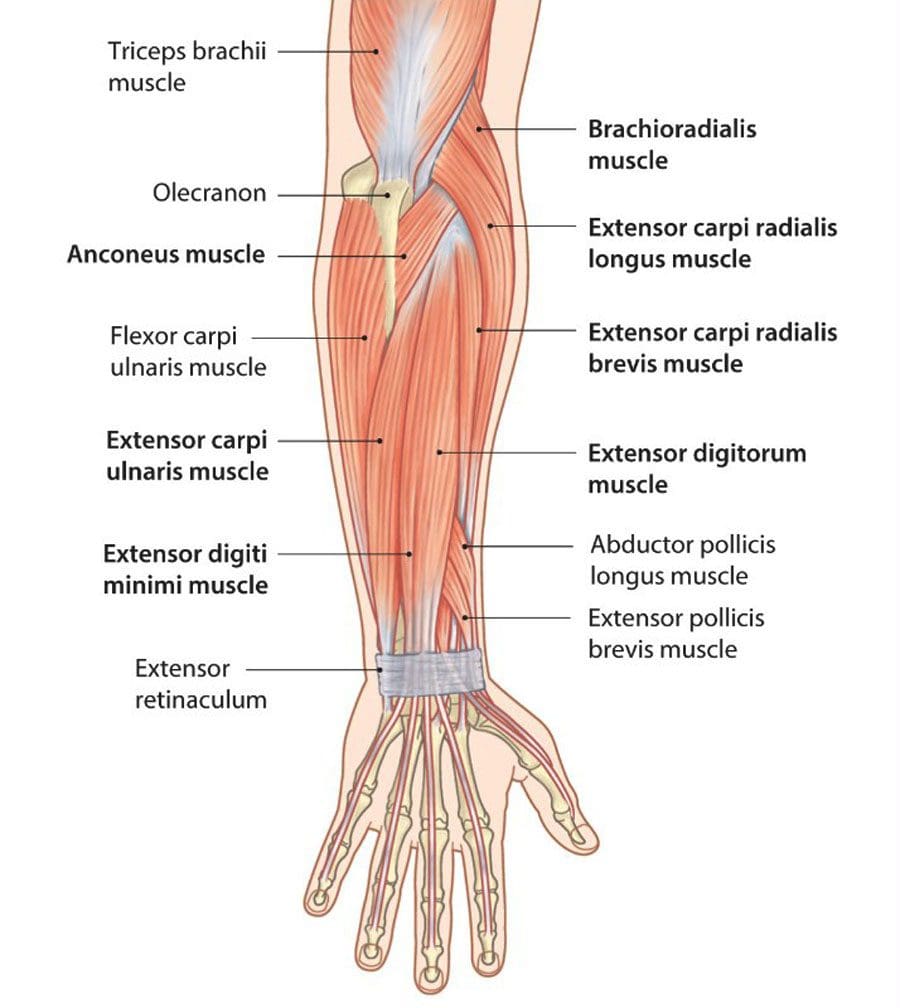
The forearm comprises the radius and ulna, which extend the forearm’s length and cross at the wrist.
The Radius
This bone starts at the elbow and connects to the wrist on the thumb side.
Ulna
This bone begins at the elbow and connects to the wrist on the side of the little finger.
Muscles
Several muscles operate to rotate the forearm up/supination and down/pronation and flex and extend the fingers.
Causes
Forearm pain can happen to anyone and is usually related to traumatic or repetitive use injury. In other cases, pain may be associated with a benign growth, like a cyst or possibly a malignant tumor. Common causes include:
Pulled and/or strained muscles
Muscle ruptures or small tears
A direct blow, fall, or any extreme twisting, bending or jamming action.
Tendonitis from tennis or golfers elbow.
Tennis elbow is caused by inflammation or tiny tears in the forearm muscles and tendons outside the elbow.
Golfers’ elbow is on the inside of the elbow.
Carpal Tunnel Syndrome is a repetitive stress disorder that affects the nerves and tendons of the wrist and forearm.
Musculoskeletal Causes
The musculoskeletal causes involve issues in how the forearm components operate together.
Repetitive actions like lifting, gripping, and typing can compress nerves and blood vessels throughout the forearm.
Forearm problems like dislocations or sprains can also lead to chronic inflammation and pain.
Traumatic Causes
Traumatic causes include those that result in injury to components of the forearm.
Anything that causes a direct injury to the forearm, including an automobile crash or accident, fall, or a direct hit, can fracture bones in the forearm.
A sprain can twist or stretch a ligament or tendon.
Activities that cause bending, twisting, quick sudden movement or direct impact can result in sprained multiple ligaments in the forearm.
Chiropractic Treatment
Healing forearm pain depends on the type of injury, location, and cause of the pain. Chiropractic addresses arm pain, tingling, and numbness in ways often overlooked by general physicians.
A chiropractor will perform a physical examination to determine if there are any underlying causes.
They may apply an ice pack to help control inflammation before the massage.
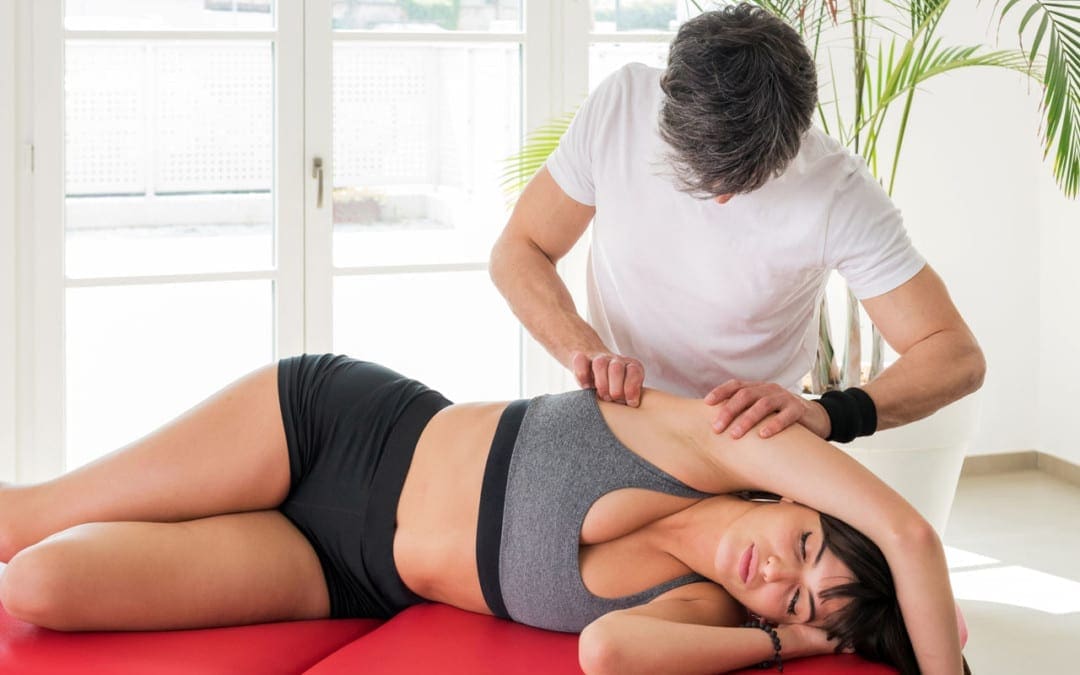
The chiropractor will perform gentle adjustments to the wrist, arm, and shoulder.
They may recommend a forearm brace to help retrain positioning and movement.
They will recommend exercises and stretches to strengthen and maintain the adjustments.
Carpal Tunnel Pain Treatment
References
Ellenbecker, Todd S et al. “Current concepts in examination and treatment of elbow tendon injury.” Sports health vol. 5,2 (2013): 186-94. doi:10.1177/1941738112464761
Shamsoddini, Alireza, and Mohammad Taghi Hollisaz. “Effects of taping on pain, grip strength and wrist extension force in patients with tennis elbow.” Trauma monthly vol. 18,2 (2013): 71-4. doi:10.5812/traumamon.12450
Suito, Motomu, et al. “Intertendinous epidermoid cyst of the forearm.” Case reports in plastic surgery & hand surgery vol. 6,1 25-28. 28 Jan. 2019, doi:10.1080/23320885.2018.1564314
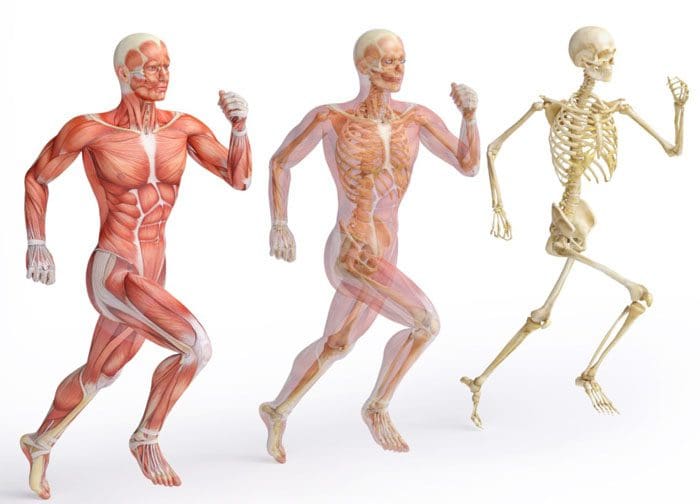
Maintaining the body’s musculoskeletal system and keeping it strong can be done through chiropractic and by managing general overall health. This system includes the:
Bones
Muscles
Tendons
Ligaments
Soft tissues
These all work together to support the body’s weight and allow for movement.Injuries, disease, and aging can cause stiffness, pain, and other issues with mobility, function that can lead to various conditions and/or disease.
The musculoskeletal system
The skeleton provides the framework for the muscles and other soft tissues. Working together, they support the body’s weight, help to maintain proper posture and the ability for movement. Various disorders and conditions can lead to problems with the musculoskeletal system. This includes:
Focusing on overall health and maintaining it will keep the system in top form. This is done by:
Eating a healthy balanced diet
Maintaining a healthy weight
Regular physical activity/exercise
Chiropractic support will take the body to optimal health levels.
How does the system work?
The nervous system is the body’s central command center. It controls voluntary muscle movements. Voluntary muscles are controlled intentionally. Large muscle groups are utilized to do activities like lifting a large object. Smaller groups are used for movements, like pressing a button. Movement/motion occurs when:
The nervous system which includes the brain and nerves, transmits a signal to activate the skeletal/voluntary muscles.
The muscle fibers contract/tense in response to the signal.
When the muscle activates, it pulls on the tendon.
Tendons attach muscles to bones.
The tendon pulls the bone, generating movement.
For the muscle to relax, the nervous system sends another signal.
This signal triggers the muscle/s to relax/deactivate.
The relaxed muscle releases tension
The bone is moved to a resting position.
System Parts
The musculoskeletal system functions to help stand, sit, walk, run and move in general. The adult body has 206 bones and more than 600 muscles. These are connected by ligaments, tendons, and soft tissues. The parts of the system are:
Bones
Bones support the body, protect organs and tissues, store calcium, fat and produce blood cells.
A bone’s outside shell encapsulates a spongy center.
Bones provide structure and form to the body.
They work with the muscles, tendons, ligaments, and other connective tissues to help with movement.
Cartilage
This is a type of connective tissue.
Cartilage provides cushion to the bones inside the joints, along the spine, and ribcage.
It is firm and rubbery.
It protects bones from rubbing against each other.
It is also found in the nose, ears, pelvis, and lungs.
Joints
Bones come together and form joints.
Some have a large range of motion, for example, the ball-and-socket shoulder joint.
Others, like the knee, allow bones to move back and forth but do not rotate.
Muscles
Every muscle is made of thousands of fibers.
The muscles allow the body to move, sit upright, and remain still.
Some muscles help with running, dancing, and lifting.
Others are for writing, fastening something, talking, and swallowing.
Ligaments
Ligaments are made of tough collagen fibers
They connect the bones and provide stability to the joints.
Tendons
Tendons connect the muscles to the bones.
They are made of fibrous tissue and collagen
They are tough but not as stretchable.
Conditions and disorders
Various conditions can cause problems with the musculoskeletal system. They can affect the way an individual moves. The most common causes of inflammation, pain, and mobility issues are:
Aging
With the natural aging process, bones lose density.
Less-dense bones can lead to osteoporosis and bone fractures/broken bones.
As the body ages, muscles lose their mass, and cartilage starts to wear down.
This can lead to pain, stiffness, and decreased range of motion.
After an injury, an individual might not heal as quickly.
Arthritis
Pain, inflammation, and joint stiffness are the result of arthritis.
Older individuals are more likely to develop osteoarthritis. This is from the cartilage inside the joints breaking down. However, the condition can affect individuals of all ages.
Other types of arthritis also cause pain and inflammation. This includes:
Rheumatoid arthritis
Ankylosing spondylitis
Gout
Back problems
Back pain and muscle spasms can result from muscle strains or injuries, for example, a herniated disc.
Some conditions like spinal stenosis and scoliosis can cause structural problems in the back.
This can lead to pain and limited mobility.
Cancer
Different types of cancer affect the musculoskeletal system, for example, bone cancer.
Congenital abnormalities can affect the body’s structure, function, and appearance. For example, clubfoot is a common musculoskeletal condition that babies can be born with. It causes stiffness and reduces the range of motion.
Disease
A wide range of diseases can affect bones, muscles, and connective tissues functionality.
For example, osteonecrosiscauses the bones to deteriorate and the cells to die.
Other disorders, like fibrous dysplasia and brittle bone disease, cause the bones to fracture/break easily.
All types of injuries can affect bones, muscles, cartilage, and connective tissues.
Injuries can occur from repetitive overuse. Examples include:
Carpal tunnel syndrome, Bursitis, and Tendinitis
Sprains
Muscle tears
Broken bones
Injuries to the tendons, ligaments and other soft tissues can lead to chronic conditions.
Maintaining musculoskeletal health
Recommended ways of maintaining a healthy musculoskeletal system are to keep the bones and muscles healthy by getting:
Regular physical activity and exercise
This includes weight-bearing exercises combined with cardiovascular activities. Strengthening the muscles will support the joints and protect/prevent damage.
Proper sleep
This is so the bones and muscles can recover and rebuild.
Maintain a healthy weight
Added weight places pressure on the bones and joints.
This causes various health problems.
If there is added weight, it is recommended to consult a health coach and nutritionist about a personalized weight-loss plan.
They can help make healthy food choices that will make for strong bones and include anti-inflammation foods.
Quit tobacco use
Smoking decreases blood flow in the body.
The bones, muscles, and soft tissues need proper blood circulation to maintain health.
Regular chiropractic adjustments
Adjustments will help maintain the body’s balance and alignment.
This, along with recommended stretches and exercises, will take the body to optimal health.
Healthy Body Composition
Bodyweight Squat
This is one of the best strength exercises for building general functional low body strength. The muscle groups that get worked include the:
Quadriceps
Hamstrings
Glutes
Deep abdominals
Hip abductors
Hip rotators
Squats work almost every muscle in the legs. This also builds core strength to help with everyday movements like pushing, pulling, and lifting. There is no need to load added weight on the back to benefit from this exercise. Using the body’s weight is a perfect workout. This can be done with several variations once strength is built up. The objective is to focus on strict form for maximum effectiveness.
The feet should be shoulder-width apart.
Bend at the hips
Don’t let the knees go past the toes.
Lower the body until the thighs are parallel to the floor
References
American Chiropractic Association. Back Pain Facts and Statistics. Accessed 1/5/2021.
Centers for Disease Control and Prevention. Arthritis. Accessed 1/5/2021.
Centers for Disease Control and Prevention. Arthritis-Related Statistics. Accessed 1/5/2021.
Centers for Disease Control and Prevention. Work-Related Musculoskeletal Disorders & Ergonomics. Accessed 1/5/2021.
Merck Manuals. Effects of Aging on the Musculoskeletal System. Accessed 1/5/2021.
National Institute of Arthritis and Musculoskeletal and Skin Diseases. Healthy Muscles Matter. Accessed 1/5/2021.
IFM's Find A Practitioner tool is the largest referral network in Functional Medicine, created to help patients locate Functional Medicine practitioners anywhere in the world. IFM Certified Practitioners are listed first in the search results, given their extensive education in Functional Medicine