Can the thoracolumbar fascia cause or contribute to lower back pain and inflammation?
Thoracolumbar Fascia
Tissue behind the spinal column, positioned at both the lower back and mid-back levels, is connected to the thoracolumbar fascia, also called the lumbodorsal fascia or LF. The fascia is a thick connective tissue that covers and supports all the body’s muscles, bones, tendons, ligaments, and organs. The fascia also contains nociceptive nerve endings, also known as free nerve endings, that arise from the central nervous system, i.e., the brain and spinal cord, which may be responsible for some forms of back pain and stiffness caused by injury or inflammation.
Anatomy
The thoracolumbar fascia is divided into three layers:
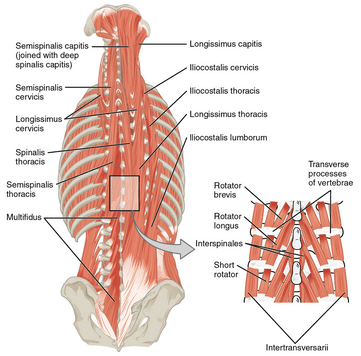
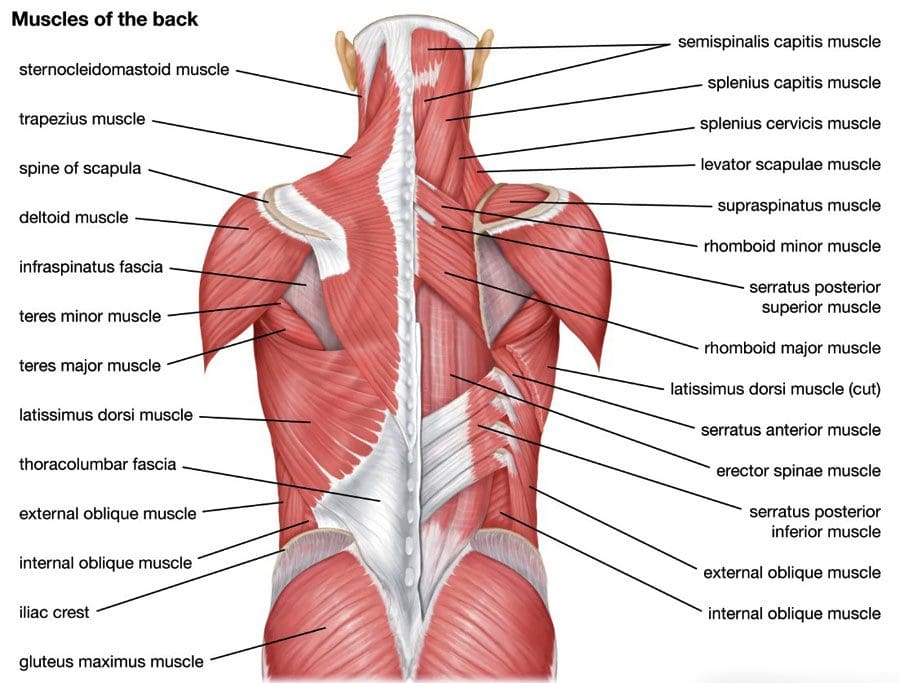
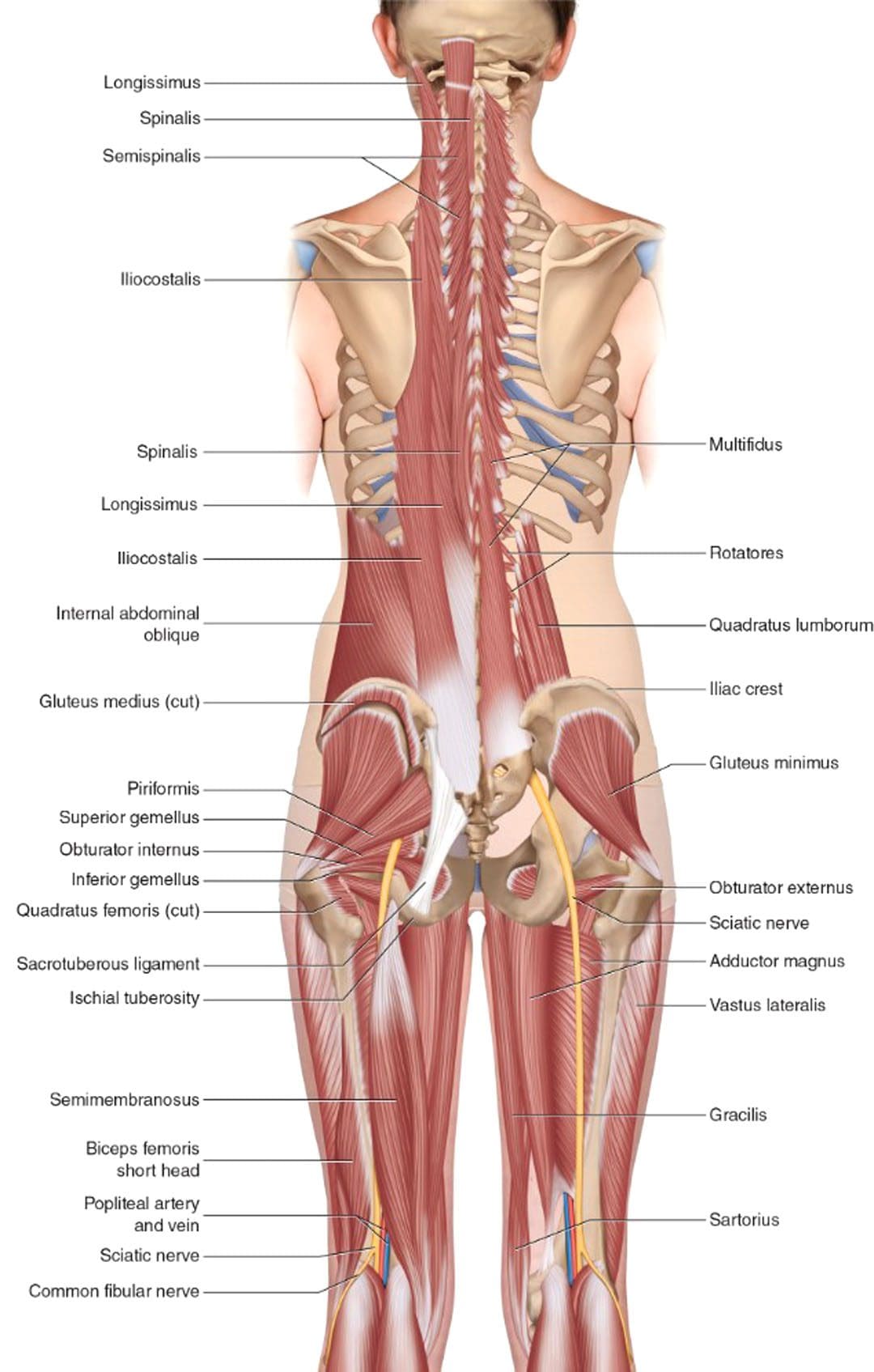
Many of the back muscles attach to the thoracolumbar fascia. The erector spinae muscle group, known as the paraspinals, runs longitudinally down the spine. They are attached to the thoracolumbar fascia and the bony spine. The lumbar part of the posterior layer of the thoracolumbar fascia extends from the lowest rib to the top of the hip bone or the iliac crest. On the same path, it connects with the transverse abdominal muscle. The thoracolumbar fascia connections help bridge the back muscles to the abdominal wall muscles. The latissimus dorsi, a large back muscle that bears and moves the body’s weight with the arms and shoulders, is also connected to the thoracolumbar fascia, with the fibers extending outward from the fascia. The front part of the thoracolumbar fascia, or anterior layer, covers a muscle called the quadratus lumborum. This muscle bends the trunk to the side, helps maintain a healthy posture, and is often focused on muscle-related lower back pain.
What the Fascia Does
The thoracolumbar fascia, examined from the back of an anatomical drawing or diagram, is diamond-shaped. Its shape, large size, and central location uniquely position it to unify and synchronize the upper body’s movements with the lower body’s. The fascia’s fibers are very strong, enabling the tissue sheath to lend support (Willard, F. H. et al., 2012) . The tissue is also flexible, enabling it to help circulate forces of movement and contralateral movements as the back muscles contract and relax. An example is walking.
Back Pain
Scientists and doctors don’t know for sure, but it’s possible that the thoracolumbar fascia may contribute to lower back pain. A study found that the fascia may generate back pain based on: (Wilke, J. et al., 2017)
Sustaining micro-injuries and/or inflammation, which are often related, may cause signal changes in the free nerve endings in the fascia. Nerve endings acquire information from the outer areas of the body, like skin and other fascia, and relay it back to the central nervous system. The theory is that when the fascia close to the skin becomes injured, damaged, and/or backed up with inflammatory chemicals and substances, it is communicated as pain and other sensations back to the brain and spinal cord.
After a back injury, tissues tighten and stiffen. Some studies of patients with back pain noted alterations in their thoracolumbar fascia.
Injuries tend to stimulate nerves, which can lead to increased sensitivity.
Injury Medical Chiropractic and Functional Medicine Clinic focuses on and treats injuries and chronic pain syndromes through personalized care plans that improve ability through flexibility, mobility, and agility programs to relieve pain. Our providers use an integrated approach to create personalized care plans for each patient, including Functional Medicine, Acupuncture, Electro-Acupuncture, and Sports Medicine principles. Our goal is to relieve pain naturally by restoring health and function to the body. If other treatment is needed, Dr. Jimenez has teamed up with top surgeons, clinical specialists, medical researchers, and rehabilitation providers to provide the most effective treatments.
Sciatica, Causes, Symptoms, and Tips
References
Willard, F. H., Vleeming, A., Schuenke, M. D., Danneels, L., & Schleip, R. (2012). The thoracolumbar fascia: anatomy, function and clinical considerations. Journal of anatomy, 221(6), 507–536. https://doi.org/10.1111/j.1469-7580.2012.01511.x
Wilke, J., Schleip, R., Klingler, W., & Stecco, C. (2017). The Lumbodorsal Fascia as a Potential Source of Low Back Pain: A Narrative Review. BioMed research international, 2017, 5349620. https://doi.org/10.1155/2017/5349620
Many individuals don’t realize that the various muscles in their back help provide functionality to the body. The back muscles help move, bend, rotate, and help the individual stand up straight when they are out and about. The back muscles also help protect the cervical, thoracic, and lumbar sections of the spine and work together with the head, neck, shoulders, arms, and legs to provide mobility. When the body begins to wear down with age naturally, it can lead to back issues that can limit a person’s mobility, or normal activities can cause the back muscles to be overused and develop trigger points to invoke back pain or lumbago. Today’s article looks at the thoracolumbar paraspinal muscles in the back, how the lumbago is associated with trigger points, and treatments to relieve the lumbago in the thoracolumbar muscles. We refer patients to certified providers who provide different techniques in thoracic lumbar back pain therapies associated with trigger points to aid many suffering from pain-like symptoms along the thoracolumbar paraspinal muscles along the back, causing lumbago. We encourage patients by referring them to our associated medical providers based on their examination when it is appropriate. We designate that education is a great solution to asking our providers profound and complex questions at the patient’s request. Dr. Alex Jimenez, D.C., notes this information as an educational service only. Disclaimer
The Thoracolumbar Paraspinal Muscles In The Back
Have you been finding it difficult to walk even for a short period? Do you feel aches and soreness when getting out of bed? Are you constantly in pain when bending over to pick up items from the ground? These various actions that you are doing incorporate the thoracolumbar paraspinal muscle in the back, and when issues affect these muscles, it can lead to lumbago associated with trigger points. The thoracolumbar paraspinal in the back is a group of muscles closely surrounded by the thoracolumbar spine, where the thoracic region ends, and the lumbar region begins. The thoracolumbar paraspinal muscles in the back have a casual relationship with the body as it requires contribution from the systems requiring movement. Studies reveal that the thoracolumbar paraspinal muscles are modulated through communication with the three sub-systems, which include:
The passive system: vertebrae, discs, and ligaments
The active system: muscles and tendons
The control system: central nervous system and nerves
Each system provides muscular activities when a person is bending down to pick up an object or doing simple movements. However, when the muscles become overused, it can lead to various issues affecting the back and surrounding muscles.
Lumbago Associated With Trigger Points
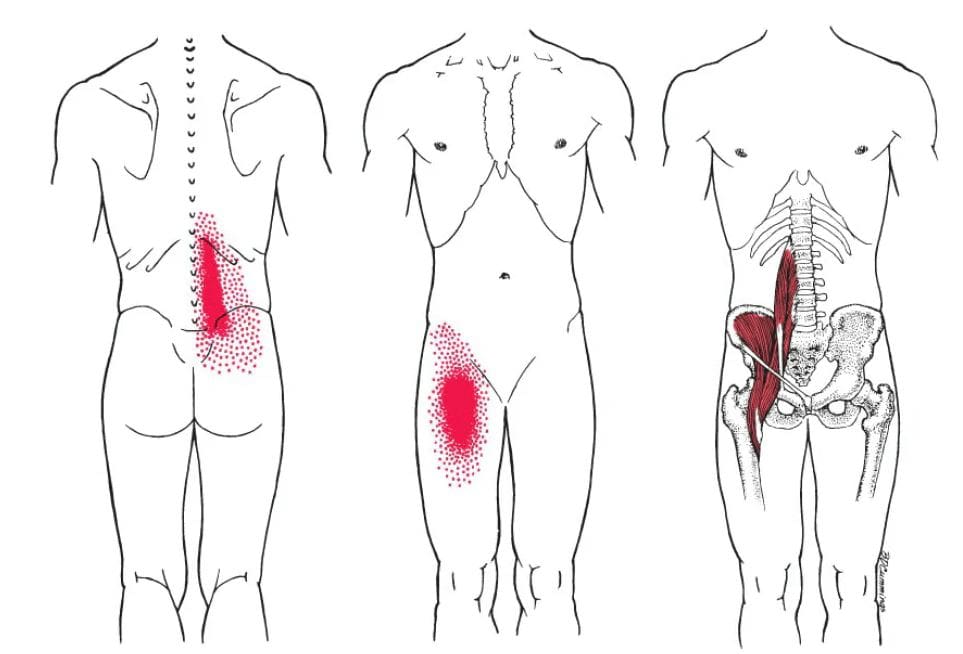
Studies reveal that paraspinal muscle integrity plays a very critical role when it comes to the maintenance of spinal alignment in the back. When the thoracolumbar paraspinal muscles become overused from normal activities, it can affect the back by causing back pain symptoms or lumbago associated with trigger points. In Dr. Travell, M.D.’s book “Myofascial Pain and Dysfunction,” trigger points may be activated due to sudden movements or sustained muscular contraction over time that leads to the development of lumbago. Atrophy issues in the paraspinal muscles can contribute to lumbago associated with trigger points that cause deep referred pain in the thoracolumbar regions of the back. Active trigger points in the deep muscle group of the thoracolumbar paraspinal can impair movement between the vertebrae during flexion or side bending.
An Overview Of Lumbago- Video
Lumbago or back pain is one of the most common issues that many individuals, from acute to chronic, depending on how severe the pain is inflicted on the back. Have you been feeling pain in your mid-lower back? Do you feel an electric shock when you run down your leg in a weird position? Or have you felt tenderness in the middle of your back? Experiencing these symptoms could indicate that the thoracolumbar paraspinal muscles are affected by trigger points associated with lumbago. The video explains what lumbago is, the symptoms, and various treatment options to relieve the pain and manage trigger points that are causing the thoracolumbar muscles issues in the back. Many individuals who suffer from lumbago don’t often realize that various factors can affect the surrounding muscles in the thoracolumbar region and mask other previous conditions from which they could suffer. Regarding managing lumbago associated with trigger points, various treatment options can help reduce the pain affecting the thoracolumbar paraspinal muscles while managing trigger points for progressing further in the back.
Treatments To Relieve Lumbago In The Thoracolumbar Muscles
Since lumbago or back pain is a common issue for many people, various treatments can reduce the pain-like symptoms in the thoracolumbar muscles and manage the associated trigger points. Some of the simplest treatments that many individuals can use are to correct how they are standing. Many individuals often lean on one side of their bodies which causes the thoracolumbar paraspinal muscles on the opposite sides to be overloaded. This causes spinal subluxation or misalignment to the thoracolumbar region. Another treatment that many people can incorporate into their daily lives is by going to a chiropractor for a spinal adjustment for the thoracolumbar spine. Studies reveal that chiropractic care combined with physical therapy can relieve the thoracolumbar back while reducing the pain symptoms associated with trigger points by loosening the stiff muscles and causing relief to the back.
Conclusion
The back has various muscles known as the thoracolumbar paraspinal muscles that allow movement and mobility to the body. The back muscles help protect the cervical, thoracic, and lumbar sections of the spine while working with the rest of the body’s components to keep the body stable. When natural aging or actions affect the back muscles, it can lead to various pain issues that can activate trigger points causing lumbago or back pain. Fortunately, some treatments can help alleviate back pain in the thoracolumbar paraspinal muscles while managing trigger points to bring back mobility to the back.
References
Bell, Daniel J. “Paraspinal Muscles: Radiology Reference Article.” Radiopaedia Blog RSS, Radiopaedia.org, 10 July 2021, https://radiopaedia.org/articles/paraspinal-muscles?lang=us.
du Rose, Alister, and Alan Breen. “Relationships between Paraspinal Muscle Activity and Lumbar Inter-Vertebral Range of Motion.” Healthcare (Basel, Switzerland), MDPI, 5 Jan. 2016, https://www.ncbi.nlm.nih.gov/pmc/articles/PMC4934538/.
He, Kevin, et al. “The Implications of Paraspinal Muscle Atrophy in Low Back Pain, Thoracolumbar Pathology, and Clinical Outcomes after Spine Surgery: A Review of the Literature.” Global Spine Journal, SAGE Publications, Aug. 2020, https://www.ncbi.nlm.nih.gov/pmc/articles/PMC7359686/.
Khodakarami, Nima. “Treatment of Patients with Low Back Pain: A Comparison of Physical Therapy and Chiropractic Manipulation.” Healthcare (Basel, Switzerland), MDPI, 24 Feb. 2020, https://www.ncbi.nlm.nih.gov/pmc/articles/PMC7151187/.
Travell, J. G., et al. Myofascial Pain and Dysfunction: The Trigger Point Manual: Vol. 1:Upper Half of Body. Williams & Wilkins, 1999.
IFM's Find A Practitioner tool is the largest referral network in Functional Medicine, created to help patients locate Functional Medicine practitioners anywhere in the world. IFM Certified Practitioners are listed first in the search results, given their extensive education in Functional Medicine


 What the Fascia Does