There are other causes of sciatica that are not spine-related. It is sometimes called non-spinal pathology, which means not related to the spine. The most common cause of sciatic pain is a herniated disc. Non-spine-related causes of sciatica can imitate/copy the symptoms of a herniated disc in the low back. When a lumbar herniated disc causes sciatica, people typically report a sudden onset of pain with leg pain worse than any back pain that might be present. In addition to pain in the leg, there are also reports of leg weakness, numbness, and tingling. Leg pain becomes worse after:
Long periods of sitting/standing
Forward bending
Body maneuvers that increase pressure in intervertebral discs
Coughing
Sneezing
Individuals also report when lying down and the spine is extended the back pain reduces and alleviates the pain. Determining the source of sciatica pain correctly means that it is important to:
Characterize the activities leading up to when the symptoms first presented
Location of the pain
Associated factors that reduce and worsen the pain
Medical history
Because there are quite a few non-spine-related causes, it can be helpful to keep in mind:
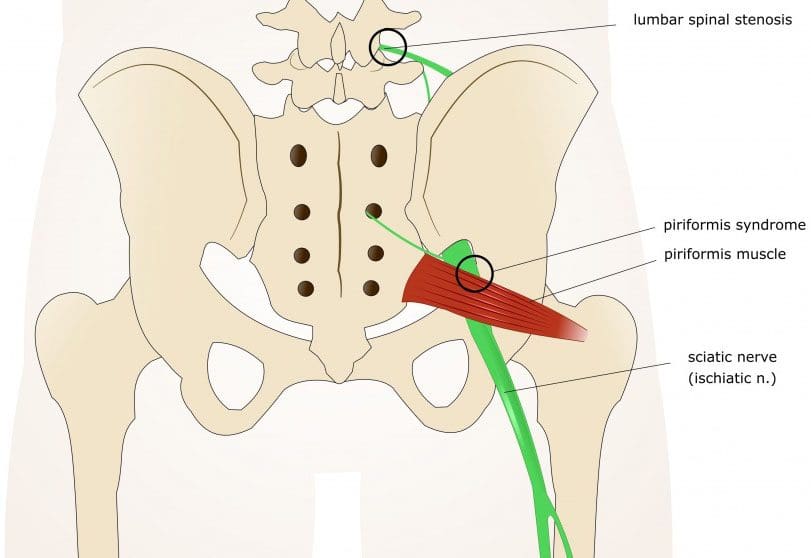
The way the sciatic nerve runs through the lower body. It starts in the lower lumbar and upper sacral nerve roots. It exits through the pelvis and runs down the back of the thigh to the knee where it branches out into nerves that provide the motor and sensory functions to the legs and feet.
Non-spinal sciatica causes. Non-spinal causes usually are the result of irritation of the nerve itself. The most common ways to irritate the nerve is compression, traction, or injury.
Symptoms perceived as sciatica may not be related to the nerve at all. Injury/s to structures close to the nerve, like the hip, can copy symptoms caused by irritation of the nerve.
Hip joint disorders can emulate sciatica symptoms
Because the sciatic nerve is close to the hip joint, an injury to the hip could resemble symptoms of sciatica. Whatever the cause of the hip injury, those with hip pathology often report pain in the groin, upper thigh, and buttocks. The pain gets worse with activity, specifically bending, and rotation of the hip.
Leg pain that turns into a limp when walking means that more likely the hip, and not the lower back, is the cause of the leg pain. X-rays and if necessary MRIs of the hip can help in determining if the hip is the cause of leg pain. An example of hip pathology that mimics spine-related sciatica:
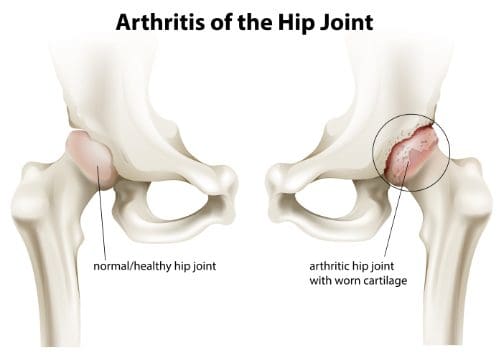
Hip Osteoarthritis
This is characterized by the loss of cartilage. This results in the narrowing of the ball and socket joint. Individuals with arthritis of the spine and hip, a doctor could use a steroid injection as a therapeutic providing pain relief and a diagnostic to help identify the root cause/pain generator.
Osteonecrosis
The femoral head can collapse from a lack of blood flow. Risk factors include:
Alcohol abuse
Sickle cell disease
Chronic steroid use
Femoral neck fracture
Hip dislocation
Femoroacetabular Impingement
This can stem from constant abnormal rubbing between the femoral neck and acetabulum from a bone deformity of the femur, or the acetabulum. Hip impingement at the joint can start the onset of arthritis along with tears of the labrum. This is cartilage that surrounds the hip joint and provides stability.
Trochanteric Bursitis
There are fluid-filled sacs called bursas/bursae that help decrease friction between the bones, surrounding tendons, and muscles. They are at multiple locations on the body. Bursitis means that the bursa is inflamed and can be quite painful. The greater trochanter is a bony outward bump that extends from the femur. Trochanteric bursitis refers to inflammation of the bursa that separates the greater trochanter with the muscles and tendons of the thigh. Common symptoms are pain on the outside of the thigh that worsens by pressing on the area and can interfere with proper sleep when lying on the affected side.
Femoral Neck Stress Fracture
Incomplete fracture/s of the femoral neck typically occur in individuals that walk or run long distances regularly like runners and soldiers. The pain is usually focused around the groin and can be subtle when it presents. Walking or running makes the pain worse.
Sacroiliac joints and fractures
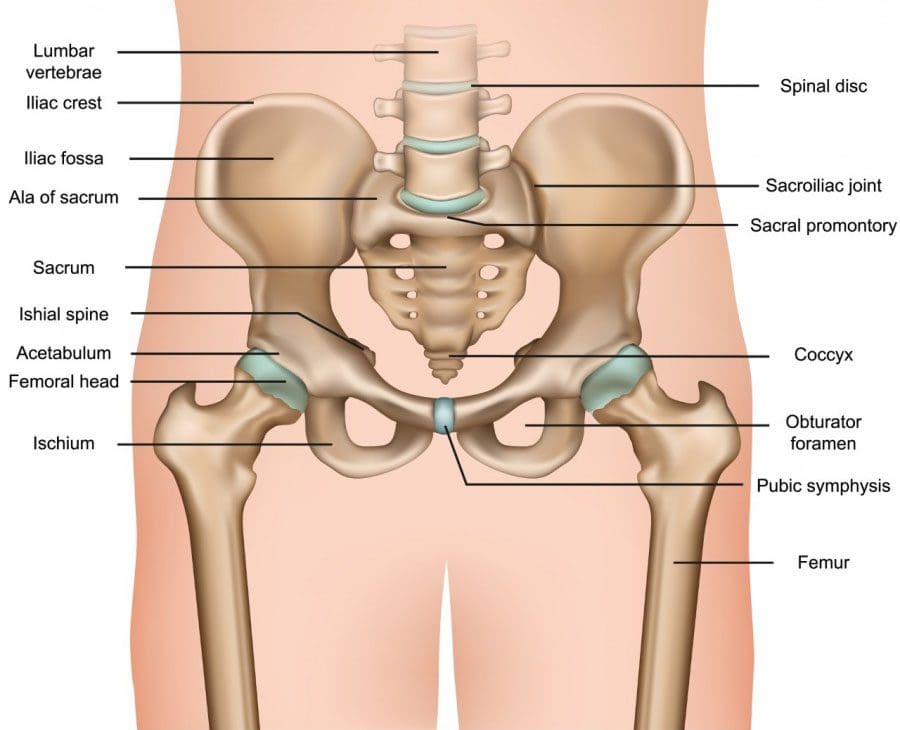
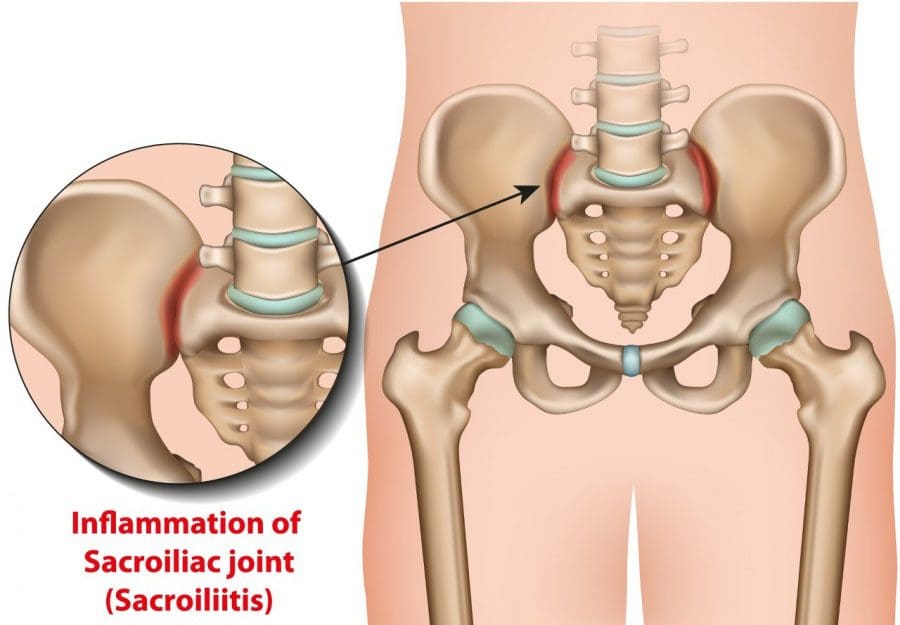
The sacroiliac joints connect the spine to the pelvis. There are two joints, one on either side of the sacrum. While they are relatively immobile, they go through tremendous force doing routine daily activities. Sacroiliac joint pathology that can mimic spine-related sciatica include:
Sacroiliitis
This is inflammation of the sacroiliac joints. The pain presents in a slow fashion with no obvious injury or cause. The pain is usually localized to the buttocks and can radiate down the back of the thigh. It is believed to be caused by irritation of the sciatic nerve by the inflammatory molecules in the sacroiliac joint or could present as referred pain from the joint. This is pain that is detected in a location other than the area of the pain generator. The pain reduces with light walking.
Sacral Fracture
A fracture of the sacrum can occur in those with a weakened bone after a minor injury and without trauma. Risk factors include:
Advanced age
Osteoporosis
Chronic steroid use
Rheumatoid arthritis
Vitamin D deficiency.
The pain usually localizes in the low back that radiates to the buttocks, or groin, and worsens with activity.
Trauma-related
Trauma to the pelvis or thigh can definitely cause sciatica pain and symptoms. With high-energy injuries, it is possible for the nerve roots of the sciatic nerve to get pulled or torn. More common causes include:
Posterior hip dislocation
Pelvic fracture
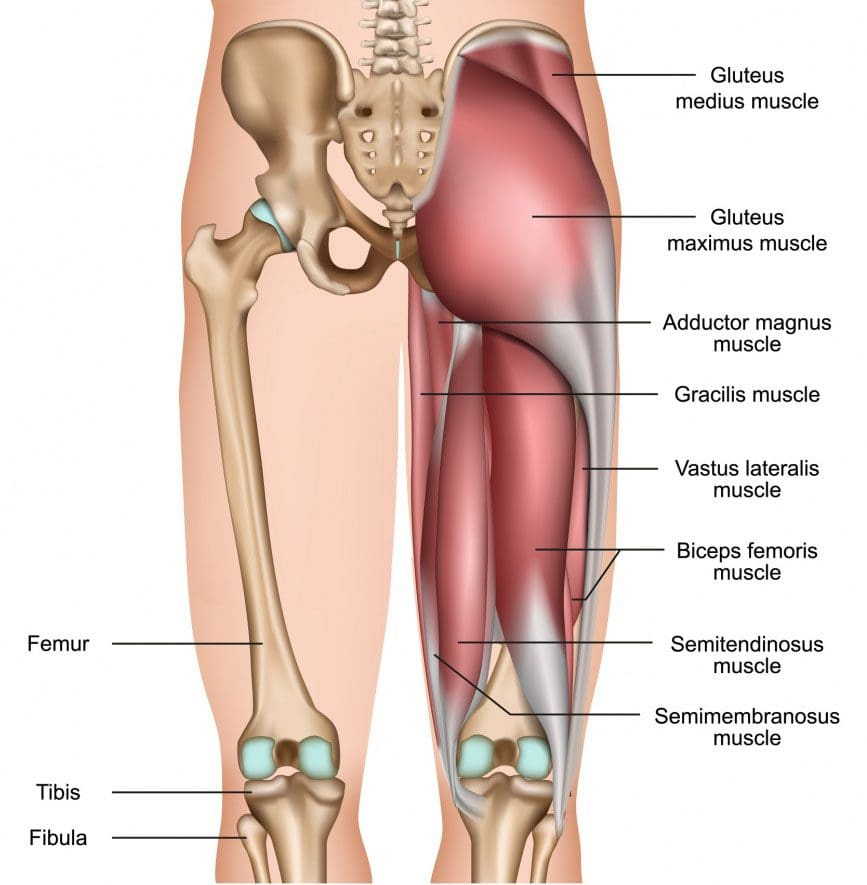
The hamstring muscles are in close proximity to the sciatic nerve. A torn hamstring can irritate the sciatic nerve either through direct compression from the localized bleeding known as a hematoma or from an inflammatory response triggered when the injury happened.
Penetrating trauma
If some sharp object like a tool or shrapnel penetrates any area where the sciatic nerve is, it could cause sciatica by cutting the nerve. Or the object tears the nerve, known as a laceration. Most cases of trauma-induced sciatica result from a mild form of nerve injury known as neuropraxia. This is an injury that temporarily blocks nerve function. Neuropraxia can develop from the shock waves that surround the object as it travels through the tissue.
Benign tumors and metastatic cancer
Discovering cancer during diagnosis for sciatica is rare. Symptoms that increase the possibility of cancer being the cause include:
Cancer in medical history
50 years and older
Leg pain that goes on through the night
No relief from lying on the back
Night sweats
Unexplained weight loss
When back pain presents in a subtle fashion without a history of trauma or injury and is not affected by activity or changes in position can also suggest cancer as the cause. Tumors usually cause sciatica by applying direct compression on the nerve. They can be benign or malignant. Tumor/s can arise from the sciatic nerve itself:
Shingles is a painful rash that occurs on one side of the body. It is caused by the varicella-zoster virus, which is the virus that causes chickenpox. The virus can lie dormant in nerve cells for years without causing any symptoms. Older individuals and individuals with underlying conditions in an immunocompromised state can cause the virus to activate. If the virus reactivates around the buttock and thigh, it can feel like sciatica. The presence of a red rash with blisters around the painful area is consistent with shingles.
Childbirth and endometriosis
During pregnancy, the pelvis can become compressed between the growing baby and the bones in the pelvis. Also, having the hips and knees flexed and supported in stirrups too long can also cause sciatica. However, pregnancy-related sciatica is often temporary.
A less common cause that occurs in women is endometriosis. Endometriosis is the growth of tissue somewhere other than the uterus, usually the ovaries and fallopian tubes. In some cases, this tissue can accumulate around the sciatic nerve or the nerve itself. As the tissue responds to the changes taking place during a normal menstrual cycle, recurrent sciatica pain can present.
Vascular diagnoses
Arteries and veins in the pelvis and lower extremities that have become abnormal can cause sciatica. Either through compression or lack of oxygen from poor blood flow. An aneurysm can happen when the wall of the artery weakens and cannot withstand the pressure of the blood flowing through. This enlarges the artery and in some cases, the artery grows large enough to compress the nerve.
Peripheral artery disease can cause sciatica when not enough blood is circulated from the heart to the muscles in the legs. If not enough oxygen is delivered to the muscles, leg pain and numbness can occur. It’s called claudication and is characterized by pain that is aggravated when walking and relieved when standing still. Risk factors for peripheral artery disease include:
Smokers both current and those who have quit
High blood pressure
High cholesterol
Diabetic
Diabetes/high blood sugar
Diabetic peripheral neuropathy happens from nerve damage caused by high blood sugar. Nerves that are exposed to chronic high blood sugar can get damaged from the disruption of proper blood flow or from an alteration of the cellular structure of the nerve.
Prescription meds
Nerve and muscle damage can happen as a side effect from prescription meds. Neuropathy and myopathy can cause symptoms that mimic sciatica brought on by disc herniation. Sometimes, if the medication is no longer taken the symptoms go away. The list of medications include:
Chemotherapy agents
Antibiotics
Statins medication to help lower cholesterol
Piriformis syndrome and back pocket wallets
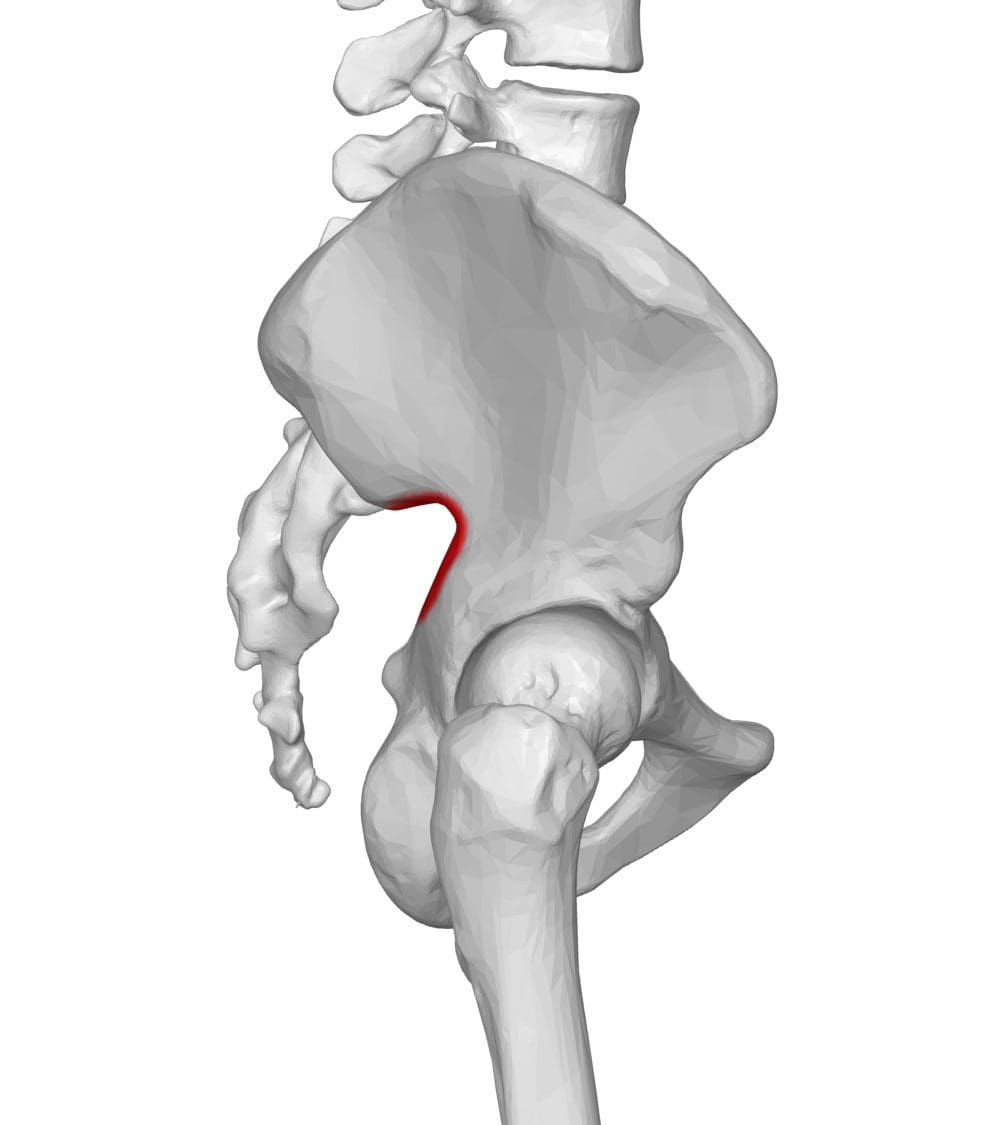
The piriformis muscle originates on the sacrum, runs through the sciatic notch, shown above, and attaches the top of the femur. The sciatic notch also includes the sciatic nerve. Piriformis syndrome is caused when the piriformis muscle compresses the sciatic nerve. Individuals typically report pain in the buttocks that shoots down the same leg and is made worse when sitting. Piriformis syndrome can be difficult to diagnose, but physical exam maneuvers have been developed in aiding the diagnosis of the syndrome. They involve some form of hip abduction resistance and external rotation to cause a contraction of the piriformis muscle.
Back pocket wallet
Also known as wallet neuritis, and wallet sciatica are terms that have been used to describe compression of the sciatic nerve by a heavy/bulky wallet in a back pocket. It is similar to symptoms of piriformis syndrome and presents in the buttocks and the same leg that can get aggravated from sitting. Usually, if the wallet is the sole cause, taking the wallet from the back pocket to another pocket or other storage option often brings pain relief.
Conclusion non-spine related causes
While the majority of sciatica cases are caused by a back problem, injury, etc. There are various causes outside of the spinal column. Being able to describe the:
Location
Pain severity
Associated symptoms
Factors that aggravate and alleviate the pain
These can absolutely help your doctor, chiropractor, specialist accurately diagnose and generate an optimal customized treatment plan for spine-related or non-spine-related sciatica.
Chiropractors & Sciatica Syndrome Expose
Dr. Alex Jimenez�s Blog Post Disclaimer
The scope of our information is limited to chiropractic, musculoskeletal, physical medicines, wellness, and sensitive health issues and/or functional medicine articles, topics, and discussions. We use functional health & wellness protocols to treat and support care for injuries or disorders of the musculoskeletal system. Our posts, topics, subjects, and insights cover clinical matters, issues, and topics that relate and support directly or indirectly our clinical scope of practice.*
Our office has made a reasonable attempt to provide supportive citations and has identified the relevant research study or studies supporting our posts. We also make copies of supporting research studies available to the board and or the public upon request. We understand that we cover matters that require an additional explanation as to how it may assist in a particular care plan or treatment protocol; therefore, to further discuss the subject matter above, please feel free to ask Dr. Alex Jimenez or contact us at 915-850-0900. The provider(s) Licensed in Texas& New Mexico*
The most common causes of golf injuries are playing and practicing too excessively, improper swinging mechanics, and little or no physical conditioning. Pain meds either over-the-counter or prescribed, bracing, and surgical procedures are how symptoms are treated instead of the root cause/s. If the cause/s are addressed then injury prevention comes naturally.
�
Overuse
Driving requires a great deal of effort and power that puts tremendous stress on the body. When done too frequently, injuries can result. The body can take all kinds of forces thrown at it. But there is a limit as to how much it can take before an injury occurs.
Too many swinging reps while playing and practicing could cause trauma to the muscles and connective tissues, which leads to inflammation and pain. Swinging and hitting with bucket after bucket of balls to improve performance will raise the risk of injury. Try practicing swinging without hitting any balls through imagery/imagination. This has become a standard tool utilized by athletes. Practice the perfect swing mentally without the risk/threat of overusing your arms and back.
�
Mechanics
Improper body and swinging mechanics can lead to injury. The constant swinging, bending, squatting, and walking places added stress on muscles that can lead to a shoulder sprain/strain, elbow pain, and rib fractures. Back injuries can happen when bending far too forward while in swinging motion. Common swing mistakes that can contribute to low back pain.
�
S-Posture
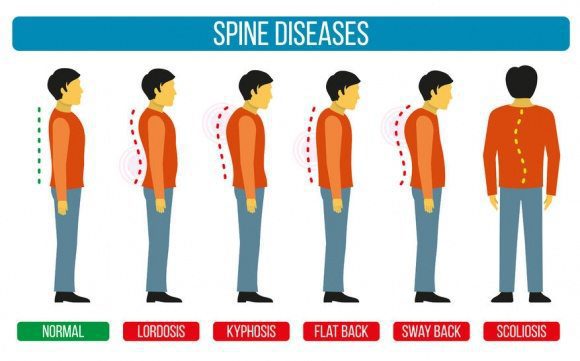
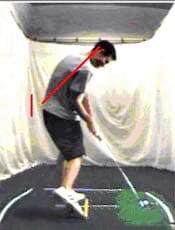
This can happen when golfers are told to stick out their rear but what happens is that they over arch their lower backs which cause hyperlordosis. This is known as an S-Posture and it inhibits the abs and glutes. Or this also happens with a lower crossed syndrome. �
�
Early Extension
This is a term that comes from a forward swinging movement where the lower body does not rotate from the top of the backswing to follow-through. The hips and pelvis do not turn with the body. Spinal posture is extended, the head rises up and the pelvis moves toward the ball’s position. When this happens the spine’s muscles over-activate and force the spine into a fast extension. Forward movement of the lower body toward the golf ball can be a sign of early extension. �
Early Extension
Ideal Position
�
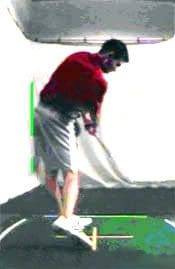
Reverse C
This happens at the swing’s finish being in a full hyperextension position. It places added compression on the lower back right facet joints. �
� Overextending, Flexing, and twistingexcessively, awkwardly, and improperly increases chances of injury. A bit of advice is to have your swing analyzed by a golf pro/instructor to make sure you have proper form and technique. Preventing back injuries can be achieved through proper body mechanics by properly lifting the golf bag and properly teeing the ball.
�
Conditioning
Muscles will be weak and inflexible when there is no conditioning. This causes them to become highly susceptible to injury. The spine is exceptionally vulnerable to increased pressure during a golf swing. This happens from rotating while leaning forward. When the low back and abdominal muscles do not have adequate strength or flexibility the high reps of swinging will eventually cause pain.
With a golf-specific strength and flexibility program, the risk of injury is lessened along with improved performance. Programs like these don’t have to be complicated or take a long time. Stop potential golf injuries from happening by avoiding excessive practice sessions, swinging correctly, and regularly practicing golf-oriented strength and flexibility exercises.
�
Sports Injury Chiropractic Treatment
Dr. Alex Jimenez�s Blog Post Disclaimer
The scope of our information is limited to chiropractic, musculoskeletal, physical medicines, wellness, and sensitive health issues and/or functional medicine articles, topics, and discussions. We use functional health & wellness protocols to treat and support care for injuries or disorders of the musculoskeletal system. Our posts, topics, subjects, and insights cover clinical matters, issues, and topics that relate and support directly or indirectly our clinical scope of practice.*
Our office has made a reasonable attempt to provide supportive citations and has identified the relevant research study or studies supporting our posts. We also make copies of supporting research studies available to the board and or the public upon request. We understand that we cover matters that require an additional explanation as to how it may assist in a particular care plan or treatment protocol; therefore, to further discuss the subject matter above, please feel free to ask Dr. Alex Jimenez or contact us at 915-850-0900. The provider(s) Licensed in Texas& New Mexico*
Be sure to talk with your provider before taking or combining dietary and herbal supplements with prescription meds or over the counter medications. Individuals with chronic back/neck pain but want to get away from medication/s, and pain relievers, dietary and herbal supplements could be an option. There are dietary supplements as well as, herbal supplements that although used in nutrition, also have added benefits for pain and inflammation relief.
Individuals have found herbs and supplements to be helpful in reducing and alleviating their pain. It is important to understand that these are not a cure-all that will take the pain away or the depression that accompanies chronic spine-related conditions. These are made to help to manage back pain symptoms.
Nutrition and Dietary
A healthy diet includes plenty of fruit, vegetables, and whole grains which keeps the body in top form. Antioxidant foods like green leafy vegetables and berries help in fighting inflammation. Dietary and herbal supplements that research has found helpful in reducing inflammation and pain are listed. However, we must point out that several of these supplements can increase the risk of bleeding. Therefore have a discussion with your health care provider before taking any type of supplement.
Supplements
Omega-3 fatty acids
Flaxseed and Fish Oils
Omega-3 fatty acids can increase the risk of bleeding and conflict with blood-thinning medications like warfarin coumadin and aspirin.
Glucosamine/Chondroitin
Studies show these supplements can help relieve arthritis pain but have not been studied as a treatment for back pain.
Glucosamine and chondroitin can interfere with blood-thinning medications like warfarin coumadin and aspirin.
It can increase the risk of bleeding, so do not take this without consulting a health care provider
It can interact/interfere with antibiotic meds
Do not take if have a peptic ulcer
Herbal Supplements
Herbal supplements have been used by many cultures for health and dietary benefits for a very long time. These supplements are literally made from herbs/plants valued for their flavor, scent, and medicinal qualities. Examples of herbal supplements for pain include:
Cayenne reduces pain signal intensity
Devil’s claw relieves inflammation
Eucalyptus clears chest congestion
Benefits of Herbs
People prefer dietary and herbal supplements instead of standard/traditional drugs and medications for a variety of reasons.
Some because they provide pain relief without the side effects associated with medications. An example is white willow bark, that has been used for years for its anti-inflammatory benefits. And it doesn’t upset the stomach the way medications the way aspirin does.
Some prefer herbal supplements because they are natural.
Herbs come in pill, capsule, tablets, teas, and liquid extracts.
Turmeric
Reduces inflammation and pain
Turmeric can increase the risk of bleeding, especially for those taking blood-thinning medication
Devil’s claw
Reduces pain
Can increase the risk of bleeding and interact with diabetes meds
Can affect the heart and can cause issues for those with gallstones
Willow bark
Relieves pain
Do not take if taking aspirin or blood-thinning meds
Do not take if are allergic to aspirin or salicylates
Do not give to children under eighteen
Capsaicin cream
Reduces pain and inflammation
It is one of the main components in chili peppers
Things to Remember
Dietary and herbal supplements do not have to be approved by the U.S. Food and Drug Administration before they are sold.
Herbs can have medication-like effects on the body
Products sold as dietary supplements and promoted as a treatment, prevention, and/or cure for a disease or condition is considered an unapproved and illegal drug
While dietary supplements and herbal supplements are primarily used to help nutritional needs, these supplements can serve medicinal purposes. Explore alternatives from conventional medications with herbal supplements, as this could be an option. Check with your health care provider before taking supplements if you are pregnant, nursing a baby, or have a chronic medical condition like diabetes, hypertension, or heart disease.
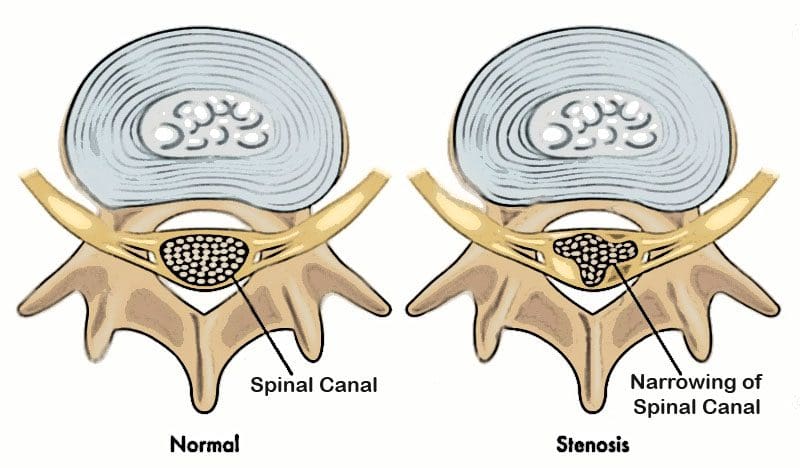
Recognizing and understanding common and not so common neck and lower back spinal Stenosis symptoms can help in getting an early diagnosis and beginning a preventative treatment plan. Symptoms develop when the spinal canal begins to narrow. The nerve roots become compressed/pinched causing:
Neural irritation
Inflammation
Pain
The low back and neck are commonly affected by this age-related and progressivedisorder. Symptoms can inhibit the ability to move without discomfort, pain, and neurological issues like tingling sensations and numbness that spreads out or radiates into other parts of the body.
Low Back Spinal Stenosis Symptoms
The most common symptom of spinal Stenosis is pain in the:
Low back
Buttock area
Back of the thigh that gets worse when standing and walking
These symptoms are called neurogenic claudication. Some individuals with low back spinal stenosis experience symptoms only when standing or moving/walking around. Discomfort usually eases up when bent forward and goes away when the individual sits down. Example: Grocery shopping feels a lot better when leaning forward on the handle of the cart, with pain reduced. This is common for people with spinal stenosis in the low back. Pain that goes away and reduces when bending forward, sitting down, or lying down is common of low back spinal Stenosis.
Understanding that claudication is not neurogenic or pseudo claudication is important. The symptoms of claudication are similar to pseudo claudication, however, the cause is different. Claudication is caused by the blood not circulating properly in the leg muscles. Other symptoms are low back pain and low back spreading pain or radiculopathy.
Better known as sciatica, lumbar radiculopathy involves:
Pain
Numbness
Weakness
Tingling/numbing sensations that travel down from the low back into the buttock/s and leg/s.
Some individuals experience pain in both legs, with one leg having worse pain than the other.
Bowel/Bladder emergency:
There can be severe cases of lumbar spinal Stenosis where the nerves that control the bladder or bowel can get compressed, leading to partial or complete incontinence. If there are problems controlling the bladder or bowel seek immediate medical attention.
Neck Spinal Stenosis Symptoms
Spinal Stenosis symptomsin the neck can cause cervical radiculopathy. This can include pain along with:
Tingling sensations
Numbness
Weakness
These symptoms may radiate downward from your neck into one or both shoulders, arms, and/or hands. The pain caused by cervical spinal Stenosis has been described as:
Acute
Episodic
Occasional
Chronic
The intensity can go from mild to severe along with other symptoms that include:
Headache/s
Balance issues with a higher risk of falling
Fine Motor skills like writing, buttoning up a shirt/blouse, computer keyboarding skills can become affected
With severe cervical spinal stenosis, symptoms can be associated with cervical myelopathy. Cervical myelopathy happens when the spinal canal narrows so much that it compresses the spinal cord in the neck. Pinched nerves in the neck can affect the shoulders, arms, and hands. Myelopathy can affect both the arms and legs.
Symptoms of cervical myelopathy can include:
Neck pain
Stiffness
Tingling sensations
Numbness
Weakness
Clumsiness
Balance issues
Difficulty walking
Bowel and Bladder problems
Sexual dysfunction
Symptoms Don’t Always Present
Imaging studies like MRI and CT scans can detect a spinal disorder from an individual that has no symptoms. This is why imaging tests are performed to confirm a diagnosis. This is supported by results from the physical/ neurological exams, medical history, and symptoms.
Those who have undergone an x-ray or other imaging test for a non-spinal related issue could have discovered they have spondylosis, osteophytes, and a herniated disc. However, they never knew it because they showed no symptoms. Spinal Stenosis of the spine is usually an age-related and gradual process of physical change. It can take time for symptoms to show themselves. If you have neck or low back pain symptoms that are becoming worse, speak with your doctor.
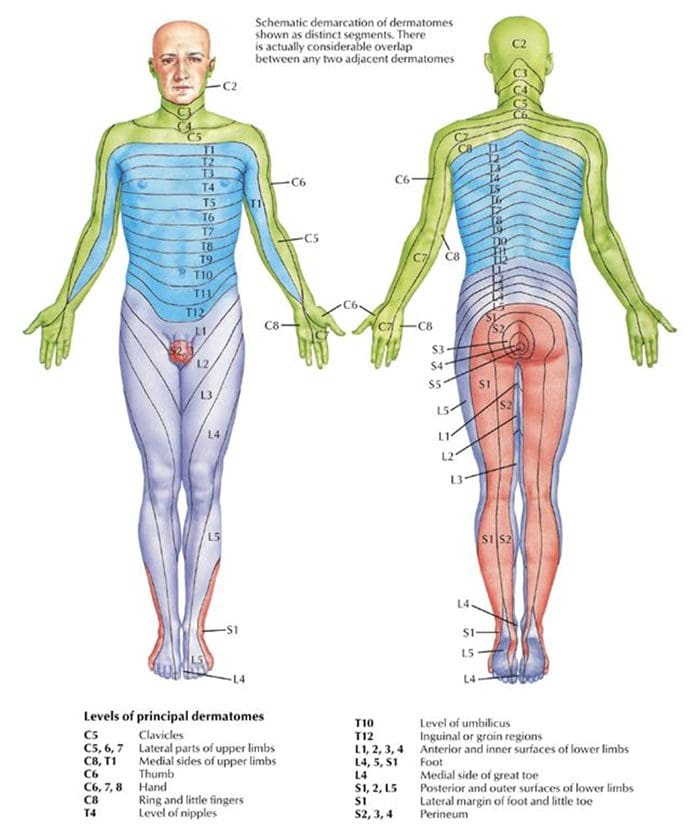
Burning, numbness, tingling, and pain can be felt in the back, lower back, legs, and feet. A lot of times these symptoms spread out/radiate from one part of the body into another area. Sciatica is an example of pain that radiates into an extremity, in this case, the back of the leg. Nerves originate from the spine and are divided/separated into sensory and motor nerves. The sensory nerve/s give the sensation to the skin known as dermatomes. Dermatomal patterns act as a map on the body.
Example: Dermatomes on the torso of the body react to the thoracic spinal nerve roots, the arms react to the cervical spine nerve roots, and the legs react to the lumbar spinal nerve roots.
Dermatome Location – Corresponding Spine Level
Shoulders – C4, C5
Inner/Outer Forearms – C6, and T1
Thumbs and Little Fingers – C6, C7, C8
Front of Thighs – L2
Middle, Sides of Both Calves – L4, L5
Little Toes – S1
A physician might use a piece of cotton, a swab, pin, or paperclip to test the symmetrical feelings in the arms and legs. Abnormal responses could be a sign of a nerve root problem.
Tendon Reflexes
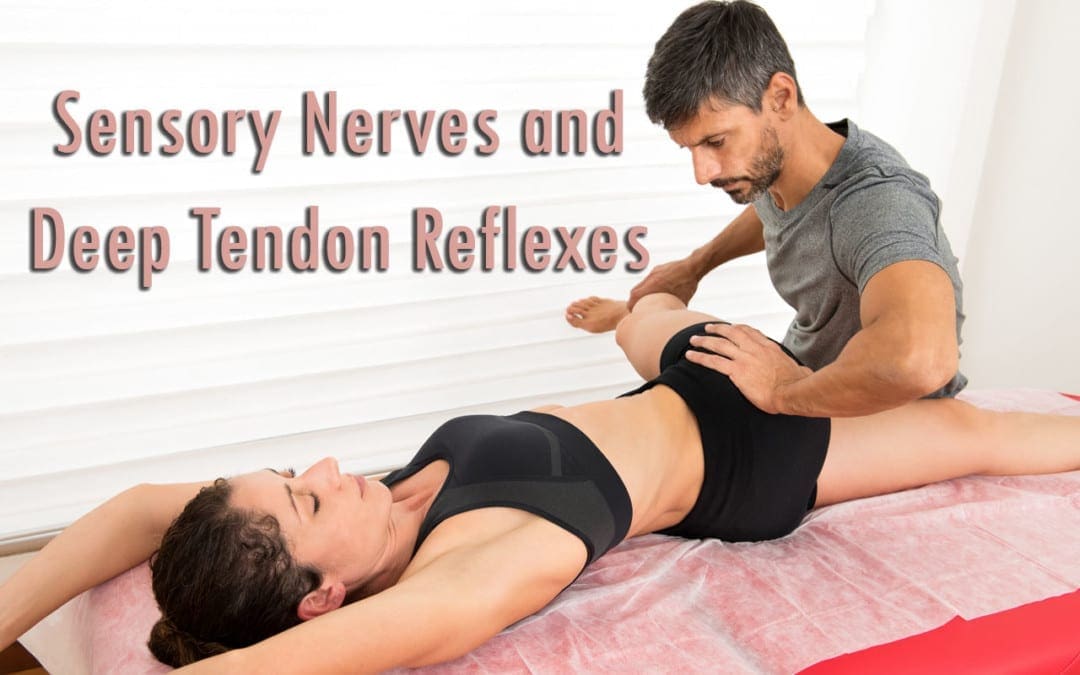
Most individuals have experienced a physician tapping the knees with a rubber hammer. The normal response is a kick. This is a reflex, which is an involuntary muscular response generated by the hammer tapping the tendon. When the reflex responses do not present, this could mean that the spinal cord, nerve root, peripheral nerve, or muscle has been injured/damaged in some way. Absent reflexes are also clues to other conditions/injuries. An abnormal reflex response could also be caused by a disruption of the sensory (feeling) or motor (movement) nerves and sometimes both. Determining where the neural problem might be, a physician will test reflexes in various parts of the body.
Reflex Tested Areas – Corresponding Spine Level
Upper Arm Biceps – C5-C6 Cervical Spine
Forearm Distal Radius – C6-C7
Elbow Triceps – C7
Abdominal – T8, T9, T10, T11, T12, Thoracic
Knees/Thighs Patellar, Quadriceps – L3, L4 Lumbar
Ankles – S1 Sacral
Neurological Exams for Neck/Back Pain
Muscle Strength/Tone
Muscle strength and tone measurements are another way to diagnose nerve deficits. Depending on the symptoms/condition/injury/s there are different ways to evaluate muscle strength:
Stepping on a stool
Standing on the heels
Standing on the toes
Hopping in place
Performing knee bends
Gripping an item in each hand
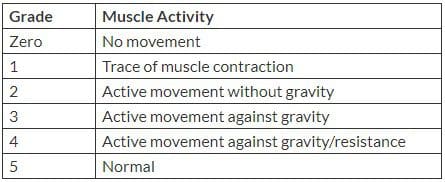
Muscle strength is graded and recorded in the patient’s chart.
A physician will test the body’s muscle tone by passively flexing and extending the arms and legs. Normal muscle tone will respond with a slight resistance to passive motion. Other movements test for proximal (trunk/torso) and distal (distant) weakness. Muscle symmetry is also taken into account.
Neurological Tests
If necessary a spine specialist might order neurological studies like a Nerve Conduction Study (NCS) or Electromyogram (EMG), to measure nerve performance.
Imaging Studies
MRI and/or CT scans of the spine can be ordered to help the spine specialist/chiropractor make a correct diagnosis, as well as help in creating a plan of treatment.
Conclusion
A neurological exam, along with a mechanical examination consisting of movement of the arms, legs, and torso, can significantly help doctors in making the correct diagnosis. Examination results are then correlated with the patient�s history, illness, and diagnostic studies. Once the diagnosis is made an appropriate treatment plan is discussed. This will begin with non-surgical strategies but if those fail, then surgical intervention could be considered.
With everything that is going on in today’s world immunity is especially important. Without a properly functioning immune system, our bodies can become inflamed and more susceptible to viruses. Inflammation can cause a weakened immune system, joint pain, headaches, fatigue and more!
So what can we do to build up our immunity and help give our bodies a fighting chance? First off, washing your hands is highly important. Not just now, but always. Be sure to wash your hands with warm water and scrub everywhere. Second, get plenty of sleep. Rest is how the body recovers. If you do not give your body adequate sleep, the strength you’re cells have to fight off infection lessens. Third, eat healthy food, hydrate, and exercise. Finally, last but not least help kick up your immune system by supplementing the body with all-natural supplements.
There are many supplements that will be beneficial to the body. However, two of the most important are NAC and Glutamine.
What Are They?
NAC stands for N-acetyl-Cystine. NAC is an amino acid that the body can produce but the body can also greatly benefit from taking additional NAC in supplemental form. NAC plays an important role in helping the liver to detox. In addition to this, NAC helps to replenish the glutathione levels in the lungs and can help to reduce the inflammation. This is highly beneficial in helping to relieve the symptoms of a respiratory infection.
NAC is also greatly beneficial in boosting brain health. NAC helps to regulate glutamate levels and replenish glutathione. However, one of the most important factors of NAC is its ability to boost Glutathione levels.
Glutamine is an amino acid that helps the body perform many functions. Glutamine plays a crucial part in the immune system.
The Connection & How It Impacts Immunity
However, one of the most important factors of NAC is its ability to booze Glutathione levels. NAC and glutathione can help to boost an individual’s immune health. In research studies shown, NAC has been shown to lessen the effects of a virus and its ability to replicate. When it comes to immunity NAC and Glutamine are powerful molecules. Stoping the replication of a virus can help reduce the spread and the length of the virus in an individual.
Many infections and diseases have been linked to low glutathione levels. When the glutathione levels are low this is typically due to enhanced oxygen radicals. Studies have been done and show that when supplementing NAC to those who have low glutathione levels, it directly boosts their levels and helps with infection.
Especially with everything happening today, we want to increase our immunity and decrease the inflammation in the body.� Essentially, think of the body as a road trip. For this trip we need two main things: the gas for the car, and the car to take you to the end destination.� NAC is the gas that drives the car. We need the gas to get to our end destination. Our end destination is being healthy and giving our body the best chance to fight off infection (increased Glutathione). So by giving our body gas (NAC) we provide it with what it needs to take us to where we want to go (increased Glutathione, leading to increased immunity).
How Can I Benefit?
Overall, NAC is great to decrease inflammation. Inflammation is an extremely common underlying issue relating to other health conditions individuals suffer from. By providing your body with additional supplements, you can help increase your immunity and decrease your chances of contracting a virus and/or the length of the virus. Always discuss supplements with your primary care doctor before you begin them, but consider adding these into your daily routine!
I always recommend talking to your primary care provider and taking supplements daily. Supplements, in general, are a great way to help provide the body with the essential vitamins and minerals you may be missing. However, now more than ever supplementation is key. By building up and providing the body with the nutrients it needs for proper function, it will help prepare your body to fight off an infection. Supplementation like NAC is great to have already running in your system to help combat an infection if you were to catch one. Remember to be smart, talk to a primary care doctor before beginning supplementation, and keep in mind that not all supplements are created equal.� -Kenna Vaughn, Senior Health Coach��
The scope of our information is limited to chiropractic, musculoskeletal, and nervous health issues or functional medicine articles, topics, and discussions. We use functional health protocols to treat injuries or disorders of the musculoskeletal system. Our office has made a reasonable attempt to provide supportive citations and has identified the relevant research study or studies supporting our posts. We also make copies of supporting research studies available to the board and or the public upon request. To further discuss the subject matter above, please feel free to ask Dr. Alex Jimenez or contact us at 915-850-0900.�
References:
Dinicola S, De Grazia S, Carlomagno G, Pintucci JP. N-acetylcysteine as powerful molecule to destroy bacterial biofilms. A systematic review.�Eur Rev Med Pharmacol Sci. 2014;18(19):2942�2948.
Wessner B, Strasser EM, Spittler A, Roth E. Effect of single and combined supply of glutamine, glycine, N-acetylcysteine, and R,S-alpha-lipoic acid on glutathione content of myelomonocytic cells.�Clin Nutr. 2003;22(6):515�522. doi:10.1016/s0261-5614(03)00053-0
Reducing stress is important for emotional well being and physical health. Rheumatoid arthritis is a complex condition with no cure and can cause intense chronic pain. Stress only exacerbates the symptoms, affects pain perception, and weakens the body. Stress management is highly important for reducing pain. In a weakened state, an individual is more vulnerable to arthritis symptoms, like flare-ups, weakness, and fatigue.�Chiropractic can help.
There are non-surgical treatments for arthritis, like medications, physical, and massage therapy that address the physical nature of the condition. By eliminating stressful triggers and making healthy behavioral/lifestyle changes a better sense of well being can be achieved.
Different emotions can run rampant:
Confusion
Frustration
Anger
Sadness
Helplessness
And all of these feelings can generate intense stress on an individual. Chiropractic excels in wellness and is becoming more common for individuals to visit chiropractic clinics for treating a variety of different kinds of pain symptoms and conditions. Chiropractic adjustments provide countless benefits to those with arthritis. We�ll explore how chiropractic can help those with arthritis and give additional information along with suggestions on how to alleviate the pain.
What Chiropractic Does
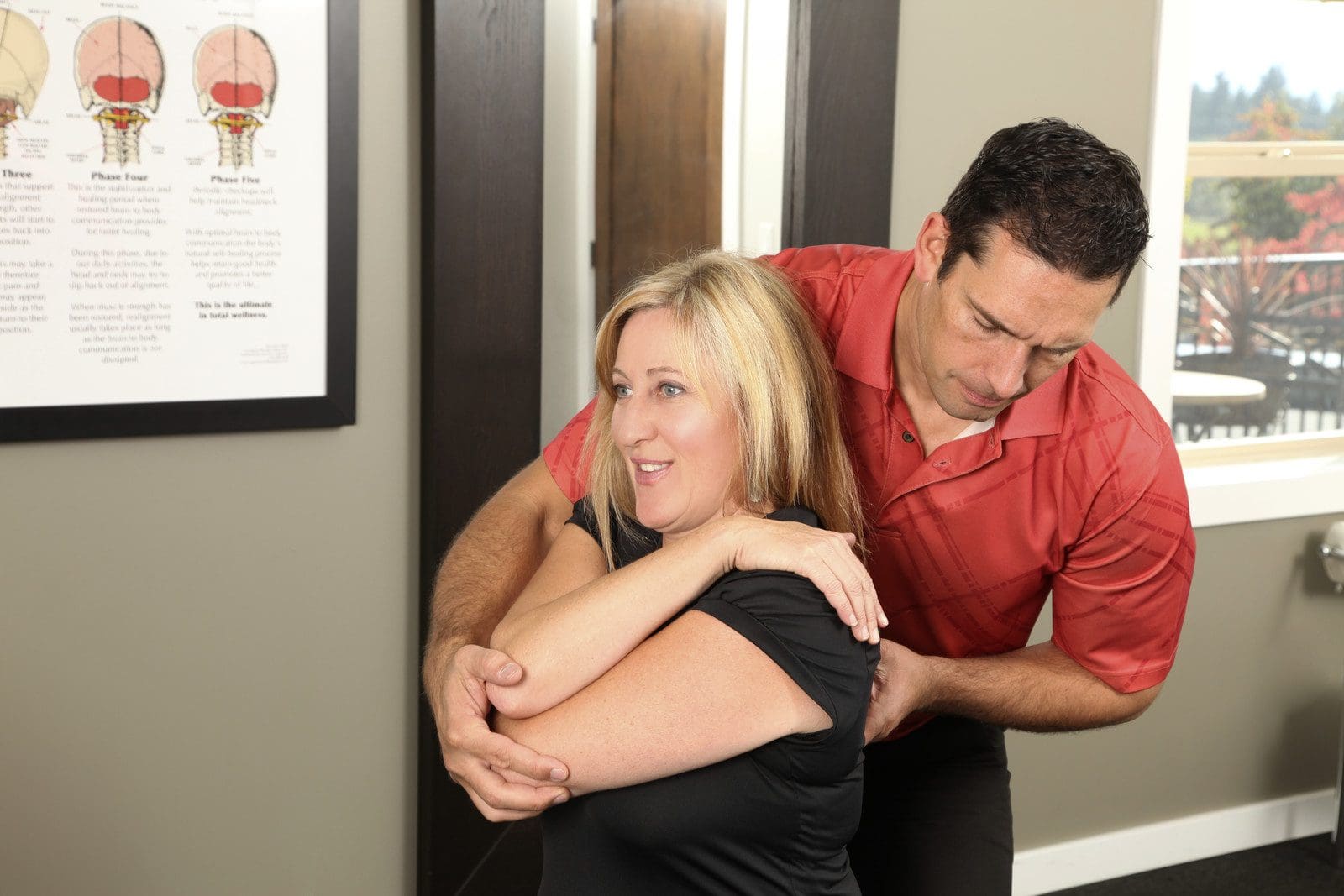
A doctor of chiropractic is a health professional that focuses on wellness and optimal health instead of ailment/sickness symptoms. Their specialty aims at adjusting the spine to correct misalignments that could be pressing down on nerves and causing major disruption in the body. Regular chiropractic not only restores health throughout the body but helps alleviate back pain and any other symptoms associated with an out of alignment spine.
They also work in setting up exercise programs specific to the condition being treated along with the proper diet to utilize in assisting with the management of inflammation and pain.
Arthritis
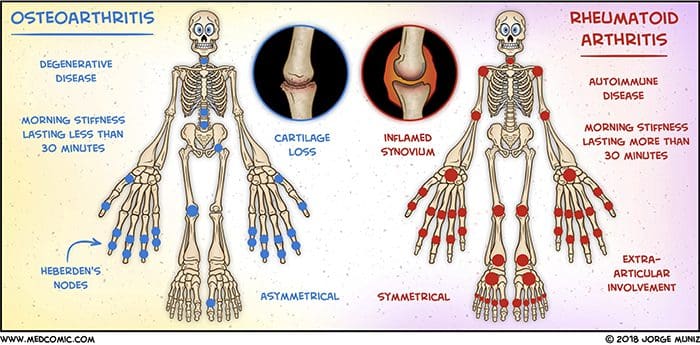
Arthritis is inflammation in the body’s joints which results in pain, stiffness and limited range of movement. There are over 200 different varieties of arthritis. Generally associated with age, it can affect young people. It can strike pretty much any area of the body. Arthritis can cause damage to soft tissues and muscles.
Osteoarthritis also known as degenerative joint disease, is the most common type. It comes from repeated trauma to the joints and occurs more often in the elderly.
Other forms include:
Rheumatoid arthritis is the second common type in which the body�s immune system attacks the joint/s.
Psoriatic arthritis, an autoimmune form of arthritis.
Ankylosing spondylitis is a type of arthritis where the body attacks itself.
Septic arthritis is caused by a viral or bacterial infection of the joint/s.
Diagnosis
Diagnosing arthritis involves a thorough physical examination. Rheumatologists often need help with these cases, and so a medical work-up can be done and a chiropractor could be recommended. This includes X-rays or MRIs, urine, blood analysis, and physical examinations. Having the condition properly diagnosed will help to more effectively treat the symptoms.
Chiropractic
The most common treatment is medication, which takes down the inflammation, the swelling and reduces pain. Chiropractors can be of great help in managing arthritis. Medications work but as we’ve seen they can have long-term health risks like impaired healing, damage to the stomach lining and internal bleeding.
A chiropractor can reduce stress, and reliance on medications, all the while managing the pain and symptoms in a natural way. Chiropractic can:
Improve range of motion
Keeps the spine properly aligned
Improve endurance
Improve flexibility
Increase strength
Increase muscle tone
Develop a dietary and nutritional plan to reduce inflammation
Recommend an exercise regimen conducive to arthritis symptoms
According to the American Chiropractic Association, this is vital in managing arthritis symptoms.
Treatment
Understand that chiropractic cannot cure arthritis. They can help alleviate symptoms, slow the progression and help to reduce stress levels. They will use adjustments in combination with other treatments. This can include:
Hot and cold treatments
Ultrasound treatments
Massage
Electronic muscle stimulation
Physical rehabilitation
Magnet therapy
Reduce Stress
Exercise
Water aerobics or make walking around the park/neighborhood part of a daily routine, as it promotes a healthy mind by reducing stress and anxiety. Gentle exercises like aerobic exercise are perfect because it improves mobility and helps shed a few pounds taking pressure off the joints. Exercise creates endorphins, which reduces pain and uplifts the mood.
Support groups
With any type of painful condition, it’s easy to feel alone. Joining a support group can connect you with people who understand what’s going on and the emotions you’re experiencing. The community helps diminish the sense of isolation.
Relaxation therapy
This focuses on calming the body and mind by making a conscious effort to relax. Even for only a few moments, you might find this technique effective at controlling the stress response. Begin by focusing on one part of the body like the hands, feet, etc.
Concentrate until the area you’re focusing on is completely free of stress or tension. Then imagine weightlessness flow through the body. Close your eyes, lie down, turn off the lights, and think of something soothing. There are no strict guidelines for relaxation. Whatever puts you in a relaxed frame of mind is the way to do it.
Warm bath
Warm moist heat from a shower, bath, or steam room can decrease the secretion of stress hormones and raise levels of endorphins, as aforementioned the body’s natural pain killers.
Take time for yourself
When it comes to reducing stress, balance is key. Staying active, and regular rest/sleep is vital to successful treatment. A balance needs to be in everything you do. Therefore, make time for the things you want to do.
Results
Inflammatory diseases like arthritis have shown the best results are achieved from combating it from all angles. Working with a chiropractor and rheumatologist to combine treatments can make all the difference. A healthy diet and active exercise program will get you in the right direction toward a healthy active lifestyle. If you or a loved one are suffering from arthritis, don�t hesitate to call. We�re here to help in any way possible!
IFM's Find A Practitioner tool is the largest referral network in Functional Medicine, created to help patients locate Functional Medicine practitioners anywhere in the world. IFM Certified Practitioners are listed first in the search results, given their extensive education in Functional Medicine