ClickCease
+1-915-850-0900 [email protected]
Select Page
Superfoods Can Help Achieve Optimal Health

Superfoods Can Help Achieve Optimal Health

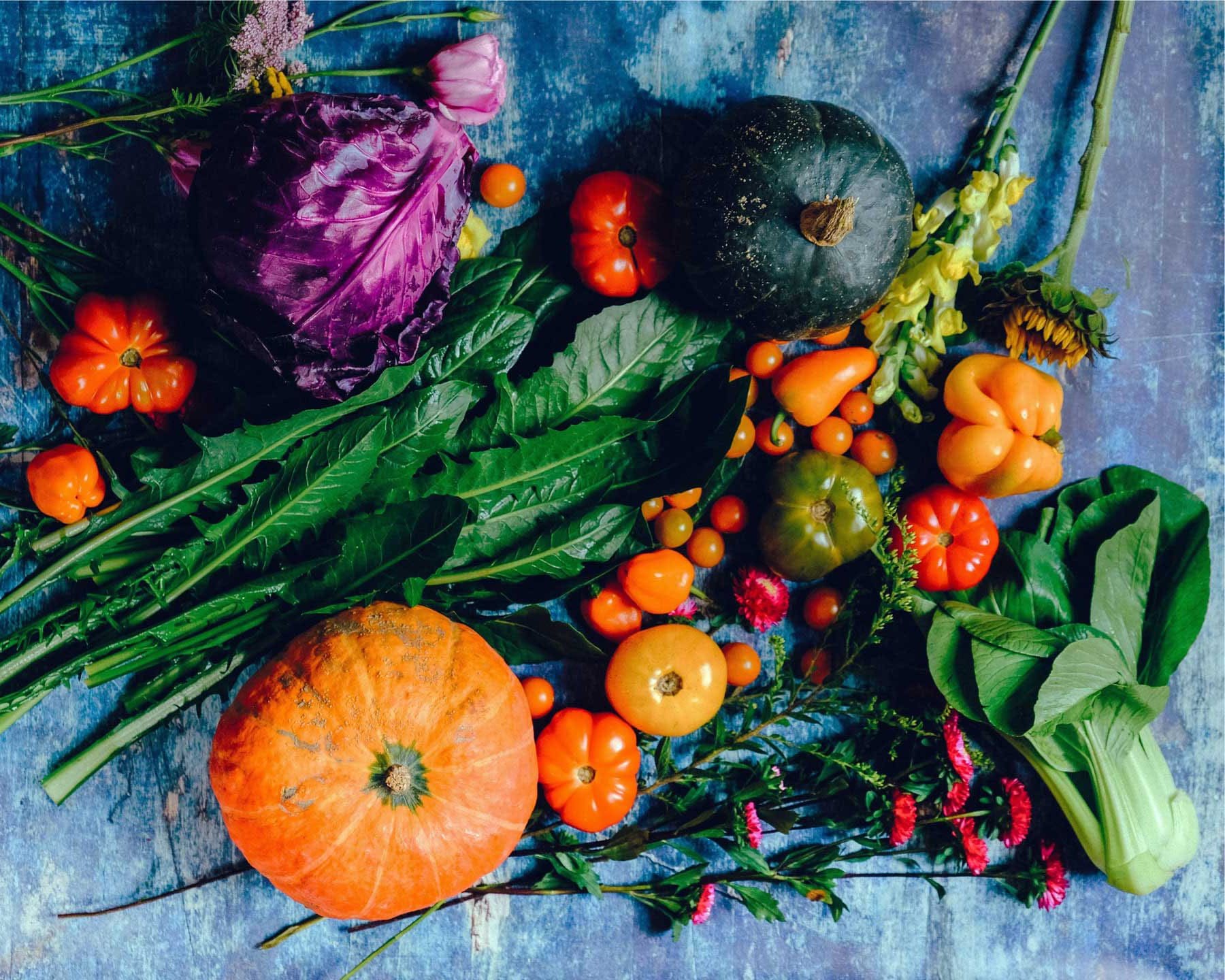
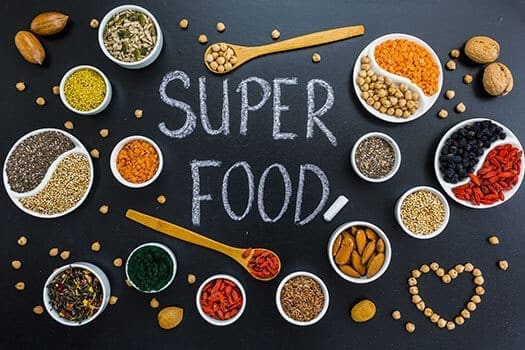
Superfoods are nutrient-rich foods that can be incorporated into an individual’s diet to achieve optimal health. We look at which foods contain the most nutrients, and how to create meals with the best variety of foods to improve overall health and support strong body composition. Superfoods have a high-levels of antioxidants, along with many vast amounts of essential vitamins and minerals. These are fresh, colorful foods that are packed with nutrients. The more vibrant the color, the more antioxidant power. What to look for in different foods to optimize health and improve your body composition is the objective.  
11860 Vista Del Sol, Ste. 128 Superfoods Can Help Achieve Optimal Health
 

Superfoods

Superfoods can be defined as food that is rich in compounds that are highly beneficial for health. Foods like phytochemicals, fiber, and Omega-3 fatty acids. National nutritional guidelines consider these foods as powerhouse fruits and vegetables. Research shows that a diet rich in fruits and vegetables is associated with a reduced risk of chronic disease. Antioxidants like polyphenols have anti-inflammatory properties. Inflammation can be caused by infection, injury, and disease. A diet rich in antioxidants helps lead to faster recovery time from injury, illness, as well as, exercise-induced stress.
  • Antioxidants reduce free radicals, prevent and repair damage caused by oxidative stress. Oxidative stress happens when free radicals start to accumulate in the body. It can play a significant role in chronic and degenerative illnesses like cancer, arthritis, and cardiovascular disease.
  • Anthocyanins are a type of polyphenol that acts as antioxidants that can help reduce the chance of chronic disease. Pigments are found in plants, which give certain fruits and vegetables their vibrant colors. These include:
  1. Berries
  2. Cherries
  3. Peaches
  4. Pomegranates
  5. Black beans
  6. Eggplant
  7. Purple sweet potatoes

Evidence suggests that a diet rich in anthocyanins helps:

  • Reduce oxidative stress and inflammation
  • Prevent cardiovascular disease
  • Control of diabetes
  • Prevent diabetes

Superfoods can help individuals with:

  • Weight loss
  • Improved muscular function
  • Body composition improvement
  • Boosting the immune system

Key Nutrients

Antioxidant properties are found in many superfoods along with nutrients to be aware of. The nutrients listed can be beneficial in optimizing health. Remember to consult a doctor before making or supplementing dietary changes.
  • Vitamin B
  • Vitamin C
  • Omega-3 Fatty Acids
  • Magnesium
  • Zinc

Omega-3’s

Omega-3 fatty acids promote many health benefits, which include reduced risk of obesity, heart disease, and other chronic illnesses. Omega-3�s contain anti-inflammatory properties and help enhance recovery after exercise. A standard diet usually contains a higher ratio of Omega-6 fatty acids compared to Omega-3’s. This unbalance increases inflammation and reduces immune system response. Omega-6 acids include vegetable oils that do offer health benefits. However, it is important to keep a healthy balance between the two. Top sources of Omega-3’s include:
  • Fatty fish
  • Fish oils – salmon, mackerel, and cod liver
  • Oysters
  • Chia seeds
  • Flaxseeds

Magnesium

Magnesium supports the health of the immune system. It supports and maintains healthy bone structure, muscle function, and insulin levels. It assists the body with energy, metabolism, and acts as a calcium blocker. This reduces cramping and aids in muscle relaxation after working out. Magnesium is essential for over 300 biochemical reactions in the body. A deficiency can increase the risk of cardiovascular disease. Research shows that magnesium deficiency can lead to a higher risk of insulin resistance. Magnesium-rich foods like dark leafy greens, nuts, legumes, and whole grains are also high in fiber. Individuals that have a diet rich in magnesium have a higher intake of dietary fiber, as well. Fiber helps with digestion, control weight, reduce cholesterol, and stabilize blood sugar. The best sources of Magnesium include:
  • Green vegetables such as spinach, swiss chard, and turnip greens
  • Nuts such as almonds and cashews
  • Seeds
  • Legumes
  • Cocoa

Zinc

Zinc is an essential nutrient for overall immune function support. It is an antioxidant that helps with anti-inflammatory and oxidative stress responses. Chemical reactions within the body require zinc. Zinc is a necessary element for muscle protein synthesis and hormone regulation. Zinc deficiency is common in seniors and can be connected with degenerative diseases like rheumatoid arthritis, atherosclerosis, and age-related macular degeneration. Deficiency can also cause weight loss, delayed growth, and muscle atrophy. Zinc supplements are not recommended for healthy individuals as they can interfere with other essential vitamins and micronutrient interactions. Top sources of Zinc include:
  • Chicken
  • Red meat
  • Legumes
  • Nuts
  • Oysters

Vitamin C

Vitamin C is one of the immune systems supporting vitamins. It is an antioxidant that helps reduce free radicals and protects macromolecules from oxidative damage that could contribute to chronic diseases. Vitamin C deficiency has shown an increased risk of developing cardiovascular diseases, which include coronary heart disease, ischemic stroke, and hypertension. Vitamin C has a significant role in collagen synthesis and provides support in vascular function, which helps reduce inflammation and inflammatory diseases like atherosclerosis. Vitamin C has been found to play a role in possibly lowering blood pressure. Evidence suggests that vitamin C can help prevent obesity and obesity-related illnesses. Top sources of Vitamin C include:
  • Broccoli
  • Tomatoes
  • Citrus fruit
  • Strawberries
  • Cherries
  • Peppers

Vitamin B

Eight vitamins that make up the B vitamin complex all have various responsibilities for energy production and DNA synthesis. An increased intake of vitamin B is associated with improved metabolic pathways like glucose metabolism and reduces obesity risk. Consuming enough of the vitamins is essential. Having a deficiency in just one vitamin can lead to decreased energy, poor cognition, and muscle weakness.

The eight vitamins in the B complex are:

  • B1 – Thiamine
  • B2 – Riboflavin
  • B3 – Niacin
  • B5 – Pantothenic acid
  • B6 – Pyridoxine
  • B7 – Biotin
  • B9 – Folic acid
  • B12

The best sources for B vitamins include:

  • Asparagus
  • Avocado
  • Bananas
  • Beef /liver
  • Eggs
  • Lentils
  • Nuts
  • Spinach

Eating Superfoods

  • Leafy greens that are rich in vitamin A, C, and K, iron, and more
  • Salmon is a great source of Omega-3s
  • Cherries are rich in vitamin C and polyphenols
  • Berries are rich in Vitamin C and high in antioxidants
  • Nuts are packed with essential vitamins, minerals, and healthy fats
  • Garlic is a great source of Vitamin C and B-Complex
  • Turmeric contains potent anti-inflammatory and antioxidants
  • Cacao is packed with nutrients, and contain magnesium, zinc, iron, potassium, and more
  • Manuka Honey is packed with antioxidants and anti-inflammatory properties
  • Tea/s are filled with antioxidant properties and polyphenolic compounds

These superfoods have been shown to:

  • Improve body composition
  • Reduce the risk of chronic illnesses
  • Provide immune support
  • Antioxidant properties
  • Reduce inflammation, oxidative stress, and free radicals

Leafy Greens

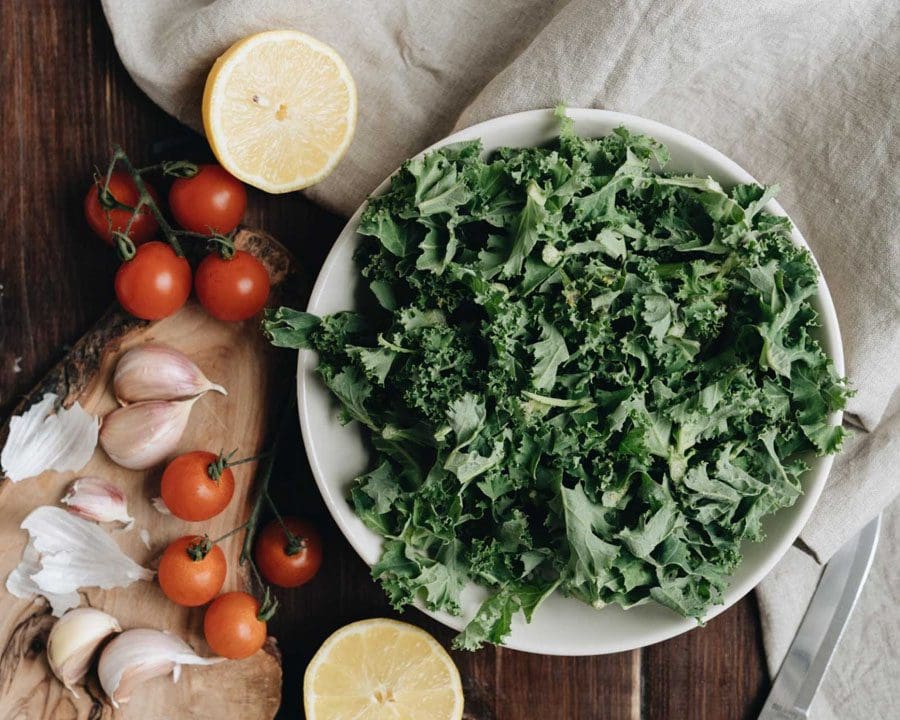
Leafy greens like spinach, kale, turnip greens, and collard greens have been shown to reduce the risk for type II diabetes and cancer, which includes breast cancer, and they help protect against depression symptoms. Leafy greens contain many nutrients, which makes them a superfood staple. Leafy greens contain vitamins A, C, and K, iron, folate, zinc, and magnesium. They are a great source of fiber, carotenoids, and antioxidants that help to protect the cells.  
 

Salmon

Salmon is a perfect source of Omega-3s. These help in improving the immune system’s response, neuromuscular functioning, and enhanced cognition. Eating plenty of salmon, and other fatty fish helps reduce blood pressure and symptoms associated with coronary heart disease. Consuming whole-food proteins like salmon help with workout/exercise muscle protein synthesis better than a protein supplement. Omega-3’s can improve body composition because the fatty acids counteract muscle atrophy and promote recovery from muscles not being used brought on by surgery and inactivity.  
 

Cherries

Cherries contain a high source of vitamin C and polyphenols. Both contain antioxidant and anti-inflammatory properties that help reduce oxidative stress. Oxidative stress contributes to inflammation and atherosclerosis, which can contribute to cardiovascular disease. Cherries promote health, provide cardioprotective support, help to reduce blood pressure and LDL cholesterol.  
 

Berries

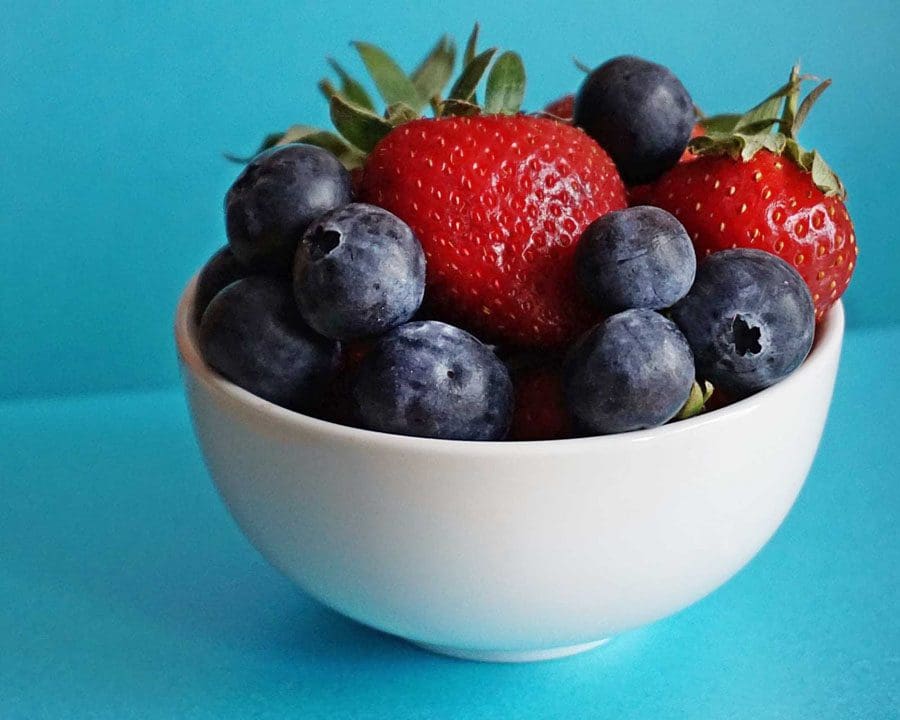
Berries are known for containing antioxidant properties. Berries like:
  • Blueberries
  • Strawberries
  • Lingonberries
  • Blackberries
All contain flavonoids and anthocyanins. Both of these help in reducing oxidative stress. Eating berries has been shown to improve cardiovascular health. Moderate consumption of berries helps improve blood platelet function and HDL cholesterol, as well as helps reduce blood pressure. Anthocyanins, flavonoids, and phytochemicals are believed to reduce the risk of cancer, primarily of the GI tract and breast. Berries can also provide neuroprotective support, that can help prevent a decrease in cognitive functions and dementia.  
11860 Vista Del Sol, Ste. 128 Superfoods Can Help Achieve Optimal Health
 

Nuts

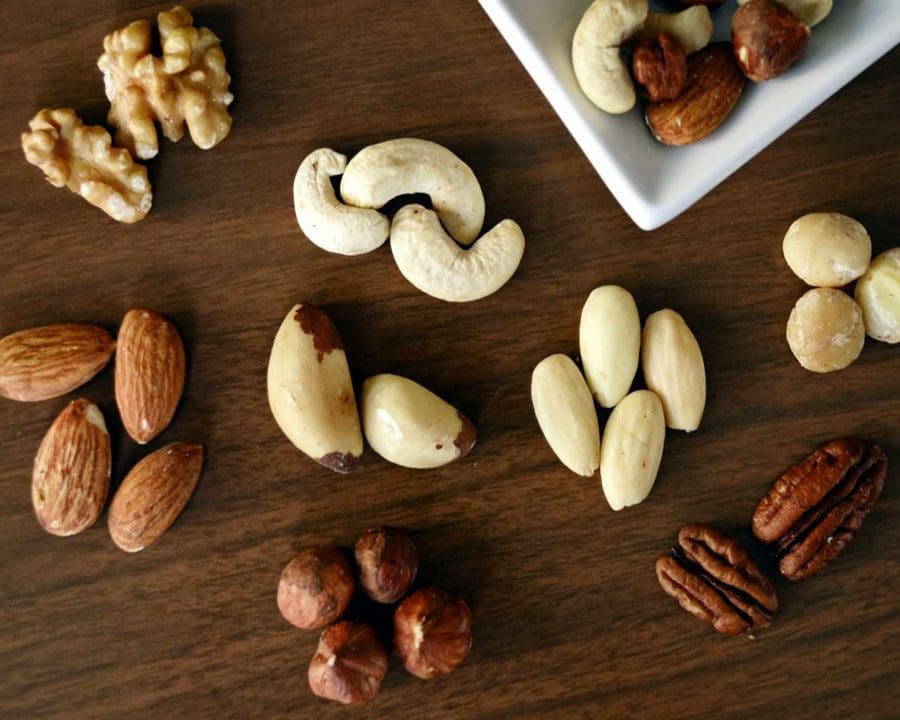
Nuts are considered a nutritious superfood. They contain essential vitamins, minerals, and healthy fats. However, nuts are recommended in limited amounts because of their high-fat content. Also, nuts that are salted or flavored, lower health benefits. Individuals that eat a handful of nuts as part of a healthy diet have shown to be able to maintain and improve body composition. Healthy lifestyle diets like the DASH Diet and the Mediterranean Diet recommend moderate consumption of nuts. They help lower blood pressure, improve heart function, and reduce contributing factors to coronary heart disease and diabetes. Nuts include a variety of nutrients like vitamins:
  • B3
  • B6
  • B9
  • E
All help in the reduced risk of metabolic syndrome and related illnesses. Nuts also provide antioxidants which include phytochemicals:
  • Carotenoids
  • Polyphenols
  • Tocopherols
These compounds contain anti-inflammatory properties. And nuts have the potential to reduce the risk of cardiovascular disease, diabetes, and types of cancer.  
 

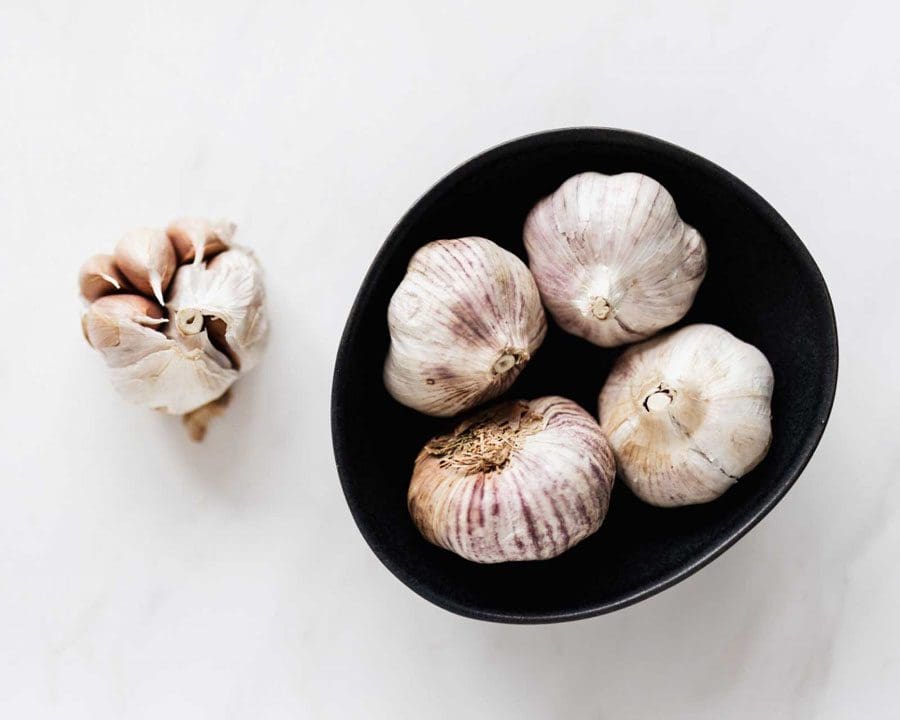
Garlic

Garlic is an antioxidant and has been shown to improve immune function along with the cardiovascular system. It is a good source of vitamin C and B-complex vitamins. Both enhance the effectiveness of immune system protection. Eating garlic has been shown to help lower cholesterol, blood pressure, delays the progression of atherosclerosis, and improves circulation. Studies have shown that garlic is highly effective in preventing yeast infections, as well as, treating ear infections. There is a compound known as allicin and helps shield the stomach from the spread of Helicobacter pylori, a bacterium related to gastrointestinal cancer.
 

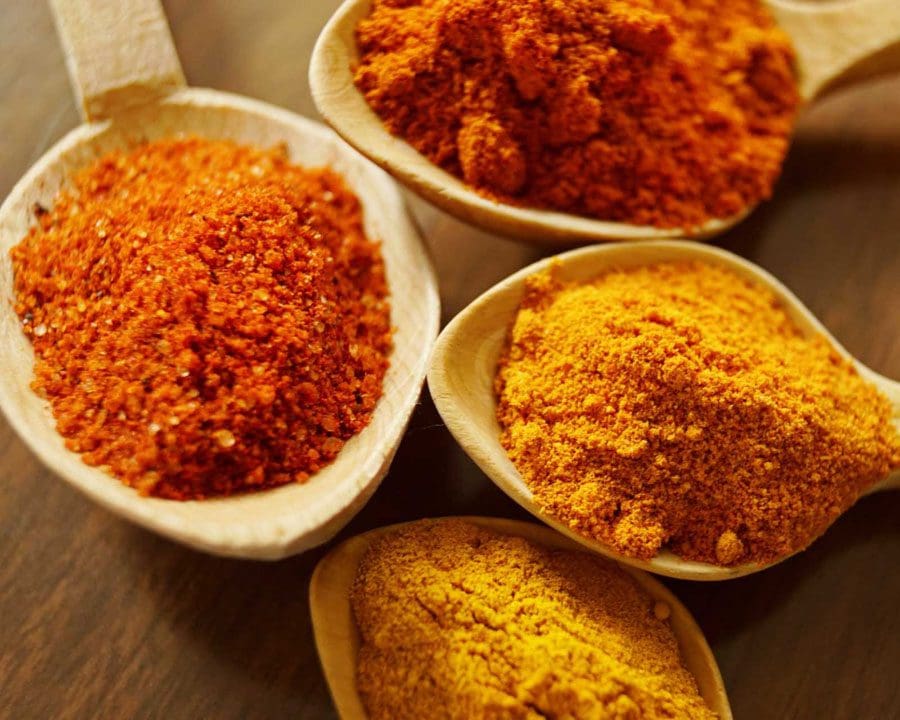
Turmeric

Turmeric is another antioxidant. It helps manage inflammatory conditions like metabolic syndrome and arthritis. The polyphenol antioxidant is curcumin. It has been shown to help reduce inflammation, pain, and benefits the kidneys. Curcumin has been shown to reduce symptoms resulting from metabolic syndrome. Curcumin has been shown to:
  • Improve insulin sensitivity
  • Reduce the accumulation of fat storage that can lead to obesity
  • Lower blood pressure
  • Lower oxidative stress
 

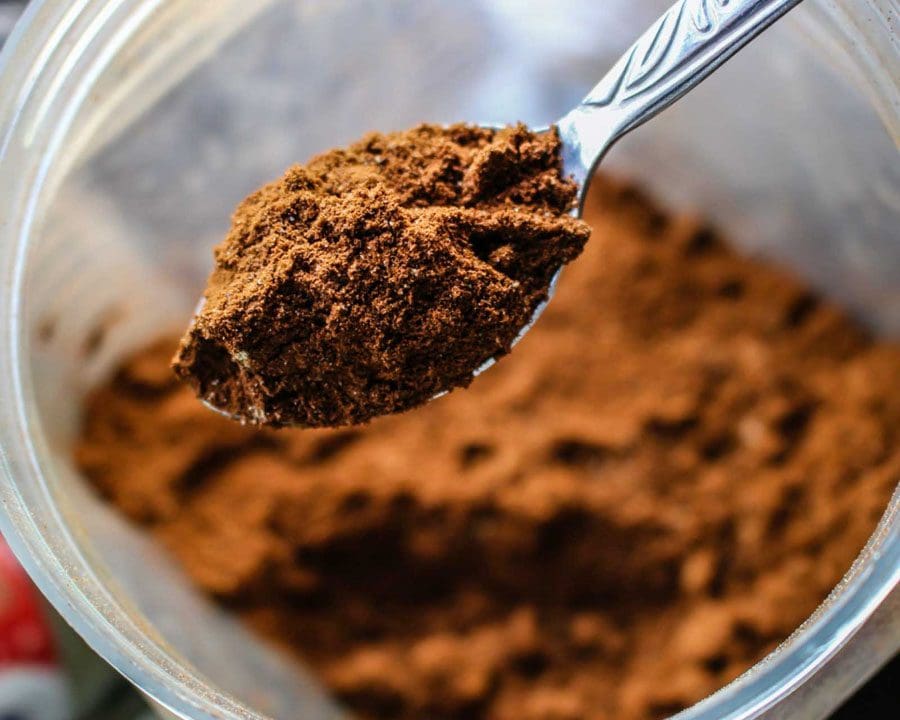
Cacao

Cacao is chocolate in the purest form. It is packed with nutrients and contains:
  • Magnesium
  • Zinc
  • Iron
  • Potassium
  • Calcium
  • Copper
  • Manganese
Cocoa is the processed form that generally contains sugars and dairy products. The beans contain antioxidants and phytochemicals like polyphenols and flavonoids that protect cells against free radicals along with oxidative stress. There is a flavanol called epicatechin and is linked to improved cognition and a better mood. Dark chocolate helps reduce metabolic syndrome risk factors, including:
  • Reduced blood pressure
  • Improved insulin sensitivity
  • Stabilized glucose levels
Heart function is improved by reducing platelet reactivity and inhibiting oxidant production.  
 

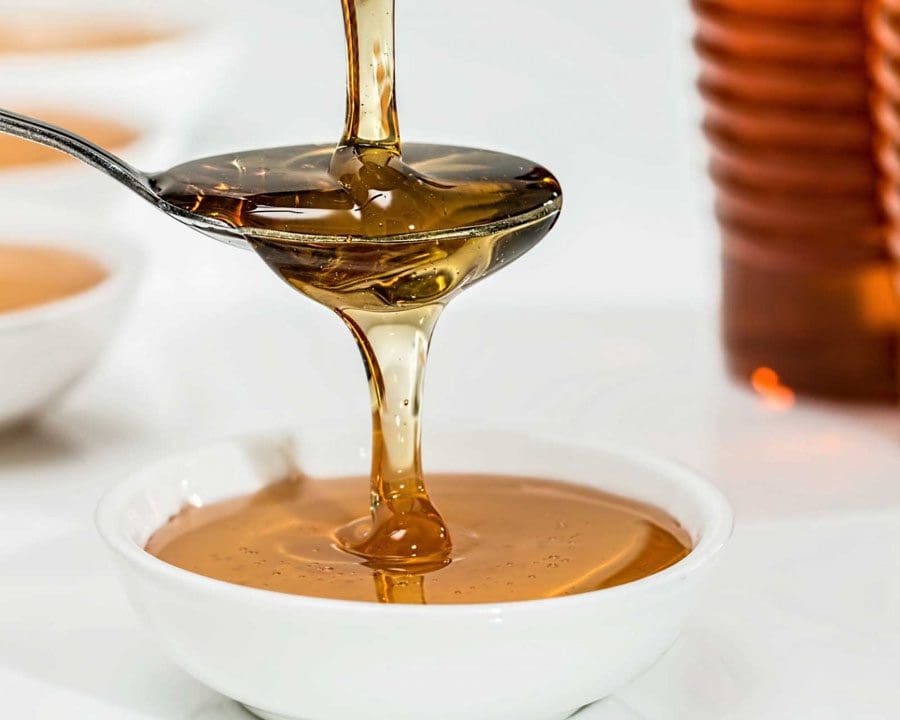
Manuka Honey

Honey has antioxidant properties and provides anti-inflammatory and anti-cancer benefits. It is made up of:
  • Sugars
  • Flavonoids
  • Phenolic acids
  • Enzymes
  • Amino acids
  • Proteins
  • Other compounds have anti-tumor and anti-leukemic properties
Manuka honey also has antibacterial properties and is very beneficial in healing wounds. Store-bought honey should not be used to treat cuts and wounds. Manuka honey is darker, and thicker that comes specifically from the manuka plant. It has more microbial properties than other types of honey. All honey has antioxidants, but Manuka has high levels of organic compounds that correlate with increased antibacterial activity. It is among the most powerful antioxidants that benefit athletes. Honey can easily be incorporated into a daily diet as a sweetener for tea, or as a topping for yogurt or oatmeal. However, it is not recommended for infants under one year of age. This is because babies have a higher risk of contracting botulism.  
11860 Vista Del Sol, Ste. 128 Superfoods Can Help Achieve Optimal Health
 

Tea

Tea contains antioxidant properties and polyphenolic compounds. Studies show the polyphenols, specifically in green tea have anti-inflammatory properties. This is a common treatment for preventing osteoarthritis. The catechins are a type of phenol that helps reduce free radicals and the presence of oxidative stress. It has also been shown to effectively improve body composition. Drinking 3-4 cups of tea a day can significantly reduce weight gain and risks associated with metabolic syndrome. However, drinking 3-4 cups a day might not be the answer for everybody, it can be something to consider.  
11860 Vista Del Sol, Ste. 128 Superfoods Can Help Achieve Optimal Health
 

Incorporation

The objective is achieving optimal health, along with improved body composition. Choosing a diet that is nutrient-packed and includes a variety of fresh, whole foods is the primary focus. There is no miracle food or effective cure for cancer, but when nutrient and antioxidant-rich superfoods are part of an individual’s diet overall health will improve. These are known as lifestyle diets and are meant to change habits and are not just for losing weight. These lifestyle diets include:

Dash Diet

The DASH diet stands for Dietary Approaches to Stop Hypertension. This diet is non-restrictive and promotes the consumption of fresh, whole foods while focusing on serving and portion sizes. The National Institute of Health developed this as a means to reduce blood pressure and improve cardiovascular health.

Mediterranean Diet

This diet is based on the eating habits of those living in countries that surround the Mediterranean. Studies determined individuals living in this region were among the healthiest with the lowest chances of cardiovascular-related conditions/diseases, obesity, and improved mental wellbeing. It emphasizes physical activity and consistent consumption of fresh, whole foods, including heart-healthy foods like fish and various seafood.

Flexitarian Diet

The flexitarian is a semi-vegetarian diet that is primarily vegetarian with occasional meat or fish. It focuses on sustainability and recognizes the vitally important protein, vitamins, and other nutrients that meat contains. However, meat is not eaten every day. Individuals that switch from mostly meat diets to flexitarian have shown to improve body composition reduce the risk of developing metabolic syndrome along with diabetes, and cancer. Making adjustments do not have to be huge changes. Small changes will go a long way. Adding these essential superfood nutrients can promote significant benefits for overall health and well-being.

Detox Diet


Dr. Alex Jimenez�s Blog Post Disclaimer

The scope of our information is limited to chiropractic, musculoskeletal, physical medicines, wellness, and sensitive health issues and/or functional medicine articles, topics, and discussions. We use functional health & wellness protocols to treat and support care for injuries or disorders of the musculoskeletal system. Our posts, topics, subjects, and insights cover clinical matters, issues, and topics that relate and support directly or indirectly our clinical scope of practice.* Our office has made a reasonable attempt to provide supportive citations and has identified the relevant research study or studies supporting our posts. We also make copies of supporting research studies available to the board and or the public upon request. We understand that we cover matters that require an additional explanation as to how it may assist in a particular care plan or treatment protocol; therefore, to further discuss the subject matter above, please feel free to ask Dr. Alex Jimenez or contact us at 915-850-0900. The provider(s) Licensed in Texas& New Mexico*
The Top 10 Superfoods for Inflammation

The Top 10 Superfoods for Inflammation

Do you feel:

  • Inflammation on your joints or all over the body?
  • Stomach pain, burning, or aching 1-4 hours after eating?
  • Unpredictable abdominal pain?
  • Gas immediately following after a meal?
  • Excessive belching, burping, or bloating?

If you are experiencing any of these situations, then try these top ten superfoods to prevent inflammation in your body.

Superfoods lack any formal criteria, and people wonder what makes a food a superfood. Medical experts agreed that foods with the title “superfood” have health benefits that go far beyond what is listed on their nutrition labels. There is a wide range of health-promoting superfoods that can be incorporated into a person’s diet in several different ways. Eating superfood alone will not make anyone healthier overnight, but adding them to an already balanced diet can give anyone a mega-dose of added health benefits to their body.

Getting to Know Superfoods

According to the Merriam-Webster Dictionary, a superfood is defined as “a food that rich in compounds and considered beneficial to a person’s health. It can be any foods that have antioxidants, fatty acids, or fibers in their nutrient compounds. While the Oxford Dictionary defines a superfood as �a nutrient-rich food that is considered to be especially beneficial for health and well-being.�

Here are the top ten superfoods that have been scientifically proven to help optimize the body’s ability to function correctly. These superfoods are not only super healthy, but they are affordable and readily available in the grocery stores, online, and at farmer’s markets.

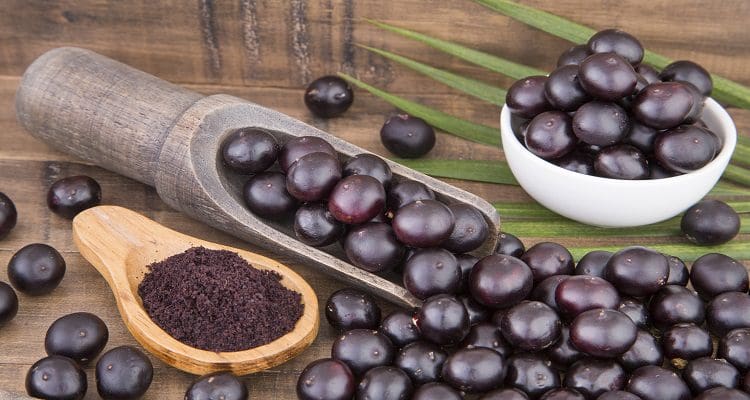
A�ai Berries

A�ai berries are high in antioxidants. They also contain B vitamins, magnesium, potassium, healthy fats, and phosphorus. The a�ai berry is one of the most well-known superfoods that is beneficial for the body’s microbiome. Studies have shown that a�ai berries have anti-inflammatory properties, help improve the cognitive function, maintaining healthy blood sugar levels, and protect against heart diseases. The berries themselves have also been suggested to help slow down age-related memory loss in individuals.
Lecompte_Acai-berry_290519

Studies have shown that the health benefits of the a�ai berries are that the berries contain a range of polyphenols that protects cellular oxidative damage in vitro and can provide ant-inflammatory signaling in the body by reducing the production of free radicals by inflammatory cells. Chronic inflammation in the body can lead to diseases like fibromyalgia. So consuming this berry can help lower the risk of inflammation in the body.

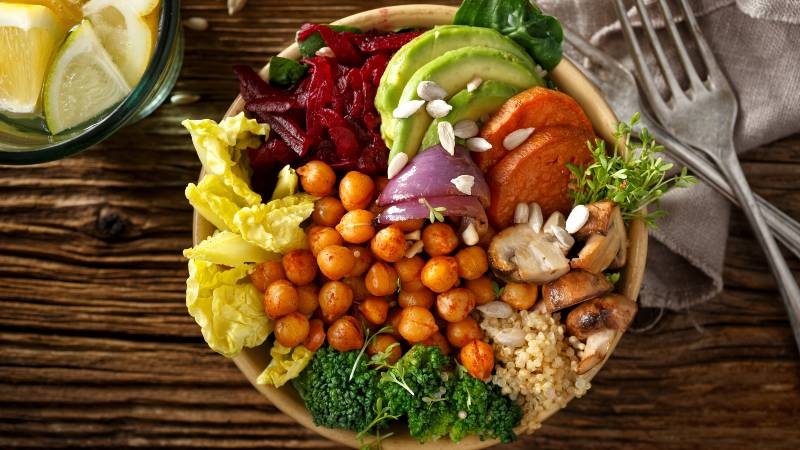
Plant-based protein

Plant proteins are abundant, branched-chain containing essential amino acids, and are exceptionally high in lysine. Research has been shown that lysine can help balance blood glucose in the body. Lysine even can increase muscle strength and combat anxiety in the body.
chickpea-bowl

Plant-based proteins that contain carotenoids and flavonoids can modulate inflammatory responses in the body as well as the immunological process as well. Plant foods have anti-inflammatory potential that everyone needs in their diet to reduce inflammatory responses that is in the body.

Salmon

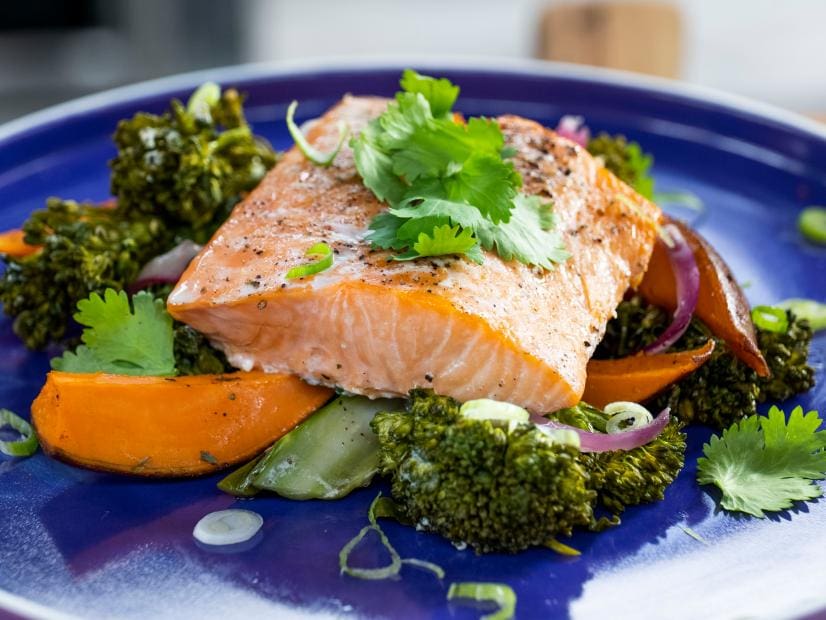
Salmon is a superfood that has one of the highest sources for omega-3 fatty acids. Omega-3 fatty acids have been shown to lower the risk of developing coronary heart diseases, lowers metabolic syndrome, and diabetes. Studies have been shown that fish oil has also been known to help combat late-onset Alzheimer�s disease.
1567523497937

Consuming salmon or any foods that contain omega-3s may help alleviate oxidative stress that the body may have picked up. Omega-3s even play a role in lowering the risk of inflammation on individuals who have to develop fibromyalgia. Since it associates with pro-inflammatory cytokines, eating omega-3 fatty foods can help lower the inflammation and alleviate it as well.

Avocados

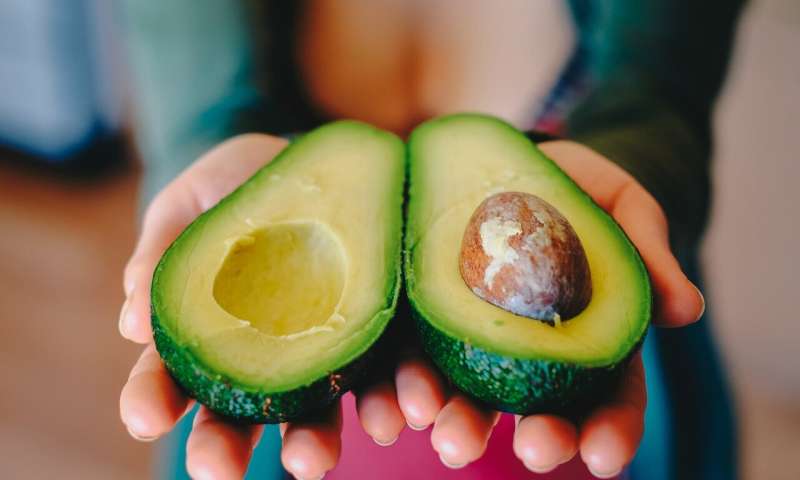
Avocados are a nutrient-rich superfood, high fiber fruits that play a significant role in combating chronic diseases in the body. Eating avocados regularly have been known to lower the risk of heart disease, metabolic syndrome, diabetes, and certain cancers.
1-avocado

Since avocados are a nutrient-dense source of MUFA (monounsaturated fatty acids), the fruit can be used to replace SFA (saturated fatty acids) in a diet to lower LDL-C (low-density lipoprotein cholesterol) in the body.

Kale
kale-in-rustic-basket-on-daylight-close-up-royalty-free-image-628364204-1533848320

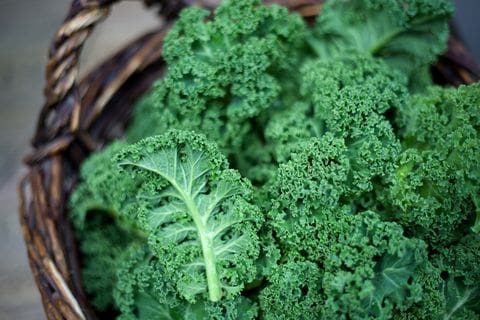
Kale has an excellent source of nutrients like zinc, folate, magnesium, calcium, vitamin C, fiber, and iron. Research has shown that dark leafy greens can reduce the risk of chronic illnesses like type 2 diabetes and heart disease.

Olive oil

Olive oil is a superfood that has been shown to provide a range of various health benefits. Extra virgin olive oil is associated with reducing the risk of cardiovascular disease and mortality on individuals that have a high cardiovascular risk.

olive-oils

Olive oil has a monounsaturated fat called oleic acid, which helps reduce inflammation in the body.

Sweet potato

Sweet potato is the superfood root vegetable that is full of nutrients that are beneficial to the body. They are an excellent source of carotenoids, fiber, potassium, vitamin C, and vitamin A.

sweet-potatoes_white-orange-purple

Consuming sweet potato is beneficial for the body due to reducing the risk of inflammation and DNA damage. Since it contains high levels of antioxidants, it may also prevent cell damage as well in the body.

Fermented Foods

FermentedFoodHeader

Fermented foods like yogurt, kefir sauerkraut, and many others are heavily sought after superfoods by consumers. This is because fermented foods have a range of fantastic health benefits like antioxidants, anti-microbial, anti-fungal, anti-inflammatory, andante-diabetic properties.

Green tea
Caffeine-in-Green-Tea-1000x550

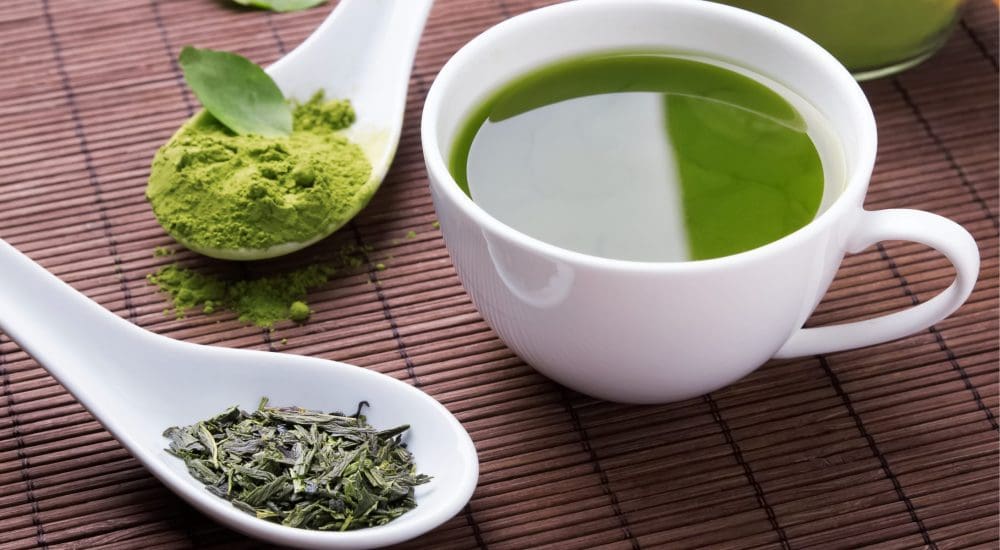
Green tea is a lightly caffeinated beverage that has a broad spectrum of health benefits for the body. It is rich with antioxidants and polyphenolic compounds that can protect the body against chronic diseases and be a useful tool for bodyweight management.

Seaweed

seaweeds

Seaweed is packed with several nutrients like folate, vitamin K iodine, and fiber that is beneficial for the body. It plays an essential role by helping lowering blood pressure and to treat several chronic illnesses. Studies have shown that due to their potential beneficial activities such as anti-inflammatory and anti-diabetic effects that are beneficial to prevent flare-ups in the white adipose tissue and systemic IR.

Conclusion

Superfoods are an essential additive boost to any healthy diet. These ten superfoods contain anti-inflammatory properties that are beneficial to the body to prevent the risk of inflammation in the body. Eating these foods combine with these products will provide relief from oxidative stress and inflammation that the body may encounter, as well as providing support to the endocrine system.

The scope of our information is limited to chiropractic, musculoskeletal, and nervous health issues as well as functional medicine articles, topics, and discussions. We use functional health protocols to treat injuries or chronic disorders of the musculoskeletal system. To further discuss the subject matter above, please feel free to ask Dr. Alex Jimenez or contact us at�915-850-0900�.


References:

Basu, Arpita, et al. �Dietary Factors That Promote or Retard Inflammation.� Arteriosclerosis, Thrombosis, and Vascular Biology, U.S. National Library of Medicine, May 2006, www.ncbi.nlm.nih.gov/pubmed/16484595.

Dellwo, Adrienne. �The Potential Benefits of Omega-3 for Fibromyalgia & CFS.� Verywell Health, Verywell Health, 7 July 2019, www.verywellhealth.com/omega-3-for-fibromyalgia-and-chronic-fatigue-syndrome-715987.

Felman, Adam. �Fibromyalgia: Symptoms, Causes, and Treatment.� Medical News Today, MediLexicon International, 5 Jan. 2018, www.medicalnewstoday.com/articles/147083.php.

Jensen, Gitte S, et al. �Pain Reduction and Improvement in Range of Motion after Daily Consumption of an A�ai (Euterpe Oleracea Mart.) Pulp-Fortified Polyphenolic-Rich Fruit and Berry Juice Blend.� Journal of Medicinal Food, Mary Ann Liebert, Inc., 2011, www.ncbi.nlm.nih.gov/pmc/articles/PMC3133683/.

Oh, Ji-Hyun, et al. �Anti-Inflammatory and Anti-Diabetic Effects of Brown Seaweeds in High-Fat Diet-Induced Obese Mice.� Nutrition Research and Practice, The Korean Nutrition Society and the Korean Society of Community Nutrition, Feb. 2016, www.ncbi.nlm.nih.gov/pmc/articles/PMC4742310/.

Smriga, Miro, et al. �Lysine Fortification Reduces Anxiety and Lessens Stress in Family Members in Economically Weak Communities in Northwest Syria.� Proceedings of the National Academy of Sciences of the United States of America, National Academy of Sciences, 1 June 2004, www.ncbi.nlm.nih.gov/pubmed/15159538.

Tanaka, Takuji, et al. �Cancer Chemoprevention by Carotenoids.� Molecules (Basel, Switzerland), MDPI, 14 Mar. 2012, www.ncbi.nlm.nih.gov/pubmed/22418926.

Unknown, Unknown. �What Are Superfoods? Top 10 Superfoods.� Fullscript, 4 Mar. 2019, fullscript.com/blog/superfoods.

Unni, Uma S, et al. �The Effect of a Controlled 8-Week Metabolic Ward Based Lysine Supplementation on Muscle Function, Insulin Sensitivity and Leucine Kinetics in Young Men.� Clinical Nutrition (Edinburgh, Scotland), U.S. National Library of Medicine, Dec. 2012, www.ncbi.nlm.nih.gov/pubmed/22524975.

Wang, Li, et al. �Effect of a Moderate Fat Diet with and without Avocados on Lipoprotein Particle Number, Size and Subclasses in Overweight and Obese Adults: a Randomized, Controlled Trial.� Journal of the American Heart Association, Blackwell Publishing Ltd, 7 Jan. 2015, www.ncbi.nlm.nih.gov/pubmed/25567051.

Wang, Ping-Yu, et al. �Higher Intake of Fruits, Vegetables or Their Fiber Reduces the Risk of Type�2 Diabetes: A Meta-Analysis.� Journal of Diabetes Investigation, John Wiley and Sons Inc., Jan. 2016, www.ncbi.nlm.nih.gov/pubmed/26816602.

Watzl, Bernhard. �Anti-Inflammatory Effects of Plant-Based Foods and of Their Constituents.� International Journal for Vitamin and Nutrition Research. Internationale Zeitschrift Fur Vitamin- Und Ernahrungsforschung. Journal International De Vitaminologie Et De Nutrition, U.S. National Library of Medicine, Dec. 2008, www.ncbi.nlm.nih.gov/pubmed/19685439.

?anlier, Nevin, et al. �Health Benefits of Fermented Foods.� Critical Reviews in Food Science and Nutrition, U.S. National Library of Medicine, 2019, www.ncbi.nlm.nih.gov/pubmed/28945458.


Mastodon