Living with sciatica can be debilitating and exhausting. Find out how different individuals reduced their pain from this condition. Sciatica has different treatment options. It is often a matter of trial and error to find a treatment/therapy that works for the individual. These include:
Different individuals with sciatica share what works for them. Here are their stories.
Rudy Found Relief With Self Care
A bad fall left Rudy, a graphic designer, with a broken pelvis and broken foot. I was in the hospital for a few days, and when I came home, I noticed I was hobbling. I had developed sciatica. I was in a lot of pain but decided to try the treatment that had helped me manage chronic migraines. This was yoga. Specifically, it was hot yoga sessions that, despite the pain, worked. However, for others, he recommends not staying still. The body can’t stay stagnant with no movement.
Rudy follows a plant-based diet. Eating right has helped significantly. He starts the day with a green smoothie and sips one throughout the day. This reduces inflammation and pain. His stress would also contribute to the pain. Anything felt from a pain perspective becomes amplified when in a sad, frustrated, confused mood. Rudy’s advice is to get the body moving. And follow a plant-based anti-inflammation diet.
Medication and a Topical Pain Balm Work For Jose
Jose, 66, figured how his sciatica developed was when he decided to insulate the garage. I was bending, twisting, turning, and contouring my body every which way. A week after the job, I developed excruciating pain that got worse over the following weeks. I would jolt out of bed at 2-3 in the morning with severe pain. My doctor gave me steroids that didn’t do anything. I could barely sit down and had to go through a careful method of getting into a chair. I was prescribed Vicodin – hydrocodone/acetaminophen. I took them for a week and a half.
The pain went away, but it came right back as soon as I stopped taking the meds. The meds were only masking the pain. I decided only to use it when the pain was excruciating. This was because I was worried about addiction. I tried chiropractic, massage, acupuncture, cupping, and physical therapy. Unfortunately, I was not feeling any real relief. Then I went to a pain management doctor, who ordered an X-ray and an MRI.
The doctor informed me that my spine was in great shape. The pain management doctor gave me a piriformis injection and, later, an epidural steroid injection. There were still no positive results. My primary care doctor prescribed gabapentin. This is an anti-epilepsy medication that has been shown to help some cases of back pain. Most of the major pain is gone, and I’m pretty sure it’s from the gabapentin along with weekly deep massage sessions. I also use CBD cream with arnica. Movement is important; during the day, I make sure to stand up and walk around.
Epidural Injections Work For Isabel
Isabel has chronic pain. This comes from arthritis, migraines, and fibromyalgia. Sciatica developed as a result of these conditions. Soon she couldn’t get into the car or even empty the dishwasher without going through excruciating pain. Nerve ablation or physical therapy was ineffective at relieving the pain. Then my doctor suggested getting an epidural injection. This is not the same type of injection as when having a baby. It is not the same at all. The injection includes a steroid medication called a corticosteroid that is an anti-inflammatory, along with an anesthetic. I tried it and got some relief, but the pain came back. However, after a month and a half, I began to feel more relief. The pain is not completely gone. I do feel better, but there is still some pain. My doctor told me that patients are all different and require different amounts of medication and time to work.
Surgery Gave Pablo His Life Back
Pablo, 50, is no stranger to back pain or back surgery. After living with chronic back pain from a roll-over auto accident, Pablo underwent a laminectomy. A doctor removed a portion of the vertebra in 1998 and spinal fusion in 2004 that fused the discs from L5 to S1. Life was going well until I was laid off from my desk job. I started working at a warehouse doing light work, but I would still help lift moderate/heavy bags, boxes, etc. I just pushed through the pain, thinking it was a strain that would go away.
However, during the last six months, the pain was so bad I had to stop working. I needed a cane to get out of a chair. Friends and family told me I was walking like a 90-year-old. I also lost feeling in a couple of my toes. In 2021 I had another fusion and had a broken screw from my earlier fusion repaired. The surgery went well, and they said as long as I don’t do any heavy lifting, I should be alright. Although there is still pain, it is much less than it was before the surgery. My doctor recommended a new desk job and a physical therapy rehabilitation, stretching, and strengthening program.
Body Composition
Calories burned from 10,000 steps
Estimations of how many calories are burned from exercises like walking or running depends on how heavy an individual is. Heavier people use more energy to move than lighter people. Estimates revolve around 100 calories burned per mile for a 180-pound person. 10,000 steps comes to around roughly 5 miles. Assuming an individual weighs 180 pounds means 100 calories x 5 miles equals 500 calories. Over a week, it becomes 3,500 calories. However, lighter or heavier individuals will burn less or more calories while walking the same number of steps or distance.
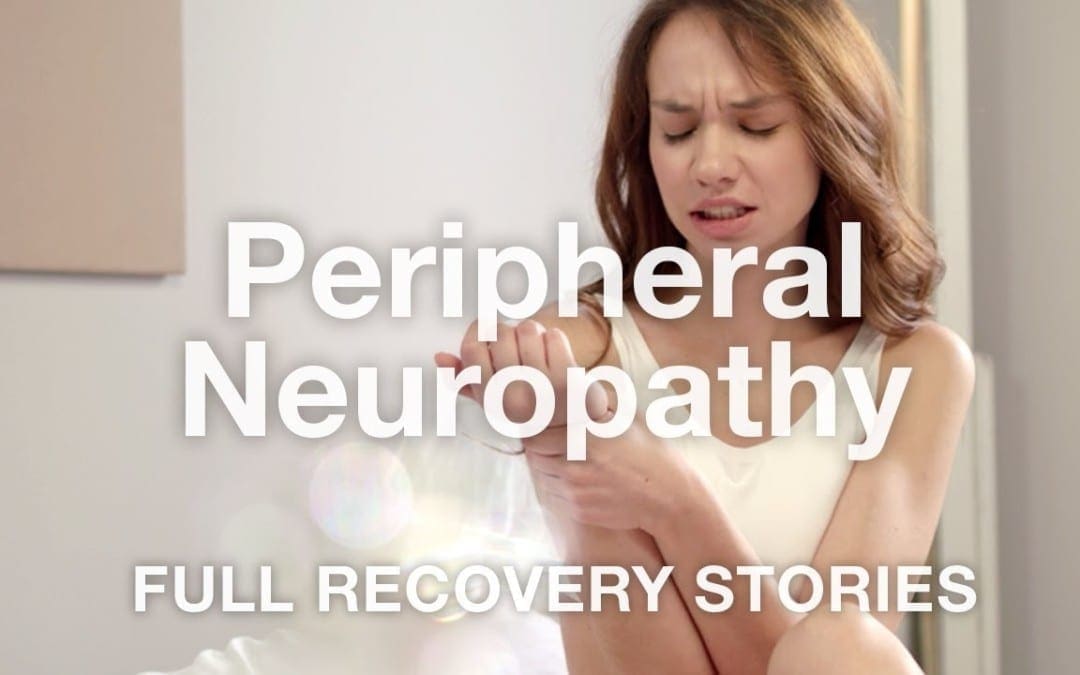
Many patients with peripheral neuropathy often believe that their painful symptoms are irreversible or permanent. However, Dr. John Coppola and Dr. Valerie Monteiro describe that peripheral neuropathy can be treated by treating the underlying source of the painful symptoms. Several patients discuss their painful peripheral neuropathy symptoms and how these affected their overall quality of life.
Moreover, the patients also discuss how Dr. John Coppola and Dr. Valerie Monteiro helped treat their painful peripheral neuropathy symptoms through the use of a variety of treatment methods and techniques. Dr. Alex Jimenez, doctor of chiropractic in El Paso, TX, can help treat painful symptoms associated with peripheral neuropathy. Dr. Alex Jimenez is the non-surgical choice for chiropractic care and peripheral neuropathy treatment.
Peripheral Neuropathy Recovery Stories | El Paso, TX (2019)
Neuropathy is a medical term used to describe a collection of general diseases or malfunctions which affect the nerves.
The causes of neuropathy, or nerve damage, can vary among individuals and these may be caused by different:
Diseases
Injuries
Infections
Vitamin deficiencies
Neuropathy can also be classified according to the location of the nerves being affected and according to the disease-causing it.
Furthermore, depending on which nerves are affected will depend on the symptoms that will manifest.
Peripheral neuropathy is simply referred to as neuropathy, which is a state that happens when the nerves become damaged or injured, oftentimes simply disturbed.
It�s estimated that neuropathy affects roughly 2.4 percent of the general populace and approximately 8 percent of people older than age 55.
Type
Neuropathy can affect any of the three types of peripheral nerves:
Sensory nerves�transmit messages from sensory organs:
Eyes
Nose
Brain
Motor nerves track the movement of the muscles
Autonomic nerves regulate the involuntary body functions
Sometimes, neuropathy will only impact one nerve. This is medically referred to as mononeuropathy and instances of it include:
Ulnar neuropathy affects the elbow
Radial neuropathy affects the arms
Peroneal neuropathy affects the knees
Femoral neuropathy affects the thighs
Cervical neuropathy affects the neck
Sometimes, two or more isolated nerves in separate regions of the body can become damaged, injured or disrupted, resulting in mono neuritis multiplex neuropathy.
Most of the time, multiple peripheral nerves malfunction at the same time, a condition called polyneuropathy.
Cause
Neuropathies are often inherited from birth or they develop later in life.
The most frequent inherited neuropathy is the Charcot-Marie-Tooth disease, which affects 1 in 2,500 people in the USA.
Although healthcare professionals are sometimes not able to pinpoint the exact reason for an acquired neuropathy, medically referred to as idiopathic neuropathy.
There are many known causes for them, including:
Systemic diseases – a systemic disease is one that affects the whole body.
Physical trauma
Infectious diseases
Autoimmune disorders
The most frequent systemic cause behind peripheral neuropathy is diabetes, which can lead to chronically high blood glucose levels that harm nerves.
Other systemic issues can cause neuropathy, including:
Kidney disorders permit high levels of nerve-damaging toxic chemicals to flow in the blood
Toxins from exposure to heavy metals include:
Arsenic
Lead
Mercury
Thallium
Drugs/medications, including anti-cancer medications, anticonvulsants, antivirals, and antibiotics
Chemical imbalances because of liver illnesses.
Hormonal diseases, like hyperthyroidism, which disturbs metabolic processes, and potentially induces cells and body parts to exert pressure on the nerves.
Deficiencies in vitamins, such as E, B1 (thiamine), B6 (pyridoxine), B12, and niacin can be vital for healthy nerves.
Alcohol abuse induces vitamin deficiencies and could harm nerves.
Cancers and tumors can exert damaging pressure on nerve fibers and paths.
Chronic inflammation can damage protective tissues around nerves, which makes them more vulnerable to compression, getting inflamed and swollen.
Blood diseases and blood vessel damage, which may damage or injure nerve tissue by decreasing the available oxygen supply
Symptoms
Depending on the reason and unique to each patient, signs, and symptoms of neuropathy can include:
Symptoms are dependent on autonomic, sensory, or motor nerves or a combination are affected.
Autonomic nerve damage can start a chain reaction of physiological functions like blood pressure or create gastrointestinal problems and issues.
Damage or dysfunction in the sensory nerves may impact sensations and sense of equilibrium or balance, while injury to motor nerves affects movement and reflexes.
When both sensory and motor nerves are involved, the condition is known as sensorimotor polyneuropathy.
Complications
Peripheral�neuropathy�may result in several complications, as a result of disease or its symptoms.
Numbness from the ailment can allow you to be less vulnerable to temperatures and pain, making you more likely to suffer from burns and serious wounds.
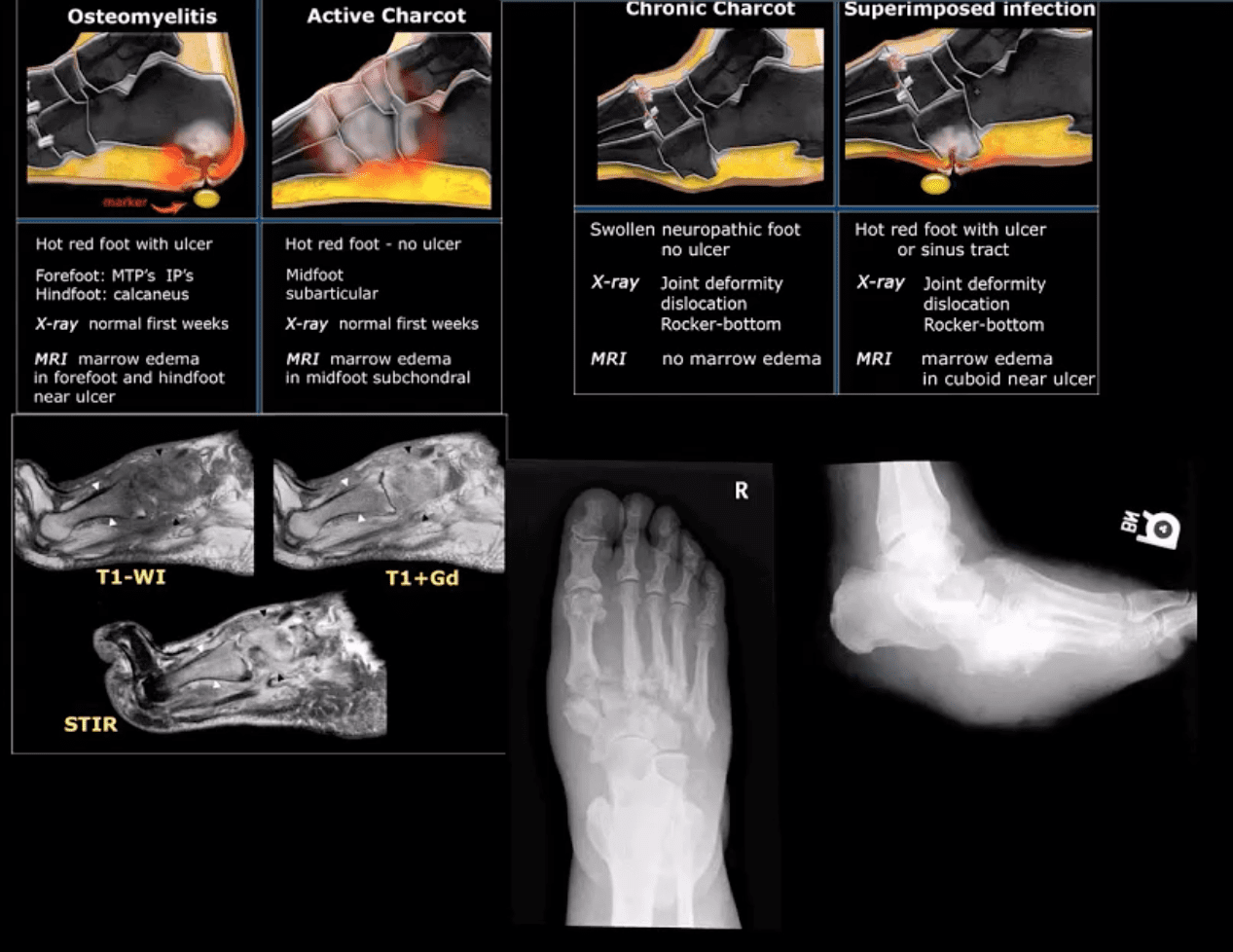
The lack of sensations in the feet, for instance, can make you more prone to developing infections from minor traumatic accidents, particularly for diabetics, who heal more slowly than other people, including foot ulcers and gangrene.
Furthermore, muscle atrophy may cause you to develop particular physical disfigurements, such as pes cavus, a condition marked by an abnormally high foot arch, and claw-like deformities in the feet and palms.
Treatment
The first step in neuropathy treatment should be finding the root cause that’s causing the neuropathy.
Treatment of diseases such as:
Diabetes
Guillain-Barre syndrome
Rheumatoid arthritis
Sarcoidosis
Other underlying diseases
Prevents continued nerve damage and in cases heals the damaged nerves.
If you are unaware of any underlying disease that is causing the peripheral neuropathy, make sure to let your doctor know of abnormal symptoms.
Medication
Peripheral neuropathy can be treated with various medications.
The first type used to treat mild symptoms are:
Over-the-counter pain medications
In more severe cases:
Opiates
Narcotic medications
Anti-seizure medications
A doctor may prescribe a lidocaine patch or anti-depressants to relieve symptoms.
Patients should thoroughly discuss�neuropathymedication with a doctor before proceeding.
Chiropractic/Massage/Physical Therapy
Various manual therapies can benefit symptoms in neuropathy treatment.
A therapist or chiropractor will perform various manipulation techniques, and teach exercises and stretches to help improve symptoms combined with increased muscle strength/control.
A therapist may also recommend braces or splints to improve mobility.
Patients should attend all physical therapy sessions to gain maximum benefits.
Acids
Supplements like:
Essential acids called ALA (alpha-Lipoic acid)
GLA (gamma-linolenic acid) and omega-3 fatty acids
These can have a beneficial effect on diabetic peripheral neuropathy.
L-Carnitine
L-carnitine is a substance that the body makes and stores in the:
Liver
Brain
There have been reports that certain diabetics with neuropathy symptoms could regain regular sensation in the limbs when they increased their consumption of carnitine called acetyl-L-carnitine.
Red meat
Peanut butter
Dairy products
Are good dietary sources of this nutrient.
Supplements are also available at health food stores and pharmacies and health/wellness clinics.
Vitamin Supplements
Vitamin deficiencies can result in peripheral neuropathy in some people.
Therefore there needs to be a replenishing of vitamins:
B
B12
E
These can help to decrease symptoms.
Recommended dosages are 300mg daily of vitamin E.
Doses of the different B vitamins differ, but one option for patients is to take a daily B-complex supplement.
Herb Supplements
Herbal remedies are an alternative to explore.
St. John’s Wort, is a herbal supplement that can be taken orally and can reduce the pain.
Topical creams that have capsaicin, which is an anti-inflammatory found in chili peppers, can reduce the burning sensation.
While every type of neuropathy, such as diabetic neuropathy or autoimmune disease-associated neuropathy, develops its own unique group of symptoms, many patients will often report common complaints. Individuals with neuropathy generally describe their pain as stabbing, burning or tingling.
If you experience unusual or abnormal tingling or burning sensations, weakness and/or pain in your hands and feet, it�s essential to seek immediate medical attention in order to receive a proper diagnosis of the cause of your specific signs and symptoms. Early diagnosis may help prevent further nerve injury. Visit http://www.neuropathycure.org.
IFM's Find A Practitioner tool is the largest referral network in Functional Medicine, created to help patients locate Functional Medicine practitioners anywhere in the world. IFM Certified Practitioners are listed first in the search results, given their extensive education in Functional Medicine