

Energy Boosting Foods: El Paso Back Clinic
Energy Boosting Foods: Nutritionists, dieticians, and health coaches are constantly asked which foods help maintain energy, alertness, and focus throughout the day. The first thing to know is that all foods provide energy in the form of calories, but not all foods affect energy levels the same way. There are three macronutrients, carbohydrates, fat, and protein. However, carbohydrates are a rapid energy source compared to proteins and fats and are the body’s preferred energy. Here are a few foods for steady, consistent energy levels to include in a meal plan.
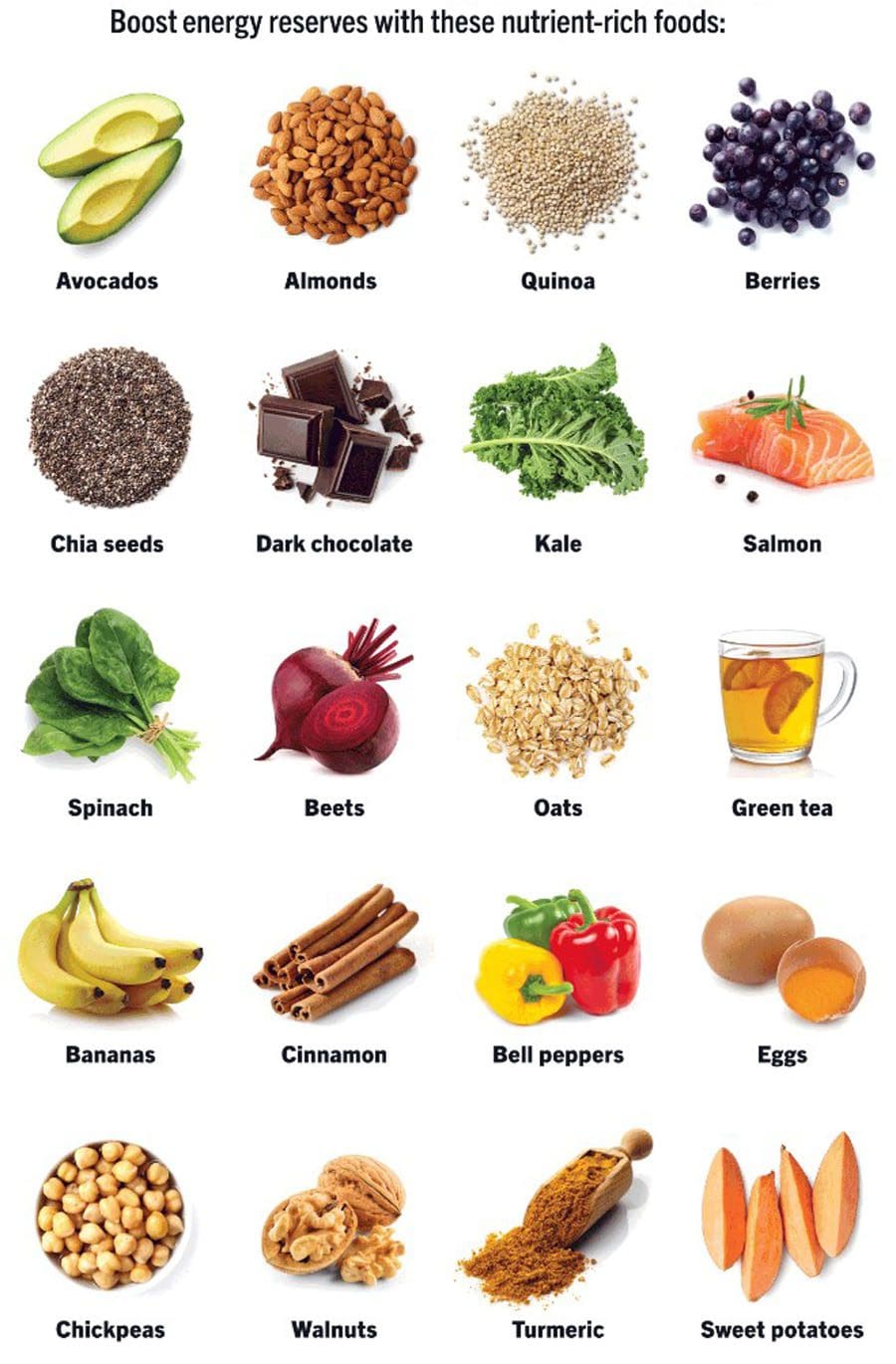
Energy Boosting Foods
Properly planned meals can keep the body fueled for up to four hours, and it is recommended to eat every four hours to keep a steady flow of energy. The objective is to maintain balanced blood sugar levels and eat foods with low glycemic index carbohydrates combined with protein and healthy fats. Unhealthy foods for energy are high-sugar foods that cause blood sugar levels to spike, triggering a heavy insulin release, which triggers plunging blood sugar levels, also known as a sugar crash.
Avocados
- Avocados are rich in healthy fats, fiber, and B vitamins.
- The fat in avocados promotes healthy blood-fat levels and increases the absorption of nutrients.
- Around 80% of the carbohydrate content is made up of fiber, which means sustained energy.
Bananas
- One of the best energy-boosting foods that can be eaten on its own, frozen and blended into a smoothie or mixed into oatmeal.
- Bananas contain complex carbohydrates, vitamin B6, potassium, and some protein.
Beans
- It can be pinto, great northern, red, black, Anasazi beans, or other varieties as they have similar nutrient profiles.
- They digest slowly, which stabilizes blood sugar.
- They contain antioxidants, carbohydrates, fiber, protein, folic acid, iron, and
- Magnesium helps produce energy and delivers it to the body’s cells.
Cashews
- Cashews are low in sugar, rich in fiber,
- They contain heart-healthy fats and plant protein.
- They are a reliable source of copper, magnesium, and manganese, critical for energy production, healthy bones, brain health, and immunity.
Eggs
- Eggs are packed with protein and rich in B vitamins, which help enzymes turn food into energy generating steady energy.
- They contain leucine, an amino acid that stimulates energy production by helping cells to:
- Take in more blood sugar.
- Stimulates energy production in the cells.
- Break down fat to produce energy.
Oatmeal
- The complex carbs in oatmeal generate a steady source of slow-burning energy.
- Oats boost serotonin production, which helps:
- Manage stress.
- Enhances learning.
- Memory function.
- Oast can be made with raisins, berries, bananas, and healthy maple syrup or honey for a healthy meal.
Yogurt
- Yogurt contains lactose and galactose that breaks down to provide ready-to-use energy.
- Top with oats, fruits, berries, and some honey or maple syrup.
Shrimp
- Shrimp are low in calories and provide vitamin B12 and omega-3 fat, which helps with:
- Mood
- Energy
Sweet potatoes
- Sweet potatoes are recommended for energy production because of their iron, magnesium, and vitamin C nutrients.
The food we eat significantly impacts the body’s health and wellness, along with exercise, proper hydration, and healthy sleep are essential in sustaining high energy levels. Avoiding highly processed and sugary foods will help prevent mental and body fatigue. Consult a licensed nutritionist to learn about personalized diet and nutrition plans.
Natural Energy
References
Atkinson, Fiona S et al. “International tables of glycemic index and glycemic load values 2021: a systematic review.” The American journal of clinical nutrition vol. 114,5 (2021): 1625-1632. doi:10.1093/ajcn/nqab233
Evans J, Richards JR, Battisti AS. Caffeine. [Updated 2022 May 1]. In: StatPearls [Internet]. Treasure Island (FL): StatPearls Publishing; 2022 Jan-. Available from: https://www.ncbi.nlm.nih.gov/books/NBK519490/
Holesh, Julie E., et al. “Physiology, Carbohydrates.” StatPearls, StatPearls Publishing, 26 July 2021.
Melaku, Yohannes Adama, et al. “Association between Macronutrient Intake and Excessive Daytime Sleepiness: An Iso-Caloric Substitution Analysis from the North West Adelaide Health Study.” Nutrients vol. 11,10 2374. 5 Oct. 2019, doi:10.3390/nu11102374
Osilla EV, Safadi AO, Sharma S. Calories. [Updated 2021 Sep 15]. In: StatPearls [Internet]. Treasure Island (FL): StatPearls Publishing; 2022 Jan-. Available from: https://www.ncbi.nlm.nih.gov/books/NBK499909/