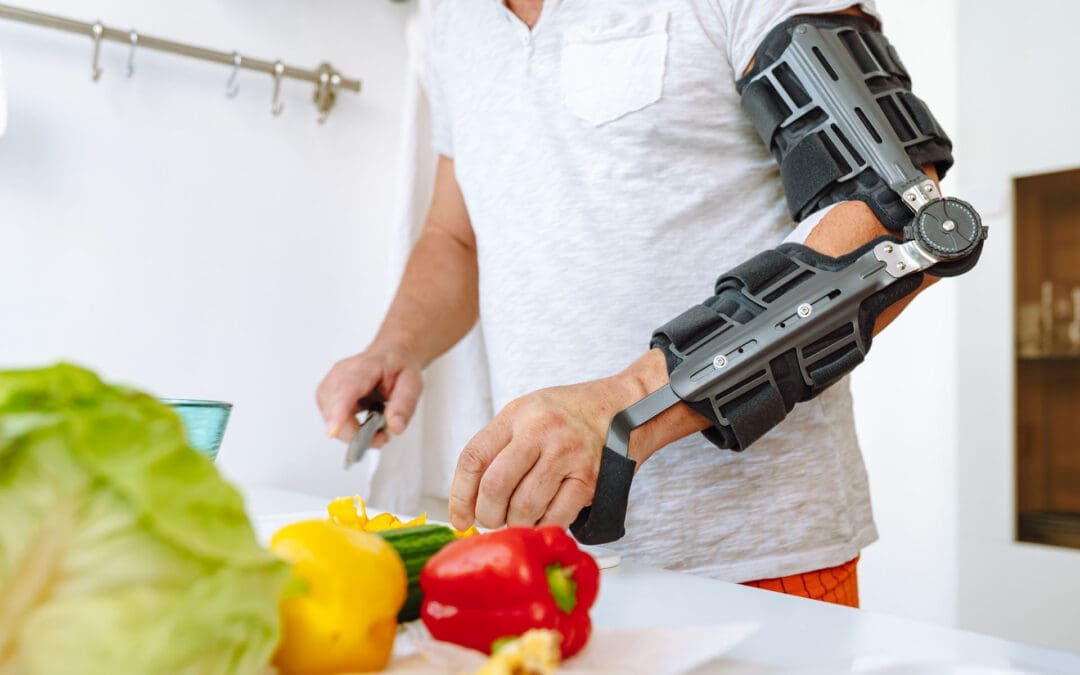
Nutrition for Accident Injuries During Recovery
Healing from the Inside Out: A Musculoskeletal Injury Rehabilitation Diet After a Motor Vehicle Accident (MVA)

When someone is involved in a motor vehicle accident (MVA), the injuries can go beyond what’s visible on the outside. Muscles, ligaments, tendons, and bones often suffer deep damage that takes time and care to heal. While many people focus on physical therapy, chiropractic care, and pain management, one key part of recovery is often overlooked—nutrition. What we eat can either help or hinder our recovery process. That’s where a musculoskeletal injury rehabilitation diet comes in.
This article explains why nutrition matters after an MVA, which foods support healing, and how experts like Dr. Alexander Jimenez, DC, APRN, FNP-BC, combine chiropractic care, advanced imaging, and integrative medicine to create a complete recovery plan. Let’s explore how healing from the inside out is just as important as external care.
How MVAs Lead to Musculoskeletal Injuries
Musculoskeletal injuries are among the most common outcomes of motor vehicle accidents. They can range from mild muscle strains to severe joint dislocations, fractures, and nerve compressions. When your body experiences sudden deceleration, whiplash, or blunt force, tissues get stretched, torn, or inflamed. Common conditions include sprains, strains, back pain, neck stiffness, and soft tissue damage.
After such injuries, inflammation occurs as part of the body’s natural healing response. Although inflammation helps the body repair, excessive or chronic inflammation can prolong recovery and increase pain.
According to the Elysian Wellness Centre, without a proper recovery plan—including hydration, nutrition, and therapy—healing can be delayed significantly. That’s why diet becomes a critical part of musculoskeletal injury rehabilitation.
Reference:
Elysian Wellness Centre. (n.d.). Motor vehicle accidents rehabilitation: What now? https://elysianwellnesscentre.com
Why Nutrition Matters After a Car Accident
When the body experiences trauma, it requires more energy and nutrients to heal. The demand for calories, protein, and vitamins rises. Without proper nutrition, muscles may waste away, inflammation may increase, and tissue repair can be compromised.
The Naval Medical Center Nutrition Fact Sheet outlines the role of food as medicine. It explains that wounded or injured individuals need extra calories, protein, zinc, and antioxidants to speed up recovery. Proper nutrition doesn’t just support healing—it reduces complications and helps regain strength and mobility.
Reference:
Naval Medical Center Portsmouth. (n.d.). Nutrition for wounded, ill, and injured. https://www.med.navy.mil
Protein: The Building Block of Tissue Repair
Proteins are essential for muscle repair, collagen formation, and immune support. After an MVA, your body requires more protein to rebuild torn muscles and connective tissues. High-quality sources include lean meats, poultry, fish, eggs, Greek yogurt, tofu, legumes, and nuts.
The Essendon Sports Medicine Institute emphasizes that without enough protein, injured patients may struggle to recover strength and stability in joints and muscles. Ensuring 20–30 grams of protein per meal helps the body maintain muscle mass during rest and repair.
Reference:
Essendon Sports Medicine. (n.d.). Healing from within: Nutrition strategies for injury recovery. https://www.essendonsportsmedicine.com.au
Healthy Fats That Fight Inflammation
Fatty acids, especially omega-3s, are known to reduce inflammation. Inflammation, while part of the healing process, can lead to prolonged pain and delayed recovery if left unchecked.
Fatty fish (like salmon, mackerel, and sardines), flaxseeds, chia seeds, walnuts, and avocados are anti-inflammatory powerhouses. As stated by WellBeings Medicine, adding omega-3-rich foods helps reduce joint pain and swelling, especially after ligament and tendon injuries.
Reference:
WellBeings Medicine. (n.d.). Healing through nutrition: Dietary strategies for auto accident injury recovery. https://wellbeingsmedicine.com
Carbohydrates for Energy and Recovery
Carbohydrates provide the energy your body needs to heal. They help spare protein so it can be used for muscle repair rather than fuel. Whole grains, fruits, vegetables, and legumes are excellent choices.
According to Kartamultisport, injured individuals need complex carbs to fuel daily activity, physical therapy, and tissue regeneration. Refined sugars should be avoided because they may increase inflammation and reduce immune function.
Reference:
Kartamultisport. (n.d.). Diet after injury: 5 tips on how to eat to get back in shape quickly. https://www.kartamultisport.pl
Antioxidants and Micronutrients: The Invisible Healers
Vitamins and minerals play a vital role in healing tissues. Vitamin C supports collagen production, while vitamin A helps with cell regeneration. Zinc and magnesium support immune function, protein synthesis, and nerve health.
Fruits and vegetables like berries, citrus fruits, spinach, broccoli, bell peppers, and sweet potatoes should be eaten daily. The Respiratory Muscle Rehabilitation Center recommends including colorful produce and nuts to fight oxidative stress and promote quicker healing.
Reference:
Respiratory Muscle Rehabilitation. (n.d.). Tantalizing powerful foods to supercharge injury recovery. https://respmr.com
Hydration and Its Role in Recovery
Water helps transport nutrients to damaged tissues and flushes toxins from the body. Dehydration can slow tissue healing and increase fatigue, cramps, and muscle spasms.
As emphasized by Dallas Accident & Injury Rehab, recovery requires more fluids than usual. Aim for at least 8–10 cups of water daily, more if you’re active or in physical therapy. Add herbal teas, broths, and water-rich fruits like watermelon and cucumber to your diet.
Reference:
Dallas Accident & Injury Rehab. (n.d.). Nutritional support for recovery from work injuries. https://dallasaccidentandinjuryrehab.com
What Not to Eat During Rehabilitation
Certain foods may worsen inflammation or interfere with recovery. These include:
- Sugary snacks and drinks
- Processed foods (chips, canned soups, frozen meals)
- Excessive alcohol
- Deep-fried or greasy foods
The ProActive Physical Therapy Center recommends avoiding artificial additives and focusing on natural, nutrient-rich ingredients. Keeping your gut healthy through whole foods also improves immunity and inflammation control.
Reference:
ProActive Physical Therapy. (n.d.). Nutrition for injuries: Best foods for recovery. https://proactivept.com
Evidence-Based Nutrition and Recovery Time
A 2024 peer-reviewed study found that patients who followed recovery-focused nutritional guidelines healed faster and reported less pain over time. Anti-inflammatory diets rich in protein, omega-3s, and antioxidants shortened recovery durations and improved physical performance post-injury.
Reference:
Stavrou, M., et al. (2024). Role of nutrition in musculoskeletal injury healing and performance recovery. Nutrition Reviews, https://pmc.ncbi.nlm.nih.gov/articles/PMC11643565
Real-World Application: Dr. Alexander Jimenez’s Integrative Care Approach
Dr. Alexander Jimenez, DC, APRN, FNP-BC, practices in El Paso and is recognized for his dual-scope expertise in chiropractic and functional medicine. He provides integrative care to patients recovering from MVAs, using nutrition, advanced imaging, and rehabilitative medicine.
Through his clinics (dralexjimenez.com, elpasobackclinic.com), Dr. Jimenez has documented clinical correlations between trauma, soft tissue damage, inflammation, and malnutrition. His assessments combine MRI, ultrasound, lab work, and body composition analysis to design personalized treatment plans.
Dr. Jimenez emphasizes that healing from musculoskeletal injuries isn’t just about manipulating bones—it’s about understanding the whole body. Integrating chiropractic adjustments with dietary protocols allows patients to regain strength, reduce inflammation, and prevent long-term complications. His ability to document injuries for both medical and legal purposes also makes him a vital part of the recovery team in personal injury cases.
Reference:
Jimenez, A. (n.d.). Clinical insights. https://www.linkedin.com/in/dralexjimenez/
Sample Meal Plan for Post-MVA Recovery
Here’s a simple one-day meal plan designed for patients recovering from musculoskeletal injuries:
Breakfast
- Oatmeal with chia seeds, blueberries, walnuts
- Green tea or water with lemon
Lunch
- Grilled salmon with quinoa and spinach
- Roasted sweet potatoes
- Water or bone broth
Snack
- Greek yogurt with almonds and strawberries
Dinner
- Chicken stir-fry with broccoli, bell peppers, brown rice
- Herbal chamomile tea
Dessert (optional)
- Dark chocolate square (70% cocoa or higher)
This meal plan offers anti-inflammatory nutrients, quality protein, healthy fats, and hydration—all key components of a musculoskeletal rehabilitation diet.
Final Thoughts: Food as Fuel for Recovery
Nutrition is one of the most powerful tools in post-accident recovery, yet it’s often ignored. A rehabilitation diet isn’t just about avoiding bad foods—it’s about feeding your body the fuel it needs to rebuild, move, and feel better. Whether it’s reducing pain, rebuilding strength, or speeding recovery, the right food choices matter.
For patients recovering from musculoskeletal injuries due to MVAs, working with healthcare providers like Dr. Alexander Jimenez offers a unique advantage. His integrative, dual-scope expertise ensures that care goes beyond the surface and promotes healing from the inside out.
References
Dallas Accident & Injury Rehab. (n.d.). Nutritional support for recovery from work injuries. Dallas Accident & Injury Rehab. https://dallasaccidentandinjuryrehab.com/nutritional-support-for-recovery-from-work-injuries/#:~:text=Eating%20Right%20to%20Support%20Soft,and%20improving%20overall%20tissue%20function.
Elysian Wellness Centre. (n.d.). Motor vehicle accidents rehabilitation: What now? https://elysianwellnesscentre.com/blog/motor-vehicle-accidents-rehabilitation-what-now/#:~:text=Hydrate,recovery%20will%20take%20much%20longer.
Essendon Sports Medicine. (n.d.). Healing from within: Nutrition strategies for injury recovery. https://www.essendonsportsmedicine.com.au/about/blog/healing-from-within-nutrition-strategies-for-injury-recovery#:~:text=Protein%20for%20Tissue%20Repair:,sources%20of%20high%2Dquality%20protein.
Jimenez, A. (n.d.). Dr. Alexander Jimenez, DC, APRN, FNP-BC. LinkedIn. https://www.linkedin.com/in/dralexjimenez/
Kartamultisport. (n.d.). Diet after injury: 5 tips on how to eat to get back in shape quickly. https://www.kartamultisport.pl/en/article/diet-after-injury-5-tips-on-how-to-eat-to-get-back-in-shape-quickly
Naval Medical Center Portsmouth. (n.d.). Nutrition for wounded, ill, and injured. U.S. Navy Bureau of Medicine and Surgery. https://www.med.navy.mil/Portals/62/Documents/NMFA/NMCPHC/root/Documents/health-promotion-wellness/wounded-ill-and-injured/wii-nutrition-fact-sheet.pdf
ProActive Physical Therapy. (n.d.). Nutrition for injuries: Best foods for recovery. https://proactivept.com/blog/nutrition-for-injuries-best-foods-for-recovery/#:~:text=Best%20Foods%20for%20Injury%20Recovery,some%20of%20the%20most%20beneficial.&text=Anti%2Dinflammatory%20foods%20are%20one,Grapes
Respiratory Muscle Rehabilitation. (n.d.). Tantalizing powerful foods to supercharge injury recovery. https://respmr.com/tantalizing-powerful-foods-to-supercharge-injury-recovery/#:~:text=Ensure%20your%20meals%20include%20a,to%20heal%20and%20reduce%20inflammation
Stavrou, M., Kalopisis, V., & Filippou, D. (2024). Role of nutrition in musculoskeletal injury healing and performance recovery: A review of evidence and application. Nutrition Reviews, 82(2), 123–134. https://pmc.ncbi.nlm.nih.gov/articles/PMC11643565/#:~:text=This%20review%20explores%20the%20evolving,and%20sustained%20performance%20in%20athletes.
WellBeings Medicine. (n.d.). Healing through nutrition: Dietary strategies for auto accident injury recovery. https://wellbeingsmedicine.com/finding-the-best-chiropractor/healing-through-nutrition-dietary-strategies-for-auto-accident-injury-recovery/#:~:text=Fatty%20Fish:%20Incorporating%20fatty%20fish,them%20in%20your%20morning%20oatmeal