
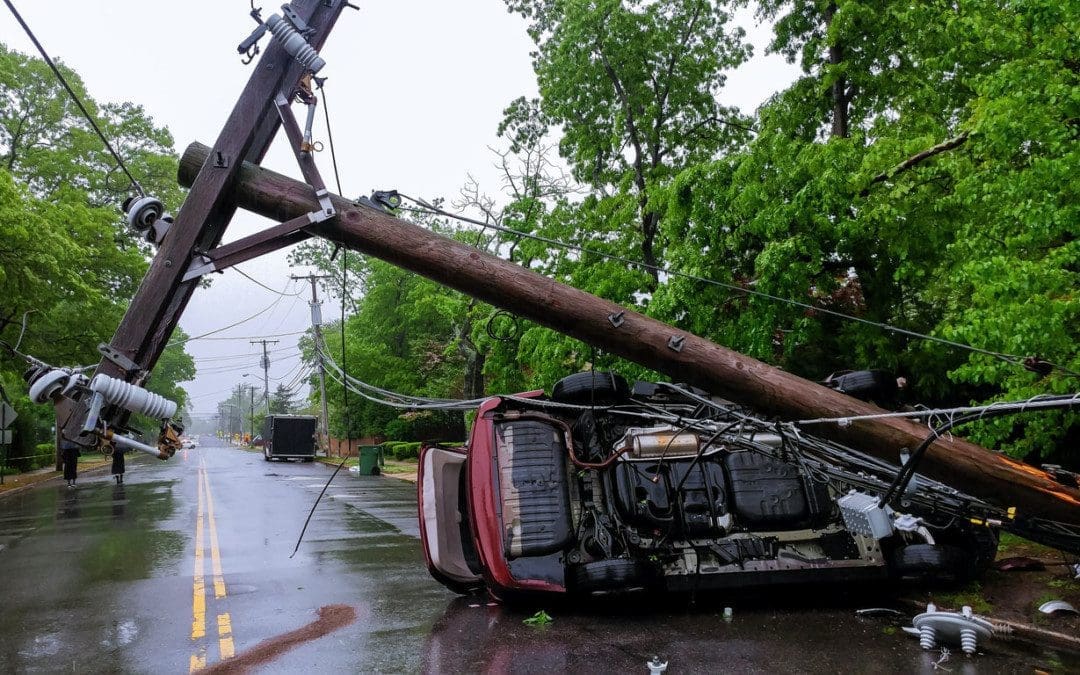
Types of Common Vehicle Accidents Explained
Types of Vehicle Accidents and Crashes
Vehicle accidents are a leading cause of injury and death worldwide, with millions of crashes occurring annually. In 2023, the National Highway Traffic Safety Administration (NHTSA) reported approximately 6.1 million police-reported crashes in the United States alone, resulting in over 2.5 million injuries and 40,000 fatalities (NHTSA, 2024). Understanding the different types of vehicle accidents is critical for drivers, policymakers, and healthcare professionals to promote safer roads and effective injury prevention. This article explores the most common types of vehicle accidents, their causes, and their impacts on individuals and communities, while incorporating insights from recent research.
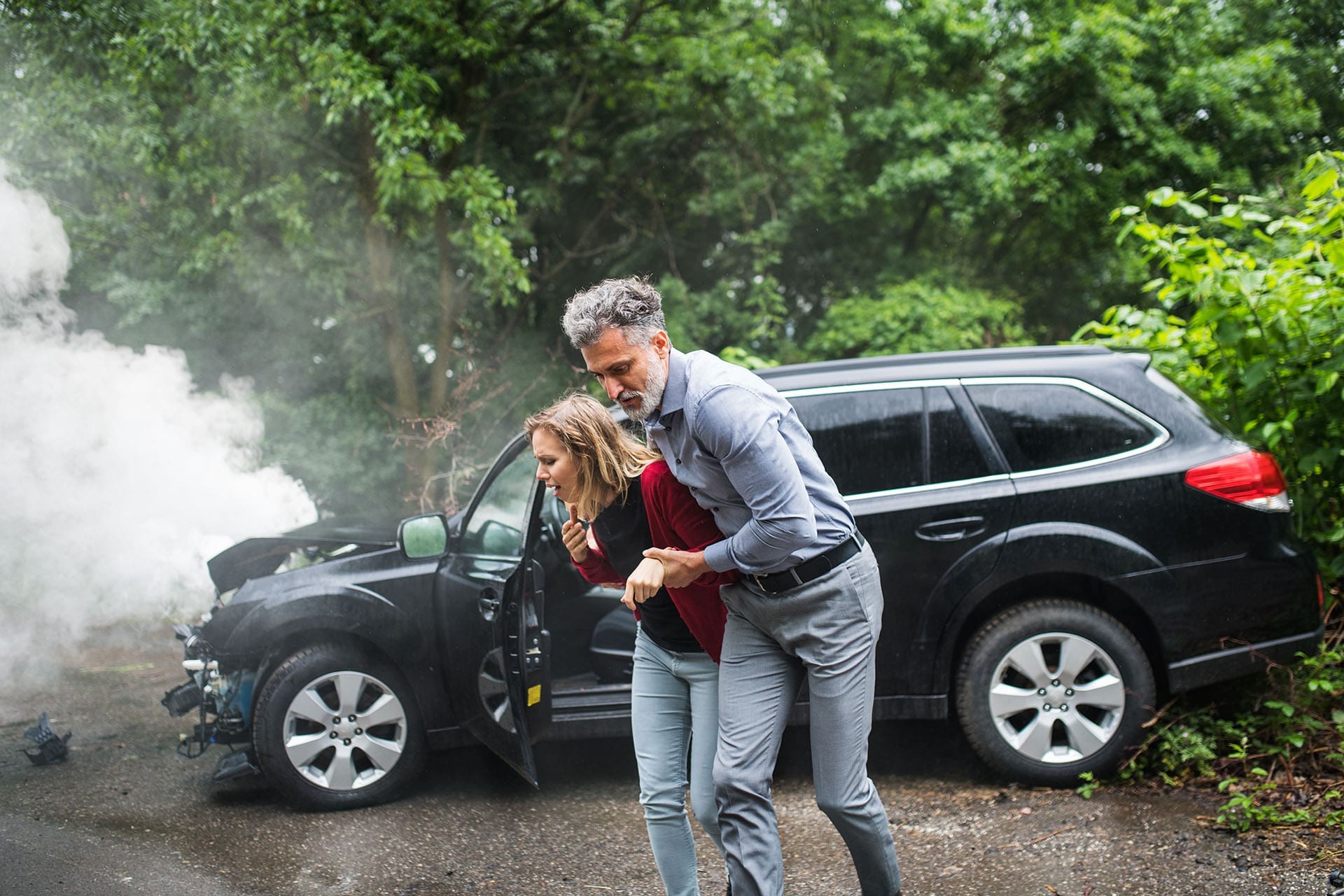
Common Types of Vehicle Accidents
1. Rear-End Collisions
Rear-end collisions occur when one vehicle strikes the back of another. These are among the most frequent types of accidents, often caused by distracted driving, tailgating, or sudden stops. According to the Insurance Institute for Highway Safety (IIHS), rear-end crashes accounted for 29% of all collisions in 2022 (IIHS, 2023). Common injuries include whiplash, neck strains, and soft tissue damage, which can lead to chronic pain if untreated (Mayo Clinic, 2025).
Causes:
-
Distracted driving (e.g., texting, eating)
-
Following too closely
-
Sudden braking or traffic slowdowns
-
Poor weather conditions, reducing visibility or traction
Prevention:
-
Maintain a safe following distance (e.g., the 3-second rule).
-
Use advanced driver-assistance systems (ADAS) like automatic emergency braking.
-
Stay focused and avoid distractions while driving.
2. Side-Impact Collisions (T-Bone)
Side-impact collisions, often called T-bone accidents, occur when the front of one vehicle strikes the side of another, typically at intersections. These crashes are particularly dangerous due to limited side protection in most vehicles. The NHTSA notes that side-impact crashes accounted for 24% of passenger vehicle occupant deaths in 2022 (NHTSA, 2024).
Causes:
-
Running red lights or stop signs
-
Failure to yield the right-of-way
-
Misjudging traffic signals or other vehicles’ movements
-
Poor visibility at intersections
Prevention:
-
Always check for oncoming traffic before entering intersections.
-
Use side-impact airbags and reinforced vehicle frames.
-
Install intersection cameras to deter reckless driving.
3. Head-On Collisions
Head-on collisions occur when the front ends of two vehicles collide, often at high speeds. These accidents are rare but have a high fatality rate due to the combined force of impact. The IIHS reports that head-on crashes made up 10% of fatal accidents in 2022 (IIHS, 2023).
Causes:
-
Crossing the centerline (e.g., due to distracted or impaired driving)
-
Overtaking on two-lane roads
-
Fatigue or falling asleep at the wheel
-
Road design flaws, such as sharp curves
Prevention:
-
Use centerline rumble strips to alert drifting drivers.
-
Avoid driving while fatigued or under the influence.
-
Adhere to speed limits and road signs.
4. Rollover Accidents
Rollover accidents involve a vehicle tipping over onto its side or roof. These are more common with taller vehicles like SUVs and trucks due to their higher center of gravity. The NHTSA estimates that rollovers accounted for 17% of fatal crashes in 2022, despite being only 2% of total crashes (NHTSA, 2024).
Causes:
-
Sharp turns at high speeds
-
Overcorrecting during a skid
-
Collisions with curbs or other objects
-
Uneven road surfaces or tire blowouts
Prevention:
-
Drive at safe speeds, especially on curves.
-
Ensure proper tire maintenance and vehicle stability control.
-
Avoid overloading vehicles, which can raise the center of gravity.
5. Sideswipe Collisions
Sideswipe collisions occur when the sides of two parallel vehicles make contact, often during lane changes or merging. While typically less severe, they can cause vehicles to lose control, leading to secondary collisions. The IIHS notes that sideswipe crashes are often underreported but contribute significantly to property damage (IIHS, 2023).
Causes:
-
Failure to check blind spots
-
Improper lane changes
-
Drifting due to distraction or fatigue
-
Narrow roads or construction zones
Prevention:
-
Use turn signals consistently.
-
Install blind-spot monitoring systems.
-
Check mirrors and surroundings before changing lanes.
6. Single-Vehicle Accidents
Single-vehicle accidents involve only one vehicle, often colliding with fixed objects like trees, poles, or guardrails. These crashes are frequently linked to driver error or environmental factors. According to a 2023 study by the AAA Foundation for Traffic Safety, single-vehicle crashes account for approximately 50% of all accidents (AAA, 2023).
Causes:
-
Speeding or loss of control
-
Poor road conditions (e.g., wet or icy surfaces)
-
Wildlife crossings or debris on the road
-
Mechanical failures, such as brake or tire issues
Prevention:
-
Regularly maintain vehicle components (e.g., brakes, tires).
-
Adjust driving to weather and road conditions.
-
Use electronic stability control systems.
Impact of Vehicle Accidents
Vehicle accidents result in significant physical, emotional, and financial consequences. Injuries range from minor bruises to severe trauma, such as spinal cord injuries or traumatic brain injuries (TBI). The Centers for Disease Control and Prevention (CDC) estimates that motor vehicle crashes cost the U.S. economy $340 billion annually in medical expenses, lost productivity, and property damage (CDC, 2024). Additionally, survivors may face long-term psychological effects, such as post-traumatic stress disorder (PTSD) (American Psychological Association, 2025).
Strategies for Reducing Vehicle Accidents
-
Driver Education: Comprehensive driver training programs can teach defensive driving techniques and hazard awareness.
-
Technology Adoption: Advanced safety features like lane departure warnings, adaptive cruise control, and automatic braking can reduce crash risks.
-
Infrastructure Improvements: Better road design, improved signage, and traffic calming measures can enhance safety.
-
Policy Enforcement: Stricter enforcement of traffic laws, such as speed limits and DUI regulations, can deter reckless behavior.
-
Public Awareness: Campaigns promoting safe driving habits, like avoiding distractions, can foster a culture of responsibility.
Conclusion
Vehicle accidents remain a significant public health and safety concern, with various types posing unique risks and challenges. By understanding the causes and implementing preventive measures, drivers and communities can work together to reduce crashes and their devastating impacts. Staying informed, adopting safety technologies, and advocating for better road policies are crucial steps toward safer roads for everyone.
References
-
National Highway Traffic Safety Administration (NHTSA). (2024). Traffic Safety Facts 2023. Retrieved from https://www.nhtsa.gov.
-
Insurance Institute for Highway Safety (IIHS). (2023). Crash Statistics and Analysis. Retrieved from https://www.iihs.org.
-
Mayo Clinic. (2025). Whiplash and Neck Injuries. Retrieved from https://www.mayoclinic.org.
-
Centers for Disease Control and Prevention (CDC). (2024). Motor Vehicle Crash Injuries. Retrieved from https://www.cdc.gov.
-
AAA Foundation for Traffic Safety. (2023). Single-Vehicle Crash Analysis. Retrieved from https://www.aaa.com.
-
American Psychological Association (APA). (2025). PTSD and Motor Vehicle Accidents. Retrieved from https://www.apa.org.







