Auto Injuries and Their Impact On The Rotator Cuffs
Auto injuries in rotator cuffs can lead to significant discomfort. Discover how to manage and recover from these injuries effectively.
Shoulder Pain and Injuries from Motor Vehicle Accidents: A Comprehensive Guide
Welcome to the grim reality of motor vehicle accidents (MVAs), where the road to recovery can be as bumpy as a poorly paved highway. If you’ve ever found yourself clutching your shoulder after a car crash, you’re not alone. Shoulder injuries are a common souvenir of MVAs, and they come with a side of pain that can make you feel like you’re auditioning for a role in a tragic play. But fear not, dear reader, for we’re about to dissect the clinical reasons behind this misery with a touch of Wednesday Addams’ dark humor—because nothing says “fun” like exploring the mechanics of bodily harm.
In this extensive guide, we’ll unravel why shoulder pain and injuries are so prevalent after MVAs, focusing on the rotator cuff’s starring role in this unfortunate drama. We’ll also spotlight Dr. Alexander Jimenez, a distinguished chiropractor in El Paso, Texas, whose expertise in treating MVA victims and navigating personal injury cases is nothing short of legendary. So, let’s buckle up (safely, of course) and dive into the twisted world of shoulder injuries.
Anatomy of the Shoulder: A Delicate Dance of Bones and Tendons
To understand why your shoulder throws a tantrum after an MVA, let’s first take a peek under the hood. The shoulder is like a gothic ballroom, where bones, muscles, and tendons perform a delicate dance—until a car crash turns it into a mosh pit.
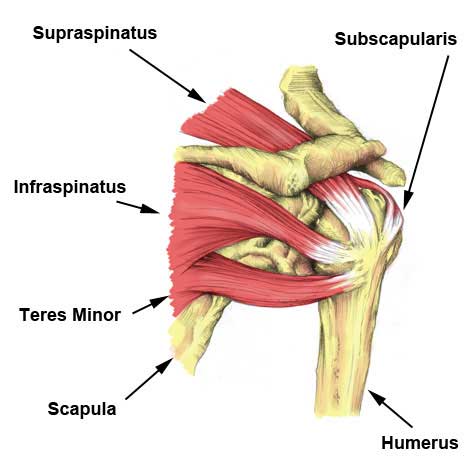
The shoulder is a ball-and-socket joint, where the head of the humerus (upper arm bone) nestles into the glenoid cavity of the scapula (shoulder blade). This design allows for a wide range of motion, letting you wave dramatically or throw a punch in slow motion. However, this flexibility comes at a cost: stability. The shoulder relies heavily on soft tissues for support, particularly the rotator cuff.
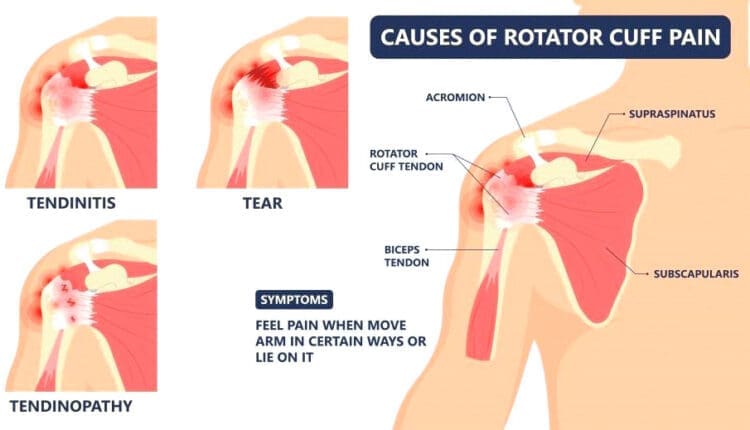
The rotator cuff is a quartet of muscles—supraspinatus, infraspinatus, teres minor, and subscapularis—and their tendons, which wrap around the humeral head to keep it snug in the socket. These tendons pass through a tight space called the subacromial space, making them vulnerable to pinching or tearing when subjected to sudden forces. It’s like trying to thread a needle during an earthquake—not exactly a recipe for success.
When an MVA strikes, the rotator cuff can take a beating, leading to pain that feels like a personal vendetta from your own body. Understanding this anatomy sets the stage for why shoulder injuries are so common in car accidents.
References
Frank, C. B., Shrive, N. G., Lo, I. K. Y., & Hart, D. A. (2004). Form and function of tendon and ligament. In J. A. Buckwalter, T. A. Einhorn, & S. R. Simon (Eds.), Orthopaedic Basic Science: Biology and Biomechanics of the Musculoskeletal System (pp. 229-253). American Academy of Orthopaedic Surgeons.
Lo, I. K. Y., Thornton, G., Miniaci, A., Frank, C. B., Rattner, J. B., & Bray, R. C. (2003). Structure and function of diarthrodial joints. In J. B. McGinty (Ed.), Operative Arthroscopy (3rd ed., pp. 41-126). Lippincott Williams & Wilkins.
Mechanisms of Shoulder Injury in MVAs: A Crash Course in Chaos
Picture this: you’re cruising along, minding your own business, when another car decides to play bumper cars with your vehicle. The result? Your shoulder becomes the unwilling star of a physics experiment gone wrong. Let’s break down how MVAs wreak havoc on your shoulder, with a nod to the grim absurdity of it all.
| Mechanism | Description | Impact on Shoulder |
|---|---|---|
| Impact and Force Transmission | Collisions transfer massive forces through the vehicle to your body, even with seatbelts and airbags. | Shoulders absorb shock, straining muscles and tendons. |
| Bracing for Impact | Instinctively gripping the steering wheel or dashboard positions shoulders awkwardly. | Rotator cuff tendons are stretched or torn under sudden force. |
| Whiplash Effect | Rapid back-and-forth head and neck movement is often associated with rear-end collisions. | Strains shoulder muscles and tendons, mimicking neck injury patterns. |
| Direct Trauma | Shoulder hitting the steering wheel, door, or dashboard during a crash. | Causes fractures, dislocations, or soft tissue damage. |
| Indirect Forces | Seatbelt pulling on the shoulder or body twisting during impact. | Leads to sprains, tears, or nerve injuries. |
Imagine you’re in a rear-end collision. Your hands grip the steering wheel, shoulders tensed, as your body lurches forward and snaps back. The seatbelt digs into your shoulder, and the rotator cuff tendons scream in protest. It’s like your shoulder is caught in a medieval torture device, only with worse music playing in the background.
These mechanisms explain why shoulder injuries are so prevalent in MVAs. The sudden, forceful movements exploit the shoulder’s delicate balance of mobility and stability, often targeting the rotator cuff (Alexander Orthopaedics, 2023).
References
Alexander Orthopaedics. (2023, April 21). 5 Common Shoulder Injuries from a Car Accident. Retrieved from https://alexanderorthopaedics.com/blog/shoulder-injury-car-accident-treatment/
Smith & Hassler, Attorneys At Law. (n.d.). Understanding Shoulder Injuries in Car Accidents. Retrieved from https://www.smithandhassler.com/articles/understanding-shoulder-injuries-in-car-accidents/
Types of Shoulder Injuries: A Catalog of Misery
MVAs can leave your shoulder with a variety of injuries, each with its brand of discomfort. Here’s a rundown of the most common culprits, served with a side of dark humor to keep things grimly entertaining.
| Injury Type | Description | Symptoms |
|---|---|---|
| Rotator Cuff Tears | Tears in the tendons stabilizing the shoulder, ranging from partial to full-thickness. | Severe pain, weakness, difficulty lifting arm, popping sounds. |
| Sprains and Strains | Damage to ligaments (sprains) or muscles/tendons (strains). | Swelling, bruising, limited motion, tenderness. |
| Shoulder Dislocations | The humeral head pops out of the glenoid cavity. | Intense pain, visible deformity, restricted movement. |
| Fractures | Breaks in the clavicle, humerus, or scapula. | Sharp pain, swelling, inability to move shoulder. |
| Brachial Plexus Injuries | Damage to nerves supplying the arm, often from side-impact or rollover crashes. | Numbness, weakness, tingling, or paralysis in the arm. |
| Acromioclavicular (AC) Joint Injuries | Damage to the joint connecting the collarbone and shoulder blade. | Pain at the top of the shoulder, instability, swelling. |
Rotator cuff tears are the grim celebrities of MVA injuries, often stealing the spotlight due to their frequency and impact. A 2008 study noted nearly 2 million Americans sought medical attention for rotator cuff issues, many linked to trauma like car accidents (El Paso Chiropractor Blog, 2016). Brachial plexus injuries, meanwhile, are the shadowy villains, causing nerve-related chaos that can leave your arm feeling like it’s auditioning for a zombie flick.
References
Alexander Orthopaedics. (2023, April 21). 5 Common Shoulder Injuries from a Car Accident. Retrieved from https://alexanderorthopaedics.com/blog/shoulder-injury-car-accident-treatment/
Atlanta Advocate. (2024, October 29). Rotator Cuff and Shoulder Injuries After a Georgia Car Wreck: Your Legal Options. Retrieved from https://atlantaadvocate.com/legal-guides/car-accidents/shoulder-injuries/
El Paso Chiropractor Blog. (2016, August). Rotator Cuff Tears Resulting from Auto Injuries. Retrieved from https://www.elpasochiropractorblog.com/2016/08/rotator-cuff-tears-resulting-from-auto.html
Symptoms and Diagnosis: Decoding the Pain
If your shoulder is staging a protest after an MVA, it’s likely sending you some clear signals. Recognizing these symptoms and getting a proper diagnosis is crucial unless you enjoy living in a world of perpetual discomfort.
Common symptoms include:
- Pain: Sharp or aching, especially when moving the arm.
- Weakness: Difficulty lifting objects or raising the arm.
- Limited Range of Motion: Feeling like your shoulder is stuck in a straitjacket.
- Swelling or Bruising: Visual cues that your shoulder is not happy.
- Popping or Clicking: Sounds that make you wince with every movement.
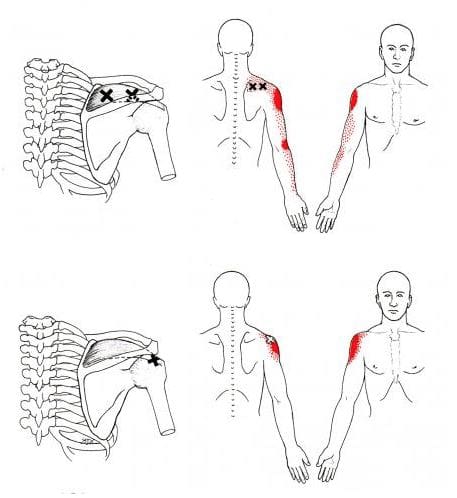
- Numbness or Tingling: Suggesting nerve involvement, like a brachial plexus injury.
Diagnosing these injuries requires a mix of clinical evaluation and advanced imaging. Healthcare providers may use:
- X-rays: To detect fractures or dislocations.
- MRI: For detailed views of soft tissues like rotator cuff tendons.
- CT Scans: To assess complex bone injuries.
- Ultrasound: Occasionally used for soft tissue evaluation.
- Electromyography (EMG): To check nerve function in suspected brachial plexus injuries.
Dr. Alexander Jimenez, with his expertise in chiropractic care, utilizes advanced imaging and dual-scope procedures to assess the extent of shoulder injuries precisely. His approach ensures accurate diagnoses, which are critical for both treatment and legal documentation in personal injury cases (El Paso Back Clinic, n.d.).
References
Apex OS&N. (n.d.). Shoulder Pain After A Car Accident. Retrieved from https://www.apexosn.com/shoulder-pain-after-a-car-accident/
Gaspipe Ortho. (2024, August 11). Shoulder Pain After A Car Accident? What You Need To Know. Retrieved from https://www.gaspineortho.com/shoulder-pain-after-a-car-accident/
El Paso Back Clinic. (n.d.). Services. Retrieved from https://elpasobackclinic.com/services/
Chiropractic Care After Accidents and Injuries- Video
Treatment Options: Mending the Broken Dance
Treating shoulder injuries from MVAs is like trying to fix a broken music box—delicate work that requires patience and precision. Treatment depends on the injury’s severity, but here are the main approaches:
| Treatment | Description | Best For |
|---|---|---|
| Conservative Treatment | Rest, ice, compression, elevation (RICE), and over-the-counter pain relievers. | Mild sprains, strains, or minor tears. |
| Chiropractic Care | Adjustments and manipulations are made to realign the spine and shoulders, thereby reducing pain. | Whiplash-related shoulder issues, soft tissue injuries. |
| Physical Therapy | Exercises to restore strength, flexibility, and range of motion. | Most shoulder injuries, post-surgical recovery. |
| Medications | Prescription pain relievers or anti-inflammatories. | Moderate to severe pain and inflammation. |
| Injections | Corticosteroids to reduce inflammation. | Persistent pain not responding to conservative measures. |
| Surgery | Repairing large tears, stabilizing joints, or fixing fractures. | Severe rotator cuff tears, dislocations, fractures. |
Dr. Jimenez’s multidisciplinary approach combines chiropractic care with functional medicine, addressing not just the injury but the whole person. His clinic offers tailored rehabilitation programs, including gentle therapies for post-surgical recovery, rooted in evidence-based practices (El Paso Back Clinic, n.d.). It’s like giving your shoulder a new script for a less tragic performance.
References
El Paso Back Clinic. (n.d.). Services. Retrieved from https://elpasobackclinic.com/services/
AICA Orthopedics College Park. (2022, September 21). Common Shoulder Problems Caused by Car Accidents. Retrieved from https://www.chiropractorcollegepark.com/6-common-shoulder-problems-caused-by-car-accidents/
Importance of Early Treatment: Avoiding a Lifetime of Gloom
Ignoring shoulder pain after an MVA is like ignoring a creaking floorboard in a haunted house—it’s only going to get worse. Early treatment is critical for several reasons:
- Preventing Chronic Pain: Untreated injuries can lead to persistent pain syndromes, turning your shoulder into a lifelong nemesis.
- Avoiding Muscle Atrophy: Inactivity due to pain can weaken shoulder muscles, leading to increased instability.
- Reducing Re-injury Risk: Proper rehabilitation strengthens the shoulder, making it less prone to future damage.
- Supporting Legal Claims: Early documentation of injuries is vital for personal injury cases, ensuring fair compensation.
Dr. Jimenez emphasizes the importance of prompt evaluation, as delays can complicate recovery and impact legal outcomes. His clinic’s focus on early intervention helps patients avoid the grim fate of chronic pain (AICA Orthopedics College Park, 2022).
References
AICA Orthopedics College Park. (2022, September 21). Common Shoulder Problems Caused by Car Accidents. Retrieved from https://www.chiropractorcollegepark.com/6-common-shoulder-problems-caused-by-car-accidents/
Smith & Hassler, Attorneys At Law. (n.d.). Understanding Shoulder Injuries in Car Accidents. Retrieved from https://www.smithandhassler.com/articles/understanding-shoulder-injuries-in-car-accidents/
Personal Injury Cases in El Paso: Dr. Jimenez’s Expertise
El Paso, with its bustling border traffic, sees its fair share of MVAs, making personal injury cases a significant concern. Navigating these cases is like walking through a legal labyrinth, but Dr. Alexander Jimenez serves as a guiding light for victims.
With over 30 years of experience, Dr. Jimenez is a top-rated chiropractor in El Paso, recognized by Three Best Rated® from 2015 to 2024. His clinic specializes in treating complex injuries from MVAs, including shoulder pain, using a blend of chiropractic care, physical therapy, and functional medicine. What sets him apart is his ability to bridge the worlds of medicine and law.
Dr. Jimenez uses advanced imaging (like MRI and CT scans) and dual-scope procedures to provide detailed diagnoses, which are crucial for personal injury claims. His comprehensive medical reports serve as vital evidence, helping victims secure compensation for medical costs, lost wages, and pain and suffering. In El Paso’s unique legal landscape, his expertise is invaluable (El Paso Back Clinic, n.d.; LinkedIn, n.d.).
References
El Paso Back Clinic. (n.d.). About Us. Retrieved from https://elpasobackclinic.com/
LinkedIn Profile: Dr. Alexander Jimenez. (n.d.). Retrieved from https://www.linkedin.com/in/dralexjimenez/
Conclusion
Shoulder pain and injuries from motor vehicle accidents are a serious matter, driven by the complex interplay of forces on the shoulder’s delicate structure. Rotator cuff tears, sprains, fractures, and nerve injuries can significantly impact your quality of life, but early diagnosis and treatment can make a world of difference. In El Paso, Dr. Alexander Jimenez stands out as a beacon of hope, offering expert care and legal support to MVA victims. His holistic approach and meticulous documentation ensure that patients not only recover but also receive the justice they deserve.
Disclaimer: This blog post is for informational purposes only and should not be taken as medical advice. Always consult a qualified healthcare professional for diagnosis and treatment of shoulder injuries.