Chiropractic received a boost from some major national sources in recent months. Here�s a recap.
1. American College of Physicians issues new guideline for low-back pain treatment
The American College of Physicians (ACP) published a new low-back pain treatment guideline recommending first using non-invasive, non-drug treatments, including spinal manipulation, before resorting to drug therapies. The guideline was published Feb. 14, 2017 in the Annals of Internal Medicine. For more information, see the American Chiropractic Association news release on the guideline.
On May 1, 2017, the New York Times published an editorial by Aaron E. Carroll, M.D., that mentions the new guideline in a generally positive light. The article appeared in a major, mainstream publication read by millions of people. �Spinal manipulation�along with other less traditional therapies like heat, meditation and acupuncture�seems to be as effective as many other more medical therapies we prescribe, and as safe, if not safer,� he wrote.
Talking points on new ACP guideline:
The chiropractic profession has advocated for decades that conservative care choices such as chiropractic be the first line of treatment for low-back pain. Now, with this new guideline, the medical profession is recognizing the benefits of conservative care for this common problem.
Thanks to this guideline, it�s possible more medical doctors will choose to refer their patients with low-back pain to chiropractors.
The ACP guideline was adopted by the American Chiropractic Association, which also adopted the Clinical Compass guidelines on chiropractic for LBP at its HOD meeting in March.
2. Article�and editorial on spinal manipulation published in JAMA
The April 11, 2017, issue of the Journal of the American Medical Association(JAMA) featured the article �Association of Spinal Manipulative Therapy With Clinical Benefit and Harm for Acute Low Back Pain.� This systematic review and meta-analysis found that of the 26 eligible RCTs identified, 15 RCTS (1,711 patients) provided moderate-quality evidence that SMT has a statistically significant association with improvements in pain. Twelve RCTs (1,381 patients) produced moderate-quality evidence that SMT has a statistically significant association with improvements in function. One of the RCTs included in this analysis, �Adding chiropractic manipulative therapy to standard medical care for patients with acute low back pain: results of a pragmatic randomized comparative effectiveness study,� was led by investigators at the Palmer Center for Chiropractic Research.
Additionally, an editorial by Richard A. Deyo, M.D., M.P.H., titled �The Role of Spinal Manipulation in the Treatment of Low Back Pain,� was published in the April 11 issue of JAMA. �If manipulation is at least as effective and as safe as conventional care, it may be an appropriate choice for some patients with uncomplicated acute low back pain,� Dr. Deyo wrote. �This is an area in which a well-informed patient�s decisions should count as much as a practitioner�s preference.�
A National Public Radio story on April 11 quoted Dr. Paul Shekelle, an internist with the West Los Angeles Veterans Affairs Medical Center and one of the study authors, as saying the JAMA study found patients undergoing spinal manipulation experienced a decline of one point in their pain rating. He added that the study also found spinal manipulation modestly improved function.
3. Article�and editorial on spinal manipulation published in JAMA
An article published April 4 in STAT News, a medical journal, discussed the ACP guideline and how it�s bolstering the cause of non-pharmaceutical pain control methods like chiropractic and acupuncture. Another article published May 10 in STAT News covered proposed FDA recommendations that physicians learn more about chiropractic, acupuncture and other drug-free pain treatments as therapies to help patients avoid prescription opioids.
4.�Article posted May 19 on Psychology Today website about new research on chiropractors helping people with low-back pain
This article, �The Evolving Evidence on Chiropractors for Low Back Pain,� covered the ACP guideline and its recommendation for conservative care first, as well as the Annals of Internal Medicine systematic review that found evidence spinal manipulation helps to reduce pain for people with chronic low-back pain. It concluded by saying, �On the whole, the evidence suggests that seeing a chiropractor can reduce pain levels and increase function for people with chronic low back pain.�
We are very excited to announce that another Spinal Research Foundation facilitated research has been published in a highly reputable journal.�The study, undertaken by Heidi Haavik, Kelly Holt, Bernadette Murphy and others is�published in the�Journal of Neural Plasticity. And the results are very exciting for chiropractic!
The�Journal of Neural Plasticity boasts an impact factor of 3.5 (as a comparison, The Journal of Manipulative and Physiological Therapeutics has an impact factor of 1.5.)
This from Heidi Haavik:
�WE DO KNOW THAT SPINAL FUNCTION DOES AFFECT BRAIN FUNCTION.�THERE�S NOW SOLID EVIDENCE THAT ADJUSTING THE SPINE CHANGES BRAIN FUNCTION. THIS IS THE FOURTH TIME THAT THE EFFECT OF ADJUSTING THE SPINE HAS ON THE BRAIN HAS BEEN STUDIED. THIS LAST TIME IT WAS STUDIED AND CONFIRMED BY AN INDEPENDENT MEDICAL RESEARCHER.�
This study�was conducted�in an independent medical professor�s lab, where his bioengineer collected and analyzed the data. This is an important�bonus for this study ��that all data was collected and analyzed by scientists who had no preconceived ideas about chiropractic.�This greatly�lowers the level of bias.��These were scientists from Aalborg University Hospital in Denmark.
A Vitally Important Implication
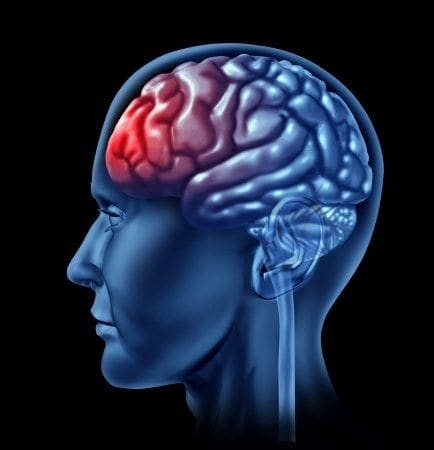
More than just confirming once again that adjusting the spine has an effect on the brain, this study indicates that adjustments impact the function of the prefrontal cortex. Haavik is particularly excited about what this implies:
�The latest study suggests that the changes that we do see in the brain when we adjust the spine do occur in the prefrontal�cortex. That part of the brain is like the conductor in the brain.�
The research shows that�when we adjust the spine, we significantly increase activity in the prefrontal cortex. �The study showed a change in brain function by almost 20% on average�. The prefrontal cortex is the area in the brain where higher learning and�cognition happens. Haavik explains:
�An effect on the function of the prefrontal cortex could explain many previous research results, such as improvements in sensorimotor function relevant to falls-prevention; better joint-position sense in both the upper limb and the lower limb; improved muscle strength in lower limb muscles; better pelvic floor control; and better ability to carry out mental rotation of objects.�
Chiropractors have long observed a wide variety of changes in the people under their care following adjustments. Along the wide spectrum of claims from those under care are those who say they feel better or focus better and those who notice improvements in movement and coordination. This study takes us a little further down the path of understanding why this could be.
These are important control mechanisms run by the prefrontal cortex. For example,�joint position sense is the brain�s ability to know where the arms and legs are in space. And mental rotation is important, because as Haavik explains:
�Being able to accurately perceive the world around you is a vital skill we need all day every day. To recognize some objects you may need to mentally rotate them. For example to recognize the letter p versus b if they were not upright you would need to rotate them in your mind to figure out which letter it was. We all do mentally rotate shapes and objects we see, but we may not often think about that we do it, or how important this is in our daily life.�
Haavik and her team are excited about the evidence regarding the location of changes post-adjustment.
�THIS IS SOLID SCIENTIFIC EVIDENCE THAT ADJUSTING THE SPINE CHANGES THE WAY THE PREFRONTAL CORTEX OF THE BRAIN IS PROCESSING INFORMATION FROM THE ARM. IT DEMONSTRATES WE CHANGE THE WAY THE BRAIN WORKS AND SHOWS THAT SPINAL FUNCTION IMPACTS BRAIN FUNCTION. ONE OF THE MOST INTERESTING THINGS ABOUT THE CHANGES WE OBSERVED WAS THAT THE PREFRONTAL CORTEX IS RESPONSIBLE FOR BEHAVIOR, GOAL DIRECTED TASKS, DECISION MAKING, MEMORY AND ATTENTION, INTELLIGENCE, PROCESSING OF PAIN AND EMOTIONAL RESPONSE TO IT, AUTONOMIC FUNCTION, MOTOR CONTROL, EYE MOVEMENTS AND SPATIAL AWARENESS.�
If, as this research suggests, adjusting improves prefrontal cortex activity, a part of the brain that is responsible for just so much higher level function, then what does this mean in terms of chiropractic�s impact on things like�behavior, decision making, memory and attention, intelligence, processing of pain and emotional response to it, autonomic function, motor control, eye movements and spatial awareness?
We already know that adjustments cause improvements in sensorimotor function relevant to falls-prevention; better joint-position sense in both the upper limb and the lower limb; improve muscle strength in lower limb muscles; better pelvic floor control; and better ability to carry out mental rotation of objects.
Why This Study Matters
Again, this study not only shows that when we adjust subluxations we change brain function. It changes�activity by 20% just by adjusting.
And this effect may be on the conductor in the brain.
This shows us that every time we�re adjusting someone, we�re having a big, positive effect on the brain. And a brain that�s functioning differently and conducting its activities better is sure to have an effect on the body.
Download a Poster
Keen to share�these amazing results with the people under your care in your practice?�Download a Poster�to use in practice.
What�s Next
The project�involved collaboration with researchers from Denmark, Canada and Australia.
We are proud to be able to facilitate studies like this one, as they help back our profession with peer-reviewed certainty.
Getting the word out to people in your practice is imperative. Knowledge is powerful, not just for chiropractors but for those whose lives have been touched by the power of chiropractic care. Too often, they know it works but they don�t know why.
Once again research shows adjusting the spine has an effect on the brain. This study indicates that adjustments impact the function of the prefrontal cortex.�For Answers to any questions you may have please call Dr. Jimenez at 915-850-0900
How a chiropractic adjustment works: A displaced or luxated vertebra is when the joint surfaces are completely separated. Subluxation is a partial or incomplete separation: one in which the articulating surfaces remain in partial contact. This latter condition is so often referred to and known by chiropractors as sub-luxation.
The relationship existing between bones and nerves are so nicely adjusted that anyone of the 200 bones, more especially those of the vertebral column, cannot be displaced ever so little without impinging upon adjacent nerves. Pressure on nerves excites, agitates, creates an excess of molecular vibration, whose effects, when local, are known as inflammation, when general, as fever.
A subluxation does not restrain or liberate vital energy. Vital energy is expressed in functional activity. A subluxation may impinge against nerves, the transmitting channel may increase or decrease the momentum of impulses, not energy.
�According to BJ Palmer, a subluxation represents a displaced bone that’s impinged on a nerve, which interferes with the transmission of vital nerve energy (or, more specifically, �mental impulses.�)�
For over hundred years, chiropractors have explained chiropractic medicine by teaching patients and the medical community that bones compress which irritate spinal nerves. The ensuing nervous system dysfunctions have negative effects on the function of peripheral nervous systems, central nervous systems and patients� overall ability to maintain homeostasis.
Essentially, they go into states of dis-ease.� These discussions were in large part due to the teachings of D.D. Palmer and B.J. Palmer as previously cited. Based on the results rendered in chiropractic offices across the country and in a patient-driven model of success, the general consensus in both private practice and chiropractic academia had been to maintain status quo and simply teach what has worked in the absence of conclusive evidence, particularly in light of a lack of serious governmental funding and support for chiropractic research.� In addition, dogma has also created blinders for many, as evidence evolves to further chiropractic and its understanding, application and expansion.
Research has been published and has begun to verify D.D. and B.J. Palmer�s hypotheses were correct. While clarifying the specific physiological mechanisms related to chiropractic�s ability to alleviate pain.� As a result of initially studying pain mechanisms, contemporary research has also begun to set the foundation for understanding why chiropractic works with systemic and autonomic dysfunction and potential disease treatment through the adjustment � central nervous system connection.
It is the understanding of that connection with pain that is helping people to begin to understand the full impact of the chiropractic spinal adjustment and render the evidence to help more get well.
CENTRAL NERVOUS SYSTEM & PAIN REDUCTION
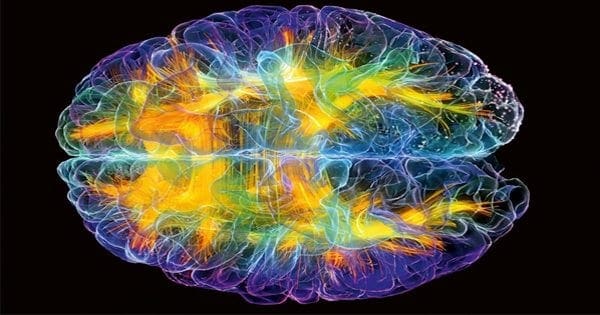
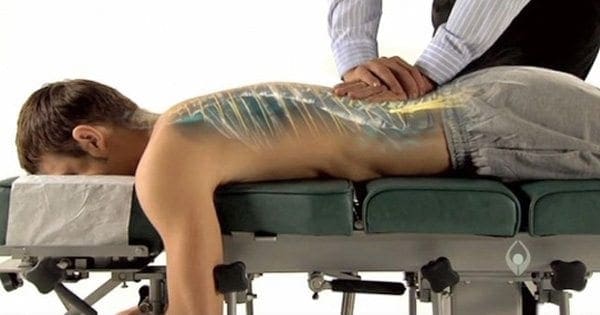
Reductions in pain sensitivity, or hypoalgesia, after spinal manipulative therapy or a chiropractic adjustment may point to a mechanism related to the central nervous system processing of pain.�These findings indicate that a chiropractic spinal adjustment affects the dorsal horns at the root levels which are located in the central nervous system.
This is the beginning of the �big picture� since once we identify the mechanism by which we can positively influence the central nervous system, we can then study that process and its effects in much more depth.
One question asked, does a chiropractic adjustment cause a general response of pain sensitivity or if the response is specific to the area where adjustment is applied? For example, changes in pain sensitivity over the cervical facets following a cervical spine SMT would indicate a local and specific effect while changes in pain sensitivity in the lumbar facets following a cervical spine SMT would suggest a general effect.�
We observed a favorable change for increased PPT [pressure pain threshold] when measured at remote anatomical sites and a similar, but non-significant change at local anatomical sites. These findings lend support to a possible general effect of SMT beyond the effect expected at the local region of SMT application.
The adjustment mechanism is theorized to result from both spinal cord mediated mechanisms and the brain. A recent model of the mechanisms of manual therapy suggests changes in pain related to SMT result from an interaction of neurophysiological responses related to the peripheral nervous system and the central nervous system at the spinal and supraspinal level.
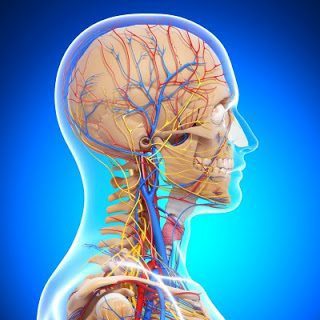
This demonstrates that�chiropractic adjustment influences the peripheral nervous system and the central nervous system.
ACTIVATION OF BRAIN & DESCENDING NERVE PATHWAYS BEYOND AREAS TREATED
CHIROPRACTIC ADJUSTMENT VS. SPINAL MOBILIZATION
Manual therapy has clinically shown to boost pressure pain thresholds (i.e., decrease sensitivity) in both symptomatic and asymptomatic subjects. Cervical spinal manipulation has been shown to result in unilateral as well as bilateral mechanical hypoalgesia.
Compared with no manual therapy, oscillatory spinal manual therapy at T12 and L4 produced significantly higher paraspinal pain thresholds at T6, L1, and L3 in individuals with rheumatoid arthritis.
The immediate and widespread hypoalgesia associated with manual therapy treatments has been attributed to alterations in peripheral and/or central pain processing including activation of descending pain inhibitory systems.
Manual therapy triggers the central nervous system which affects areas around those being treated.�Clinical studies show spinal manipulation or an adjustment alters the central processing of mechanical stimuli. This is proven by an increased pressure pain threshold and decreased pain sensitivity in asymptomatic and symptomatic subjects following manipulation.
The thalamus also regulates states of sleep and wakefulness which plays a major role in regulating arousal, the level of awareness, and activity (Thalamus�http://en.wikipedia.org/wiki/Thalamus).
Therefore, a�chiropractic adjustment reduces pain through the thalamus. �In addition, with current knowledge of chiropractic adjustment effecting the thalamus, we can begin to offer an explanation of how the first historically reported chiropractic adjustment by D.D. Palmer helped Harvey Lilard regain his hearing.
CHIROPRACTIC REDUCES PAIN IN MULTIPLE REGIONS DUE TO LOCAL AND CNS STIMULATION
Significant changes were observed on sensory parameters, supporting the hypothesis of centrally mediated effects of a single adjustment. This suggests that the�chiropractic spinal adjustment affects the nociceptors and the mechanoreceptors at the joint level causing central modulation of an effect at the cord and/or brain level(s) and pain reductions in multiple areas as a result.
AN ADJUSTMENT WILL CREATE HIGHER FUNCTION IN CORTICAL AREAS
MT or manual therapy/chiropractic adjustment reduce pain intensity and pain sensitivity. it is reasonable to assume that the underlying therapeutic effect of MT is likely to include a higher cortical component.
In other words, thoracic adjustments produced direct and measureable effects on the central nervous system across multiple regions, which in the case of the responsible for the processing of emotion (cingulate cortex, aka limbic cortex) are regarding the insular cortex which also responsible for regulating emotion as well has homeostasis.
The motor cortex is involved in the planning and execution of voluntary movements, the amygdala�s primary function is memory and decision making (also part of the limbic system), the somatosensory cortex is involved in processing the sense of touch (remember the homunculus) and, finally, the periaqueductal gray is responsible for descending pain modulation (the brain regulating the processing of painful stimuli).
Periaqueductal Gray � � � Ascending and descending spinothalamtic tracts carrying pain and temperature fibers
The global effects of a chiropractic adjustment simply put, the processing of pain may be modulated or regulated from an external force without the use of pharmacy or surgery? Pain is deeply tied to the most primitive regions of the central nervous system and it appears (as chiropractors have observed clinically for 116 years) that therapeutically speaking, we can have an influence on these higher centers with little or no side-effects.
Chiropractic spinal adjustments create functional changes in multiple regions of the brain. In addition, this has far reaching effects in setting the foundation for understanding how the adjustment works in systemic and possibly autonomic changes by being able to measure and reproduce functional changes within the brain as direct sequellae.
MUSCLE IMPAIRMENT CREATES CNS ALTERATIONS & THE�NECESSITY FOR BOTH SHORT-TERM & LONG-TERM�CHIROPRACTIC CARE
ADJUSTMENTS WORK � SPINAL MOBILIZATION DOES NOT
What this means is that there are observable changes in the function of the central nervous system seen in patients with musculoskeletal conditions.� That is something that chiropractors have observed clinically and shows the medical necessity for chiropractic care for both short and long term management as well as in the prevention of pain syndromes.
Evidence suggests that muscle damage occurs early in spinal complaints, and that such muscle damage does not automatically resolve even when pain symptoms improve. This has led some authors to suggest that the deficits in proprioception and motor control, rather than the pain itself, may be the main factors defining the clinical picture and chronicity of various chronic pain conditions.
This evidence suggests that chiropractic manipulation may have a positive neuromodulatory effect on the central nervous system, and this may play a role in the effect it has in the treatment of neck pain.
When the input signal is no longer encoded as a result of joint dysfunction and altered afferent input, the cerebellum must adjust to new encodings that dictate the body schema and affect proper execution of the motor task.
The significance is that it suggests that chiropractic adjustments improve neck dysfunction, and through plasty changes in the cerebellum, there is resultant motor learning and increased function.
CONCLUSION
Chiropractic adjustments influence the peripheral nervous system and the central nervous system. In the central nervous system, chiropractic spinal adjustments reduce pain by effecting the thalamus and descending central pain pathways.
The areas of the brain affected by chiropractic adjustments effect the following functions: emotions, learning, motivation, memory, consciousness, homeostasis, perception, motor control, self-awareness, cognitive function, voluntary movements, decision making, touch, temperature, pain of the skin- epithelial tissue-skeletal muscles-bones-internal organs and cardiovascular system.
For over hundred years, chiropractors have explained chiropractic medicine by teaching patients and the medical community that bones compress which irritate spinal nerves. People have begun�to understand the full impact of the chiropractic spinal adjustment and render the evidence to help more people get well.
IFM's Find A Practitioner tool is the largest referral network in Functional Medicine, created to help patients locate Functional Medicine practitioners anywhere in the world. IFM Certified Practitioners are listed first in the search results, given their extensive education in Functional Medicine