We’ve all seen the commercials, web ads, emails, etc�about the best pillow around. Getting a good night’s sleep can be a struggle these days and any type of physical aid is welcome, specifically a pillow. This is especially true of people with chronic, acute cervical neck/back and neuropathic pain.�
Stores carry various lines of pillows that all claim to be the best pillow for neck pain.
With all the different designs out there, choosing the right pillow for your way of sleeping can be a challenge. Dr. Jimenez takes a look at finding the right pillow that will help you sleep, stay asleep and wake up refreshed and with no neck/back pain.
Throughout the sleep cycle, and therefore has a big responsibility. This guide will help you find the right one to meet your sleep needs.
Sleeping position and the pillow can play a major role in comfort or pain.
Example – Stomach sleepers usually have the most neck pain. This is because the neck is turned to the side and the spine is arched.
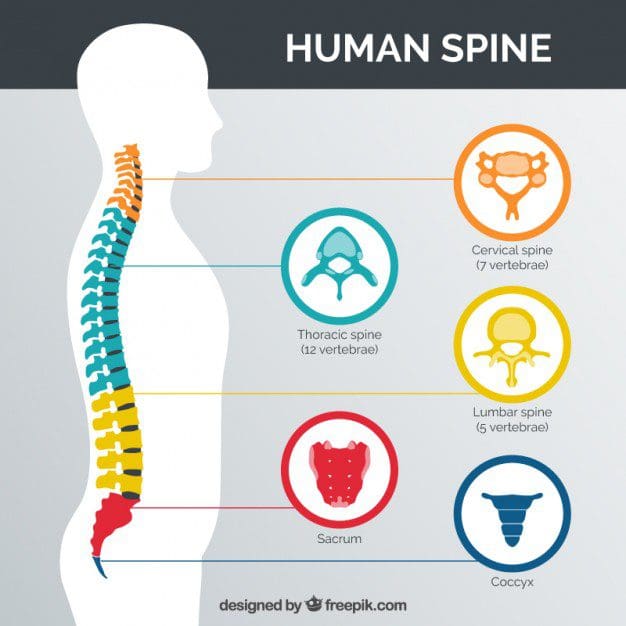
For relief, try sleeping either on your back or on the side. This along with a pillow that supports the neck and the natural curve of the spine.
Tips for Buying The Right One
These guidelines apply to anyone looking for a pillow that can support the spine. It should:
Keeps your spine naturally aligned meaning the head should rest directly over your shoulders and should not be propped up or pushed back too much
Can be adjusted for maximum support
Supports your head
Eliminates pressure on the cervical spine
Increases sleep duration
Hypoallergenic for those with allergies
Pillows come in all types and sizes, but don�t get it based on how it’s going to look on your bed. Take into account your body size and match that to the size of the pillow.
Picking Based On Your Sleep Position
Picking the right one for you and understanding how you sleep is important, as your sleep position can lead the way.
Stomach sleepers
Thin pillows are the way to go and sometimes not using a pillow at all could be beneficial.
Sleeping on your stomach puts more pressure on the lower back than any other sleeping position. Consider sleeping on your side/back or only sleep on your stomach for short periods then once comfortable switch to the side/back position.
Back sleepers
Thin pillows are also the way to go, but this pillow should have some lift at the bottom to help support your neck.
Memory foam is an option for back sleepers because it adjusts to your�head and neck shape.
Side sleepers
A firm pillow specifically one with a gusset or a piece of material that adds strength and thickness is more structured and can keep your spine aligned.
Specialty�
With severe spine pain or if pregnant, standard pillows do not work. There are specialty pillows that can provide comfort and pain relief.
Chiropractic
Known also as a cervical pillow, these can help if you have chronic neck or back pain that�s not allowing sleep. These are molded to your neck and keep your spine aligned during sleep, and come in a variety of styles and materials. A chiropractor can help you choose the right type and instruct you on how to use it correctly.
Pregnancy
These also come in different types but the aim is to provide support to your growing abdomen. Pregnancy pillows also come with extra body pillows designed to fit under the abdomen and between the knees supporting the entire body.
When To Replace Your Pillow
It is recommended that individuals should replace every 18 months to 2 years depending on how aggressively you sleep.
Using a pillow beyond its lifespan means there is no longer support for your spine which can exacerbate and create new injuries.
How to tell when a pillow is done its duty, fold it in half. If the pillow stays and does not return to the original position is a good indicator that it�s time for a new pillow.
El Paso, TX Neck Pain Chiropractic Treatment
Sleep allows your body to heal and the spine to rejuvenate. It helps you handle stress better and manage pain more effectively. It is an essential part of good health so making sure that you get good quality sleep should be a priority � and it is possible.
NCBI Resources
The�position that you sleep in can help relieve your back pain, but getting good quality sleep will help you manage your pain much better so it should be your goal to get proper sleep every night. And you should change it out on a regular basis.
They can get worn and no longer deliver the support they once did. If you are waking up with neck or back pain or headaches, it could be your pillow. Additionally, studies show that making your bed every day improves your quality of sleep. Make sure that the temperature is comfortable and avoid electronic devices for about an hour before bedtime. Be kind to your spine and make sleep�a priority.
The human nervous system is made up of two parts: the central nervous system, which includes the brain and the spinal cord, and the peripheral nervous system, which includes the connection nerves running from the brain and the spinal cord to the rest of the human body, including the hands and the feet.
Many patients with neuropathy may experience a variety of painful symptoms due to nerve damage or injury. But, with the proper treatment approach, neuropathy can be effectively treated and even reversed. Diagnosis of neuropathy is fundamental towards proper treatment. Dr. Alex Jimenez, a chiropractor in El Paso, TX, can help patients with neuropathy.
Peripheral Neuropathy Causes & Symptoms | El Paso, TX (2019)
Neuropathy is a medical term used to describe a collection of general diseases or malfunctions which affect the nerves. The causes of neuropathy, or nerve damage, can vary greatly among each individual and these may be caused by a number of different diseases, injuries, infections, and even vitamin deficiency states. However, neuropathy can most commonly affect the nerves that control the motor and sensory nerves. Because the human body is composed of many different kinds of nerves which perform different functions, nerve damage is classified into several types.
Neuropathy can also be classified according to the location of the nerves being affected and according to the disease-causing it. For instance, neuropathy caused by diabetes is called diabetic neuropathy. Furthermore, depending on which nerves are affected will depend on the symptoms that will manifest as a result. Below we will discuss several specific types of neuropathies clinically treated by chiropractors, physical therapists and physical medicine doctors alike, as well as briefly describing their causes and their symptoms.
Peripheral neuropathy, which is often simply referred to as �neuropathy,� is a state that happens when your nerves become damaged or injured, oftentimes simply disrupted. It�s estimated that neuropathy affects roughly 2.4 percent of the general populace and approximately 8 percent of people older than age 55. However, this quote doesn�t include people affected by neuropathy caused by physical trauma to the nerves.
Types
Neuropathy can affect any of the three types of peripheral nerves:
Sensory nerves, which transmit messages from the sensory organs, eyes, nose to the brain
Motor nerves, which track the conscious movement of the muscles
Autonomic nerves, which regulate the involuntary functions of the body
Sometimes, neuropathy will only impact one nerve. This is medically referred to as mononeuropathy and instances of it include:
Ulnar neuropathy, which affects the elbow
Radial neuropathy, which affects the arms
Peroneal neuropathy, which affects the knees
Femoral neuropathy, which affects the thighs
Cervical neuropathy, which affects the neck
Sometimes, two or more isolated nerves in separate regions of the body can become damaged, injured or disrupted, resulting in mono neuritis multiplex neuropathy. Most often, however, multiple peripheral nerves malfunction at the same time, a condition called polyneuropathy. According to the National Institute for Neurological Disorders and Stroke, or the NINDS, there are over 100 kinds of peripheral neuropathies.
Causes
Neuropathies are often inherited from birth or they develop later in life. The most frequent inherited neuropathy is the neurological disease Charcot-Marie-Tooth disease, which affects 1 in 2,500 people in the USA. Although healthcare professionals are sometimes not able to pinpoint the exact reason for an acquired neuropathy, medically referred to as idiopathic neuropathy, there are many known causes for them, including systemic diseases, physical trauma, infectious diseases, and autoimmune disorders.
A systemic disease is one which affects the whole body. The most frequent systemic cause behind peripheral neuropathy is diabetes, which can lead to chronically high blood glucose levels that harm nerves.
Other systemic issues can cause neuropathy, including:
Kidney disorders, which permit high levels of nerve-damaging toxic chemicals to flow in the blood
Toxins from exposure to heavy metals, including arsenic, lead, mercury, and thallium
Certain drugs and/or medications, including anti-cancer medications, anticonvulsants, antivirals, and antibiotics
Chemical imbalances because of liver ailments
Hormonal diseases, including hyperthyroidism, which disturbs metabolic processes, potentially inducing cells and body parts to exert pressure on the nerves
Deficiencies in vitamins, such as E, B1 (thiamine), B6 (pyridoxine), B12, and niacin, that can be vital for healthy nerves
Alcohol abuse, which induces vitamin deficiencies and might also directly harm nerves
Cancers and tumors that exert damaging pressure on nerve fibers and pathways
Chronic inflammation, which can damage protective tissues around nerves, which makes them more vulnerable to compression or vulnerable to getting inflamed and swollen
Blood diseases and blood vessel damage, which may damage or injure nerve tissue by decreasing the available oxygen supply
Signs and Symptoms of Neuropathy
Depending on the reason and unique to each patient, signs, and symptoms of neuropathy can include:
Pain
Tingling
Burning/prickling sensations
Increased sensitivity to touch
Muscle weakness
Temporary or permanent numbness;
Paralysis
Dysfunction in glands or organs
Impairment in urination and
Sexual function
Such signs and symptoms are dependent on whether autonomic, sensory, or motor nerves, as well as a combination of them, are ultimately affected. Autonomic nerve damage can influence physiological functions like blood pressure or create gastrointestinal problems and issues. Damage or dysfunction in the sensory nerves may impact sensations and sense of equilibrium or balance, while harm to motor nerves may affect movement and reflexes. When both sensory and motor nerves are involved, the condition is known as sensorimotor polyneuropathy.
Complications
Peripheral�neuropathy�may result in several complications, as a result of disease or its symptoms. Numbness from the ailment can allow you to be less vulnerable to temperatures and pain, making you more likely to suffer from burns and serious wounds. The lack of sensations in the feet, for instance, can make you more prone to developing infections from minor traumatic accidents, particularly for diabetics, who heal more slowly than other people, including foot ulcers and gangrene.
Furthermore, muscle atrophy may cause you to develop particular physical disfigurements, such as pes cavus, a condition marked by an abnormally high foot arch, and claw-like deformities in the feet and palms.
We are blessed to present to you�El Paso�s Premier Wellness & Injury Care Clinic.
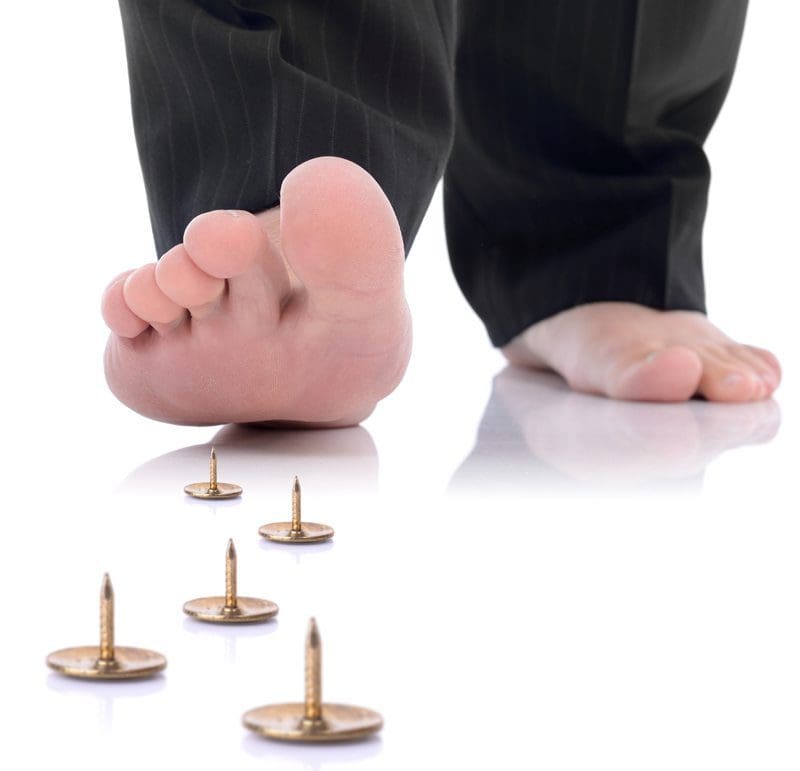
Neuropathy can be caused by a variety of injuries and/or aggravated conditions, often manifesting into a plethora of associated signs and symptoms. While every type of neuropathy, such as diabetic neuropathy or autoimmune disease-associated neuropathy, develops its own unique group of signs and symptoms, many patients will often report common complaints. Individuals with neuropathy generally describe their pain as stabbing, burning or tingling in character.
If you experience unusual or abnormal tingling or burning sensations, weakness and/or pain in your hands and feet, it�s essential to seek immediate medical attention in order to receive a proper diagnosis of the cause of your specific signs and symptoms. Early diagnosis may help prevent further nerve injury. Visit http://www.neuropathycure.org�for more details.
Pain and discomfort, tingling sensations, burning sensations, numbness, and even balance problems are common symptoms associated with peripheral neuropathy. Dr. Valerie Monteiro, leading expert on peripheral neuropathy and recovery. Peripheral neuropathy is a health issue resulting from damage or injury to the nerves in the arms, hands, legs, and feet.
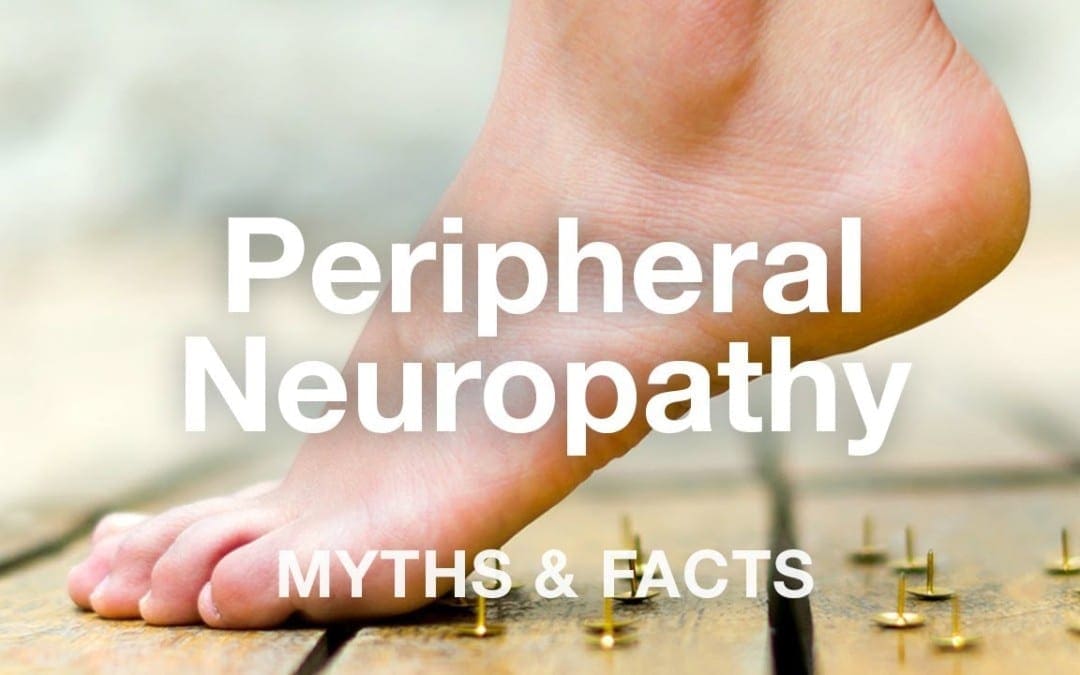
Dr. Valerie Monteiro discusses the 5 most common myths associated with peripheral neuropathy symptoms. Peripheral neuropathy can be treated utilizing the proper treatment approach. Dr. Alex Jimenez, a chiropractor in El Paso, TX, can also help patients with peripheral neuropathy, among other health issues.
Peripheral Neuropathy Myths & Facts | El Paso, TX (2019)
Neuropathy�affects about 8 percent of individuals over the age of 55. Your nervous system is composed of 2 parts: the central nervous system and the peripheral nervous system. The nerves of your peripheral nervous system transmit messages between your central nervous system, that is your brain and spinal cord, along with the rest of the body.
These nerves regulate a massive range of functions throughout the body, such as voluntary muscle movement, involving the motor nerves, involuntary organ action, through the autonomic nerves, and also the perception of stimuli, involving the sensory nerves.
Peripheral neuropathy, which is often simply referred to as �neuropathy,� is a state that happens when your nerves become damaged or injured, oftentimes simply disrupted. It�s estimated that neuropathy affects roughly 2.4 percent of the general populace and approximately 8 percent of people older than age 55. However, this quote doesn�t include people affected by neuropathy caused by physical trauma to the nerves.
Neuropathy Types
Neuropathy can affect any of the three types of peripheral nerves:
Sensory nerves, which transmit messages from the sensory organs, eyes, nose to your brain
Motor nerves, which track the conscious movement of your muscles
Autonomic nerves, which regulate the involuntary functions of your own body
Sometimes, neuropathy will only impact one nerve. This is medically referred to as mononeuropathy and instances of it include:
Ulnar neuropathy, which affects the elbow
Radial neuropathy, which affects the arms
Peroneal neuropathy, which affects the knees
Femoral neuropathy, which affects the thighs
Cervical neuropathy, which affects the neck
Sometimes, two or more isolated nerves in separate regions of the body can become damaged, injured or disrupted, resulting in mono neuritis multiplex neuropathy. Most often, however, multiple peripheral nerves malfunction at the same time, a condition called polyneuropathy. According to the National Institute for Neurological Disorders and Stroke, or the NINDS, there are over 100 kinds of peripheral neuropathies.
Neuropathy Causes
Neuropathies are often inherited from birth or they develop later in life. The most frequent inherited neuropathy is the neurological disease Charcot-Marie-Tooth disease, which affects 1 in 2,500 people in the USA. Although healthcare professionals are sometimes not able to pinpoint the exact reason for an acquired neuropathy, medically referred to as idiopathic neuropathy, there are many known causes for them, including systemic diseases, physical trauma, infectious diseases, and autoimmune disorders.
A systemic disease is one which affects the whole body. The most frequent systemic cause behind peripheral neuropathy is diabetes, which can lead to chronically high blood glucose levels that harm nerves.
A number of other systemic issues can cause neuropathy, including:
Kidney disorders, which permit high levels of nerve-damaging toxic chemicals to flow in the blood
Toxins from exposure to heavy metals, including arsenic, lead, mercury, and thallium
Certain drugs and/or medications, including anti-cancer medications, anticonvulsants, antivirals, and antibiotics
Chemical imbalances because of liver ailments
Hormonal diseases, including hyperthyroidism, which disturbs metabolic processes, potentially inducing cells and body parts to exert pressure on the nerves
Deficiencies in vitamins, such as E, B1 (thiamine), B6 (pyridoxine), B12, and niacin, that can be vital for healthy nerves
Alcohol abuse, which induces vitamin deficiencies and might also directly harm nerves
Cancers and tumors that exert damaging pressure on nerve fibers and pathways
Chronic inflammation, which can damage protective tissues around nerves, which makes them more vulnerable to compression or vulnerable to getting inflamed and swollen
Blood diseases and blood vessel damage, which may damage or injure nerve tissue by decreasing the available oxygen supply
Neuropathy Complications
Peripheral�neuropathy�may result in several complications, as a result of disease or its symptoms. Numbness from the ailment can allow you to be less vulnerable to temperatures and pain, making you more likely to suffer from burns and serious wounds. The lack of sensations in the feet, for instance, can make you more prone to developing infections from minor traumatic accidents, particularly for diabetics, who heal more slowly than other people, including foot ulcers and gangrene.
Furthermore, muscle atrophy may cause you to develop particular physical disfigurements, such as pes cavus, a condition marked by an abnormally high foot arch, and claw-like deformities in the feet and palms.
We are blessed to present to you�El Paso�s Premier Wellness & Injury Care Clinic.
It is essential for people with this condition to not take the simple symptoms like numbness lightly as it can cause some serious problems with time. For example, if you are feeling a sensation of numbness in your feet then you will not realize it if you even step on broken glass. For this reason, you must never ignore even the simplest of the symptoms as it can lead to severe results. You must visit http://www.neuropathycure.org�for more details.
Hiking�with the family and you twist your ankle. It hurts, but you make it back without much problem. You notice you have some swelling and soreness, so you head home for some R.I.C.E. (rest, ice, compression, elevation).
You pass it off, saying, �Oh, it�s just a sprain.� But when your doctor checks you out the next day, he tells you that it is �strained.� Sprain vs. strain, what�s the difference?
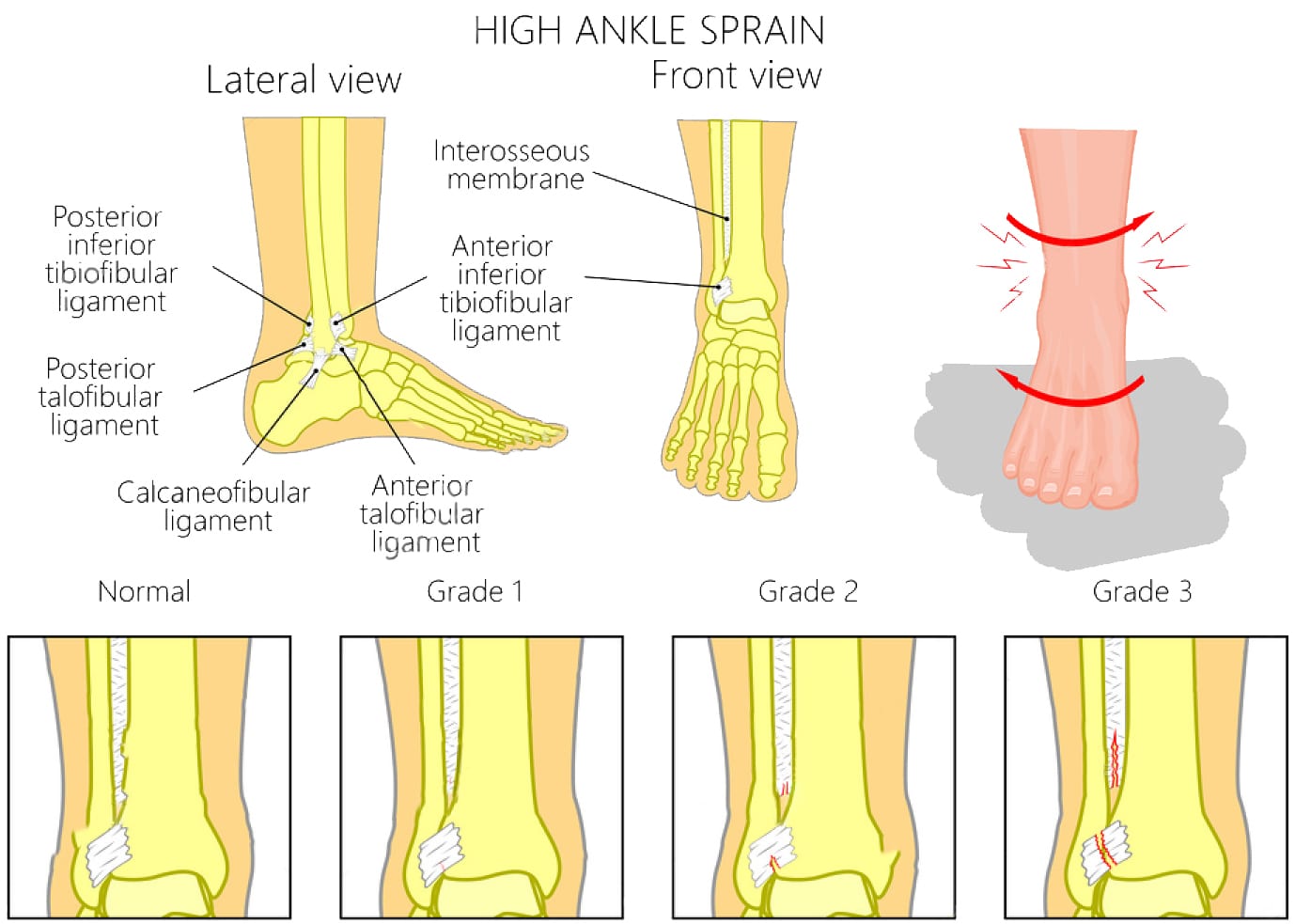
While many people use the two terms interchangeably, they are not the same. There are some distinct differences although many of the symptoms are almost identical. In short, when a ligament is injured, it is called a sprain. When a muscle or tendon is injured, it is called a strain.
What Exactly are Sprains & Strains?
Ligaments are tough bands of tissue that connect two bones as they sit in a joint. For example, the tibia and fibula come together to fit in the ankle joint. Tendons join those two bones together to keep the ankle stable. A joint sprain occurs when these ligaments are torn or overstretched. The ankle is the most commonly sprained joint.
Tendons are cords of tissue made up of a dense network of fibers. They connect the muscle to the bone. A joint strain occurs when the tendons or muscles tear or overstretch. The lower back and hamstrings are the most common areas for muscle strain.
Both injuries are very similar, so it stands to reason that the symptoms of the injuries are also almost identical. This is why they are so commonly confused.
Symptoms of Sprains & Strains
The symptoms for each condition is very similar, but there are some differences.
Symptoms of Sprains include:
Pain around the area that is affected
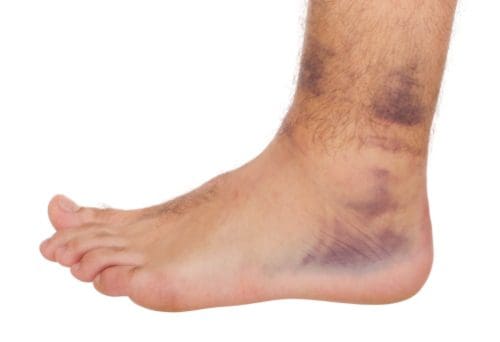
Bruising in the affected area
Swelling in the immediate area but can expand to encompass more area
Limited range of motion
Decreased flexibility
Symptoms of Strains include:
Pain at the site of the joint that is affected
Muscle spasm
Swelling in the immediate area but can expand to encompass more area
Limited range of motion
Decreased flexibility
As you can see, the symptoms of sprains and strains are very close. The primary differences though are that bruising may occur with a sprain while a strain may elicit muscle spasms in the muscle that is affected.
What Causes Sprains and Strains?
Experiencing a sprain or strain every once in a while is not out of the ordinary. We put our bodies through a lot in a day. However, certain activities can make you more susceptible to movements that can lead to these injuries. They include:
Exercise or athletic activities, especially those that are high impact
Walking
Repetitive motion for a long period of time
Overexertion
Jogging or running
Slipping or falling
Standing or sitting in an unnatural or awkward position
Walking or running on unstable surfaces, like rocks or ice
Lifting objects that are too heavy
The most common areas for these injuries include:
Back
Ankle
Wrist
Knee
Thumb
How to Avoid Sprains and Strains
Sometimes injuries just happen and there�s nothing you can do about it. However, in most cases, you can take proactive steps to minimize your risks. These are some of the most common risk factors:
Being in poor physical condition
Using proper form when exercising
Failing to warm up before activities like exercising
Not using the right equipment for your workout or sporting activity.
Maintaining a hazardous environment at home, such as clutter on the floor or things you can trip over or slip on.
Fatigue or overly tired
Failure to avoid hazardous areas like floors that are wet and slippery or sidewalks that are iced over and slick.
If you have a sprain or strain and notice that the swelling has not subsided or if you still have pain after a week or so, you need to follow up with your doctor to make sure you don�t have a more severe injury.
*Sciatica Pain* Treatment Relief | El Paso, TX (2019)
After a slip-and-fall accident,�Aracely Norte was limited�in her ability to work, that affected her quality of life. Due to chronic pain, Aracely had difficulty engaging in regular, everyday responsibilities. After hearing about El Paso, TX. Chiropractor, Dr. Alex Jimenez, from her lawyer, Aracely found relief from her chronic pain. Aracely describes how Dr. Jimenez cared for her injuries while he educated her about her health issues and the treatment he provided her with. Aracely highly recommends Dr. Jimenez as the non-surgical choice for chronic pain. Chronic pain is a common issue which can occur due to a variety of reasons, including injuries and underlying conditions, however, chiropractic care can help eliminate chronic pain symptoms.�
Chiropractic Rehab
We are blessed to present to you�El Paso�s Premier Wellness & Injury Care Clinic.
As El Paso�s Chiropractic Rehabilitation Clinic & Integrated Medicine Center,�we passionately are focused on treating patients after frustrating injuries and chronic pain syndromes. We focus on improving your ability through flexibility, mobility and agility programs tailored for all age groups and disabilities.
We want you to live a life that is fulfilled with more energy, positive attitude, better sleep, less pain, proper body weight and educated on how to maintain this way of life. I have made a life of taking care of every one of my patients.
I assure you, I will only accept the best for you�
If you have enjoyed this video and we have helped you in any way, please feel free to subscribe and recommend�us.
Patients who go straight home from the hospital following hip or knee replacement surgery recover as well as, or better than, those who first go to a rehabilitation center, new research indicates.
And that includes those who live alone without family or friends, one of three studies shows.
“We can say with confidence that recovering independently at home does not put patients at increased risk for complications or hardship, and the vast majority of patients were satisfied,” said that study’s co-author, Dr. William Hozack. He is an orthopaedic surgery professor with the Rothman Institute at the Thomas Jefferson University Medical School in Philadelphia.
Hozack noted that while in the past it was “not uncommon for patients to enter a rehabilitation facility in order to receive additional physical therapy,” most patients today do not end up going to a secondary facility. In fact, roughly 90 percent of Hozack’s joint replacement patients are discharged directly home following surgery, he said. “Considerable evidence has now shown that most patients do just as well at home,” he noted.
Hozack and his colleagues are scheduled to present their findings in San Diego at a meeting of the American Academy of Orthopaedic Surgeons (AAOS).
Home Recovery Following Surgery
Two other studies being presented at the meeting also found that recovering at home may be the better option.
One study found that patients who are discharged directly home following a total knee replacement face a lower risk for complications and hospital readmission than those who first go to an inpatient rehab facility. The study was led by Dr. Alexander McLawhorn, an orthopaedic hip and knee surgeon at the Hospital for Special Surgery in New York City.
McLawhorn was also part of a second Hospital for Special Surgery study, led by Michael Fu. That study found that hip replacement patients admitted to an inpatient facility rather than being sent home faced a higher risk for respiratory, wound and urinary complications, and a higher risk for hospital readmission and death.
Dr. Claudette Lajam is chief orthopaedic safety officer with NYU Langone Orthopaedics in New York City. She was not involved with the studies, but agrees that home recovery is the best option for most patients.
“The home setting is the single best way to get people back into their routines as quickly as possible after surgery,” she said. “In some cases, this cannot be done,” Lajam acknowledged. “Some patients live in settings that are inaccessible, [such as] a 5th-floor walk-up apartment where the patient would need to go downstairs to let the visiting nurse and therapist in the door.” For some patients, anxiety about the recovery process could also pose a challenge, she added. But “being in an institutional setting after surgery only reinforces the idea that the patient is ‘sick,’ ” Lajam added. “We have learned that this type of thinking slows down recovery. We want our total joint patients to start using their new joints as quickly as possible, and staying in bed at a nursing facility is not the way to do this.”
Hozack and his colleagues set out to see whether patients who live alone fare as well as those who live with others. All 769 patients enrolled in the study by Hozack’s team went home following either a total hip replacement or a total knee replacement. Of those, 138 lived alone (about 18 percent). Once home, all were assessed on multiple levels, including functionality (ability to move); pain levels; hospital readmissions; emergency department visits; unscheduled doctor visits; dependency on assisted-walking devices; and time before returning to work or being able to drive again.
Hozack’s team observed no differences by any measure. And while those who lived with others indicated relatively higher satisfaction levels at the two-week mark, by the three-month point there was no appreciable difference between the two groups.
“We feel that giving patients back their independence early on is the best way to promote a safe and effective recovery,” said Hozack. His team concluded that single-household patients who go straight home can expect to fare as well as those who have live-in support.
A recent Mayo Clinic study calculated that between 2000 and 2010, the number of Americans who underwent hip replacement surgery more than doubled, rising from just under 140,000 to more than 310,000 per year.
Meanwhile, AAOS figures indicate that in 2010 more than 650,000 knee replacement procedures were performed, with about 90 percent involving total knee replacement. AAOS estimates from 2014 show that 4.7 million Americans now live with an artificial knee and 2.5 million have an artificial hip.
Findings presented at meetings should be viewed as preliminary until published in a peer-reviewed journal.
SOURCES: William J. Hozack, M.D., professor of orthopaedic surgery, Rothman Institute, Thomas Jefferson University Medical School, Philadelphia; Claudette Lajam, M.D. assistant professor and chief orthopedic safety officer, NYU Langone Orthopedics, New York City; March 14-18, 2017 presentations, American Academy of Orthopaedic Surgeons meeting, San Diego
The scope of our information is limited to chiropractic and spinal injuries and conditions. To discuss options on the subject matter, please feel free to ask Dr. Jimenez or contact us at 915-850-0900 .
Additional Topics: What is Chiropractic?
Chiropractic care is a safe and effective, alternative treatment option utilized to diagnose, treat and prevent a variety of injuries and conditions associated with the musculoskeletal and nervous system. A chiropractor, or doctor of chiropractic, commonly uses spinal adjustments or manual manipulations to help correct the spine and it’s surrounding structures, improving and maintaining the patient’s strength, mobility and flexibility.
When it comes to stress, people who live busy lives are often caught in a vicious cycle. Your responsibilities and various life obligations cause you a lot of stress, and you simply don�t have time to take the measures to counteract and manage said stress. Though you�ll unlikely find the level of calm and peace of mind that someone without a ton of stressors feels, there are ways to better manage your time and some healthy habits you can do with a busy schedule in order to help reduce that stress level. Here are some tips.
It all starts with sleep
Everybody needs enough sleep to maintain overall mental and physical wellness. �Enough� means different things for different people, but if you aren�t getting the amount of sleep that your body requires, it�ll start to let you know – cruelly if necessary. Some that live busy lives feel that they can cut back on the amount of sleep they get in order to fit more actionable hours into the day – either by going to bed later or waking up earlier. One healthy habit you can bestow upon yourself is to not sacrifice your sleep.
�Sleep is so crucial that even slight sleep deprivation or poor sleep can affect memory, judgment and mood.3 In addition to feelings of listlessness, chronic sleep deprivation can contribute to health problems, from obesity and high blood pressure,� says the American Psychological Association.
Yeah. It�s that important.
Stress can often lead to sleep issues, and those with busy lives find themselves unable to get quality sleep even when they want to it. It�s important not to turn to drugs or alcohol to force sleep – as they are habit forming. More healthy options include meditation, daily exercise, and turning your bedroom into a �sleep only� room. This means leaving the TV, computer, work emails, and Facebook out of your bedroom. Once your brain is trained to sleep and sleep only� when you�re in bed, you�ll begin to experience better quality sleep.
Fit exercise into your lunch break
Whether it�s a long walk, a 15-minutes workout routine, or just some push-ups in your office, make it habit to fit some exercise into your lunch break every single day.
�It doesn’t take 30 minutes or an hour to eat. So make your lunch break productive,� notes Inc.com. �It doesn’t matter what you do as long as you do something. You’ll burn a few calories, burn off some stress, and feel better when you climb back into the work saddle. And you’ll start to make fitness a part of your daily lifestyle without having to add to your already busy schedule.�
Make time for one-on-one time with yourself
Far away from the distractions of daily life – from work emails to family and relationship obligations – there exists a magical place where you can be alone with your own thoughts. Some may find this sort of daily privacy ludicrous, but it is incredibly important.
Meditation is a great way to reduce stress and give yourself that alone time you need to recharge. It also provides you with the tools you need to stay strong in the face of bad habits.
�Meditating daily will strengthen your willpower muscle. Your urges won�t disappear, but you will be better equipped to manage them. And you will have experience that proves to you that the urge is only a suggestion. You are in control,� notes Harvard Business Review.
With just three easy, free new habits – sleeping better, exercising, and meditating – you can begin a new path to overall mental and physical wellness. By practicing mindfulness, you can better manage the various stressors in your busy life and develop peace of mind that doesn�t rely on substances or other unhealthy habits.
IFM's Find A Practitioner tool is the largest referral network in Functional Medicine, created to help patients locate Functional Medicine practitioners anywhere in the world. IFM Certified Practitioners are listed first in the search results, given their extensive education in Functional Medicine