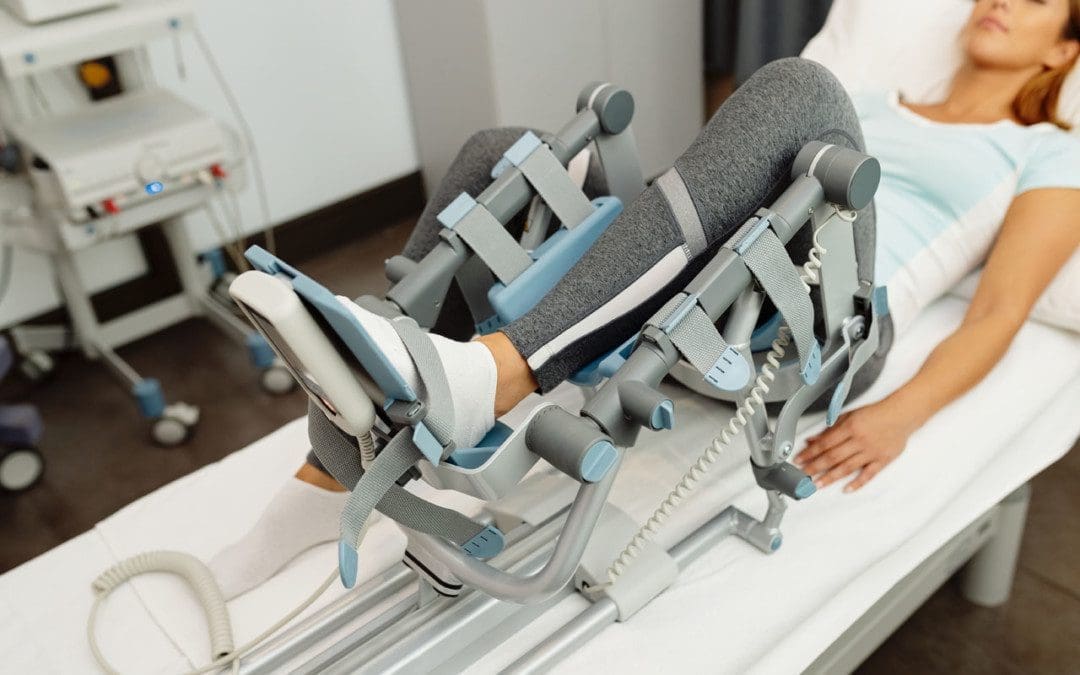
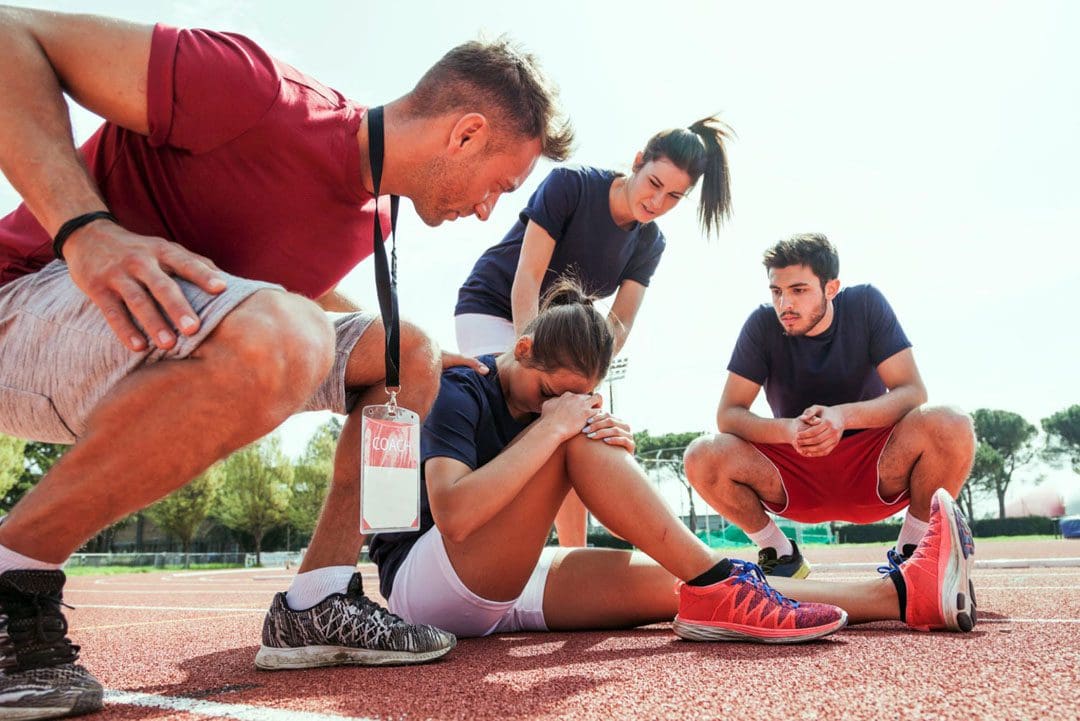
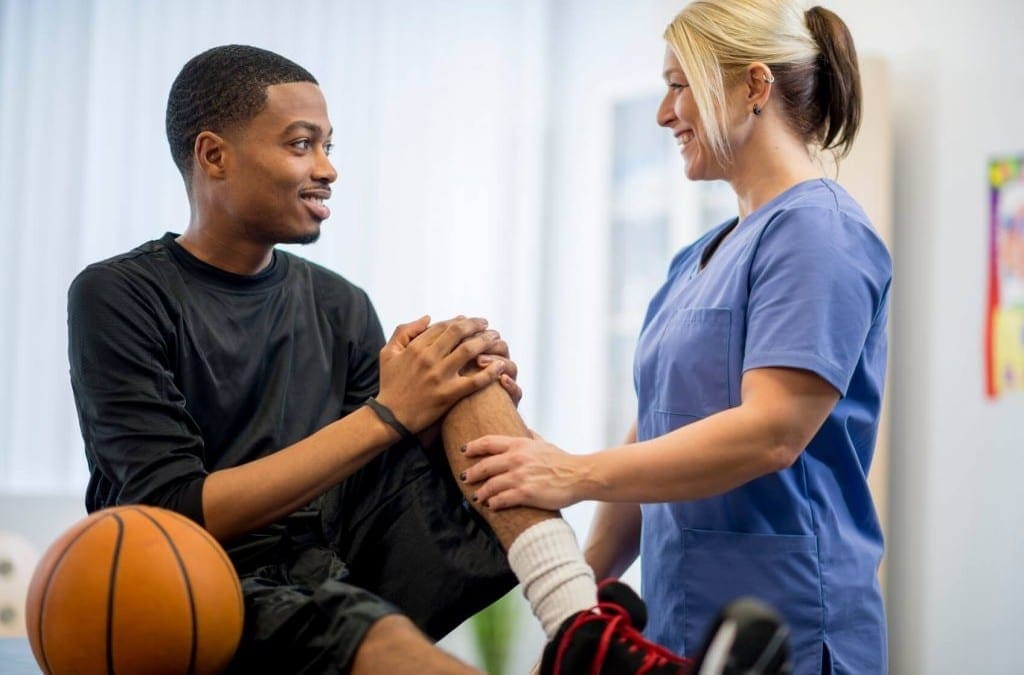
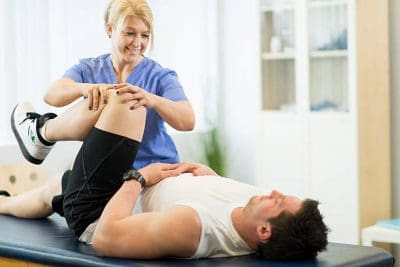
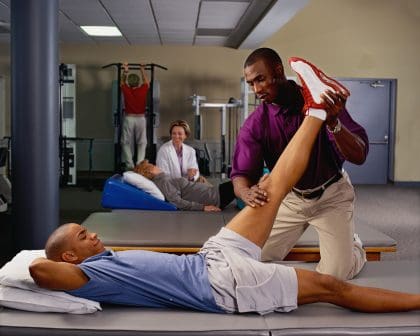
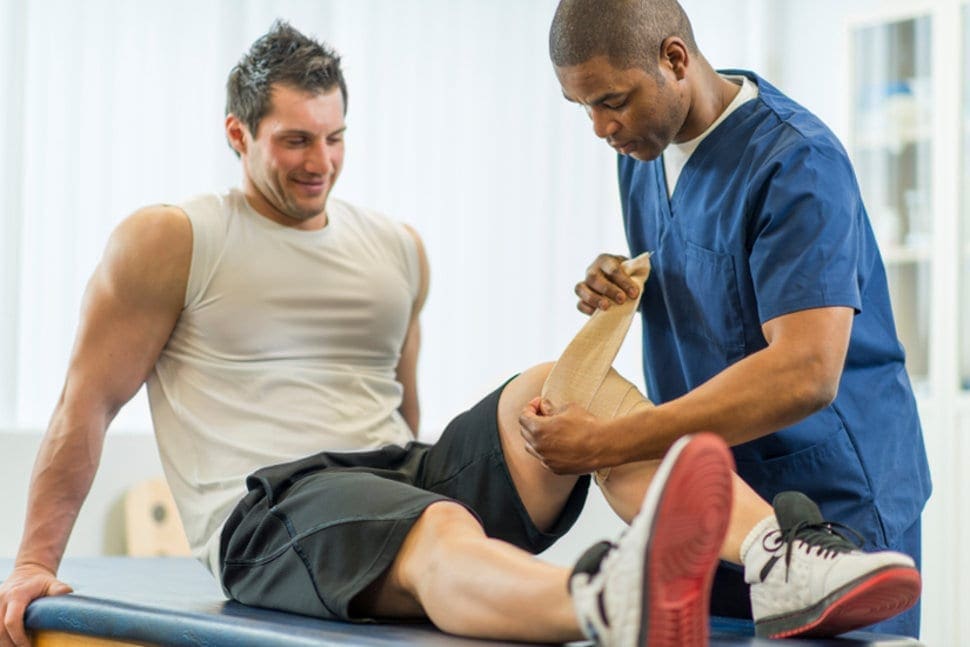
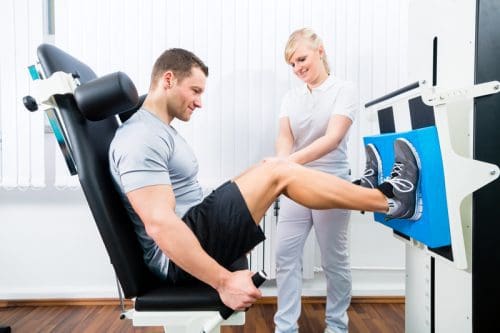
Athletes, pros, semi-pros, weekend warriors, fitness enthusiasts, and physically active and healthy individuals can feel cheated when they suffer an injury. Sports injury recovery involves rest, physical therapy, chiropractic realignment, and rehabilitation. However, it can be all for naught if the individual doesn’t recover mentally and emotionally. Coping with the stress of an injury, being sidelined and moving beyond the negative, and focusing more on positive strategies is important and requires physical and psychological toughness.
Coping With Sports Injuries
Incorporating sports psychology techniques is importantas individuals can experience injury-related emotions like anxiety, sadness, frustration, anger, denial, isolation, and depression. Dealing with an injury and using the off time to reflect and gain new perspectives allows the athlete to improve their objectives by being more focused, flexible, and resilient.
Strategies That Can Help
Understand The Injury
Knowing the cause, treatment, and prevention of the specific injury results in deeper understanding and less fear or anxiety. Talking with a doctor, sports chiropractor, trainer, coach, and psychological therapist can help individuals learn what they need to do to recover quickly and optimally. A few things to consider the following include:
Getting a second opinion is recommended, especially if surgery is being advised.
Focus On Recovering
Instead of focusing on being unable to play, losing strength, relearning movements, and the length of time it may take, accepting that the body is injured and needs to be repaired to return to play is more beneficial. Taking responsibility for the recovery process generates positive outcomes and builds confidence.
Stay Committed
Getting discouraged and missing therapy sessions is expected, especially at the beginning when unable to perform, and pain symptoms are presenting. To get the most out of rehabilitation, stay focused on what needs to be done, not what’s being missed.
To expedite healing, stay committed, and maintain a positive attitude to overcoming the injury.
Apply the same mindset and motivation as you would when practicing the game to the treatment and therapy sessions.
Listen to what the doctor, chiropractor, therapist, and athletic trainer recommend, just as you would a coach.
Set small goals to build momentum and maintain balance, with the end goal of fully recovering and returning to the game.
Self-talk is important to reflect on progress, setbacks, new perspective on the game, and what you want to achieve.
Strengthen the Mind
Research shows that the healing process can happen faster by using mental techniques like imagery and self-hypnosis. These techniques use all senses to generate mental images, emotions, and sensations of the desired outcome. They are used for improving sports skills and techniques, game anxieties, and injury recovery.
Support
A common response after an injury is self-isolating from the team, coaches, family, and friends. However, maintaining contact with others during recovery is highly recommended as all these individuals are there when you need advice, to vent feelings, or to raise your spirits when feeling discouraged. Knowing you don’t have to face the injury alone can push you to keep going.
Alternate Fitness
Individuals going through injury treatment will undoubtedly go through physical strengthening, stretching, etc. But depending on the type of injury, individuals can modify their sports training or add safe and gentle alternate forms of exercise to maintain conditioning and strength for their sport. This can encourage recovery, as the individual is still participating and working to return to play. Talk with the doctor, chiropractor, trainer, or therapist to help create an alternative workout program around the specific sport.
With a proper diagnosis and treatment plan, taking rehabilitation and recovery slow, setting realistic goals, and maintaining a positive mindset, coping with injuries can be a successful learning journey.
Unlocking Pain Relief
References
Clement, Damien, et al. “Psychosocial responses during different phases of sport-injury rehabilitation: a qualitative study.” Journal of athletic training vol. 50,1 (2015): 95-104. doi:10.4085/1062-6050-49.3.52
Johnson, Karissa L, et al. “Exploring the Relationship Between Mental Toughness and Self-Compassion in the Context of Sports Injury.” Journal of sport rehabilitation vol. 32,3 256-264. 1 Dec. 2022, doi:10.1123/jsr.2022-0100
Leguizamo, Federico et al. “Personality, Coping Strategies, and Mental Health in High-Performance Athletes During Confinement Derived From the COVID-19 Pandemic.” Frontiers in public health vol. 8 561198. 8 Jan. 2021, doi:10.3389/fpubh.2020.561198
Rice, Simon M et al. “The Mental Health of Elite Athletes: A Narrative Systematic Review.” Sports medicine (Auckland, N.Z.) vol. 46,9 (2016): 1333-53. doi:10.1007/s40279-016-0492-2
Smith, A M et al. “The psychological effects of sports injuries. Coping.” Sports medicine (Auckland, N.Z.) vol. 9,6 (1990): 352-69. doi:10.2165/00007256-199009060-00004
How does pain become chronic? Pain can be a complex condition, as it involves both physiological and psychological components. When an individual experiences an injury, the damaged tissues trigger and send pain signals to the brain. This is how the body alerts that there is something wrong, and thus prevents further damage. Those pain signals travel to the brain, stimulate the nerves, and cause a sensation known as pain.
�
Nerves and the brain
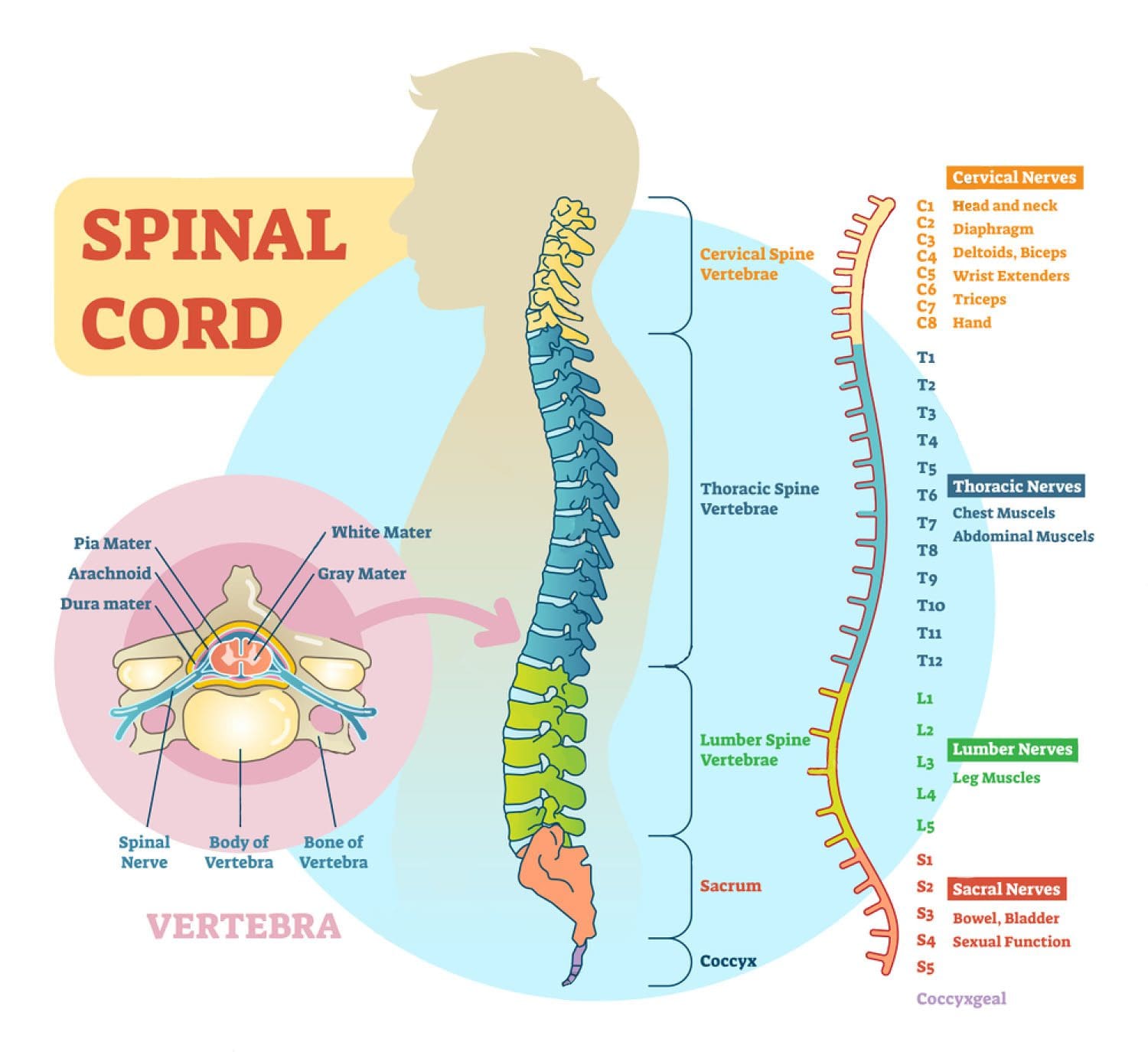
Nerves control the body�s functions like the organs, sensation, and movement. The nervous system receives information and generates the correct response. Two major types of nerves are sensory and motor. Sensory nerves relay information like touch, temperature, and pain to the brain and spinal cord. Motor nerves relay signals from the brain back to the muscles, which causes them to contract voluntarily or reflexively.
The peripheral nervous system is the combined millions of nerves throughout the body. The peripheral nervous system's nerves relay signals/messages to the central nervous system, which is comprised of the brain and spinal cord. �
�
When pain becomes chronic the brain fails to process these signals correctly and the individual continues to feel pain after the injury has healed or improved. As time goes on the nerves that send the pain signals are more methodical in their signaling. This means more signals than normally will be sent and are far more intense. Conditions like cancer and diabetes can cause tissue and nerve damage throughout the body.
�
Acute vs. Chronic
Acute pain has a short duration of around three months or less. The causes are usually clear and not as difficult to diagnose. The underlying factor/s like an injury is resolved the pain also goes away. As the pain is gone, the individual no longer has problems carrying out daily activities. A few causes of acute pain are:
Surgical procedures
Dental procedures
Bone fractures
Burns
Open wounds
Childbirth
Chronic pain is defined as pain that lasts three to six months with some conditions going for years. Individuals can experience chronic pain weeks and months possibly years after the injury took place. And it can happen without any apparent cause. Many cases often involve more than one factor. This causes significant problems with daily activities. When pain becomes chronic it is often associated with conditions like cancer, diabetes, and arthritis.
�
CP and CPS
Chronic pain is defined as any type of pain that persists for six months or longer. Chronic pain syndrome is a collection of conditions that are associated with chronic pain. These conditions can make the pain worse or cause other complications like sleep problems, anger, anxiety, and depression. �
�
Causes
Doctors don't know exactly what causes chronic pain syndrome. It often starts with an injury or painful condition such as:
A doctor will go over an individual's medical history, illnesses, or injuries that could have started the pain. They will ask questions to learn more about the type of pain being felt and how long. Questions can include:
When did the pain begin?
Where on the body does it hurt?
What does the pain feel like - Throbbing, Pounding, Shooting, Sharp, Pinching, Stinging, Burning
The severity of the pain on a scale of 1 to 10
What sets the pain off?
What makes it worse?
Have any treatments helped?
Imaging tests can show if there is joint damage or other problems:
Computed tomography is a powerful X-ray that generates detailed images.
Magnetic resonance imaging uses magnets and radio waves to take pictures of the organs and structures.
X-rays use radiation in very low doses to create images of the body's structures.
Talk with a chiropractor to understand how a customized treatment plan for chronic pain is developed.
Chronic Hand Pain Treatment
Dr. Alex Jimenez�s Blog Post Disclaimer
The scope of our information is limited to chiropractic, musculoskeletal, physical medicines, wellness, and sensitive health issues and/or functional medicine articles, topics, and discussions. We use functional health & wellness protocols to treat and support care for injuries or disorders of the musculoskeletal system. Our posts, topics, subjects, and insights cover clinical matters, issues, and topics that relate and support directly or indirectly our clinical scope of practice.*
Our office has made a reasonable attempt to provide supportive citations and has identified the relevant research study or studies supporting our posts. We also make copies of supporting research studies available to the board and or the public upon request. We understand that we cover matters that require an additional explanation as to how it may assist in a particular care plan or treatment protocol; therefore, to further discuss the subject matter above, please feel free to ask Dr. Alex Jimenez or contact us at 915-850-0900. The provider(s) Licensed in Texas& New Mexico*
Athletes face extreme pressure to return to play when they are hurt however, the true challenge for physicians is to get them back in the game safely. Athletes should be tough and maintain a positive attitude whilst regularly going through pain. When they’re made to sit out due to an accident, they should be focused and motivated to return to play as quickly as possible. They rehabilitate and rest as they trust that their bodies will ready after a full treatment plan.
This is the idealistic perspective of injury associated with athletes in their specific sport or physical activity. However, the reality is that accidents are an unavoidable by product of being an athlete and the transition from “active athlete” to “injured athlete” and back to “active athlete” does not always happen without complications.
Injured athletes fight with anxiety, frustration, anger and sometimes depression during their time away from play, which might also keep them from following their rehabilitation program effectively. Additionally, the return to the sport itself yields a fresh pair of adversities as athletes should browse through personal fears and a desire to come back to their pre-injury condition with the support of their family and healthcare physician.
Importance of Support for Injured Athletes
Social support can come from various forms, ranging from emotional support to task challenge assistance. Some wounded athletes want a caring individual simply to listen to their anxieties while others might prefer a challenging drive to work harder during rehab. Studies looking at the supply of social support have found that athletes feel most satisfied with the support provided by professionals in comparison to support supplied by teammates or coaches.
It would appear obvious that athletes would need support to assist with the injury recovery process. Because teams have access to trainers in a school setting, this additional support is possible. However, injuries are not unique to the collegiate population, which makes it important to address that �and provide this service.
Researchers who immediately addressed athletes’ tastes from healthcare professionals found that the desire to learn more concerning the injury resulted in a clearer timeline for return to play along with an open environment where athletes felt comfortable asking questions. In respect to athletes not fully understanding their injuries, they noticed that they would have appreciated the use of models and more sophisticated explanations from their physicians. It’s essential for healthcare professionals to take the time to help these athletes that are injured throughout the rehabilitation and recovery process and return to play with expertise.
Even though a complete return to play could be potential in time, it won’t happen immediately and teammates, parents, the athletes and coaches need to understand this. Trainers who have missed those who have been inactive for any period of time or numerous practices will require a slow progression back to their previous degree. This is bothersome for coaches who may “need” that athlete and also for the athlete who wants to return so as not to let the team down, trainer or themselves. Additionally, while appeasing the team and coach, the athlete may want to listen to doctors to ensure a safe recovery.
Goal-Setting to Facilitate Confidence And Motivation
Throughout the rehabilitation process, athletes should set modest goals, adjust their mindset, surround themselves with supportive people and develop their patience. It is important for others such as doctors, parents and trainers to understand the process, and provide athletes with resources and support to help them construct in these areas. Like setting rehabilitation targets that are daily followed by exercise goals, simple strategies can help athletes experience modest successes and build their own confidence.
Every injured athlete would like to return to 100 percent but it is going to take some time to reach that degree. They’re very likely to eliminate the drive and motivation to continue, if they don’t see improvements over time. The athlete has to set goals based on their current status. The athlete will see little daily improvements leading them in the path of better performances in the future.
Building and/or maintaining confidence is vital, and it cannot be connected to results. Athletes need to realize that confidence keeps them trying even if scenarios aren’t going their way, and helps them push through failures. Confidence is a way of behaving and thinking that should be evident in everything one does regardless of the outcome.
In Conclusion
Given potential effects related to harm and the emotions, it’s clear that more education is essential to guarantee positive consequences for athletes who’ve experienced sports injuries. Injuries are unavoidable but they do not need to be devastating to well-being and one’s life if handled effectively. It’s apparent that athletes encounter adversity due to the injury and due to the change for their own lives and daily routines. The recovery is sometimes more easy than the yield to perform since the bone may heal and the tear could be mended, but the brain doesn’t change as easily.
It is necessary for everyone involved to understand that helping an athlete recovery in order to return to play as soon as possible demands attention to both the body and the brain. This can be accomplished by one with awareness, education and effort of coaches, doctors, athletes and parents alike.
The scope of our information is limited to chiropractic and spinal injuries and conditions. To discuss options on the subject matter, please feel free to ask Dr. Jimenez or contact us at 915-850-0900 .�
By Dr. Alex Jimenez
Additional Topics: Sports Care
Athletes engage in a series of stretches and exercises on a daily basis in order to prevent damage or injury from their specific sports or physical activities as well as to promote and maintain strength, mobility and flexibility. However, when injuries or conditions occur as a result of an accident or due to repetitive degeneration, getting the proper care and treatment can change an athlete’s ability to return to play as soon as possible and restore their original health.
Injury is a common occurrence in sport participation. Ask any athlete and they’ll tell you that one of the drawbacks they can experience in their specific physical activity is injury.
Being hurt can mean a number of things to an athlete out of the pain they experience. Firstly, injury can bring a stop to training (i.e., coaching) and may indicate that what they’ve devoted lots of their time and energy and can too be removed quite suddenly (Crossman, 1997). Sport participation is a part of the identity of an athlete and so sports are a tremendous portion of their lives. When that is removed, albeit for a short time period, this can have a possible psychological effect on how an athlete views themselves.
Additionally, injury can take away the positive reinforcements sport provides where athletes undergo a feeling of mastery, autonomy and sense of control (Deutsch, 1985). Injury might be thought of as a setback because sport is used by athletes as a means of managing anxiety, stress and depression, among other things.
Psychological Effects on Injured Athletes
Understandably then, it may be anticipated that athletes can undergo a number of psychological reactions and stress upon becoming injured. Athletes’ psychological experiences differ as no one person experiences injury precisely in the same manner. Yet some emotions are more commonly reported than others and include stress, fear, anger, tension, fatigue, doubt, lack of motivation, and aggravation (Ahern & Lohr, 1997; American College of Sports Medicine, 2001; Klenk, 2006).
Of course it is normal for athletes to experience these emotions in reaction to trauma or injury and it is therefore necessary to be aware that not all athletes encounter an observable psychological disturbance to being hurt. They are athletes who seem to take being injured in their stride and their emotional reactions appear to resolve. On the flip side, other athletes appear to fight emotionally and their responses become problematic when symptoms do not resolve.
Though there’s no predictable sequence of an athlete’s psychological responses to injury, athletes often exhibit three classes of reaction to their injury. To help come to terms with their injury, athletes often attempt to get and interpret as much injury-relevant information they can (i.e., “How bad is it?” , “How long?” , “What can/can’t I do”, “Just how can I fix it?”) . As previously discussed, athletes may experience reactive behavior and psychological upheaval . Often athletes may ask questions or have thoughts that are like the following: “I can’t believe this has happened today”, “I’ll never return to 100%”, and “I’m no good to the group today”. Athletes with apparent psychological effects can frequently display a range of signs suggesting poor adjustment to the injuries, including:
Feelings of anger & confusion
Obsession with �when can I return to play?�
Trying to do too much too soon in terms of rehabilitation program (pushing the limits)
Denial (e.g., �The injury is no big deal�)
Repeatedly returning to play too soon & experiencing re-injury
Exaggerated bragging about accomplishments
Dwelling on minor physical complaints
Sleep disturbances
Alterations in diet
Guilt about letting the team down
Withdrawal from significant others
Rapid mood swings
Statements like �no matter what is done, it will never get better�
The final category indicates that athletes come to terms with the injury and engage in successful coping. If there is anything they could do at home or may help out in training athletes voice that the injury is starting to appear good or often think so, and ask their service network if their responses resolves than becomes debatable. But if an athlete is exhibiting problematic signs of adverse effect as a consequence of their injury, it is very important for them to find help from a sport psychologist who can assist them manage and cope more effectively with their injury thus assisting their injury recovery procedure.
Research has shown that negative emotions experienced by injured athletes may affect athletes’ attitudes toward and subsequent recovery from trauma (Ahern & Lohr, 1997; Crossman, 1997). Using psychological strategies have been found to improve injury recovery, mood through healing, coping, confidence restoration, pain control, and adherence to treatment protocols (Brewer et al., 2000).
Improving Athlete’s Psychological Skills
Psychological skills like goal setting, imagery and relaxation helps athletes cope better with stress, reducing likelihood of harm and stress of harm should it occur. In addition, even athletes that deal with injury can benefit from studying these strategies as they are sometimes utilized to boost performance on a basis that is constant.
Other psychological skills utilized to cope effectively with trauma but can also be used to enhance operation after experiencing injury include self-talk to help athletes have a positive attitude to rehabilitation and build confidence as well as problem solving to help deal with setbacks and search for opportunities. In addition to abilities, it is essential for athletes to be more educated in the recovery procedure and their injury to help reduce uncertainty and provide them with clear expectations and also to keep them informed.
The scope of our information is limited to chiropractic and spinal injuries and conditions. To discuss options on the subject matter, please feel free to ask Dr. Jimenez or contact us at 915-850-0900 .�
By Dr. Alex Jimenez
Additional Topics: Sports Care
Athletes engage in a series of stretches and exercises on a daily basis in order to prevent damage or injury from their specific sports or physical activities as well as to promote and maintain strength, mobility and flexibility. However, when injuries or conditions occur as a result of an accident or due to repetitive degeneration, getting the proper care and treatment can change an athlete’s ability to return to play as soon as possible and restore their original health.
IFM's Find A Practitioner tool is the largest referral network in Functional Medicine, created to help patients locate Functional Medicine practitioners anywhere in the world. IFM Certified Practitioners are listed first in the search results, given their extensive education in Functional Medicine