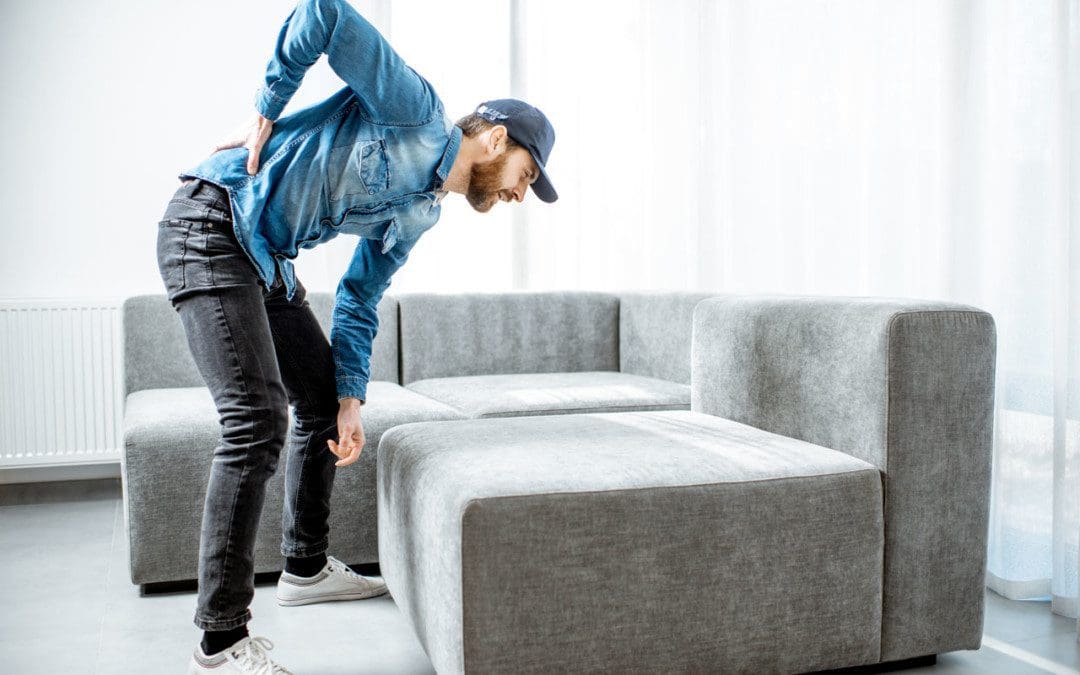
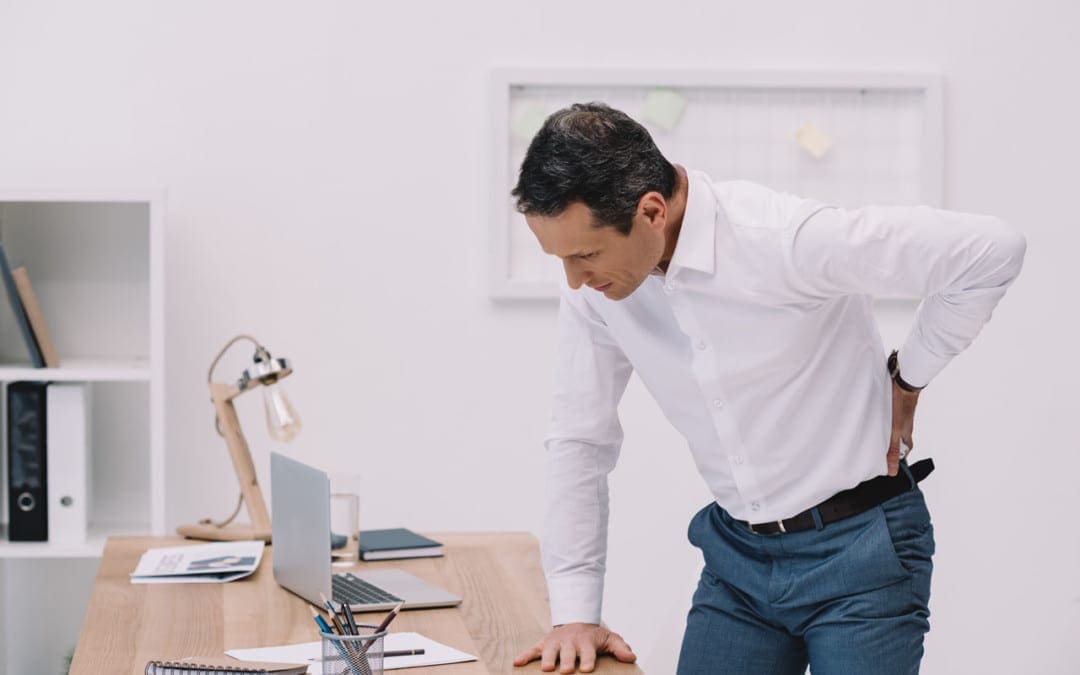
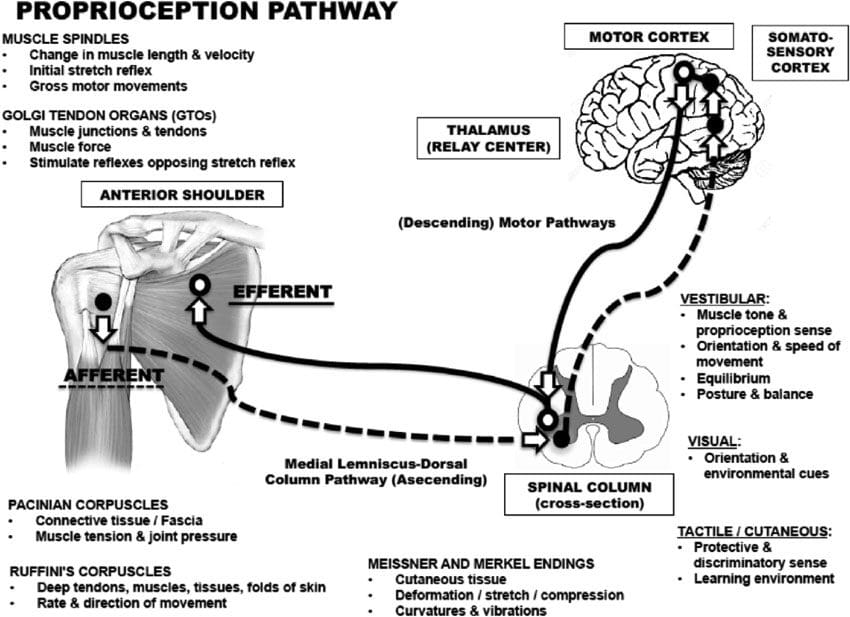
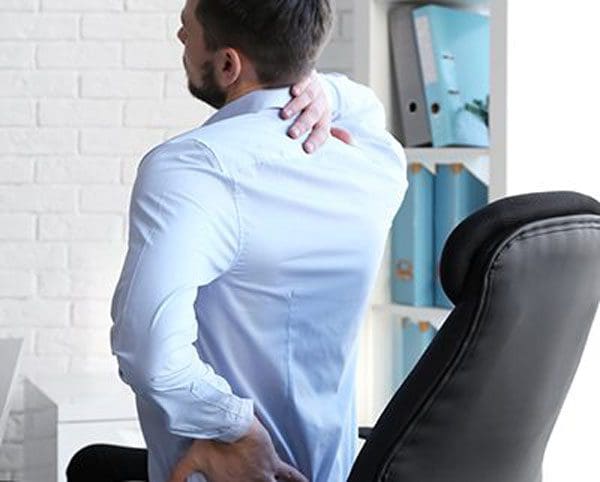
Kinesthesia is the body’s ability to sense movement, position, action, and location, also known as proprioception. An example is when moving the arm, the brain and body are aware that the arm has moved. When dealing with chronic back pain, individuals are unable to function normally with regular everyday movements causing discomfort.
Chronic back pain can make an individual feel like a stranger in their body, altering their perception. Tension develops throughout the body due to the pain, causing tightness and positional adaptations that are unfamiliar, awkward, and unhealthy for the musculoskeletal system. These body positioning changes continue while the individual is unaware of what they are doing, causing further strain and injury.
Kinesthesia
Kinesthesia is essential for overall coordination, balance, and posture as long as the movements are done correctly with proper form. Chronic back pain can affect kinesthesia differently. Individuals can misjudge and estimate that their bodies’ ability to lift, carry, or open something is more complicated or easier than it is. This can exceed the body’s tolerances, causing:
Strains
Sprains
Severe injuries
Once the back starts to hurt, this causes the individual’s sense of kinesthesia to compensate for the pain. As a result, individuals may knowingly or unknowingly attempt to carry out uncoordinated, awkward movements and positions, making things worse.
Motor Control
Motor control is the ability to control movement. When experiencing back pain, individuals adjust their motor control to avoid specific movements that cause back pain. Motor control adaptations and kinesthesia involve body positioning and heightened responsiveness to stimuli, like muscle spasms. Even moderate back pain can cause awkward and dangerous responses causing individuals to overcompensate or become too cautious, worsening or creating new injuries in the process. The body is performing movements that do not follow proper form, even though an individual thinks they are protecting themselves.
Building Healthy Proprioception
A recommended strategy for building kinesthesia to benefit the back and the rest of the body is yoga. Yoga helps build bodily sensory awareness. It trains the body when sending significant signals from the muscles, joints, and tendons back to the proprioceptive centers in the brain. This happens immediately and increases over time.
Yoga Poses
Creating positive awareness of the body’s movements will help relieve back pain as the body learns to feel, understand, and control the muscles. Here are a few poses to help, along with video links.
Body awareness is critical, but if an individual moves in a way that’s not natural to the body, it can cause injury. Kinesthesia and healthy posture can help avoid back pain and other health issues. A professional chiropractor can alleviate back pain, educate on proper form and recommend specific stretches and exercises to strengthen the body to prevent injury.
Body Composition
Magnesium
Magnesium supports a healthy immune system. It helps maintain:
Healthy bone structure
Muscle function
Insulin levels
Magnesium assists the body with ATP energy metabolism and acts as a calcium blocker. This reduces cramping and aids in muscle relaxation after physical activity/exercise. Magnesium is essential in biochemical reactions in the body. A slight deficiency can lead to an increased risk of cardiovascular disease and a higher risk of insulin resistance. Many magnesium-rich foods are high in fiber, like:
Studies have shown that consuming a diet rich in Magnesium also provides a higher intake of dietary fiber. Dietary fiber aids in:
Digestion
Helps control weight
Reduces cholesterol
Stabilizes blood sugar
The best sources of Magnesium include:
Spinach, swiss chard, and turnip greens
Almonds and cashews
Flax, pumpkin, and chia seeds
Cocoa
References
Meier, Michael Lukas et al. “Low Back Pain: The Potential Contribution of Supraspinal Motor Control and Proprioception.” The Neuroscientist: a review journal bringing neurobiology, neurology and psychiatry vol. 25,6 (2019): 583-596. doi:10.1177/1073858418809074
Tong, Matthew Hoyan et al. “Is There a Relationship Between Lumbar Proprioception and Low Back Pain? A Systematic Review With Meta-Analysis.” Archives of physical medicine and rehabilitation vol. 98,1 (2017): 120-136.e2. doi:10.1016/j.apmr.2016.05.016
Wang, Jinsong, et al. “Dietary magnesium intake improves insulin resistance among non-diabetic individuals with metabolic syndrome participating in a dietary trial.” Nutrients vol. 5,10 3910-9. 27 Sep. 2013, doi:10.3390/nu5103910
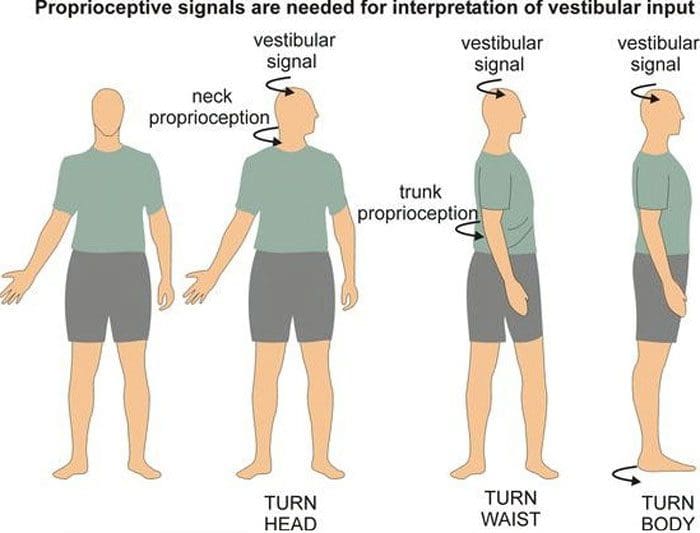
Individuals do not have a poor posture on purpose. It becomes a habit that just goes on until discomfort or pain present. Body awareness is known as proprioception. Proprioception is known as muscle sense or joint position sense. This is the subconscious nature of the body's understanding of its position in space and the ability to position ourselves comfortably.
Achieving proper and healthy posture means there needs to be a constant mindset of staying aware of how the body is positioned. Then regular adjustments of body position are required to maintain healthy body awareness and from getting into bad habits. To illustrate this consider walking forward in complete darkness. The body knows its relative position even without seeing and understands its existence in space. This is a function of the brain.
It is part of the subconscious and so have little to no control over it. Because of this individuals begin to lapse into poor poster habits. An example tilting the head when looking forward or all the way down when checking the phone. Over time, these bad habits contribute to spinal misalignment. This is where chiropractic can help individuals realize their proprioception tendencies and actively relearn and strengthen positive body awareness and break away from negative postural habits.
Body Awareness Habits
Laying the groundwork for correction of body awareness involves understanding the body's unconscious habits and the damage that is occurring. Chiropractic is highly effective for outlining what is happening with the help of radiological imaging and spinal curvature benchmarks. Once an individual begins to understand how their posture and spine health are being affected, they can make adjustments to combat this. This requires constant vigilance by the individual to actively realize and correct proprioception.
Optimal Body Exercises
For individuals that have engaged in dysfunctional habits for years, a chiropractor may recommend optimal loading exercises. This process involves teaching how to better balance the body for optimal posture development. For example, a chiropractor will have a patient strengthen a weak leg that is shifting the body's weight to the other dominant leg that results in unbalanced weight distribution causing hip and back pain. Another example of optimal loading may include executing a series of motions/movements with the non-dominant side. The goal of optimal loading is to train the brain to balance the body in a healthier fashion, instead of reverting to a bad habit.
Ergonomics
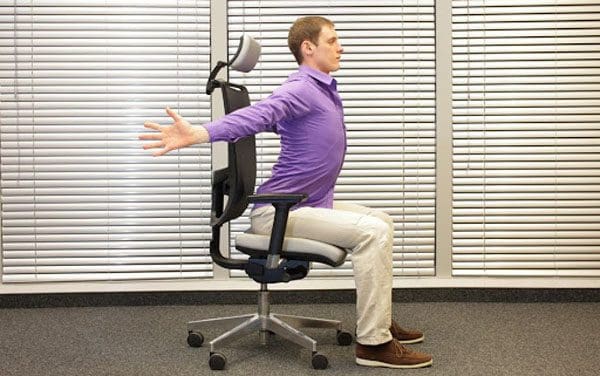
Ergonomicscan also help correct dysfunctional proprioception. They can help to address specific defaults of the subconscious. For example, the positioning of a computer screen at the correct height and angle can improve the habit of turning or tilting the head. Another example is utilizing custom foot orthotics to balance the feet and prevent pronation. A chiropractor can determine exactly where the ergonomic intervention will have a significant effect in correcting dysfunctional proprioception.
Chiropractic Relief
Chiropractic postural adjustments, optimal loading exercises, and ergonomics are all recommended tools in rehabilitating and preventing bad posture habits. Injury Medical Chiropractic and Functional Medicine Clinicwill explore every possible approach to help patients understand and overcome the body�s bad habits, and help them achieve optimal spine health.
Body Composition
Muscles get weaker with too much sitting
When sitting the gluteal muscles, abdominal muscles, and legs become dormant. Sitting for extended periods day after day causes these muscles to begin to degenerate. Metabolism is linked with body composition. Having more muscle increases metabolism and helps the body burn more calories.
Any muscle loss, especially from the lower body which is the largest muscle group, can lead to progressive fat gain if the diet is not adjusted. With time gradual muscle loss from the lower body can hurt functional strength, and older age increases the risk of falls and affects the quality of life.
Dr. Alex Jimenez�s Blog Post Disclaimer
The scope of our information is limited to chiropractic, musculoskeletal, physical medicines, wellness, and sensitive health issues and/or functional medicine articles, topics, and discussions. We use functional health & wellness protocols to treat and support care for injuries or disorders of the musculoskeletal system. Our posts, topics, subjects, and insights cover clinical matters, issues, and topics that relate and support directly or indirectly our clinical scope of practice.*
Our office has made a reasonable attempt to provide supportive citations and has identified the relevant research study or studies supporting our posts. We also make copies of supporting research studies available to the board and or the public upon request. We understand that we cover matters that require an additional explanation as to how it may assist in a particular care plan or treatment protocol; therefore, to further discuss the subject matter above, please feel free to ask Dr. Alex Jimenez or contact us at 915-850-0900. The provider(s) Licensed in Texas& New Mexico*
References
Corliss J. Too much sitting linked to heart disease, diabetes, premature death. Harvard Health Blog. http://www.health.harvard.edu/blog/much-sitting-linked-heart-disease-diabetes-premature-death-201501227618. Published January 22, 2015. Accessed January 7, 2017.
Ergonomics for Prolonged Sitting. UCLA Spine Center Web site. http://spinecenter.ucla.edu/ergonomics-prolonged-sitting. Accessed January 7, 2017.
Florido R, Michos E. Sitting Disease: Moving Your Way to a Healthier Heart.�U.S. News & World Report. http://health.usnews.com/health-news/patient-advice/articles/2015/09/14/sitting-disease-moving-your-way-to-a-healthier-heart. Published September 14, 2015. Accessed January 7, 2017.
IFM's Find A Practitioner tool is the largest referral network in Functional Medicine, created to help patients locate Functional Medicine practitioners anywhere in the world. IFM Certified Practitioners are listed first in the search results, given their extensive education in Functional Medicine