Could stability running shoes help correct foot pronation for runners, athletes, and physically active individuals who tend to have foot pronation issues?
Stability Running Shoes
Stability is having firm, steady balance in the feet and ankles. Individuals with flat feet or feet that tend to pronate or turn inward can seriously compromise their running stability, potentially increasing their risk of injury and making running uncomfortable. Stability running shoes can help because they stabilize the feet and ankles that roll inward. They combine the right alignment, arch support, and cushioning, and this specialty footwear helps hold the feet and ankles steady and can help maintain a straight gait.
Pronation
Pronation occurs when the foot and/or ankle roll inward when running or walking. It’s a common issue, typically caused by pushing off the ground with a big toe and a second toe. Arches can be excessively strained when pronation or overpronation occurs, resulting in ankle or shin pain. Eventually, overpronation can even cause the feet to flatten. Many runners find that the instability of an inward-rolling foot makes them more prone to strained muscles or falls. However, a study determined that foot pronation was not associated with increased injury risk in novice runners wearing non-specialty shoes. (Nielsen R. O. et al., 2014) However, another study found that foot pronation contributed to joint loading or increased stress on the joints of the lower limbs after long-distance running. (Mei Q. et al., 2019) This extra stress could be a factor in the development of osteoarthritis.
Supination
In contrast to pronation, some runners experience the opposite problem of supination. Supination occurs when the ankle or foot rolls outward from the center, which can cause pain or injury as it increases the likelihood of ankle rolls or sprains.
Features
Stability running shoes with the right features can help stabilize the feet and ankles for safer, more efficient running. This could make a major difference in how individuals feel after a run. For example, those with weak ankles should look for ankle support shoes with motion control, arch support, and grippy traction. Stabilizing shoes offer the following structural supports.
Arch Support
The foot is less likely to turn inward with a firm, high arch support.
Midsole Cushioning
Like arch support, cushioning the entire mid-section of the foot helps hold it steady.
For example, in walking shoes for flat feet, extra supportive cushioning in the midfoot helps prevent further arch collapse.
Stability running shoes may advertise having bars, rails, or medial posts to help maintain balance and reduce pronation.
Heel Cups and Heel Counters
A deep heel cup sits under the heel, correctly aligning the foot and ankle.
Heel counters are hard plastic inserts that reinforce the back of a running shoe, increasing overall support and holding the foot in place.
Wider Base
A wider platform underneath the foot is another key to preventing the inward rolling of overpronation.
It’s a common feature of walking shoes for seniors that provide stability for balance issues.
Choose the Right Shoes
Selecting the best shoe for pronation issues does not have to be complex. At many athletic stores, customers start with an in-store gait, foot shape, and running style assessment. Overpronators should look for a shoe with at least some of the features listed, such as arch support, cushioning, heel cups, counters, or a wide base. For narrow or wide feet, seek out shoes made specifically for these issues. In any running shoe, comfort is the number one priority. The feet should feel firmly supported with no pinching, and the toe shoes should have plenty of wiggle room and be able to lace up without hassle.
Benefits
Stability running shoes may also improve performance. A well-cushioned, well-fitting stability shoe can enhance running comfort, making workouts more enjoyable. When running without pain, individuals are more likely to continue running long-term. A stability shoe that prevents overpronation can improve form, allowing faster and more efficient running. A study in the Journal of Orthopaedic and Sports Physical Therapy explored the potential of motion-control shoes, which are somewhat more stabilizing than stability shoes regarding running injuries. The authors concluded that these shoes may reduce the risk of injuries related to overpronation. (Willems T. M. et al., 2021) Another study compared stability shoes to neutral and motion-control shoes in female runners with various degrees of foot pronation. Those who ran in stability shoes missed the fewest days of training, an indicator that they experienced fewer injuries, but those who wore stability shoes reported more pain while running than those who wore neutral shoes. (Ryan M. B. et al., 2011)
Conclusion
Stability running shoes might be the solution for jogging pain and injuries. The only way to find out is to try them for yourself. Look for footwear with sturdy arch support, plenty of cushioning in the midsole, heel support, and a wide sole. At Injury Medical Chiropractic and Functional Medicine Clinic, we focus on what works for you and strive to create fitness and better the body through research methods and total wellness programs. These programs use the body’s ability to achieve improvement goals, and athletes can condition themselves to excel through proper fitness and nutrition. Our providers use an integrated approach to create personalized programs, including Functional Medicine, Acupuncture, Electro-Acupuncture, and Sports Medicine principles.
Correct Foot Pronation
References
Nielsen, R. O., Buist, I., Parner, E. T., Nohr, E. A., Sørensen, H., Lind, M., & Rasmussen, S. (2014). Foot pronation is not associated with increased injury risk in novice runners wearing a neutral shoe: a 1-year prospective cohort study. British journal of sports medicine, 48(6), 440–447. https://doi.org/10.1136/bjsports-2013-092202
Mei, Q., Gu, Y., Xiang, L., Baker, J. S., & Fernandez, J. (2019). Foot Pronation Contributes to Altered Lower Extremity Loading After Long Distance Running. Frontiers in physiology, 10, 573. https://doi.org/10.3389/fphys.2019.00573
Willems, T. M., Ley, C., Goetghebeur, E., Theisen, D., & Malisoux, L. (2021). Motion-Control Shoes Reduce the Risk of Pronation-Related Pathologies in Recreational Runners: A Secondary Analysis of a Randomized Controlled Trial. The Journal of orthopaedic and sports physical therapy, 51(3), 135–143. https://doi.org/10.2519/jospt.2021.9710
Ryan, M. B., Valiant, G. A., McDonald, K., & Taunton, J. E. (2011). The effect of three different levels of footwear stability on pain outcomes in women runners: a randomised control trial. British journal of sports medicine, 45(9), 715–721. https://doi.org/10.1136/bjsm.2009.069849
In the United States, ankle�injury/s like�ankle sprains and strains�happen to�people every day.�Around 50 percent of ankle injuries are�misdiagnosed, and not treated correctly, which can lead to disability or chronic ankle pain. An ankle that is not functioning properly affects the whole body. The muscles on either side of the leg and underneath the foot can present with soreness and pain.
This can lead to:
Loss of mobility
Uneven walking gait
Hip pain
Back pain
Ankle Anatomy
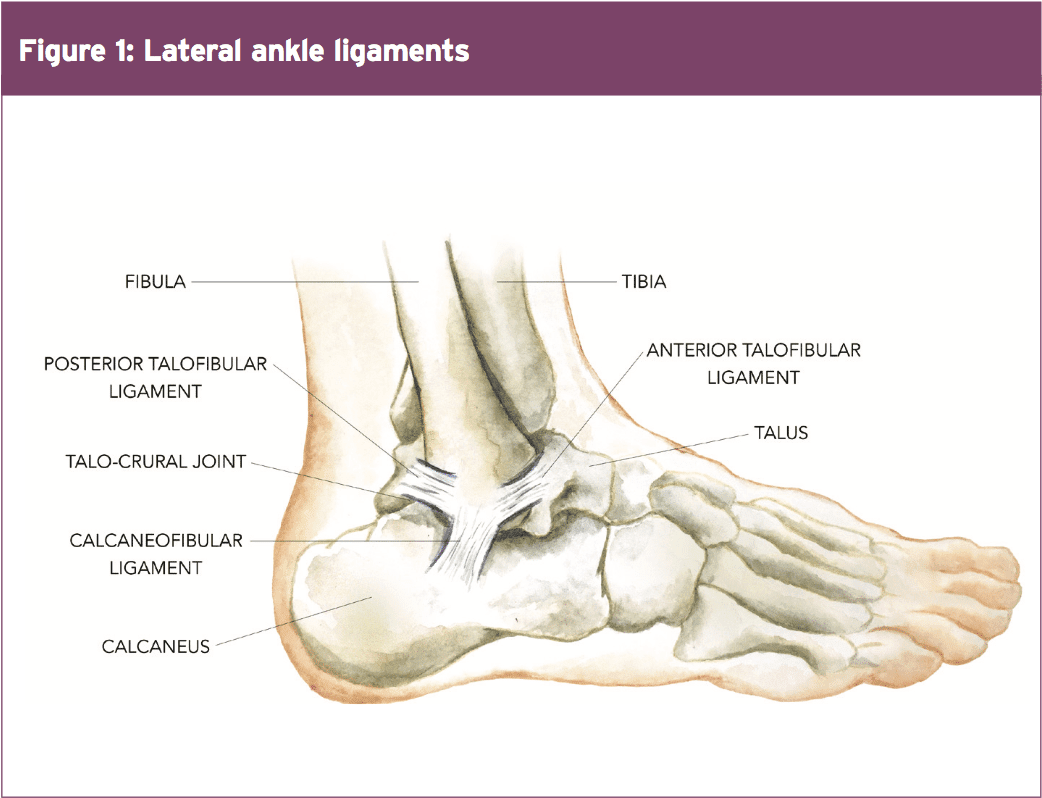
Three bones are connected to the ankle joint. The lower ends of the shinbone and the lower leg small bone meet to form a socket that the ankle bone sits in. The bottom of the talus rests on the heel bone.
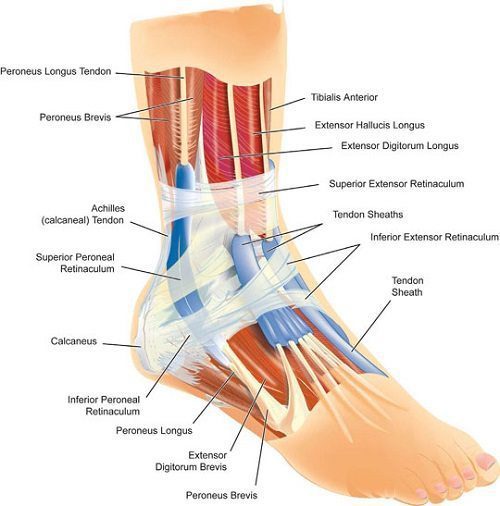
There is around an inch-thick lining of soft cartilage inside the joint. This provides shock absorption for the body’s weight. It is so tough and durable provided there is no injury, it lasts for life. The bones are held together with ligaments and the muscles are attached to the bones by the tendons.
The standard treatment for ankle pain is R.I.C.E., which means rest, ice, compression, and elevation. Depending on the injury type there is an updated treatment approach that replaces the R with an M, where instead of resting, movement is the more beneficial treatment. This is done to keep the muscles, tendons, and ligaments from swelling, whereas resting would have allowed swelling to set in, thus extending recovery time.
There are certain types of ankle injuries that can be exacerbated by movement so only when it is deemed appropriate, otherwise stick with the rest. Other types of treatment include different techniques of pain control from ibuprofen to prescription meds.
When it comes to severe injuries, like a torn ligament, these could require surgical treatment. X-rays and MRIs are utilized to see if there is an injury and to determine the extent of the injury.
Physical Therapy/Chiropractic
A chiropractor will assess the individual’s source of pain and determine the cause. They will use all the tools available. This includes x-rays, MRI, CT scans, and other diagnostic tools to help them determine the best treatment protocol.
When an ankle injury is new and inflammation has set in along with tenderness, treatment can include:
This is in addition to rest, ice, compression and elevation. As the ankle heals, the inflammation reduces and becomes more stable, ankle adjustments and foot adjustments could be introduced.
Chiropractic can reduce pain without prescription medication and any associated side effects. This is one of the reasons individuals gravitate towards chiropractic. Regular chiropractic can strengthen the ankle, increase its stability and increase mobility and flexibility.
Nerves and soft tissues can also become damaged. Chiropractic therapy promotes blood flow. This speeds the healing process and reduces the chance of further injury. The whole-body approach that chiropractic embraces also deals with a proper diet and a healthy lifestyle like losing weight and exercise. Chiropractic is a very effective therapy for treating ankle pain and injury/s. It is a non-invasive, natural approach to healing that allows and trains the body to heal itself.
The human body is an intricate machine, and everything is connected so when something goes wrong in one area, it can cause problems in other areas. The back carries a lot of the stress in the body so when there is a problem with the hips, knees, or a foot dysfunction, the spine can bear at least some of the brunt of the pain and other effects.
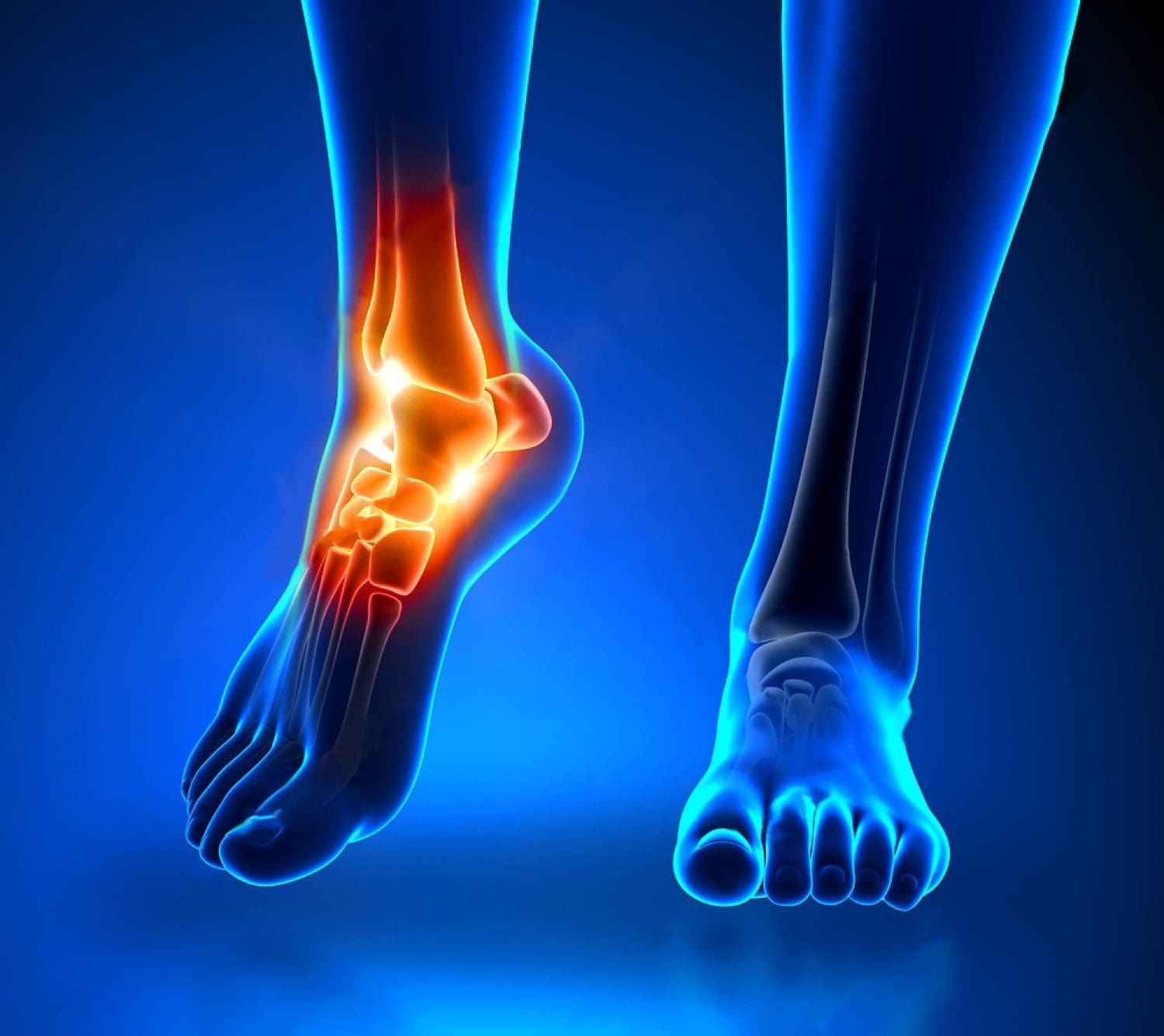
Pronation describes the way that the foot rolls inward during its normal motion. The foot turns inward, flattening out, as the heel�s outer edge strikes the ground.
For the foot to function correctly, there must be a significant degree of pronation. However, excessive pronation, or overpronation, can cause injury and damage to the foot and ankle. It creates the arch in the foot to flatten, and the ligaments, tendons, and muscles under the foot overstretch.
What is Supination and Oversupination
Supination describes the way the foot rolls outward during its normal motion. It occurs during the push off part of the gait, mainly when running when the heel lifts. The heel leaves the ground, and the movement carries through as weight transfers to the forefront and toes. It moves the body in a forward direction.
When there is excessive supination or oversupination, it strains the tendons and muscles that provide stabilization for the ankle. Causing the ankle to roll, causing injury to the ankle including overpronation sprain, a torn tendon, or ligament rupture.
Conditions and Injuries Caused by Overpronation and Oversupination
Overpronation and oversupination can cause a variety of injuries and conditions that affect not only the feet and ankles, but also the knees, hips, and back as well. Some of the more common injuries and conditions include:
Flat feet or posterior tibial tendon dysfunction
Ankle Sprains
Achilles tendinitis
Arch pain
Plantar fasciitis
Corns
Shin splints
Heel pain
Tight calves
Calluses
Knee pain
Patellar tendonitis
Hip pain
Tight hip flexors
Back pain
Sciatica
Herniated disks
How Foot Problems can Cause Back Pain
Foot Dysfunction can very easily cause a domino effect that extends all the way to the back. The feet are the foundation of the body and when there is a problem with the way they function it can cause the entire body to shift out of alignment.
For instance, overpronation of the foot causes a series of internal changes that extend up through the leg. The femur may rotate causing hip pain and inflammation of the sacroiliac joint which leads to back pain. Other misalignments in the body that are caused by foot problems can also lead to chronic lower back pain as well.
Chiropractic to Treat Foot Problems
Chiropractic seeks to find the cause of the conditions it is used to treat, including pain, instead of just treating symptoms. Because of this, the chiropractor will work to find the cause of the pain, in this case, overpronation and overpronation, and correct it � or the effects of the condition � in addition to treating the back pain.
Typically, overpronation and oversupination, are caused by muscle imbalances in the foot, ankle, and lower leg. Improper shoes, misalignment in the body, and other issues can cause these muscle imbalances. The chiropractor will work with the patient to find the cause of the foot problem so that can be corrected, then work to the damage or injury done.
Foot Dysfunction & Back Pain Chiropractic Treatment
IFM's Find A Practitioner tool is the largest referral network in Functional Medicine, created to help patients locate Functional Medicine practitioners anywhere in the world. IFM Certified Practitioners are listed first in the search results, given their extensive education in Functional Medicine