
How Insulin Resistance Affects The Body
Introduction
The body needs the energy to get through the entire day. Energy can come in various foods consumed and converted into three molecules: carbohydrates, proteins, and fats. Carbohydrates convert into glucose, which becomes energy used for bodily function. At the same time, protein helps repair and build body tissues that allow metabolic reactions and coordinate physical function. Healthy fats in the body help support cell function, provide energy, and produce essential hormones that the body needs. When the body has too much glucose, it can cause various metabolic factors to take over the body, resulting in metabolic disorders associated with chronic conditions over time. This is known as insulin resistance and today’s article looks at how insulin resistance is detected, the signs and symptoms, and treatments to manage insulin resistance. We refer patients to certified providers specializing in metabolic treatments to help many individuals with insulin resistance. We also guide our patients by referring to our associated medical providers based on their examination when it’s appropriate. We find that education is the solution to asking our providers insightful questions. Dr. Alex Jimenez DC provides this information as an educational service only. Disclaimer
How Is Insulin Resistance Detected?
Have you been feeling a tingling sensation along your hands and feet? Have you been experiencing headaches that go away when you eat food or drink something? Do you constantly go to the bathroom? Many of these issues are signs that you might be at risk of developing insulin resistance. Insulin resistance is an impaired biological response in the body that requires insulin stimulation to the targeted tissues: the liver, muscle, and adipose tissue. The liver supplies the glucose to the body by secreting it into the bloodstream to be used for energy. So when there is a high glucose level in the bloodstream, the pancreas, which is between the liver and the stomach, sends out insulin to help the glucose be absorbed into the body cells. Many individuals don’t realize their insulin levels are high until they go in for routine check-ups with their primary physicians.
The Signs & Symptoms Of Insulin Resistance
Various factors could lead to insulin resistance when the body has high glucose levels in the bloodstream. Many individuals do develop habits that do contribute to insulin resistance. Some of the signs that indicate that a person may have insulin resistance include:
- Excess body fat
- Physical inactivity
- High-carb diet
- Hormone disorder
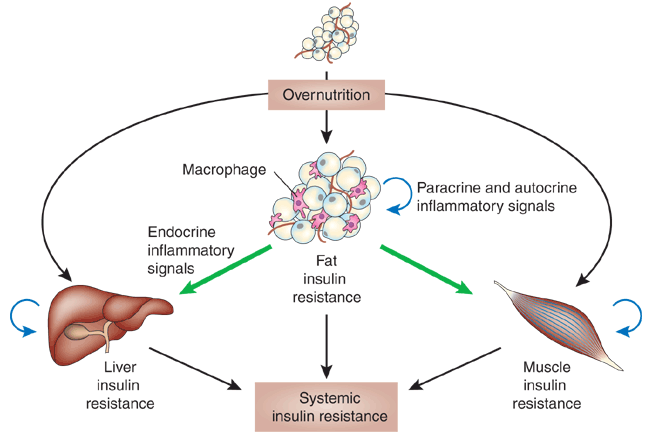
Studies reveal that obesity is considered the triggering factor for individuals with insulin resistance associated with diabetes. Since obesity is a factor that escalates the pathogenesis of diabetes through the stimulation of insulin resistance. When the body becomes overstimulated, the body starts to release elevated levels of pro-inflammatory cytokines that can lead to various abnormalities like organ dysfunction and tissue injury associated with insulin resistance. Studies show that chronic low-grade inflammation associated with obesity is responsible for the body to have a decrease in insulin sensitivity. Some of the risk factor symptoms related to insulin resistance include:
- Increased thirst and hunger
- Blurred vision
- Obesity
- Gut inflammation
- Weight gain
- Fatigue
- Acanthosis nigricans
- Numbness or tingling sensation on hands and feet
- Thyroid issues
- Metabolic syndrome
What Is Insulin Resistance-Video
Have you been feeling a tingling sensation on your hands or feet? Have you noticed your midsection becoming more prominent than normal? Or have you been feeling depressed or constantly more tired than usual? Many of these symptoms are signs that you could be at risk of developing insulin resistance. The video above explains insulin resistance and how it affects the body. Many symptoms like obesity and inflammation do play a factor in contributing to insulin resistance associated with weight gain. Studies reveal the association between obesity and insulin resistance through the link between visceral adipose tissue accumulation in the liver. When there is an accumulation of excess lipids in the liver makes the visceral adipose tissue prone to inflammatory cytokine production, which then contributes to insulin signaling impairment. Fortunately, there are available treatments to help manage insulin resistance.
Treatments To Manage Insulin Resistance

Some treatments available to manage insulin resistance can help many individuals feel better by making small changes in their lifestyle habits. Many individuals utilize the Mediterranean diet as it has many beneficial properties in lowering insulin resistance and managing diabetes by incorporating healthy polyunsaturated fatty acids from olive oil and seeds, resveratrol from grapes, and other anti-inflammatory foods to reduce inflammation associated with insulin resistance. Since other symptoms are associated with insulin resistance, like metabolic syndrome, getting a chiropractic adjustment may help lower the effects of inflammation associated with metabolic syndrome and manage insulin resistance. Chiropractic care is commonly used for musculoskeletal issues; however, since metabolic syndrome is a mediator for musculoskeletal problems like neck pain, shoulder pain, and back pain, it can make the body dysfunctional. To that point, it becomes a cross-link for insulin resistance, causing the body to have reduced mobility. Chiropractic care uses spinal manipulation to adjust the subluxation or spinal misalignment in the body and help improve mobility back to the joints.
Conclusion
The body needs the energy to get through the entire day by consuming various foods. When these foods are consumed, they are converted into three molecules:
- Carbohydrates convert to glucose for bodily function.
- Protein repairs and builds muscle tissues.
- Healthy fats produce essential hormones and support cell function.
Watching the foods we consume can help us in the long run. When the body has too much glucose in its system, it can lead to insulin resistance and cause various metabolic factors like obesity and weight gain, resulting in metabolic disorders associated with chronic conditions. Insulin resistance can affect the body over time if not treated right away. Incorporating a healthy diet like the Mediterranean diet, chiropractic care, and physical activities into a person’s lifestyle can help manage insulin resistance from escalating to dangerous levels like diabetes affecting a person’s life.
References
Chen, Li, et al. “Mechanisms Linking Inflammation to Insulin Resistance.” International Journal of Endocrinology, Hindawi Publishing Corporation, 2015, https://www.ncbi.nlm.nih.gov/pmc/articles/PMC4468292/.
Freeman, Andrew M, and Nicholas Pennings. “Insulin Resistance – Statpearls – NCBI Bookshelf.” In: StatPearls [Internet]. Treasure Island (FL), StatPearls Publishing, 4 July 2022, https://www.ncbi.nlm.nih.gov/books/NBK507839/.
Hardy, Olga T, et al. “What Causes the Insulin Resistance Underlying Obesity?” Current Opinion in Endocrinology, Diabetes, and Obesity, U.S. National Library of Medicine, Apr. 2012, https://www.ncbi.nlm.nih.gov/pmc/articles/PMC4038351/.
Wondmkun, Yohannes Tsegyie. “Obesity, Insulin Resistance, and Type 2 Diabetes: Associations and Therapeutic Implications.” Diabetes, Metabolic Syndrome and Obesity : Targets and Therapy, Dove, 9 Oct. 2020, https://www.ncbi.nlm.nih.gov/pmc/articles/PMC7553667/.