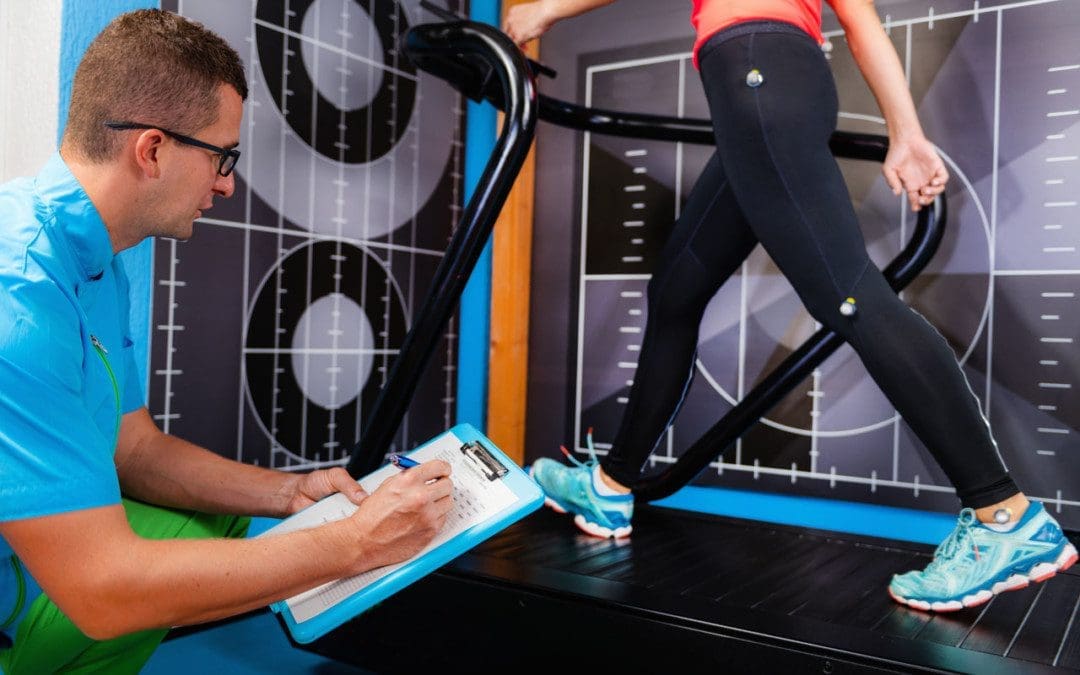
Most individuals don’t think about how they walk or whether they are walking with the correct posture. Knowing how to walk with the proper technique and posture can help:
Ensure the bones and joints maintain proper alignment.
Decrease abnormal wear and tear on the joints, muscles, and ligaments from awkward positions.
Prevent neck, back, hip, and leg pain.
Reduce muscle aches and fatigue.
Reduce injury risk.
Improve balance, stability, and mobility.
Walking with the correct technique and posture is not complicated but requires individuals to stay aware of standing and moving.
Correct Posture
Walking is a physical activity that involves the whole body. It helps to focus on each part of the body to understand how to walk correctly fully.
Head-Up
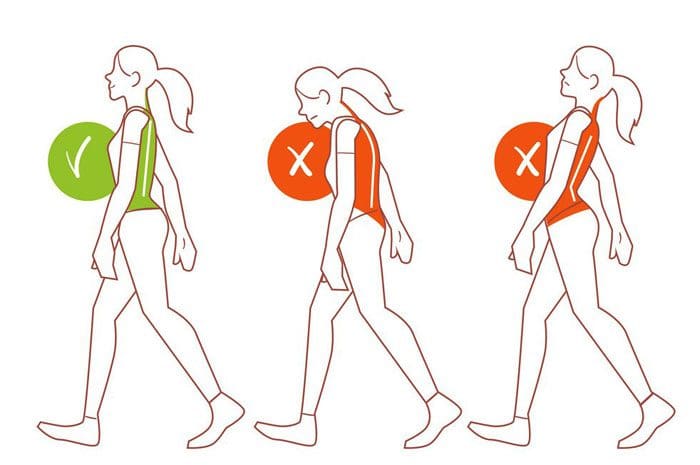
Focus on standing straight with the chin parallel to the ground and ears aligned above the shoulders.
Imagine the head being pulled gently upwards by an invisible string attached to the sky/ceiling.
This can help prevent dropping the head into the chest while walking.
Maintain eyes forward and gaze.
Focus on an area about 10 to 20 feet ahead when walking.
Straighten and Extend the Spine
Focus on extending the spine while walking.
Avoid slouching, hunching, or leaning forward. This stresses the back muscles.
Relaxed Shoulders Down and Back
The shoulders have a role with posture and technique. Shoulders that are tense or hunched forward can strain the muscles and joints in the shoulders, upper back, and neck. When walking, perform the following:
Raise the shoulders as high as they will go in a shrugging motion, then let them fall and relax.
Shoulder shrugs will help relieve tightness or tension.
This places the shoulders in a natural position that allows for easy arm movement.
Keep the shoulders loose and relaxed.
Shoulder shrugs while walking can help ensure that the shoulders are relaxed and in the correct position.
Swing the Arms
Walking correctly can be helped by gently swinging the arms back and forth at the sides.
Make sure to swing the arms from the shoulders, not from the elbows.
Do not swing the arms across the body.
Do not swing the arms up too high.
Keep them around the midsection, not around the chest.
Engage the Body’s Core
The core muscles have an essential role and help the body move with ease.
To prevent injury or overuse wear and tear on the muscles and joints, it is recommended to avoid the following:
Looking down too frequently
Looking down at the ground or phone too much places unnecessary strain on the neck.
Do not take long strides
The power comes from pushing off of the rear leg.
Overstriding places stress on the lower leg joints.
Rolling or swinging the hips
The hips should stay as level as possible.
Slouching
This will help avoid back and shoulder strain.
Wearing the wrong shoes
Wear the right shoes when walking for more than a few minutes.
Shoes should fit comfortably.
Provide arch and heel support.
Well-cushioned to absorb the shock of the feet hitting the ground.
Benefits of Correct Posture
The physical and mental benefits of proper posture and optimal walking technique include:
Alleviation of muscle and joint pain
Walking properly will avoid placing unnecessary stress and strain on the muscles, ligaments, and joints.
Increased energy
Walking with incorrect/awkward posture can wear out the muscles faster, whereas walking with proper form helps conserve energy.
Improved breathing
Walking with the shoulders back allows the lungs to fill and expand fully. This makes breathing more manageable and efficient.
Improved circulation
When the body is properly aligned and moving correctly, it’s easier for the blood to circulate throughout the body.
Digestion improvement
When the internal organs are not compressed from awkward postures, the body digests food more efficiently and increases blood flow to the digestive tract.
Enhanced core strength
The abdominal muscles gain strength and power from walking correctly.
Reduced headaches
Keeping the head straight, not bending forward, can help reduce neck strain, leading to reduced headaches.
Improved balance
Correct posture improves balance and less prone to falling.
Correct gait and posture are not complicated but do take some practice to develop healthy habits. For any issues with gait or back problems, talk to a doctor, physical therapist, or chiropractor about technique improvement.
Body Composition
Ten-Thousand Steps Speed and Distance
Before deciding to put in the walking distance and time, speed also needs to be considered. Calories burned from walking depend on the intensity, or speed, of the walk. The average walking speed is about 3 miles per hour and the number of calories burned depends on walking speed.
A leisure 30-minute walk at two mph yields a burn of 102 calories
Moderate intensity of 3.5 mph in the same 30-minute walk increases to burn 157 calories.
The faster the pace, the greater the heart rate.
The more calories are burned covering the same distance.
However, reaching 10,000 steps can almost entirely be irrelevant if not careful with a stable caloric intake.
References
Buldt, Andrew K et al. “The relationship between foot posture and lower limb kinematics during walking: A systematic review.” Gait & posture vol. 38,3 (2013): 363-72. doi:10.1016/j.gaitpost.2013.01.010
Common posture mistakes and fixes. (2019). nhs.uk/live-well/exercise/common-posture-mistakes-and-fixes/
The cost of being on your toes. (2010). Archive.unews.utah.edu/news_releases/the-cost-of-being-on-your-toes/
Hackford, Jessie et al. “The effects of walking posture on affective and physiological states during stress.” Journal of behavior therapy and experimental psychiatry vol. 62 (2019): 80-87. doi:10.1016/j.jbtep.2018.09.004
Perfecting your walking technique. (n.d.). health.harvard.edu/exercise-and-fitness/perfecting-your-walking-technique
Posture exercises: It is easy to get into the bad habit of poor/improper posture, especially at work where an individual gets into a groove and continues without thinking about their posture. Not until discomfort and pain begin to present do individuals start thinking about what is causing the issues. This usually includes:
Back pain
Shoulder pain
Neck pain
Tight/Compressed spine
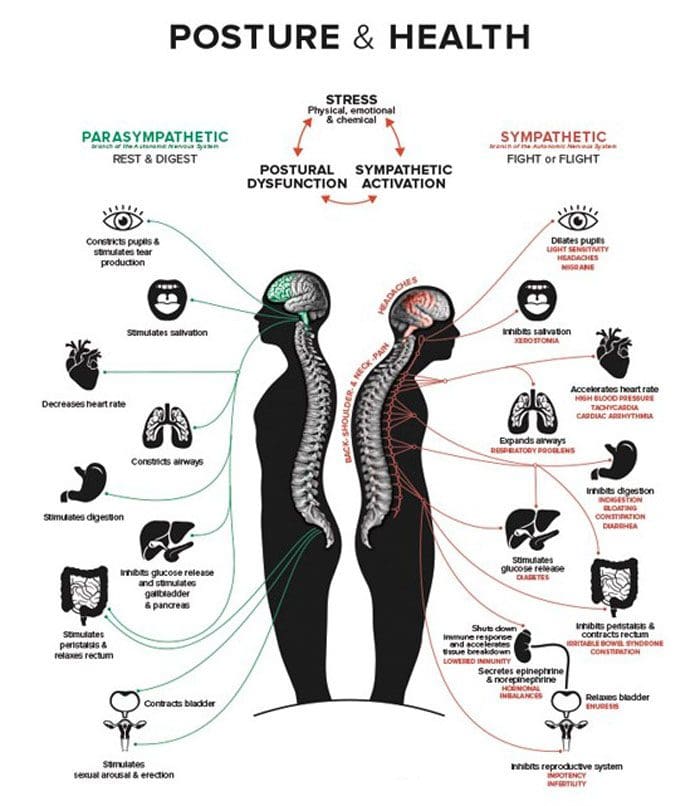
They don’t realize that all these issues are brought on by prolonged sitting and practicing improper posture. Individuals that practice proper posture:
Sleep better
Move better
Have reduced to no aches and pains
Digestion improves
Organ function improves
Have better overall health
Being aware of proper posture is the first step in being able to maintain it. When you feel the spine starting to curve, shoulders hunching, or the back sway, stop and take a moment to reposition the body back into proper alignment.
Seated Posture
Proper posture means sitting, standing, or walking in a position with little to no strain on the body’s muscles and ligaments. Good seated position means:
Sitting with the back straight and shoulders back.
Having all of the natural curves of the spine in alignment.
Keeping the knees bent at a right angle with the feet flat on the floor.
The weight is distributed evenly to both hips.
Keep the arms at 90 degrees to the torso, using the armrests or on a desk.
When looking at a computer monitor, keep it at a position where you are looking straightforward.
Use a chair with lower back support.
Even when sitting with good posture, it’s important to avoid sitting in the same position for more than 30 minutes.
Regularly stand up, walk around, and stretch out.
Posture Exercises
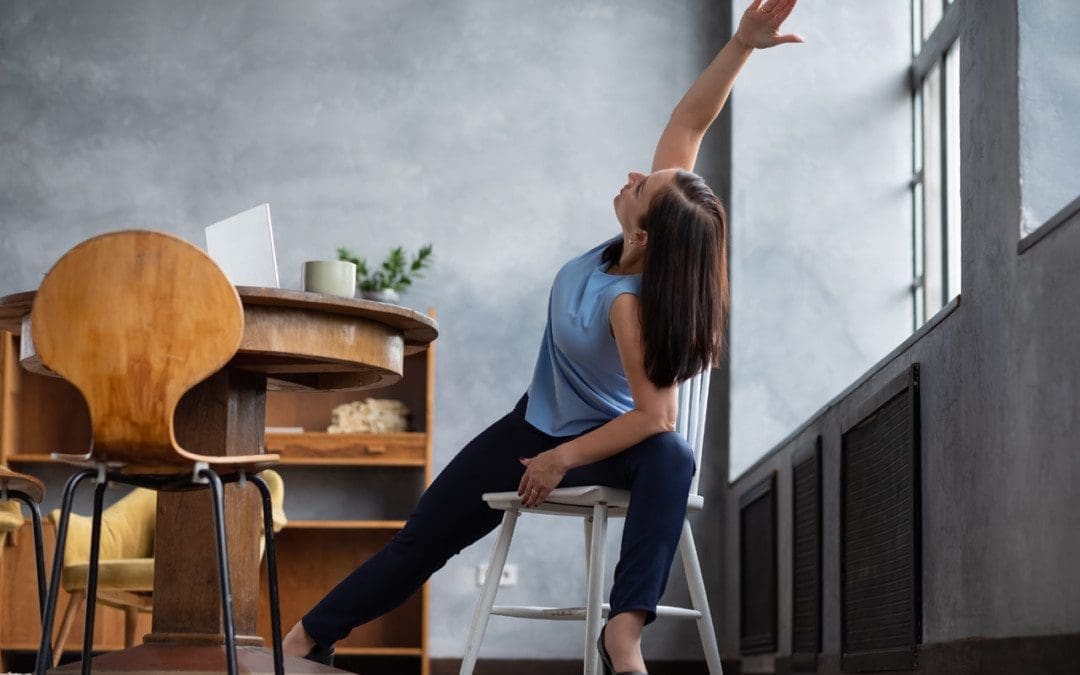
Posture exercises will help to strengthen the back, neck, and shoulders. They also help as a reminder for maintaining good posture throughout the day.
Shoulder Lift and Release
When sitting down for long periods, individuals tend to develop hunched shoulders. It is caused by an imbalance of muscles in the neck and upper back. Specific muscles in the neck, specifically the pectoralis major and minor, become shortened and tight. The other muscles in the upper back, the trapezius,latissimus dorsi, and rhomboids, weaken and stretch out. These muscles can be stimulated by stretching throughout the day.
Sit in your chair with your feet flat on the floor and spine straight.
Pull the shoulders up towards the ceiling.
Hold them there for three to five seconds.
Let the shoulders drop.
It is recommended to repeat 5 to 6 times every hour.
Shoulder rolls
Another exercise for avoiding rounded/hunched shoulders.
Sit in your chair with your feet flat on the floor and spine straight.
Take a breath in.
Lift the shoulders towards the ears.
Move the shoulders back.
Squeeze the shoulder blades together.
On the exhale, finish the rotation by dropping the shoulders back to a neutral position.
Repeat 5 to 6 times every hour.
The exercise can be done in the opposite direction.
Neck rolls
Forward head posture, aka text neck, can develop. Neck rolls are recommended throughout the day.
Lean your head towards the right shoulder.
Relax the neck and let your head roll towards your chest.
Continue rolling your head towards the left and up and around back to the starting position.
Perform at least 3-4 neck rolls every few hours.
Repeat the exercise and change direction.
Trapezius stretch
The trapezius is a major muscle group in the upper-middle section of the back and the neck. The trapezius is responsible for moving the shoulder blades and extending the neck. Stretching these muscles regularly will help maintain good posture.
Sit in your chair with the spine straight and feet flat on the ground.
Place the right hand over the top of your head.
Gently pull your head towards the right shoulder.
Perform one to three times for each side.
Hold the pose for 30 to 60 seconds.
Arm rotations
This exercise can help maintain back and shoulder alignment. This can be performed sitting or standing.
Stretch out the arms to the sides with palms facing downward.
While keeping the spine straight, move the arms in small circles.
Perform ten repetitions rotating the arms forward, then backward.
Perform 3-4 sets.
Doing these posture exercises at your workstation regularly will help improve and maintain proper posture and minimize the risk of back, neck, and shoulder pain.
Body Composition
Fitness for Long-Term Health
Muscle building isn’t only for bodybuilders and athletes. Everyone can benefit from building their Lean Body Mass for long-term health. It is crucial to monitor Lean Body Mass changes by having body composition measured. Body composition analysis divides the body’s weight into various components.
Fat Mass
Lean Body Mass
Basal Metabolic Rate
This will give a clearer picture of overall fitness and health.
Building Lean Body Mass is an investment in the body’s future. The more LBM that is built, the more is in reserve when the body needs it. But before adding protein shakes and resistance workouts to the daily regimen, there needs to be a plan. The first step to building healthy lean body mass is to measure how much there is with a body composition analysis.
References
Biswas A, Oh PI, Faulkner GE, et al. Sedentary Time and Its Association With Risk for Disease Incidence, Mortality, and Hospitalization in Adults. Ann Intern Med. 2015;162:123-132. doi:10.7326/M14-1651. Accessed January 7, 2017.
Ergonomics for Prolonged Sitting. UCLA Spine Center Web site. http://spinecenter.ucla.edu/ergonomics-prolonged-sitting. Accessed January 7, 2017.
Florido R, Michos E. Sitting Disease: Moving Your Way to a Healthier Heart. U.S. News & World Report. http://health.usnews.com/health-news/patient-advice/articles/2015/09/14/sitting-disease-moving-your-way-to-a-healthier-heart. Published September 14, 2015. Accessed January 7, 2017.
Fortner, Miles O et al. “Treating ‘slouchy’ (hyperkyphosis) posture with chiropractic biophysics®: a case report utilizing a multimodal mirror image® rehabilitation program.” Journal of physical therapy science vol. 29,8 (2017): 1475-1480. doi:10.1589/jpts.29.1475
Levine JA. What are the risks of sitting too much? Mayo Clinic Web site. http://www.mayoclinic.org/healthy-lifestyle/adult-health/expert-answers/sitting/faq-20058005. Published September 4, 2015. Accessed January 7, 2017.
O’Connor B. Sitting Disease: The New Health Epidemic. The Chopra Center Web site. http://www.chopra.com/articles/sitting-disease-the-new-health-epidemic. Accessed January 7, 2017.
Wolfe, Robert R. “The underappreciated role of muscle in health and disease.” The American journal of clinical nutrition vol. 84,3 (2006): 475-82. doi:10.1093/ajcn/84.3.475
Chiropractic medicine is used as a standard musculoskeletal injury/strain treatment and for rehabilitation. Chiropractic helps with:
Different types of back pain
Headaches
Neck pain
Shoulder pain
Arm pain
Hand pain
Leg pain
Foot pain
Spine and nervous system health are essential for a properly functioning body and overall health. There are significant benefits of chiropractic care that can improve an individual’s overall quality of life and health. Chiropractic treatment can help:
Relieve Stress
Stress is natural in life, and it’s too much or poor management techniques that can cause pain and or injury. Chiropractic can improve how the body responds to stress. The nervous system is responsible for adapting the body to its environment, especially a stressful environment. Around 90% of the central nervous system travels down and through the spinal column. Spinal vertebral subluxations/misalignments can interfere with proper nerve flow disrupting body functions. Vertebral subluxation decreases the body’s ability to adapt to the environment. When this happens, stress can have a high adverse impact on the body’s health. An aligned spine along with an optimally operating nervous system helps the body to manage stress easier.
Improve Posture
Posture shifts affect spinal alignment and nerve function. The most common is Forward Head Posture/FHP. This is where the head shifts forward and down on the shoulders. This affects the natural curve in the neck, causing tension to form in the spinal cord. Improper ergonomics and overuse of electronic devices play a role in FHP. Chiropractic treatment helps and restores proper spinal alignment, significantly improving the body’s posture.
Elevate Mental Mood
Individuals in pain are often in a bad, sad, low mood reflecting their pain level. Balancing the body’s nervous system restores the balance of chemical flow in the body. Conditions like depression and ADHD have shown improvement with regular chiropractic care.
Strengthen Immune System Function
Spinal misalignment adversely affects the nervous system. The nervous system sends all the necessary information to different areas of the body. If the spine has been compromised, specific sites will not receive the vital signals required to function at full potential. This can affect any or all the systems in the body, especially the immune system. Chiropractic improves nerve flow to the organs of the immune system.
Enhance Thorough Sleep
Lack of sleep leads to all kinds of health issues. Lack of proper sleep can be from a nervous system that does not shut down, add pain, stress, and nightly symptoms do not allow the body to rest. Optimal spinal alignment relaxes the nervous system decreasing pain. Sleep improves over time, with individuals reporting reduced pain and an increase in health and wellness.
Body Composition
Gluten Effects
Gluten causes digestive issues/problems for individuals that have celiac disease or autoimmune thyroid disease. Individuals with these conditions that eat gluten foods can present with uncomfortable and painful effects. Symptoms can vary and have different classifications.
Classical Celiac Disease – CD
Classical celiac disease presents with symptoms that include:
Diarrhea
Discolored stools
Constipation
Abdominal bloating
Pain
Weight loss
However, these symptoms are more common in children with CD than adults. In adults, symptoms are more similar to those in non-classical celiac disease.
Non-Classical Celiac Disease
Non-classical celiac disease symptoms may not present with severe digestive symptoms as in classical CD but suffer from other symptoms. These include:
Silent CD is less visible. There might not be any symptoms, but damage to the intestines is still occurring.
References
Khodakarami, Nima. “Treatment of Patients with Low Back Pain: A Comparison of Physical Therapy and Chiropractic Manipulation.” Healthcare (Basel, Switzerland) vol. 8,1 44. 24 Feb. 2020, doi:10.3390/healthcare8010044
Rubinstein, Sidney M et al. “Benefits and harms of spinal manipulative therapy for the treatment of chronic low back pain: systematic review and meta-analysis of randomized controlled trials.” BMJ (Clinical research ed.) vol. 364 l689. 13 Mar. 2019, doi:10.1136/bmj.l689
Urits, Ivan et al. “A Comprehensive Review of Alternative Therapies for the Management of Chronic Pain Patients: Acupuncture, Tai Chi, Osteopathic Manipulative Medicine, and Chiropractic Care.” Advances in therapy vol. 38,1 (2021): 76-89. doi:10.1007/s12325-020-01554-0
Relaxing the low back muscles. The low back supports the weight of the upper body and provides mobility. The lumbar spine/low back is a complex structure of interconnecting:
Bones
Joints
Nerves
Ligaments
Muscles
All work together to provide support, strength, and flexibility.
However, this complex structure is highly susceptible to injury and pain. The muscles in the low back support the spinal column and are responsible for flexing, rotating the hips when walking. The nerves in the low back supply sensation and power the muscles in the pelvis, legs, and feet. The most common acute low back pain cases are brought on from injury to the:
Muscles
Ligaments
Joints
Discs
The body also reacts to injury by triggering an inflammatory response. Inflammation can cause severe pain. The key is relaxing the muscles and keeping them loose.
Lower back pain causes
The most common cause is muscle spasms, which can be triggered by:
Quick awkward movements like twisting, reaching, and/or bending at the wrong angle can set off pain symptoms.
If the same back muscles are getting strained and/or pulled continuously, this could indicate an underlying problem with a misaligned vertebra.
Correct improper postures
Improper posture and body positioning eventually present with discomfort and pain. Individuals are constantly hunched over and slumped in front of computers and devices, along with sitting with crossed legs, sleeping on a non-supportive mattress, and there is a perfect recipe for low back pain. Adjusting sitting, desk, and computer ergonomics and using smart devices with posture awareness will go a long way to correct improper posture.
Stretch and loosen tight muscles
Stretch out throughout the day and before going to bed. Sitting all day at work, then going home and sitting all evening is not healthy for the body’s muscles. The muscles shorten, as do the ligaments and tendons. Stretching keeps the body loose and limber. Try out different forms of stretching, as well as foam rolling for the back.
Get the body moving
Cramped or pulled muscles need time to recover. Too much rest or being completely inactive makes sense but is not recommended. Light movement keeps the blood flowing, especially in and around the injured/sore area. This increases healing and shortens recovery time. Just some light walking is recommended. Getting up and moving while relaxing around the house will get the muscles back in shape.
Body Composition
Benefits of collagen
Gastrointestinal Health
Collagen generates a protective barrier effect on the intestinal mucosa that lines the digestive tract. One study found that collagen supplementation protects against the breakdown of the intestinal wall after a burn injury. A lack of collagen from aging or other factors could impair the structure of the intestinal mucosa. This could lead to digestive problems like leaky gut syndrome and irritable bowel syndrome.
Joint Health and Mobility
Collagen provides structure and cushion in the joints. As the body ages, the cushion wears down, and joint mobility decreases. This increases the risk of injury. Taking collagen supplements can help improve symptoms of osteoarthritis, rheumatoid arthritis, and other conditions.
References
Finta, Regina et al. “The effect of diaphragm training on lumbar stabilizer muscles: a new concept for improving segmental stability in the case of low back pain.” Journal of pain research vol. 11 3031-3045. 28 Nov. 2018, doi:10.2147/JPR.S181610
Lugo, James P et al. “Efficacy and tolerability of an undenatured type II collagen supplement in modulating knee osteoarthritis symptoms: a multicenter randomized, double-blind, placebo-controlled study.” Nutrition journal vol. 15 14. 29 Jan. 2016, doi:10.1186/s12937-016-0130-8
National Institute of Neurological Disorders and Stroke. Pain: Hope Through Research. https://www.ninds.nih.gov/Disorders/Patient-Caregiver-Education/Hope-Through-Research/Pain-Hope-Through-Research. June 9, 2017.
Stress in the workplace is a serious issue. Working is rewarding, but it can become a cause for major stress as well. Studies have shown that more than 40% of workers find their job to be a workplace stressor. Stress takes a toll on the body both mentally and physically. Numerous factors can result in being stressed. This includes:
Working for long hours regularly
Large amounts of work to complete
Meeting deadlines
Job insecurity
Workplace Stress Can Hurt The Body
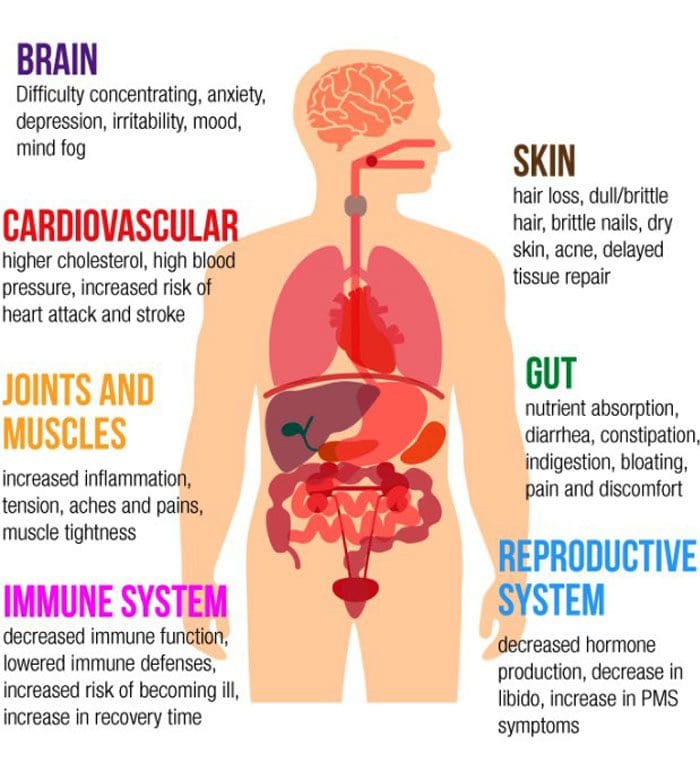
Workplace stress fatigues and agitates the body and can cause major health issues. These include:
Sometimes stress can be so intense that the heart races. For some, this can lead to panic attacks. To help calm the body down, breathing exercises can help.
One exercise to relieve stress is to take one deep inhale and hold it for three seconds.
After three seconds, with the front teeth over the edge of the upper lip.
Slowly exhale.
Wait a few seconds
Repeat until you feel calm.
Second exercise
Close your eyes and breathe in and out like blowing up a balloon.
Take a long inhale, pretend the stomach is a balloon and hold the air for seconds.
Exhaling, pretend the air escaping is like a balloon releasing the air.
This helps to slow down the heart and releases tension.
Stay Aware of Body Posture
When intensely working on something standing or hunched over for a long time, muscle tension is occurring.
When sitting, make sure the feet are planted firmly on the floor.
Keep the shoulders back and aligned.
Investing in an ergonomic chair with lumbar support can help.
Low back support will automatically encourage the body to maintain proper posture while also providing comfort.
Never cross the legs when sitting. This can place pressure on the pelvis that can lead to low back pain.
It’s important to keep the body moving as it promotes circulation and maintains muscle strength and flexibility. Not moving around can make the body feel lethargic and irritated.
By getting up and walking around, tension is released, which helps reduce stress.
Make an effort to get out and walk regularly.
Walking has been proven to reduce stress and strengthen the bones.
Therapeutic Massage
Another way to manage stress in the workplace is to get a therapeutic massage. It will soothe and relax the body, helping you feel more at ease at work and home. Benefits of massage include:
Improves flexibility
Boosts immune system function
Increases energy
Reduces anxiety symptoms
Types of massages that help with reducing tension and stress are:
Fast food and junk food can bring temporary/false relief, but eating poorly regularly will increase stress in the body. The food does not supply the body with the nutrients it needs to get large amounts of work done. Individuals get a quick jolt of energy then crash rapidly and feel worse creating an unhealthy cycle. To help manage stress, some of the best foods include:
Adjustments can be helpful to manage workplace stress. The benefits are able to release tension throughout the body and increase flexibility. Chiropractic can improve blood circulation which can reduce symptoms caused by hypertension and nerve damage. Some chiropractic techniques used include:
This can improve how the body responds to stress. Keeping the body stress-free while working will help to be more productive, and encouraged to live healthier. The nervous system is responsible for adapting to the environment, especially a stressful environment. A properly aligned spine and nervous system allow the body to manage stress better.
Body Composition
High blood pressure and diabetes prevention
Living a healthy lifestyle reduces the risk of chronic diseases, that includes diabetes and hypertension. Too much:
Sodium
Alcohol
Saturated fat
Combined with:
Smoking
Lack or no physical activity
Mental stress
These are all factors that can affect overall health and longevity.
The American Heart Association recommends at least 150 minutes a week of moderate-intense aerobic activity or 75 minutes a week of intense aerobic activity. Moderate-intense activities include:
Jamison, J R. “Stress management: an exploratory study of chiropractic patients.” Journal of manipulative and physiological therapeutics vol. 23,1 (2000): 32-6. doi:10.1016/s0161-4754(00)90111-8
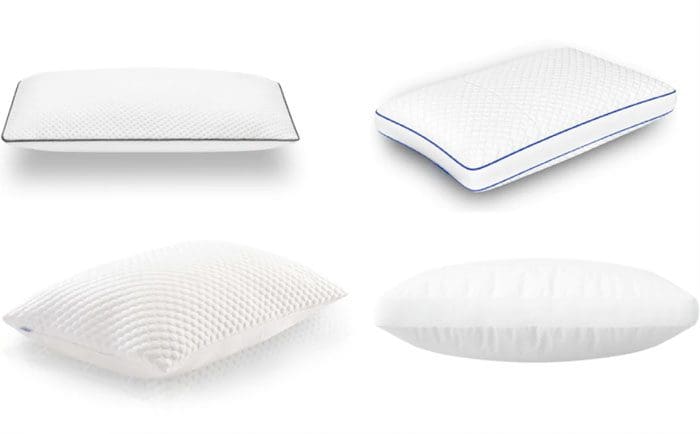
Many individuals do not realize the importance of the type of pillow they use for sleep. Sleeping on the wrong pillow is the perfect set-up for neck, shoulder, and back pain. Here are a few chiropractic tips on what to know about picking the best pillow. Knowing which is the right pillow for you can be the key to proper sleep and waking up pain-free.
Importance of Pillows
Neck and shoulder pain can be a nightmare, especially when the body cannot get decent rest. The right pillow/s can help with neck and back pain symptoms and recover from injuries quicker. When the head is in an awkward position for sleep duration, this causes neck, shoulder, and headache problems. The importance of finding the right pillow follows a set of guidelines.
Shape
The shape of the pillow has a definitive role in the cervical/neck’s curvature.
Posture
Sleep posture is important in preventing neck, shoulder, and back musculoskeletal pain.
Sleep quality
Craniocervical pressures and cervical spine alignment are height-specific. Any changes can affect an individual’s sleep quality.
Height
Cervical alignment can become significantly impacted by the shape and height of the pillow.
Pillow Comfort Importance
Trying to find the right pillow will require trial and error. The basics to consider include:
One sign that it’s time for a new pillow is waking up with pain.
Age of current pillows. The recommendation is they should be replaced every year or two. This depends on the stuffing/material used as different types wear down quicker.
If problems are getting comfortable and being able to fall asleep.
Constantly readjusting or fluffing the pillow/s.
The pillow has become lumpy or lost its shape.
It is flat with no cervical support or, too high placing the head in a forward tilt.
This is an online quiz along with a personalized process in their stores.
The process helps choose a pillow based on individual support preferences and sleep position for the best spinal alignment.
Customizable or adjustable pillows are another option. These pillows allow the individual to change the amount of filling to fit their needs.
Research, personal preference, and advice from a doctor and or chiropractor will help find the pillow that is right for you.
A third of an individual’s life is spent in bed. Make it as comfortable as possible.
Body Health
Sleep Body Composition Importance
Not getting enough sleep makes it difficult to gain muscle.
Not getting enough sleep means that the body experiences less short wave sleep, affecting the body’s ability to secrete Growth Hormone and develop muscle.
Testosterone is negatively affected by lack of sleep.
Not enough sleep increases cortisol levels, impairing muscle development.
Not getting enough sleep makes it difficult to lose fat.
Irregular sleep throws off the body’s ghrelin/leptin cycles, causing hunger.
Not getting enough sleep has been linked to eating more.
Not getting enough sleep can cause reductions in the body’s Basal Metabolic Rate, reducing total energy output.
Tiredness reduces spontaneous movements.
References
“Effect of sleep posture on neck muscle activity.” Journal of Physical Therapy. June 2017. https://pubmed.ncbi.nlm.nih.gov/28626314/
“Effect of pillow height on the biomechanics of the head-neck complex: investigation of the craniocervical pressure and cervical spine alignment.” PeerJ. August 2016. https://pubmed.ncbi.nlm.nih.gov/27635354/
“How Often Should You Replace Your Pillows?” Sleep Foundation, Seattle, WA. https://www.sleepfoundation.org/bedding-information/how-often-should-you-replace-your-pillows
“Improving the quality of sleep with an optimal pillow: a randomized, comparative study.” Tohoku Journal of Experimental Medicine. July 2014. https://pubmed.ncbi.nlm.nih.gov/25008402/
“The effects of pillow designs on neck pain, waking symptoms, neck disability, sleep quality and spinal alignment in adults: A systematic review and meta-analysis.” Clinical Biomechanics. May 2021. https://pubmed.ncbi.nlm.nih.gov/33895703/
Okamoto-Mizuno, Kazue, and Koh Mizuno. “Effects of thermal environment on sleep and circadian rhythm.” Journal of physiological anthropology vol. 31,1 14. 31 May. 2012, doi:10.1186/1880-6805-31-14
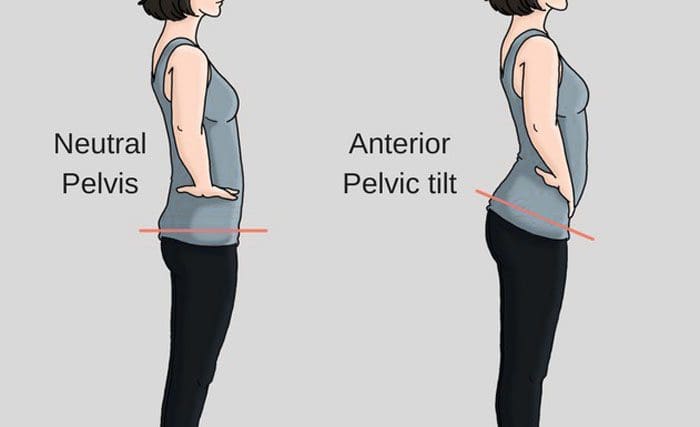
APT is short for anterior pelvic tilt. APT is when the pelvis tilts more down than forward, which can cause strain on the surrounding muscles and the spine to hold the torso up. The body’s own anatomical structure causing the condition and/or part of a bad habit that an individual has grown accustomed to. This can be from injury/s, back, and/or hip pain causing an individual to take on awkward postures to compensate for the discomfort and try and avoid it. However, these unhealthy postures cause their own set of musculoskeletal problems. Addressing this form of poor posture can help reduce and alleviate low back and hip pain and prevent further injuries. Chiropractic can pinpoint an anterior pelvic tilt and fix it.
Anterior Pelvic Tilt
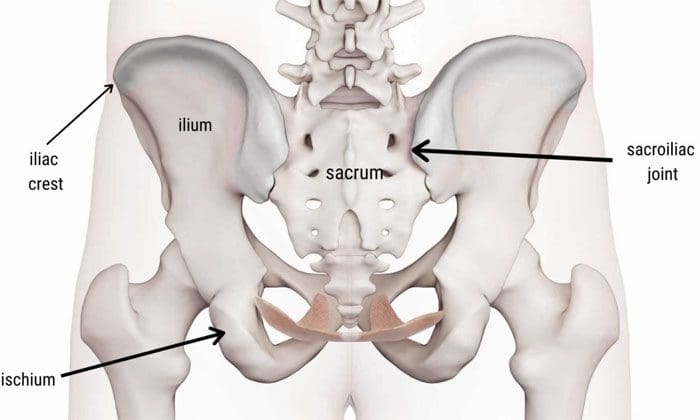
What happens is the pelvis becomes tilted or rotated forward. Place the hands, specifically the fingertips, on the hips. There are bone ridges. These are the iliac crests. If they’re facing more toward the ground than directly forward, this could be an anterior pelvic tilt. It usually happens when the hip flexors become tight and pull the pelvis down. Another contributor is the glute and hamstring muscles have weakened and are not strong enough to counteract the forward pulling. This can be caused by sitting for long periods, poor posture, and for women who wear high heels regularly. These contribute to tightening the hip flexors and the glutes, hamstrings, and core muscles.
An anterior pelvic tilt causes an increase in the curve of the lower back. It can feel like the hip flexors are tightening up. It typically affects the lower back at the lowest two levels, which are L4-5 and L5-S1. There can be long-term issues if an anterior pelvic tilt is left untreated. The spine becomes more vulnerable to disc issues that can include:
An anterior pelvic tilt is a repairable condition. Several exercises can help loosen/relax the hip flexors and strengthen the core and posterior muscle chain. This in addition to walking and reducing wearing high heels regularly. A few exercises for anterior pelvic tilt.
The Tail Tuck
This is literally trying to tilt the tailbone forward, like tucking in an imaginary tail. This can be done for 10-12 reps and up to 3 times.
Plank
Core-strengthening exercises can help with all types of back and hip problems. If possible, do the exercises in front of a mirror to ensure no arching of the back or the butt sticking out. If it is too difficult on the hands, go to the elbows. If there are wrist or shoulder issues, planks can be done on a raised surface, like a table or couch. Hold as long as possible, maintaining proper form. Start with 10-30 seconds and build up to minutes.
Strengthening the Glutes
It is recommended to strengthen the glute muscles. This can be done with exercises like clams or side-stepping with resistance bands. For clams, lie on the side and raise each leg up and down 10-12 times, up to 3 sets. For side-stepping, place resistance bands around the ankle/shin area and step to the side for 8-10 steps. Then go the other direction for the same number of steps. Repeat up to 3 sets.
Hip Flexor Stretch
Lunge forward while standing or lunge and kneel with the other leg on the ground. Then move the torso back a little and engage the core to stretch the hip flexors in the front of the thigh/pelvis area. Hold for 30 seconds, then release. Repeat 3-5 times per leg.
Lifestyle
These exercises can help, but if there is no progress around a month, contact a qualified chiropractor or physical therapist for further instruction and supervision. Also, if any neurological symptoms present like:
Sciatica
Shooting pain
Numbness
Tingling
Weakness
See a doctor as soon as possible.
Fixing posture-related problems require individuals to learn to be posture aware along with making some lifestyle adjustments. One way to do these exercises is to tack them onto a workout. Also, set reminders on a calendar to get up, stretch, and move around if sitting most of the day.
Body Composition Health
Difference between Processed sugar and Natural sugar
There are different types of sugar. There are natural sugars that are found in:
Fruits
Vegetables
Nuts
Whole grains
Beans
All sugar is broken down into glucose. However, foods that contain natural sugar are also rich in nutrients, including:
Vitamins
Minerals
Fiber
Protein
All which the body requires for optimal health.
Natural sugar does not lead to excess sugar intake; it happens with processed sugar. Processed sugar is extracted from sugarcane or sugar beet and is normally found as sucrose. This is present in cakes, cookies, cereal, and beverages. Processed sugar is also hidden in foods that are not sweet, like:
Microwave meals
Spaghetti sauce
Low-fat yogurt
Ketchup
Sports drinks
Foods that contain processed sugar are an energy source, but they contain little or no nutrients and can cause blood sugar levels to spike. In addition, consuming too much sugar is linked to an increased risk of:
Diabetes
Accelerated aging
Weight gain
Research has found that added sugar contributes to around 17% of the total calorie intake for adults. The recommended daily amount of calories from added sugar is 10%.
References
Azaïs-Braesco, Véronique et al. “A review of total & added sugar intakes and dietary sources in Europe.” Nutrition journal vol. 16,1 6. 21 Jan. 2017, doi:10.1186/s12937-016-0225-2
Centers for Disease Control and Prevention (CDC). (May 2020) “Acute Low Back Pain” https://www.cdc.gov/acute-pain/low-back-pain/index.html
National Institute of Neurological Disorders and Stroke. (March 2020) “Low Back Pain Fact Sheet” https://www.ninds.nih.gov/Disorders/Patient-Caregiver-Education/Fact-Sheets/Low-Back-Pain-Fact-Sheet
Orlando Health. (2019) “Bad Posture Often to Blame for Chronic Pain and Health Issues, But Survey Finds Too Few Americans Are Concerned” https://www.orlandohealth.com/content-hub/bad-posture-often-to-blame-for-chronic-pain-and-health-issues
IFM's Find A Practitioner tool is the largest referral network in Functional Medicine, created to help patients locate Functional Medicine practitioners anywhere in the world. IFM Certified Practitioners are listed first in the search results, given their extensive education in Functional Medicine