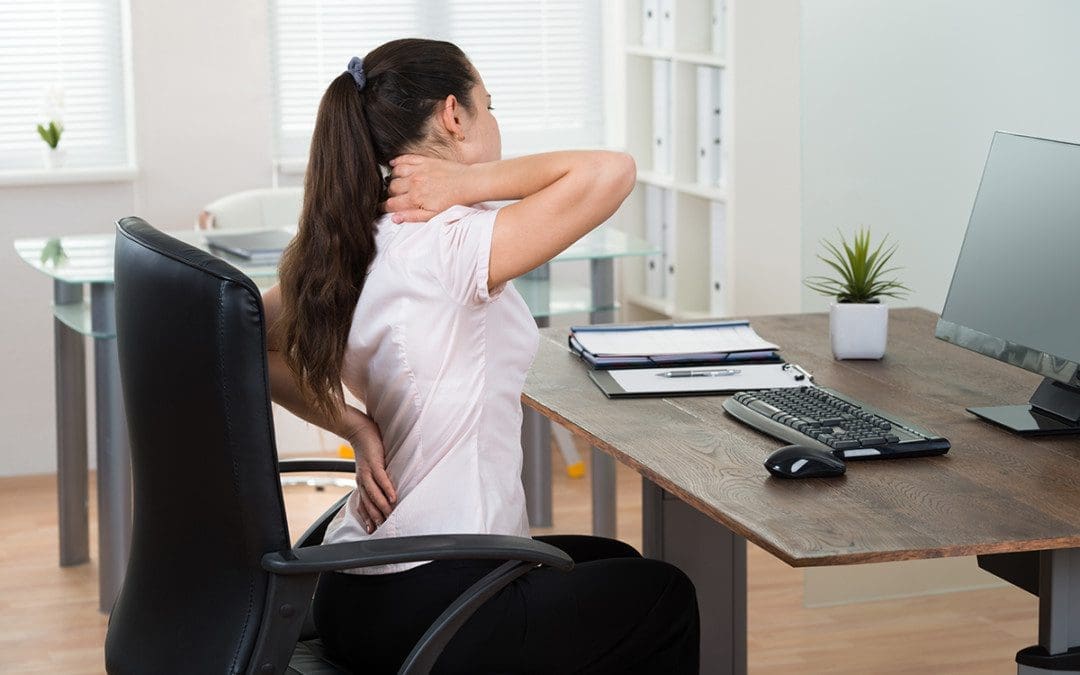
Many of us are moving around from one location to another. When we are on our feet all the time, it can cause the muscles of the lower extremity to become tight and ache that we need to sit down and rest. When the body is resting, our posture tends to be hunched over, and it causes the postural muscles to over-stretch and cause pain when we get up from our rested position. Whether sitting on the couch or a chair, our posture tends to be reclined where it may seem comfortable, but it causes pain to our musculoskeletal system in our neck, shoulders, and back. To that point, when we get out of the reclined position, it can also affect the legs, calves, and feet. Today’s article focuses on the postural muscles, how postural pain affects the gastrocnemius-soleus muscles, and how MET treatment can help the postural muscles. We utilize valuable information about our patients to certified medical providers using MET treatment to mitigate postural effects on the musculoskeletal system. We encourage and refer patients to associated medical providers based on their diagnosis while supporting that education is a remarkable and fantastic way to ask our providers the essential questions at the patient’s acknowledgment. Dr. Alex Jimenez, D.C., comprises this information as an educational service. Disclaimer
What Are The Postural Muscles?
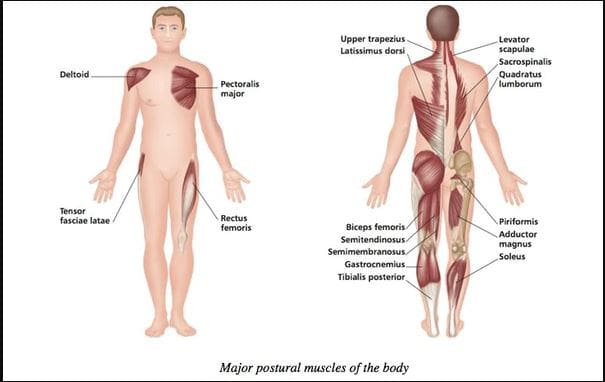
Have you been dealing with low back pain? What about feeling a tingling or numbing sensation down your calves or feet? Or do your back muscles constantly ache from sitting down for long periods? Many of these are signs and symptoms that you are experiencing pain in your postural muscles. Studies reveal that the postural muscles interact between the musculoskeletal system and the central nervous system’s afferent and efferent pathways. In the human body, three curves maintain mobility, stability, and balance to resist longitudinal pressures: cervical, thoracic, and lumbar. The postural muscles work with the lower body extremities to support the weight of the upper body extremities. Additional research shows that postural stability and balance control are interlinked with a dynamic process and allow the muscles in the lower portions of the body, like the legs and calf, to help stabilize the upper body’s weight. We will look at the gastrocnemius and soleus muscles as they help maintain good posture, balance, and stability.
Postural Pain Affects The Gastrocnemius-Soleus Muscles
Repetitive motions associated with environmental factors can cause the gastrocnemius and soleus muscles to shorten and cause symptoms of muscle weakness, cramping, and instability in calves and legs. The gastrocnemius and soleus muscles have a beautiful relationship as they help form the calf muscles that allow movement and stability to the entire body. Now how would postural pain affect these muscles? According to research studies, when numerous factors start to affect the body’s posture, whether it is prolonged standing, sitting, bending, twisting, or awkward positions, it causes muscle strain to the body, and it can cause negative effects on the surrounding muscles. For example, say you are in an awkward position and start to feel a numbing sensation down to your legs and low back pain. When you release your body from the uncomfortable position, the blood flow and neuron signals will go haywire as the blood tries to get the muscles working again, and the signals are trying to reach back to the brain.
The Root Cause Of Pain- Video
Do your legs feel heavy constantly? Are you experiencing balancing issues when walking? Or have you been experiencing pain in your lower back, and it’s traveling down to your legs? If you are dealing with these issues, it could result from postural pain associated with your calves’ gastrocnemius and soleus muscles. Poor posture causes numerous pain-like symptoms, leading to muscle weakness or numbness in the legs and calves. When this happens, it can lead to instability and mobility issues that can turn into chronic conditions if not treated immediately. The video above explains how numerous factors can cause pain, leading to underlying musculoskeletal conditions that can cause the body to be misaligned. Luckily all is not lost, as there are multiple treatments to reduce pain and realign the body out of subluxation. Treatments like MET therapy, chiropractic care, and physical and nutritional therapy can help many individuals with pain-like symptoms. They can help stretch, lengthen, and reduce the effects of postural pain.
MET Treatment On The Postural Muscles
When it comes to reducing pain in the postural muscles, many individuals will find ways to treat the pain. In “Clinical Applications of Neuromuscular Techniques,” authors Leon Chaitow, N.D., D.O., and Judith Walker Delany, L.M.T., state that when it comes to reducing pain in both the gastrocnemius and soleus muscles, many pain specialists use muscle energy techniques or MET to help treat the soft tissues that surround the calves by using stretching techniques and isometric contractions to lengthen the shortened muscles that are causing the calves to cramp. Utilizing MET treatment on the postural muscles allows the affected muscles to be stretched gently and, combined with other therapies, can prevent future injuries from reoccurring. Additionally, it will enable the individual to be more mindful of their posture to avoid these issues from escalating.
Conclusion
Overall, it is important to ensure that having a good posture can prevent issues from affecting the lower portions of the body and causing pain in the calf muscles. When the calf muscles begin to deal with pain, it can cause the individual to be unstable and lose their balance. Incorporating soft tissue therapies like MET allow the muscles to be stretched and relaxed while restoring blood flow to the legs and help many individuals walk without feeling pain.
References
Carini, Francesco, et al. “Posture and Posturology, Anatomical and Physiological Profiles: Overview and Current State of Art.” Acta Bio-Medica : Atenei Parmensis, 28 Apr. 2017, www.ncbi.nlm.nih.gov/pmc/articles/PMC6166197/.
Chaitow, Leon, and Judith Walker DeLany. Clinical Applications of Neuromuscular Techniques. Churchill Livingstone, 2003.
Ludwig, Oliver, et al. “Neuromuscular Performance of Balance and Posture Control in Childhood and Adolescence.” Heliyon, 31 July 2020, www.ncbi.nlm.nih.gov/pmc/articles/PMC7398941/.
Swain, Christopher T V, et al. “No Consensus on Causality of Spine Postures or Physical Exposure and Low Back Pain: A Systematic Review of Systematic Reviews.” Journal of Biomechanics, 26 Mar. 2020, pubmed.ncbi.nlm.nih.gov/31451200/.
When it comes to the body, the lower portion has three compartments of muscles that work together to provide stability and mobility to the host when they are in motion. The anterior, posterior, and lateral compartments have numerous muscles, tissues, and ligaments that support the spine and allow the musculoskeletal system to do various movements without pain. When normal factors affect the body, it can cause symptoms of overlapping risk profiles that can lead to musculoskeletal pain disorders associated with pain-like symptoms in the joints and muscles. Today we will look at one of the muscle compartments known as the postural muscles, how postural pain affects the body, and how manual therapy combined with the MET technique can improve the postural muscles. We mention valuable information about our patients to certified medical providers who use methods like the MET combined with manual therapy to reduce pain-like symptoms associated with musculoskeletal disorders. We encourage patients by referring them to our associated medical providers based on their findings. We support that education is a marvelous way to ask our providers the most interesting questions at the patient’s acknowledgment. Dr. Alex Jimenez, D.C., incorporates this information as an educational service. Disclaimer
What Are The Postural Muscles?
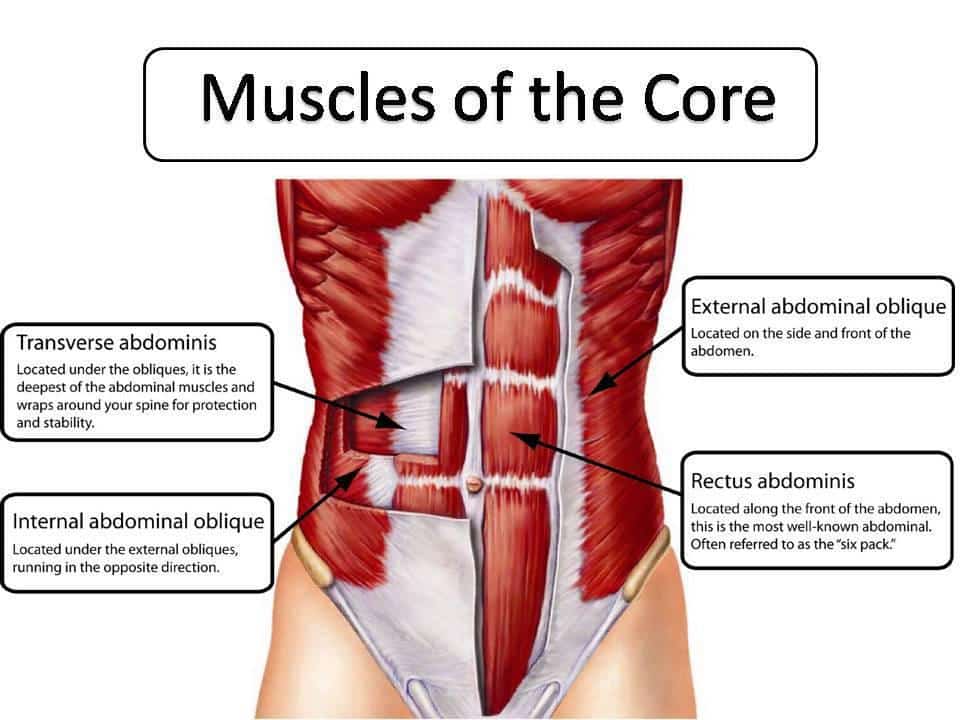
Are you experiencing muscle stiffness in your lower back? What about aches and pain in your shoulders and neck? Or have you noticed your legs feel heavy after sitting down for a long time? Many of these issues are associated with the postural muscles that are causing pain to the musculoskeletal system. So what are the postural muscles in the musculoskeletal system? Well, they are the core muscles that are deep within the abdomen, pelvis, and back. Research studies reveal that the curvature of the spine (cervical, thoracic, and lumbar regions) communicates and works with the central nervous system and musculoskeletal system to provide balance, support, and resistance against pressure on the body. The postural muscles are important in the body as they ensure the host has perfect posture when walking, sitting, or standing. Additional studies mentioned that good postural and stability control are the fundamentals for motor skills. When a person has good postural control, it can help give them a stable gait when walking. However, as the body ages, the postural muscles can become weak and lead to muscle strain while affecting the joints and tendon structures.
The Effects Of Postural Pain In The Body
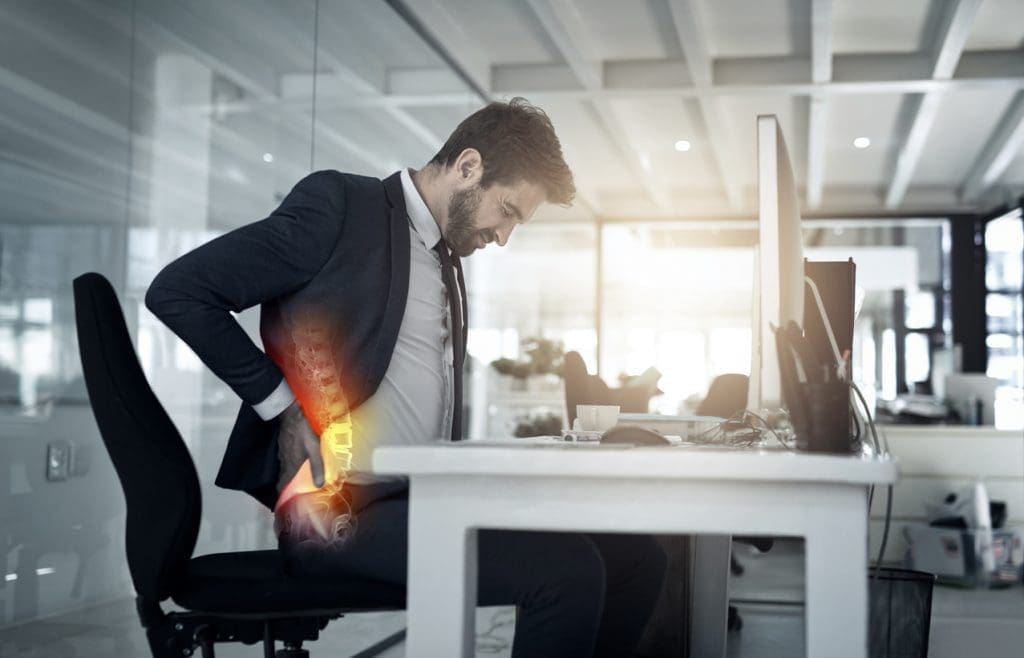
So what happens to the body when dealing with pain in the postural muscles, and how does it affect one’s posture? Research studies reveal that reducing back muscle endurance from prolonged sitting, slouching, or constantly looking down can cause muscle strain symptoms in the postural muscles. To that point, it can lead to increased development of low back pain and lumbar discomfort in the joints. As stated earlier, other factors like slouching, prolonged sitting, and constantly looking down can affect the lower back, shoulders, and neck. The various muscles that make up the shoulders and neck would become strained and tensed, leading to shoulder and neck pain that can cause discomfort. When these overlapping symptoms affect the body, it can cause many overlapping symptoms that can overlap and cause the individual to be miserable.
How Neck Injuries Affect The Body- Video
Have you been experiencing any muscle strain in your neck, shoulders, or lower back? Does stretching bring temporary relief? Or have you been dealing with heaviness in your legs? Many of these factors are associated with weak postural muscles that can contribute to poor posture, low back and neck pain, and other musculoskeletal issues. The video above explores the common causes and symptoms of neck injuries and how treatments like chiropractic care can help alleviate the symptoms. Treatments like chiropractic care utilize manual manipulation and various techniques to help realign the body and reduce any musculoskeletal disorders associated with pain. Chiropractic care is non-invasive and works with other medical professionals to restore the body naturally.
Manual Therapy & MET On Postural Muscles
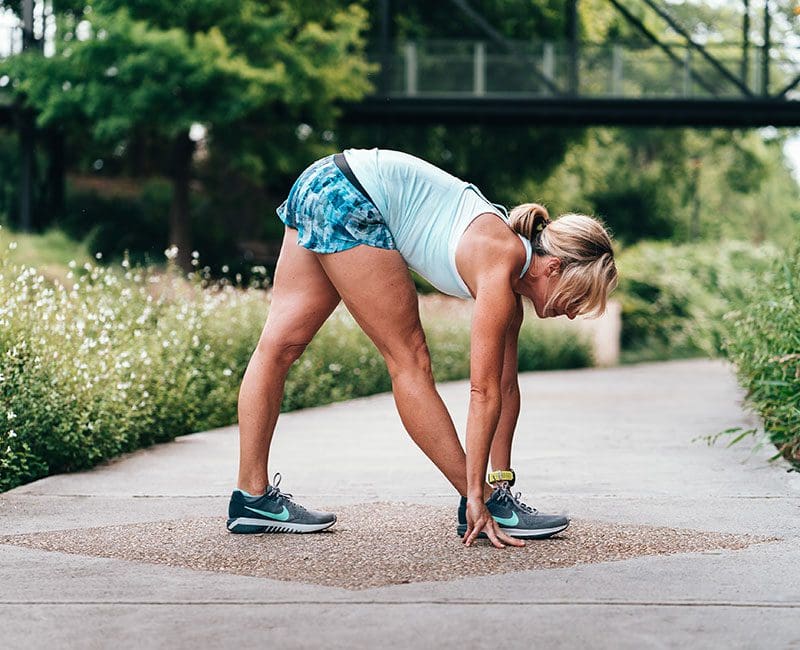
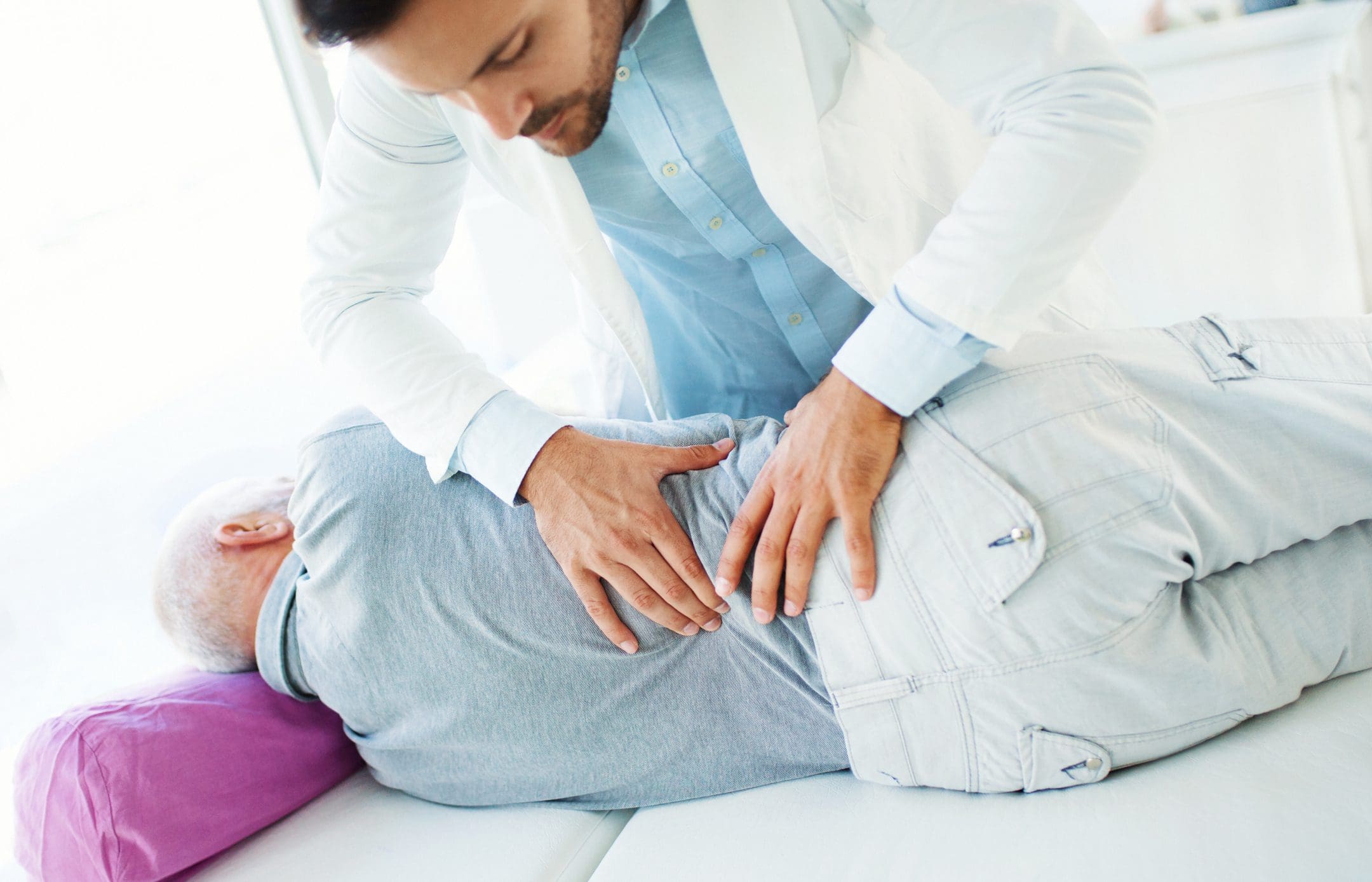
So what can one do when dealing with postural pain and trying to find relief? Many individuals go to treatments like chiropractic care, which can allow the body to be realigned and restored naturally. Treatments like chiropractic care can help restore good posture in the spine while relieving and reducing excess pain and strain on the various muscles, tendons, and joints. Additionally, chiropractors use techniques like the MET technique to reduce stress on the soft tissues and restore the joint’s range of motion. According to the book, “Clinical Applications of Neuromuscular Techniques,” Leon Chaitow N.D., D.O., and Judith Walker DeLany L.M.T., stated that muscle restoration is accompanied by biomechanical solutions and strategies that are introduced to the body and become a key focus on the muscles that required strengthening, enhancing, and improve breathing and posture function. When therapists like chiropractors and massage therapists use the MET technique, the affected muscles can be stretched and strengthened while restoring the structural and functional imbalances the body has endured. This can help improve postural muscles while allowing the body to heal naturally. This allows the individual to be mindful of how they present themselves with good posture.
Conclusion
Overall, the body requires the postural muscles to help stabilize and keep the body mobile. When musculoskeletal disorders associated with pain started to affect the muscles through bad posture or other normal factors, it can cause these muscles to be weak and develop musculoskeletal conditions that can lead many individuals to constant pain. Luckily therapies like chiropractic care combined with the MET technique allow the affected muscles to be stretched and strengthened. This allows the body to be realigned and restored naturally. Incorporating stretching combined with chiropractic care can help many individuals be mindful of their posture and enable them to continue their health and wellness journey without pain.
References
Carini, Francesco, et al. “Posture and Posturology, Anatomical and Physiological Profiles: Overview and Current State of Art.” Acta Bio-Medica : Atenei Parmensis, U.S. National Library of Medicine, 28 Apr. 2017, https://www.ncbi.nlm.nih.gov/pmc/articles/PMC6166197/.
Chaitow, Leon, and Judith Walker DeLany. Clinical Applications of Neuromuscular Techniques. Churchill Livingstone, 2003.
Jung, Kyoung-Sim, et al. “Effects of Prolonged Sitting with Slumped Posture on Trunk Muscular Fatigue in Adolescents with and without Chronic Lower Back Pain.” Medicina (Kaunas, Lithuania), U.S. National Library of Medicine, 23 Dec. 2020, https://www.ncbi.nlm.nih.gov/pmc/articles/PMC7822118/.
Ludwig, Oliver, et al. “Neuromuscular Performance of Balance and Posture Control in Childhood and Adolescence.” Heliyon, U.S. National Library of Medicine, 31 July 2020, https://www.ncbi.nlm.nih.gov/pmc/articles/PMC7398941/.
IFM's Find A Practitioner tool is the largest referral network in Functional Medicine, created to help patients locate Functional Medicine practitioners anywhere in the world. IFM Certified Practitioners are listed first in the search results, given their extensive education in Functional Medicine