Can understanding antinutrients and the importance of a balanced diet help individuals get the most out of their foods?
Antinutrients
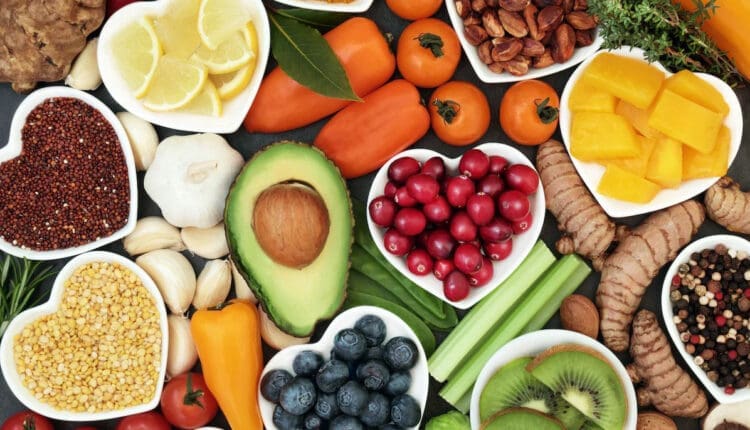
Antinutrients are compounds in some plant foods that can reduce the body’s ability to absorb and use certain nutrients. (Petroski W., & Minich D. M. 2020) The purpose of these compounds is to protect the plants from infections and insects, which benefits the plant. It can also lower the human body’s ability to absorb nutrients properly. They are found in many grains, legumes, seeds, nuts, fruits, and vegetables. Plant-based foods high in antinutrients have beneficial nutrients, such as antioxidants, fiber, and other vitamins and minerals, and have been associated with a lower risk of chronic disease. The antinutrients may prevent the digestion and absorption of some minerals and have other negative effects that include:
Altered gut function
Increased inflammation
Endocrine disruption
Increased risk of calcium kidney stones
Common Types
Some of the main antinutrients of concern include phytates, lectins, oxalates, tannins, and phytoestrogens.
Phytates (phytic acid)
They are found in grains, legumes, nuts, and seeds.
They are found in various plant foods, including fruits, vegetables, nuts, and grains. (Mitchell T. et al., 2019)
Oxalates bind to certain minerals, such as calcium-forming calcium oxalate.
Tannins
They are found in many plant foods, such as legumes, cereal grains, nuts, cacao, leafy and green vegetables, coffee, and tea. (Ojo M. A. 2022)
Tannins are antioxidant-phenolic compounds that can reduce the absorption of some minerals and proteins in the body.
Phytoestrogens
They are found in various plant foods, such as fruits, vegetables, legumes, nuts, and seeds.
These estrogen-like compounds have many health benefits but may also act as endocrine disruptors (interfering with hormones). (Petroski W., & Minich D. M. 2020)
Effects on the Body
Antinutrient compounds typically bind to minerals or other nutrients, which inhibits digestion and absorption. For example,
How these foods containing antinutrient compounds are prepared and consumed can influence their impact on the body and the quantity consumed.
Advantages and Disadvantages
Plant foods have long been associated with improved health and a decreased risk of some chronic diseases, such as heart disease, diabetes, cancer, stroke, and others. (Craig W. J. et al., 2021) For most, the effects of antinutrients are not of major concern after processing and cooking. The benefits and drawbacks of consuming foods high in antinutrients include: (Petroski W., & Minich D. M. 2020)
Benefits
Some antinutrients act as antioxidants.
Some have cancer-fighting abilities.
Some may increase immune system function.
They are often sources of dietary fiber and other beneficial nutrients.
Drawbacks
It may be difficult for some individuals to digest.
Phytoestrogens may behave like endocrine disruptors.
High amounts of oxalates can contribute to kidney stones.
Cooking methods to minimize antinutrient content, like boiling, steaming
Autoclaving – a cooking process that uses high pressure and heat to cook and sterilize food.
Peeling the skins of fruits and nuts is effective for reducing tannins.
Combining foods to enhance nutrient absorption.
For example, pairing high-oxalate foods with high-calcium foods.
Combining different cooking and processing methods can completely degrade and reduce many antinutrient compounds. The exception is phytoestrogens, where boiling, steaming, and fermentation can increase antinutrients. (Petroski W. & Minich D. M., 2020)
Injury Medical Chiropractic & Functional Medicine Clinic
Individuals concerned about antinutrients in their diet and who want individualized advice on how to get the most out of the food they eat should consider consulting with a registered dietitian nutritionist or another healthcare professional. Injury Medical Chiropractic and Functional Medicine Clinic works with primary healthcare providers and specialists to develop an optimal health and wellness solution.
Smart Choices, Better Health
References
Petroski, W., & Minich, D. M. (2020). Is There Such a Thing as “Anti-Nutrients”? A Narrative Review of Perceived Problematic Plant Compounds. Nutrients, 12(10), 2929. https://doi.org/10.3390/nu12102929
Gupta, R. K., Gangoliya, S. S., & Singh, N. K. (2015). Reduction of phytic acid and enhancement of bioavailable micronutrients in food grains. Journal of food science and technology, 52(2), 676–684. https://doi.org/10.1007/s13197-013-0978-y
Adamcová, A., Laursen, K. H., & Ballin, N. Z. (2021). Lectin Activity in Commonly Consumed Plant-Based Foods: Calling for Method Harmonization and Risk Assessment. Foods (Basel, Switzerland), 10(11), 2796. https://doi.org/10.3390/foods10112796
Mitchell, T., Kumar, P., Reddy, T., Wood, K. D., Knight, J., Assimos, D. G., & Holmes, R. P. (2019). Dietary oxalate and kidney stone formation. American journal of physiology. Renal physiology, 316(3), F409–F413. https://doi.org/10.1152/ajprenal.00373.2018
Ojo, M. A. (2022). Tannins in Foods: Nutritional Implications and Processing Effects of Hydrothermal Techniques on Underutilized Hard-to-Cook Legume Seeds-A Review. Preventive nutrition and food science, 27(1), 14–19. https://doi.org/10.3746/pnf.2022.27.1.14
Craig, W. J., Mangels, A. R., Fresán, U., Marsh, K., Miles, F. L., Saunders, A. V., Haddad, E. H., Heskey, C. E., Johnston, P., Larson-Meyer, E., & Orlich, M. (2021). The Safe and Effective Use of Plant-Based Diets with Guidelines for Health Professionals. Nutrients, 13(11), 4144. https://doi.org/10.3390/nu13114144
Harvard T.H. Chan School of Public Health. (2022). Are anti-nutrients harmful? https://nutritionsource.hsph.harvard.edu/anti-nutrients/
U.S. Department of Agriculture. (2020). Dietary Guidelines for Americans, 2020-2025. Retrieved from https://www.dietaryguidelines.gov/sites/default/files/2021-03/Dietary_Guidelines_for_Americans-2020-2025.pdf
National Institutes of Health Office of Dietary Supplements. (2024). Iron. Retrieved from https://ods.od.nih.gov/factsheets/Iron-HealthProfessional/
For individuals dealing with digestive issues or bowel disorders, can adding peppermint to a nutrition plan help manage symptoms and digestion?
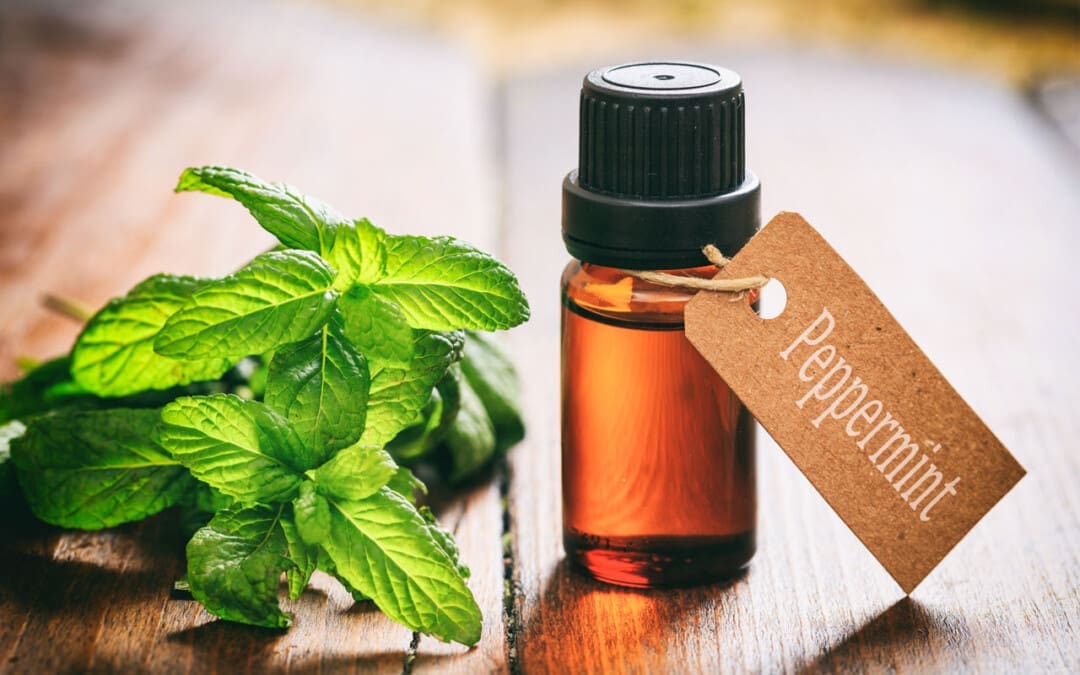
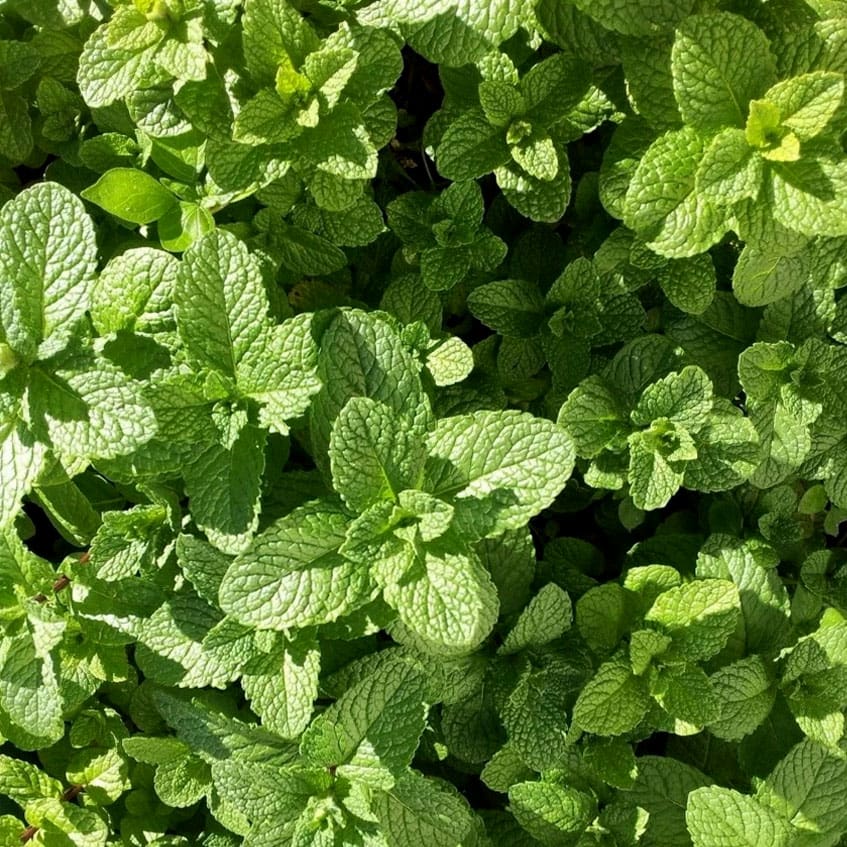
Peppermint
First grown in England, peppermint’s medicinal properties were soon recognized and are cultivated today in Europe and Northern Africa.
How It Is Used
Peppermint oil can be taken as a tea or in capsule form.
Consult a physician or licensed healthcare professional to determine the proper dosage for the capsule form.
For Irritable Bowel Syndrome
Peppermint is taken as a tea to treat general digestive problems. It is known to reduce the production of gas in the intestine. Today, researchers recognize peppermint as effective for irritable bowel syndrome when used in oil form. (N. Alammar et al., 2019) Peppermint oil has been approved for use by IBS patients in Germany. However, the FDA has not approved peppermint and oil to treat any condition, but it has listed peppermint and the oil as generally safe. (ScienceDirect, 2024)
Peppermint extract may increase serum levels of these medications.
It is recommended to discuss medication interactions with a healthcare provider before starting supplements if taking any of these medications.
Pregnancy
Peppermint is not recommended for use during pregnancy or by nursing individuals.
It is unknown if it could affect a developing fetus.
It is unknown if it can affect a nursing baby.
How To Use The Herb
It is not that common, but some individuals are allergic to peppermint. Peppermint oil should never be applied to the face or around mucous membranes (National Center for Complementary and Integrative Health. 2020). Using more than one form, such as tea and oil, is not recommended because it could lead to side effects.
Because the FDA does not regulate supplements like peppermint and others, their contents may be varied.
Supplements may contain harmful ingredients or not contain the active ingredient at all.
This is why seeking reputable brands and informing an individual’s healthcare team of what is being taken is highly recommended.
It has the potential to worsen certain conditions and should not be used by:
Peppermint was used to treat colic in infants but is not recommended today.
The menthol in the tea may cause infants and small children to choke.
Chamomile could be a possible alternative. Consult a healthcare provider to see if it is safe.
Beyond Adjustments: Chiropractic and Integrative Healthcare
References
Alammar, N., Wang, L., Saberi, B., Nanavati, J., Holtmann, G., Shinohara, R. T., & Mullin, G. E. (2019). The impact of peppermint oil on the irritable bowel syndrome: a meta-analysis of the pooled clinical data. BMC complementary and alternative medicine, 19(1), 21. https://doi.org/10.1186/s12906-018-2409-0
Agbabiaka, T. B., Spencer, N. H., Khanom, S., & Goodman, C. (2018). Prevalence of drug-herb and drug-supplement interactions in older adults: a cross-sectional survey. The British journal of general practice : the journal of the Royal College of General Practitioners, 68(675), e711–e717. https://doi.org/10.3399/bjgp18X699101
Kligler, B., & Chaudhary, S. (2007). Peppermint oil. American family physician, 75(7), 1027–1030.
National Center for Complementary and Integrative Health. (2020). Peppermint oil. Retrieved from https://www.nccih.nih.gov/health/peppermint-oil#safety
Cash, B. D., Epstein, M. S., & Shah, S. M. (2016). A Novel Delivery System of Peppermint Oil Is an Effective Therapy for Irritable Bowel Syndrome Symptoms. Digestive diseases and sciences, 61(2), 560–571. https://doi.org/10.1007/s10620-015-3858-7
Khanna, R., MacDonald, J. K., & Levesque, B. G. (2014). Peppermint oil for the treatment of irritable bowel syndrome: a systematic review and meta-analysis. Journal of clinical gastroenterology, 48(6), 505–512. https://doi.org/10.1097/MCG.0b013e3182a88357
For individuals switching to non-dairy and plant-based diets, can oat milk be a beneficial substitute for non-dairy milk drinkers?
Oat Milk
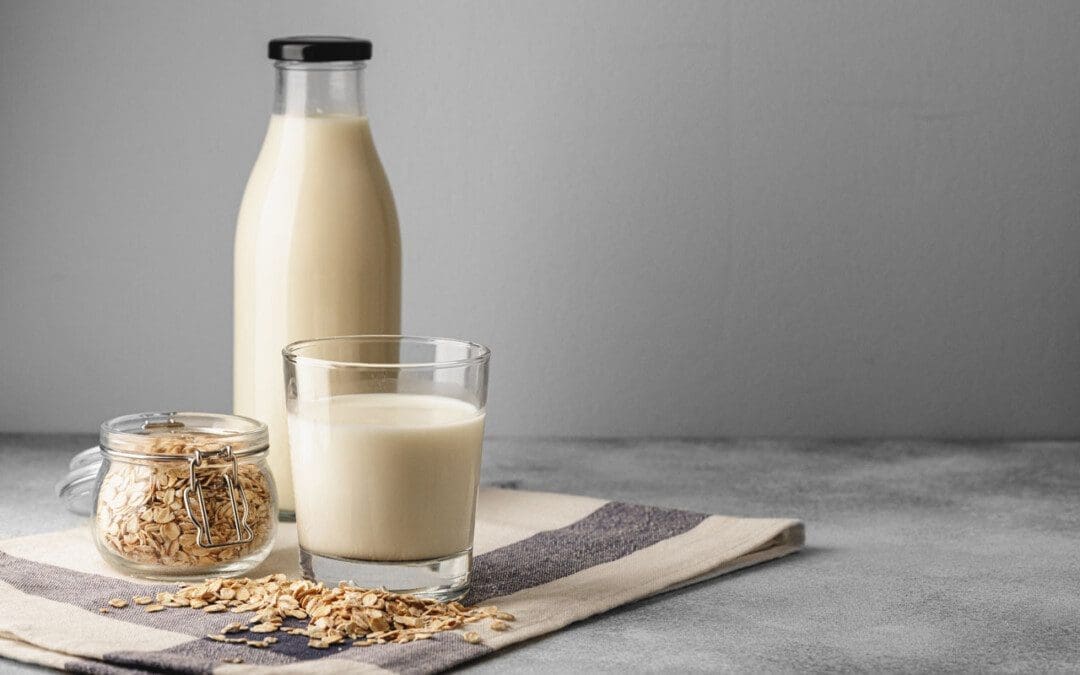
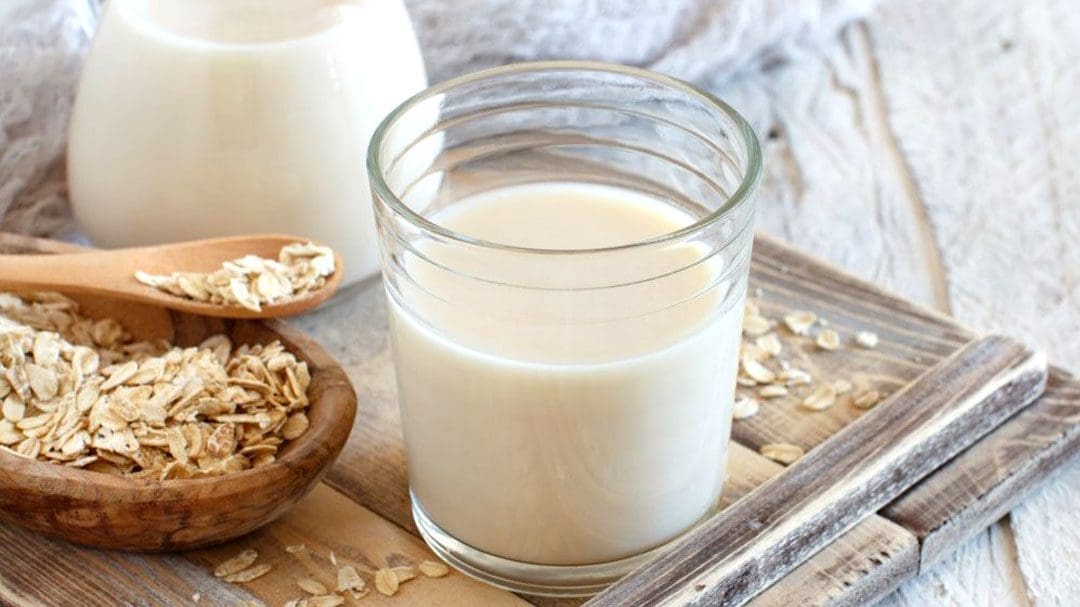
Oat milk is a dairy-free, lactose-free alternative nearly free of saturated fats, has more protein than most nut-based kinds of milk, adds fiber, and offers a healthy dose of B vitamins and minerals. It contains steel-cut or whole oats soaked in water that are then blended and strained with a cheesecloth or special milk bag that is cheaper to make than almond milk and is environmentally friendly.
Nutrition
Individuals can acquire 27% of daily calcium, 50% of daily vitamin B12, and 46% of daily B2. The nutritional information is for one serving of 1 cup of oat milk. (USDA FoodData Central. 2019)
Calories – 120
Fat – 5 grams
Sodium – 101 milligrams
Carbohydrates – 16 grams
Fiber – 1.9 grams
Sugars – 7 grams
Protein – 3 grams
Calcium – 350.4 milligrams
Vitamin B12 – 1.2 micrograms
Vitamin B2 – 0.6 milligrams
Carbohydrates
According to the United States Department of Agriculture, the number of carbohydrates in a cup of oat milk is 16, higher than other milk products.
However, the carbohydrates come from fiber and not fat.
Because oat milk is made from steel-cut or whole oats, there is more fiber per serving than cow’s milk, which offers no fiber, and almond and soy, which only contain one gram of fiber per serving.
Fats
Oat milk contains no fatty acids, no total saturated fat, and no total trans fats.
The milk does have 5 grams of total lipid fats.
Protein
Compared to cow’s and soy milk, oat milk has less protein, with only 3 grams per serving.
But compared to other substitutes, like almond milk and rice milk, oat milk provides more protein per serving.
This is beneficial for individuals following a vegan or dairy-free diet.
Vitamins and Minerals
Oat milk contains thiamin and folate, both B vitamins necessary for energy production.
The milk also has minerals, including copper, zinc, manganese, magnesium, and trace amounts of vitamins and minerals such as vitamin D, A IU, riboflavin, and potassium.
Most commercial oat milk is fortified with vitamins A, D, B12, and B2.
Calories
One serving of oat milk, about 1 cup, provides approximately 120 calories.
80% outgrow the allergy, but the remaining 20% still deal with the allergy into adulthood, making dairy alternatives necessary.
An alternative to dairy milk for:
Allergies to dairy
Lactose intolerance
Following a vegan/dairy-free diet
Oat milk offers some of the same health benefits as cow’s milk, that include:
Protein to build and repair tissues.
Maintain hair and nail health.
Calcium for strong bones.
Macronutrients like folate help make red and white blood cells.
Lowers Cholesterol
A review determined that consuming oats and oat products has a profound effect in lowering total and LDL cholesterol levels. (Susan A Joyce et al., 2019)
The researchers found significant support between oat beta-glucans and blood cholesterol levels, showing that adding oats to one’s diet can help lower the risk of cardiovascular disease.
Cancer Fighting Properties
According to a review of plant-based milk alternatives, oat milk may contain anti-cancer properties and high nutritional value. (Swati Sethi et al., 2016)
Bowel Movement Regulation
Because a great deal of carbohydrates in oat milk come from fiber, it is also higher in fiber than regular milk.
Fiber can help because the nutrient absorbs water to regulate bowel movements and decrease constipation.
Spending on alternative milk has risen, and the consumption of dairy milk has dropped, not only for the benefits and taste but because of environmental concerns.
Dairy milk uses nine times more land to make one liter compared to rice milk, soy milk, almond milk, or oat milk.
Allergies
Oat milk is a beneficial alternative for individuals who are lactose intolerant or suffer from any other type of dairy allergy or those who have a nut allergy and can’t drink almond milk.
However, individuals should be careful of intake if they have celiac disease or any type of wheat allergy/sensitivity.
Individuals can still drink oat milk, but the labels need to be read to make sure the product contains gluten-free wheat.
Oats are gluten-free, but manufacturers often process them using the same equipment as other wheat products, which could cause a reaction.
Adverse Effects
Oat milk can contain acidity-regulating phosphates, which are common additives in processed foods and are linked to kidney disease.
American College of Allergy, Asthma & Immunology. (2019). Milk & Dairy.
Joyce, S. A., Kamil, A., Fleige, L., & Gahan, C. G. M. (2019). The Cholesterol-Lowering Effect of Oats and Oat Beta Glucan: Modes of Action and Potential Role of Bile Acids and the Microbiome. Frontiers in nutrition, 6, 171. https://doi.org/10.3389/fnut.2019.00171
Sethi, S., Tyagi, S. K., & Anurag, R. K. (2016). Plant-based milk alternatives an emerging segment of functional beverages: a review. Journal of food science and technology, 53(9), 3408–3423. https://doi.org/10.1007/s13197-016-2328-3
Quagliani, D., & Felt-Gunderson, P. (2016). Closing America’s Fiber Intake Gap: Communication Strategies From a Food and Fiber Summit. American journal of lifestyle medicine, 11(1), 80–85. https://doi.org/10.1177/1559827615588079
Nadkarni, G. N., & Uribarri, J. (2014). Phosphorus and the kidney: What is known and what is needed. Advances in nutrition (Bethesda, Md.), 5(1), 98–103. https://doi.org/10.3945/an.113.004655
For individuals looking for a quick healthy snack, can adding sunflower seeds to one’s diet provide health benefits?
Sunflower Seeds
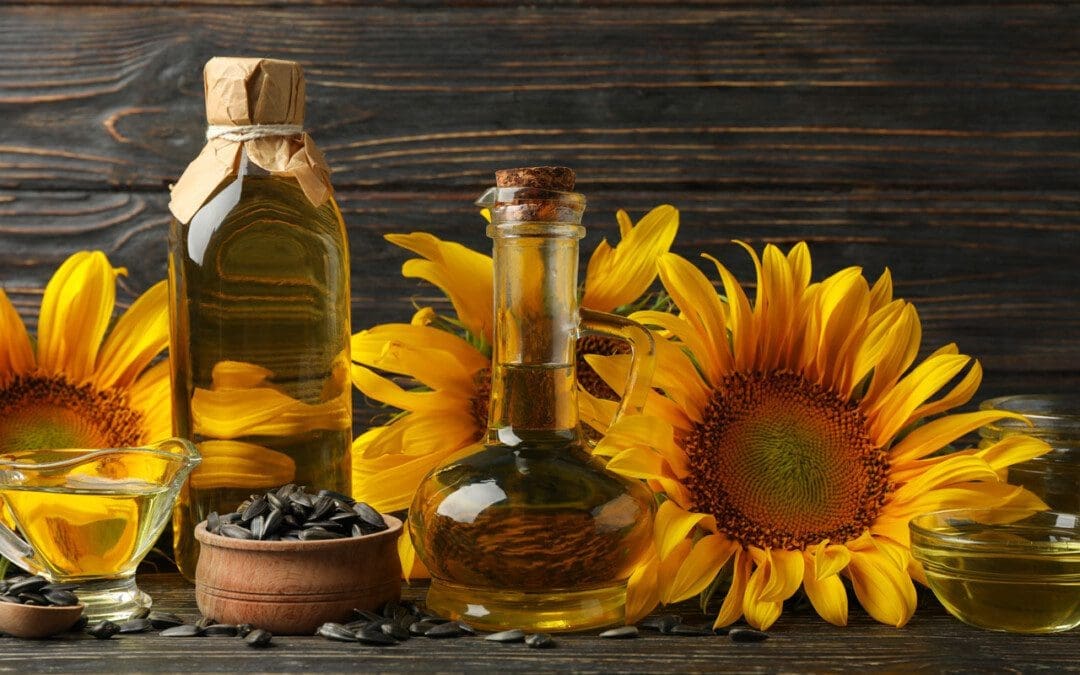
Sunflower seeds are the fruit of the sunflower plant. They have been found to contain antioxidants, vitamins, and minerals, which can help maintain immune system health, heart health, and more. Regularly grabbing a handful as a snack or adding to salads, oatmeal, baked goods, tuna salad, pasta, and vegetable toppings can help increase energy levels, reduce inflammation, and support general body health.
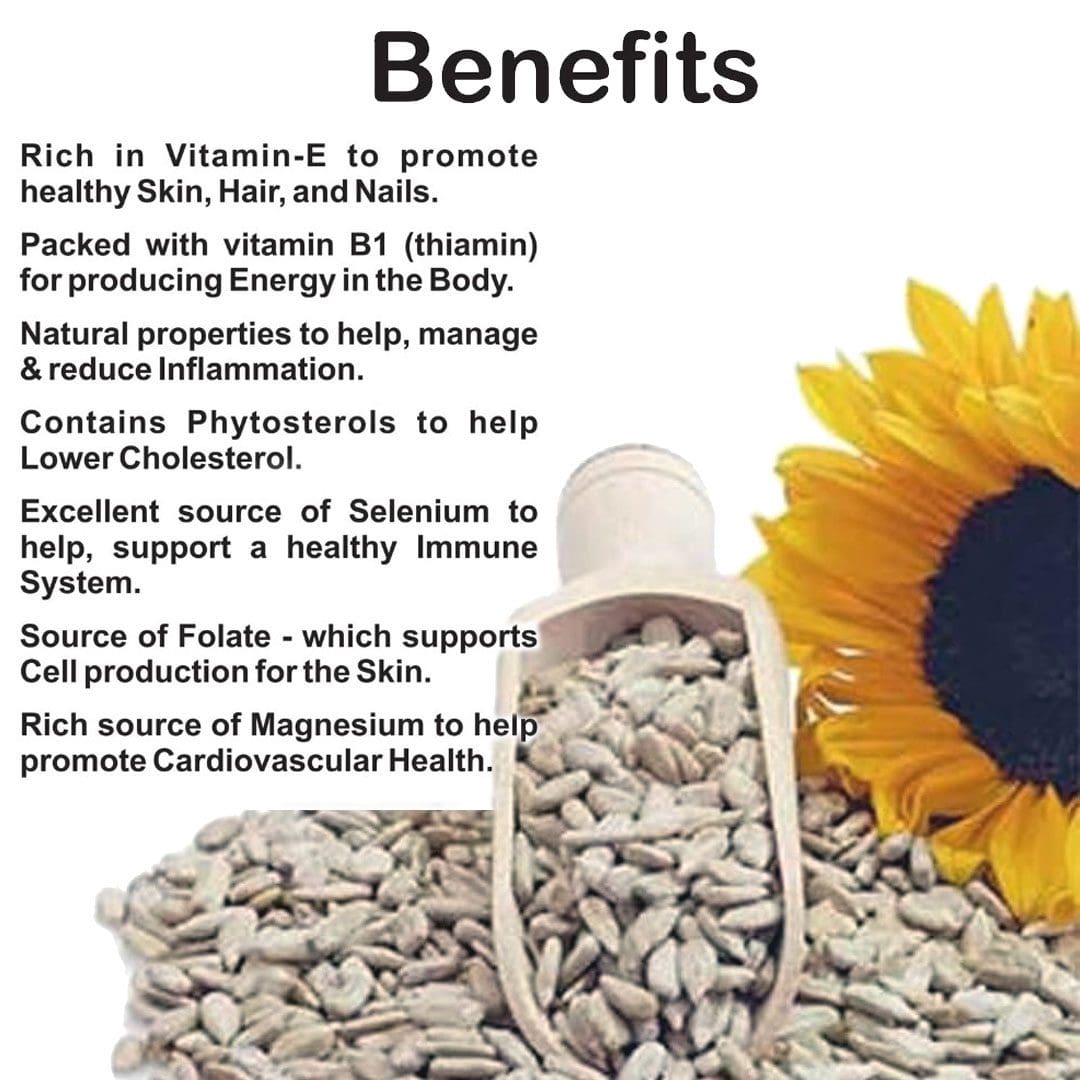
The seed’s high vitamin E value, combined with flavonoids and various plant compounds, can help reduce inflammation.
Research suggests that eating seeds at least five times a week may reduce inflammation and lower the risk of developing certain diseases. (Rui Jiang et al., 2006)
Heart Health
They are high in healthy fats, like polyunsaturated and monounsaturated fats.
Plant sterols, or the natural compounds in sunflower seeds, are recommended for their cholesterol-lowering properties. (University of Wisconsin Health. 2023)
Data show sunflower and other seeds consumption may lower rates of heart disease, high blood pressure, and high cholesterol.
Energy
The seeds contain vitamin B, selenium, and protein, which can help energize the body throughout the day.
These nutrients support blood circulation, oxygen delivery, and food conversion into energy.
Immune System Support
Sunflower seeds contain minerals and nutrients like zinc and selenium that help the body’s natural ability to defend against viruses and bacteria.
These minerals translate into benefits like immune cell maintenance, inflammation reduction, infection protection, and an overall increase in immunity.
Nutrition
Individuals don’t need to consume a lot of sunflower seeds to gain the nutritional benefits. Inside is a well-rounded mix of healthy fats, antioxidants, and other nutrients. Inside a 1-ounce portion of roasted sunflower seeds/without salt: (U.S. Department of Agriculture. 2018)
Calories – 165
Carbohydrates – 7 grams
Fiber – 3 grams
Sugar – 1 grams
Protein – 5.5 grams
Total fat – 14 grams
Sodium – 1 milligrams
Iron – 1 milligram
Vitamin E – 7.5 milligrams
Zinc – 1.5 milligrams
Folate – 67 micrograms
Female Health
When it comes to female reproductive health, there are aspects that the seeds may be able to help support.
The seed’s rich amounts of vitamin E, folate, phosphorus, and healthy fats are crucial for fetal development and maternal health.
Sunflower seeds naturally do not contain high amounts of sodium, but they are often packaged with added salt that can potentially sabotage their nutritional benefits.
The shells are usually coated in salt for flavor, as much as 70 milligrams for every 1 ounce of seeds.
High in calories, individuals should consider moderating portions to one-quarter cup and eating the unsalted varieties. (U.S. Department of Agriculture. 2018)
Other Ways To Incorporate Seeds Into Meals
Other ways to add sunflower seeds to meals include:
Sprinkling them on chicken or a tuna salad.
Salad topping.
Topping for cereal and oatmeal.
Mixing them into batter for baked goods, like cookies.
Adding them to homemade or grocery store trail mix.
Grinding the seeds for a flour coating for meat or fish.
Sprinkling them into vegetable dishes, casseroles, stir-fries, and pasta.
Sunflower butter can be an alternative to peanut or other nut butters.
Sports Injury Rehabilitation
References
Adeleke, B. S., & Babalola, O. O. (2020). Oilseed crop sunflower (Helianthus annuus) as a source of food: Nutritional and health benefits. Food science & nutrition, 8(9), 4666–4684. https://doi.org/10.1002/fsn3.1783
Petraru, A., Ursachi, F., & Amariei, S. (2021). Nutritional Characteristics Assessment of Sunflower Seeds, Oil and Cake. Perspective of Using Sunflower Oilcakes as a Functional Ingredient. Plants (Basel, Switzerland), 10(11), 2487. https://doi.org/10.3390/plants10112487
Jiang, R., Jacobs, D. R., Jr, Mayer-Davis, E., Szklo, M., Herrington, D., Jenny, N. S., Kronmal, R., & Barr, R. G. (2006). Nut and seed consumption and inflammatory markers in the multi-ethnic study of atherosclerosis. American journal of epidemiology, 163(3), 222–231. https://doi.org/10.1093/aje/kwj033
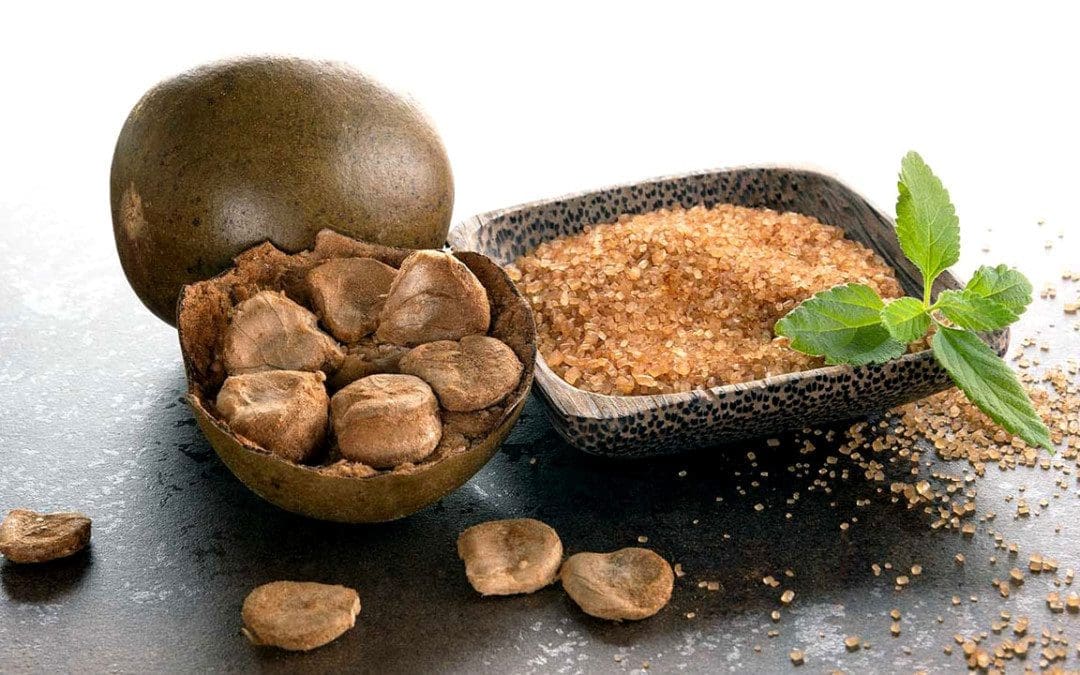
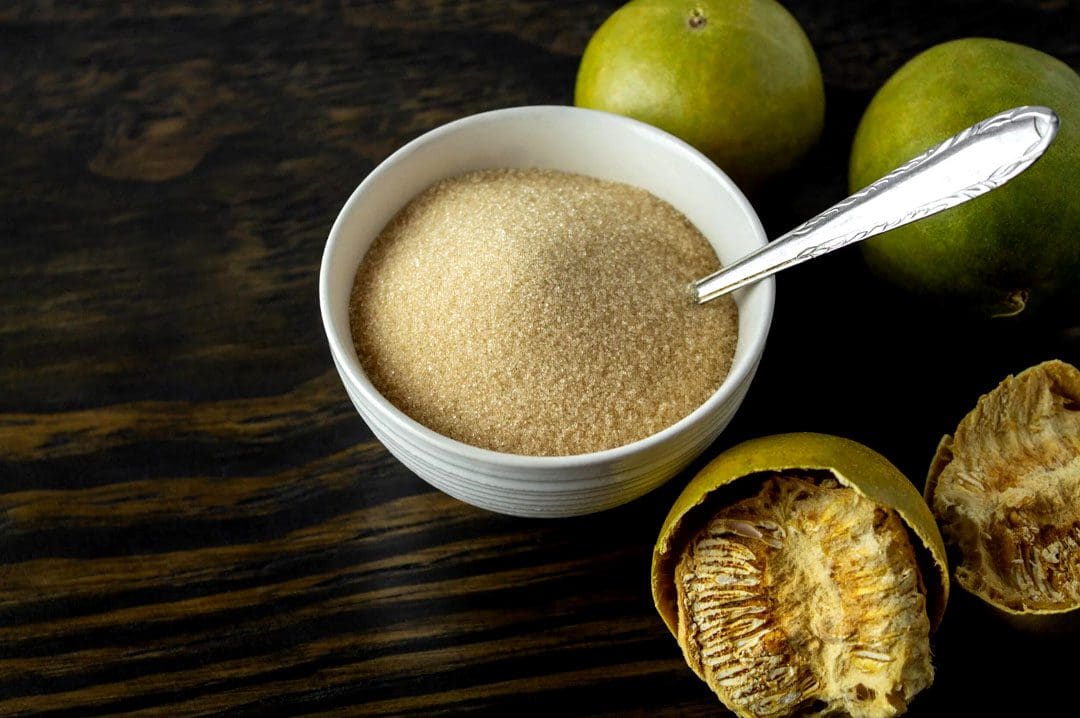
As individuals try to avoid sugar as best as possible, alternative sweeteners are becoming more popular. A new addition is monk fruit sweetener, also called monk fruit extract. Monk fruit is a small, round fruit native to southern China. Unlike some chemically based sugar alternatives, monk fruit extract is considered natural. The sweetener has been around for decades but has become more available in the United States. The zero-calorie extract can be used as a standalone sweetener in foods and drinks and as a flavor enhancer.
Monk Fruit Sugar Alternative
Manufacturers remove the seeds and skin, crush the fruit, and extract the juice, which is then dried into a concentrated powder. Unlike most fruits, the natural sugars in monk fruit are not what gives it its sweetness. Instead, the intense sweetness comes from antioxidants (commonly found in plant foods, antioxidants fight off free radicals that can cause health problems like cancer and heart disease) called mogrosides. The mogroside is the sweetest part of the fruit, with a taste over 100 times sweeter than sugar and no calories.
Safe For Consumption
Monk fruit has the generally recognized as safe -GRAS label from the U.S. Food and Drug Administration with no reported side effects. However, it is advised to read the ingredients label before buying this sweetener. Some of the cheaper products combine other sweeteners with monk fruit extract. Some contain erythritol, a sugar alcohol that can cause stomach bloating or upset stomach.
Use
It has been found to be a healthy option for lowering overall sugar intake. However, consuming monk fruit or any sweetener should be done in moderation and with a healthy nutrition plan. It comes in powder or liquid form. As a natural alternative, it can be used:
As s sugar substitute for favorite baking, cooking, soup, sauce recipes, etc.
For drinks like coffee, tea, lemonade, smoothies, etc.
Added on breakfast dishes like oatmeal or yogurt.
Whipped into frosting or a mousse.
The ultra-sweetness means that little is required as it goes a long way. It is recommended to drink regular water or tea and eat foods without the sweetener because, over time, the taste buds adjust and do not need the sweetener as much. Consult a doctor, dietician, or nutritionist to determine if this sugar alternative is right for you and the benefits.
What Is It?
References
Chen, W J et al. “The antioxidant activities of natural sweeteners, mogrosides, from fruits of Siraitia grosvenori.” International journal of food sciences and nutrition vol. 58,7 (2007): 548-56. doi:10.1080/09637480701336360
EFSA Panel on Food Additives and Flavourings (FAF) et al. “Safety of use of Monk fruit extract as a food additive in different food categories.” EFSA journal. European Food Safety Authority vol. 17,12 e05921. 11 Dec. 2019, doi:10.2903/j.efsa.2019.5921
Lobo, V et al. “Free radicals, antioxidants, and functional foods: Impact on human health.” Pharmacognosy reviews vol. 4,8 (2010): 118-26. doi:10.4103/0973-7847.70902
Pawar, Rahul S et al. “Sweeteners from plants–with emphasis on Stevia rebaudiana (Bertoni) and Siraitia grosvenorii (Swingle).” Analytical and bioanalytical chemistry vol. 405,13 (2013): 4397-407. doi:10.1007/s00216-012-6693-0
IFM's Find A Practitioner tool is the largest referral network in Functional Medicine, created to help patients locate Functional Medicine practitioners anywhere in the world. IFM Certified Practitioners are listed first in the search results, given their extensive education in Functional Medicine